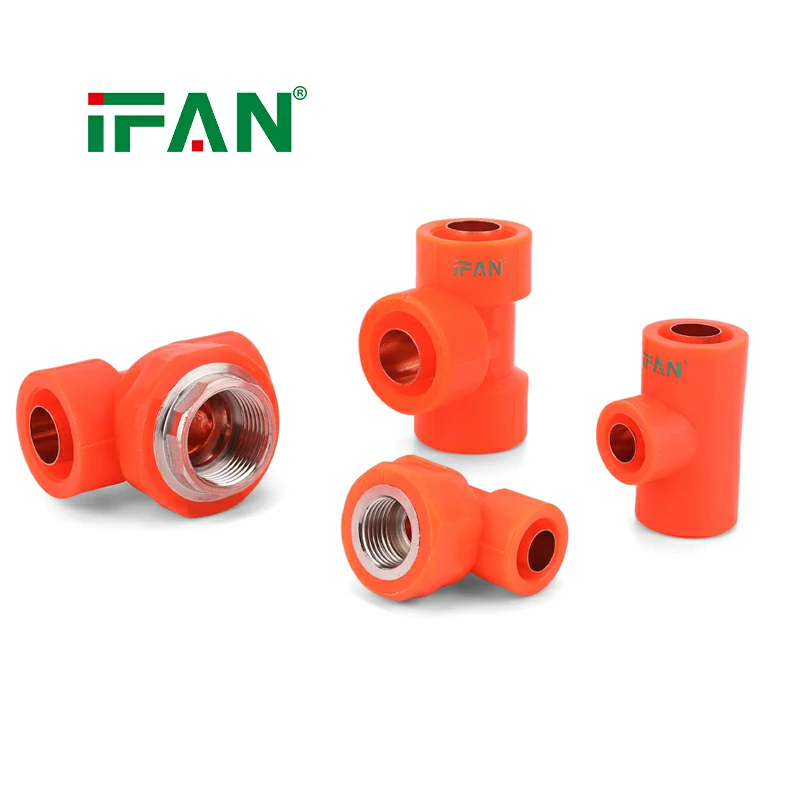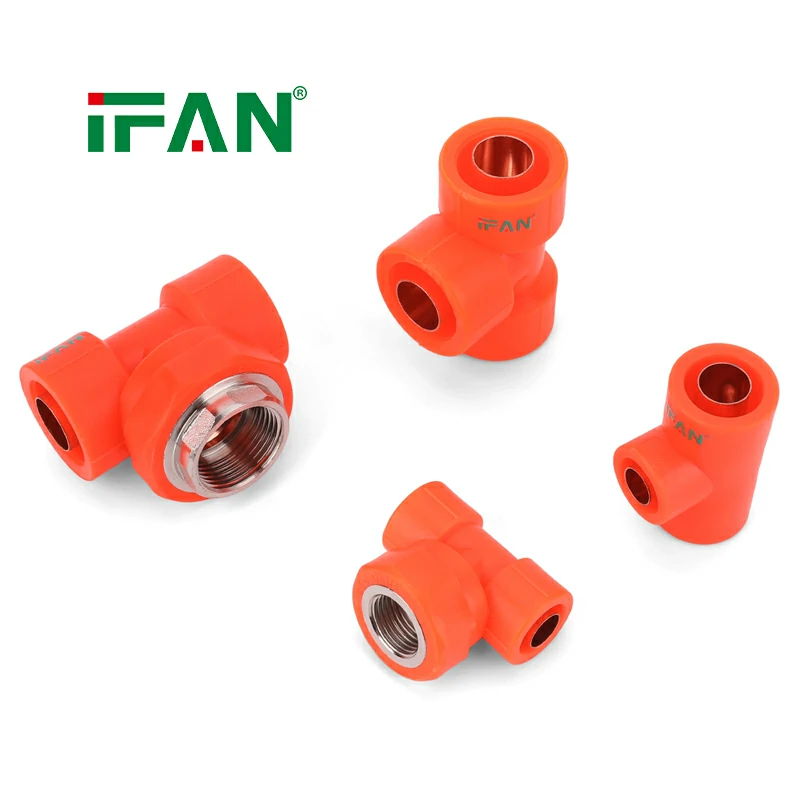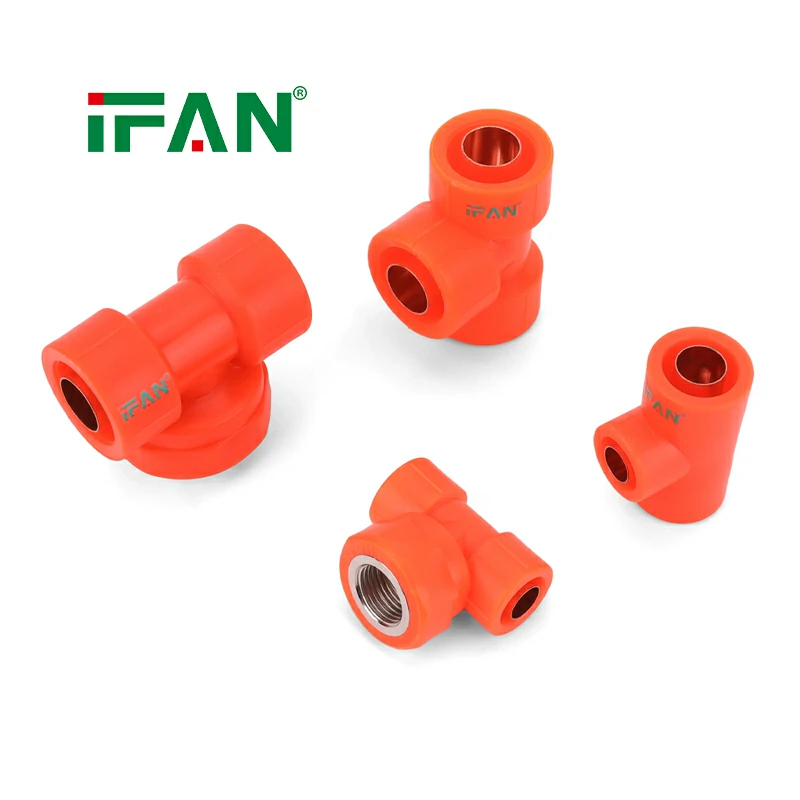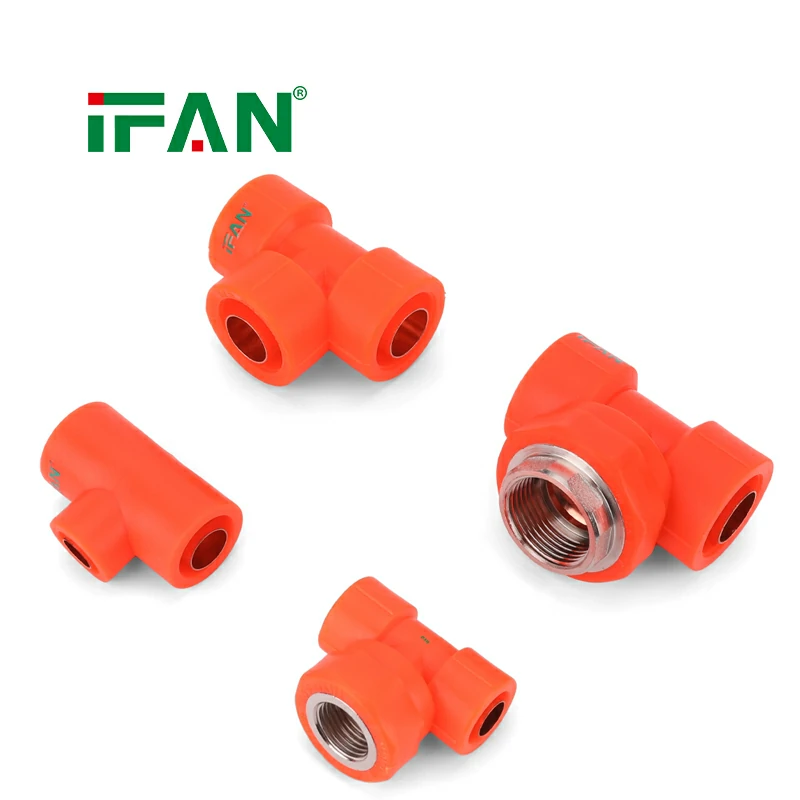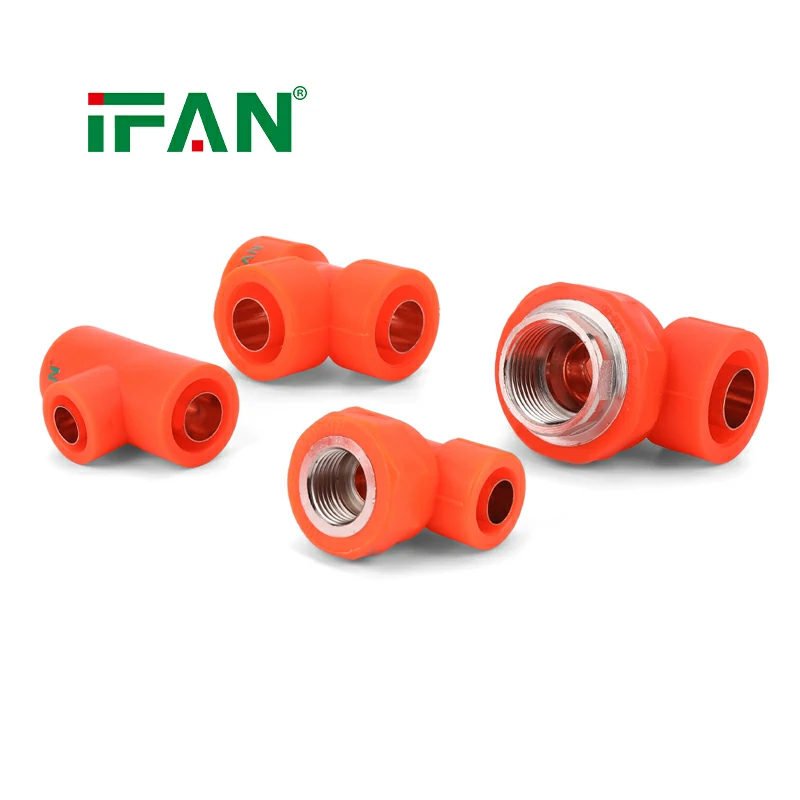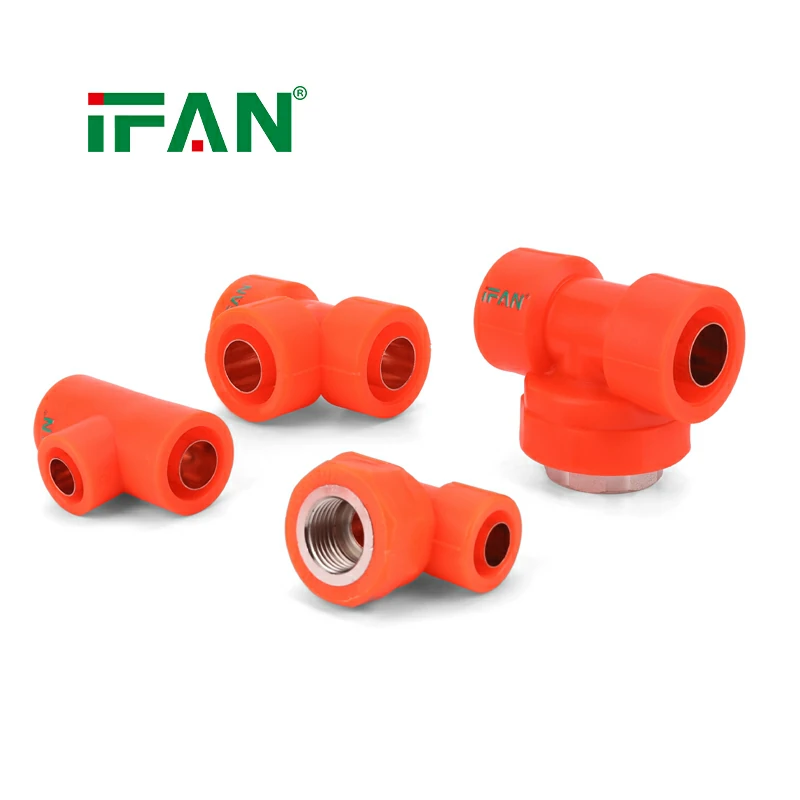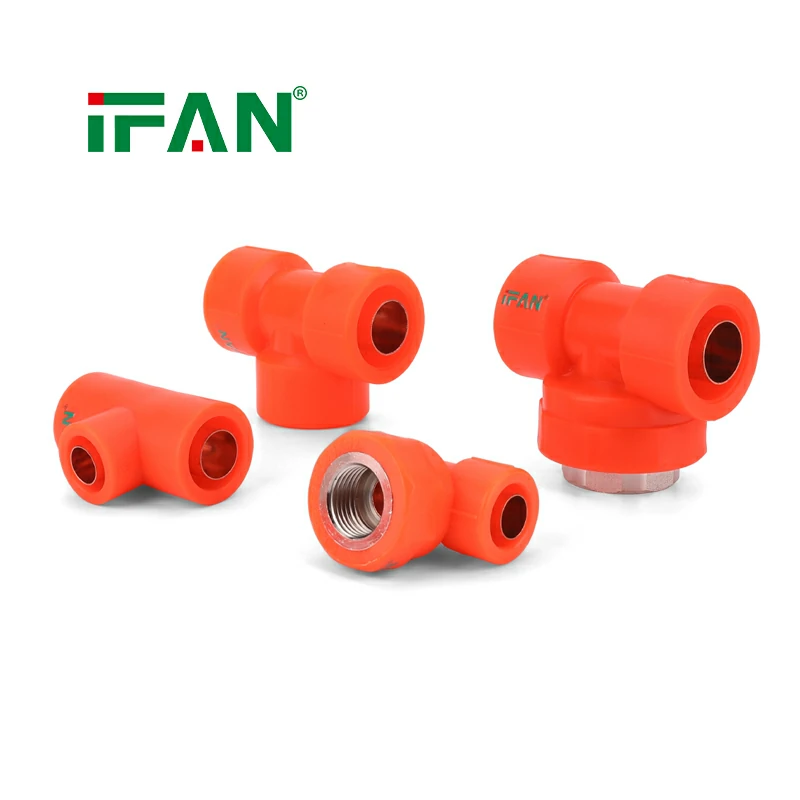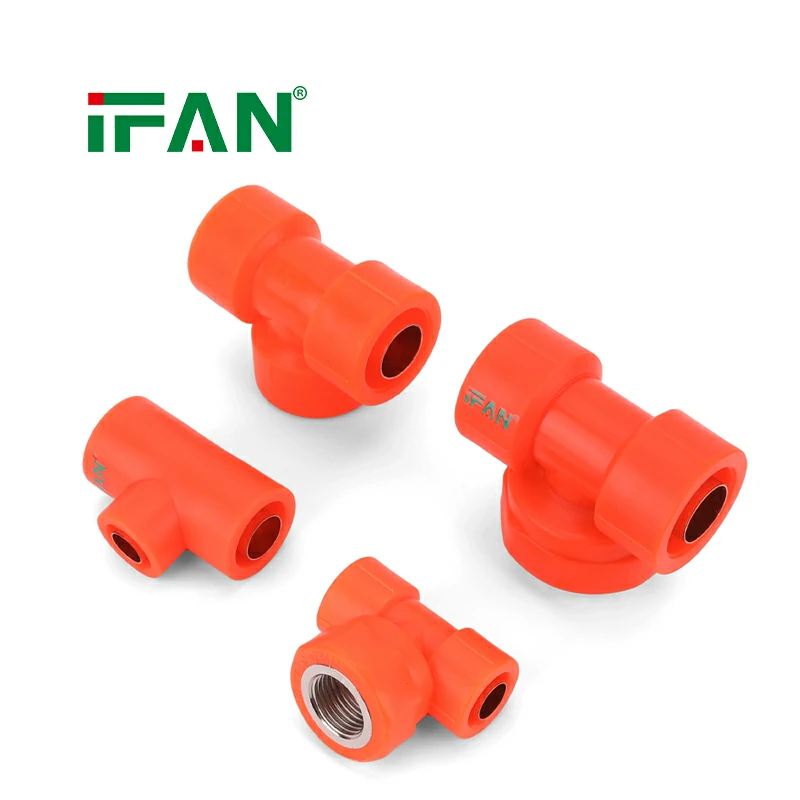
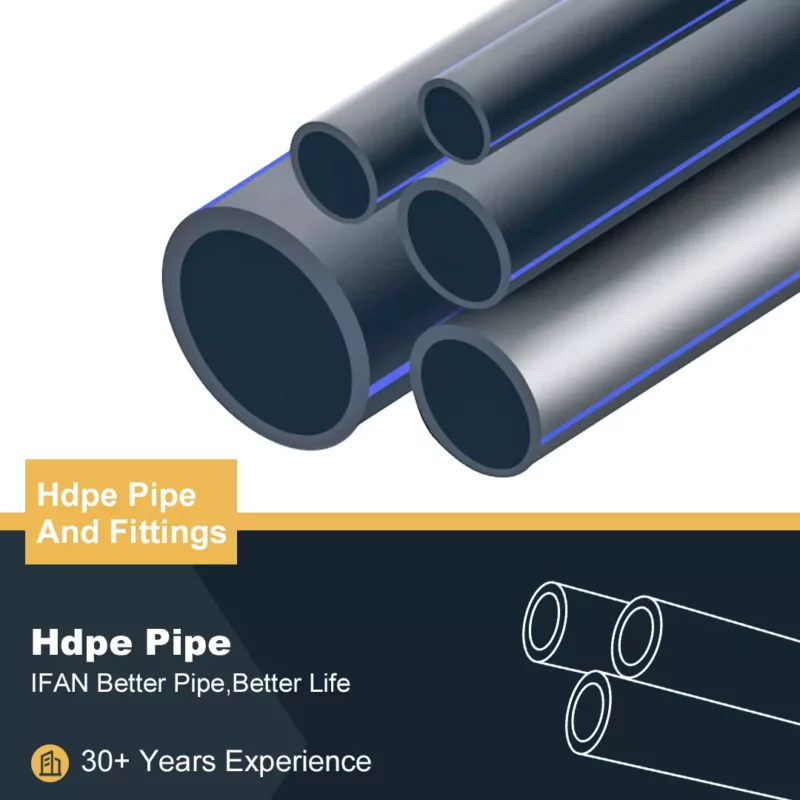
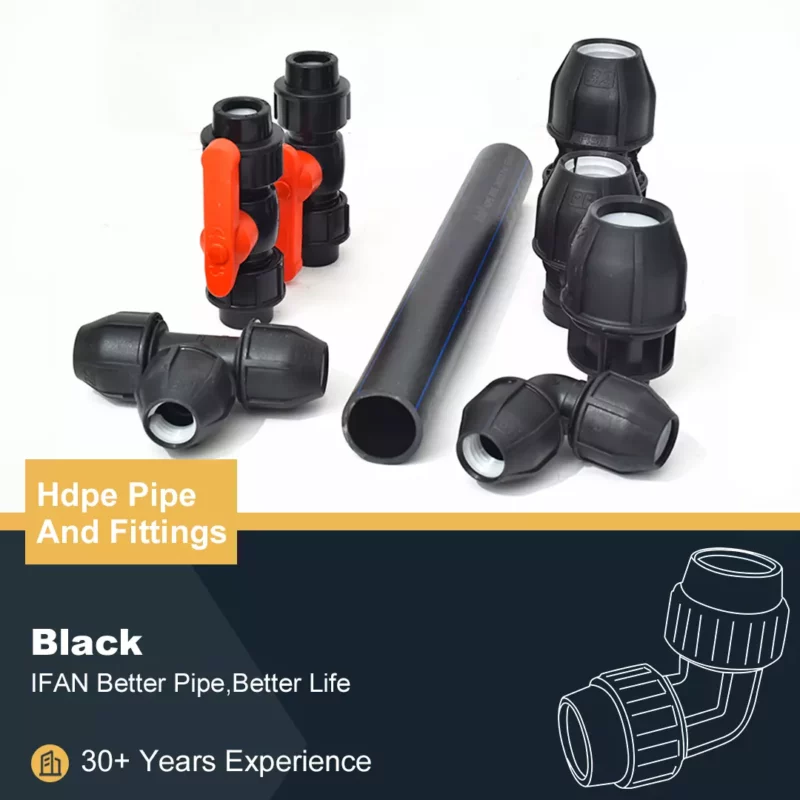
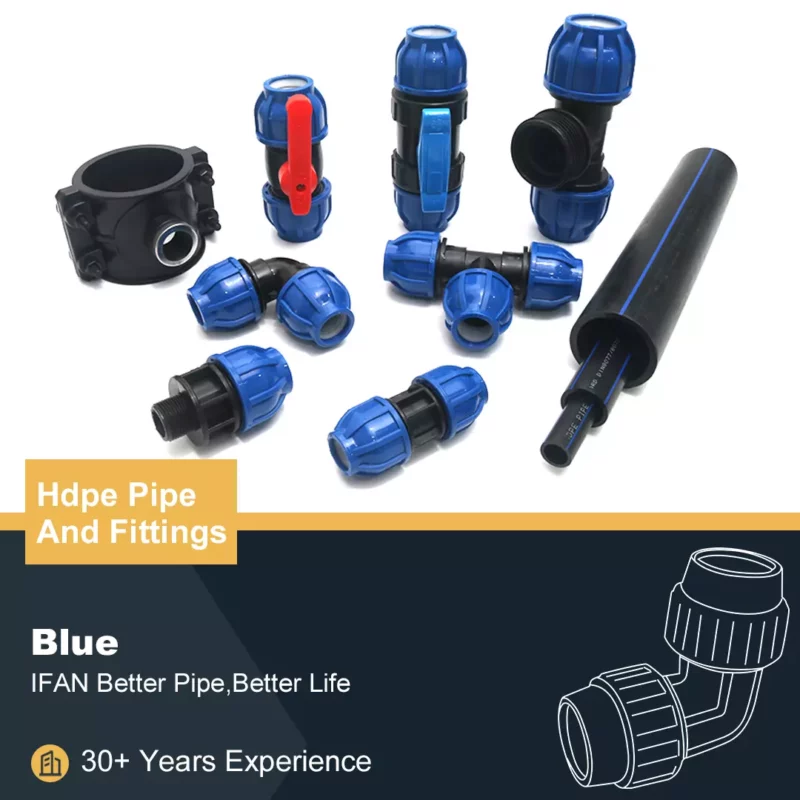
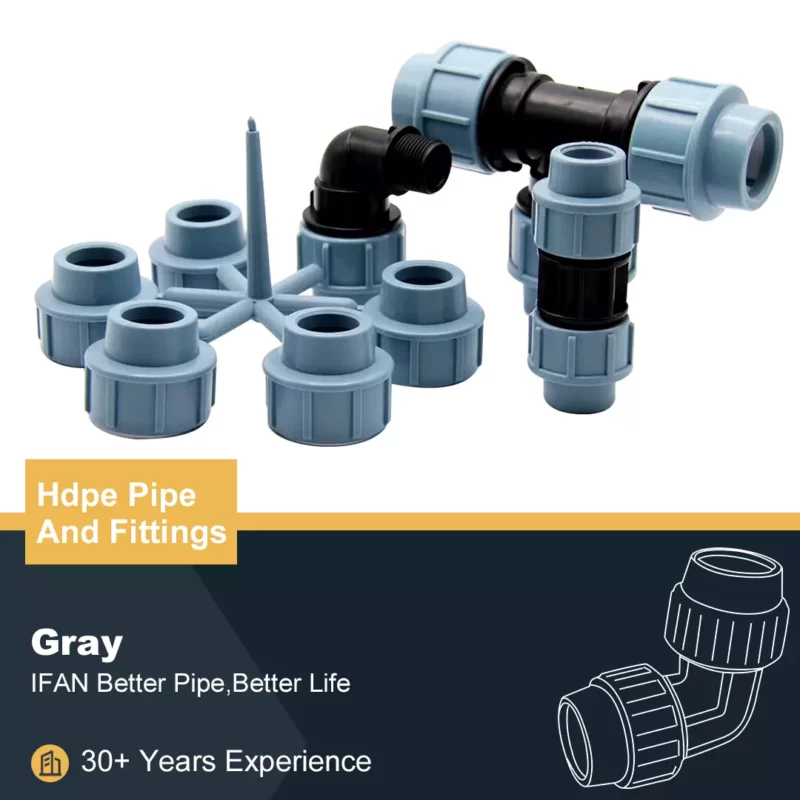

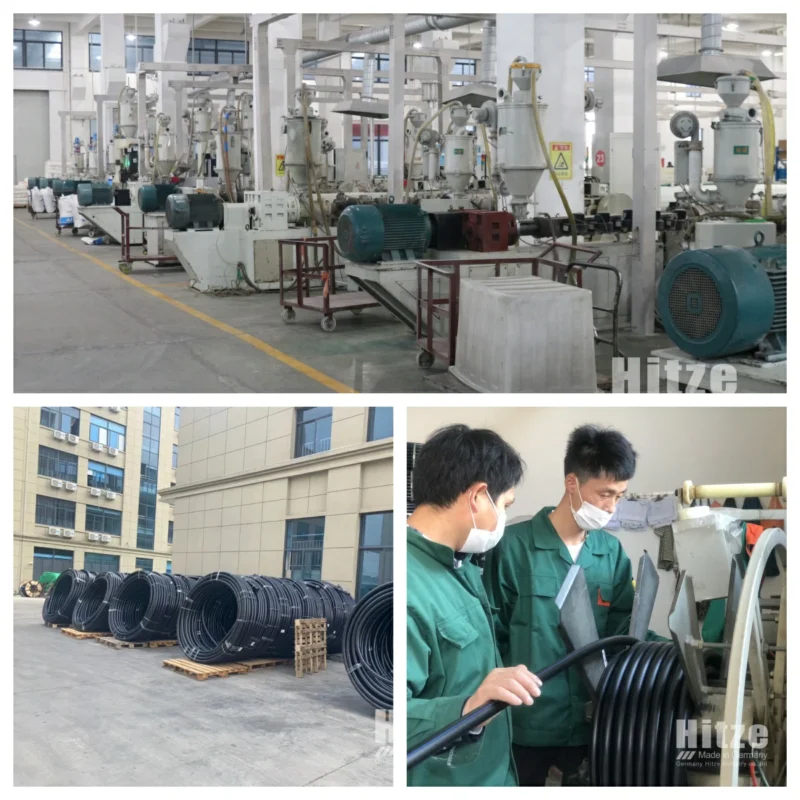
High-Density Polyethylene (HDPE) pipes have become an essential component in various industries, including construction, water treatment, and gas distribution. Known for their durability, flexibility, and resistance to corrosion, HDPE pipes are the go-to choice for many infrastructure projects. In this article, we will explore the top benefits of HDPE pipes, examining why they have gained such popularity and why they are often preferred over traditional materials.
1. Durability and Longevity
One of the standout benefits of HDPE pipe is their impressive durability. These pipes can withstand harsh environmental conditions, including extreme temperatures, UV exposure, and chemical exposure. HDPE pipes are known to last for decades, with an average lifespan of over Long-term durability according to standards, making them a cost-effective long-term solution for various applications.
Unlike traditional materials such as PVC and steel, HDPE pipes are resistant to cracking, rusting, and corrosion. This resistance ensures that HDPE pipe remain functional and effective for many years, reducing the need for costly repairs or replacements. Their durability makes them ideal for critical infrastructure systems like water supply and sewage systems.
2. Flexibility and Resistance to Stress
HDPE pipes are incredibly flexible, making them resistant to damage from external forces, such as ground movement or pressure. Unlike rigid pipes, HDPE pipe can bend and stretch without cracking or breaking. This flexibility is especially beneficial in areas prone to seismic activity or ground shifts, where traditional pipes might fail.
The pipes can also expand and contract with temperature changes without losing their structural integrity. This adaptability helps prevent costly repairs and maintenance that could arise from pipe failure due to temperature fluctuations. HDPE pipes’ resistance to stress makes them ideal for both residential and commercial applications.
3. Corrosion Resistance
Corrosion is one of the main causes of pipe failure, especially in metal pipes that are exposed to moisture and chemicals. HDPE pipes are made from a non-corrosive material, which means they do not rust, rot, or degrade when exposed to moisture. This makes them perfect for applications in harsh environments, such as underground water systems or sewage treatment facilities.
The resistance to corrosion extends to chemicals as well. HDPE pipe can withstand a wide range of chemical substances without deteriorating, making them suitable for the transport of various liquids and gases in industrial applications. This unique property ensures that HDPE pipes remain functional even in chemically aggressive environments.
4. Cost-Effectiveness
HDPE pipes are often more cost-effective than traditional materials. Although the initial cost of HDPE pipe can be higher than PVC, they offer better long-term savings due to their durability, lower maintenance needs, and longer lifespan. The reduced need for repairs and replacements translates to significant savings for businesses and municipalities over time.
Additionally, HDPE pipes are lightweight, which reduces transportation and handling costs. Their flexibility also allows for fewer joints, minimizing the need for specialized fittings and further reducing overall costs. The installation process is quicker and simpler, further decreasing labor costs associated with the pipe laying process.
5. Environmental Benefits
HDPE pipes are environmentally friendly in several ways. First, they are made from recyclable materials, contributing to sustainability efforts. The manufacturing process for HDPE pipe also requires less energy compared to other pipe materials, reducing the overall carbon footprint.
Moreover, since HDPE pipes are durable and resistant to corrosion, they require fewer replacements over time, reducing the environmental impact associated with pipe production and disposal. These pipes also have a longer operational life, which means fewer resources are needed to maintain infrastructure.
6. Superior Hydraulic Performance
HDPE pipes are designed to provide superior flow characteristics. Their smooth internal surface reduces friction, ensuring efficient flow rates and minimal energy loss. This is particularly important in applications like water distribution, where maintaining optimal flow is critical.
The smooth surface also reduces the chances of clogs and blockages, which are common issues in rough or corrosive pipes. This makes HDPE pipes an ideal choice for systems that transport water, wastewater, or chemicals, as they help to maintain consistent performance over time.
7. Ease of Installation
Another key benefit of HDPE pipe is their ease of installation. Thanks to their lightweight nature and flexibility, these pipes are much easier to handle and install compared to traditional pipes made of steel or concrete. This can significantly reduce installation time and labor costs.
HDPE pipes are also compatible with various installation methods, such as direct burial, trenchless installation, and slip-lining, offering versatility and flexibility to contractors. The ability to install pipes quickly and efficiently helps reduce disruption to communities and businesses during the installation process.
8. Resistance to Microbial Growth
Microbial growth, such as the buildup of algae, bacteria, and fungi, can significantly affect the quality of water transported through pipes. Traditional pipes made from materials like steel or concrete are more prone to microbial contamination due to their porous surfaces and susceptibility to corrosion.
In contrast, HDPE pipe have smooth, non-porous surfaces that resist the growth of microorganisms. This is especially important for applications involving drinking water or wastewater treatment, where maintaining water quality is a top priority. HDPE pipes contribute to maintaining a clean, safe, and hygienic system, ensuring that the transported fluids remain uncontaminated.
9. High Pressure Resistance
HDPE pipes are capable of withstanding high-pressure environments, which makes them suitable for a wide range of industrial applications. Whether used in water supply systems, oil and gas pipelines, or chemical transportation, HDPE pipes are designed to handle pressure without compromising their structural integrity.
This high-pressure resistance ensures the safe and reliable transport of liquids and gases across various applications, reducing the likelihood of leaks or pipe bursts. This characteristic is crucial for industries that rely on the safe and efficient transfer of high-pressure materials.
10. Reduced Maintenance and Repair Costs
HDPE pipes require very little maintenance once installed. Their resistance to corrosion, cracking, and microbial growth reduces the frequency of inspections and repairs. This is a significant advantage in areas where maintenance is difficult or expensive.
Unlike traditional materials, which may need frequent repairs due to rust, corrosion, or physical damage, HDPE pipes can be left in place for long periods without issues. This drastically reduces maintenance and operational costs, making them a more efficient and cost-effective solution for infrastructure systems.
Conclusion
In conclusion, HDPE pipes offer a wide range of benefits that make them the preferred choice for modern infrastructure projects. Their durability, flexibility, corrosion resistance, and cost-effectiveness make them an ideal solution for water, gas, and industrial piping systems. Furthermore, their environmental benefits, ease of installation, and long lifespan make them an excellent investment for municipalities, businesses, and industries.
As industries continue to seek sustainable and reliable solutions for their infrastructure needs, HDPE pipes are poised to remain a key player in the development of modern pipelines and water systems. Their combination of strength, performance, and environmental advantages makes them an essential material for the future.
If you have read this article and have any questions, please feel free to contact IFAN. Below is our contact information:
Whatsapp:+86 13373827623
Email:[email protected]