



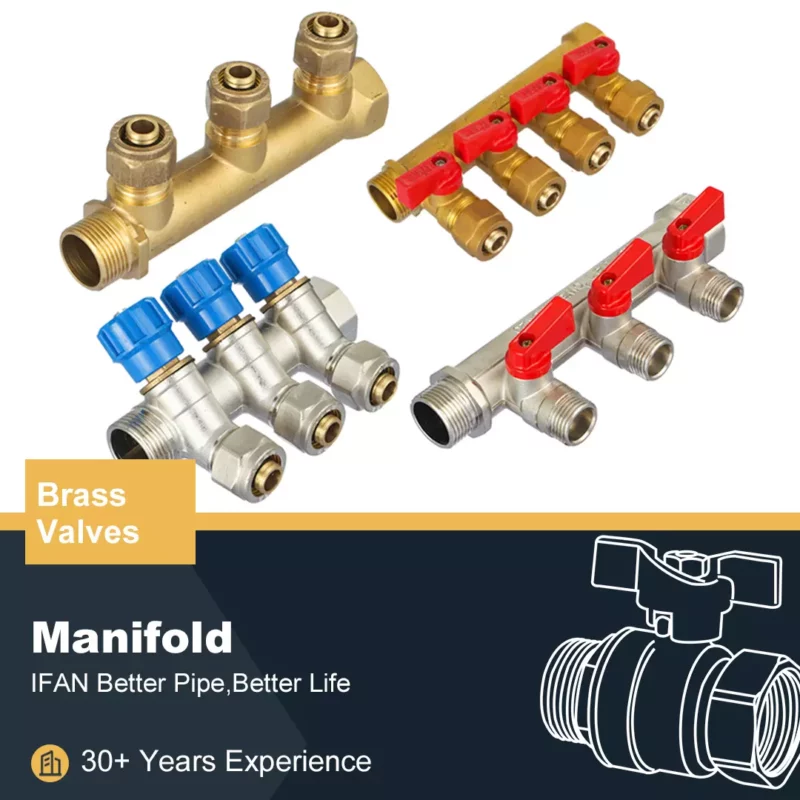
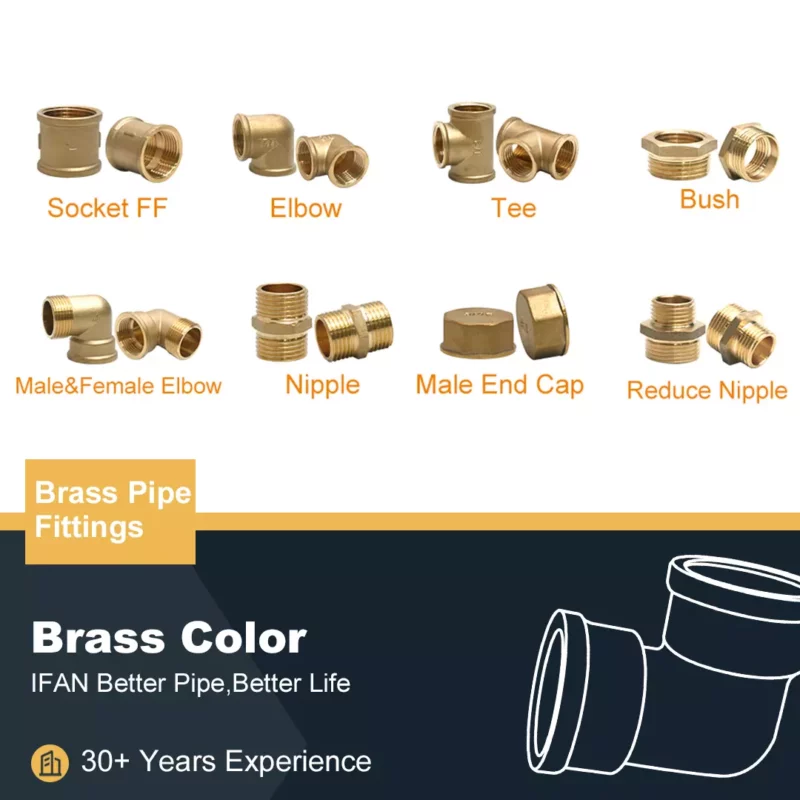
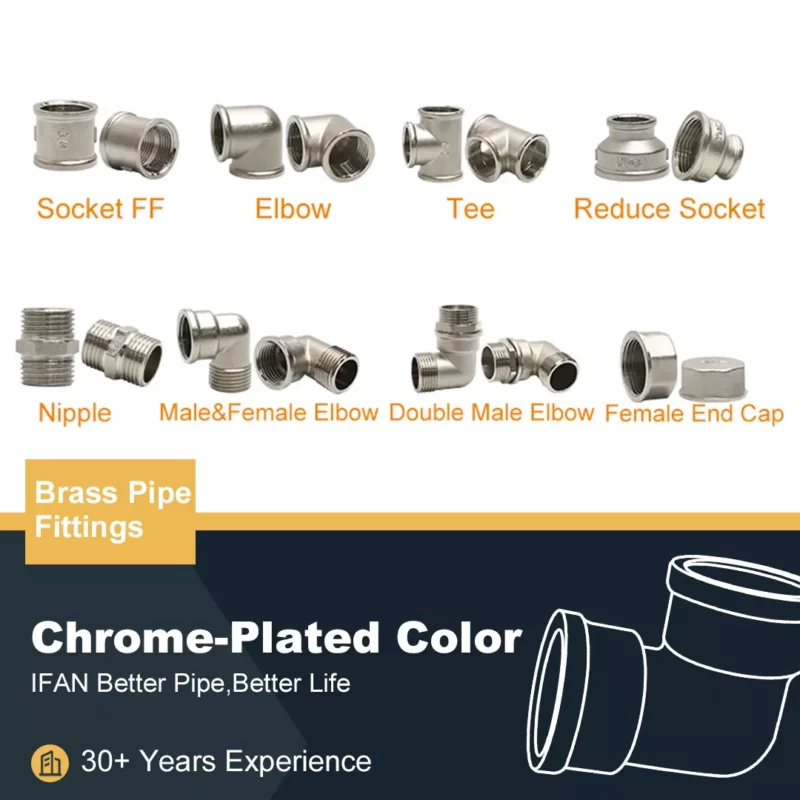




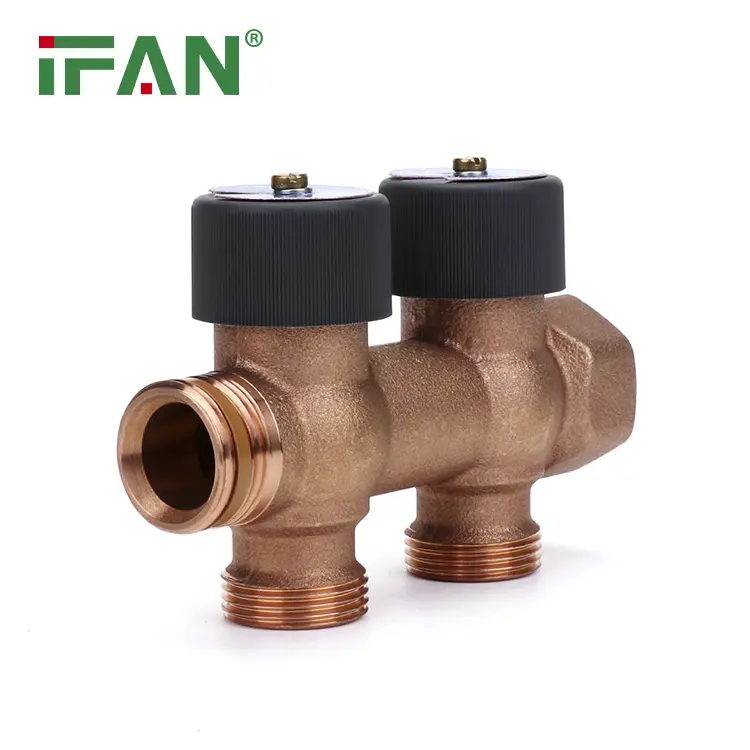
When it comes to selecting the right manifold for your plumbing system, the choice between brass and stainless steel can be a pivotal decision. Both materials offer unique advantages and considerations, making the decision-making process crucial for optimal performance and longevity. Let’s explore the key factors to consider when choosing between brass and stainless steel manifolds.
Durability and Corrosion Resistance:
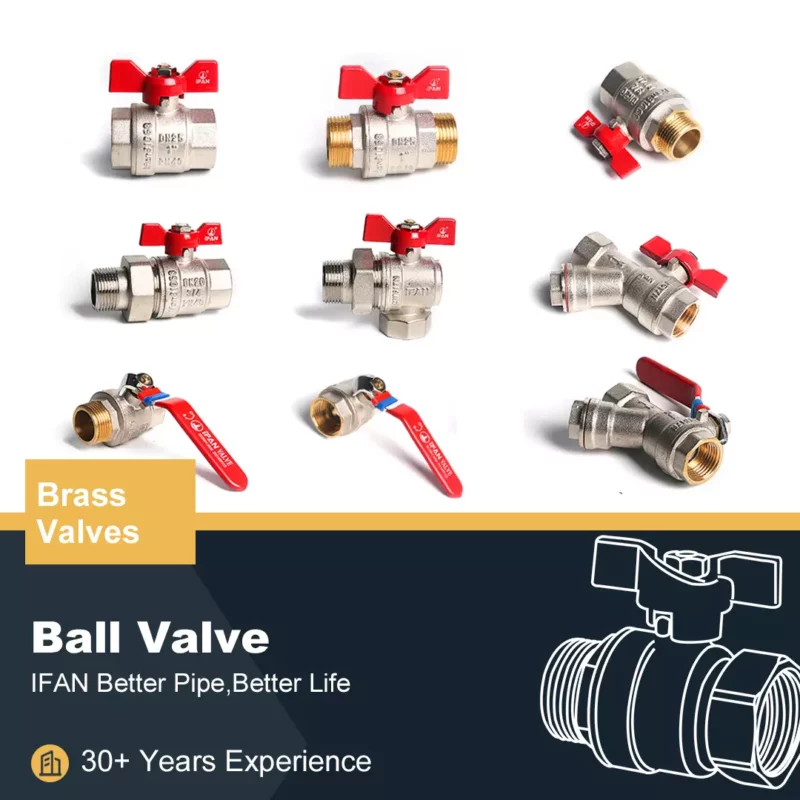
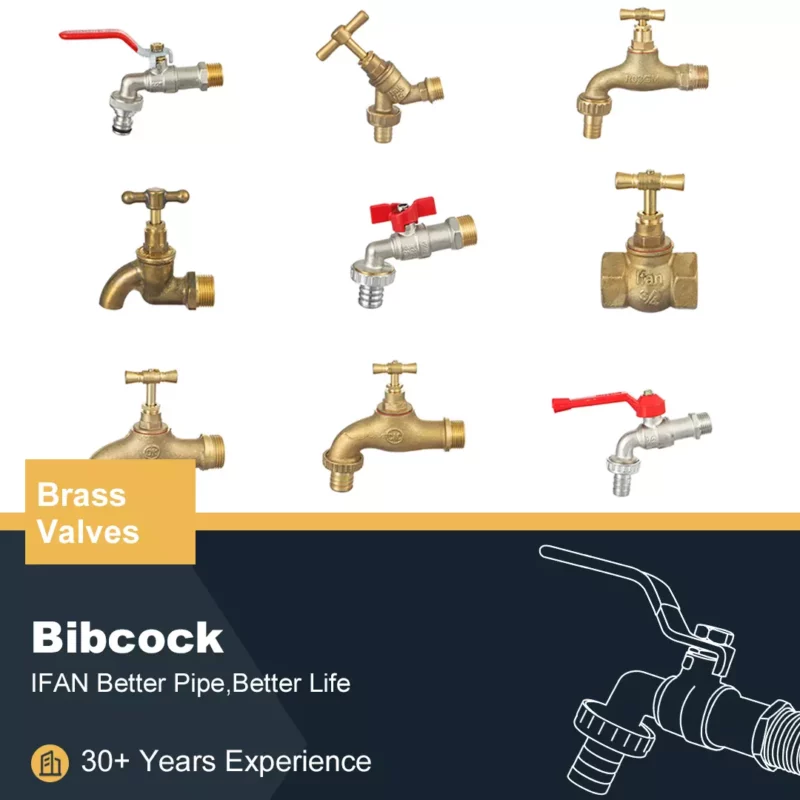
Brass Manifold: Renowned for its exceptional durability and corrosion resistance, brass manifolds are crafted from high-quality brass alloy, making them suitable for a wide range of applications. Brass exhibits excellent resistance to rust, corrosion, and dezincification, ensuring long-term reliability and performance even in harsh environments.
Stainless Steel Manifold: Stainless steel manifolds are celebrated for their superior corrosion resistance, making them ideal for applications where exposure to moisture, chemicals. Or extreme temperatures is a concern. Stainless steel alloys, such as 304 or 316, offer outstanding resistance to rust, pitting, and staining, ensuring durability and longevity in demanding conditions.
Cost Considerations:
Brass Manifold: While brass manifolds typically offer excellent durability. And performance. they may come at a slightly lower initial cost compared to stainless steel alternatives. This makes brass manifolds an attractive option for budget-conscious projects without compromising on quality or reliability.
Stainless Steel Manifold: Stainless steel manifolds are often associated with a higher initial cost due to the material’s superior corrosion resistance and longevity. However, the long-term benefits of reduced maintenance, fewer replacements, and extended service life can offset the higher upfront investment. Making stainless steel manifolds a cost-effective choice in the long run.
Aesthetic Appeal:
Brass Manifold: With its warm, golden hue and timeless appeal, brass manifolds add a touch of elegance and sophistication to any plumbing system. The lustrous finish of brass complements a variety of interior styles, from traditional to contemporary, enhancing the overall aesthetic of the space.
Stainless Steel Manifold: Stainless steel manifolds boast a sleek. And modern appearance, characterized by their smooth, brushed finish and minimalist design. The clean lines and neutral tone of stainless steel blend seamlessly with modern decor, offering a stylish and understated aesthetic.
Compatibility and Application:
Brass Manifold: Brass manifolds are compatible with a wide range of piping materials. Including copper, PEX, and CPVC, making them versatile and adaptable to various plumbing systems. Their malleability and ease of machining allow for customized configurations and fittings, catering to specific application requirements.
Stainless Steel Manifold: Stainless steel manifolds are well-suited for applications where hygiene, cleanliness, and compatibility with aggressive fluids are paramount. Their non-reactive nature and inert surface make them ideal for use in food processing. Pharmaceutical, and chemical industries, ensuring compliance with strict regulatory standards.
Conclusion:
In conclusion, the choice between brass and stainless steel manifolds ultimately depends on your specific requirements. Budget constraints, and aesthetic preferences. While brass manifolds offer durability, versatility, and timeless elegance at a competitive price point, stainless steel manifolds excel in corrosion resistance, longevity, and modern aesthetics, albeit at a slightly higher cost. By carefully considering the factors outlined above, you can make an informed decision and choose the manifold that best suits your needs, ensuring optimal performance and value for years to come.
If you have read this article and have any questions, please feel free to contact IFAN. Below is our contact information:
Whatsapp:+86 13373827623
Email:[email protected]