
Introduction
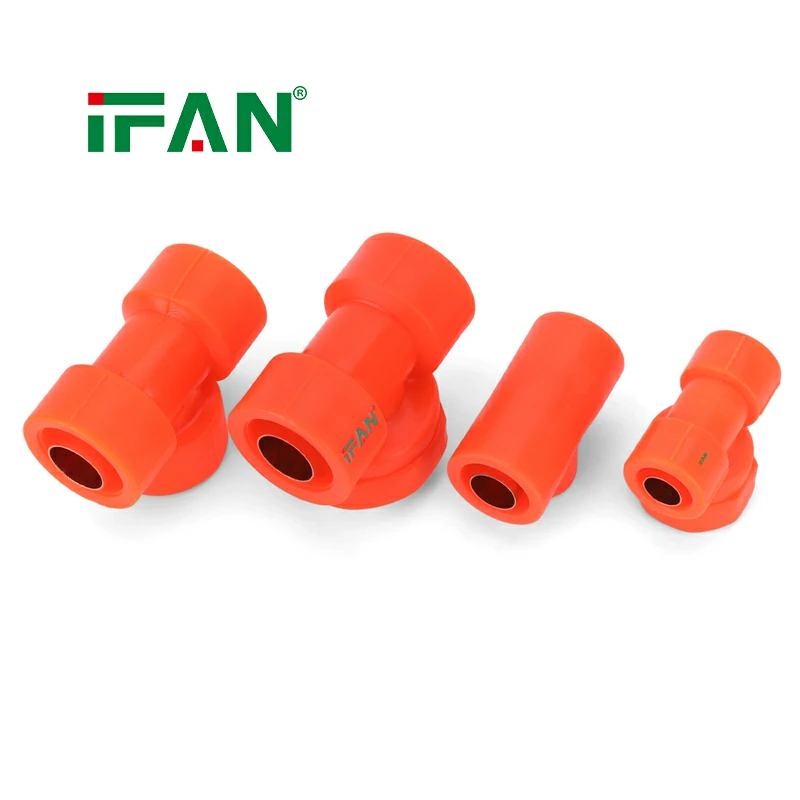
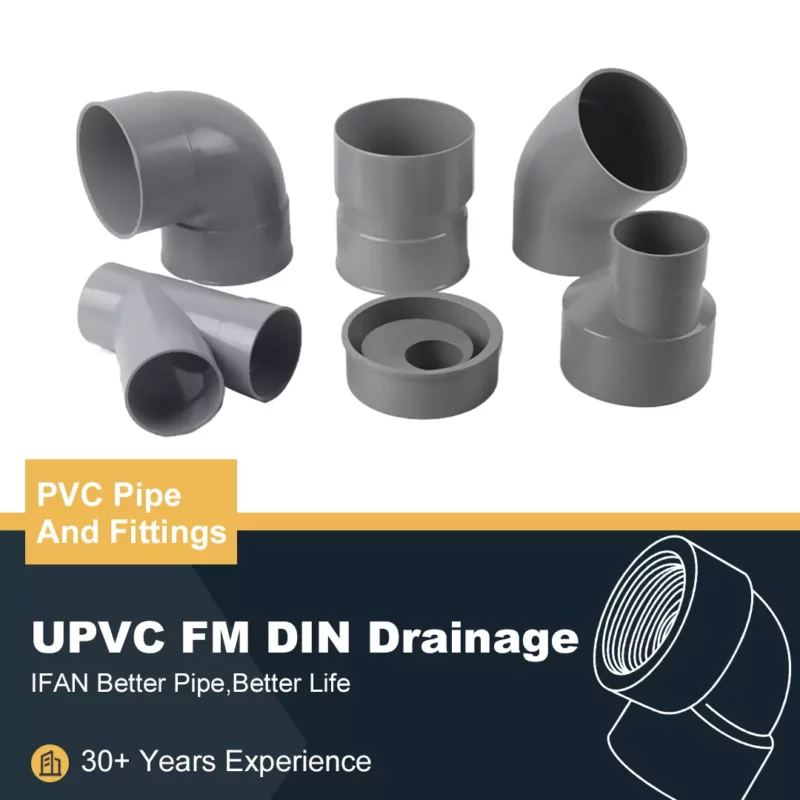
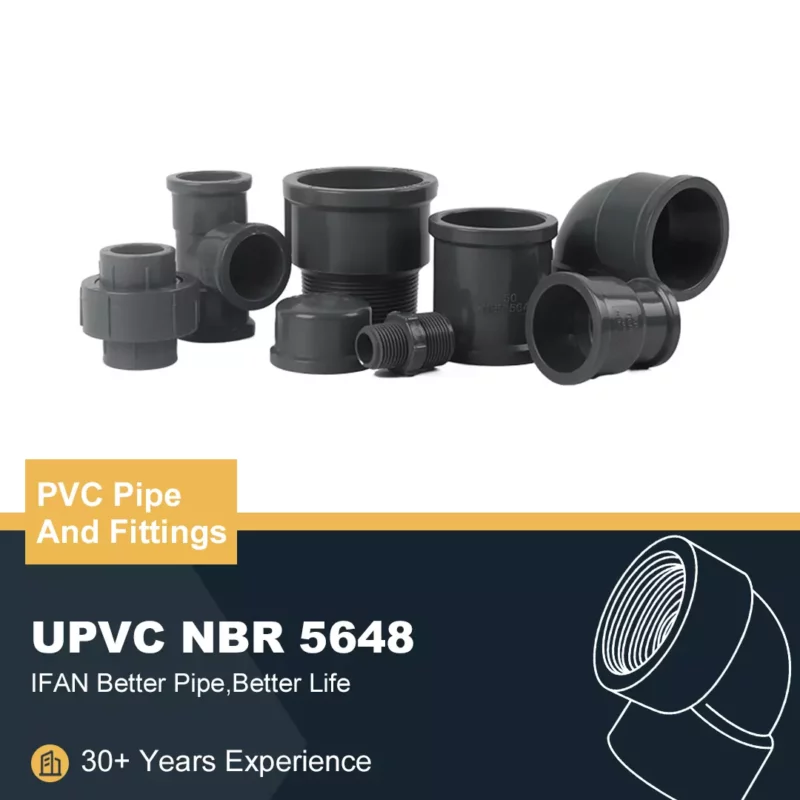
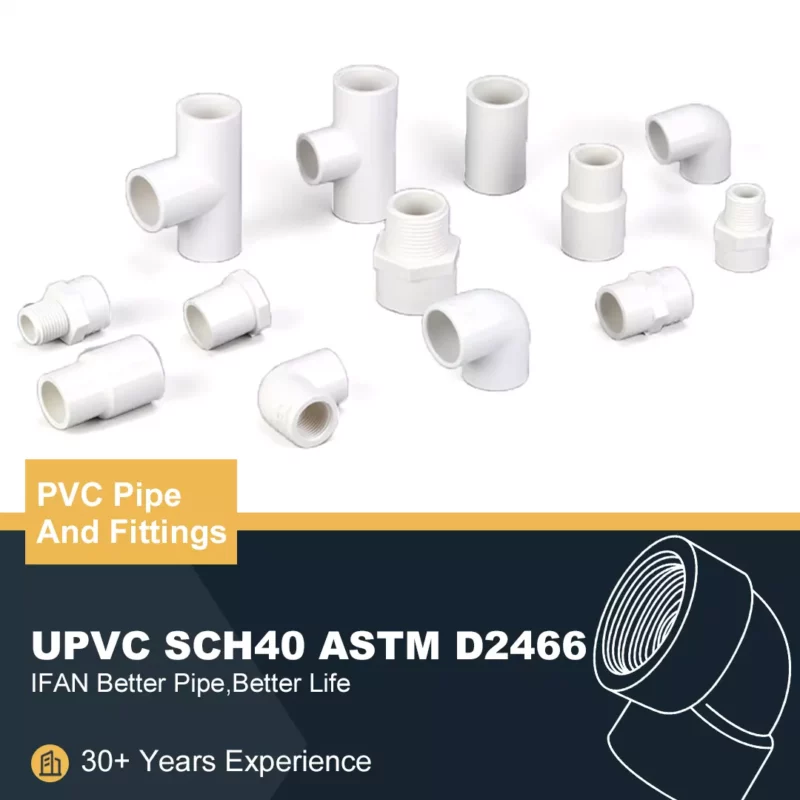
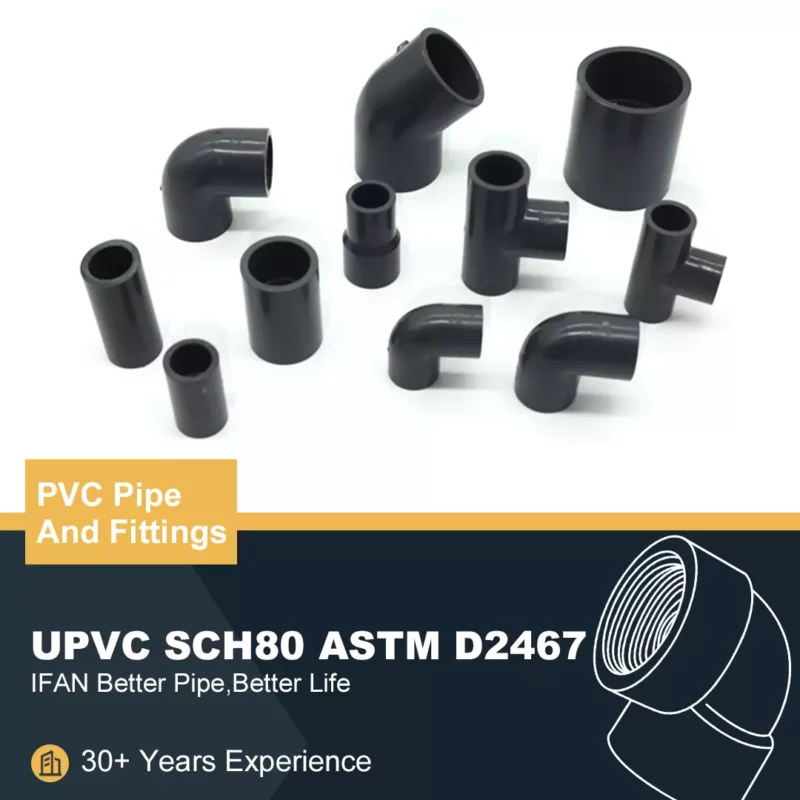
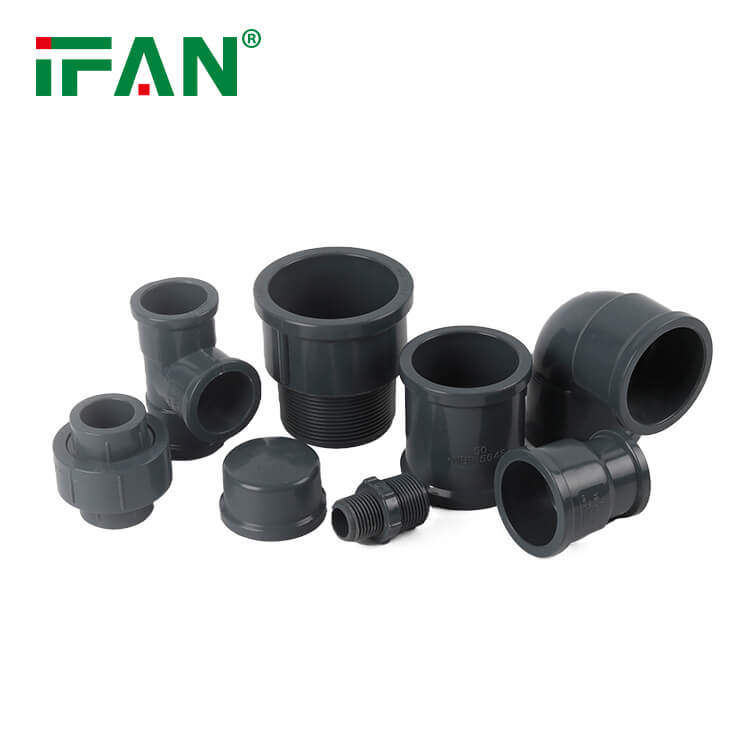
Piping systems are essential in many industries and applications, and selecting the appropriate material is crucial for optimal performance and longevity. This article will compare UPVC fittings with other commonly used piping materials, highlighting their strengths and weaknesses.
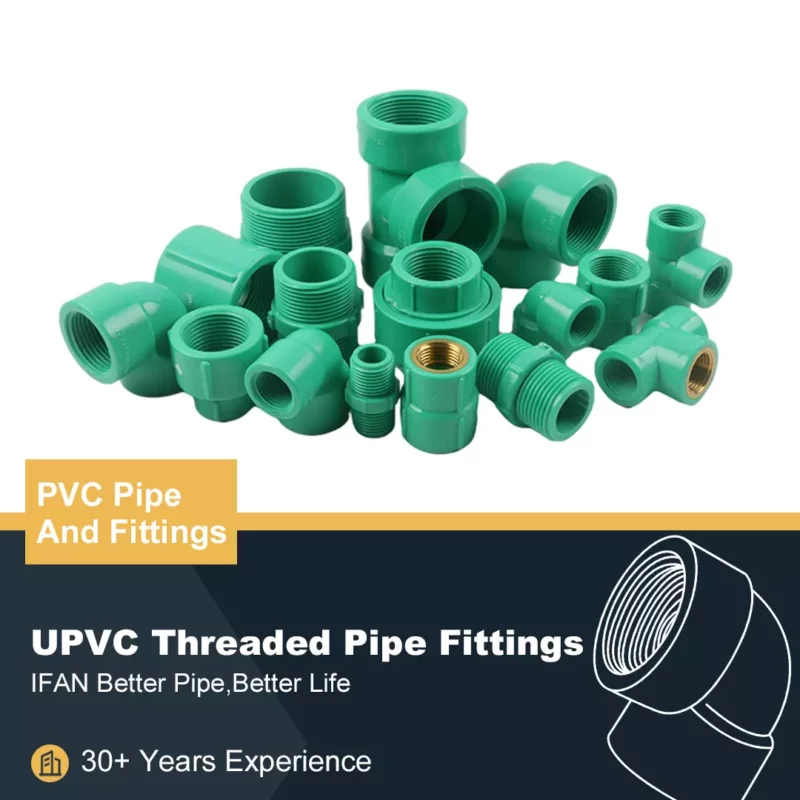
UPVC Fittings
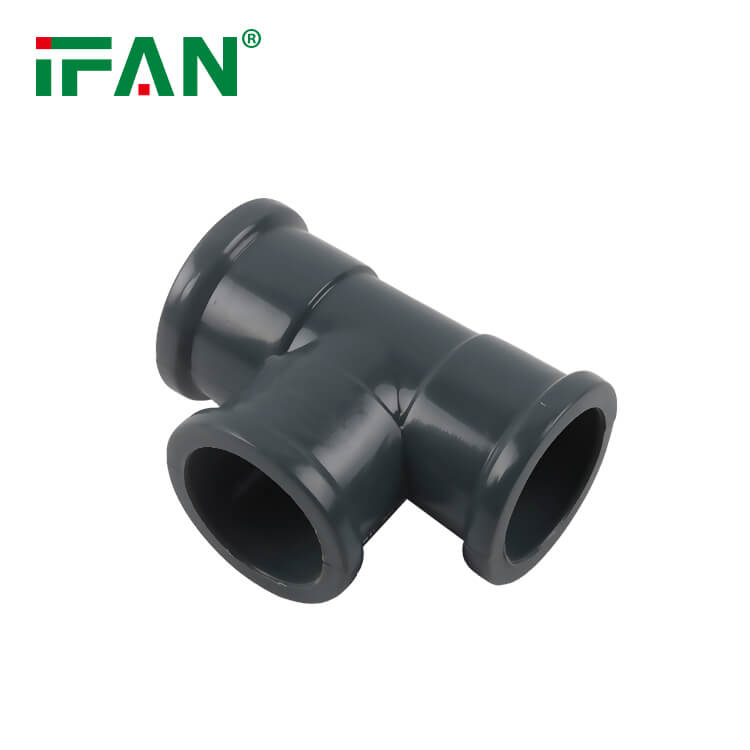
Environmental Friendliness: UPVC fitting are eco-friendly and recyclable, making them a sustainable option.
Chemical Resistance: UPVC fitting are highly resistant to chemical corrosion, reducing the risk of leaks and system failures.
Lightweight and Easy Handling: UPVC fittings are lightweight and easy to handle, simplifying the installation process.
PVC Fittings
Similarities with UPVC: PVC fittings share many similarities with UPVC fittings, such as chemical resistance and ease of handling.
Lower Temperature Resistance: PVC fittings have a lower temperature resistance compared to UPVC fitting, limiting their use in high-temperature applications.
Cost-Effective Option: PVC fittings are more affordable than other materials, offering a cost-effective alternative.
Copper Fittings
High Thermal Conductivity: Copper fittings have excellent thermal conductivity, making them suitable for hot water and heating systems.
Corrosion Resistance: Copper fittings are highly resistant to corrosion, ensuring long-term performance in corrosive environments.
Higher Cost: Copper fitting are more expensive compared to PVC and UPVC fittings, making them less cost-effective for some applications.
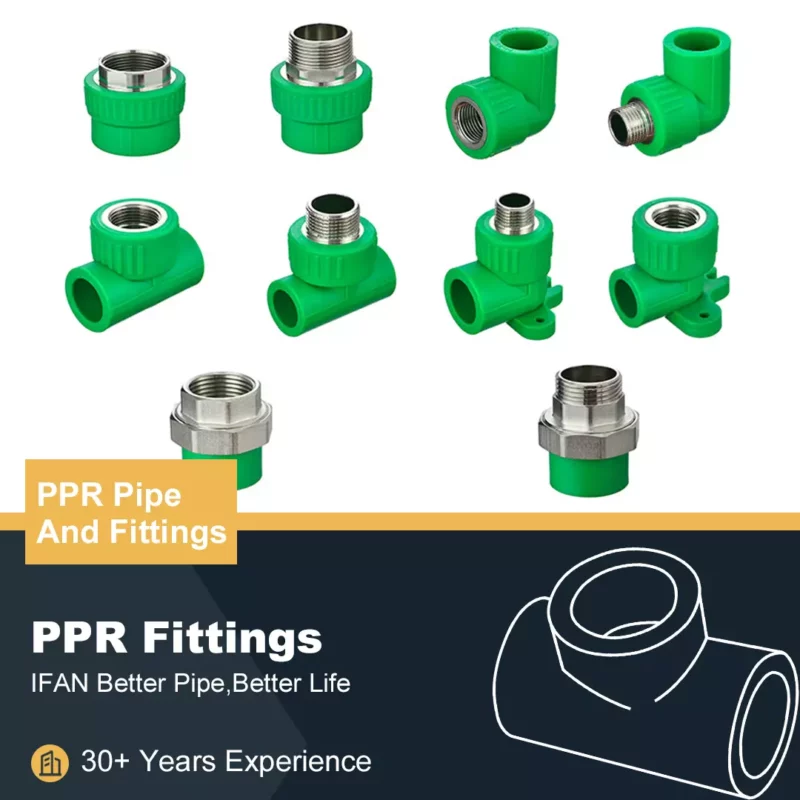
Stainless Steel Fittings
High Mechanical Strength: Stainless steel fittings have superior mechanical strength, making them ideal for high-pressure and heavy-duty applications.
Corrosion Resistance: Stainless steel fittings are highly resistant to corrosion, ensuring reliability in harsh environments.
Higher Cost: Stainless steel fittings are the most expensive option, making them less suitable for budget-conscious projects.
Considerations for Material Selection
Compatibility: The selected material should be compatible with other components in the system, such as pipes and valves.
Operating Conditions: The operating temperature, pressure, and fluid characteristics must be considered when selecting the appropriate material.
Maintenance Requirements: The maintenance requirements for each material should be evaluated to ensure long-term performance and durability.
Conclusion
UPVC fitting offer numerous advantages compared to other piping materials, such as eco-friendliness, chemical resistance, and ease of handling. However, each material has its strengths and weaknesses, and the selection process should consider factors such as compatibility, operating conditions, and maintenance requirements. By making an informed decision, piping systems can achieve optimal performance, longevity, and cost-effectiveness.
If you have read this article and have any questions, please feel free to contact IFAN. Below is our contact information:
Whatsapp:+86 13373827623
Email:[email protected]