
Introduction
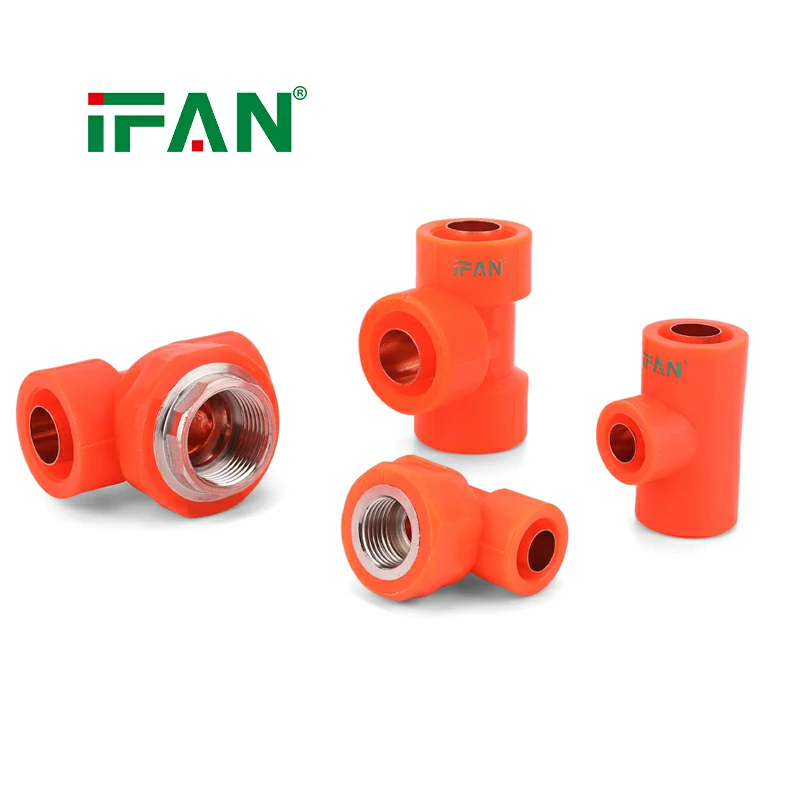
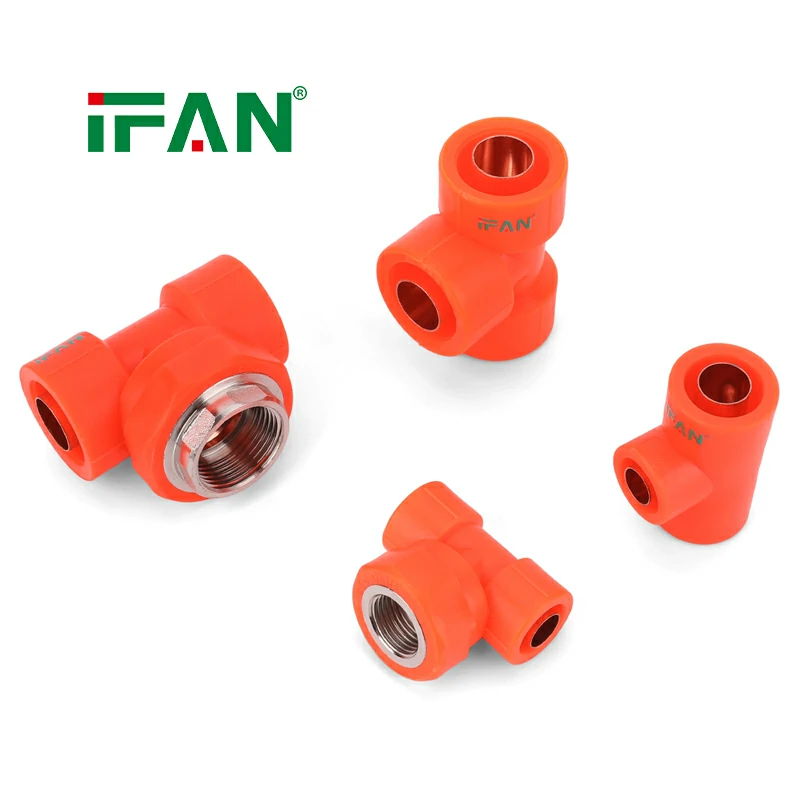
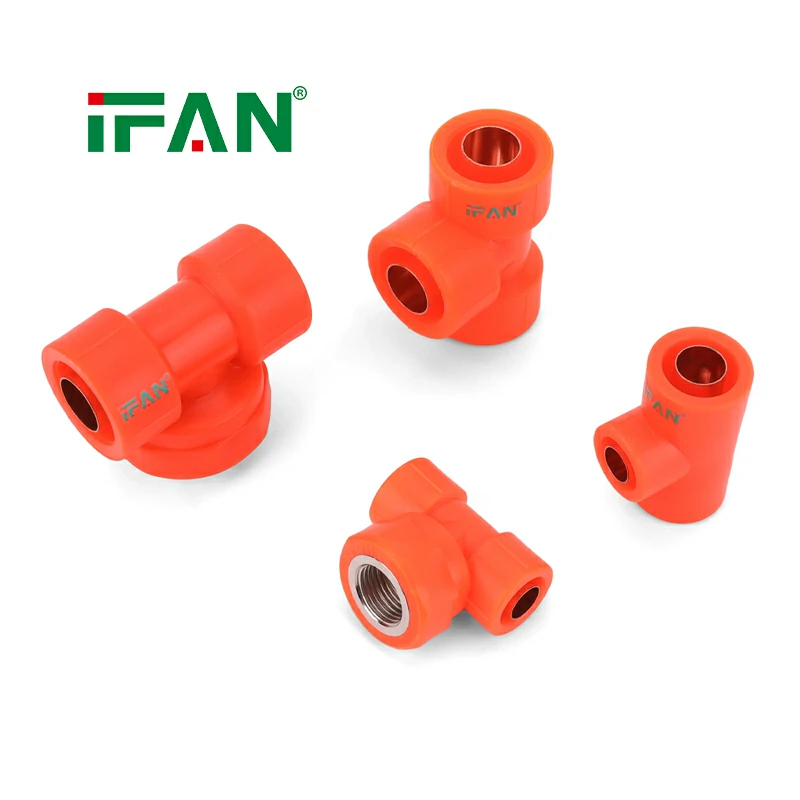
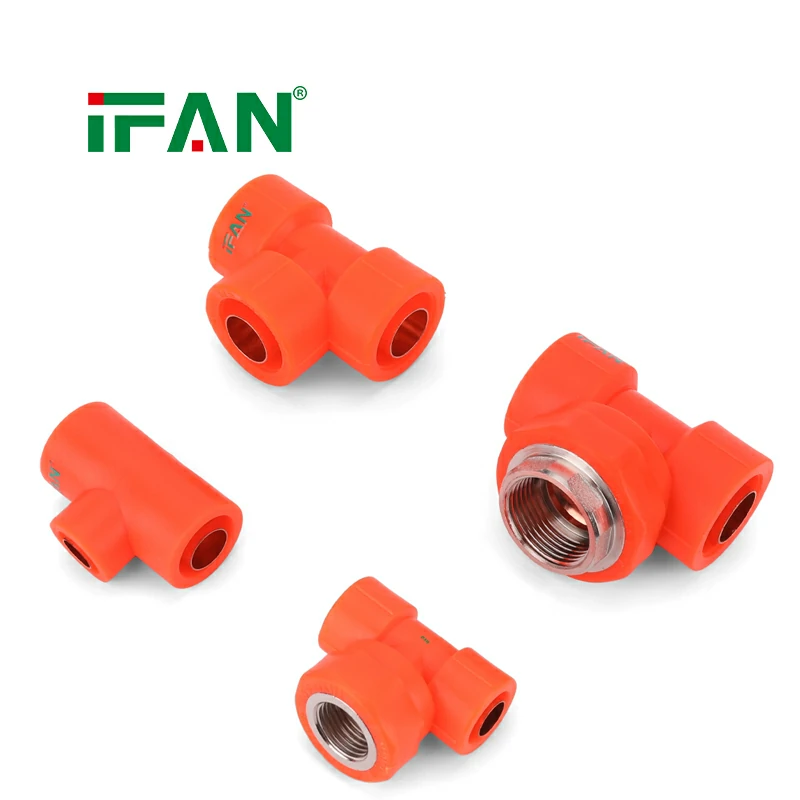
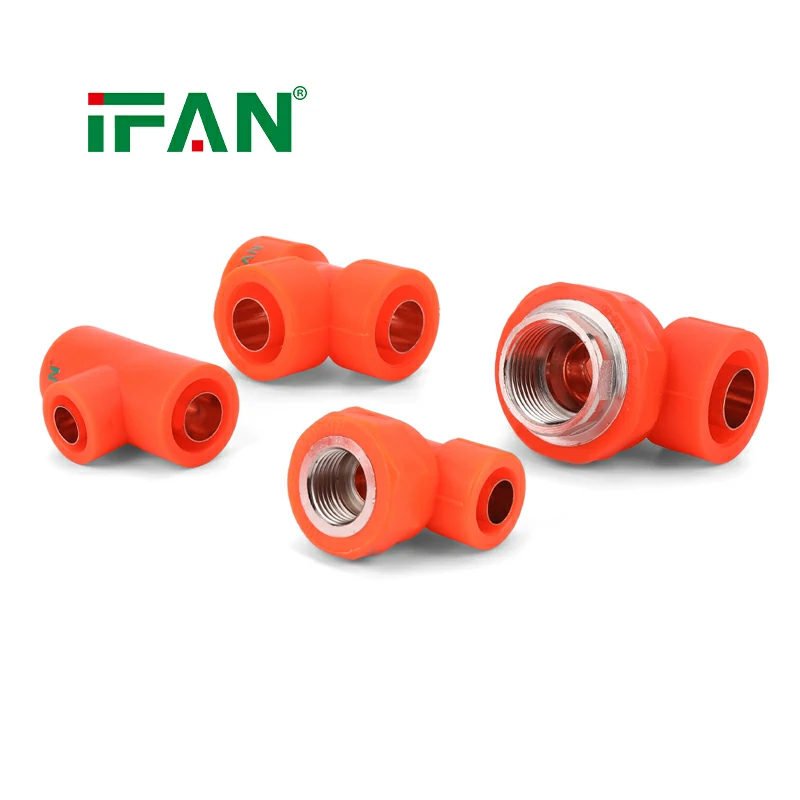
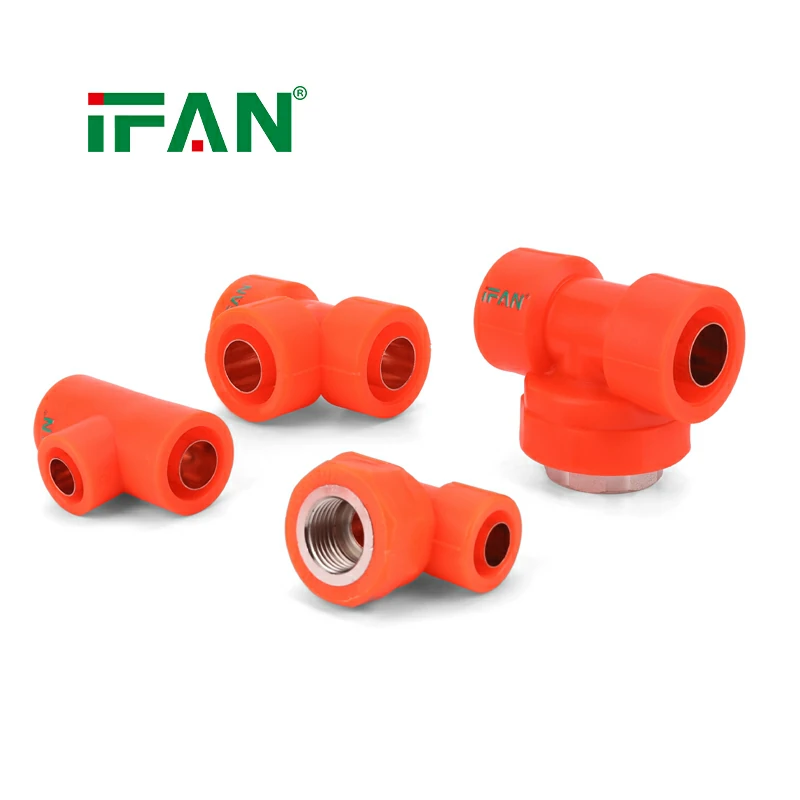
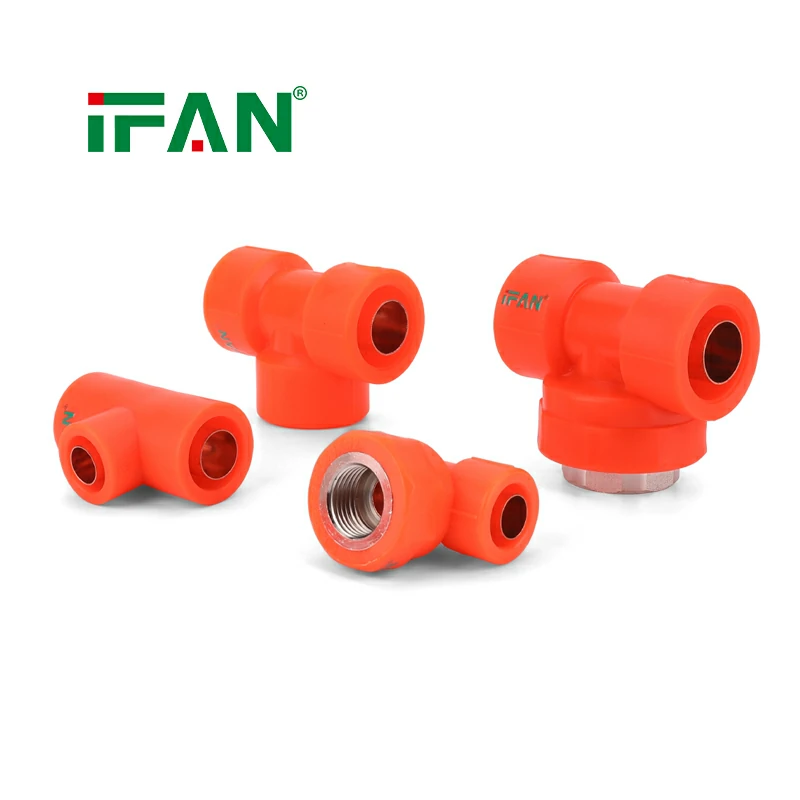
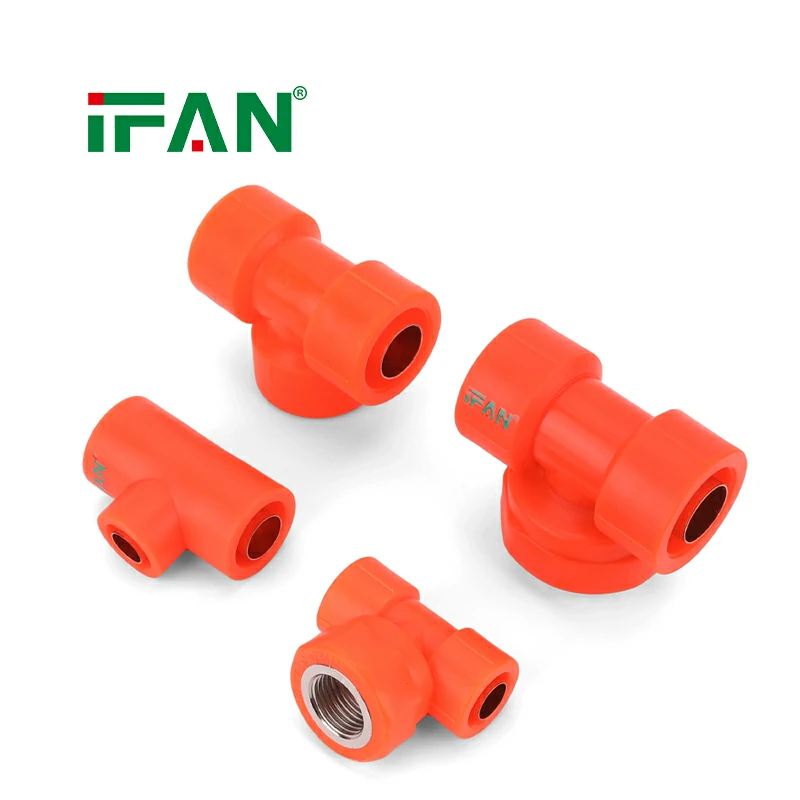
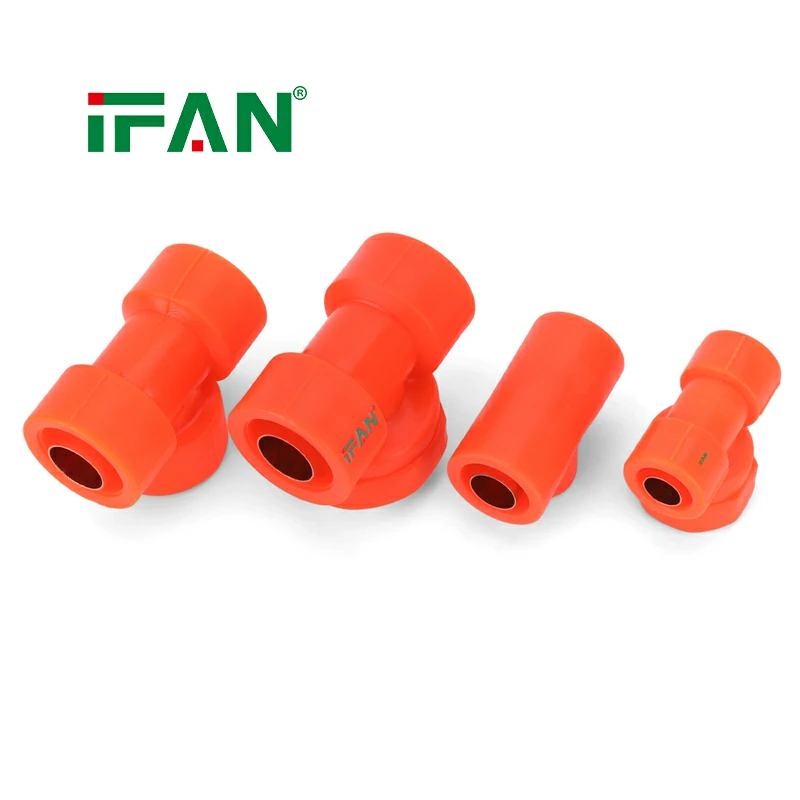
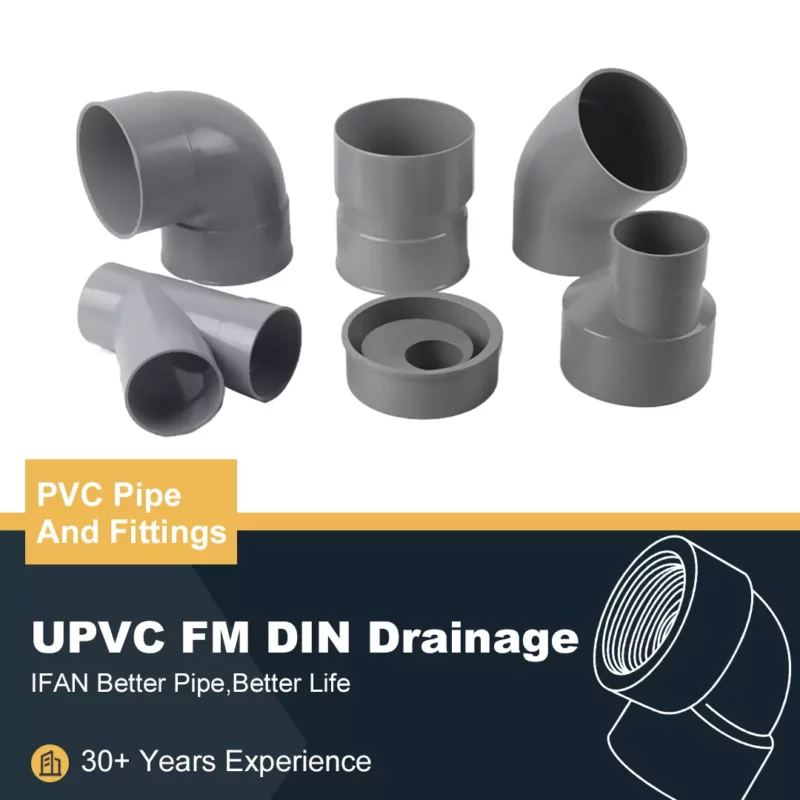
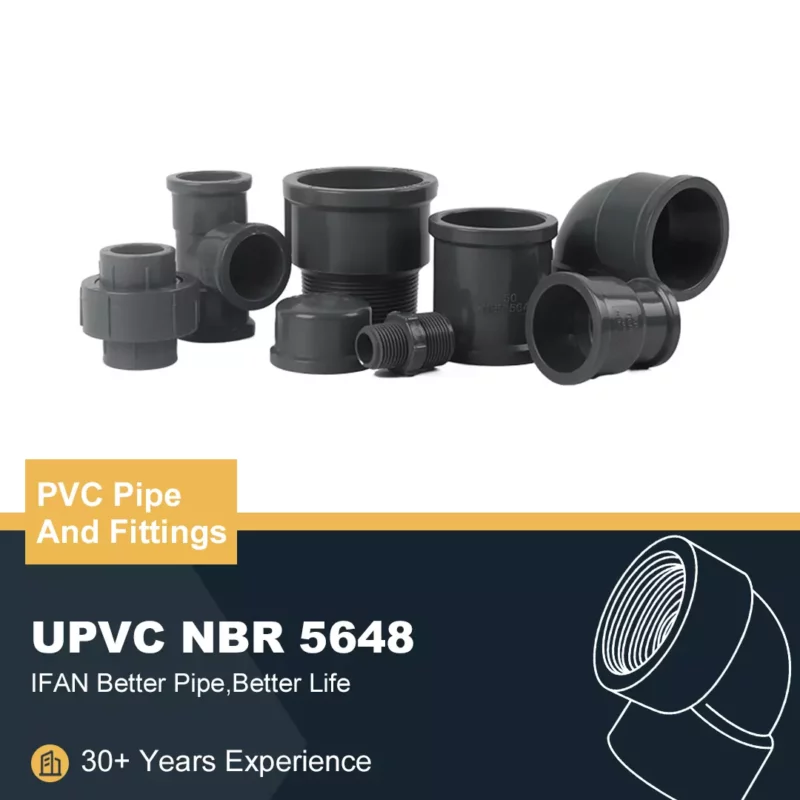
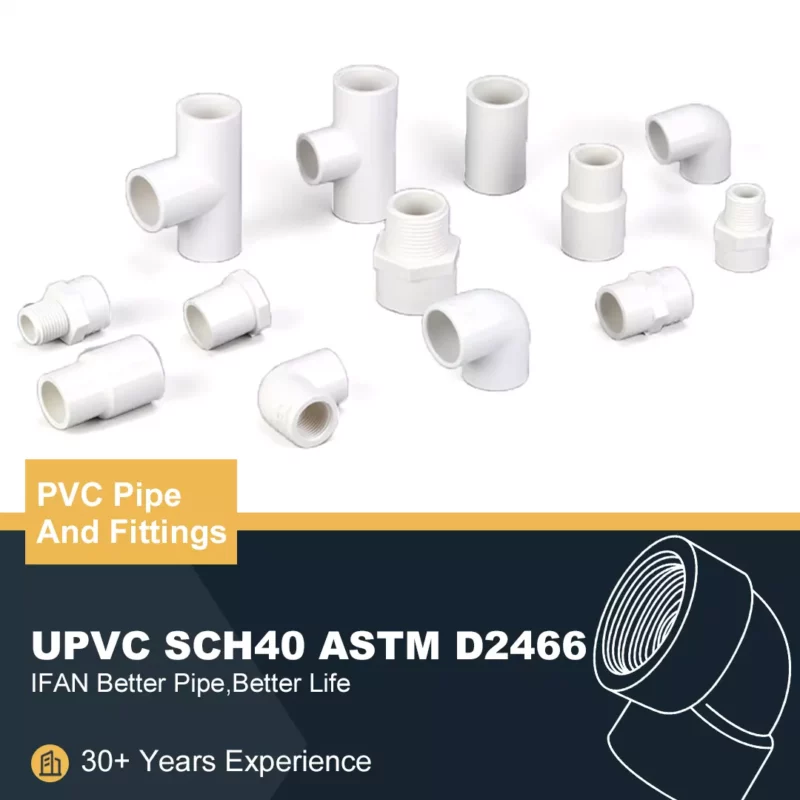
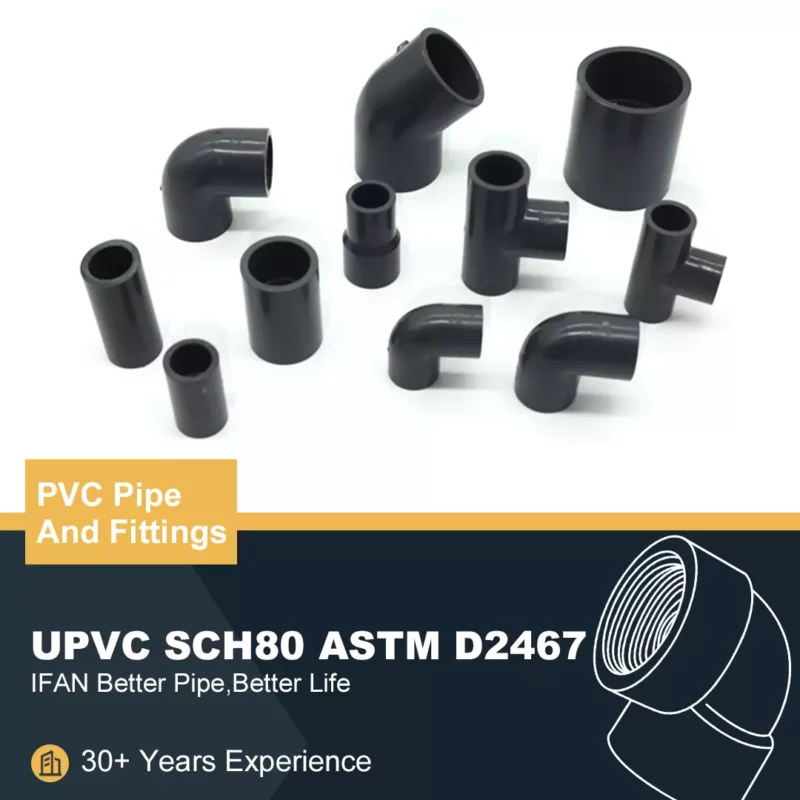
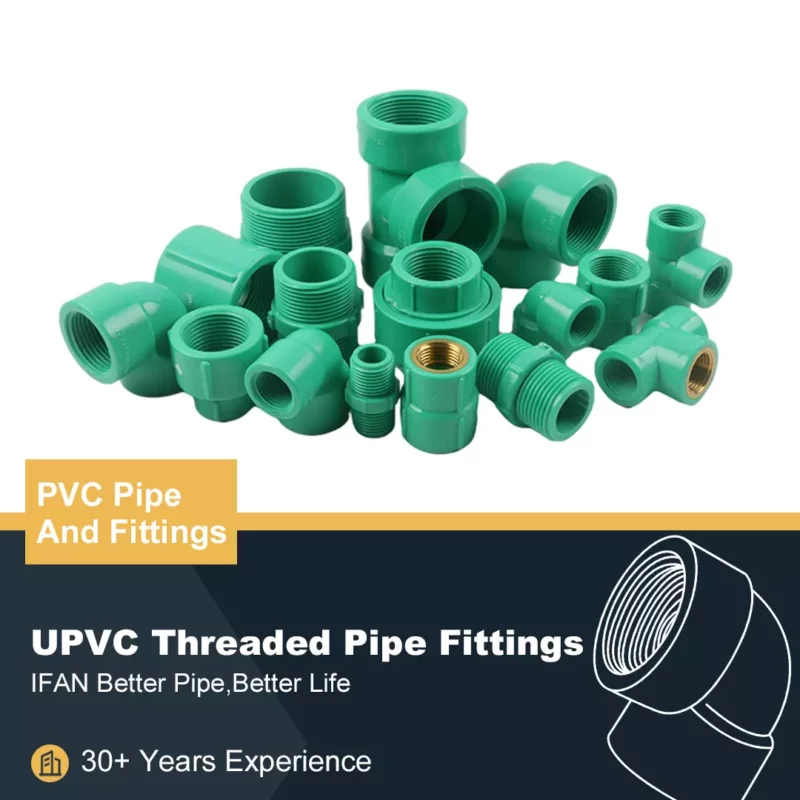
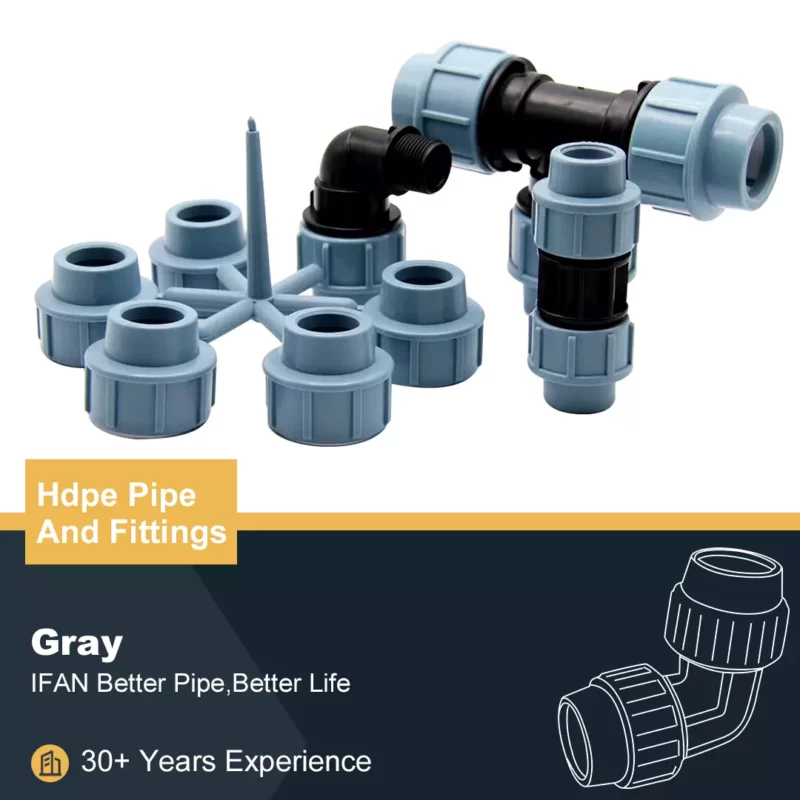
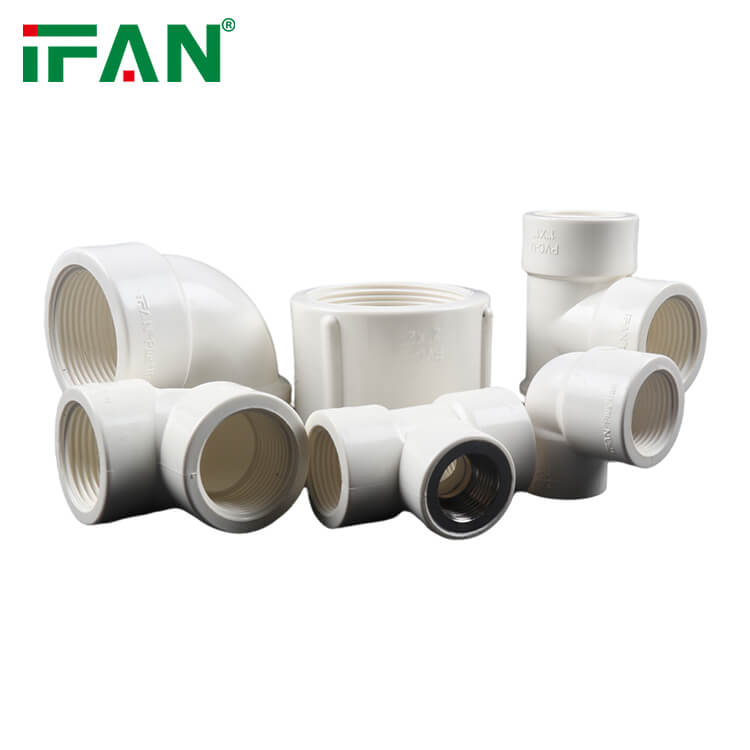
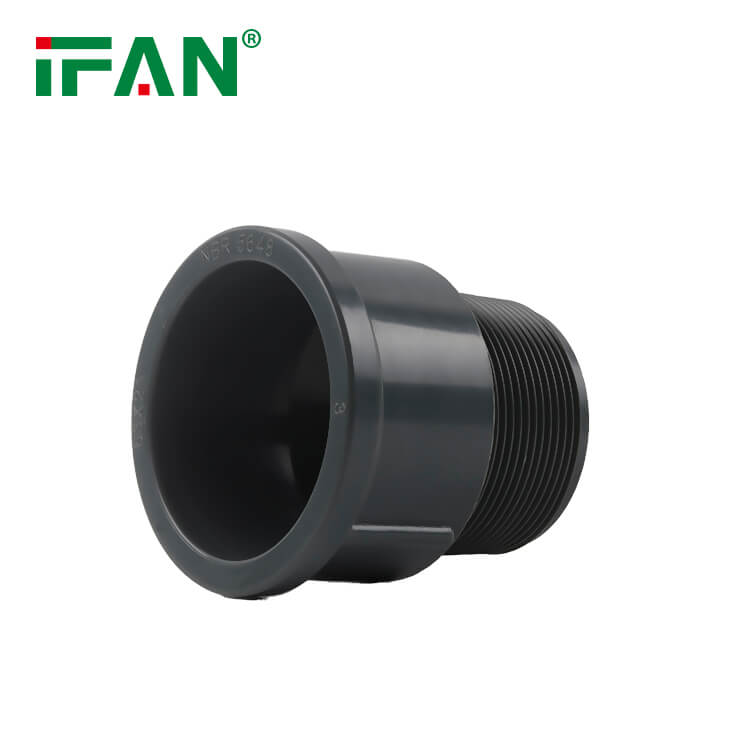
c have gained popularity in piping systems due to their eco-friendly nature and numerous advantages. This article aims to explore the benefits and limitations of UPVC fitting, highlighting their role in sustainable plumbing practices.
Environmental Friendliness of UPVC Fittings
Reduced Carbon Footprint: UPVC fitting are manufactured using a recyclable material, resulting in lower carbon emissions compared to traditional piping materials.
Energy Efficiency: The production process of UPVC fitting requires less energy, making them an environmentally conscious choice.
Longevity and Durability: UPVC fitting have a long service life, reducing the need for frequent replacements and minimizing waste generation.
UPVC Fittings Chemical Resistance and Corrosion Prevention
Non-reactive Material: UPVC fitting are resistant to chemical reactions, making them suitable for a wide range of applications, including plumbing systems handling various fluids.
Corrosion Resistance: Unlike metal fittings, UPVC fitting are not prone to rust or corrosion, ensuring reliable performance and longevity in corrosive environments.
Cost-effectiveness and Easy Installation
Affordability: UPVC fitting are cost-effective compared to other materials, offering a budget-friendly option for plumbing installations and repairs.
Lightweight and Easy Handling: The lightweight nature of UPVC fitting simplifies transportation, storage, and installation processes, reducing labor costs and time requirements.
Insulation and Noise Reduction
Thermal Insulation: UPVC fittings have excellent thermal insulation properties, preventing heat loss and reducing energy consumption in hot water systems.
Noise Reduction: The inherent sound-dampening qualities of UPVC fitting minimize noise transmission, providing a quieter environment within buildings.
UPVC Fittings Limitations and Considerations
Temperature Limitation: UPVC fitting have temperature constraints and may not be suitable for high-temperature applications.
Expansion and Contraction: UPVC fitting have a higher coefficient of expansion compared to metal fittings, requiring proper allowance for thermal expansion and contraction in the system design.
Mechanical Strength: While UPVC fitting are robust under normal operating conditions, they may not be suitable for applications requiring high mechanical strength or impact resistance.
Conclusion
UPVC fittings offer significant advantages in terms of environmental friendliness, chemical resistance, cost-effectiveness, and ease of installation. Their insulation properties and noise reduction capabilities further enhance their appeal. However, it is important to consider their limitations, such as temperature constraints and mechanical strength requirements. By understanding these aspects, plumbing professionals and homeowners can make informed decisions when incorporating UPVC fitting into their piping systems, promoting sustainable and efficient plumbing practices.
If you have read this article and have any questions, please feel free to contact IFAN. Below is our contact information:
Whatsapp:+86 13373827623
Email:[email protected]