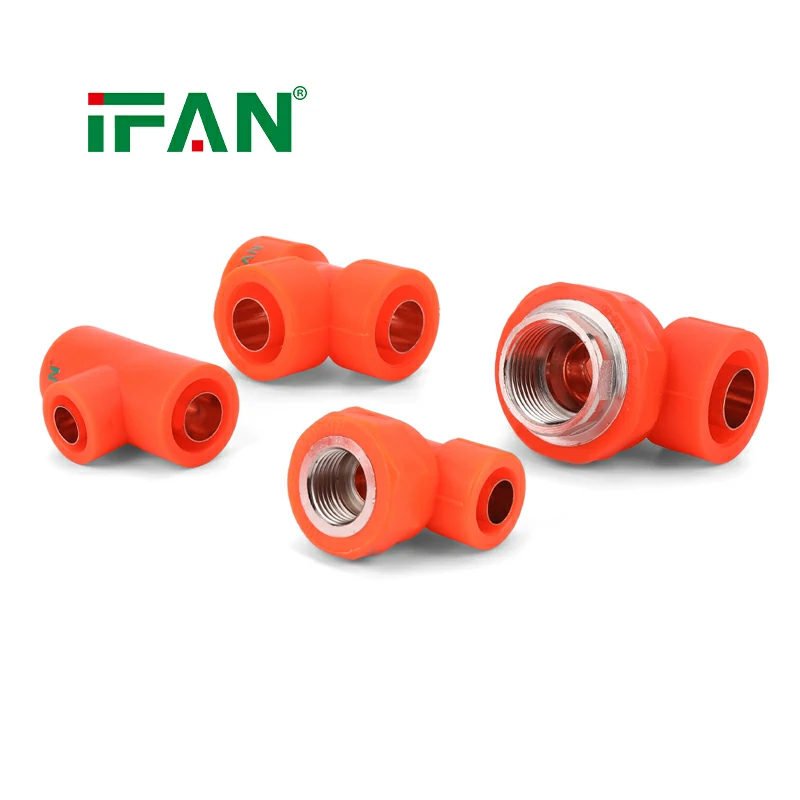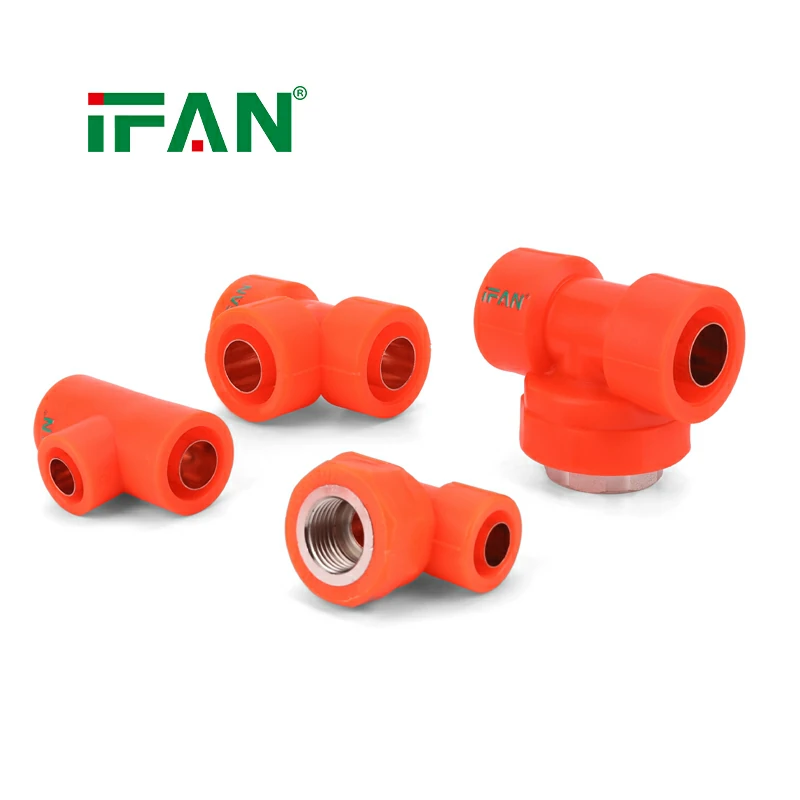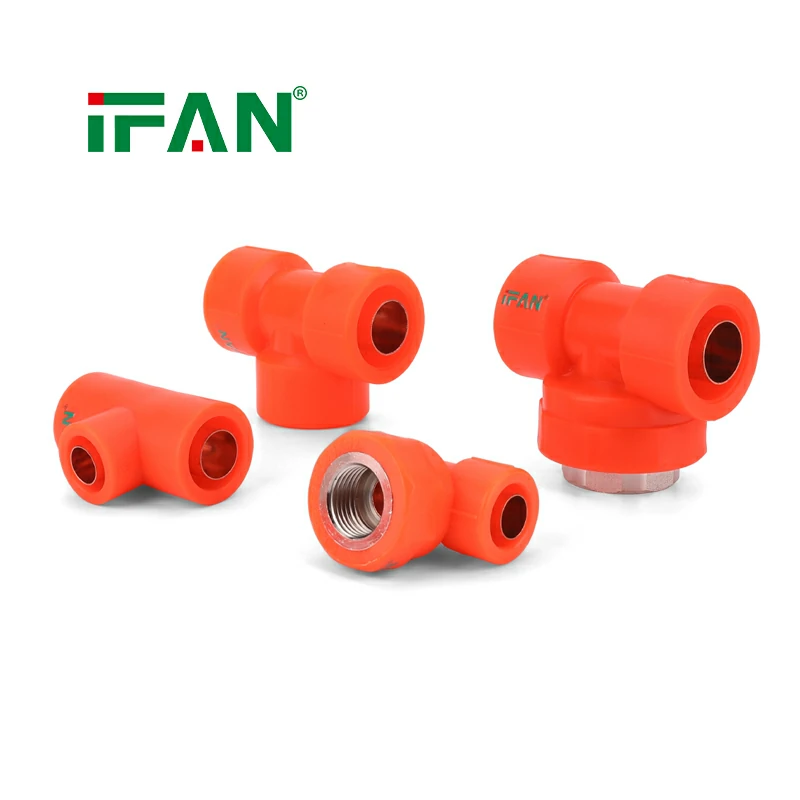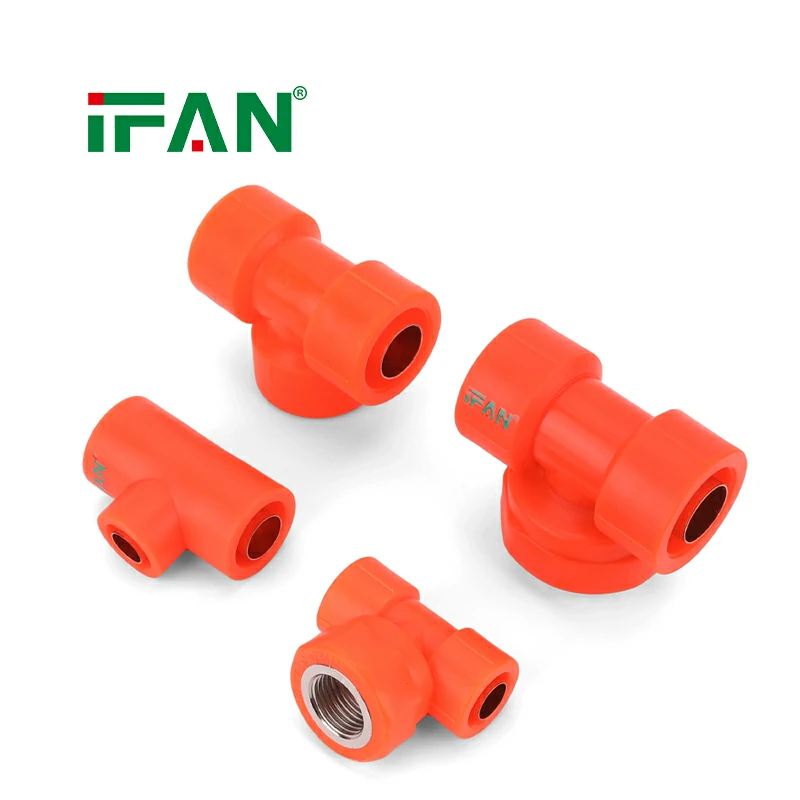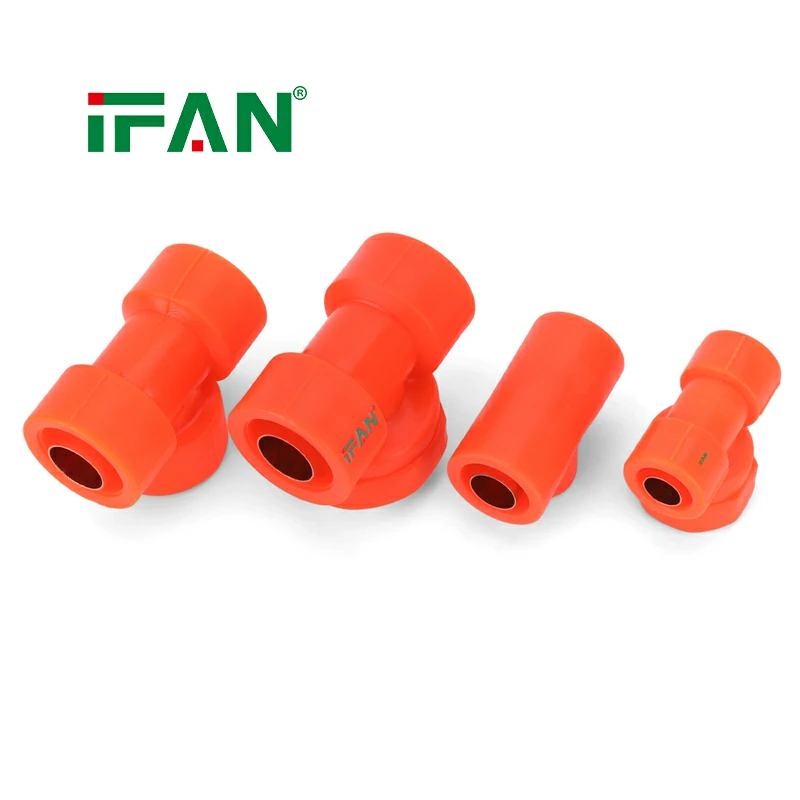
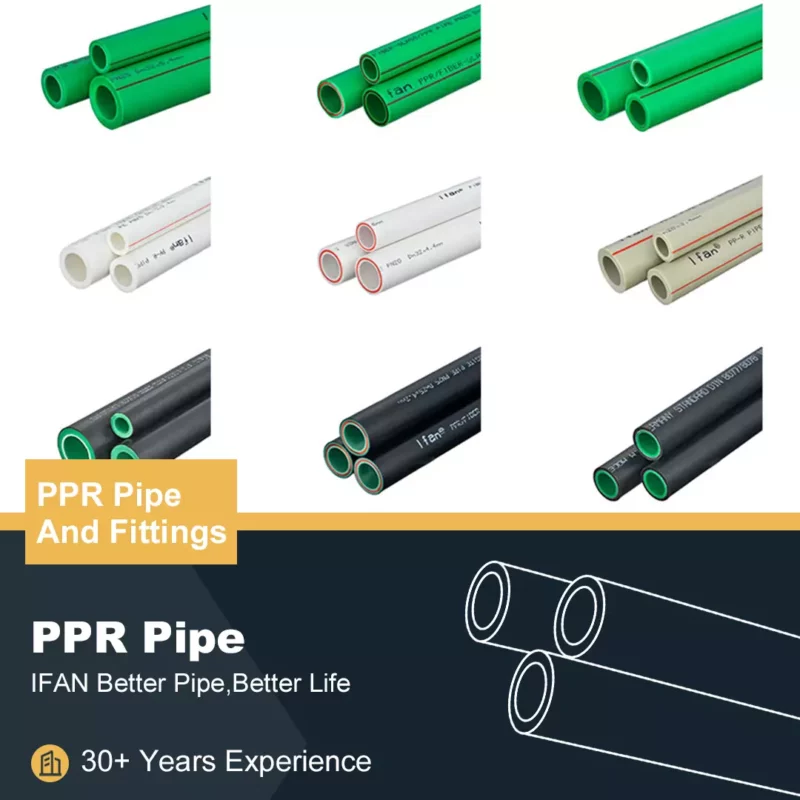
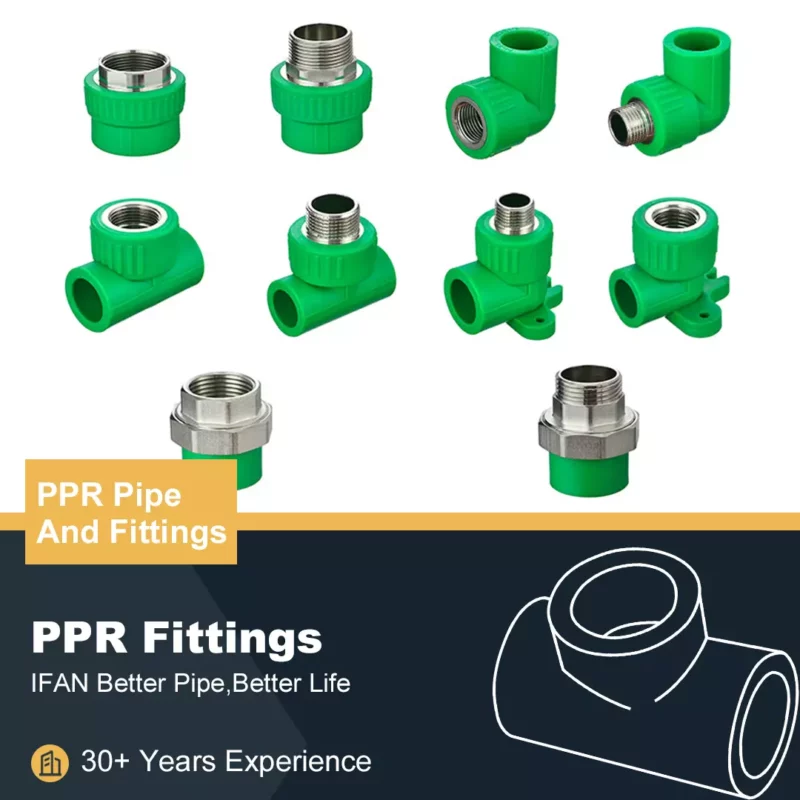
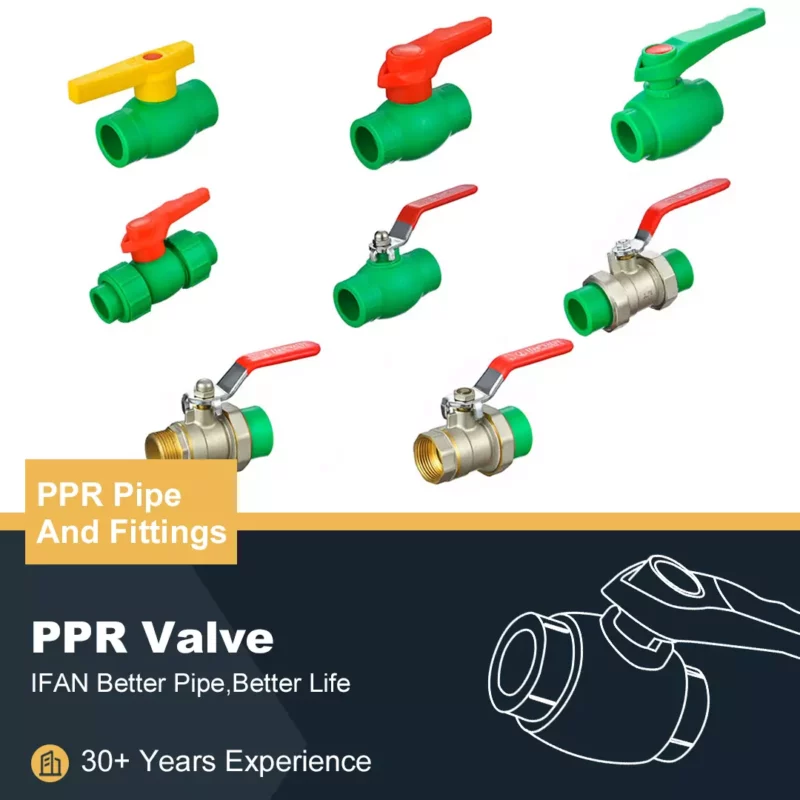
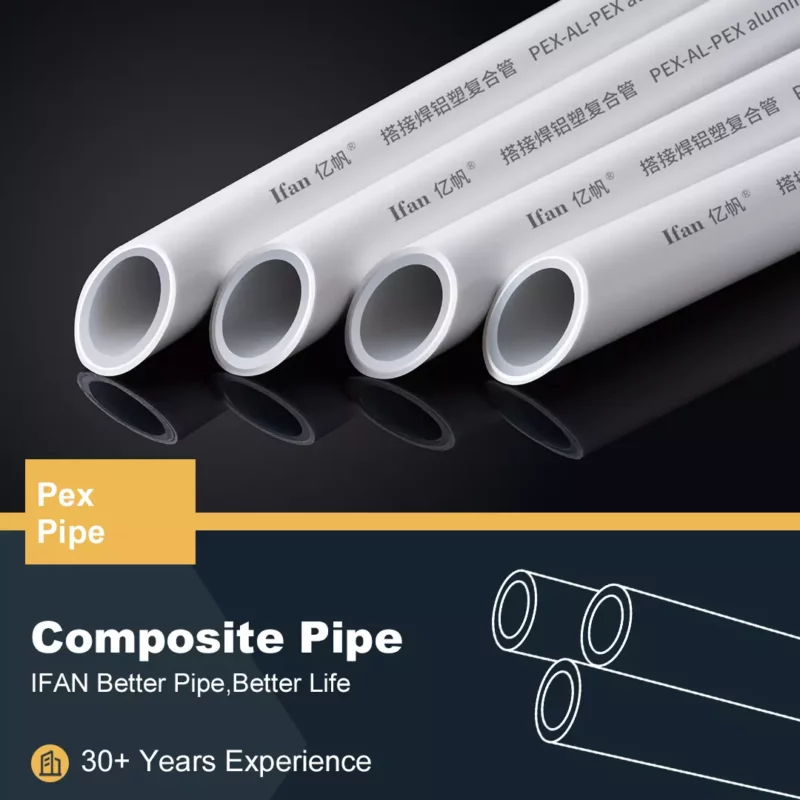
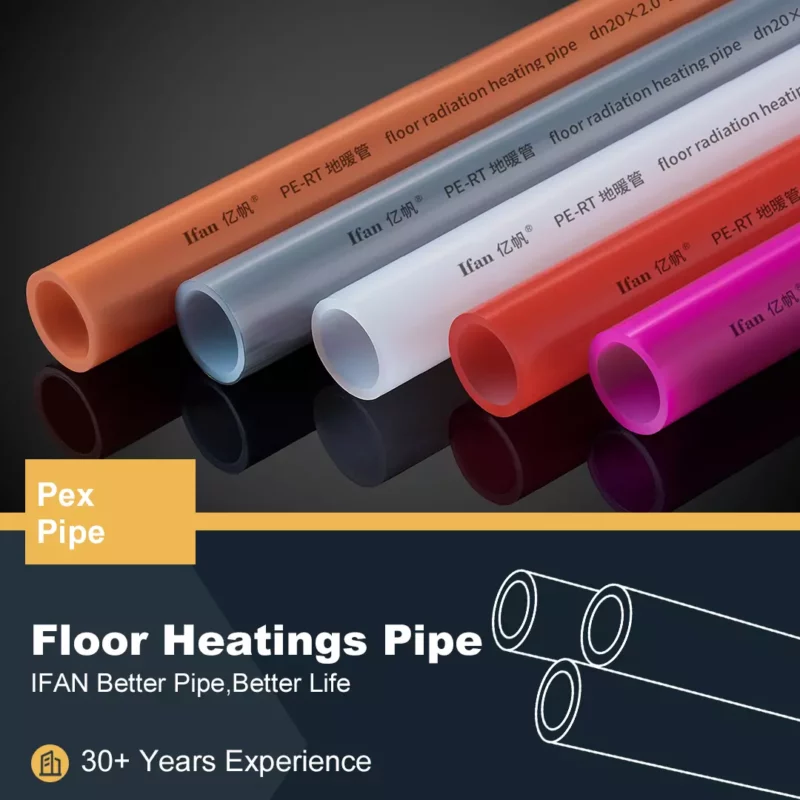
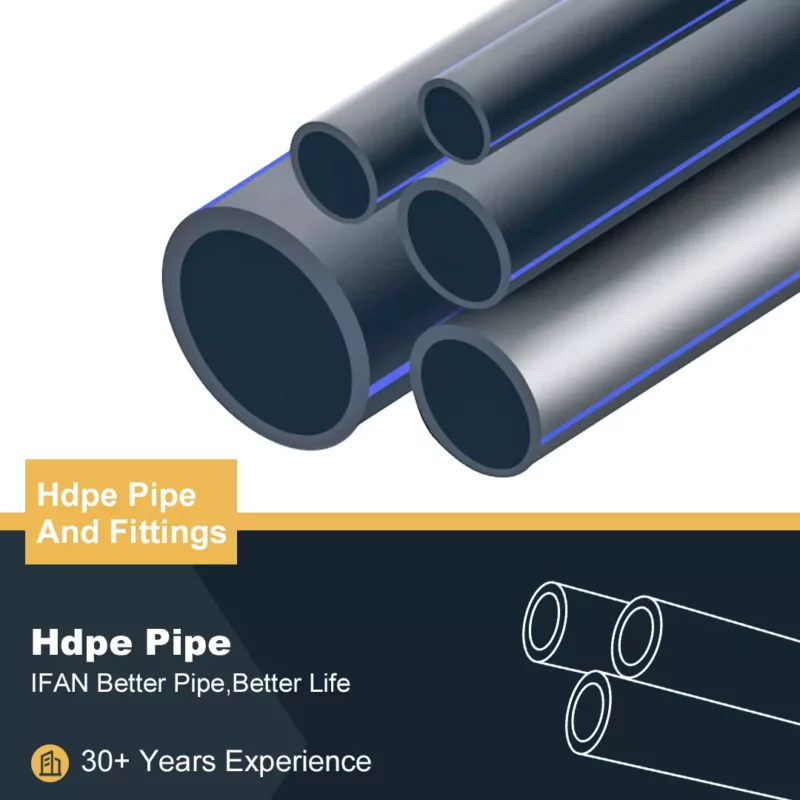
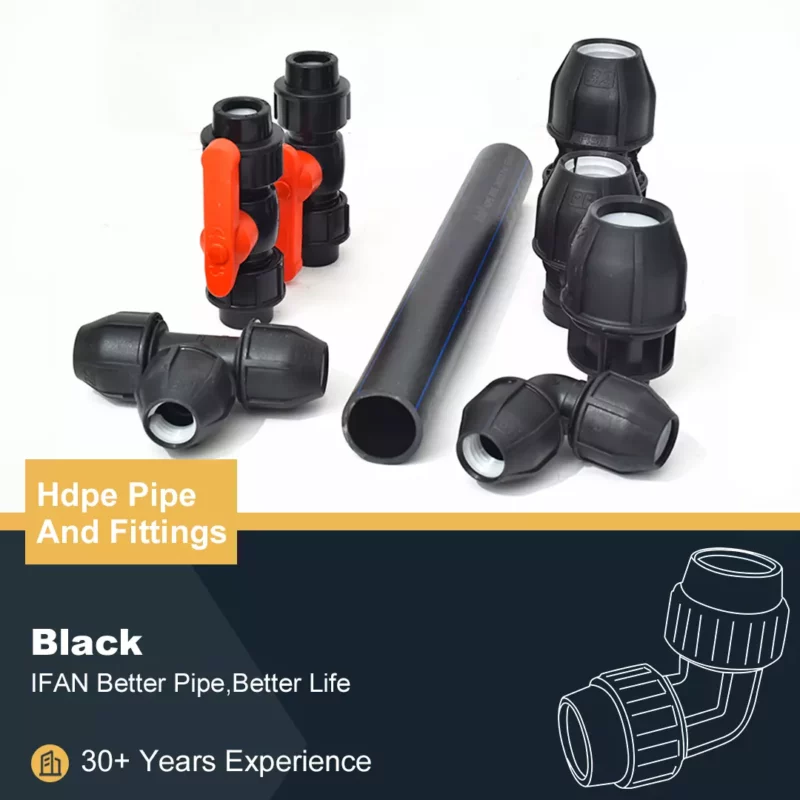
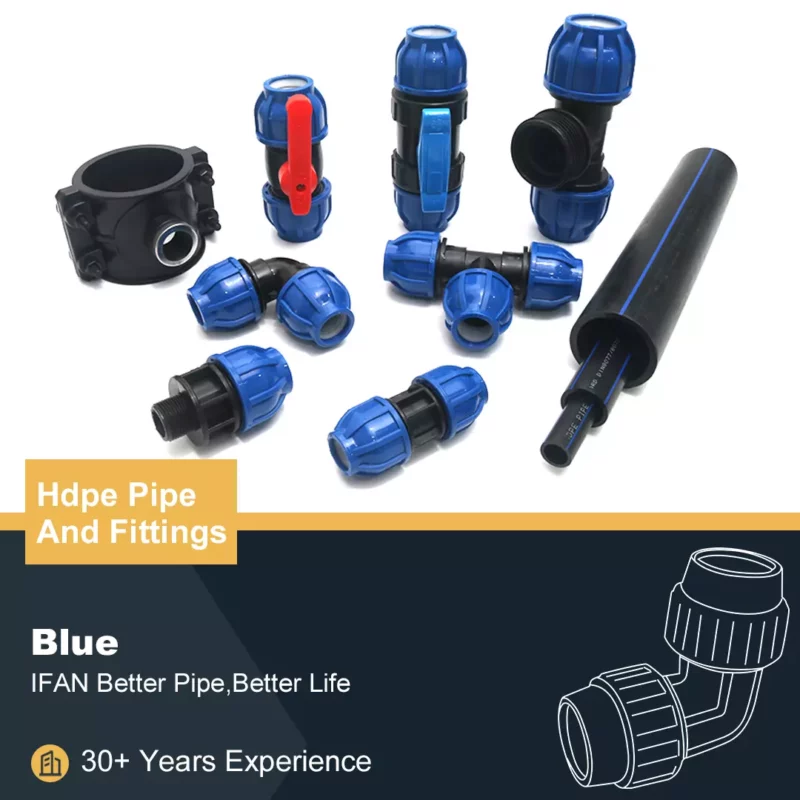
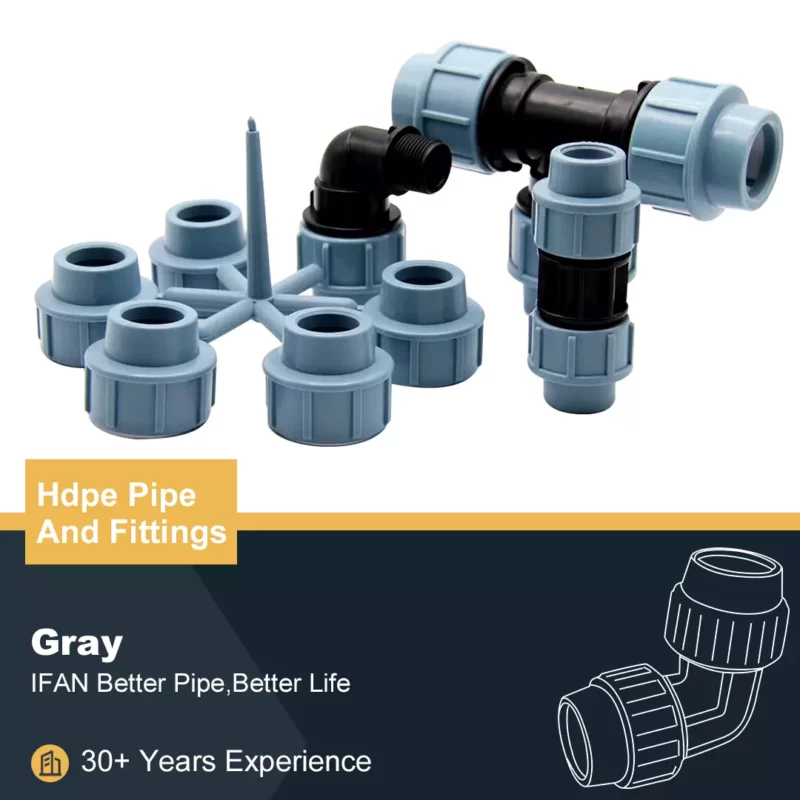



PPR tubing has become a popular choice for plumbing systems due to its durability, flexibility, and ease of installation. Proper maintenance and timely repairs are essential to ensure the longevity and reliability of PPR tubing. In this blog post, we will provide a comprehensive guide on how to maintain and repair PPR tubing effectively, helping homeowners avoid potential issues and extend the lifespan of their plumbing systems.
Maintaining PPR Tubing
Visual Inspections
- Regular visual inspections are crucial for identifying potential issues with PPR tubing. Follow these steps for effective maintenance:
- Check for Leaks: Inspect visible sections of the PPR tubing for signs of leaks, such as damp spots, water stains, or mold growth. Pay attention to fittings, connections, and areas exposed to stress, such as bends or near fixtures.
- Assess for Damage: Look for any visible damage, including cracks, punctures, or sagging in the PPR tubing. Damaged areas can weaken the system and lead to leaks or bursts if not addressed promptly.
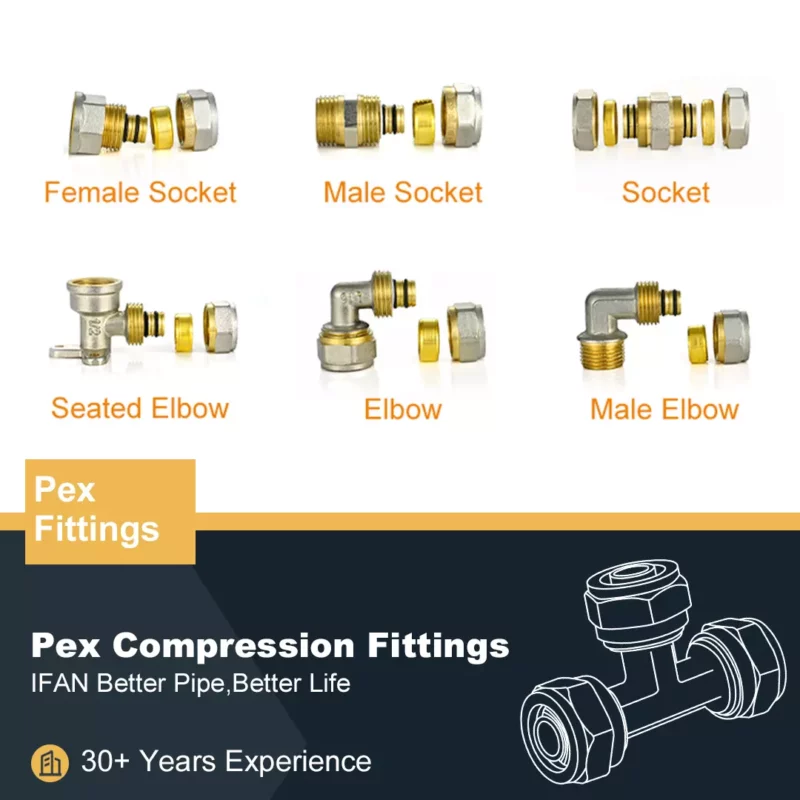
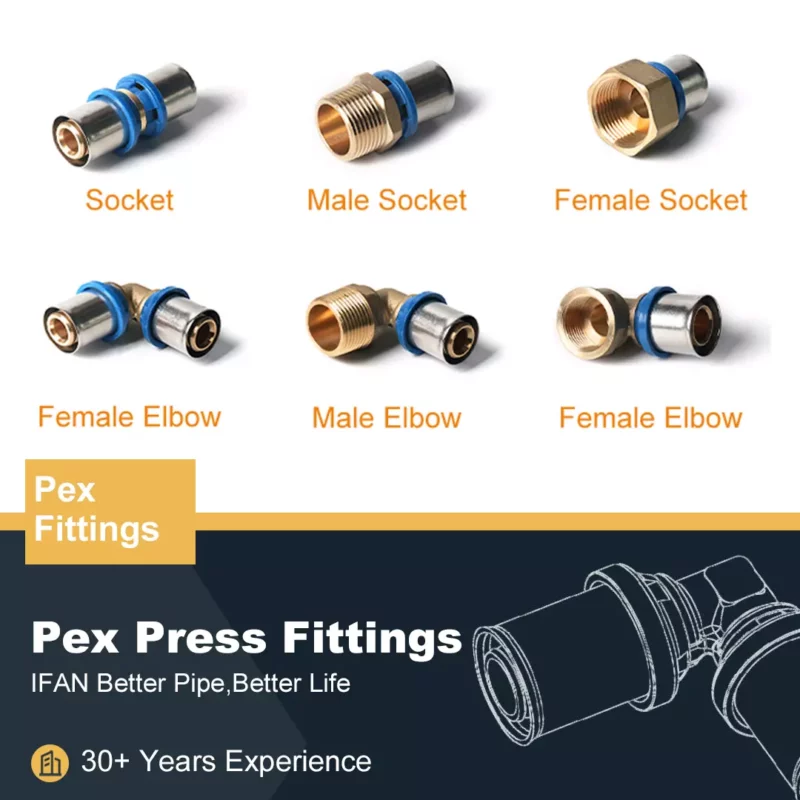
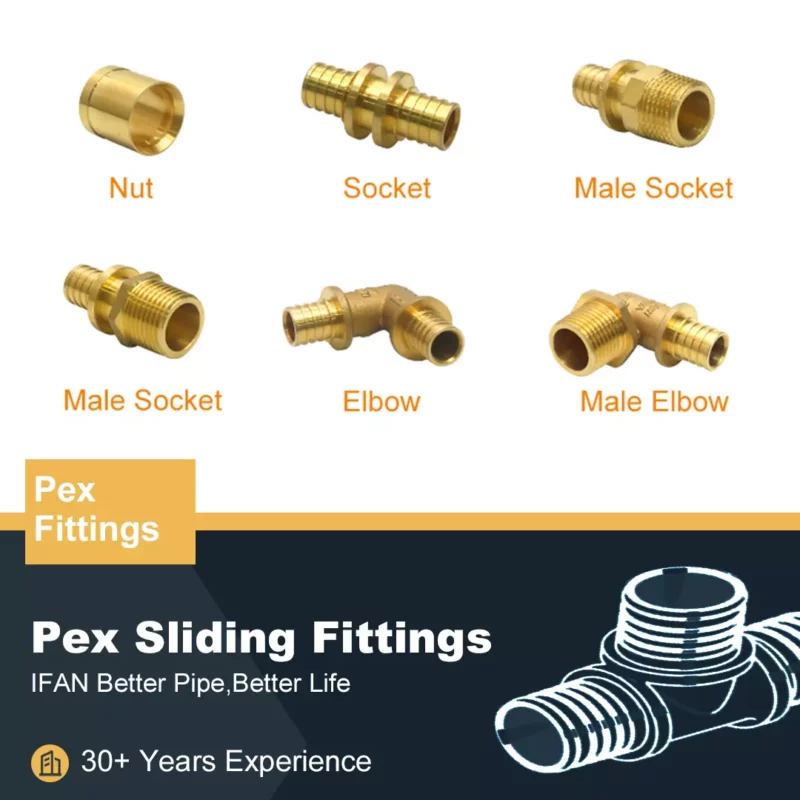
- Monitor Fittings and Connections: Examine fittings and connections for wear or looseness. Tighten any loose connections and replace damaged or faulty fittings as needed.
Preventive Measures
Taking preventive measures helps maintain the integrity of PPR tubing and minimize potential issues:
- Protect from UV Exposure: PPR tubing is sensitive to UV rays. Insulate or cover the tubing with an opaque material to prevent prolonged exposure to sunlight, which can lead to degradation.
- Insulate against Freezing: Insulate PPR pipes in areas prone to freezing temperatures, such as basements, crawl spaces, or exterior walls. This prevents freezing and potential bursting.
- Avoid Excessive Heat: Keep PPR tubing away from heat sources, such as hot water tanks or heating systems, to prevent damage. Use insulation or appropriate barriers to maintain a safe distance.
Repairing PPR Tubing
Identifying and Locating Leaks
Prompt identification and locating of leaks are crucial to prevent further damage. Follow these steps to effectively identify leaks:
- Visual Inspection: Inspect visible sections of the PPR tubing for signs of leaks, moisture, or water dripping. Look for wet spots, stains, or mold growth near fittings, connections, or damaged areas.
- Pressure Testing: If you suspect a leak but cannot visually locate it, conduct a pressure test. Follow manufacturer guidelines to pressurize the system and use a pressure gauge to identify pressure drops, indicating a leak.
- Use Leak Detection Tools: Consider using specialized tools like electronic leak detectors or thermal imaging cameras to pinpoint hidden leaks within walls, floors, or ceilings.
Repairing PPR Tubing
Once you’ve identified the location of a leak in your PPR tubing, follow these steps for effective repairs:
- Minor Leak Repairs: For minor leaks or punctures, cut out the damaged section of the PPR tubing using a PPRtubing cutter. Clean the ends of the tubing and insert a push-on or compression fitting designed for PPRtubing to create a secure connection.
- Major Leak or Damage Repairs: For larger leaks or damaged sections, cut out the damaged portion using a PPR tubing cutter. Ensure the cut is clean and square. Insert a coupling fitting or use a PPR repair kit to connect the new section of PPRtubing securely.
- Proper Connection Techniques: Follow manufacturer guidelines and use the appropriate crimping or cinching tools to create reliable connections when installing fittings and connectors. Ensure proper alignment and check for leaks after the repair.
Seeking Professional Help
- Complex Repairs: If you encounter complex repairs or are unsure about the repair process, it’s recommended to seek the assistance of a professional plumber. They have the necessary expertise and experience to handle intricate repairs and ensure the integrity of your plumbing system.
- Annual Inspections: Consider scheduling an annual professional inspection of your plumbing system, including PPRtubing. This can help identify any underlying issues and ensure proper maintenance and repair.
Conclusion
Maintaining and repairing PPR tubing is crucial for the longevity and reliability of your plumbing system. By following the tips provided in this comprehensive guide, homeowners can effectively maintain their PPR tubing, identify and repair leaks, and seek professional help when needed. Regular maintenance and prompt repairs will ensure the optimal performance of your plumbing system and extend the lifespan of your PPR tubing. Remember, a well-maintained and properly repaired plumbing system leads to peace of mind and a comfortable home environment.
Contact:
We will reply your email or fax within 24 hours.
You can call us at any time if there is any question on our production.
For more information,pls visit our webside https://www.ifanpvc.com/
Pls Mailto: [email protected]