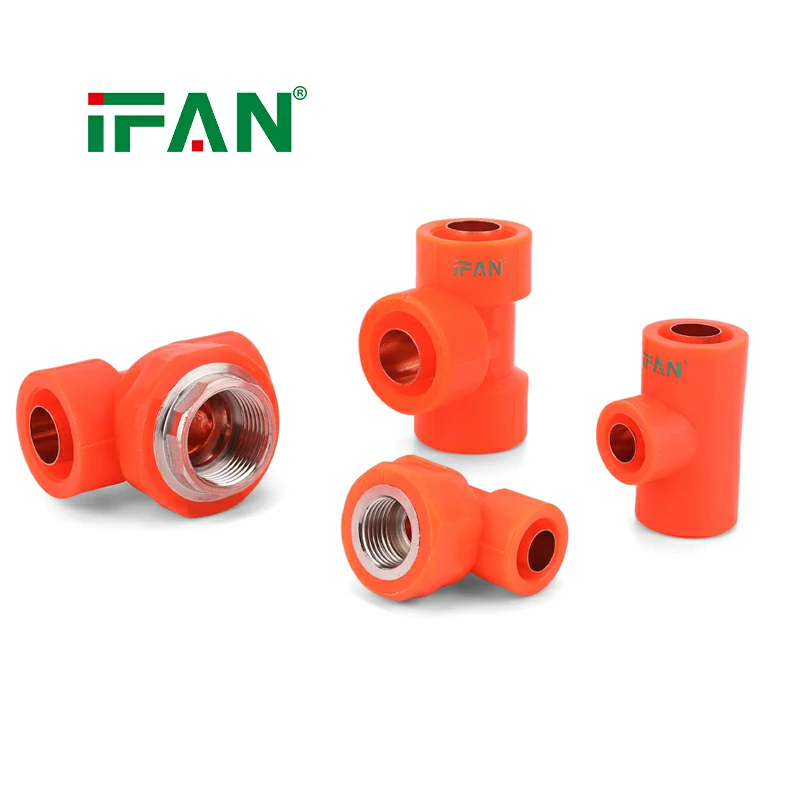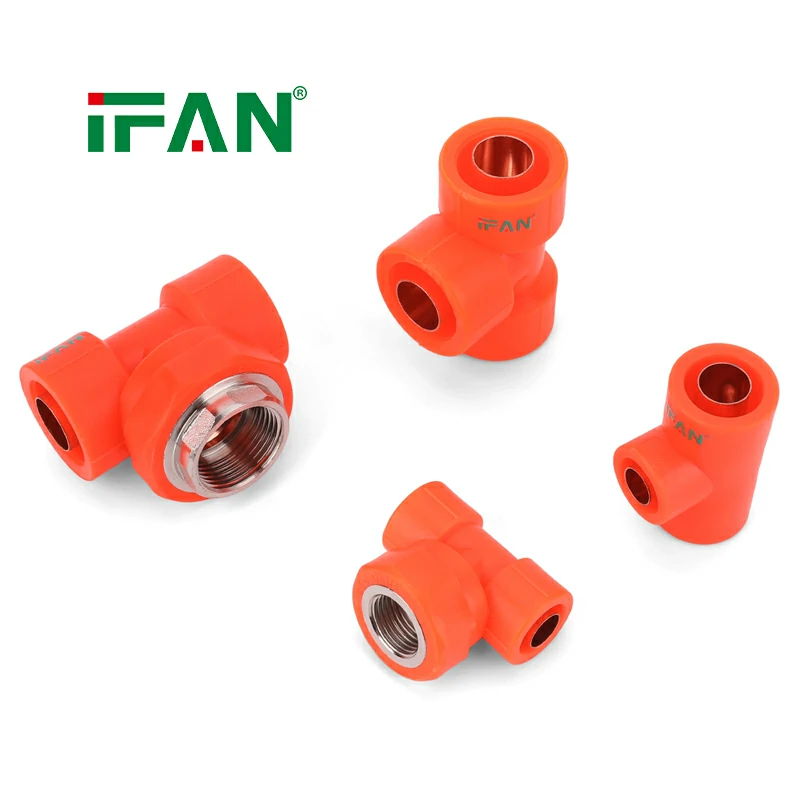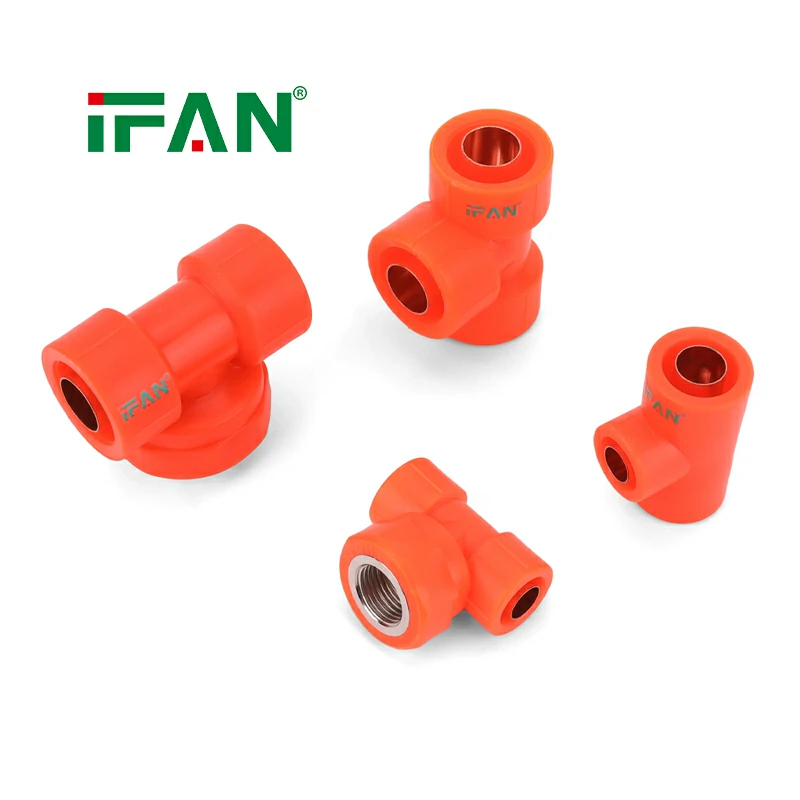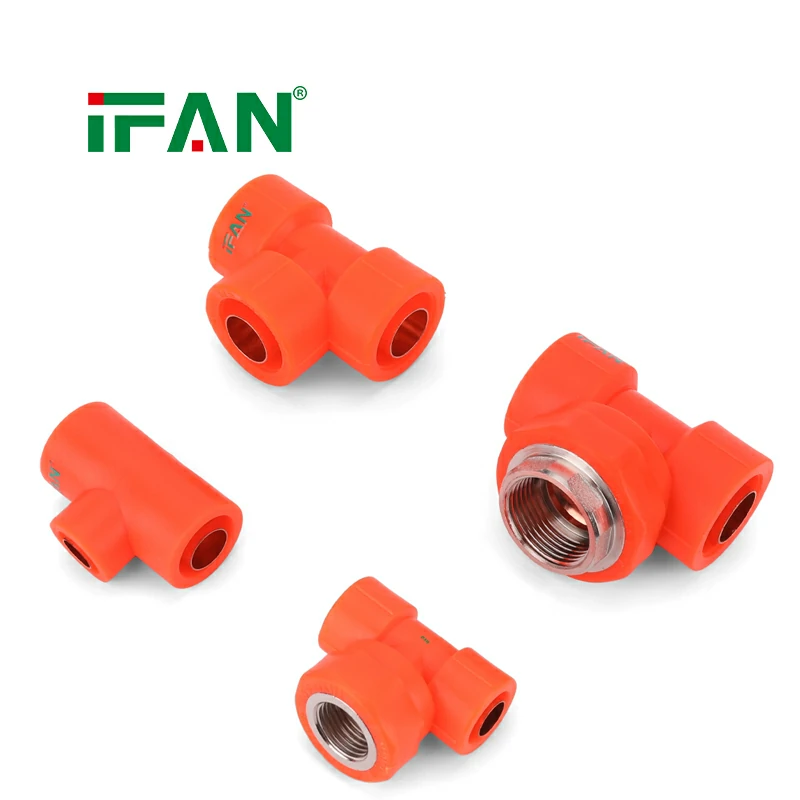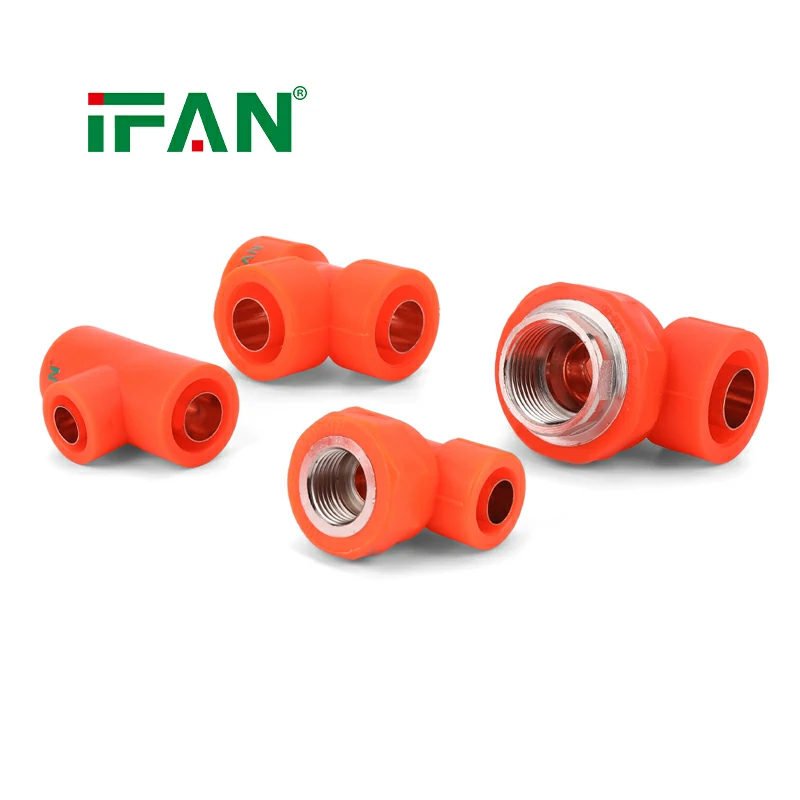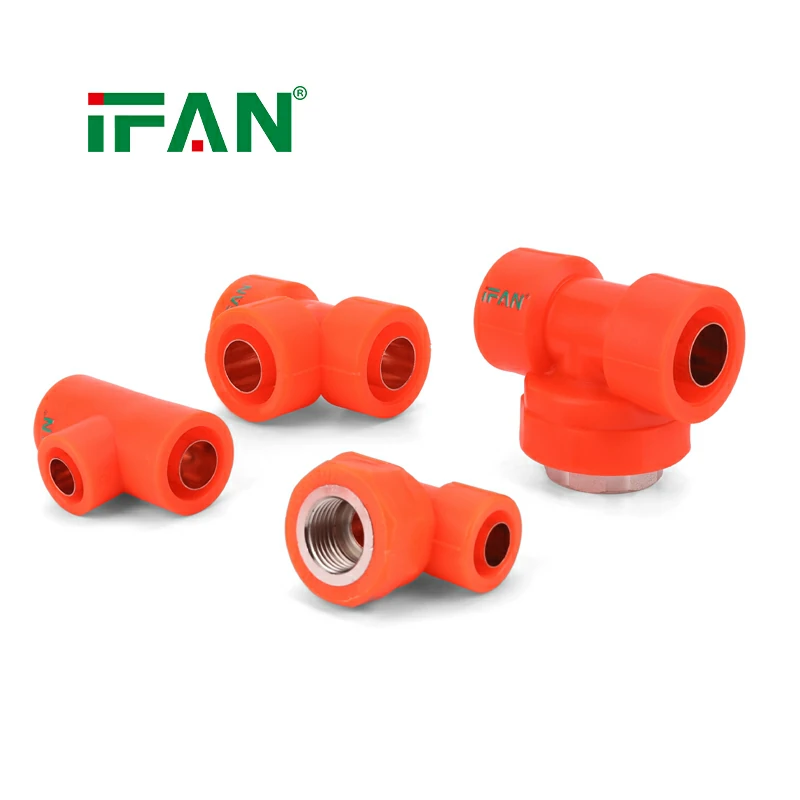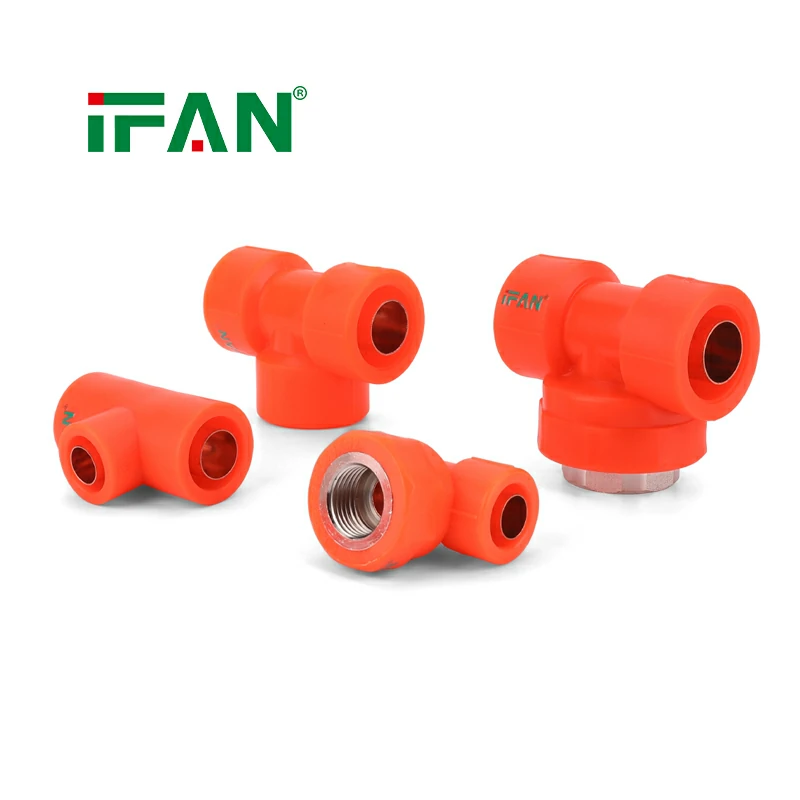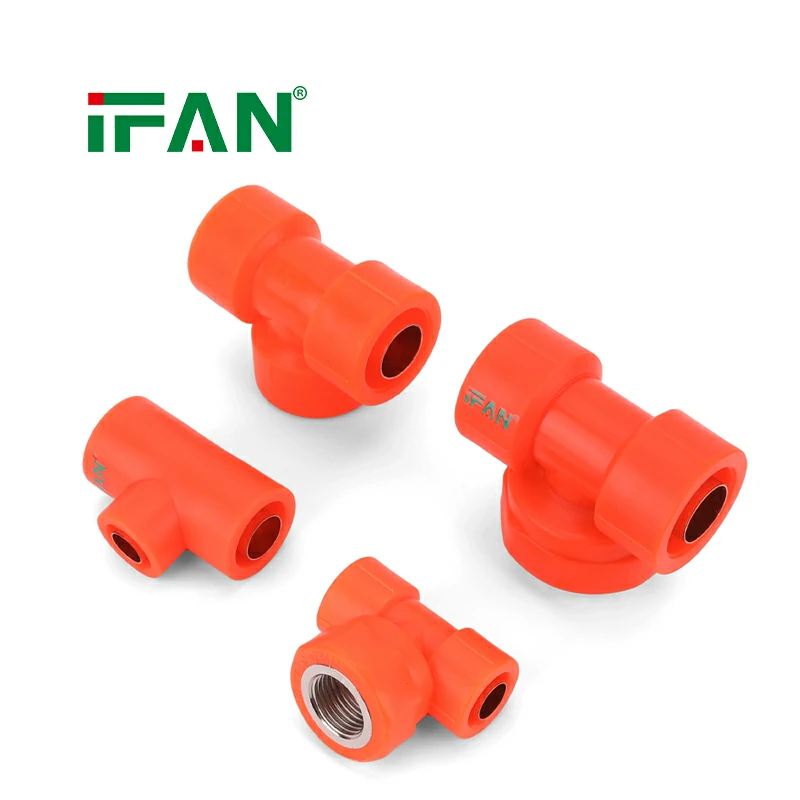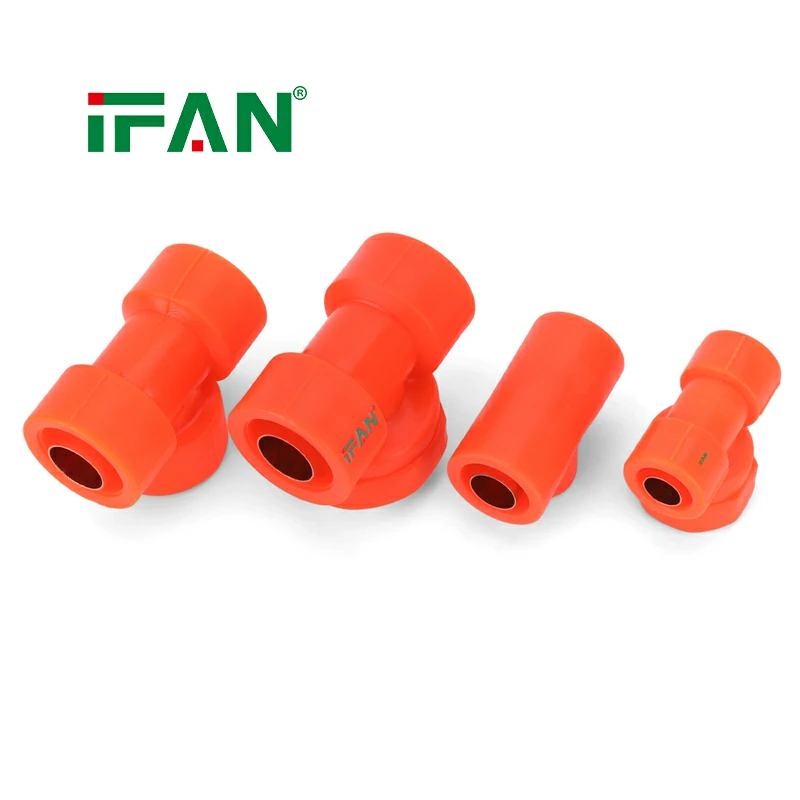
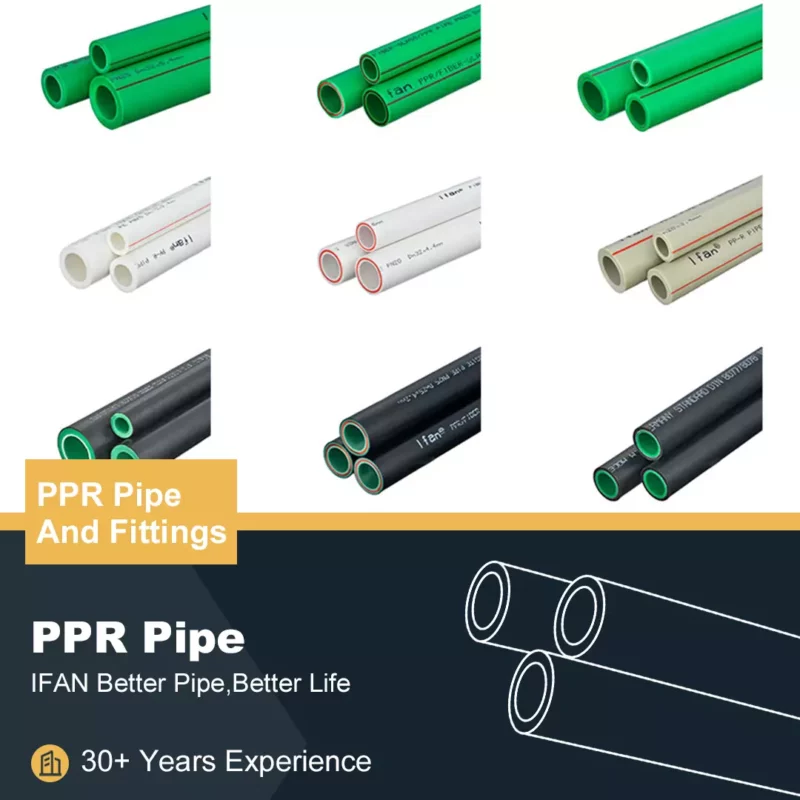
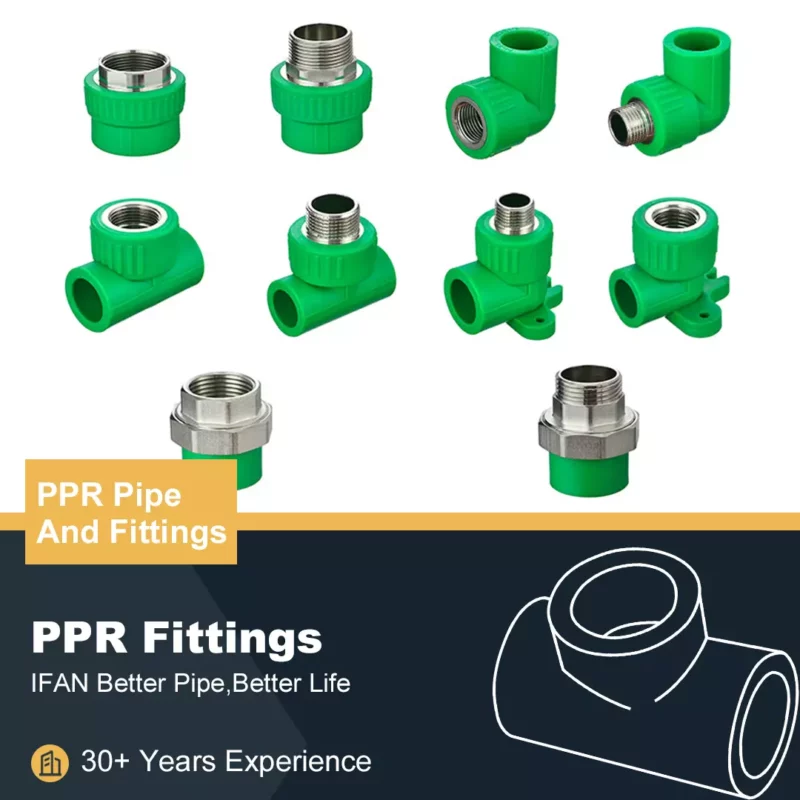



PPR Fittings
Plumbing performance depends heavily on choosing components that work together as a unified system. PPR fittings (Polypropylene Random Copolymer fittings) are widely used in modern water distribution because they provide corrosion resistance, hygienic flow, and strong heat-fusion joints. However, selecting the right fittings is not only about choosing a type or size—it requires understanding compatibility rules and matching them to real-world usage scenarios. This guide explains how to select PPR fittings effectively, focusing on compatibility factors and practical applications.
Practical Uses of PPR Fittings in Plumbing Systems
Residential Water Systems
In household plumbing, PPR fittings are commonly used for:
- Cold and hot water supply lines
- Bathroom and kitchen piping systems
- Water heater connections
Their safe material structure makes them suitable for potable water distribution.
Commercial Buildings
In hotels, offices, and public facilities, PPR systems support:
- Centralized water distribution networks
- Multi-floor hot water circulation systems
- Sanitary piping infrastructure
They provide stable performance under continuous daily usage.
Heating Systems
PPR fittings are widely applied in:
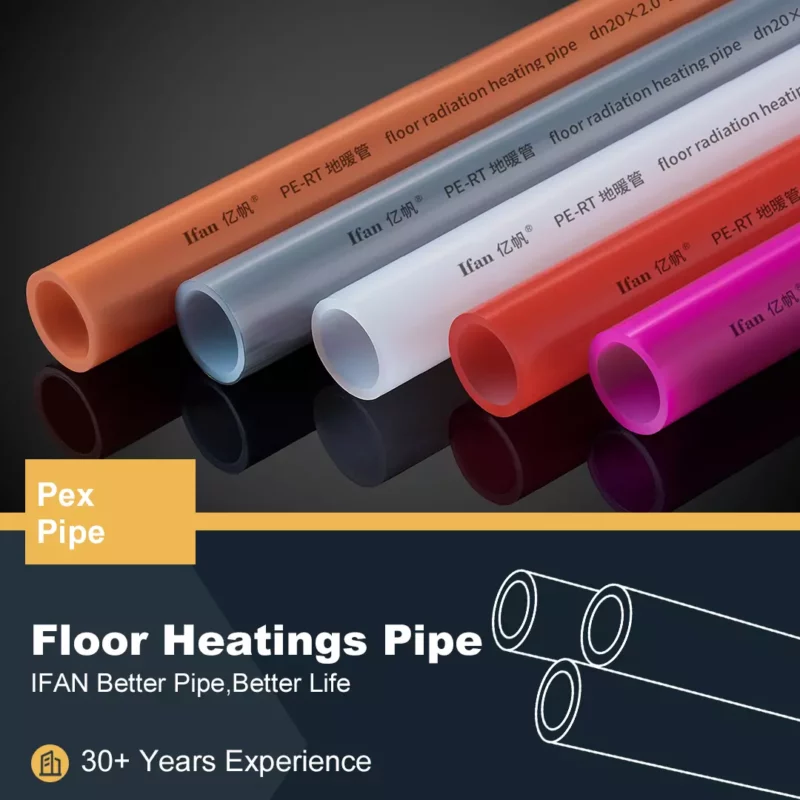
- Underfloor heating systems
- Radiator piping networks
- Low-temperature hydronic heating circuits
They maintain stability under repeated thermal expansion and contraction.
Light Industrial Applications
In controlled environments, PPR fittings handle:
- Process water pipelines
- Non-corrosive fluid transport
- Utility water systems
Their corrosion resistance improves system reliability in stable industrial conditions.
Compatibility Factors for Selecting PPR Fittings
1. Dimensional Compatibility
Correct sizing ensures proper system integration:
- Pipe diameter (20mm, 25mm, 32mm, etc.)
- Fitting socket size must match exactly
- SDR (wall thickness ratio) consistency across system
Mismatch in dimensions can lead to weak fusion joints and flow restrictions.
2. Material Compatibility
PPR systems must maintain consistent material behavior:
- Use virgin polypropylene fittings and pipes
- Avoid mixing different plastic systems
- Use certified transition fittings when combining materials
Uniform material ensures strong fusion bonding and long-term durability.
3. Pressure Compatibility (PN Rating)
Pressure classification determines system safety:
- PN10: low-pressure applications
- PN16: standard residential and commercial systems
- PN20: high-pressure or hot water systems
Always select fittings with a PN rating equal to or higher than system requirements.
4. Temperature Compatibility
PPR fittings must match operating conditions:
- Cold water systems: standard stability range
- Hot water systems: typically up to 70–95°C depending on grade
- Heating systems: continuous thermal cycling resistance required
Incorrect temperature matching can reduce service life and joint strength.
5. Cross-Material Compatibility
Real plumbing systems often combine different materials. In such cases:
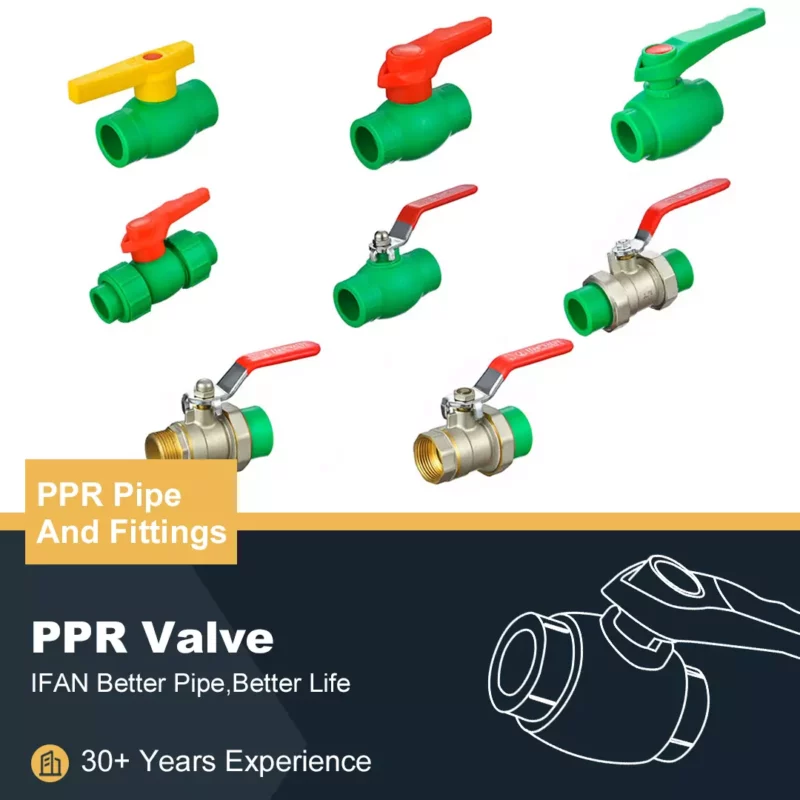
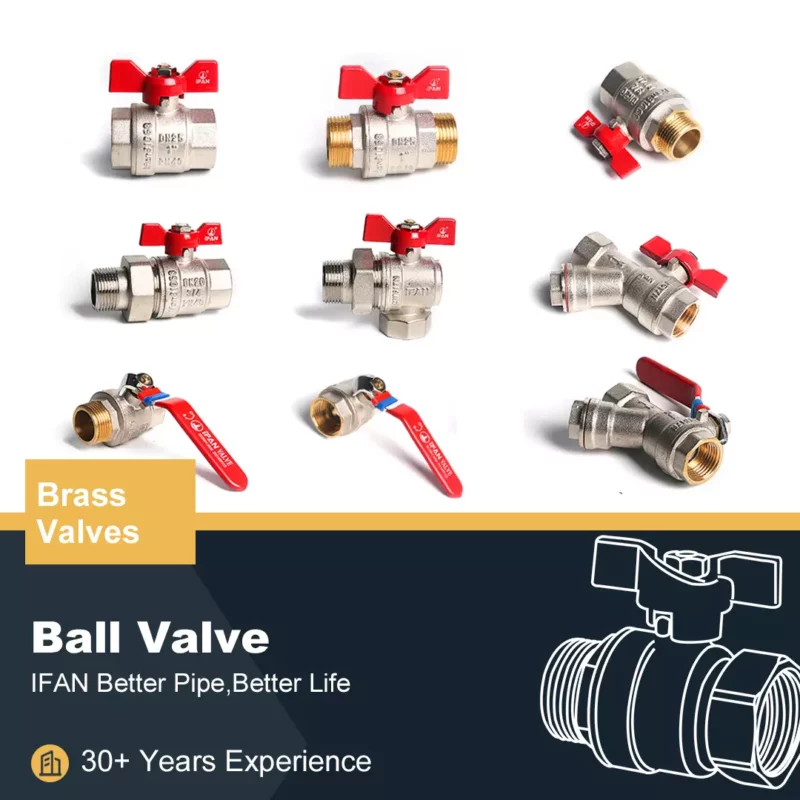
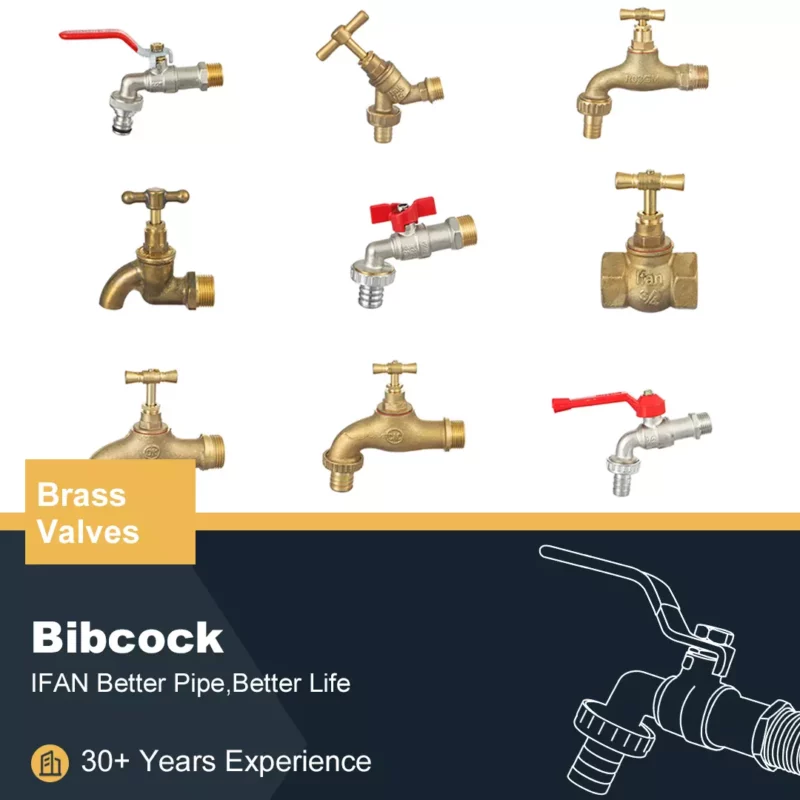
- Brass insert fittings connect PPR to metal valves
- Threaded adapters connect fixtures and appliances
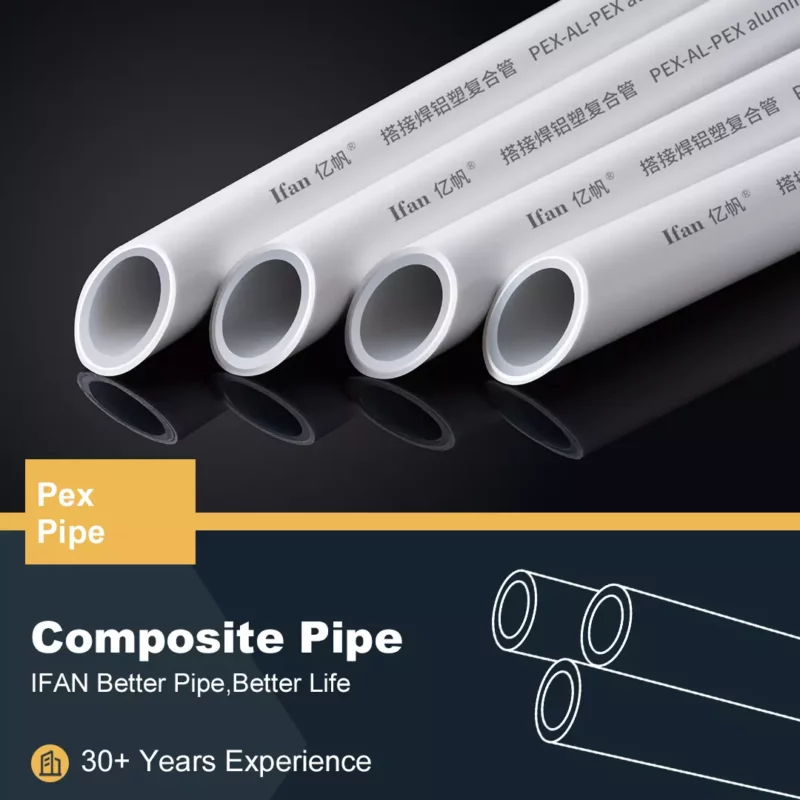
- Transition fittings join PVC or copper systems
Each connection point must be properly sealed to maintain system integrity.
How to Select the Right PPR Fittings
1. Identify the Application First
Start by defining system purpose:
- Residential plumbing
- Commercial water distribution
- Heating systems
- Industrial fluid transport
Each application has different performance requirements.
2. Choose the Correct Fitting Type
Match function with fitting type:
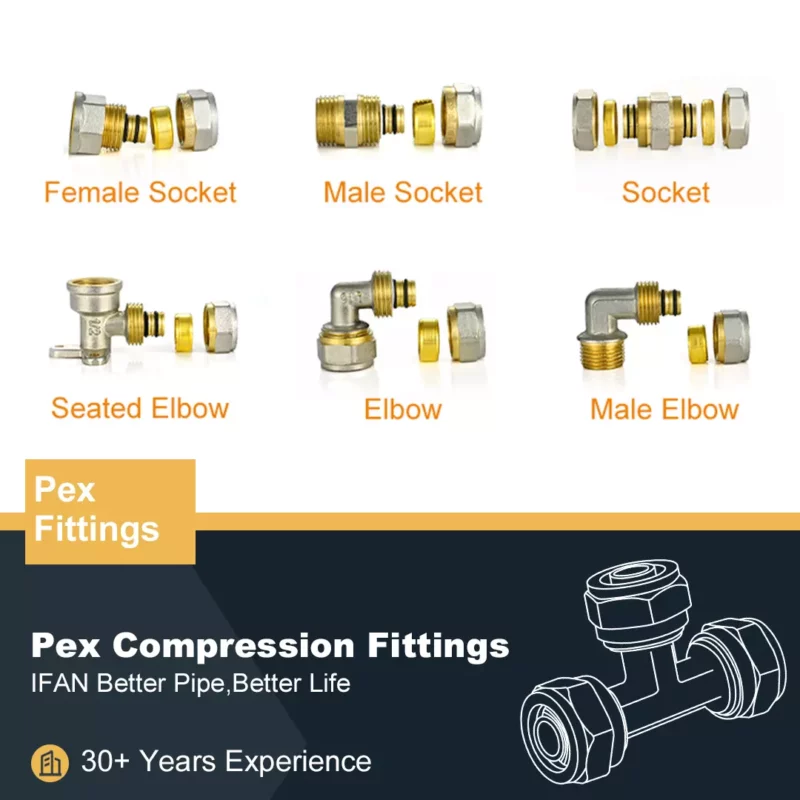
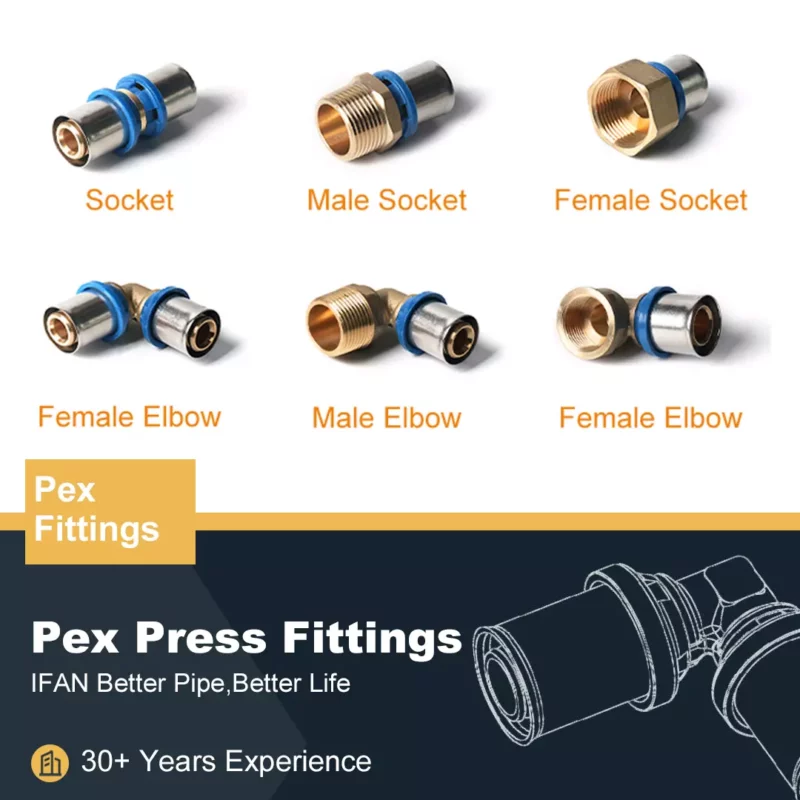
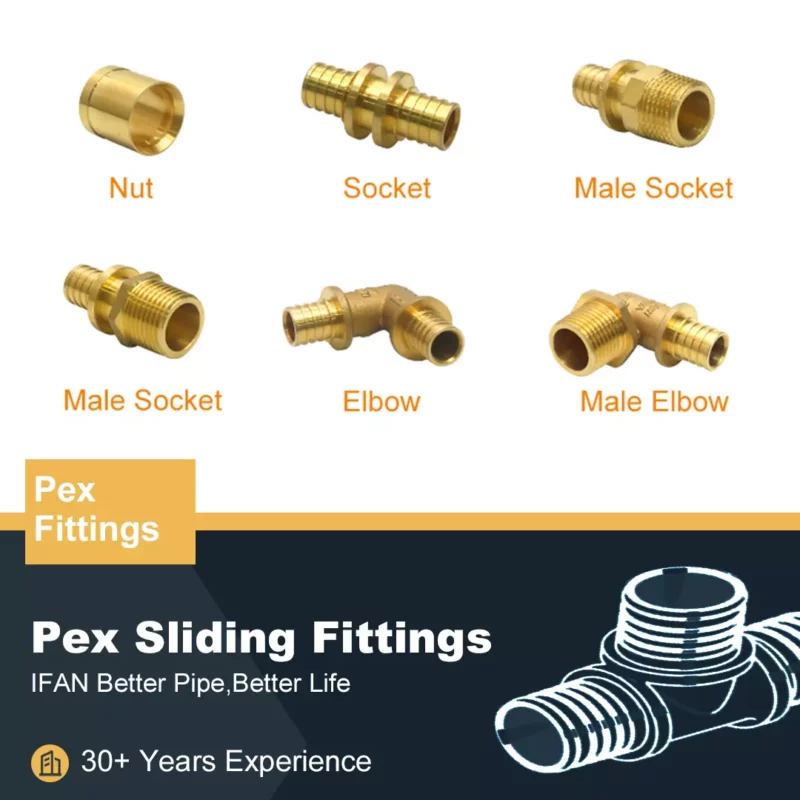
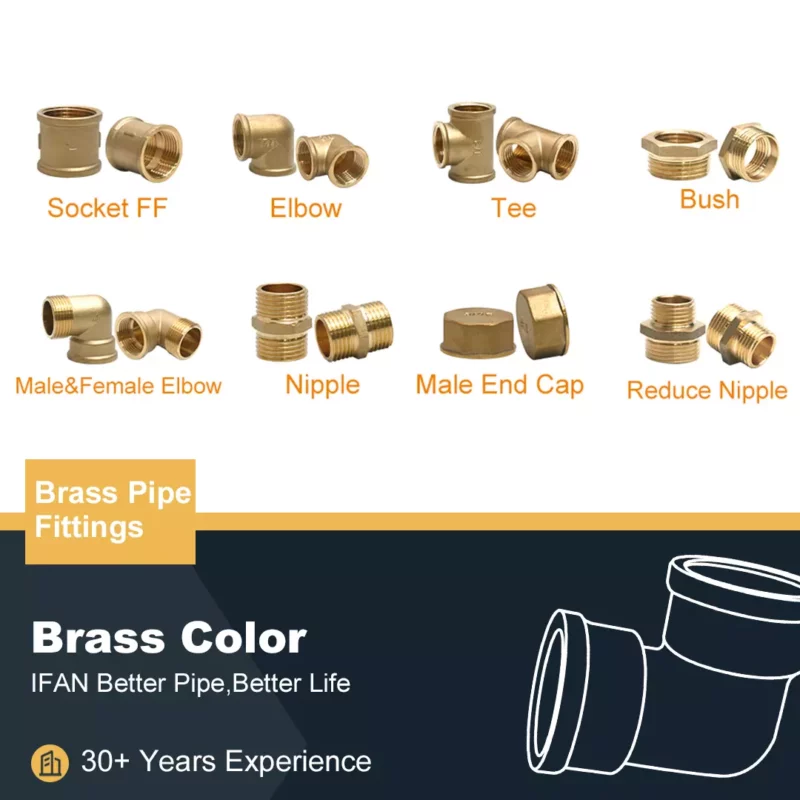
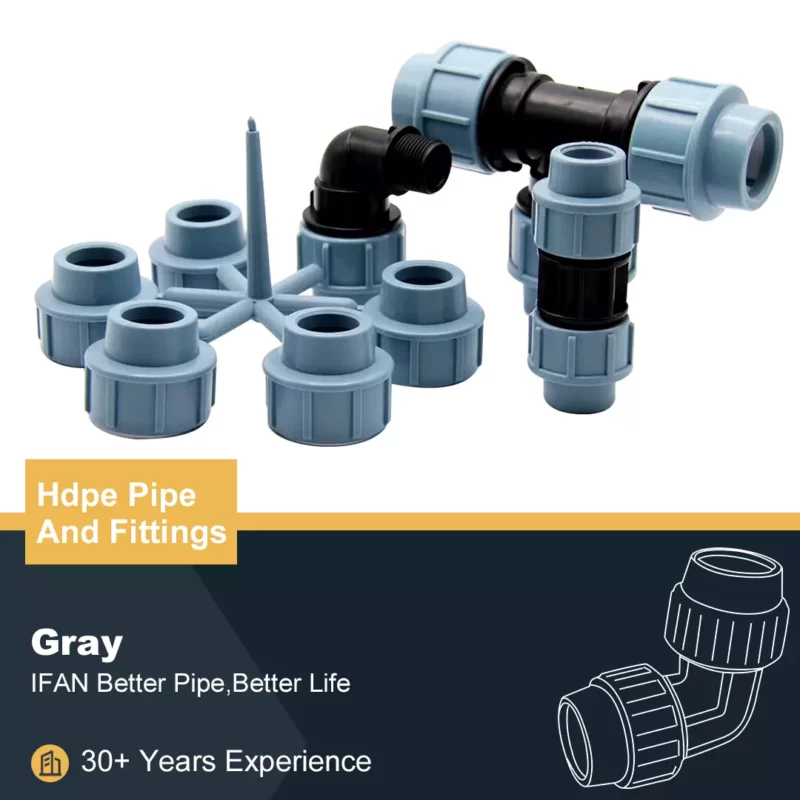
- Elbows for directional changes
- Tees for branching flow
- Couplings for straight connections
- Reducers for size transitions
- Threaded adapters for metal integration
Correct type selection improves flow efficiency and reduces stress on the system.
3. Verify Material Quality
High-quality fittings should:
- Use 100% virgin polypropylene
- Maintain uniform wall thickness
- Comply with ISO or DIN standards
- Show no impurities or defects
Material quality directly impacts system lifespan and safety.
4. Confirm Installation Method Compatibility
Since PPR systems rely on heat fusion:
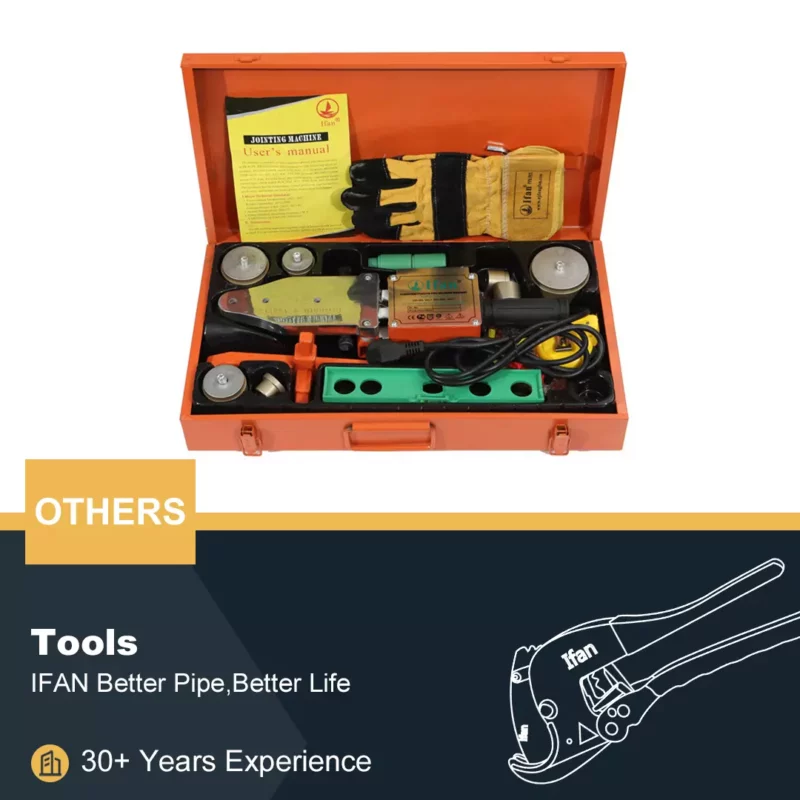
- Use calibrated welding tools
- Maintain correct temperature and timing
- Ensure clean pipe preparation before welding
- Use trained installers
Poor installation can compromise even high-grade materials.
5. Consider Long-Term System Needs
Select fittings that:
- Follow standardized sizes
- Are widely available in the market
- Allow easy repair and expansion
Standardization simplifies future maintenance.
Common Selection Errors to Avoid
- Choosing fittings based only on price
- Ignoring pressure and temperature ratings
- Mixing incompatible piping systems
- Using uncertified or low-quality materials
- Incorrect fitting type selection
Avoiding these errors improves system reliability and reduces maintenance costs.
Contact:
We will reply your email or fax within 24 hours.
You can call us at any time if there is any question on our production.
For more information,pls visit our webside.
Pls Mail to: [email protected]