

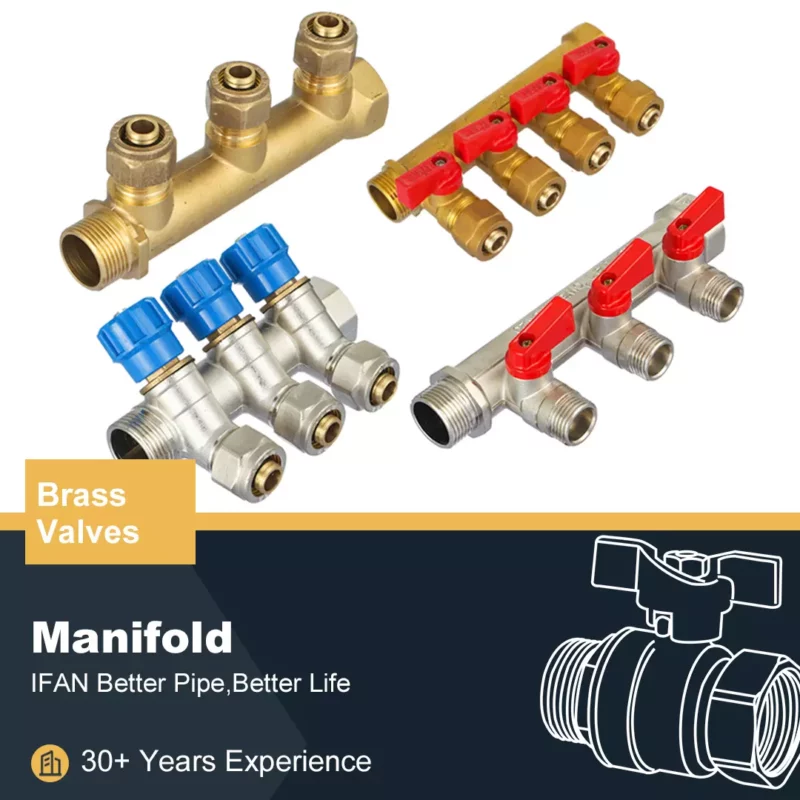
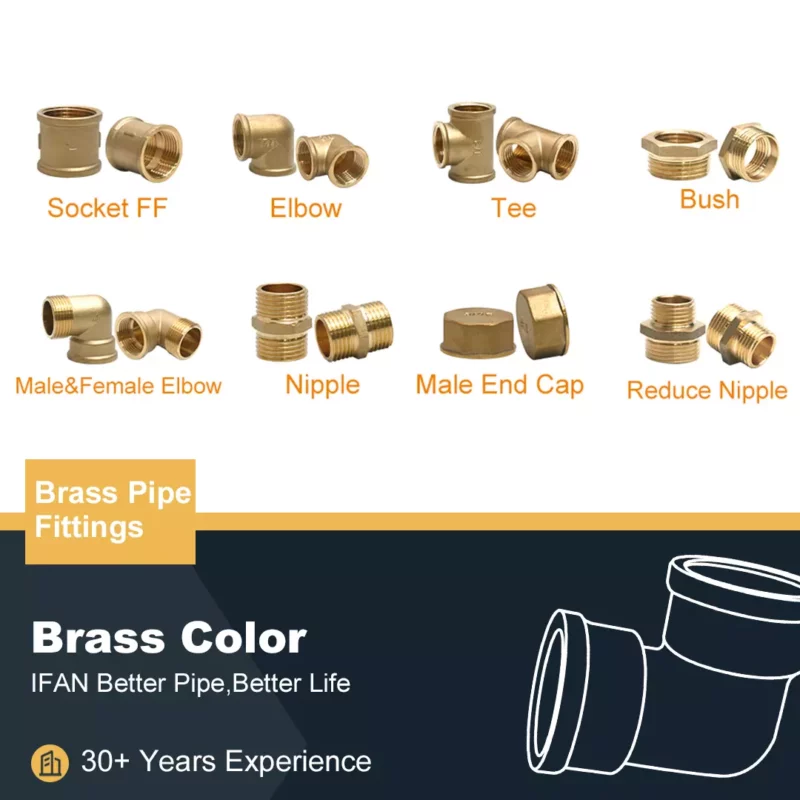
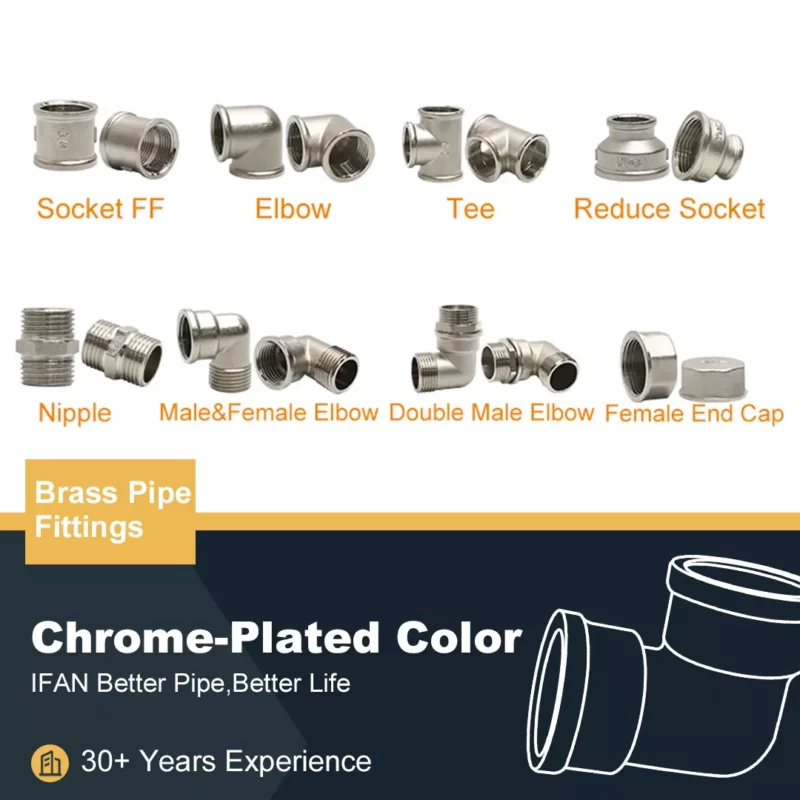



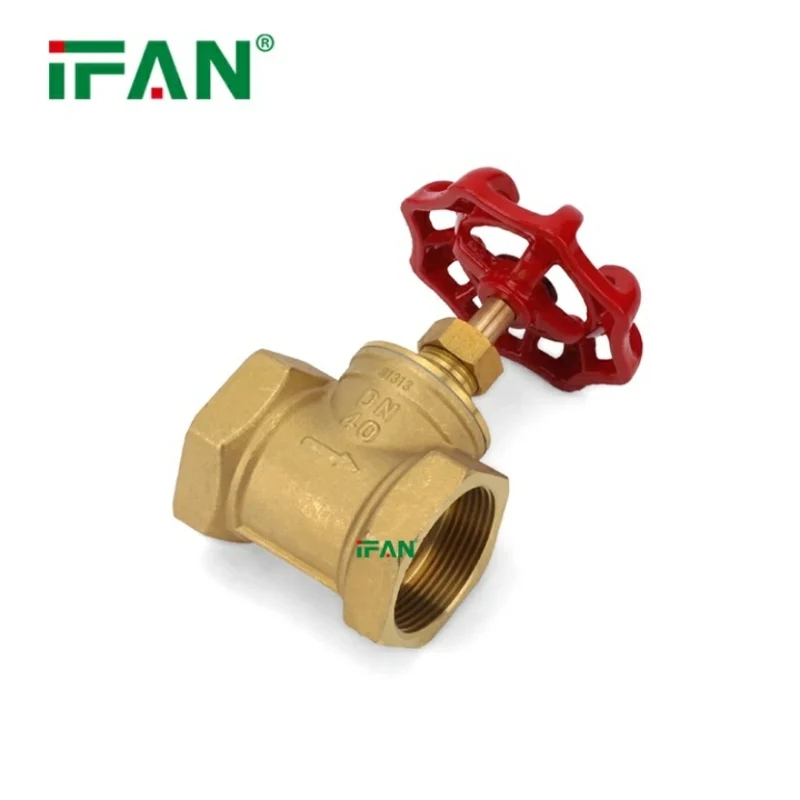
Brass gate valves are a popular choice in various industries due to their durability, corrosion resistance, and easy maintenance. These valves are crucial in regulating the flow of fluids through pipelines, and their simple design makes them a reliable solution for many applications. The ease of maintaining a brass gate valve ensures long-term, efficient operation with minimal downtime. In this article, we will explore why brass gate valves are an easy maintenance solution, focusing on their construction, key features, and maintenance practices.
What is a Brass Gate Valve?
A brass gate valve is a mechanical device designed to control the flow of fluids or gases within a pipeline. It uses a gate or disc that moves up and down to allow or block the flow of the fluid. When the valve is open, the gate is raised, and the fluid passes freely. When closed, the gate forms a tight seal to prevent any flow. Brass, an alloy of copper and zinc, is often used in these valves due to its strength, corrosion resistance, and long lifespan. These properties make brass gate valves a reliable and easy-to-maintain solution for controlling flow in many applications.
The Durability of Brass
One of the main reasons brass gate valves are easy to maintain is the durability of brass itself. Brass is a highly corrosion-resistant material, which means it can withstand harsh conditions without deteriorating. In water, oil, and gas systems, valves are often exposed to moisture, chemicals, or high pressures, all of which can cause other materials to degrade over time. Brass, however, resists corrosion and maintains its integrity for many years.
The strength of brass also allows these valves to operate smoothly under varying pressure conditions. This robustness reduces wear and tear on the valve components, meaning fewer repairs or replacements are necessary. The long lifespan of brass gate valves translates to a reduction in maintenance costs, making them an ideal choice for long-term use in industrial, commercial, and residential applications.
Simple Design for Easy Maintenance
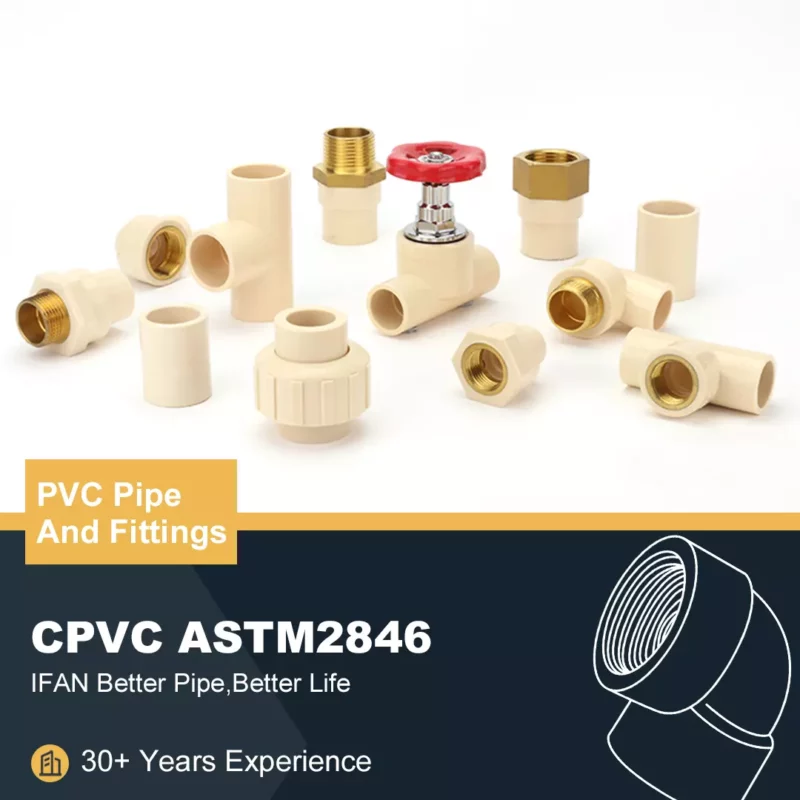
The design of a brass gate valve is simple yet highly effective, contributing to its ease of maintenance. Unlike more complex valves with numerous moving parts, a gate valve consists mainly of the body, the gate, the stem, and the actuator (typically a handwheel). This simplicity reduces the likelihood of mechanical failure, as fewer parts are prone to wear out or break.
When maintenance is required, it is often limited to replacing seals or lubricating the valve stem. The straightforward design makes it easy to inspect, repair, or replace these components, ensuring minimal downtime. Additionally, the gate valve’s operation does not involve complicated mechanisms, making it easier for technicians to understand and troubleshoot.
Corrosion Resistance for Less Wear and Tear
Brass’s resistance to corrosion plays a crucial role in minimizing maintenance needs. Many valves are exposed to harsh environments, such as saltwater, chemicals, or high-humidity areas, which can cause rust and degradation. Over time, these conditions can compromise the performance of a valve and lead to leakage, requiring frequent repairs or replacements.
Brass gate valves are designed to resist corrosion, even in harsh environments. The material itself is less likely to rust or degrade over time, which means the valve retains its functionality and appearance for a longer period. As a result, brass gate valves require less frequent replacement and repair, making them an ideal choice for environments where corrosion resistance is essential.
Easy Maintenance of Seals and Gaskets
Another reason why brass gate valves are easy to maintain is the simplicity of their sealing mechanisms. The gate valve relies on a gasket or O-ring to create a tight seal when the valve is closed. Over time, the seal may wear out or become damaged, but the maintenance required to replace these seals is minimal.
In most cases, replacing the gasket or O-ring is a simple procedure that does not require specialized equipment. This makes maintaining a brass gate valve quick and easy, even in industrial or commercial settings. Regular inspections of the seals can prevent leaks and ensure the valve continues to function optimally. As a result, brass gate valves offer a cost-effective, low-maintenance solution for controlling fluid flow.
Lubrication and Stem Care
The valve stem is a key component of a gate valve, as it connects to the gate and is used to open and close the valve. Over time, the stem may experience friction, which can lead to wear and make the valve harder to operate. Lubrication is an essential maintenance task to keep the valve stem functioning smoothly.
Regularly applying a suitable lubricant to the valve stem reduces friction and ensures that the valve opens and closes without difficulty. This simple task extends the lifespan of the valve and reduces the need for repairs. Lubricating the valve stem also prevents corrosion from building up on the moving parts, maintaining the valve’s performance.
Regular Inspection and Cleaning
One of the most important aspects of maintaining a brass gate valve is regular inspection and cleaning. Periodic checks help identify potential issues before they become significant problems. For example, the valve stem should be inspected for signs of wear or damage, and any accumulated debris or sediment in the valve should be cleaned out.
Cleaning the valve’s internal components helps prevent blockages and ensures that the gate moves freely. In areas where water quality is poor, or the system deals with debris-laden fluids, cleaning may be required more frequently. Regular maintenance ensures that the valve operates efficiently and reduces the risk of failures.
Benefits of Easy Maintenance Brass Gate Valves
The ease of maintenance offered by brass gate valves provides several significant benefits for users. One of the primary advantages is cost savings. Because these valves are durable and require minimal maintenance, there are fewer repair costs, and the valves last longer. This reduces the total cost of ownership and ensures that the system operates efficiently over time.
Brass gate valves also provide reliability. With fewer moving parts and corrosion-resistant materials, they are less likely to fail or require unexpected repairs. This reliability is essential in industries like oil and gas, water treatment, and HVAC, where downtime can be costly and disruptive.
Finally, easy maintenance means that the valves are simple to operate and service. Operators can quickly troubleshoot and fix any issues that arise, ensuring minimal interruption in the flow control system. This is particularly important in large-scale industrial or commercial applications, where valve failure can result in significant downtime.
Applications of Brass Gate Valves
Brass gate valves are used in various applications, ranging from residential plumbing to industrial fluid systems. In residential plumbing, these valves are used to control water flow to different areas of the home. The corrosion resistance and ease of maintenance ensure that they remain functional for years.
In industrial settings, brass gate valves are used to control the flow of water, oil, or chemicals in processing plants, refineries, and power plants. Their ability to handle high pressures and temperatures makes them suitable for these demanding environments. Additionally, their simple design reduces the need for specialized maintenance, making them ideal for large-scale operations.
HVAC systems also benefit from brass gate valves, as they are used to regulate the flow of water or refrigerants in heating and cooling systems. The ability to easily service these valves ensures that HVAC systems remain efficient and reliable over time.
Conclusion
Brass gate valves offer an easy maintenance solution for fluid control systems, combining durability, simplicity, and corrosion resistance. The straightforward design, combined with the material’s resistance to corrosion, ensures that these valves require minimal maintenance and have a long lifespan. Regular inspections, lubrication, and seal replacements are simple tasks that can significantly extend the life of a brass gate valve. With their low-maintenance requirements, brass gate valves provide a reliable and cost-effective solution for a wide range of applications, from residential plumbing to industrial fluid systems.
If you have read this article and have any questions, please feel free to contact IFAN. Below is our contact information:
Whatsapp:+86 13373827623
Email:[email protected]