











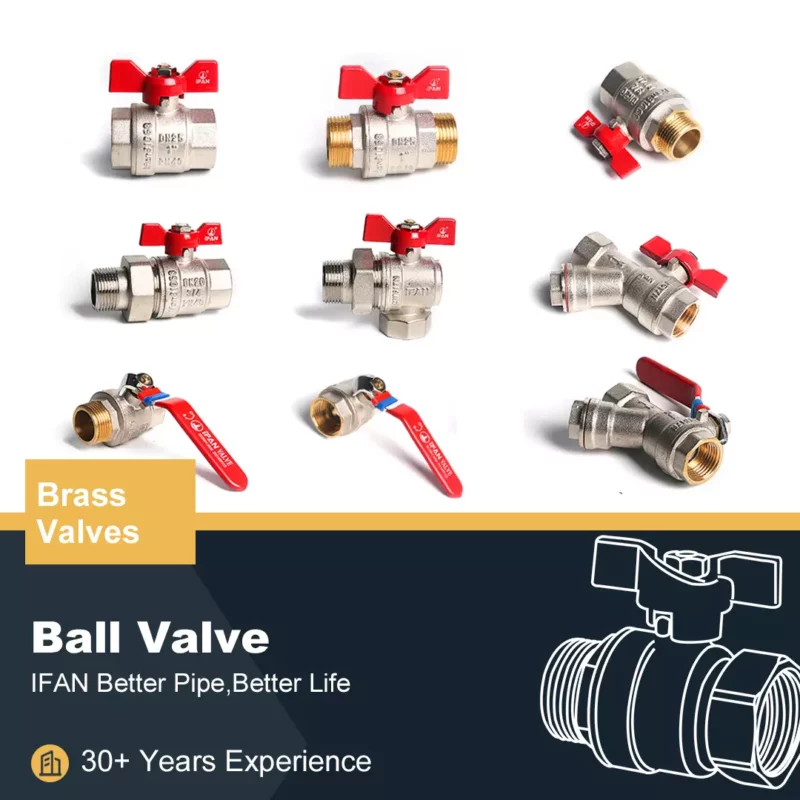
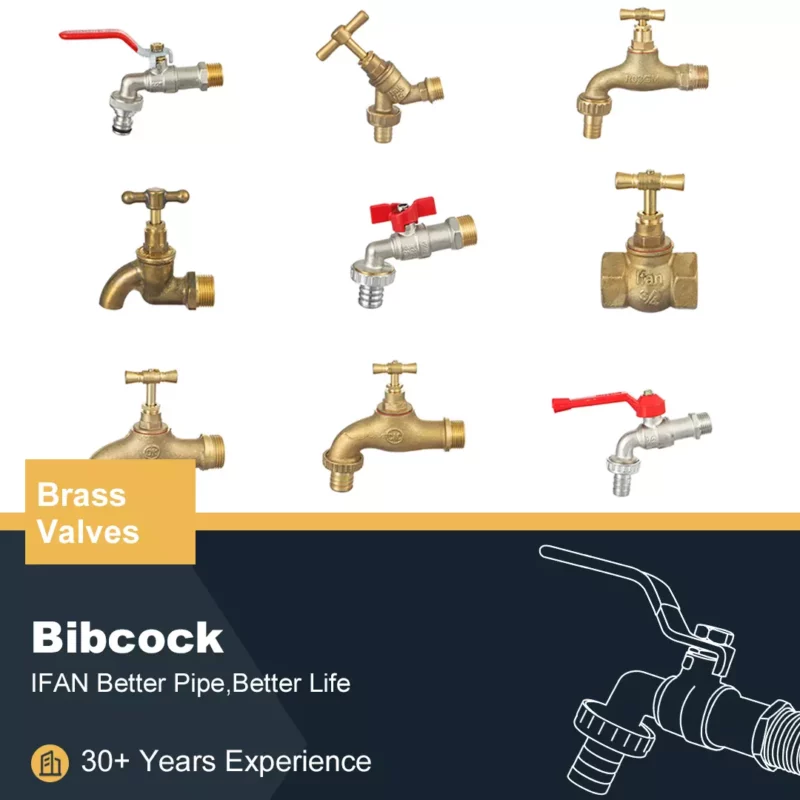
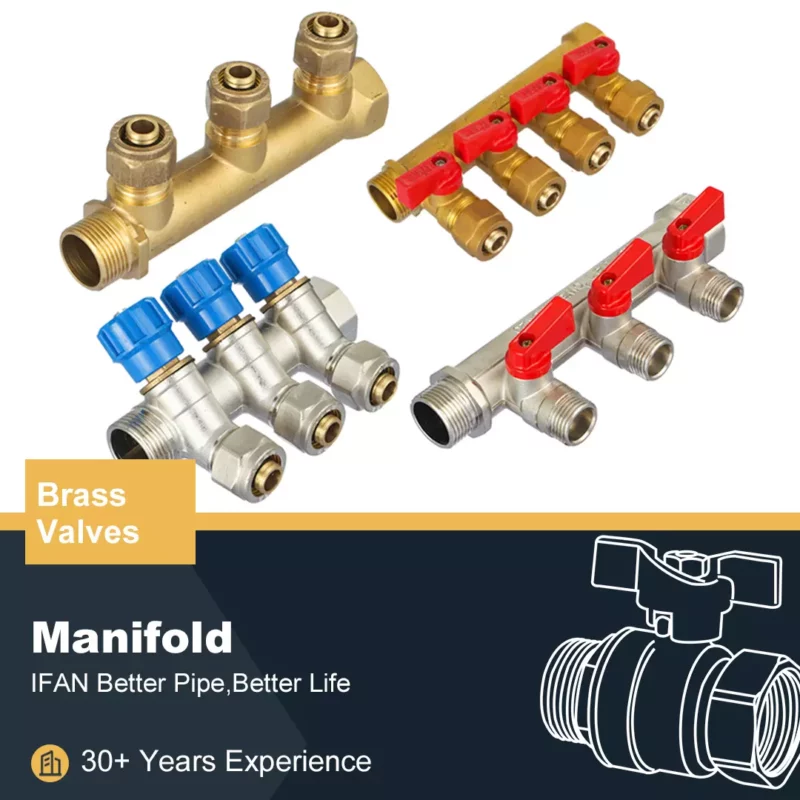
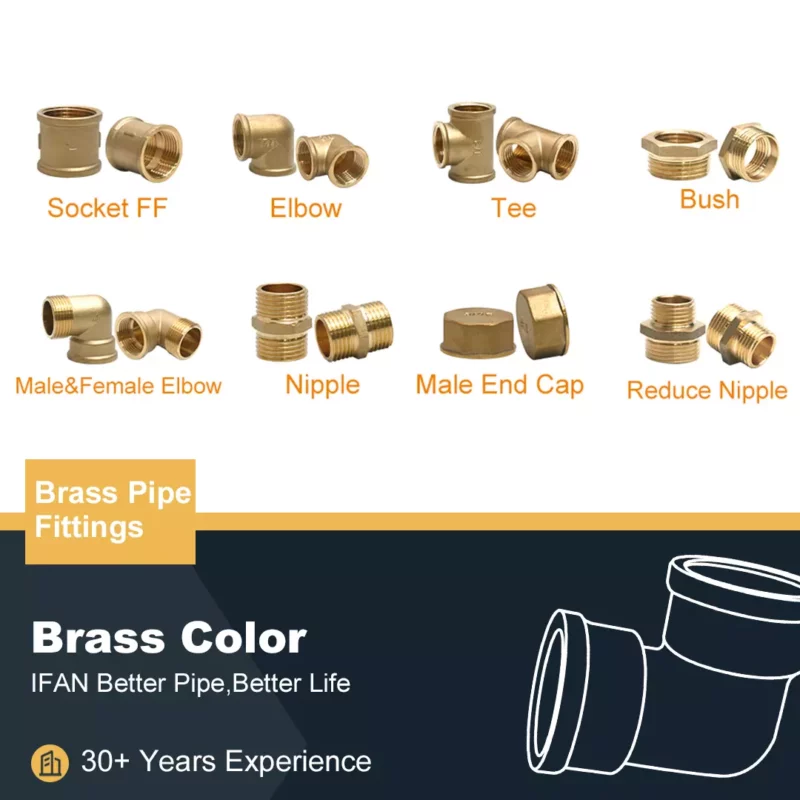







Brass gate valves are widely used across various industries due to their versatility, durability, and corrosion resistance. These valves are essential in controlling the flow of liquids and gases through pipelines. The combination of brass’s strength and the simple design of the gate valve make it suitable for many different applications. In this article, we will explore the versatile applications of brass gate valves, focusing on their use in residential plumbing, industrial systems, water treatment, HVAC, and chemical processing.
What is a Brass Gate Valve?
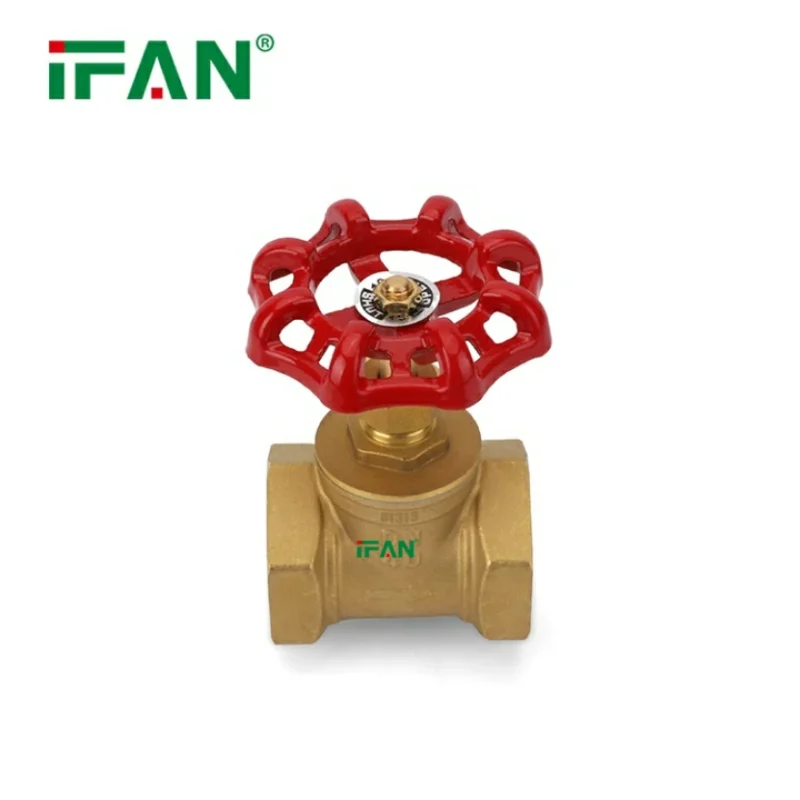
A brass gate valve is a mechanical device designed to control the flow of fluids or gases in a pipeline. The valve operates by raising or lowering a gate within the valve body. When the valve is open, the gate is raised, allowing fluid to flow freely. When closed, the gate seals against the valve seat, blocking the flow. Brass, an alloy of copper and zinc, is known for its strength, corrosion resistance, and long lifespan. These qualities make brass an ideal material for constructing gate valves that require reliable and long-lasting performance.
Residential Plumbing Systems
In residential plumbing systems, brass gate valves are commonly used to control water flow. These valves are typically installed on water supply lines to control the flow of water to different parts of the house. The smooth operation of the brass gate valve allows homeowners to easily shut off the water supply during maintenance or repair tasks.
The durability of brass ensures that the valve will resist corrosion caused by exposure to water, air, and household chemicals. This makes brass gate valves ideal for plumbing systems that require reliable performance over time. Their ability to withstand high pressures and resist leaks under various conditions makes them a preferred choice in residential applications.
Industrial Applications
In industrial settings, brass gate valves are used to regulate the flow of various fluids and gases, such as water, oil, and compressed air. These valves are found in many manufacturing facilities, power plants, and factories. Brass gate valves are particularly well-suited for industries that require precise flow control and reliable performance under pressure.
Their corrosion resistance makes them ideal for use in systems where water or industrial fluids may be corrosive. Brass gate valves provide long-lasting, leak-proof performance in environments with high flow rates or fluctuating pressures. Their simple, robust design makes them easy to maintain and replace, further increasing their appeal for industrial use.
Water Treatment Systems
Brass gate valves are essential components in water treatment systems. These systems often involve the movement and filtration of large volumes of water. Brass gate valves are used to regulate the flow of water through various stages of the treatment process. From raw water intake to distribution, these valves ensure smooth and efficient operation.
The corrosion resistance of brass is particularly valuable in water treatment applications, where valves are exposed to moisture and chemicals. The valves help maintain the integrity of the system by preventing leaks and ensuring accurate flow control. Furthermore, brass gate valves are reliable even in high-pressure environments, such as those found in water pumping stations or filtration plants.
HVAC Systems
In HVAC (heating, ventilation, and air conditioning) systems, brass gate valves are used to control the flow of hot water, refrigerants, and other fluids. These valves are installed in various parts of the HVAC system to ensure proper fluid distribution. Whether in commercial or residential buildings, brass gate valves ensure that heating or cooling systems operate efficiently.
The versatility of brass gate valves in HVAC applications is due to their ability to handle varying temperatures and pressures. Brass’s resistance to corrosion and wear makes it ideal for these systems, where constant exposure to high temperatures and pressure fluctuations can cause other materials to degrade. Brass gate valves provide reliable, long-term operation, reducing the need for frequent maintenance or replacement.
Chemical Processing Plants
Brass gate valves are commonly used in chemical processing plants where fluids, gases, or chemicals need to be controlled or regulated. These plants often involve aggressive chemicals that can corrode unprotected valves. The corrosion resistance of brass makes it an ideal material for gate valves in chemical processing systems, where the fluid being handled may be highly corrosive.
In these applications, the ability of brass to resist chemical corrosion ensures the integrity of the valve over time. Brass gate valves help control the flow of chemicals through pipes, ensuring safe and efficient operations. The versatility of these valves makes them adaptable to a variety of chemicals and conditions, making them essential components in chemical processing.
Oil and Gas Industry
In the oil and gas industry, brass gate valves are used to regulate the flow of crude oil, natural gas, and other fluids in pipelines. The oil and gas sector requires reliable, durable valves that can handle high pressures and temperatures. Brass gate valves are designed to withstand these demanding conditions while maintaining efficient flow control.
The corrosion resistance of brass is particularly valuable in the oil and gas industry, where exposure to harsh conditions and corrosive substances is common. Brass gate valves are often used in systems that involve the transport of oil, natural gas, or chemicals, ensuring smooth and reliable operation. The strength of brass also allows the valves to perform effectively in high-pressure environments, making them indispensable for the industry.
Marine Applications
Brass gate valves are also widely used in marine applications, particularly in shipbuilding and offshore platforms. In these environments, valves must be resistant to the corrosive effects of saltwater. Brass’s resistance to saltwater corrosion makes it an ideal choice for marine applications, where traditional materials may degrade quickly.
These valves are used in various systems on ships and offshore rigs, including water ballast systems, cooling systems, and fuel lines. Brass gate valves help ensure that these systems operate smoothly, even in the challenging conditions of the marine environment. Their ability to resist corrosion and handle high pressures makes them reliable components for use in the maritime industry.
Agricultural Systems
In agriculture, brass gate valves are used in irrigation systems to control the flow of water. Whether in large-scale farming operations or smaller irrigation setups, these valves help regulate the amount of water distributed to crops. Brass gate valves are particularly beneficial in these systems because of their durability and corrosion resistance in outdoor conditions.
The ability of brass gate valves to withstand fluctuating pressures and exposure to the elements makes them ideal for agricultural use. Their reliable performance ensures that water flows consistently and efficiently, reducing the risk of water wastage and improving crop yields. Brass gate valves also require minimal maintenance, making them a cost-effective solution for irrigation systems.
Benefits of Using Brass Gate Valves
The versatility of brass gate valves can be attributed to several key benefits. First, their corrosion resistance ensures long-term durability, even in harsh environments. This makes them ideal for use in industries where valves are exposed to moisture, chemicals, or extreme temperatures.
Second, the simple design of the brass gate valve allows for easy operation and maintenance. The valve’s gate mechanism provides precise control over fluid flow, ensuring efficiency in various applications. Furthermore, the reliability of brass gate valves reduces the need for frequent replacements, lowering overall operational costs.
Lastly, brass gate valves are highly versatile, making them suitable for a wide range of industries, from residential plumbing to industrial and marine applications. Their ability to handle different fluids, pressures, and temperatures adds to their adaptability, ensuring that they remain a reliable choice across many sectors.
Conclusion
Brass gate valves are versatile and essential components in many industries due to their durability, corrosion resistance, and simple design. They play a critical role in controlling the flow of liquids and gases in a wide range of applications, from residential plumbing systems to industrial and marine environments. The combination of brass’s strength and resistance to corrosion makes it an ideal material for gate valves, ensuring reliable and long-lasting performance. Whether in water treatment, HVAC systems, oil and gas pipelines, or agriculture, brass gate valves provide efficient and effective flow control solutions.
If you have read this article and have any questions, please feel free to contact IFAN. Below is our contact information:
Whatsapp:+86 13373827623
Email:[email protected]