








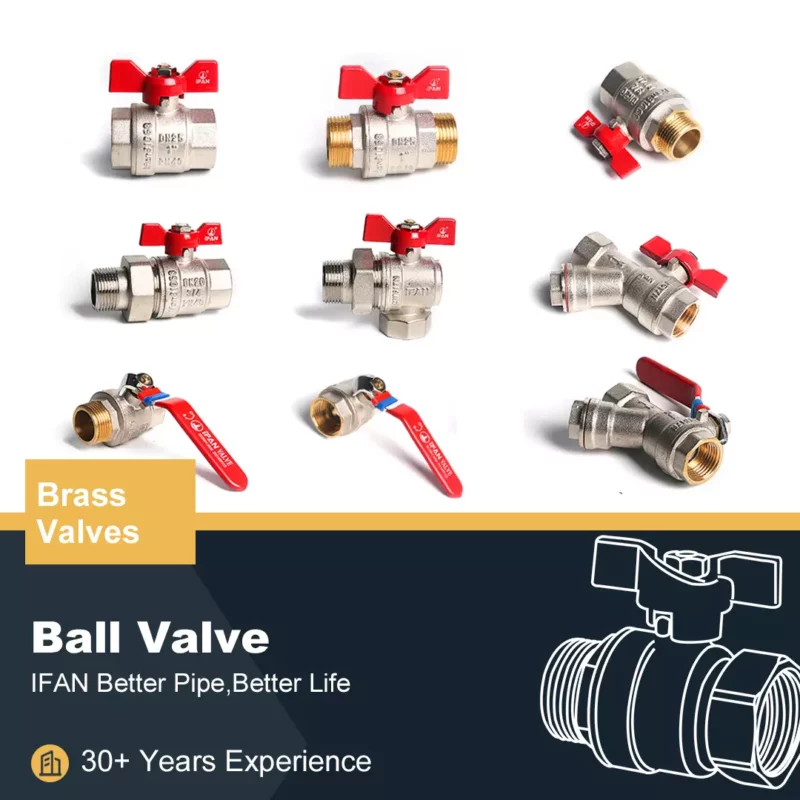
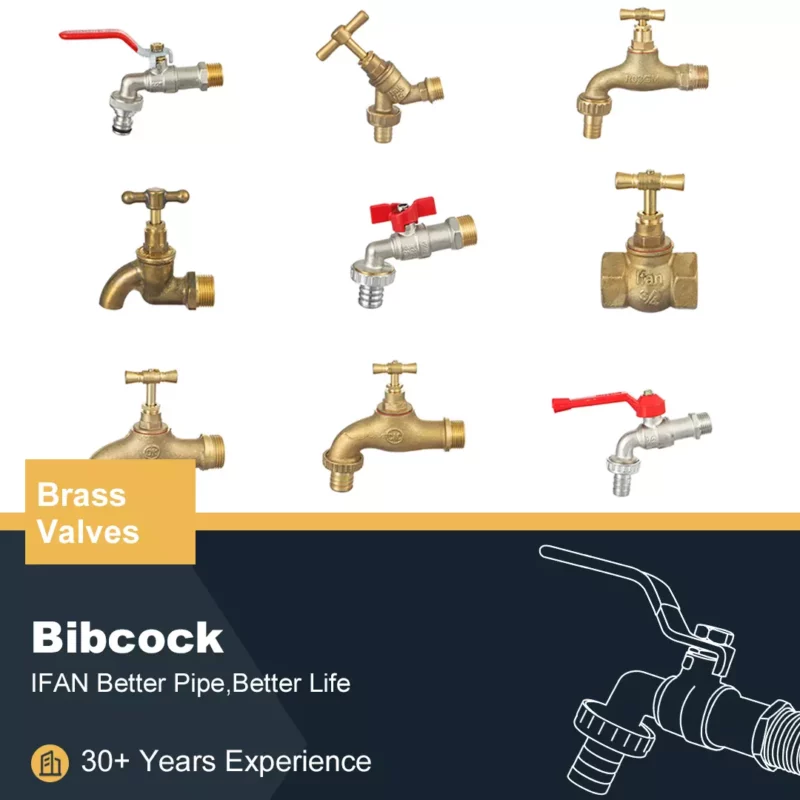
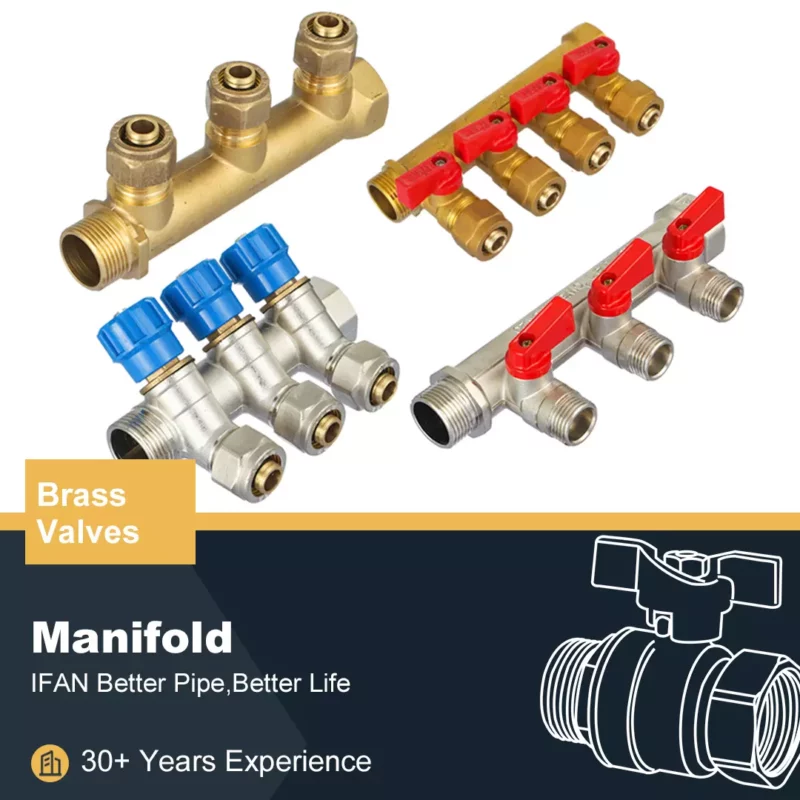
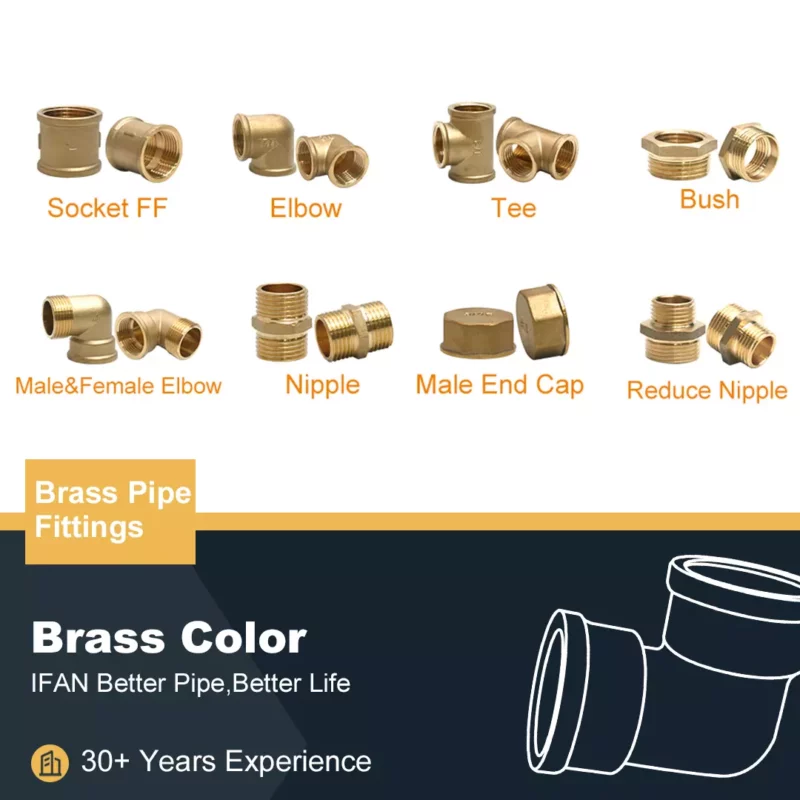


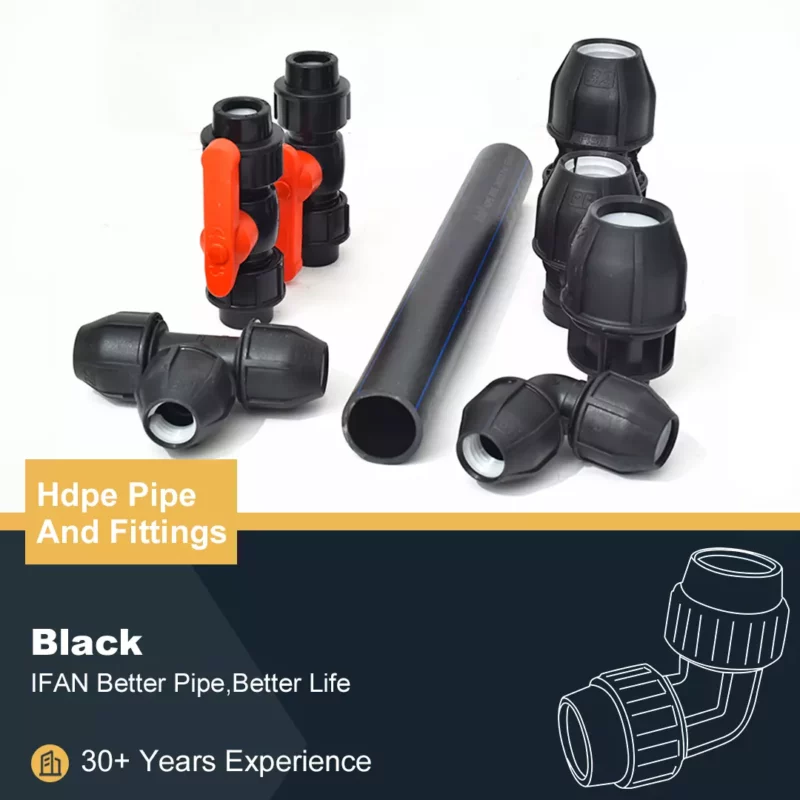






Brass gate valves are widely used in various industries due to their robust design and superior pressure resistance. These valves are essential components in fluid control systems, particularly for applications requiring high pressure. Brass, a highly durable and corrosion-resistant material, makes these valves reliable for use in environments with demanding conditions. In this article, we will explore the construction, functionality, and benefits of brass gate valves, focusing on their pressure resistance capabilities.
What is a Brass Gate Valve?
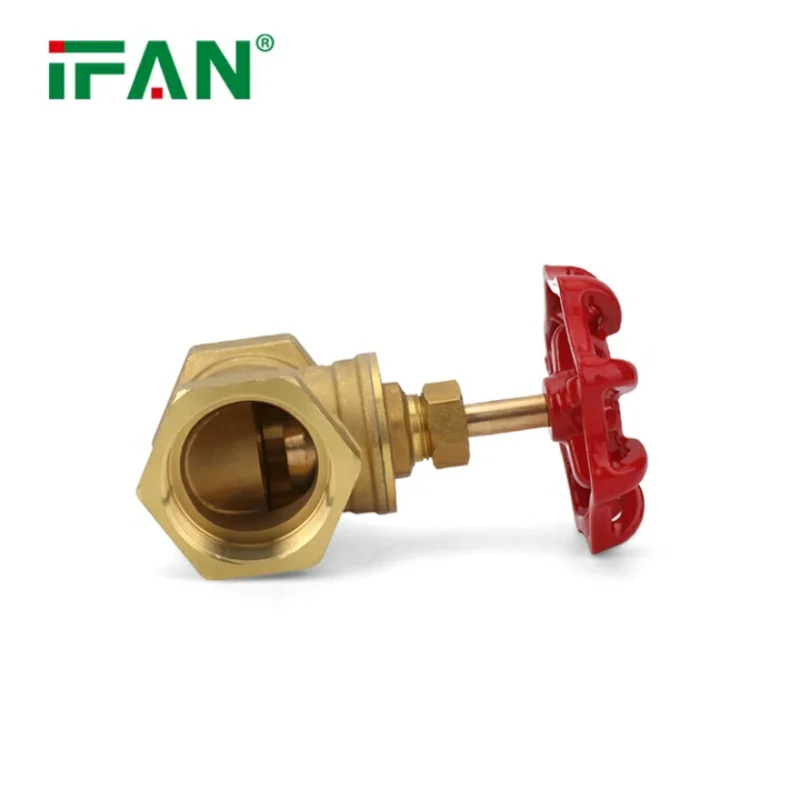
A brass gate valve is a type of valve used to control the flow of liquids and gases in pipelines. It consists of a gate, which is raised or lowered to allow or block the flow. The valve is typically operated by a handle or actuator that moves the gate into position. Brass is chosen for the valve body due to its strength, corrosion resistance, and ability to withstand high pressures. When the valve is fully open, the flow is unrestricted, allowing for maximum fluid movement with minimal resistance.
Pressure Resistance in Brass Gate Valves
Pressure resistance is a key factor when selecting a gate valve for industrial applications. Brass gate valves are specifically designed to handle high-pressure environments. The material’s strength ensures that the valve can withstand the stress caused by pressurized fluids or gases without failure. Brass gate valves are commonly used in water treatment plants, oil pipelines, and HVAC systems where high-pressure conditions are common.
The internal components of the valve, such as the gate and stem, are also designed to resist deformation under pressure. The gate forms a tight seal when closed, ensuring that no fluid leaks through even under extreme pressure conditions. The robust design of the valve body and stem helps distribute the pressure evenly, preventing the valve from being damaged or compromised.
The Role of Brass in Pressure Resistance
Brass is an ideal material for pressure-resistant applications because of its excellent mechanical properties. It combines copper and zinc, resulting in a material that is both strong and malleable. This allows the valve to be shaped into intricate designs without sacrificing its strength. Brass is also highly resistant to corrosion, which is crucial in high-pressure systems where fluids can be corrosive.
The material’s ability to maintain its strength at high temperatures adds to its usefulness in pressure resistance. Brass gates and bodies can endure the stresses of high-pressure steam, hot water, or gases without weakening over time. This makes brass gate valves a reliable option for controlling the flow of high-temperature fluids in industrial applications.
Design Features for High-Pressure Performance
The design of brass gate valves is crucial for ensuring they perform well under high-pressure conditions. The gate valve features a wedge-shaped or parallel gate that tightly seals against the valve seat when closed. This design helps maintain a secure seal even when the valve is subjected to significant pressure, preventing leakage.
The valve stem is also designed to handle high-pressure systems. It is usually made from stainless steel or brass to provide added strength and resistance to wear. The stem is threaded to allow smooth operation while maintaining the strength necessary to withstand the pressure inside the pipeline. Seals and O-rings are used to prevent any leakage around the stem, ensuring a tight seal under pressure.
Applications Requiring Pressure Resistance
Brass gate valves are used in various applications where pressure resistance is essential. In water treatment facilities, these valves control the flow of water through pipelines that operate under high pressure. The valves regulate the flow to different parts of the system, allowing for effective filtration and treatment processes.
In the oil and gas industry, brass gate valves are critical for managing the flow of crude oil and natural gas through pipelines. These systems often operate under extremely high pressure, and brass gate valves ensure that the flow remains controlled without compromising safety or functionality. Similarly, in steam systems, brass gate valves are used to regulate the flow of steam, which can reach very high pressures and temperatures.
Brass gate valves are also used in HVAC systems to control the flow of refrigerants or hot water. In these systems, the valves are often subjected to fluctuating pressures and temperatures. The strength and pressure resistance of brass ensure the valve’s performance remains consistent over time.
Benefits of Brass Gate Valves for Pressure Resistance
One of the primary benefits of using brass gate valves in high-pressure systems is their durability. Brass is a strong and corrosion-resistant material, ensuring that the valve will function reliably in demanding environments. Unlike valves made from other materials, brass gate valves can maintain their integrity even in harsh conditions, reducing the risk of failure or costly repairs.
Another significant benefit is the ability of brass gate valves to handle temperature fluctuations. Brass’s high thermal conductivity allows the valve to withstand both hot and cold conditions without losing its strength. This makes it suitable for use in systems where the pressure and temperature can vary, such as in heating or cooling systems.
The ease of maintenance is also a key advantage. Brass gate valves are simple to operate and maintain, requiring minimal intervention. Regular inspection and occasional lubrication of the valve stem can ensure smooth operation for years. Furthermore, replacing seals or other worn components is relatively straightforward, making maintenance cost-effective.
Limitations of Brass Gate Valves
While brass gate valves offer excellent pressure resistance, they do have certain limitations. One of the main limitations is that they may not be suitable for extremely high-pressure applications. In cases where the pressure exceeds the capacity of brass, other materials such as steel or stainless steel may be required.
Additionally, brass is a relatively soft material compared to some other metals, which means it can be susceptible to damage from abrasive materials or high-velocity fluids. In systems where abrasive particles are present, it may be necessary to consider valves made from harder materials or those designed specifically for handling such conditions.
Maintenance of Brass Gate Valves Under Pressure
Proper maintenance is essential to ensure the performance of brass gate valves under pressure. Regular inspections should be conducted to check for signs of wear or damage. The valve stem and internal components should be lubricated periodically to prevent friction and ensure smooth operation. Seals and gaskets should be checked for leaks, as they can degrade over time.
In high-pressure systems, it is especially important to monitor the valve for signs of excessive wear. If the valve experiences difficulty opening or closing, or if there is visible leakage, it may be time to replace worn components or the entire valve. Routine maintenance helps prevent catastrophic failures and extends the valve’s operational life.
Conclusion
Brass gate valves are an excellent choice for pressure-resistant applications. Their corrosion resistance, strength, and ability to withstand high pressures make them suitable for a wide range of industries, including water treatment, oil and gas, and HVAC systems. The careful design of brass gate valves ensures they provide a tight seal under pressure, preventing leaks and maintaining flow control. While they are generally durable, proper maintenance is crucial for ensuring long-term performance. By choosing a brass gate valve with strong pressure resistance capabilities, industries can ensure the reliability and efficiency of their fluid control systems for many years to come.
If you have read this article and have any questions, please feel free to contact IFAN. Below is our contact information:
Whatsapp:+86 13373827623
Email:[email protected]