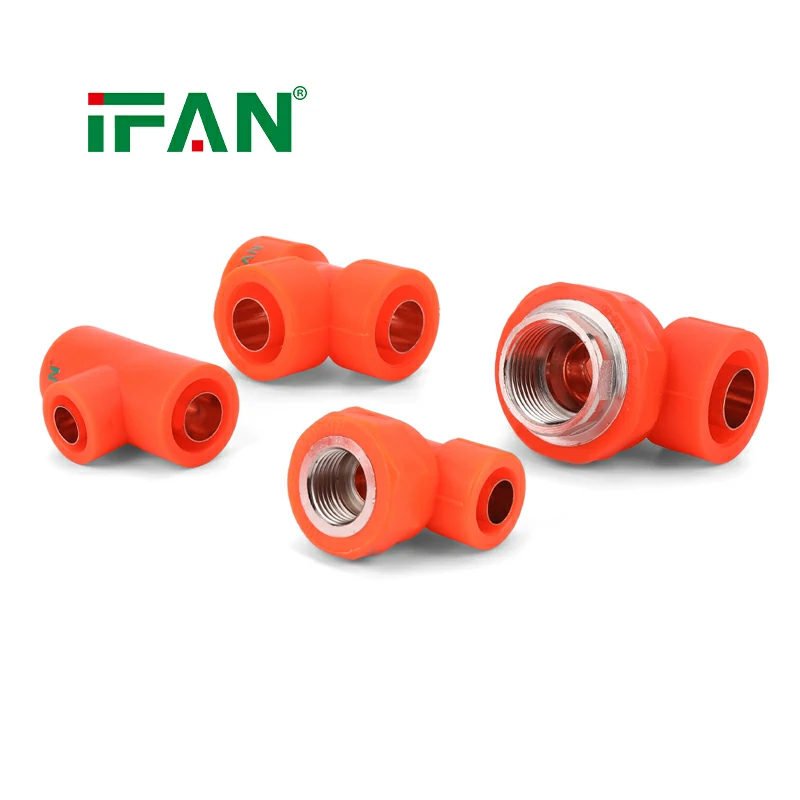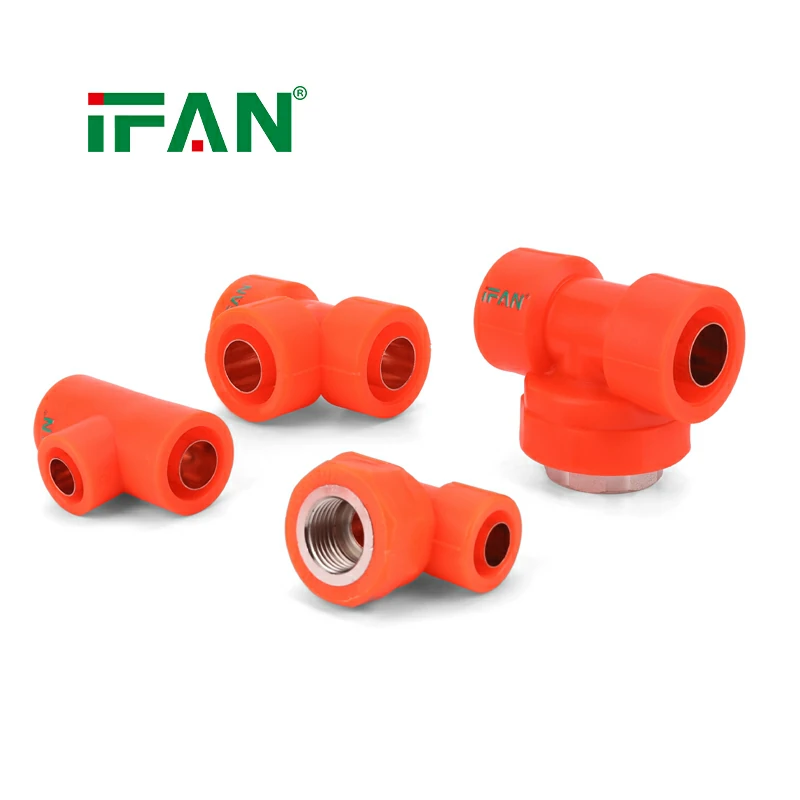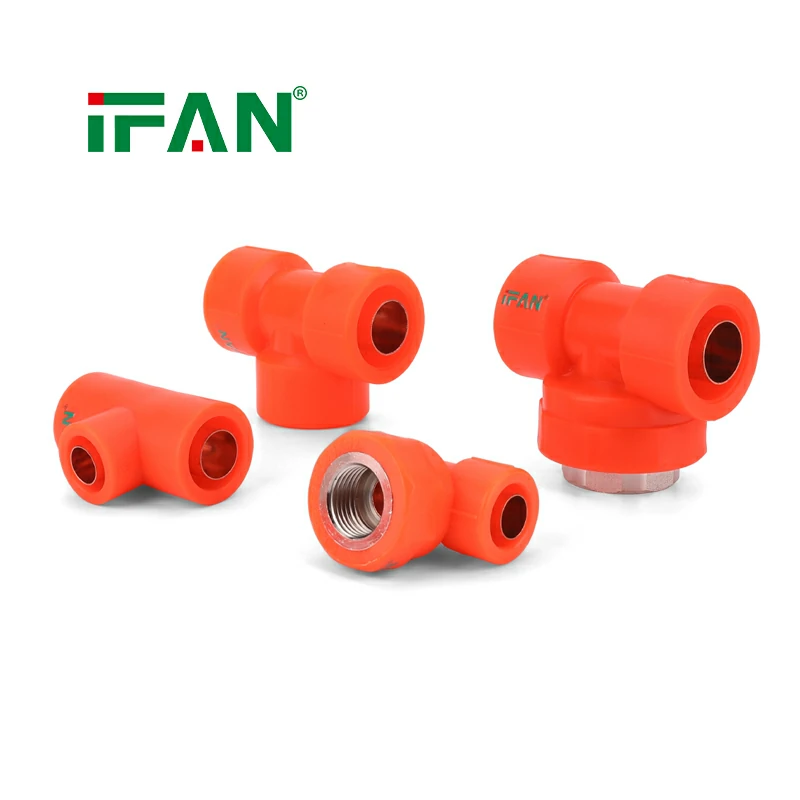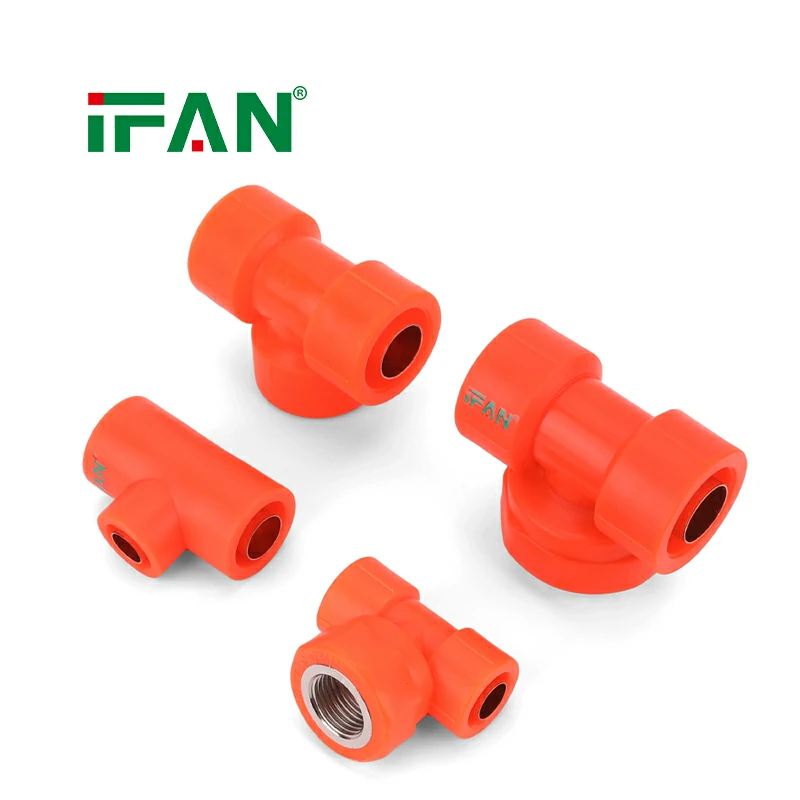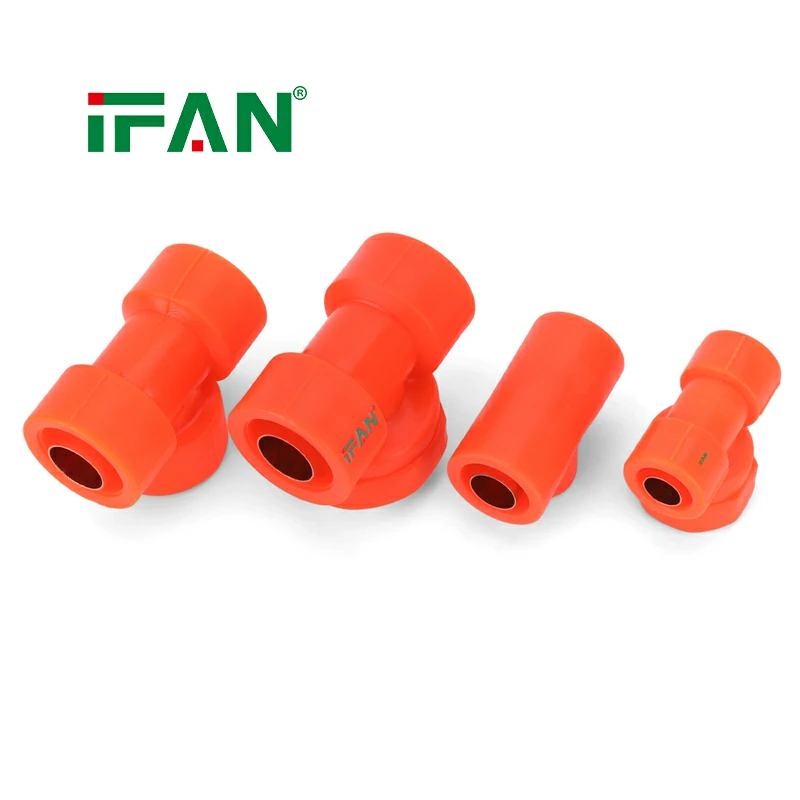


UPVC (Unplasticized Polyvinyl Chloride) fittings are highly valued in various industries due to their superior performance and cost-effectiveness. One of the standout features of UPVC fittings is their excellent thermal insulation properties. Whether used in residential, commercial, or industrial systems, UPVC fittings help maintain temperature stability, reduce energy consumption, and ensure efficient system performance. This article will explore how UPVC fittings provide excellent thermal insulation, the benefits they offer, and their applications across different sectors.
What Are UPVC Fittings?
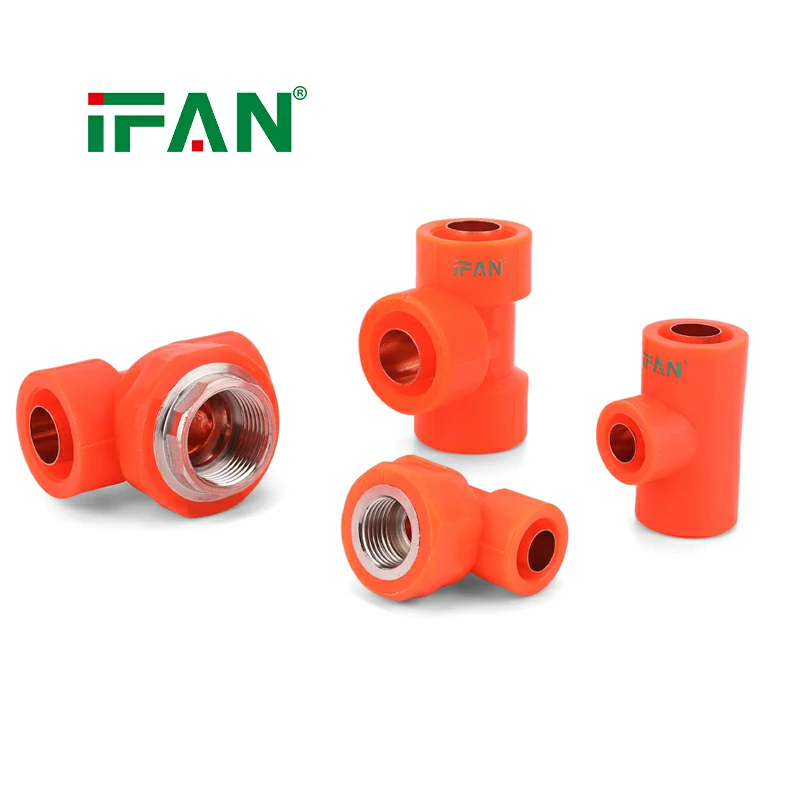
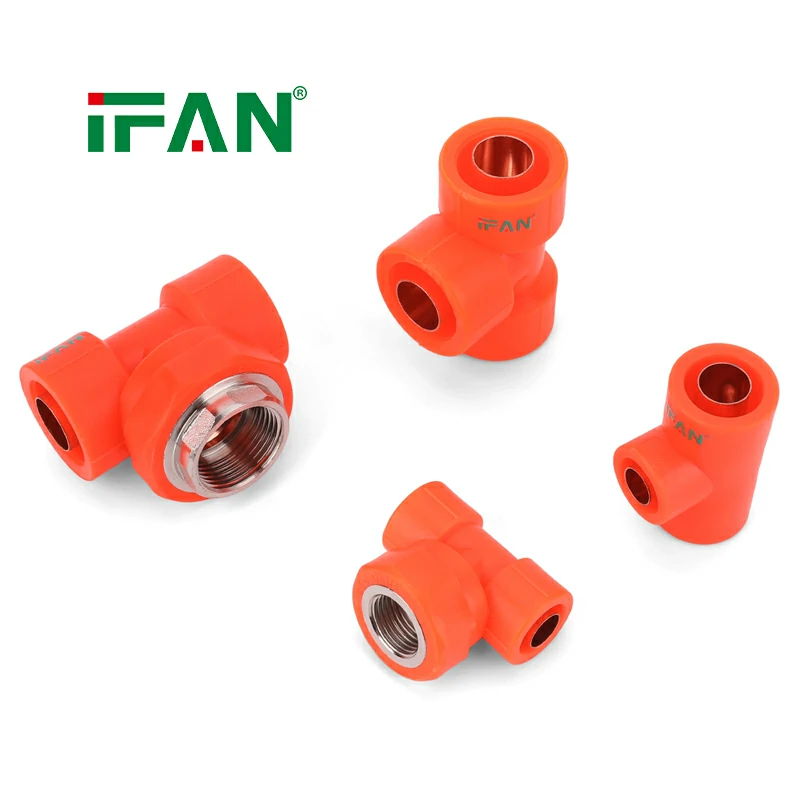
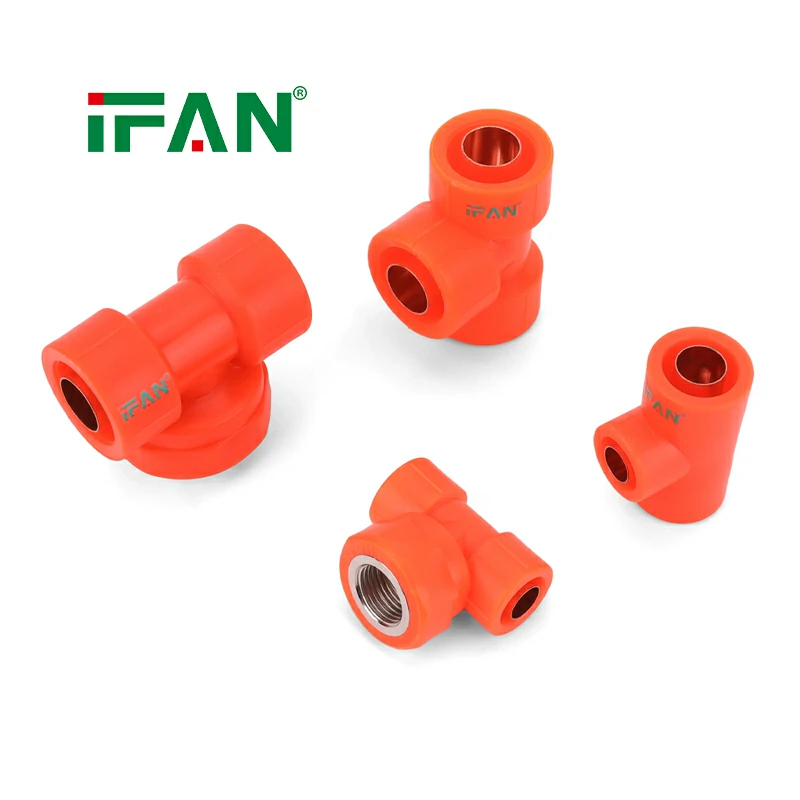
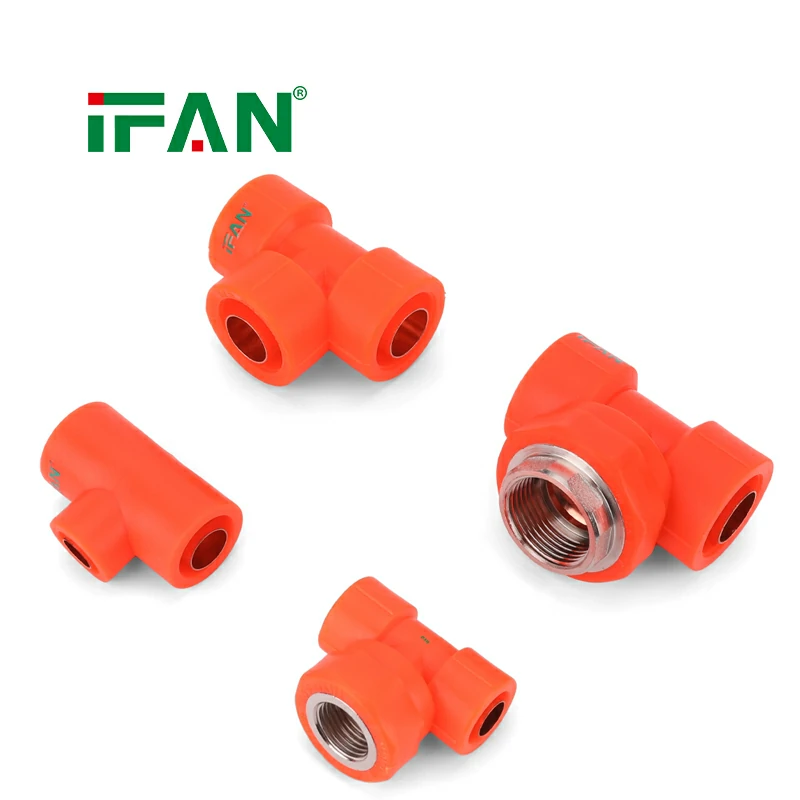
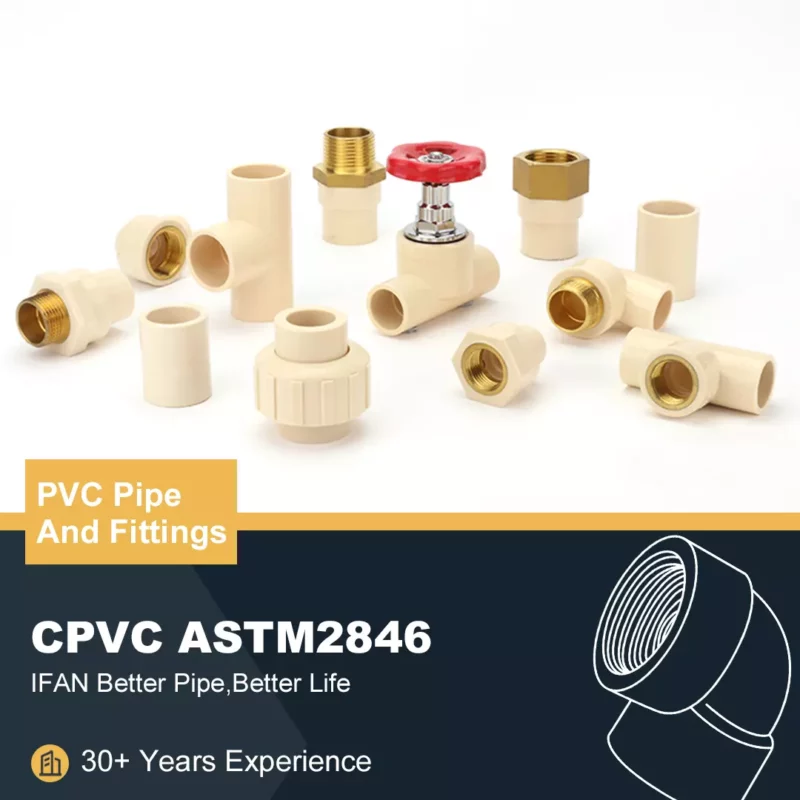
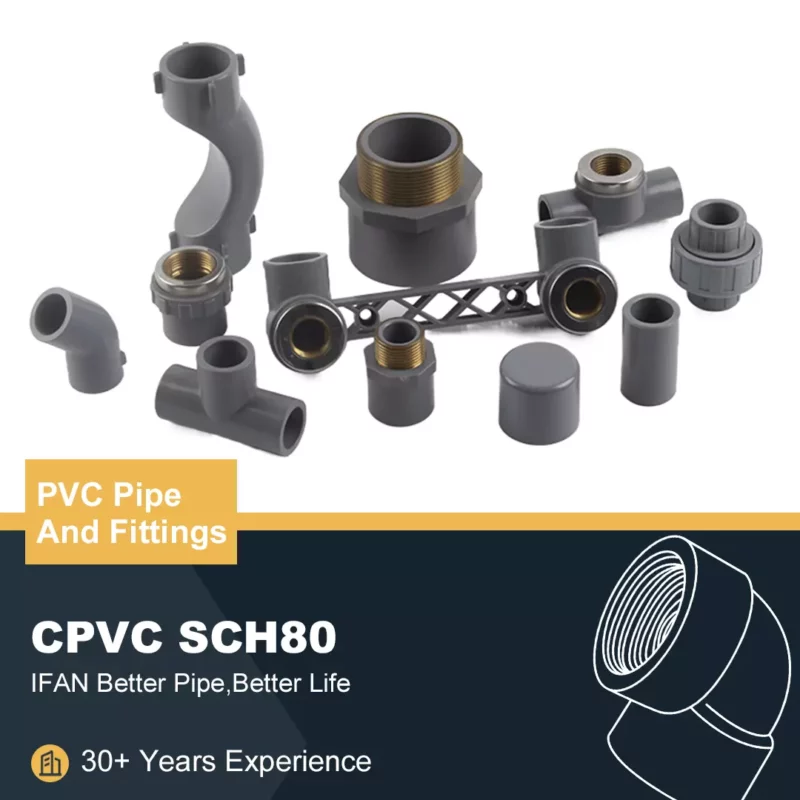
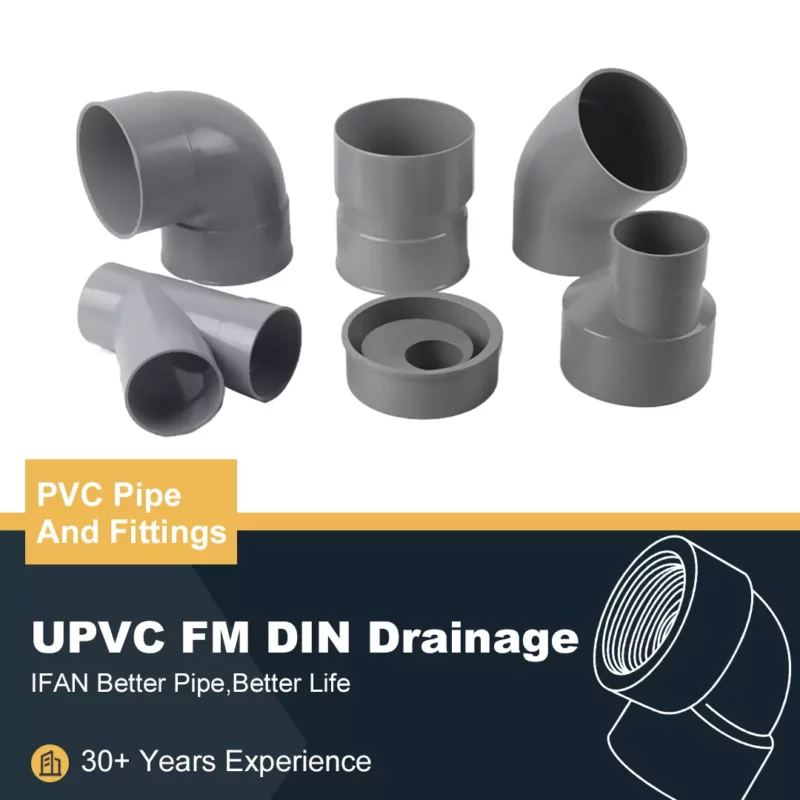
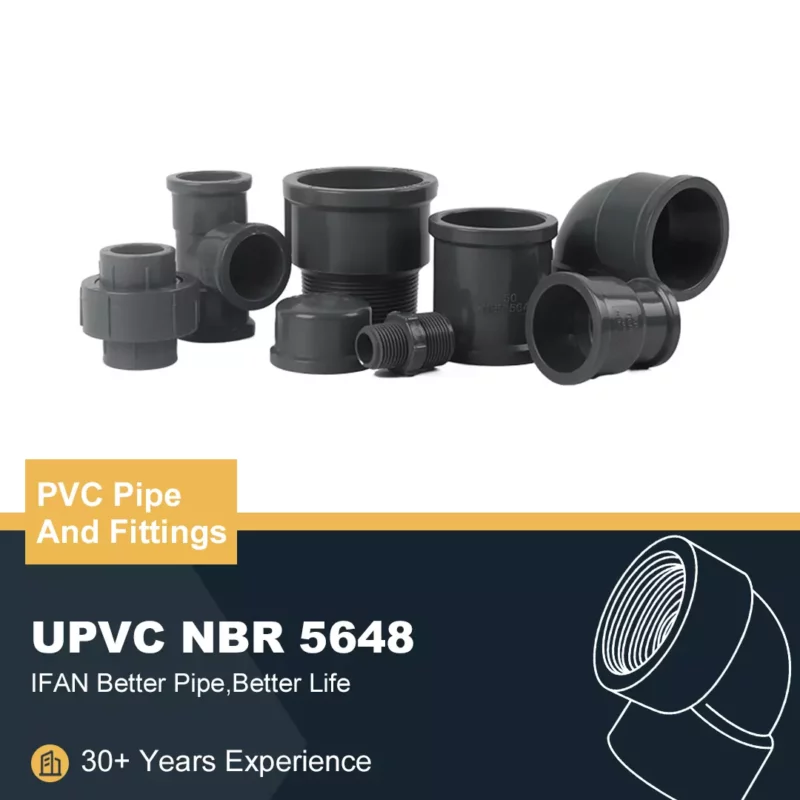
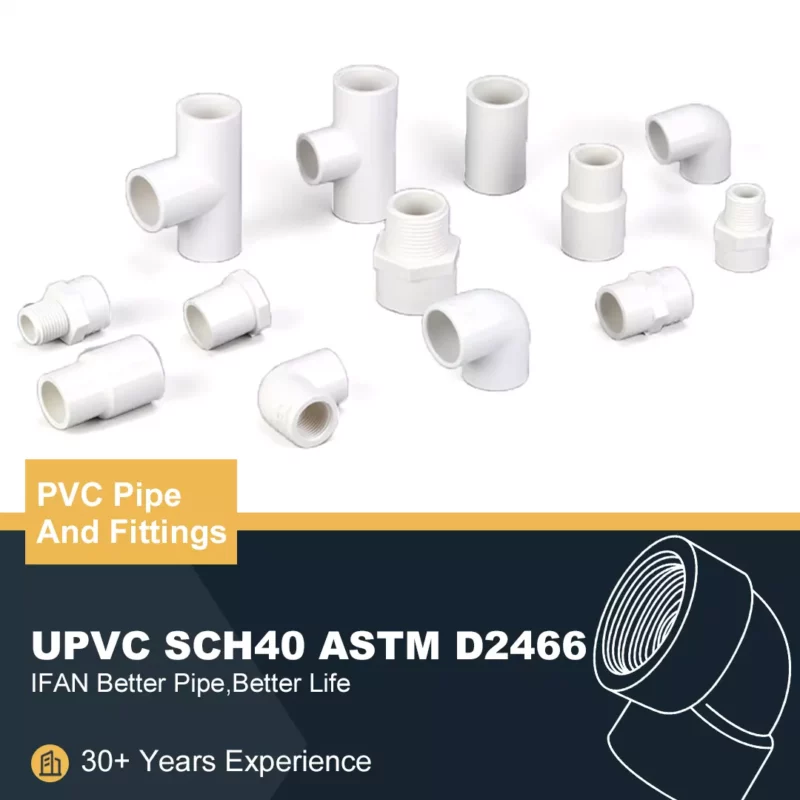
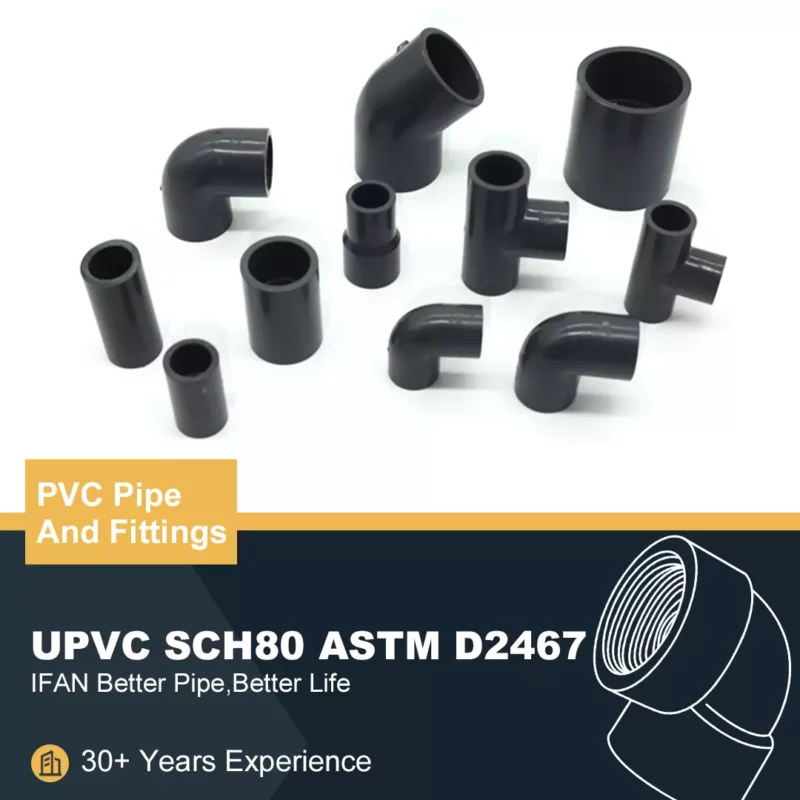
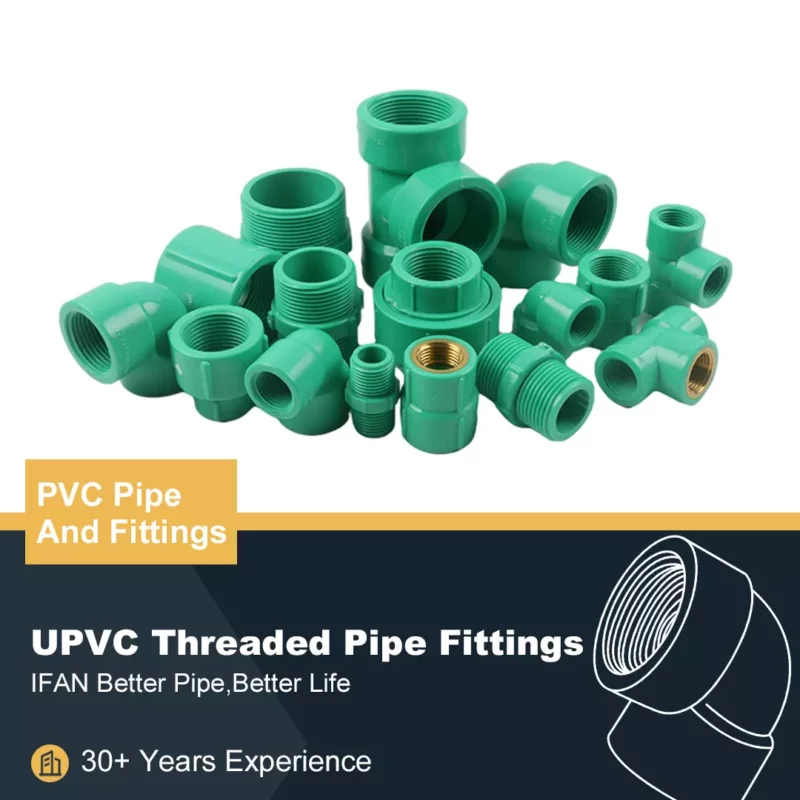
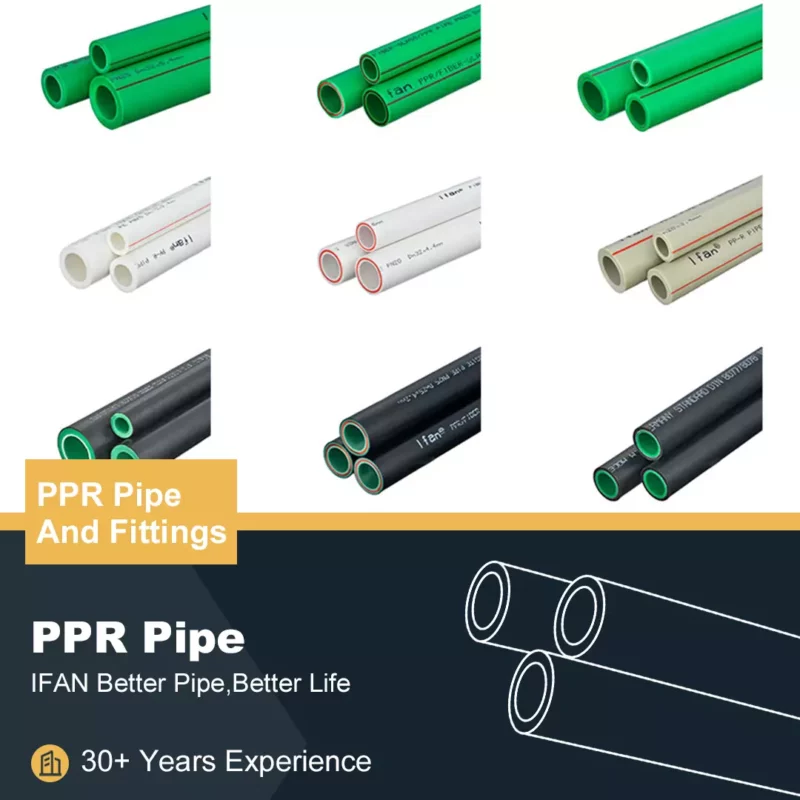
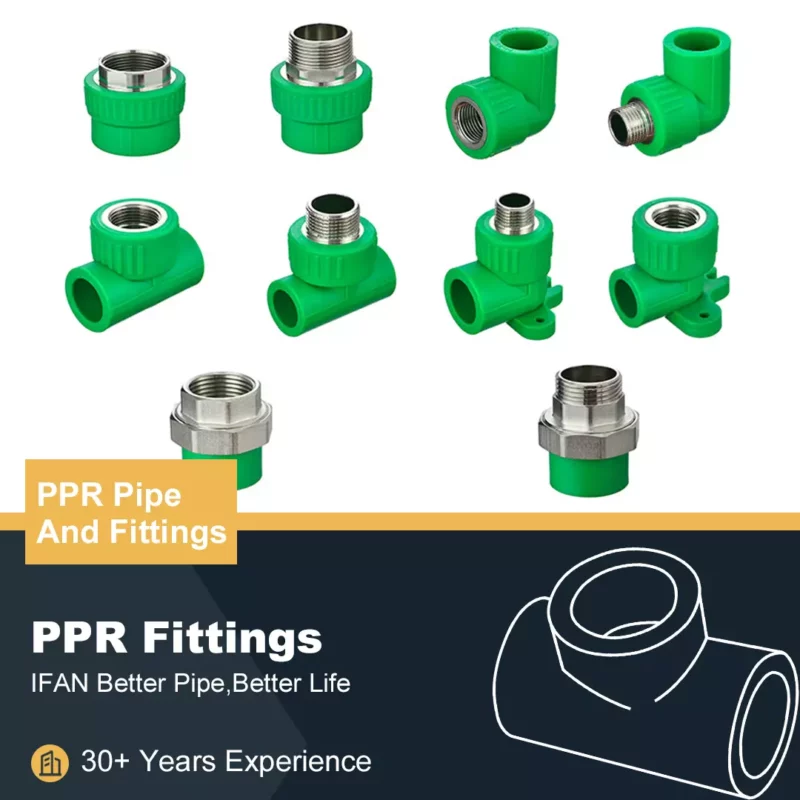
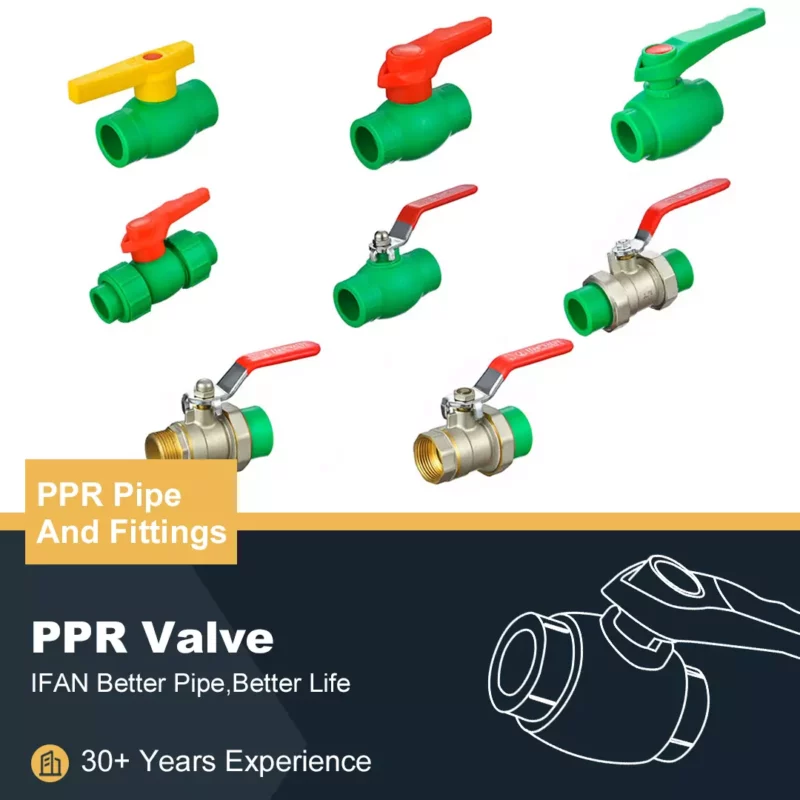
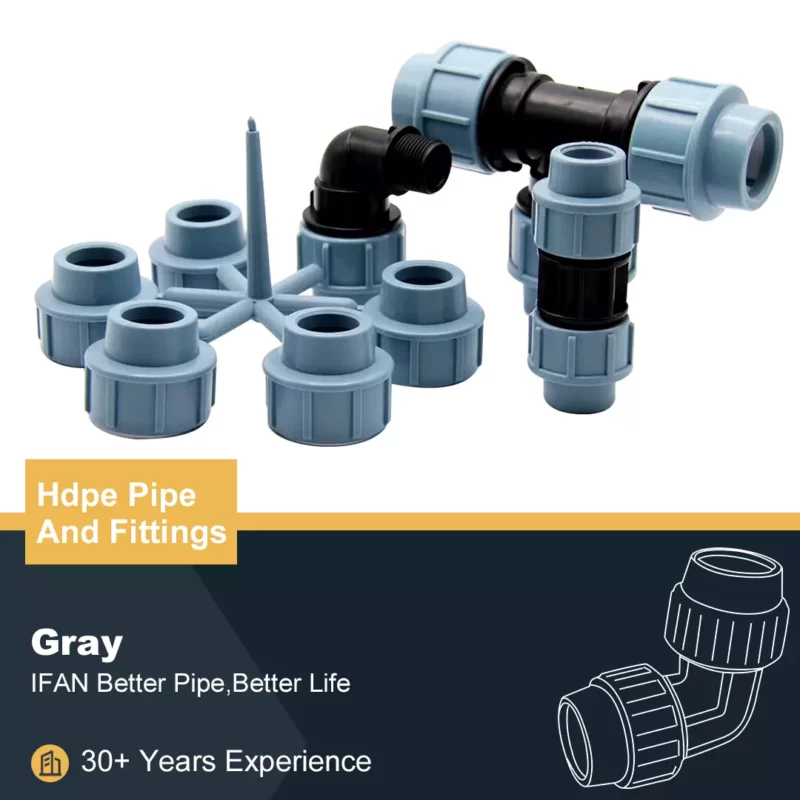
UPVC fittings are components made from unplasticized polyvinyl chloride, a rigid plastic material known for its strength and durability. These fittings are used to connect pipes, valves, and other components in plumbing, drainage, irrigation, and industrial systems. UPVC fittings are available in a variety of shapes and sizes, making them versatile for different system configurations. The ability of UPVC fittings to provide excellent thermal insulation sets them apart from other materials, helping maintain the desired temperature in pipes and preventing heat loss or gain.
Thermal Insulation Properties of UPVC Fittings
The thermal insulation properties of UPVC fittings stem from their unique composition and structure. Unlike metals, which conduct heat easily, UPVC is a poor conductor of heat. This means that UPVC fittings help to minimize heat transfer between the interior and exterior of the pipes. In systems that transport hot or cold water, this insulation property helps maintain the desired temperature for longer periods. The result is improved energy efficiency, as heating and cooling systems don’t need to work as hard to maintain the temperature. Whether used for heating systems, water supply, or industrial applications, UPVC fittings contribute to thermal stability.
Reduced Heat Loss in Hot Water Systems
In hot water systems, maintaining the temperature of the water as it travels through pipes is crucial for energy efficiency. Traditional metal pipes, such as copper or steel, conduct heat, resulting in significant heat loss as hot water moves through the system. UPVC fittings, on the other hand, provide a barrier to heat transfer, helping to retain the water’s temperature. By reducing heat loss, UPVC fittings contribute to lower energy consumption in hot water systems, whether in residential plumbing, industrial processes, or commercial heating systems. This thermal insulation reduces the load on water heaters and other heating devices, ultimately lowering energy costs.
Prevention of Condensation in Cold Water Systems
In cold water systems, condensation can form on the exterior of pipes when the temperature difference between the water inside and the surrounding environment is significant. This can lead to moisture accumulation, which can cause damage to surrounding areas and promote the growth of mold and mildew. UPVC fitting, with their excellent thermal insulation properties, prevent condensation by minimizing the temperature difference between the inside of the pipes and the surrounding environment. This helps maintain a dry surface, reducing the risk of moisture-related issues. By preventing condensation, UPVC fitting improve the longevity and cleanliness of plumbing systems, particularly in humid or damp environments.
Enhanced Comfort in Building Heating Systems
UPVC fittings also play a role in enhancing comfort in building heating systems. Whether used in radiant floor heating, baseboard heating, or central heating systems, UPVC fitting help to maintain consistent temperatures throughout the system. The thermal insulation provided by UPVC prevents heat loss in pipes, ensuring that heat is efficiently delivered to the designated areas of the building. This results in a more comfortable indoor environment, as the heating system does not have to work as hard to maintain the desired temperature. The reduction in energy usage also contributes to lower utility bills, making UPVC fitting a cost-effective choice for heating systems.
Energy Efficiency and Reduced Utility Bills
The energy-saving benefits of UPVC fitting are particularly evident in systems that require temperature regulation, such as HVAC, water supply, and heating systems. By providing thermal insulation, UPVC fitting help reduce the need for constant heating or cooling, which can significantly lower energy consumption. In residential plumbing systems, for example, the reduced heat loss from hot water pipes can help lower heating bills. Similarly, in industrial systems, UPVC fitting can minimize energy wastage in processes that require temperature control. Over time, these energy savings lead to lower utility bills and improved overall system efficiency.
Durability and Low Maintenance
In addition to their thermal insulation properties, UPVC fitting are known for their durability and low maintenance requirements. Unlike metal pipes, which can corrode, rust, or scale over time, UPVC fitting are resistant to these issues. The smooth surface of UPVC fitting also prevents the build-up of debris, which can impact water flow and system efficiency. This resistance to corrosion and scaling ensures that UPVC fittings maintain their insulating properties over the long term, reducing the need for repairs or replacements. The durability of UPVC fittings makes them a reliable and cost-effective choice for both residential and industrial systems.
Applications in HVAC Systems
UPVC fittings are commonly used in HVAC (Heating, Ventilation, and Air Conditioning) systems due to their excellent thermal insulation properties. In HVAC applications, the ability to maintain consistent temperatures in air ducts and pipes is crucial for energy efficiency. UPVC fittings help prevent heat loss in heating systems and reduce the need for additional cooling in air conditioning systems. The thermal insulation properties of UPVC contribute to a more efficient HVAC system, reducing energy consumption and improving comfort levels within buildings. This makes UPVC fittings an ideal choice for both residential and commercial HVAC installations.
Sustainable and Eco-Friendly Benefits
The thermal insulation properties of UPVC fittings also contribute to their sustainability. By reducing energy consumption, UPVC fittings help lower greenhouse gas emissions associated with heating and cooling systems. The use of UPVC fittings in plumbing and heating systems can therefore contribute to energy conservation and environmental protection. Additionally, UPVC is a recyclable material, making it an eco-friendly choice for those looking to minimize their environmental impact. The long lifespan and low maintenance requirements of UPVC fittings further reduce the need for frequent replacements, minimizing waste and promoting sustainable building practices.
Comparison with Other Materials
When compared to other materials used in plumbing and heating systems, UPVC fittings stand out for their superior thermal insulation. Materials like copper, steel, or aluminum are excellent conductors of heat, which can lead to energy loss in both hot and cold water systems. UPVC, however, is a poor conductor of heat, ensuring that temperature regulation is more efficient. Additionally, while other materials may require insulation wraps or coatings to provide similar thermal protection, UPVC fittings inherently offer this benefit without the need for additional materials or labor. This makes UPVC fittings a more cost-effective and efficient choice for temperature-sensitive systems.
Cost-Effective Solution for Insulation
UPVC fittings offer a cost-effective solution for systems that require thermal insulation. The initial cost of UPVC fittings is often lower than that of alternative materials like copper or steel. When considering the long-term energy savings and the durability of UPVC fittings, the overall cost of ownership is significantly reduced. The excellent thermal insulation provided by UPVC helps to minimize energy consumption, reducing heating and cooling costs over time. For homeowners, businesses, and industries looking to improve energy efficiency, UPVC fittings provide a cost-effective, long-term solution for thermal insulation.
Conclusion
UPVC fittings provide excellent thermal insulation, making them an ideal choice for systems that require temperature regulation. Their ability to reduce heat loss in hot water systems and prevent condensation in cold water systems enhances energy efficiency and reduces utility bills. UPVC fittings are also durable, low-maintenance, and resistant to corrosion, ensuring long-term reliability and performance. Whether used in plumbing, heating, HVAC, or industrial systems, UPVC fittings help maintain consistent temperatures, improve comfort, and reduce energy consumption. Their cost-effectiveness, combined with environmental benefits, makes UPVC fittings a smart investment for energy-efficient systems.
If you have read this article and have any questions, please feel free to contact IFAN. Below is our contact information:
Whatsapp:+86 13373827623
Email:[email protected]