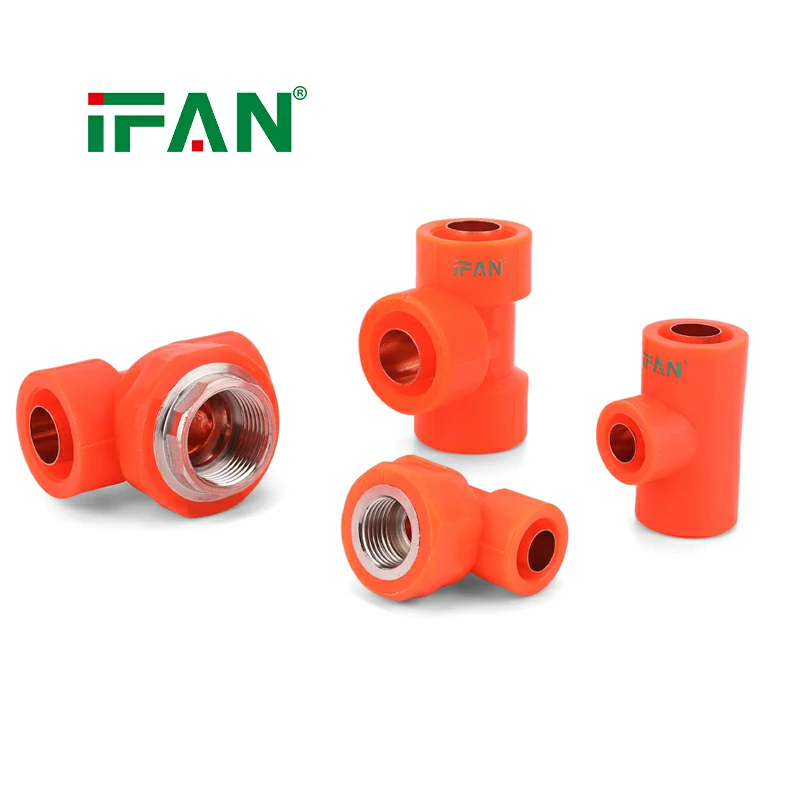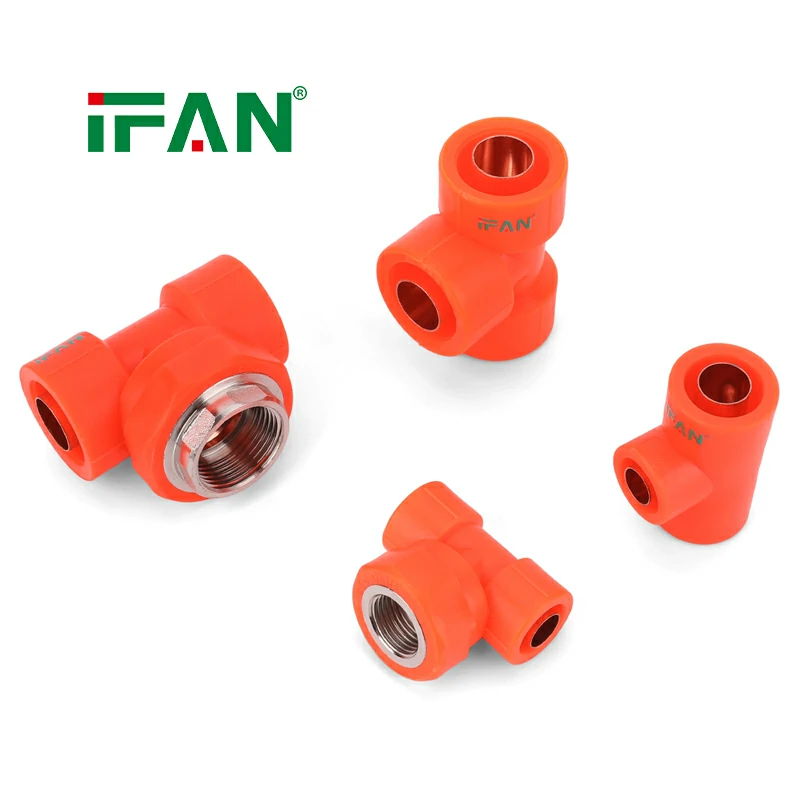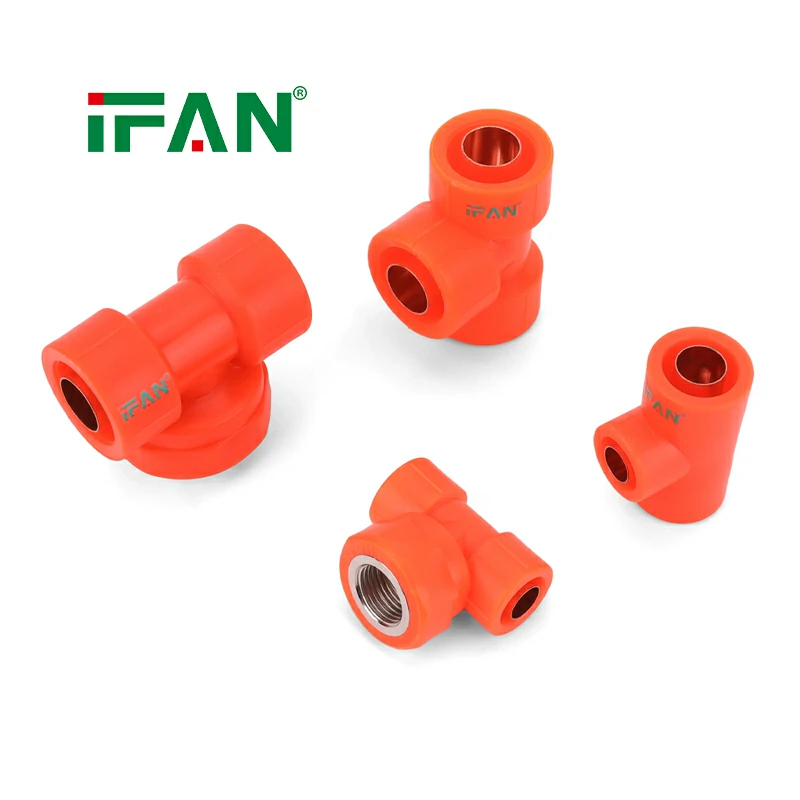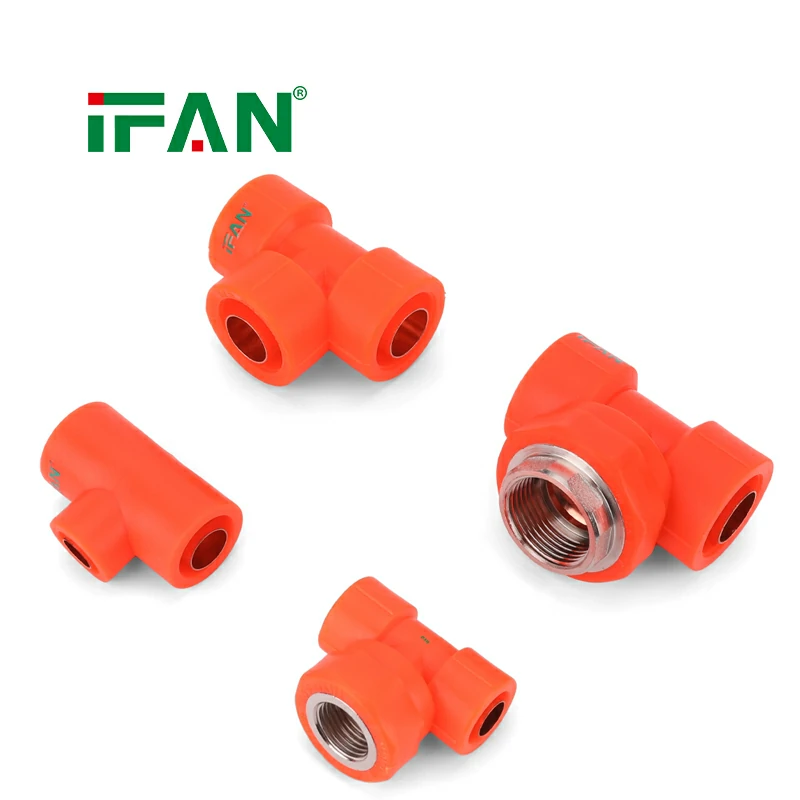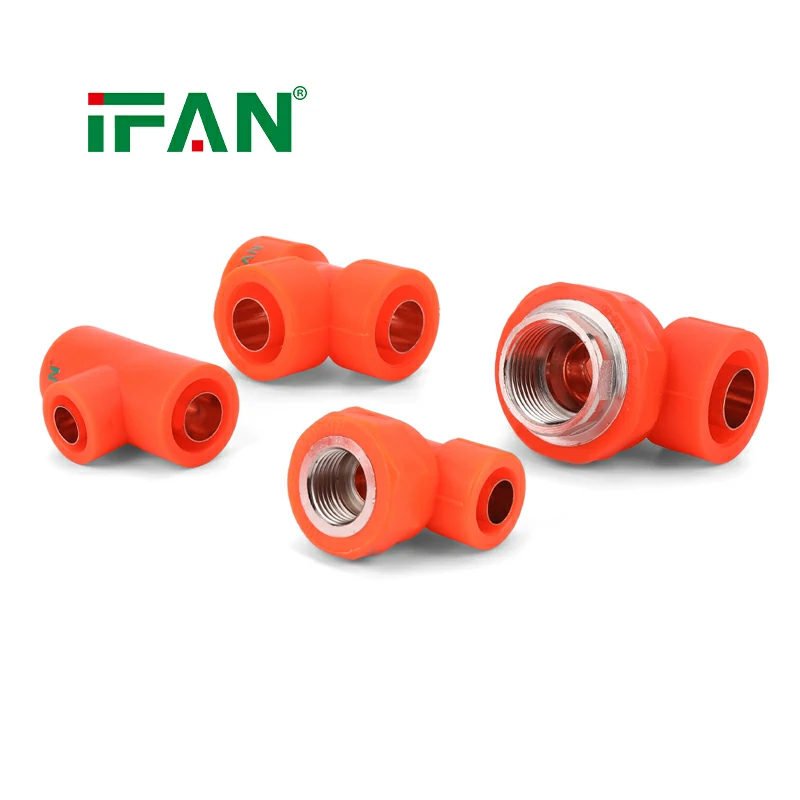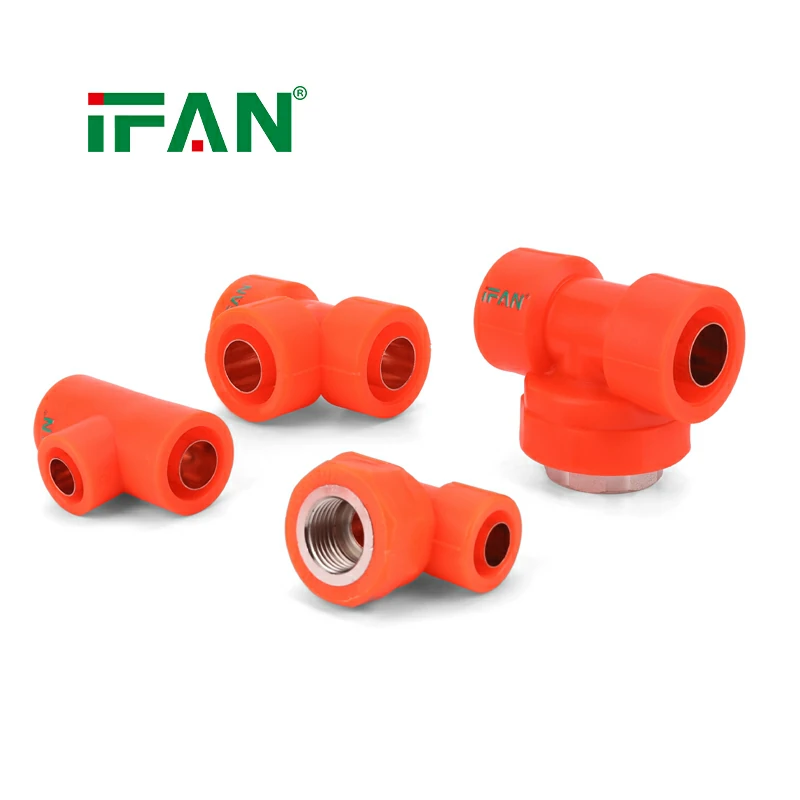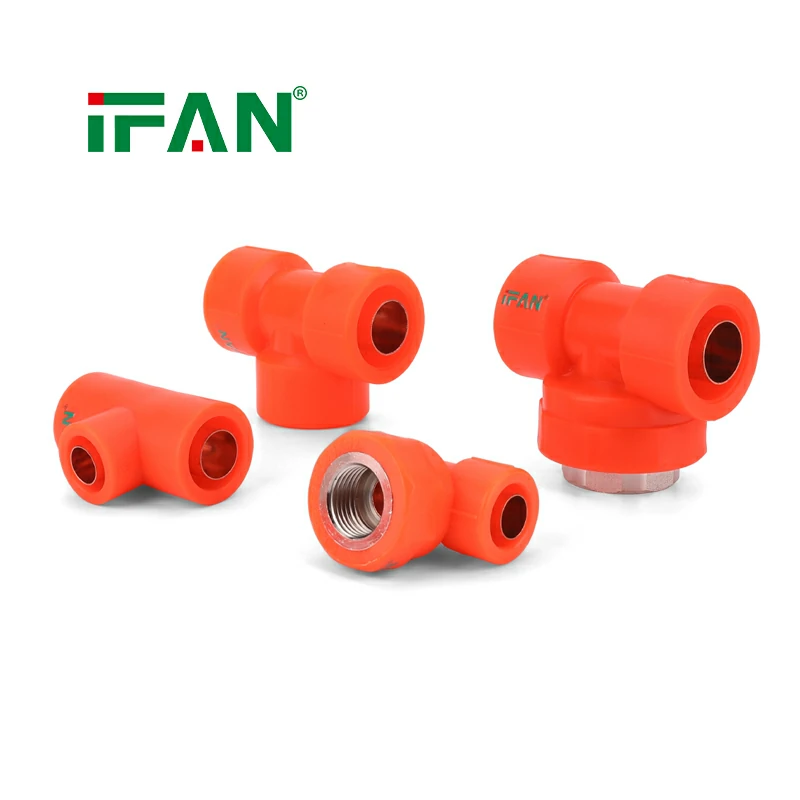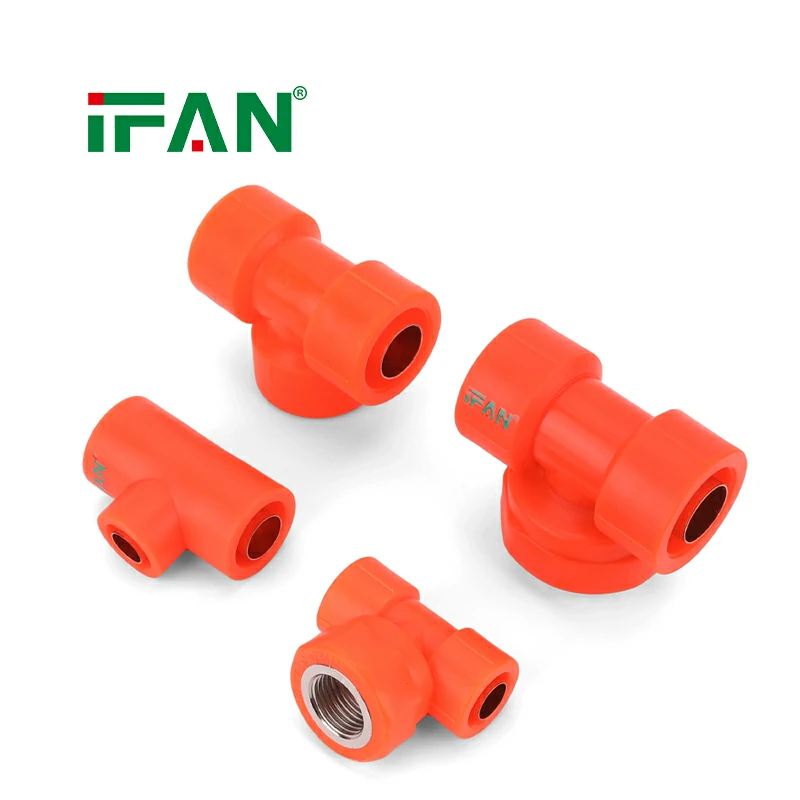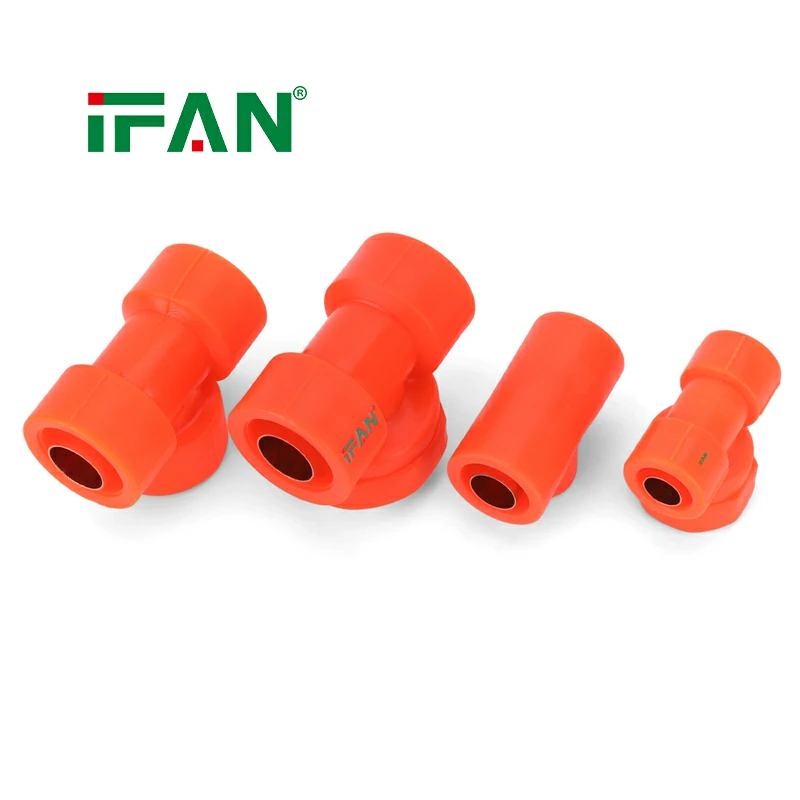
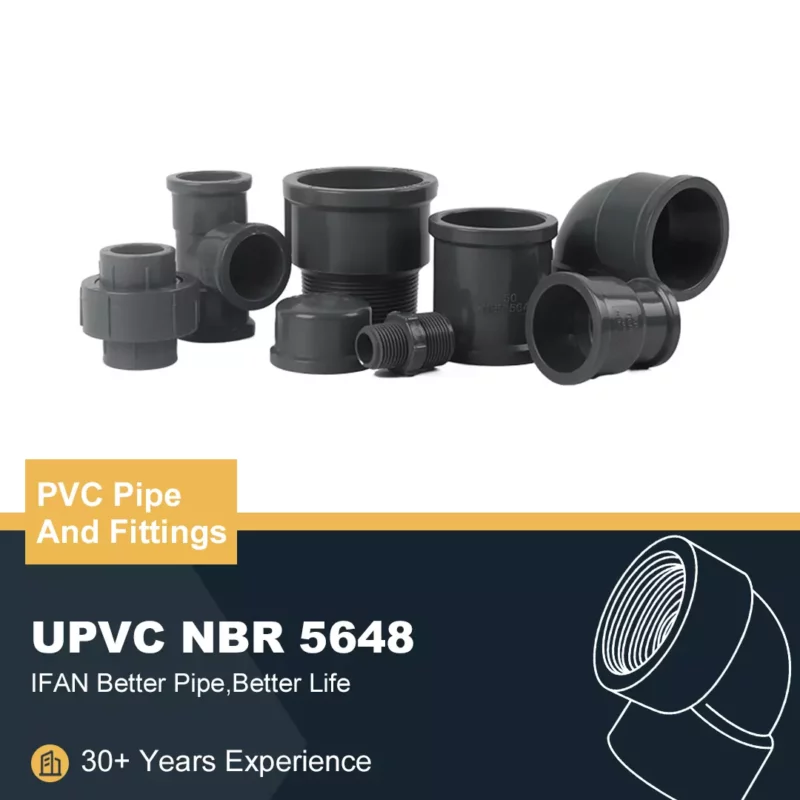
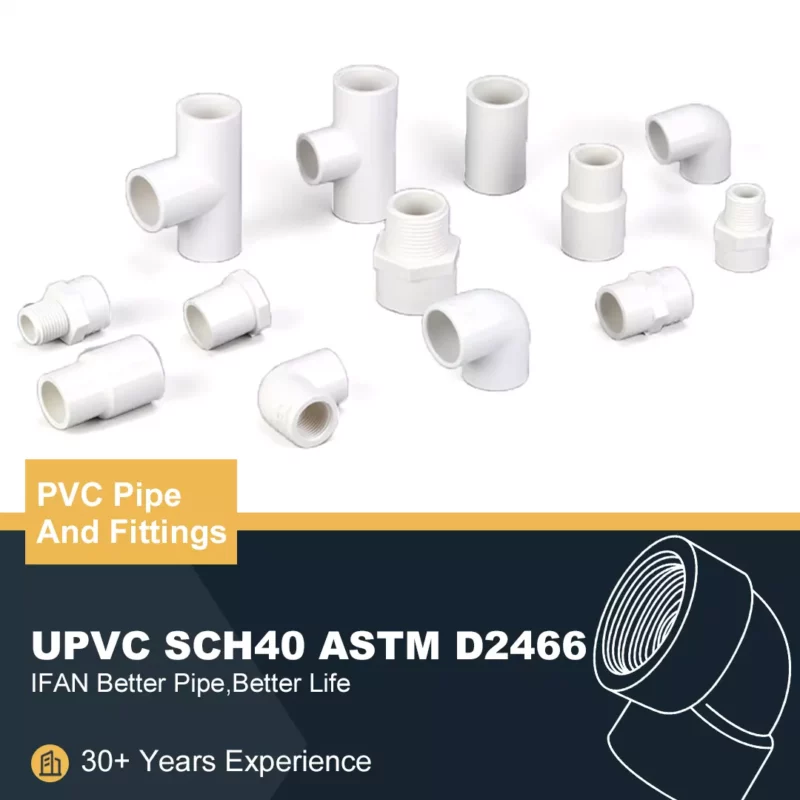
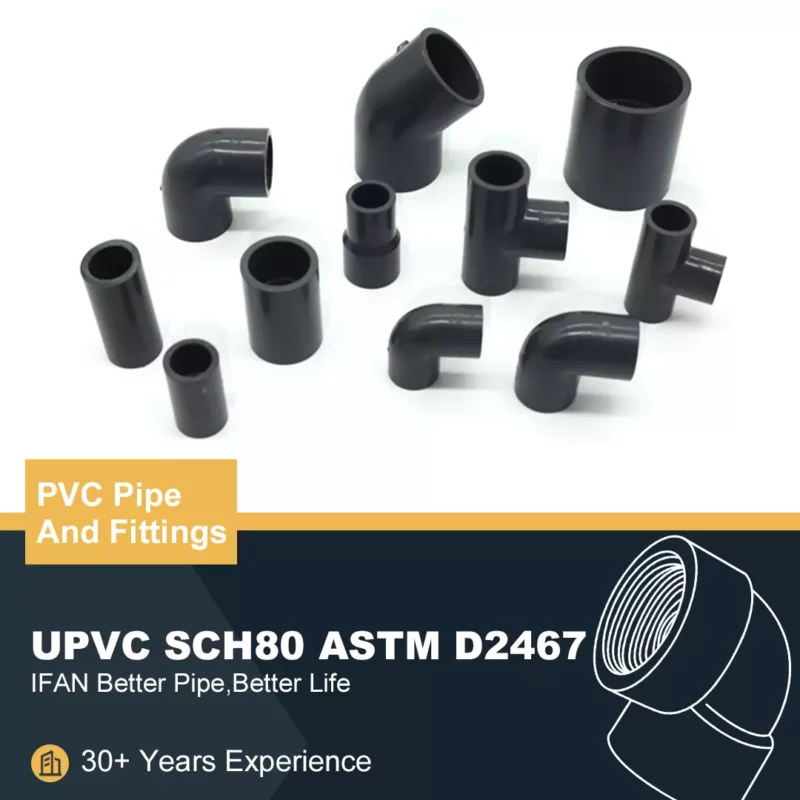
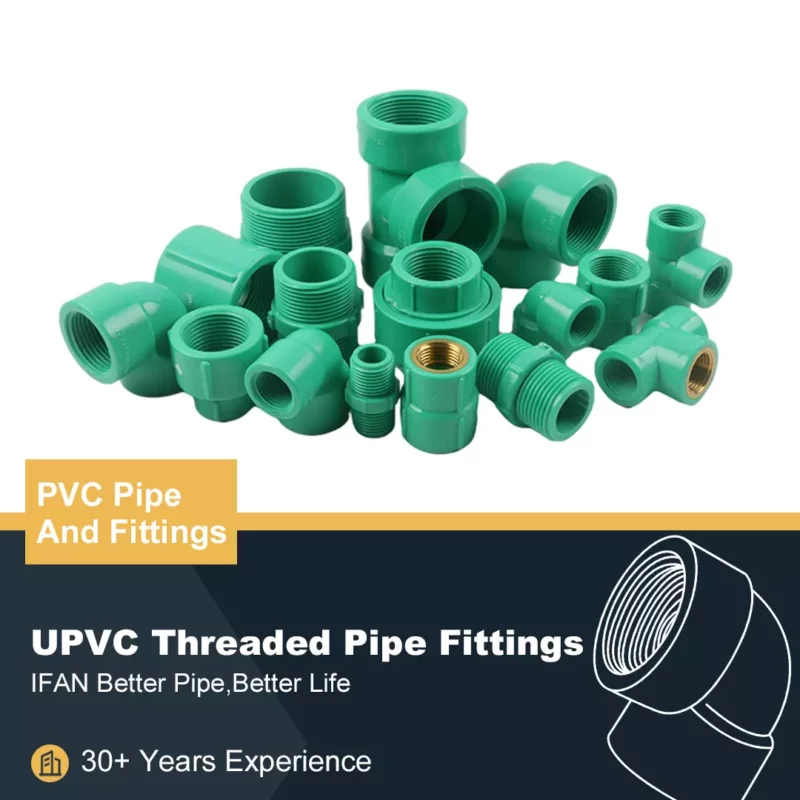
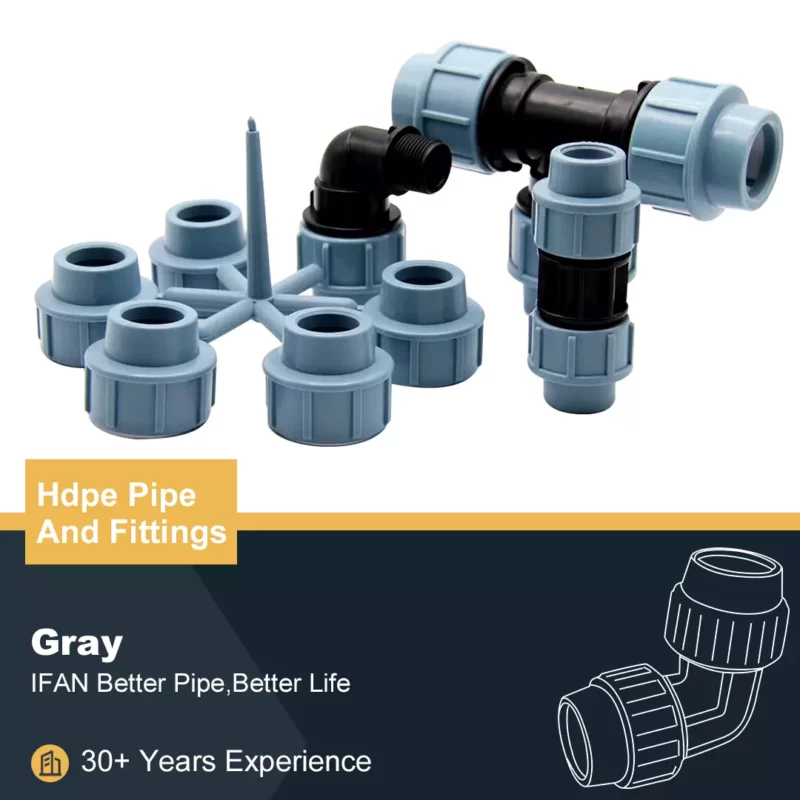


UPVC (Unplasticized Polyvinyl Chloride) fittings are widely regarded for their durability and resilience in harsh environments. These fittings are used in a variety of applications, from residential plumbing systems to industrial and agricultural settings. One of the standout features of UPVC fittings is their ability to withstand challenging conditions, including exposure to extreme temperatures, moisture, chemicals, and UV radiation. This article will explore how UPVC fittings provide reliable performance even in harsh environments and why they are an ideal choice for systems that need to endure tough conditions.
What Are UPVC Fittings?
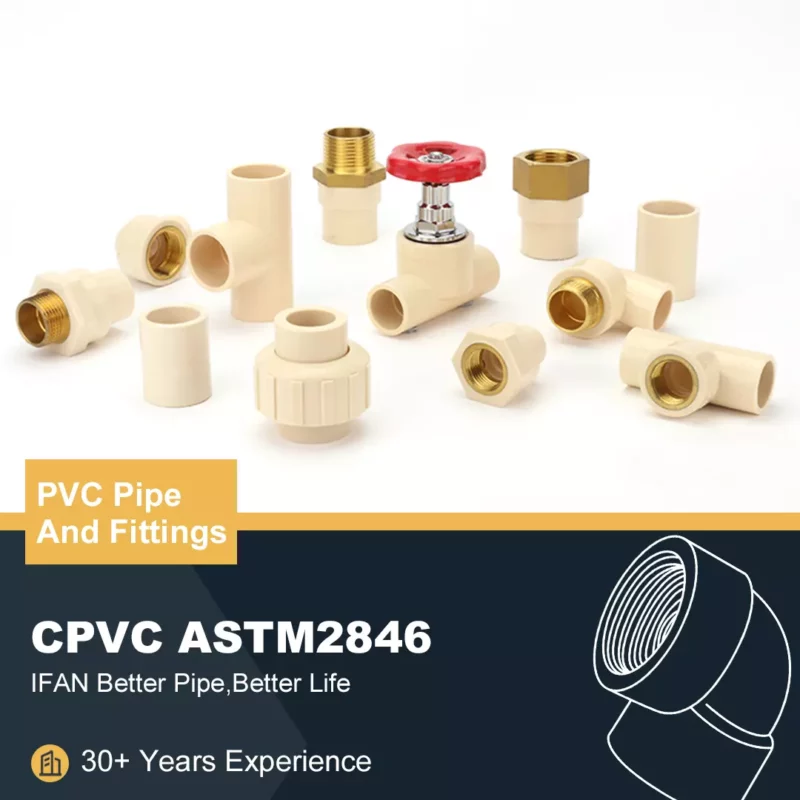
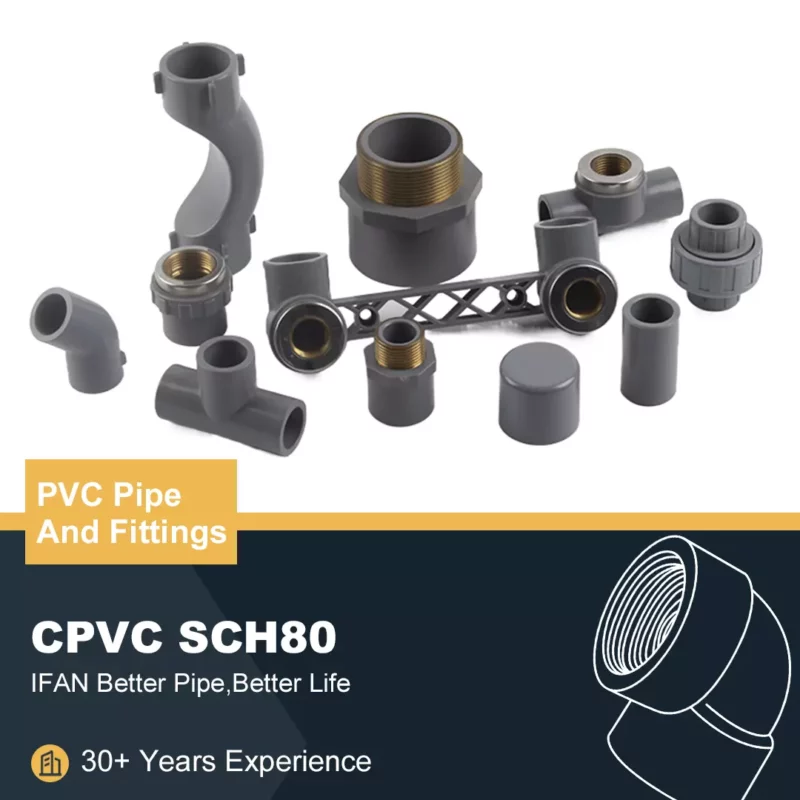
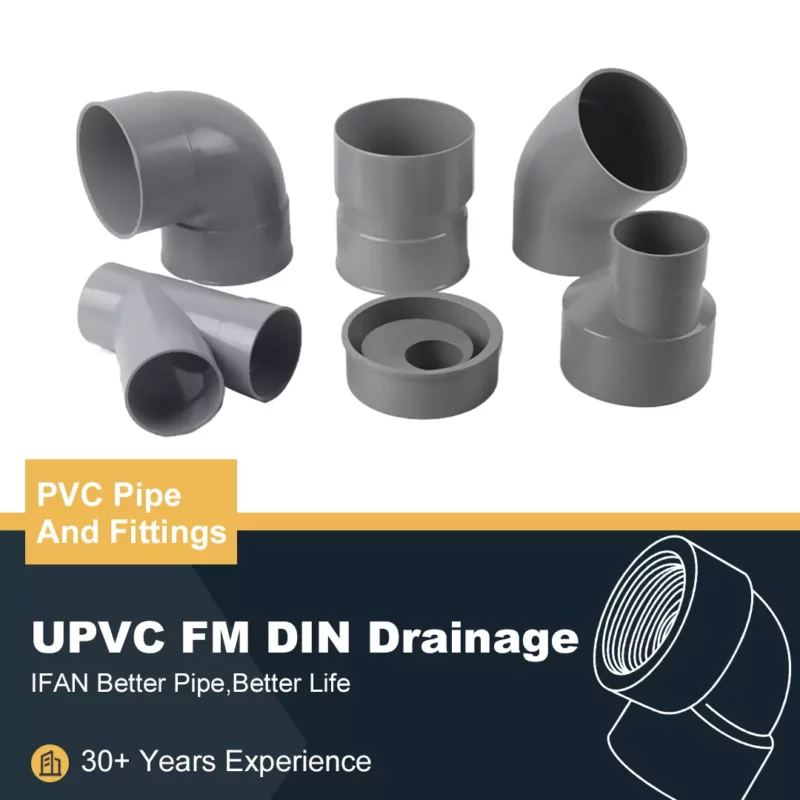
UPVC fittings are components made from unplasticized polyvinyl chloride, a rigid, durable plastic material. Unlike regular PVC, UPVC does not contain plasticizers, which gives it increased strength and stability. UPVC fittings are used to connect pipes and other components in plumbing, drainage, industrial, and agricultural systems. They are available in various shapes, sizes, and configurations, making them versatile for different system designs. The primary reason why UPVC fittings excel in harsh environments is their resistance to wear, corrosion, and environmental stressors.
Resistance to Corrosion
One of the most significant advantages of UPVC fittings is their resistance to corrosion. Traditional metal pipes and fittings are susceptible to rust when exposed to moisture and chemicals. Over time, rust can cause leaks, blockages, and system failures. UPVC fittings, however, are immune to corrosion, even when exposed to harsh chemicals or prolonged contact with water. This resistance ensures that UPVC fittings maintain their structural integrity and performance, even in systems that involve exposure to aggressive elements. Whether in a wastewater treatment plant or a plumbing system, UPVC fittings resist degradation, providing long-lasting, reliable performance.
UV Resistance
UPVC fittings are also resistant to UV (ultraviolet) radiation, which is another factor that contributes to their durability in harsh environments. Many materials, especially plastics, degrade when exposed to UV radiation from the sun. This degradation can cause materials to become brittle, discolored, and weakened over time. UPVC fittings are engineered to withstand UV exposure, ensuring they maintain their strength and functionality even when used in outdoor environments. The ability to resist UV damage helps reduce the need for replacements and maintenance, saving both time and money.
High-Temperature Tolerance
UPVC fittings are capable of withstanding a wide range of temperatures, which makes them suitable for use in both hot and cold environments. Unlike metal fittings that may warp, expand, or corrode under high temperatures, UPVC fitting retain their integrity even when exposed to heat.
Chemical Resistance
In addition to corrosion and UV resistance, UPVC fitting are highly resistant to a wide range of chemicals. Many plumbing, drainage, and industrial systems come into contact with chemicals that can cause damage to traditional materials like metal or rubber. UPVC fitting, however, can withstand exposure to acids, alkalis, solvents, and other aggressive substances without degrading. This chemical resistance ensures that UPVC fittings remain intact even in systems that transport harsh or corrosive chemicals.
Impact Resistance
UPVC fittings are also known for their impact resistance. In harsh environments, fittings and pipes are often subjected to physical stress, such as pressure changes, vibration, and even accidental impacts. While metal fittings can bend, crack, or corrode under physical stress, UPVC fittings maintain their structural integrity. The material’s impact resistance makes UPVC fitting ideal for systems that are exposed to physical wear and tear, such as those used in construction, mining, and agricultural operations.
Long Lifespan in Harsh Environments
The combination of UV resistance, chemical resistance, impact resistance, and corrosion resistance contributes to the long lifespan of UPVC fittings in harsh environments. This long lifespan reduces the need for ongoing maintenance and replacement, which can be costly and time-consuming. UPVC fittings provide a cost-effective solution for long-term use, as they continue to perform reliably even in challenging conditions. The extended lifespan of UPVC fitting makes them an excellent investment for systems that need to withstand harsh environmental factors.
Low Maintenance Requirements
Another benefit of UPVC fitting in harsh environments is their low maintenance requirements. Traditional plumbing materials, such as metal, often require regular maintenance to prevent rust, corrosion, and scale buildup. UPVC fitting, however, do not require such maintenance. Their smooth, non-porous surfaces prevent the accumulation of dirt, scale, and debris, reducing the risk of blockages and maintaining optimal water flow. The resistance to corrosion and chemicals ensures that UPVC fitting remain functional without the need for constant upkeep. This low-maintenance feature makes UPVC fitting a convenient choice for systems operating in harsh environments, as it reduces the time and costs associated with repairs and replacements.
Cost-Effectiveness of Durability
While UPVC fittings may have a slightly higher upfront cost compared to other materials, their durability and long lifespan make them a cost-effective option in the long run. The resistance to environmental stressors means that UPVC fitting do not need to be replaced as frequently as other materials, which can help reduce overall system costs. Additionally, the low maintenance and repair requirements of UPVC fittings help further cut down on operational costs.
Versatility in Different Industries
UPVC fittings are versatile and can be used in a wide range of industries, making them an excellent choice for applications that require durability in harsh environments. In the construction industry, UPVC fitting are commonly used in water and drainage systems due to their resistance to corrosion and wear. In agriculture, they are used in irrigation systems that are exposed to UV radiation and chemicals. In the chemical industry, UPVC fittings are ideal for transporting aggressive substances, thanks to their chemical resistance.
Applications in Harsh Environments
UPVC fittings are ideal for use in systems exposed to harsh environmental factors. For instance, in coastal areas where high humidity and salt exposure can accelerate corrosion, UPVC fittings offer a corrosion-resistant alternative to metal. In industrial plants, where high temperatures and chemicals are common, UPVC fittings provide the necessary durability to withstand such conditions. In agricultural settings, where systems may face exposure to UV radiation and extreme weather conditions, UPVC fittings ensure long-term reliability. The ability to endure these harsh environments without compromising performance makes UPVC fittings a preferred choice for critical systems in a variety of sectors.
Conclusion
UPVC fittings are highly durable in harsh environments, offering resistance to corrosion, UV radiation, chemicals, impact, and high temperatures. Their long lifespan and low maintenance requirements make them an ideal choice for plumbing, irrigation, and industrial systems that need to withstand challenging conditions. Whether exposed to extreme weather, chemicals, or physical stress, UPVC fittings continue to perform reliably, reducing the need for repairs and replacements.
If you have read this article and have any questions, please feel free to contact IFAN. Below is our contact information:
Whatsapp:+86 13373827623
Email:[email protected]