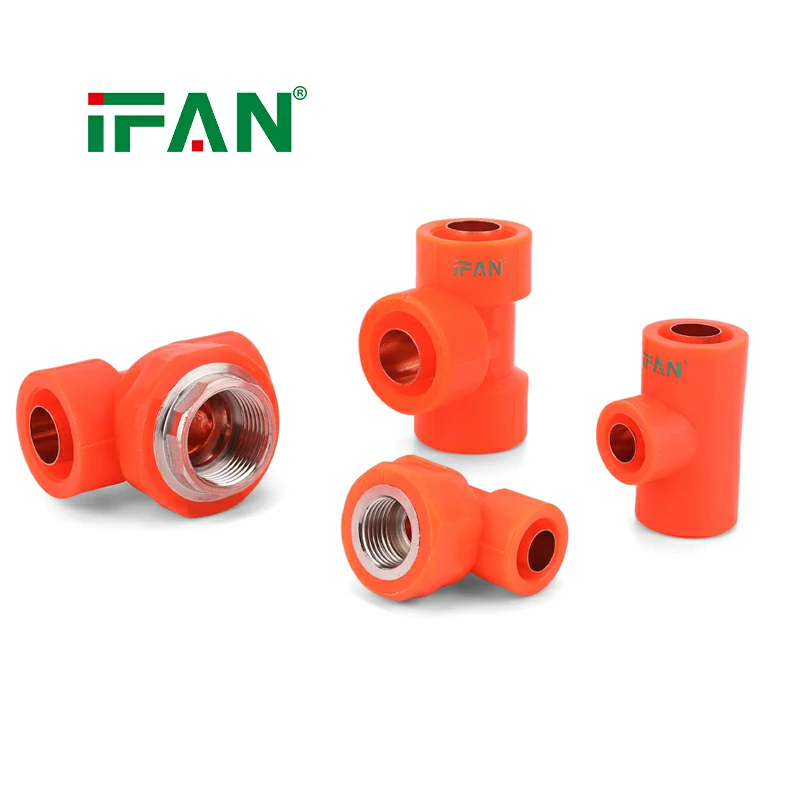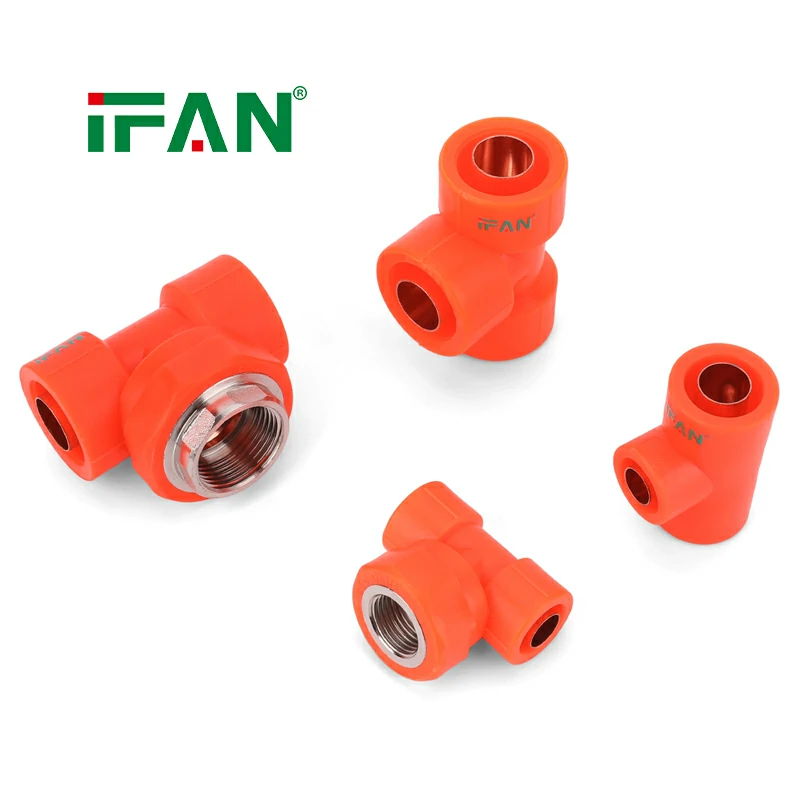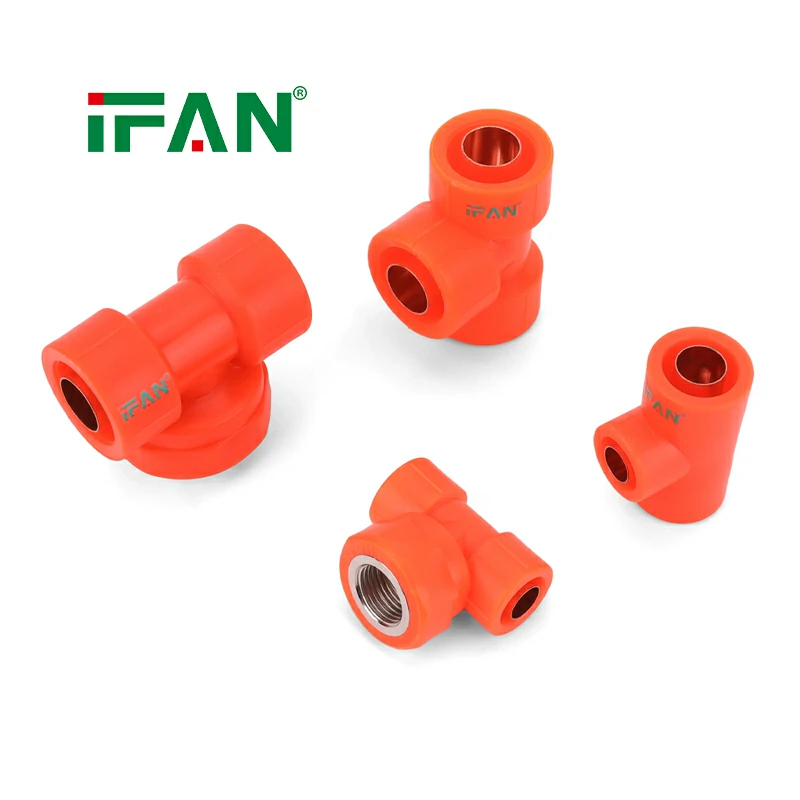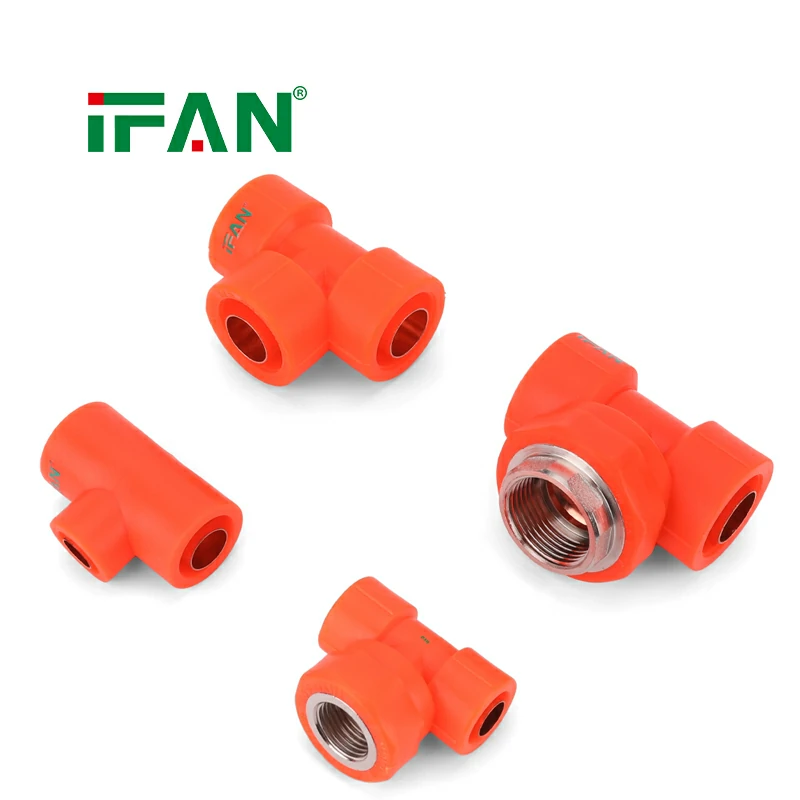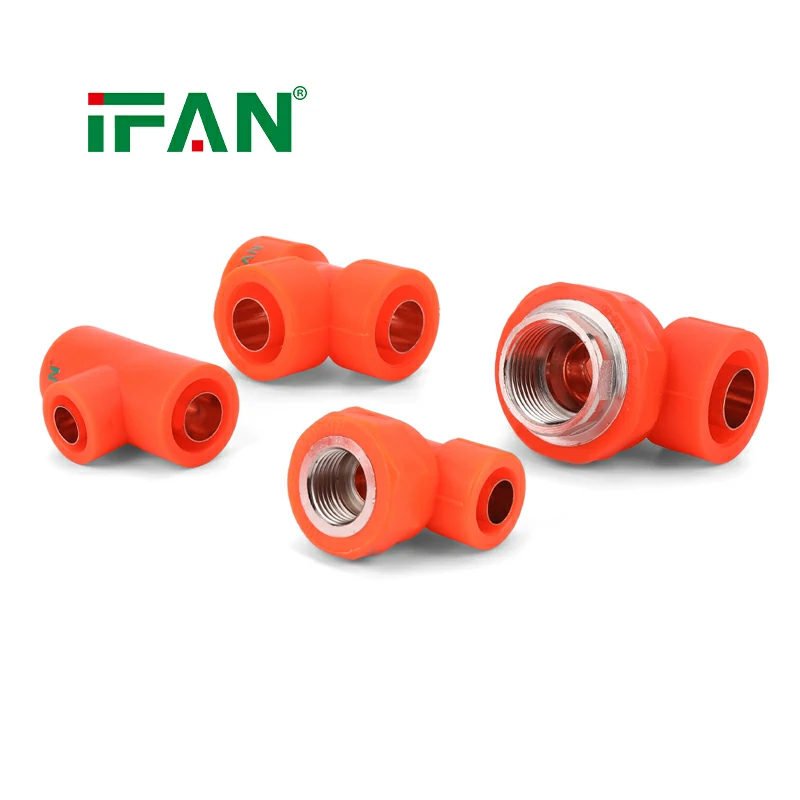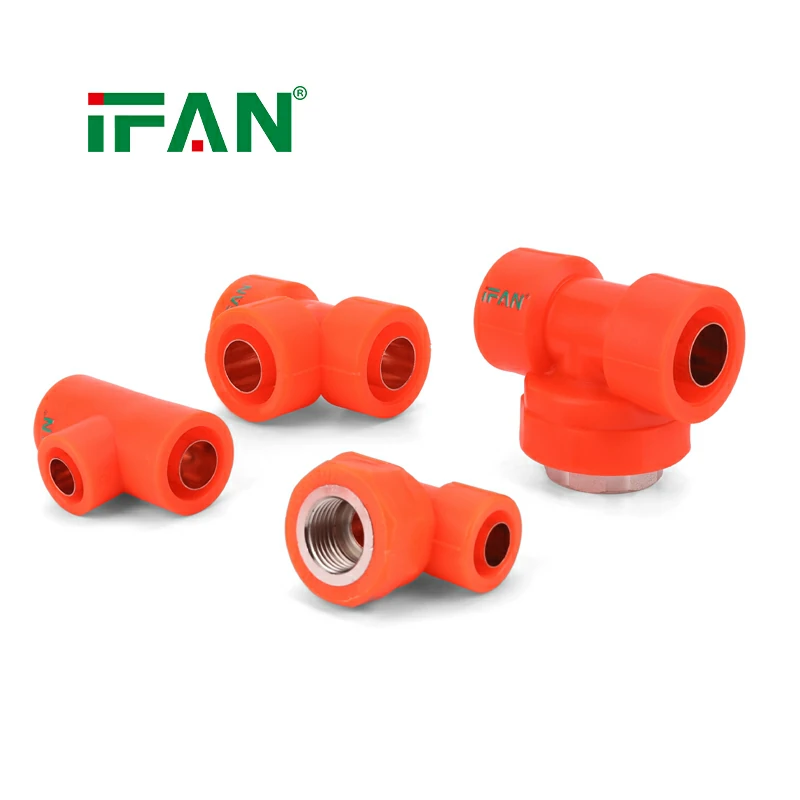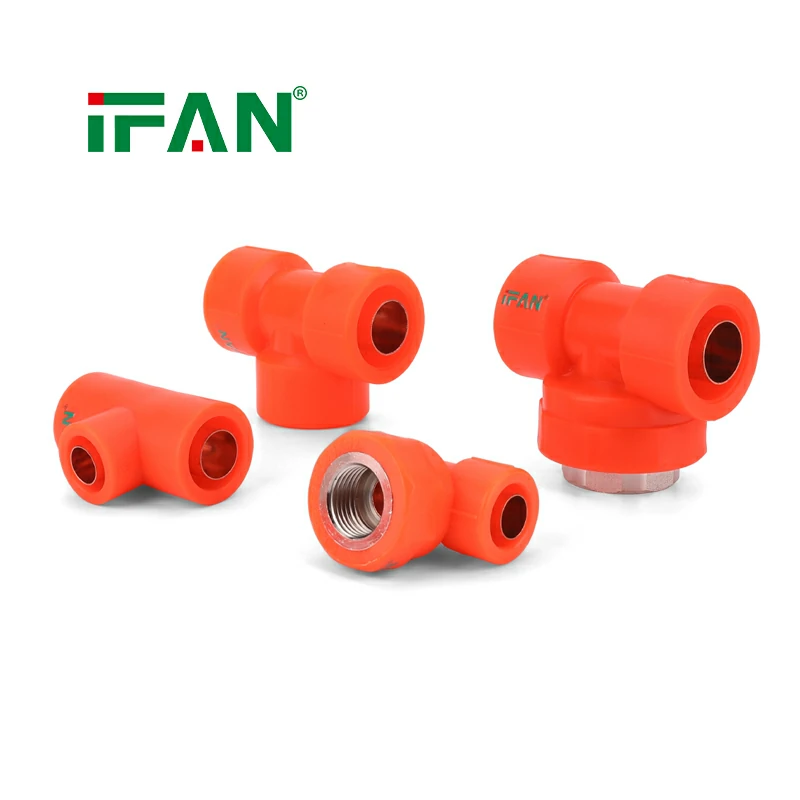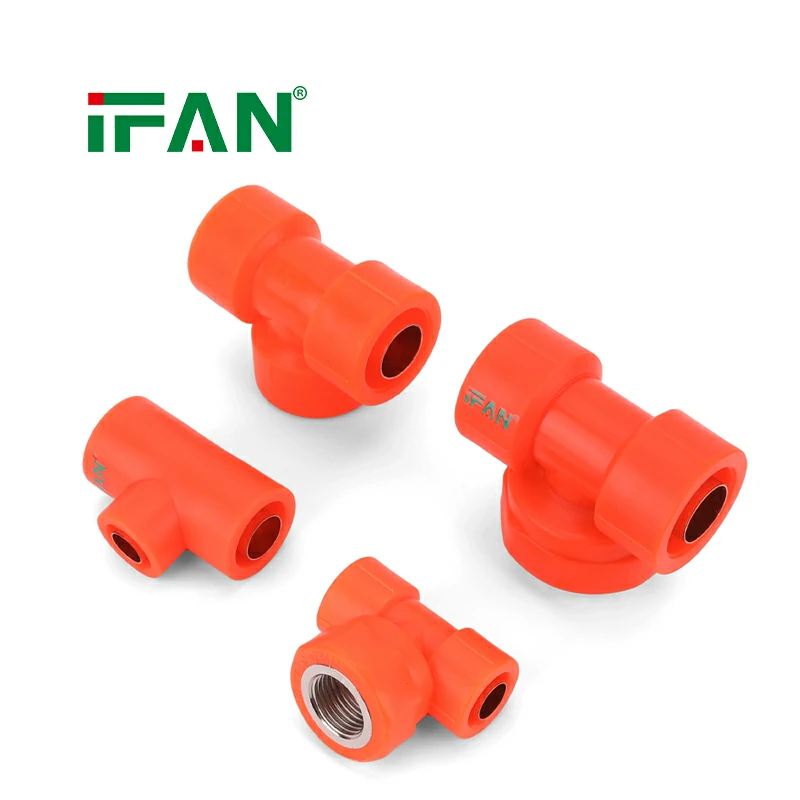
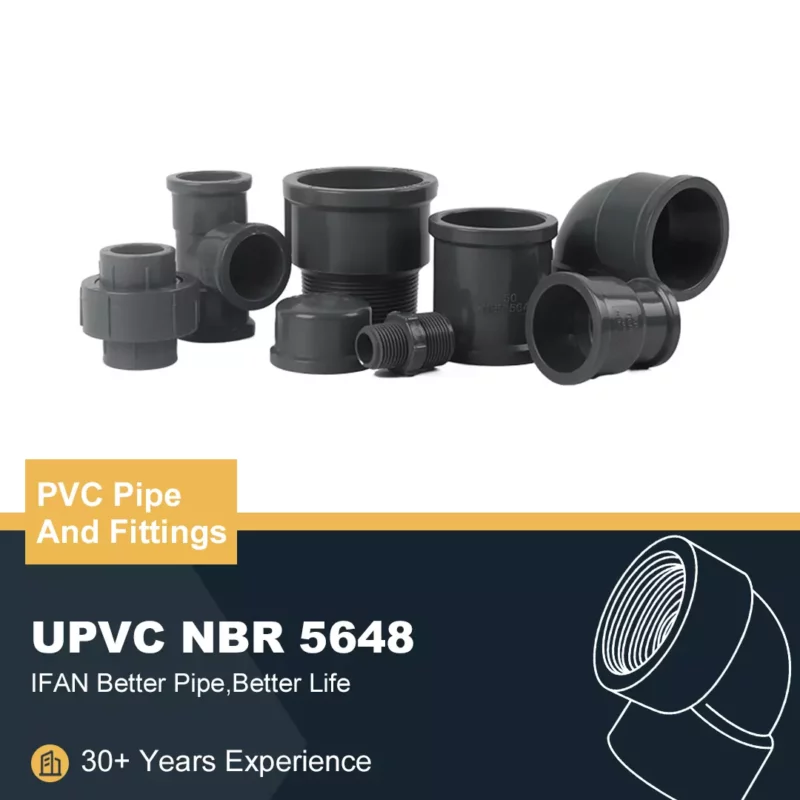
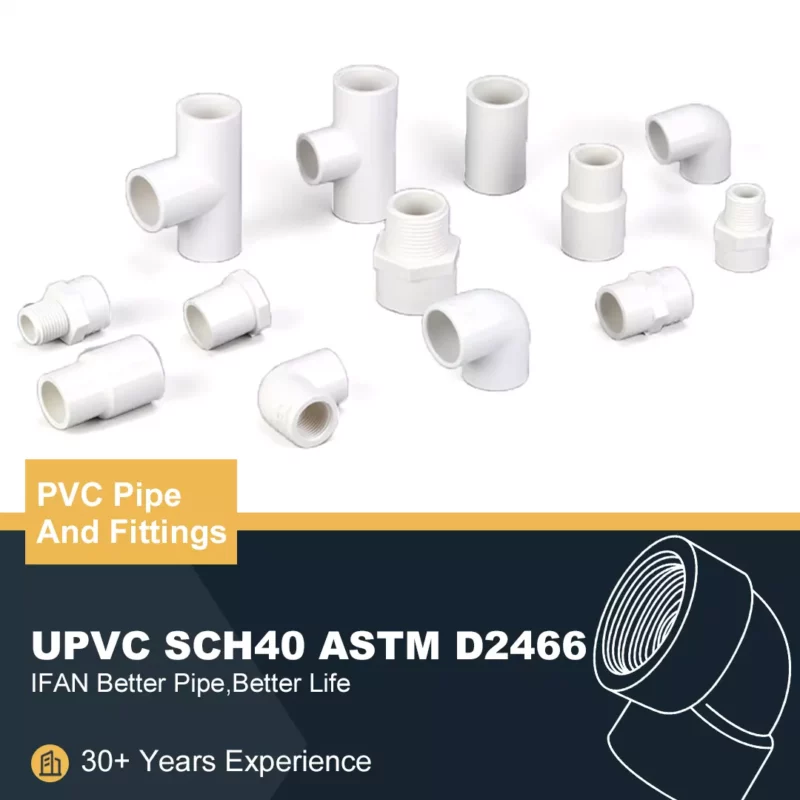
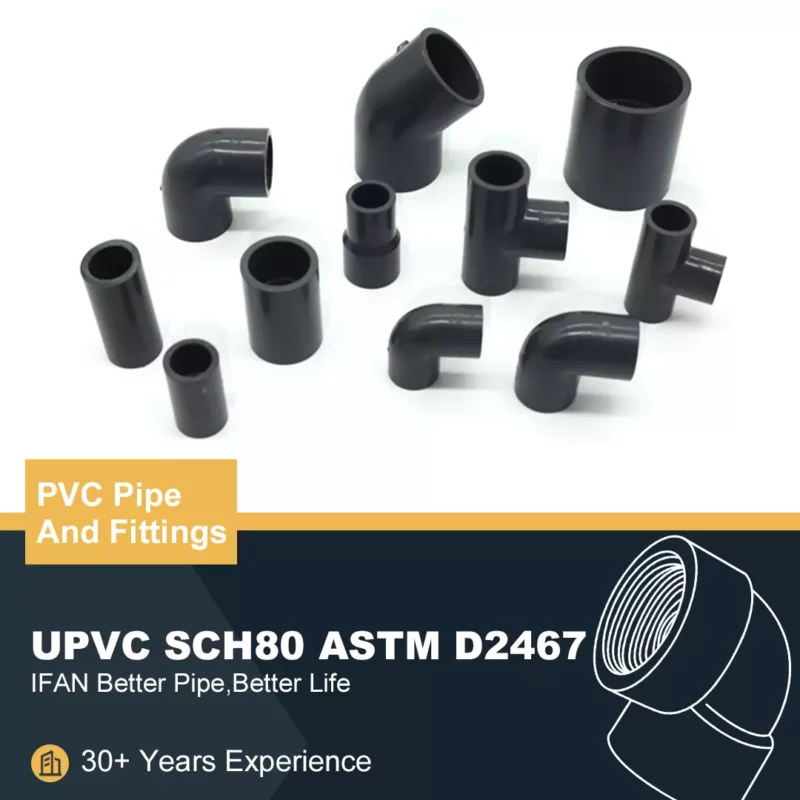
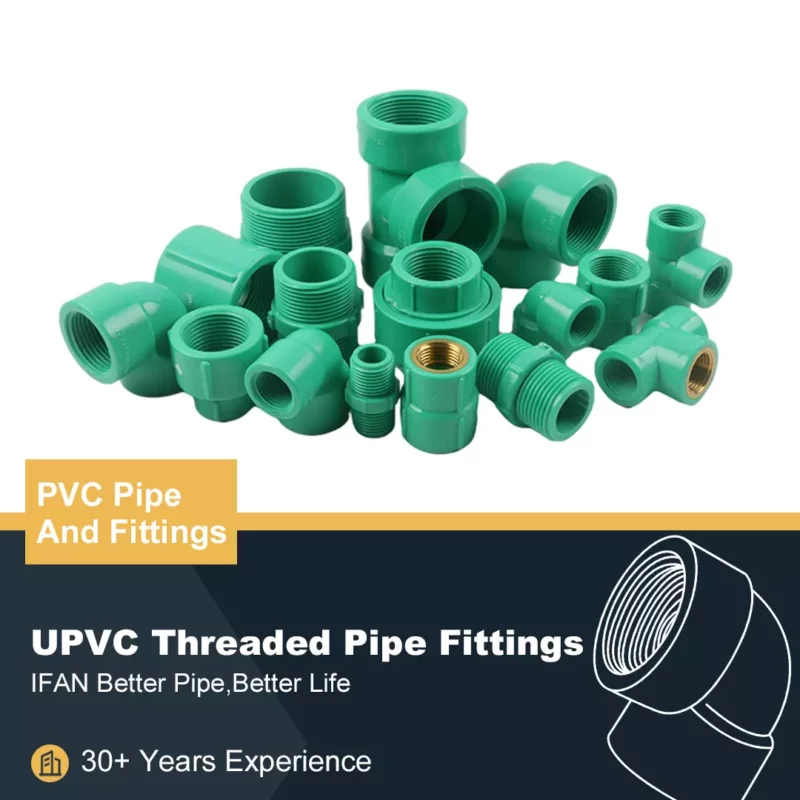



UPVC (Unplasticized Polyvinyl Chloride) fittings have become a popular choice in plumbing systems due to their durability, cost-effectiveness, and energy-saving benefits. These fittings are known for their ability to reduce energy consumption, making plumbing systems more efficient and environmentally friendly. By minimizing energy loss and optimizing water flow, UPVC fittings play a crucial role in improving the overall performance of plumbing systems. This article will explore how UPVC fittings contribute to reduced energy consumption in plumbing systems and the benefits they provide in both residential and commercial applications.
What Are UPVC Fittings?
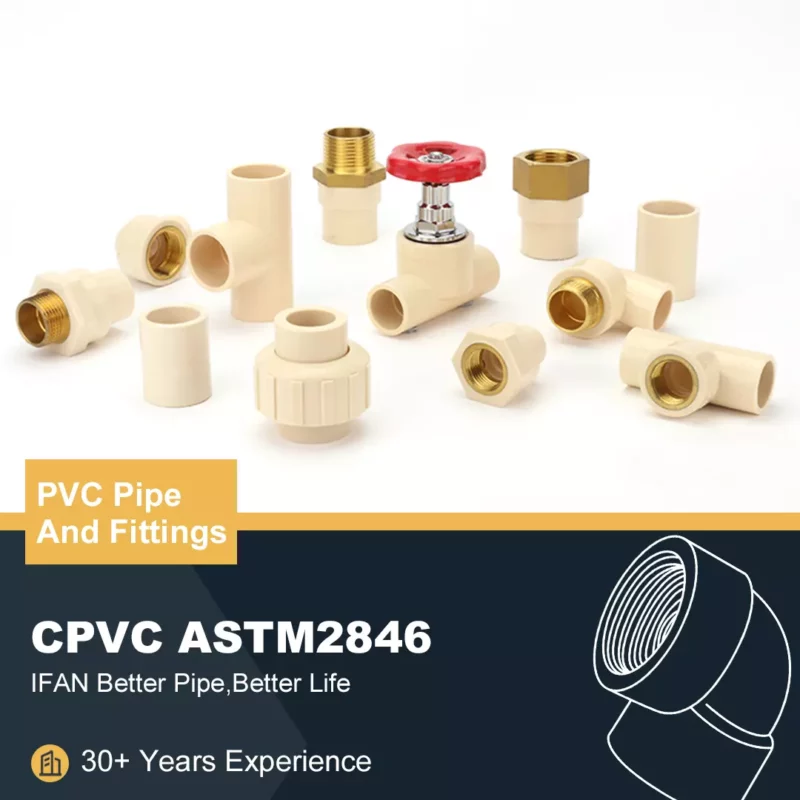
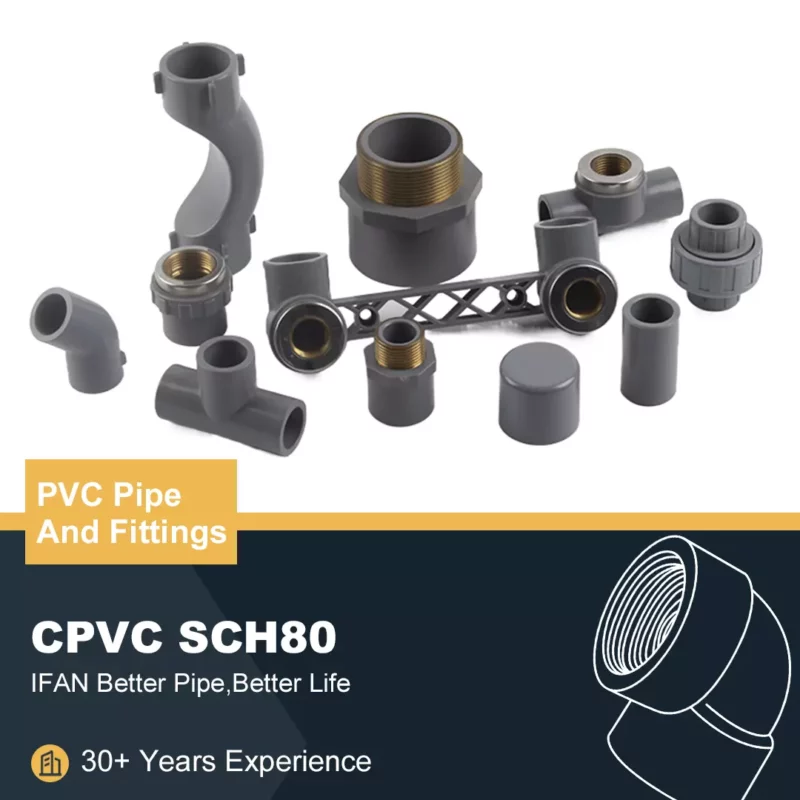
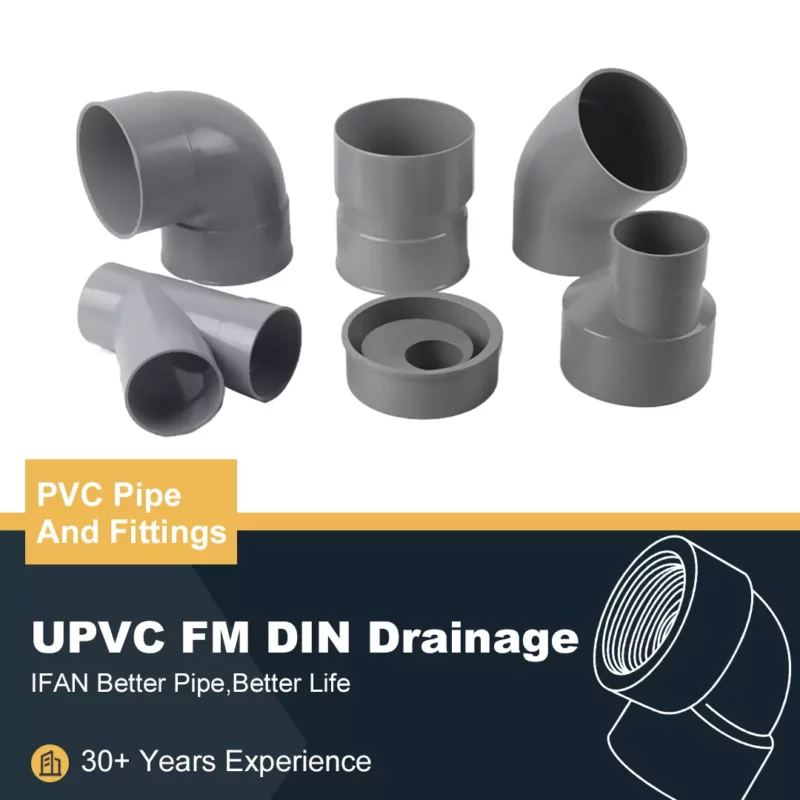
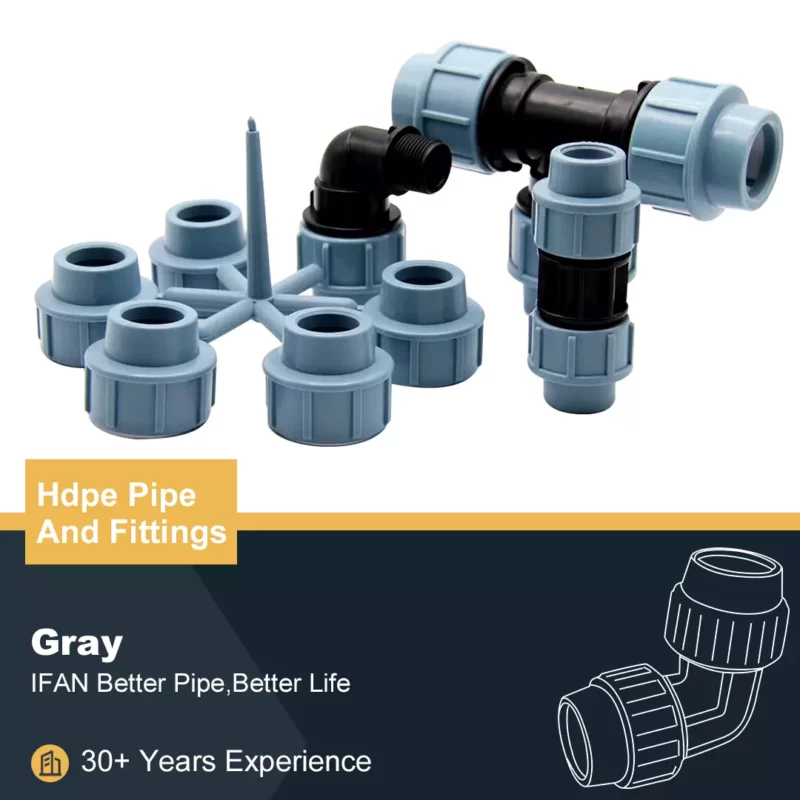
UPVC fittings are made from unplasticized polyvinyl chloride, a rigid plastic material known for its strength and durability. These fittings are used to connect pipes, valves, and other plumbing system components. Unlike regular PVC, UPVC is free from plasticizers, making it more rigid and resistant to stress and environmental factors. UPVC fittings come in various sizes and configurations, which allows them to be used in a wide range of plumbing applications. The primary advantage of UPVC fittings in reducing energy consumption lies in their ability to optimize water flow and reduce friction in the system.
Smooth Surface for Reduced Friction
One of the key reasons UPVC fittings reduce energy consumption is their smooth internal surface. Traditional metal fittings often have rough surfaces, which cause friction as water flows through them. This friction increases resistance, causing pumps and other system components to work harder, consuming more energy. UPVC fittings, on the other hand, have a smooth, non-porous surface that reduces friction. This allows water to flow more easily, minimizing the energy needed to pump water through the system. With less resistance, the system operates more efficiently, leading to reduced energy consumption.
Minimized Water Pressure Loss
Water pressure loss is another significant factor contributing to increased energy usage in plumbing systems. As water travels through pipes, it loses pressure due to friction and obstructions. This pressure loss requires pumps to work harder to maintain the desired water flow. UPVC fittings help minimize water pressure loss by offering a smoother pathway for water to travel. The reduced friction in UPVC systems ensures that water pressure remains more consistent, requiring less energy to maintain the flow. This results in lower energy consumption and better overall system performance.
Lightweight and Easy to Handle
UPVC fittings are lightweight compared to traditional materials like metal or concrete. This makes them easier to transport and install, which indirectly contributes to energy savings. The lighter weight of UPVC fittings reduces the strain on pumps and other components, as the system is easier to handle during installation and maintenance. Additionally, the easy installation process means that systems are up and running faster, reducing the time spent on installation and the energy required for setup. The lightweight nature of UPVC fittings ultimately contributes to a more efficient plumbing system.
Insulation Properties for Reduced Heat Loss
Another way UPVC fittings contribute to energy savings is through their insulation properties. While UPVC fitting are primarily used for water distribution, they also provide a degree of thermal insulation. In systems where hot water is involved, such as in heating or domestic water supply, the insulation properties of UPVC fitting help retain heat within the pipes. This reduces the energy needed to heat the water, as less heat is lost through the pipes. The ability of UPVC fitting to minimize heat loss ensures that energy is used more efficiently, leading to reduced heating costs and improved energy conservation.
Durability and Reduced Maintenance Costs
UPVC fittings are known for their durability, which also plays a role in reducing energy consumption. Because UPVC fitting are resistant to corrosion, scaling, and other forms of degradation, they require less maintenance over time. In systems made of traditional materials, such as metal, wear and tear can lead to blockages, leaks, and pressure loss, all of which reduce system efficiency. UPVC fitting, however, maintain their integrity for much longer, ensuring that the system continues to operate at optimal efficiency. The reduced need for maintenance means that the system requires less frequent repairs and interventions, saving energy and resources.
Resistance to Corrosion and Build-Up
Corrosion and mineral build-up in plumbing systems can create significant energy inefficiencies. As minerals and rust accumulate inside pipes and fittings, they create rough surfaces that increase friction and reduce water flow. This requires pumps to work harder, consuming more energy. UPVC fitting are highly resistant to corrosion, rust, and mineral build-up. Their smooth surfaces prevent the accumulation of scale and debris, ensuring that water flows freely through the system. This resistance to build-up reduces energy consumption by maintaining a smooth, efficient flow and preventing the need for additional energy to overcome obstructions.
Improved System Efficiency
UPVC fitting contribute to overall system efficiency by ensuring that water flows smoothly and consistently through the plumbing system. The reduced friction and resistance in UPVC systems result in lower energy usage, as pumps and other system components do not need to work as hard to maintain the desired flow. In large commercial systems, this increased efficiency can result in significant energy savings over time. By optimizing water flow and reducing the strain on pumps, UPVC fitting help ensure that the plumbing system operates at peak performance, providing cost savings and energy efficiency in both residential and commercial settings.
Cost-Effectiveness of Energy Savings
While UPVC fittings are affordable to install, their true cost-effectiveness lies in the long-term energy savings they provide. By reducing friction, minimizing pressure loss, and optimizing water flow, UPVC fitting significantly reduce the energy required to operate a plumbing system. This translates into lower utility bills over time. Additionally, the durability of UPVC fittings means that the system will not need frequent repairs or replacements, further contributing to cost savings. The reduced energy consumption and longer lifespan of UPVC fittings make them a wise investment for anyone looking to improve the energy efficiency of their plumbing systems.
Environmental Benefits of Energy Reduction
The energy savings achieved by using UPVC fittings also have positive environmental impacts. Reducing energy consumption lowers the carbon footprint of the plumbing system, making it more environmentally friendly. In an era where energy efficiency and sustainability are top priorities, using UPVC fittings helps reduce the environmental impact of water distribution systems. Whether in residential, commercial, or industrial applications, the energy-efficient performance of UPVC fittings supports eco-friendly practices and contributes to a greener future.
Applications in Residential, Commercial, and Industrial Systems
UPVC fittings are versatile and can be used in a variety of plumbing systems. In residential applications, they are commonly used for water supply, drainage, and sewage systems. By improving water flow and reducing energy consumption, UPVC fittings help homeowners save on utility bills. In commercial settings, such as hotels, office buildings, and restaurants, the energy savings from UPVC fittings can lead to significant reductions in operating costs. In industrial systems, UPVC fittings are used in high-pressure water systems, chemical transportation, and wastewater treatment, where their energy-saving properties improve efficiency and reduce operational costs.
Conclusion
UPVC fittings are an excellent choice for reducing energy consumption in plumbing systems. Their smooth surfaces, resistance to corrosion, and durability contribute to improved water flow and reduced friction, resulting in lower energy usage. UPVC fittings also minimize pressure loss, retain heat, and prevent build-up, all of which contribute to system efficiency. With their long lifespan and low maintenance requirements, UPVC fittings provide long-term cost savings and environmental benefits. Whether in residential, commercial, or industrial applications, UPVC fittings offer an effective solution for reducing energy consumption and improving overall system performance. By choosing UPVC fittings, users can create plumbing systems that are both efficient and environmentally friendly.
If you have read this article and have any questions, please feel free to contact IFAN. Below is our contact information:
Whatsapp:+86 13373827623
Email:[email protected]