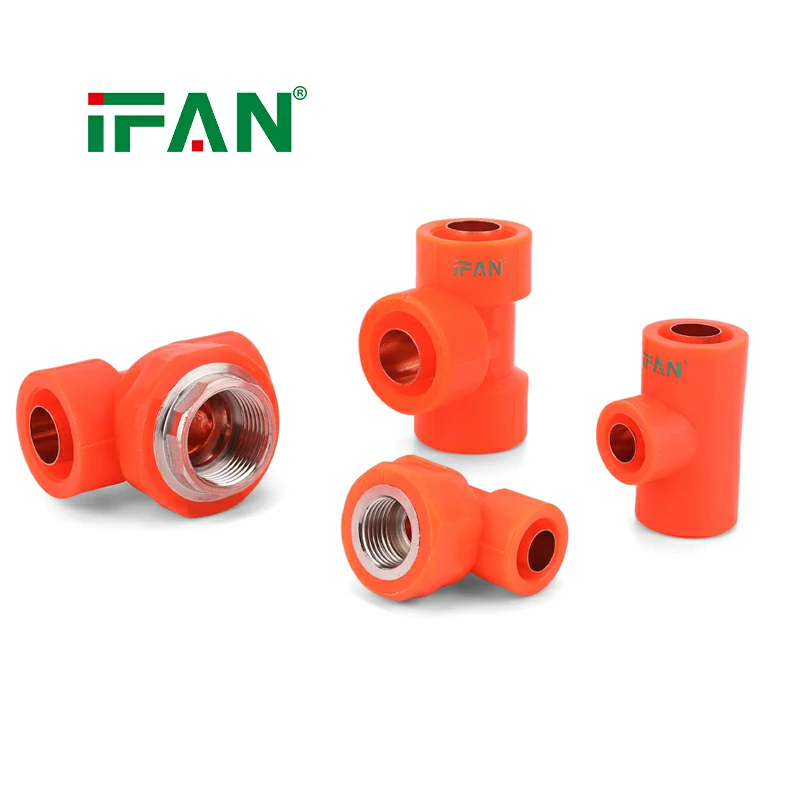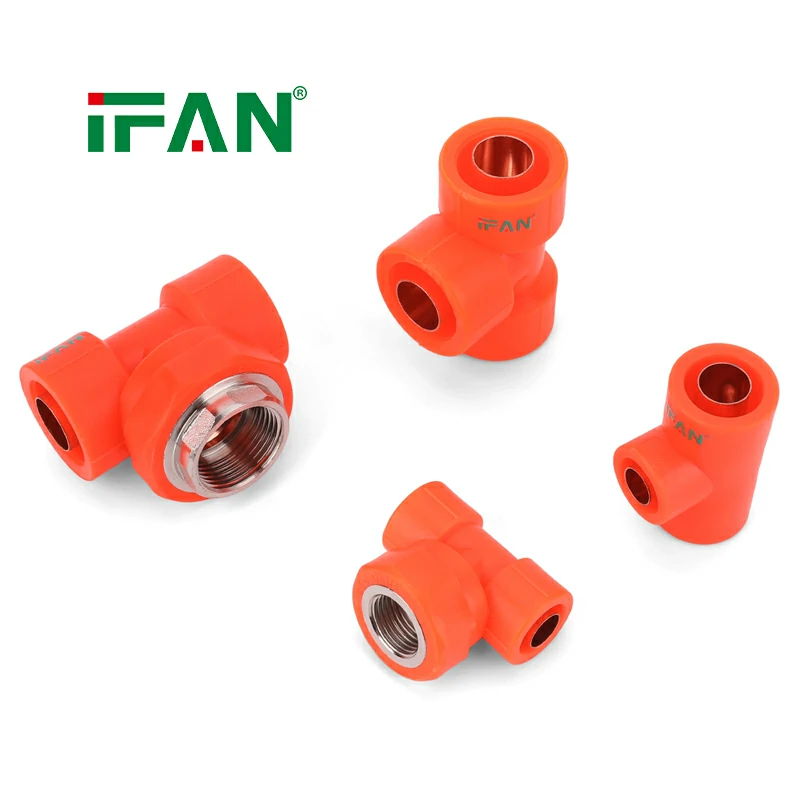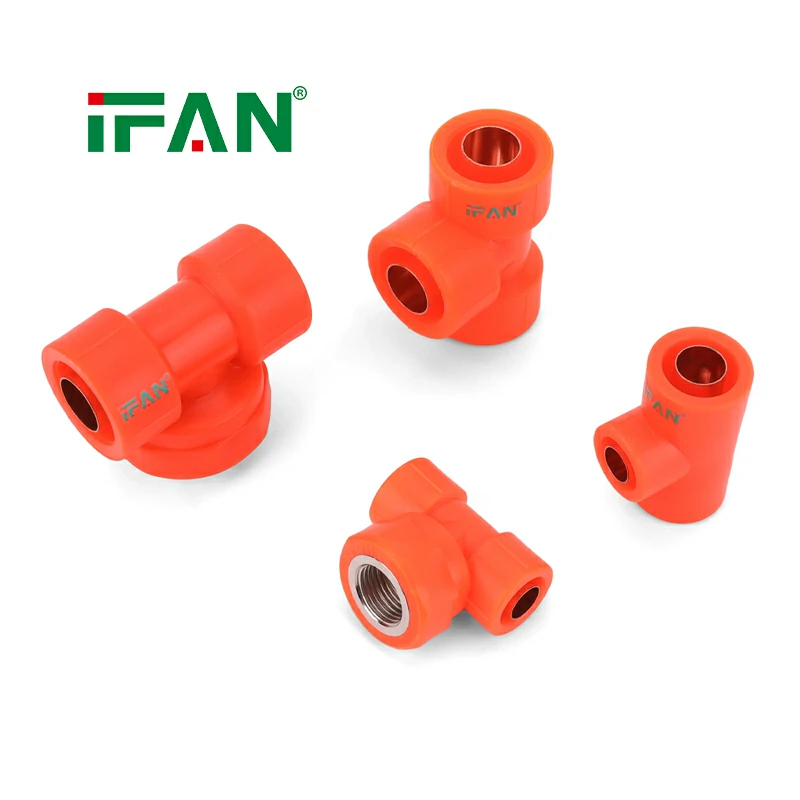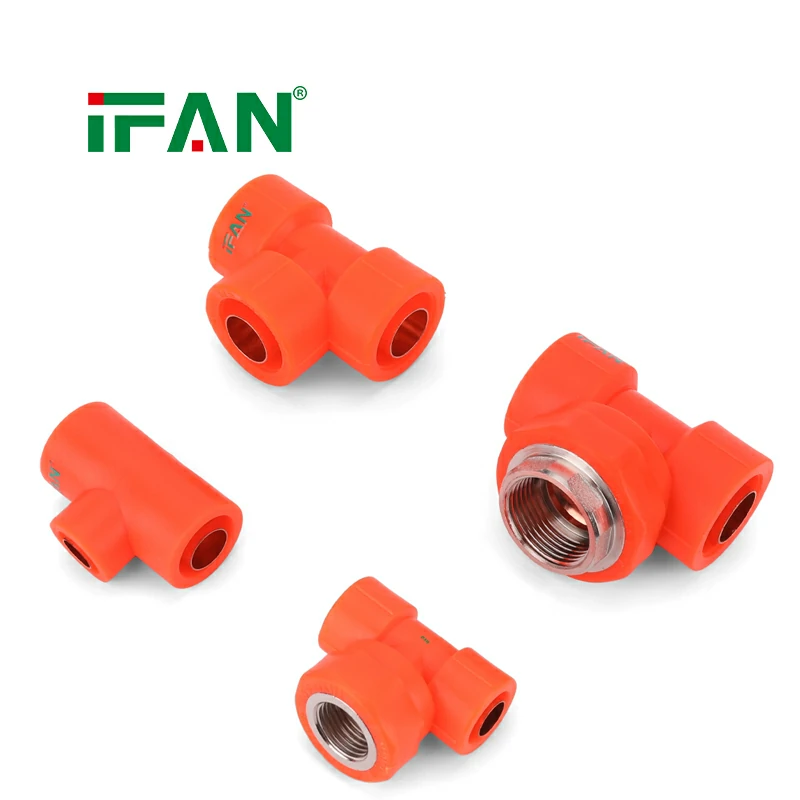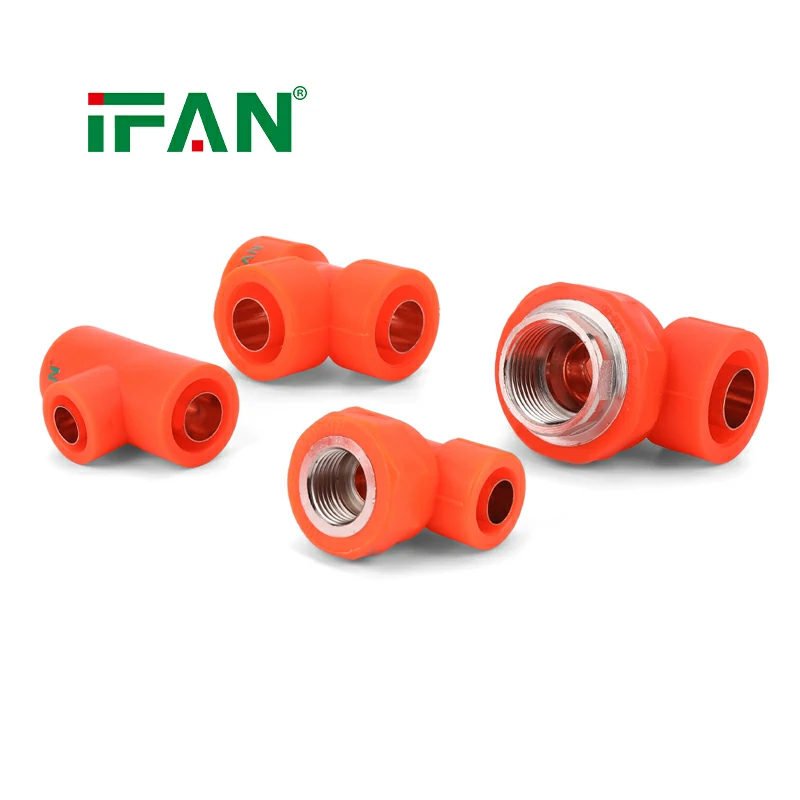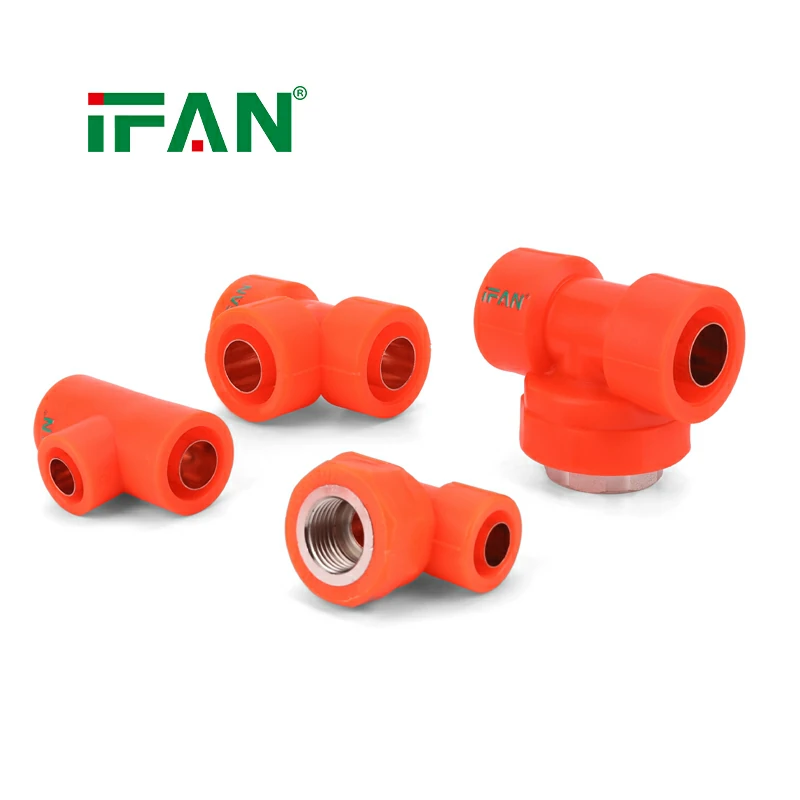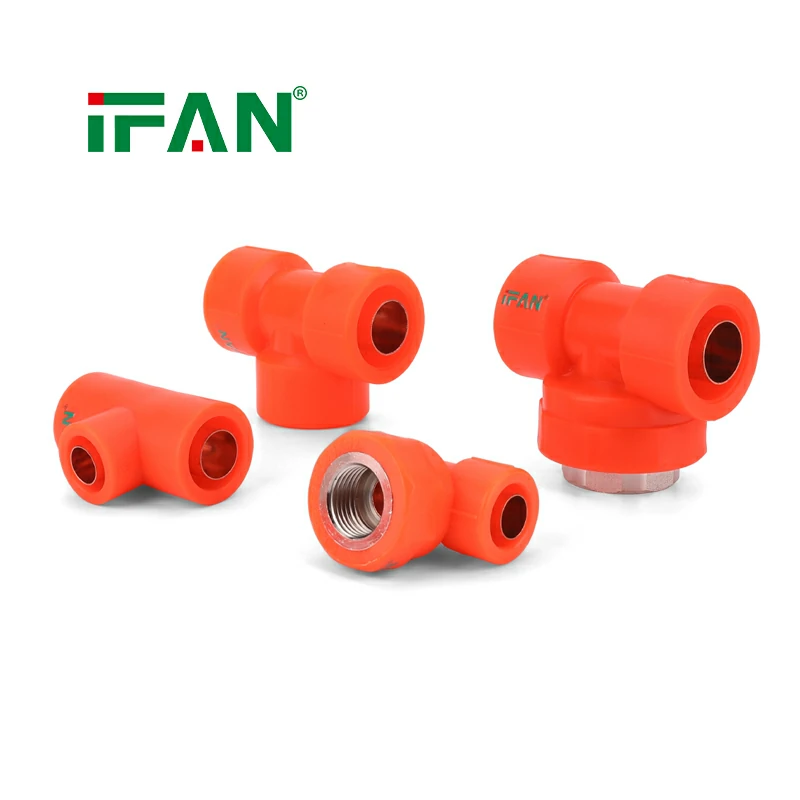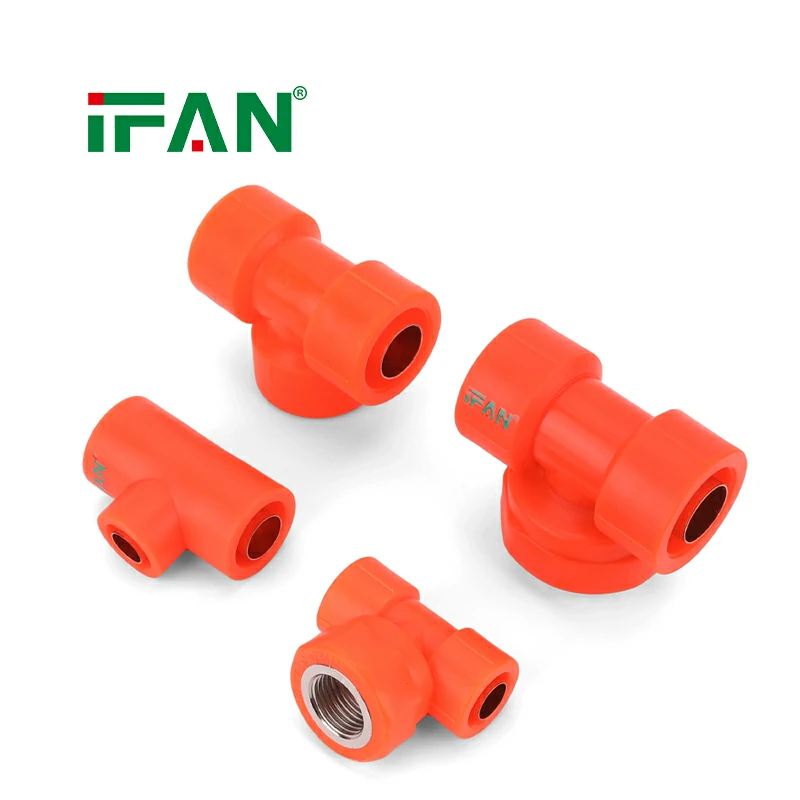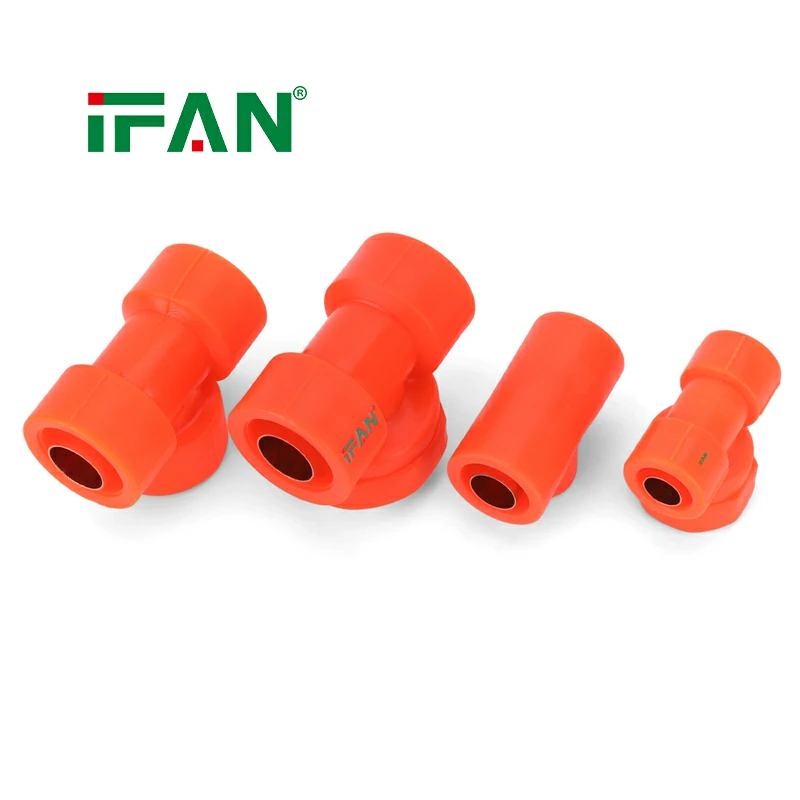
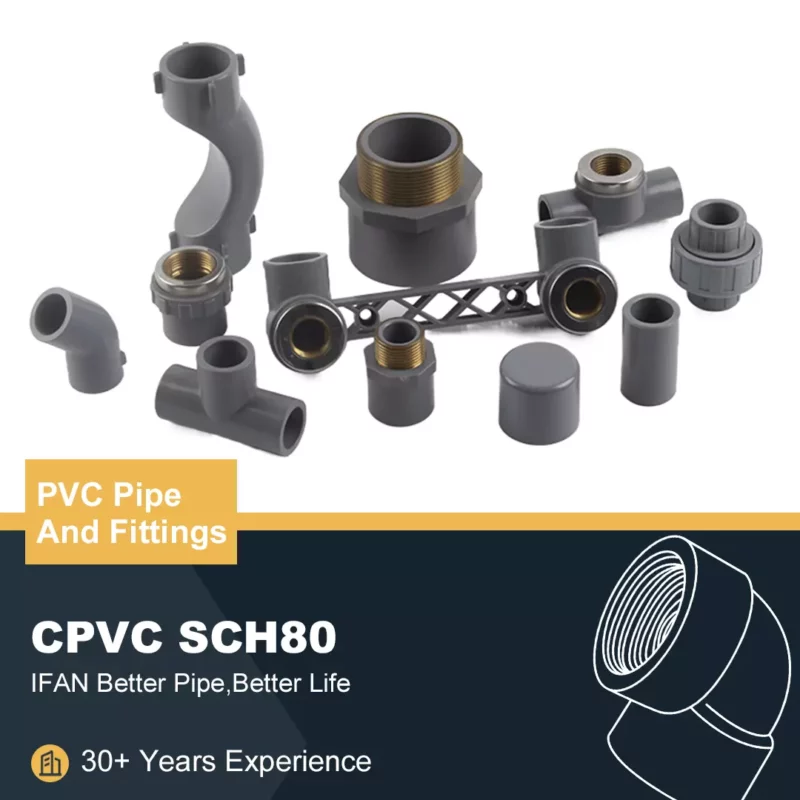
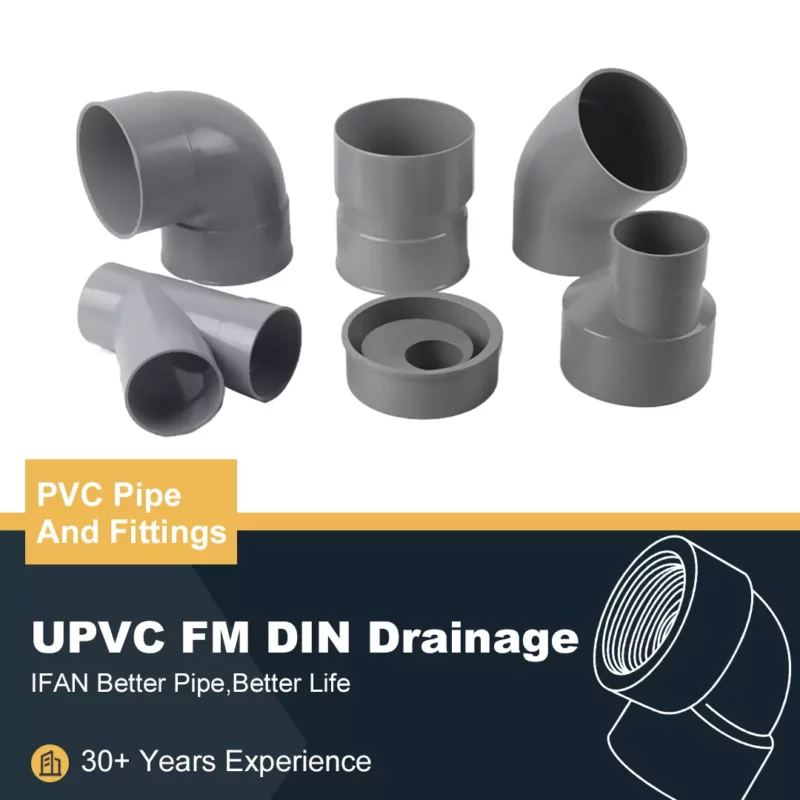
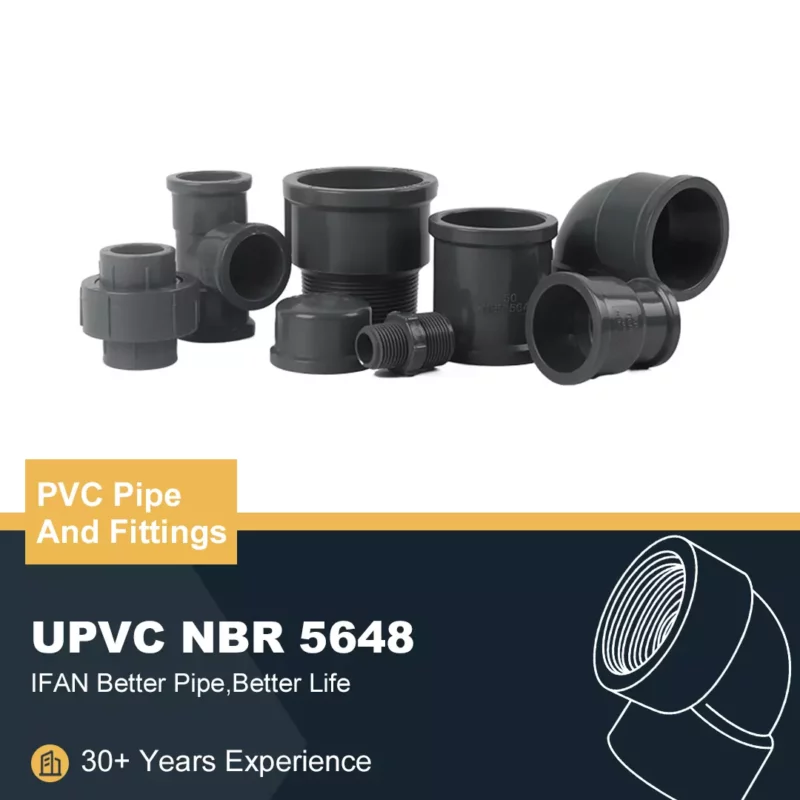
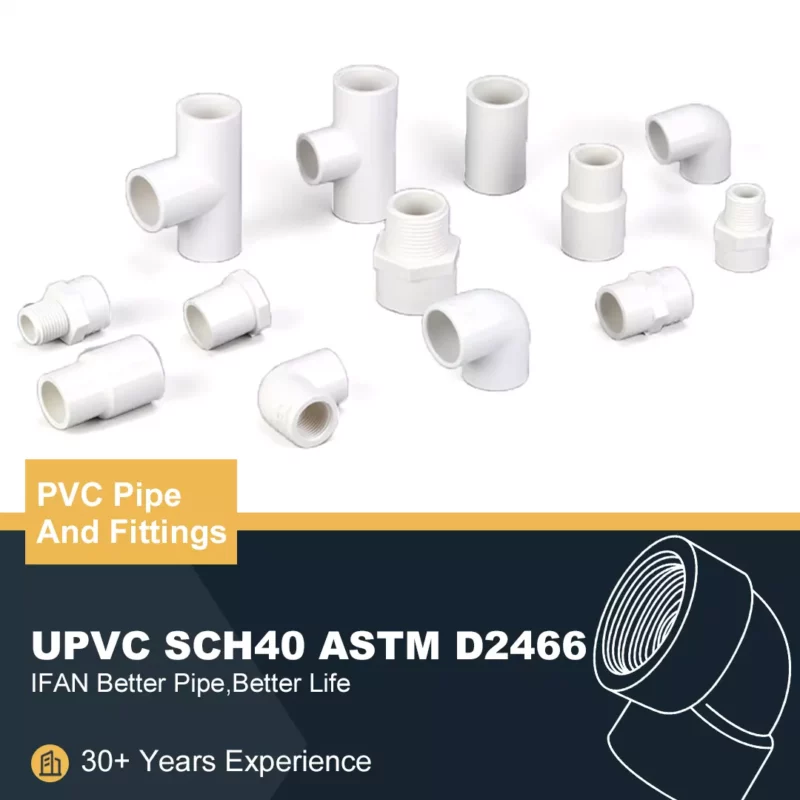
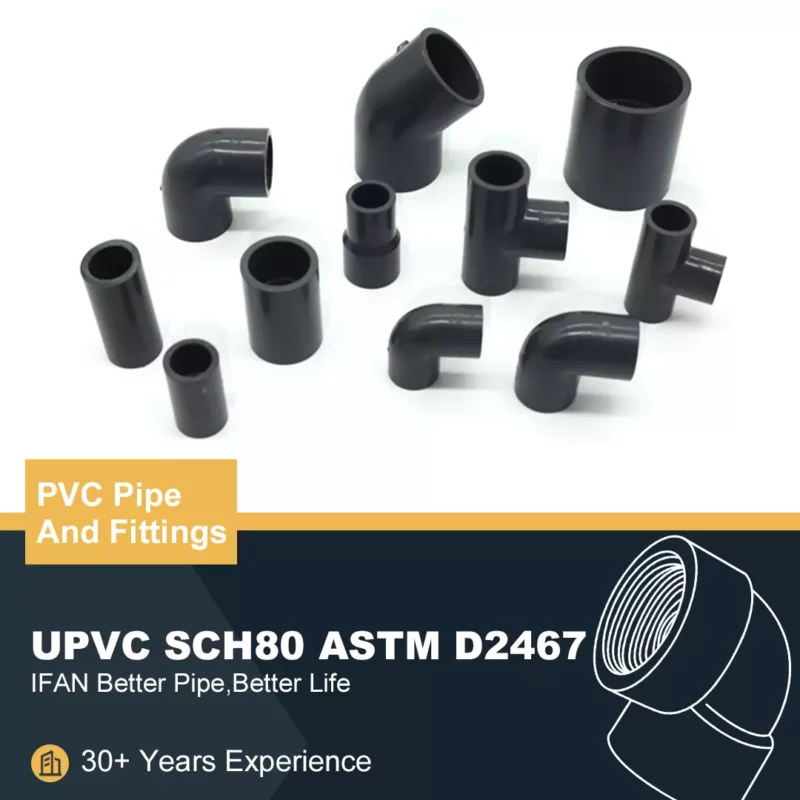
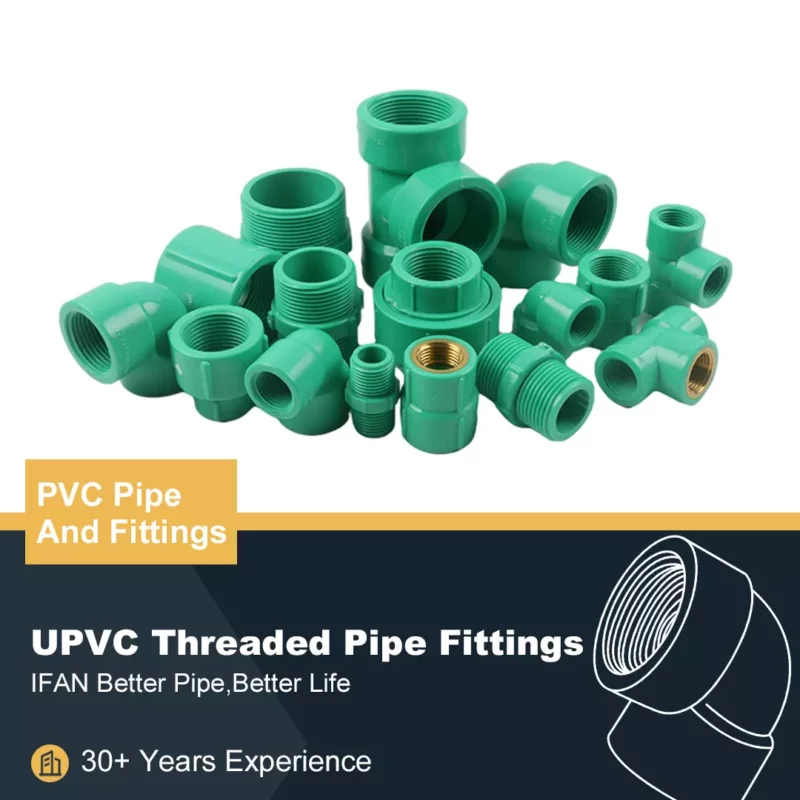
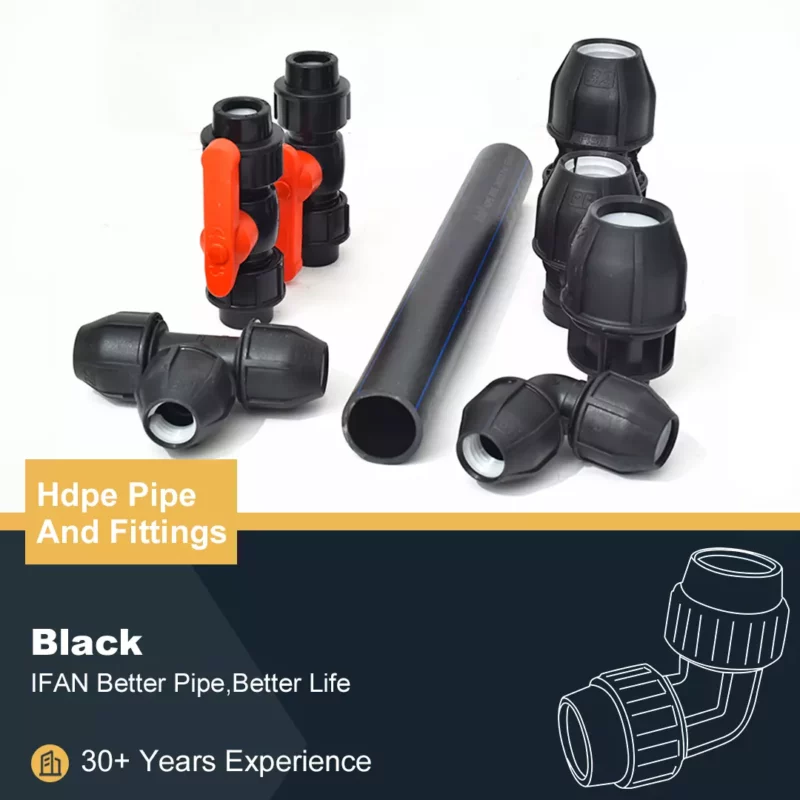
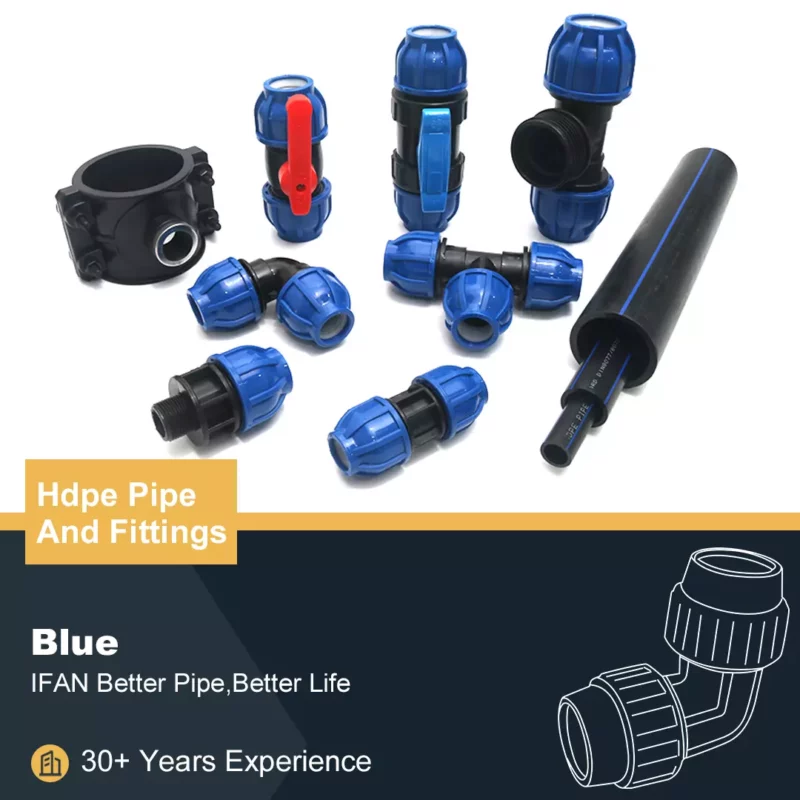
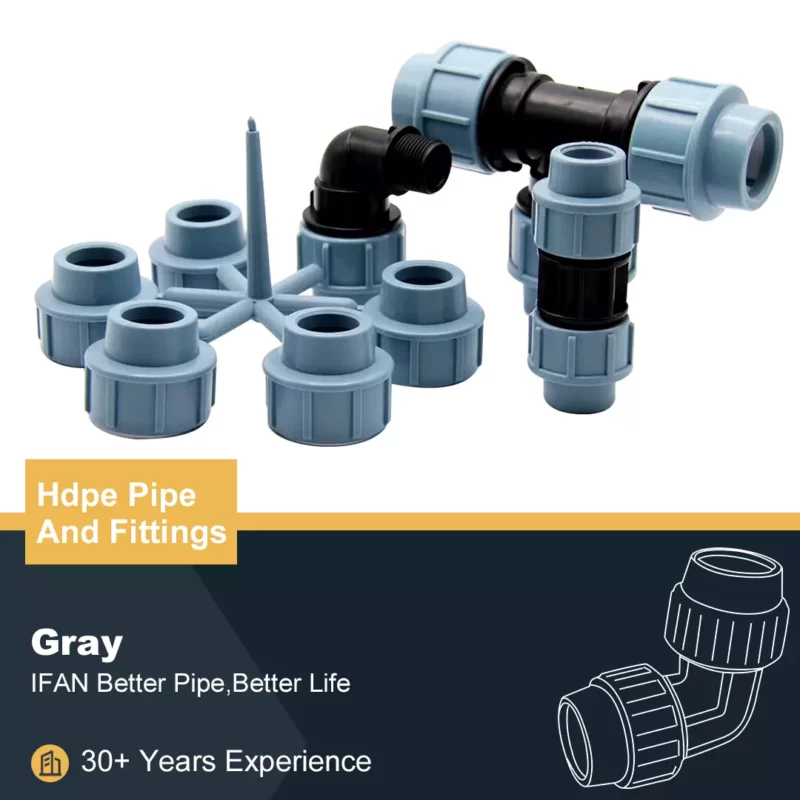


UPVC (Unplasticized Polyvinyl Chloride) fittings have gained widespread popularity across various industries due to their versatility, durability, and cost-effectiveness. These fittings are used to connect different components in plumbing, drainage, and fluid handling systems, making them suitable for a wide range of applications. Their resistance to corrosion, chemicals, and extreme weather conditions ensures that they perform reliably in various industries. This article explores how UPVC fittings are utilized across multiple sectors and why they are considered an essential material in modern industrial systems.
What Are UPVC Fittings?
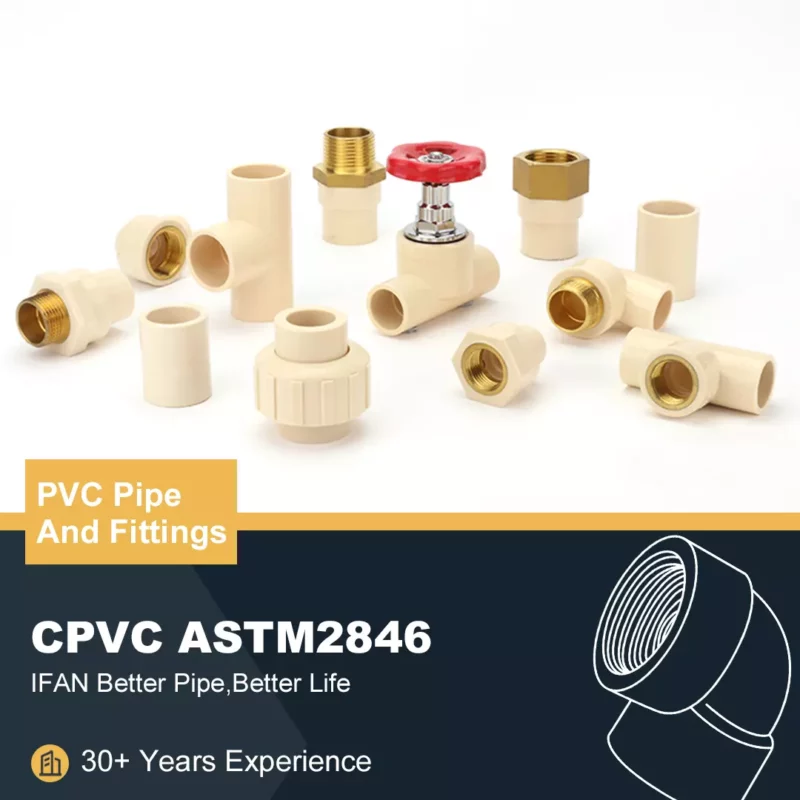
UPVC fittings are made from unplasticized polyvinyl chloride, a rigid, durable plastic. Unlike regular PVC, UPVC does not contain plasticizers, giving it enhanced strength and stability. These fittings are used in plumbing systems to connect pipes, valves, faucets, and other components. They are commonly found in residential, commercial, and industrial applications due to their superior mechanical properties, such as resistance to pressure, chemicals, and extreme temperatures. The versatility of UPVC fittings makes them a preferred choice in various industries where reliability, longevity, and performance are critical.
UPVC Fittings in Water Treatment and Distribution
One of the most common uses for UPVC fittings is in water treatment and distribution systems. The material’s resistance to corrosion and scale build-up makes it an ideal choice for handling potable water. In water treatment plants, UPVC fittings are used to connect pipes and valves that carry treated water to residential and commercial areas. Their non-corrosive properties ensure that the water remains uncontaminated throughout the distribution process, improving the safety and quality of drinking water. Additionally, UPVC fittings are resistant to the effects of chlorinated water, which is commonly used in the disinfection process, ensuring long-term durability.
Use in Chemical Processing Industries
The chemical processing industry requires materials that can withstand exposure to corrosive substances. UPVC fittings are widely used in chemical plants to transport a variety of chemicals, acids, and solvents. Their resistance to corrosion and chemical degradation makes them ideal for piping systems that handle harsh substances. UPVC fittings can withstand aggressive chemicals like sulfuric acid, hydrochloric acid, and alkalis without deteriorating. This makes them a valuable choice for ensuring the safe transport of chemicals in industries such as pharmaceuticals, cosmetics, and food processing. UPVC’s chemical resistance reduces the need for frequent replacements and maintenance, making it both cost-effective and reliable.
UPVC Fittings in Irrigation Systems
In the agricultural industry, UPVC fittings are extensively used in irrigation systems. These systems require materials that can withstand exposure to UV rays, high water pressure, and chemical fertilizers or pesticides. UPVC fittings are perfect for these conditions due to their UV resistance, durability, and chemical resistance. In drip and sprinkler irrigation systems, UPVC pipes and fittings help deliver water efficiently to crops while maintaining consistent water pressure. The lightweight nature of UPVC fittings also makes them easier to handle and install, reducing labor costs. Additionally, UPVC’s resistance to corrosion and scaling ensures that the system remains efficient over long periods, reducing maintenance requirements.
Role in Wastewater and Sewer Systems
UPVC fittings are a reliable choice for wastewater and sewer systems due to their resistance to chemicals and biological degradation. In sewer systems, UPVC pipes and fittings are used to transport waste safely without the risk of corrosion or leaks. UPVC’s ability to withstand the corrosive nature of wastewater, including the presence of hydrogen sulfide and other harmful gases, ensures that the system remains functional over time. Additionally, UPVC’s smooth interior surface prevents the build-up of blockages and scaling, which can reduce the flow rate and cause system failures. As a result, UPVC fittings contribute to the long-term efficiency and reliability of sewer and wastewater systems.
UPVC Fittings in HVAC Systems
In the HVAC (Heating, Ventilation, and Air Conditioning) industry, UPVC fittings are used in systems that require resistance to temperature fluctuations and moisture. UPVC is an excellent material for handling both hot and cold water in HVAC systems due to its ability to withstand high pressure and thermal expansion. It is commonly used in systems designed for residential and commercial buildings, where it helps maintain consistent air and water flow. The material’s non-corrosive properties make it ideal for environments where moisture and temperature variations are common. Furthermore, UPVC’s smooth surface ensures that airflow and water flow remain unrestricted, improving overall system performance.
UPVC Fittings in the Oil and Gas Industry
The oil and gas industry often requires piping systems that can handle high pressures and exposure to harsh chemicals. UPVC fittings are used in these systems due to their ability to withstand extreme conditions. While UPVC is not typically used for high-temperature applications, it is ideal for low-pressure lines and systems that carry non-flammable liquids, chemicals, or gases. UPVC’s resistance to corrosion and chemical degradation makes it a suitable material for various oil and gas applications, including the transportation of water, waste, and chemicals used in extraction and processing operations. The material’s strength and durability ensure that the systems remain operational and safe over time.
Electrical and Telecommunications Applications
UPVC fittings are also used in electrical and telecommunications industries, where they help protect cables and wiring from environmental factors. In these applications, UPVC is used as an insulating material due to its electrical properties and resistance to moisture, UV rays, and chemicals. UPVC pipes and fittings are used to enclose and protect electrical wiring, ensuring that systems remain functional in outdoor and underground installations. The material’s resistance to corrosion and impact makes it ideal for use in harsh environments where durability is essential. Whether for power lines, communication networks, or underground cables, UPVC fittings provide a safe and reliable solution.
Construction and Infrastructure Projects
In the construction industry, UPVC fittings are used in plumbing, drainage, and stormwater management systems. Their lightweight nature makes them easy to transport and install, reducing labor costs and installation time. UPVC fittings are also used in rainwater harvesting systems, where they help collect and distribute rainwater for reuse. The material’s resistance to corrosion and chemical reactions ensures that the system remains functional for an extended period, providing a long-term solution for sustainable water management in buildings and infrastructure. Additionally, UPVC’s resistance to freezing temperatures makes it ideal for outdoor plumbing installations in cold climates.
Environmental Benefits of UPVC Fittings
UPVC fittings are not only versatile but also environmentally friendly. The material is fully recyclable, reducing the environmental impact of disposal and encouraging sustainability. The long lifespan of UPVC fittings means fewer replacements and less waste. Additionally, the energy-efficient manufacturing process of UPVC reduces the carbon footprint associated with production. For industries focused on reducing their environmental impact, UPVC fittings provide a sustainable, cost-effective solution that meets both performance and environmental goals.
Conclusion
UPVC fittings are a versatile and reliable choice for a wide range of industries. Their exceptional durability, resistance to chemicals, corrosion, and UV rays, as well as their lightweight nature, make them suitable for various applications, including water treatment, irrigation, chemical processing, and wastewater systems. The versatility of UPVC fittings extends across multiple sectors, from construction to telecommunications, offering cost-effective and long-lasting solutions. With their ability to withstand harsh conditions and their environmental benefits, UPVC fittings continue to be an indispensable material for modern industrial systems.
If you have read this article and have any questions, please feel free to contact IFAN. Below is our contact information:
Whatsapp:+86 13373827623
Email:[email protected]