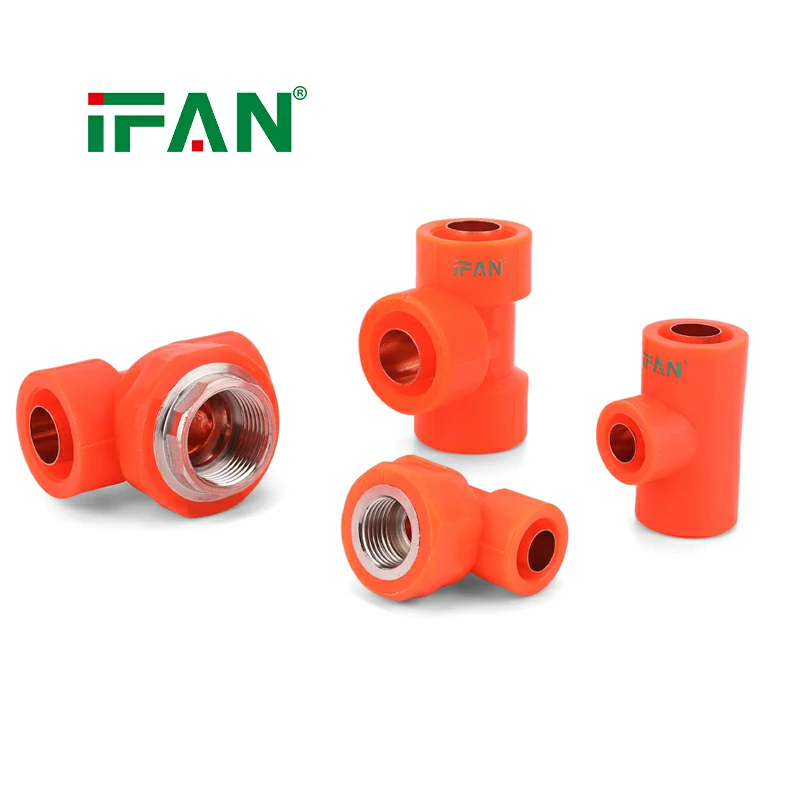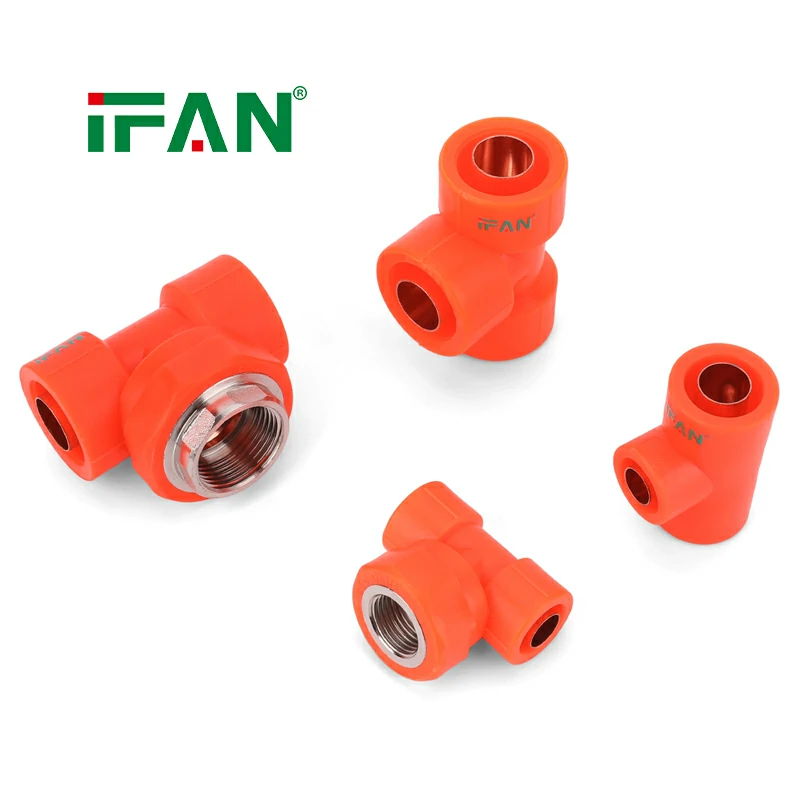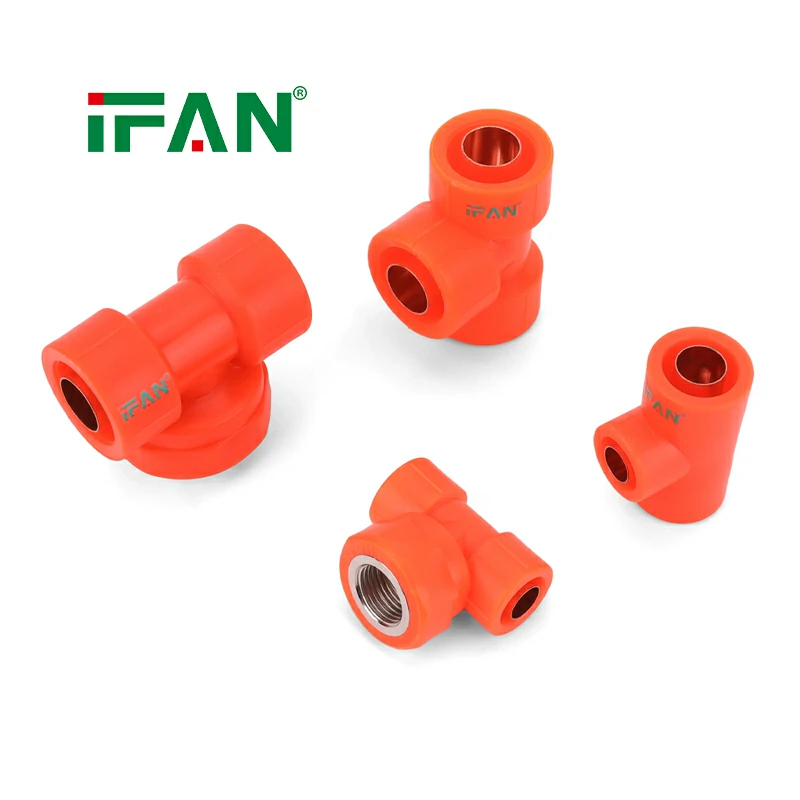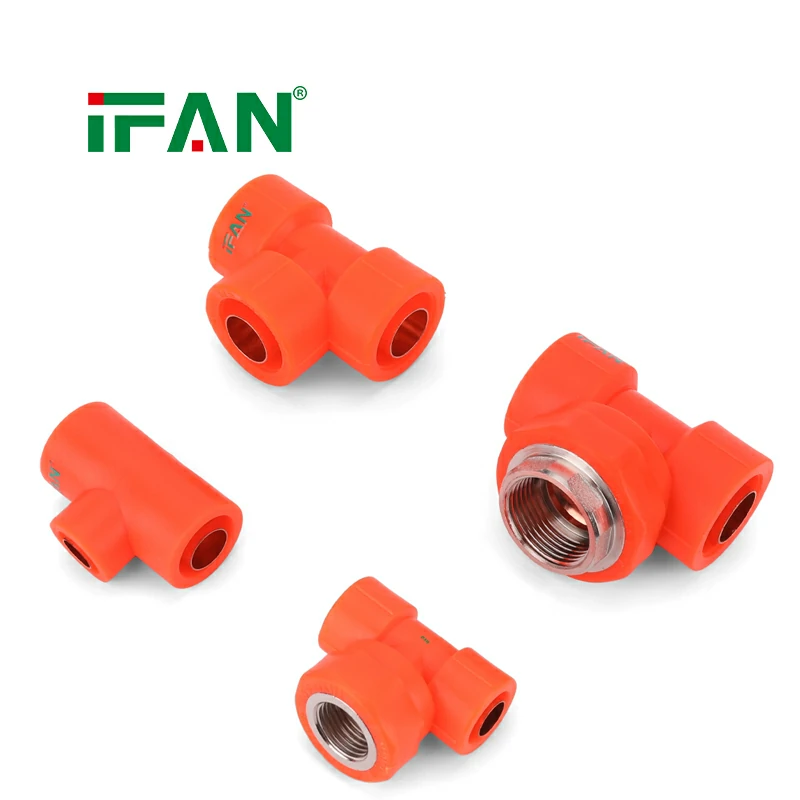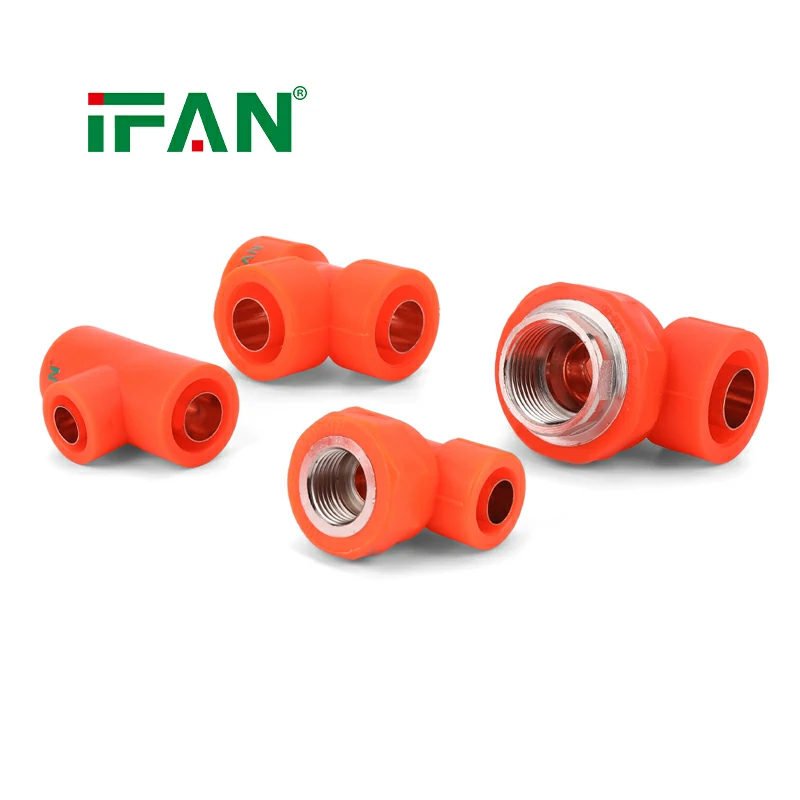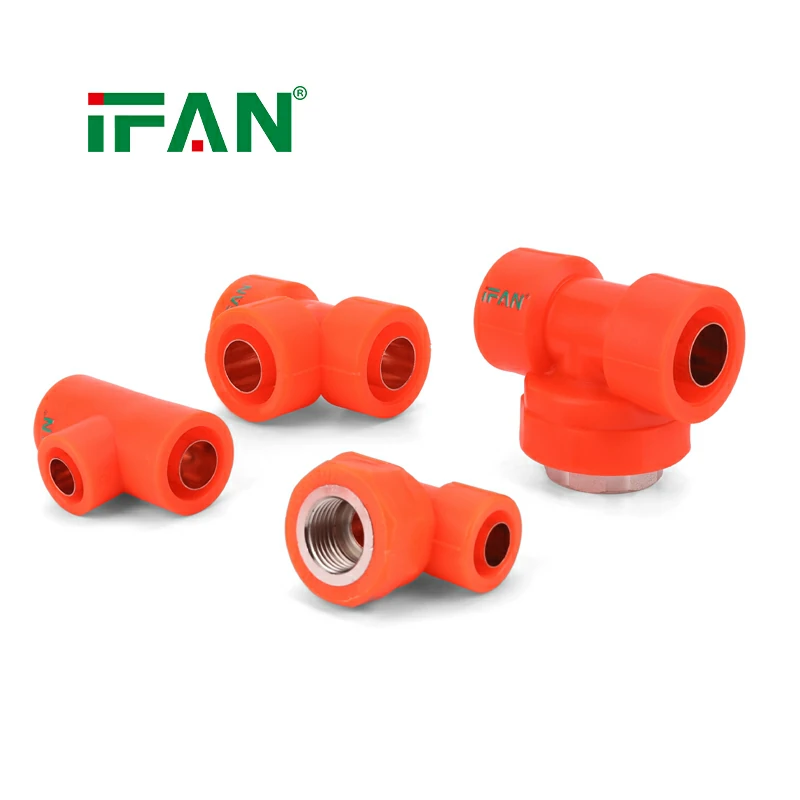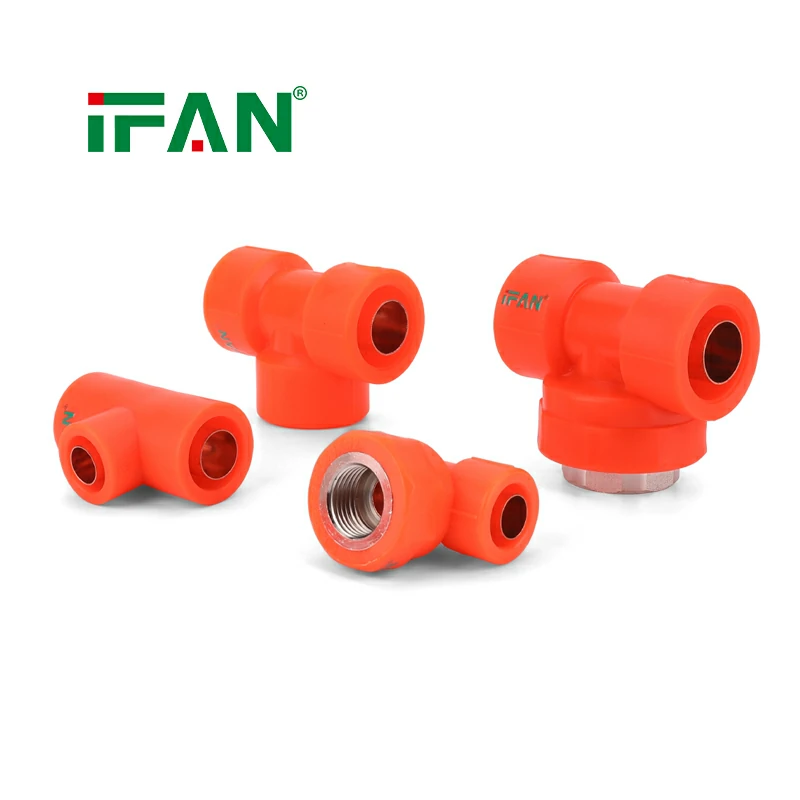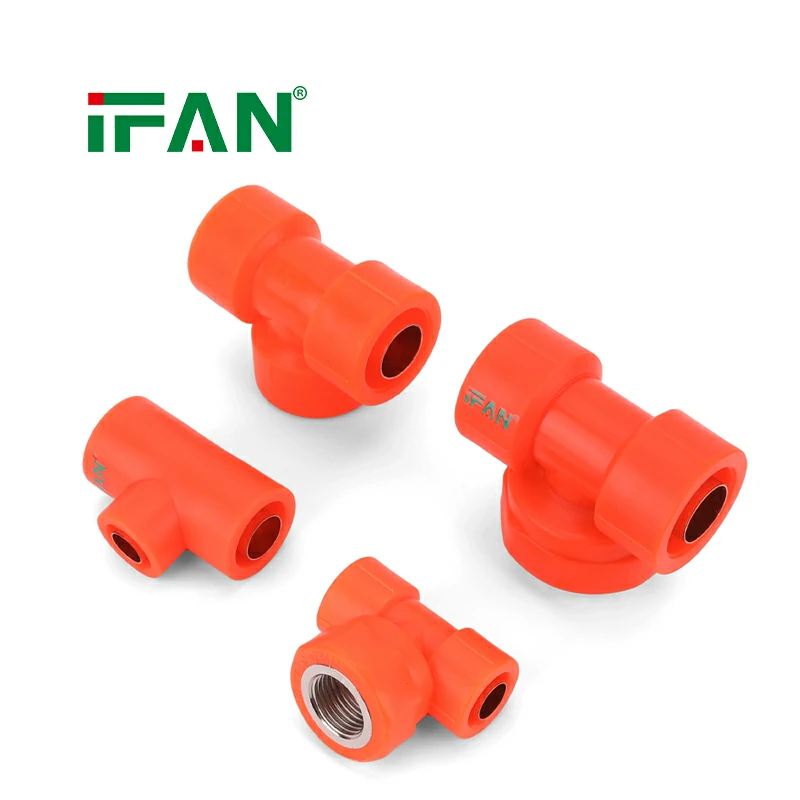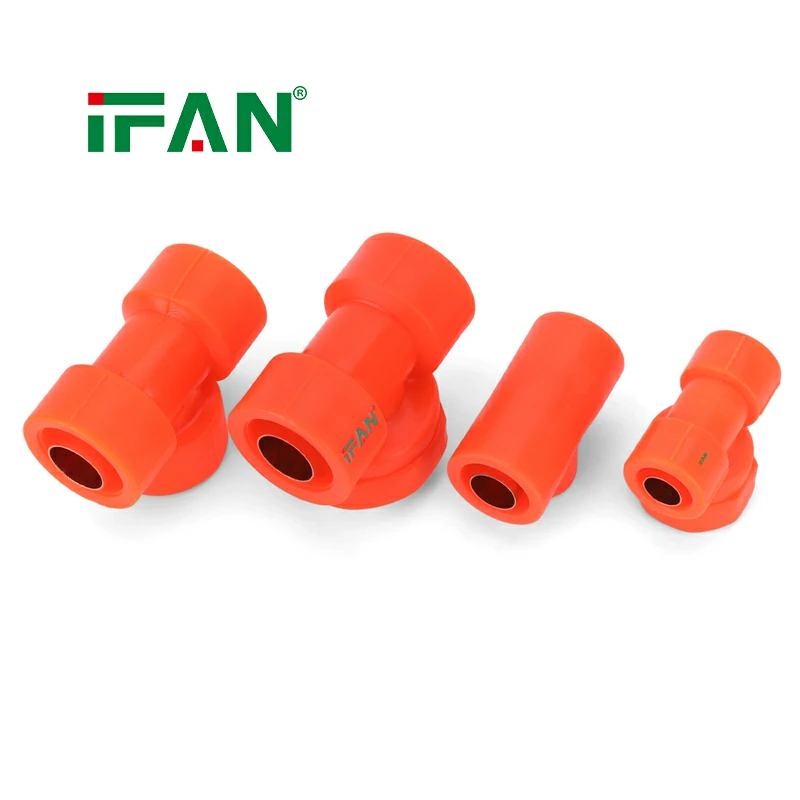
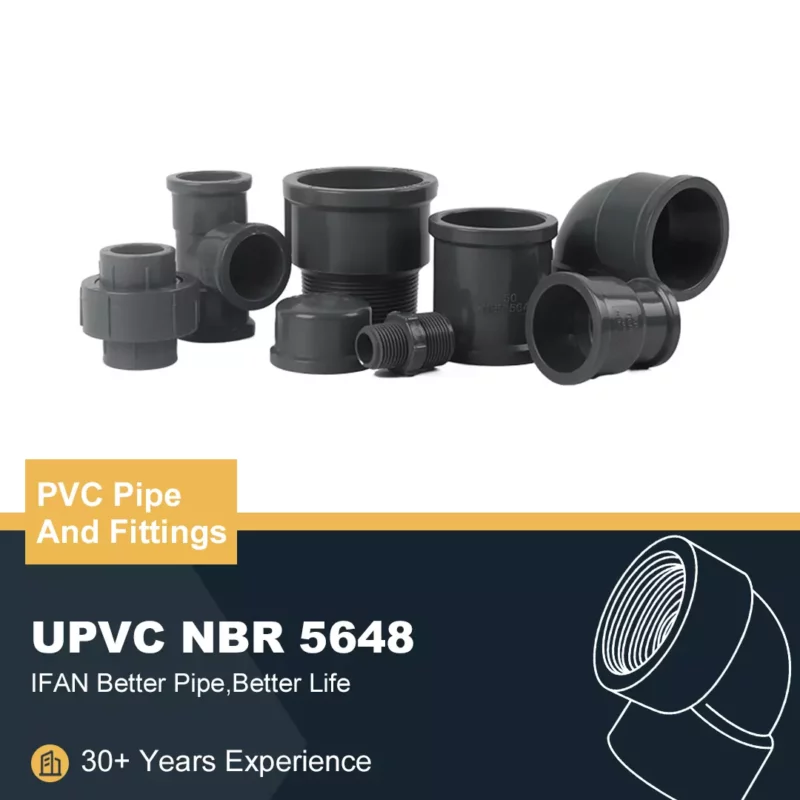
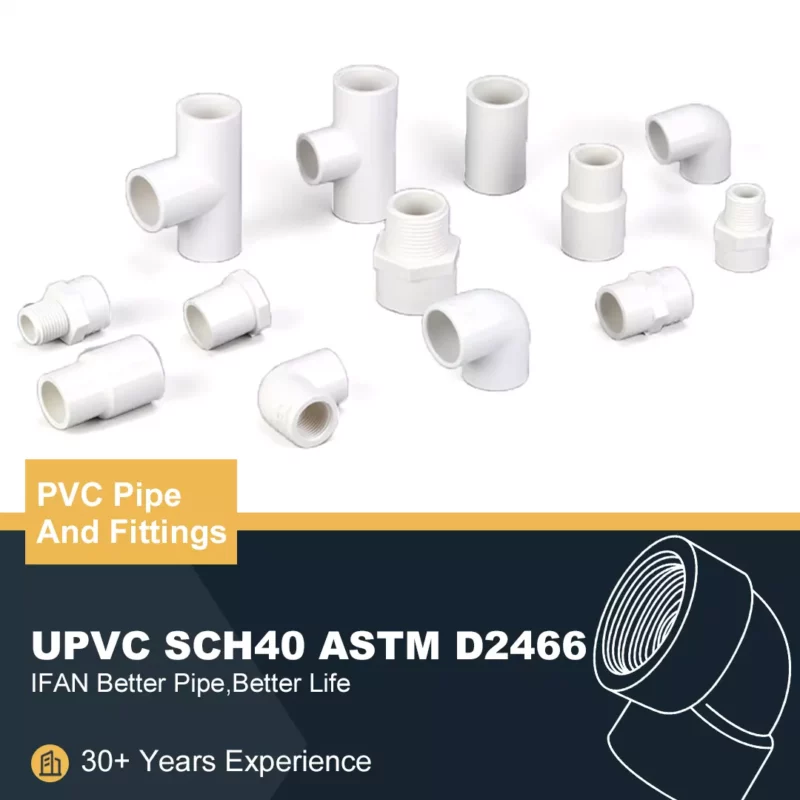
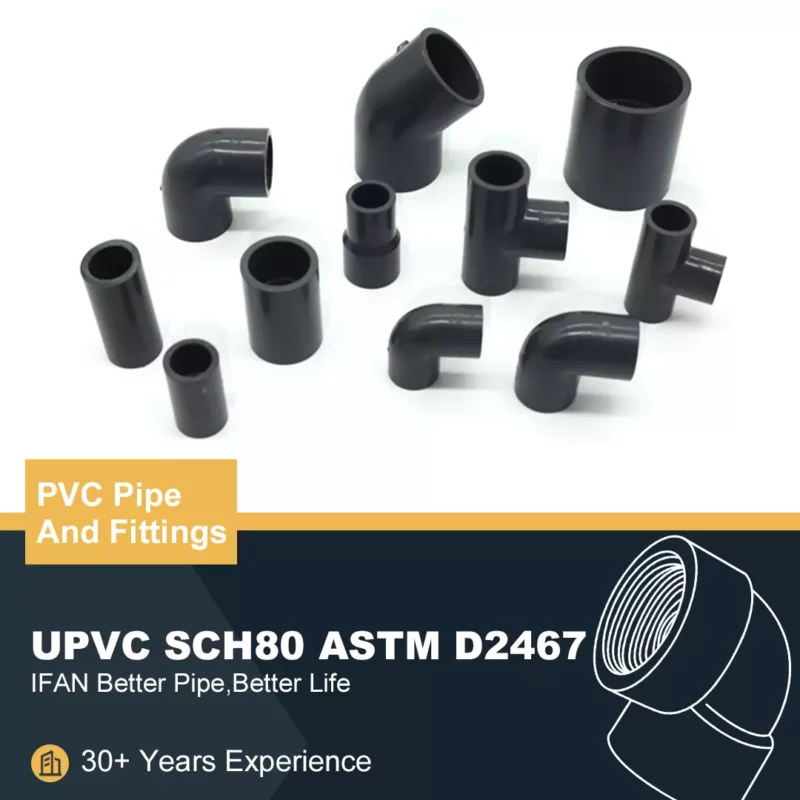
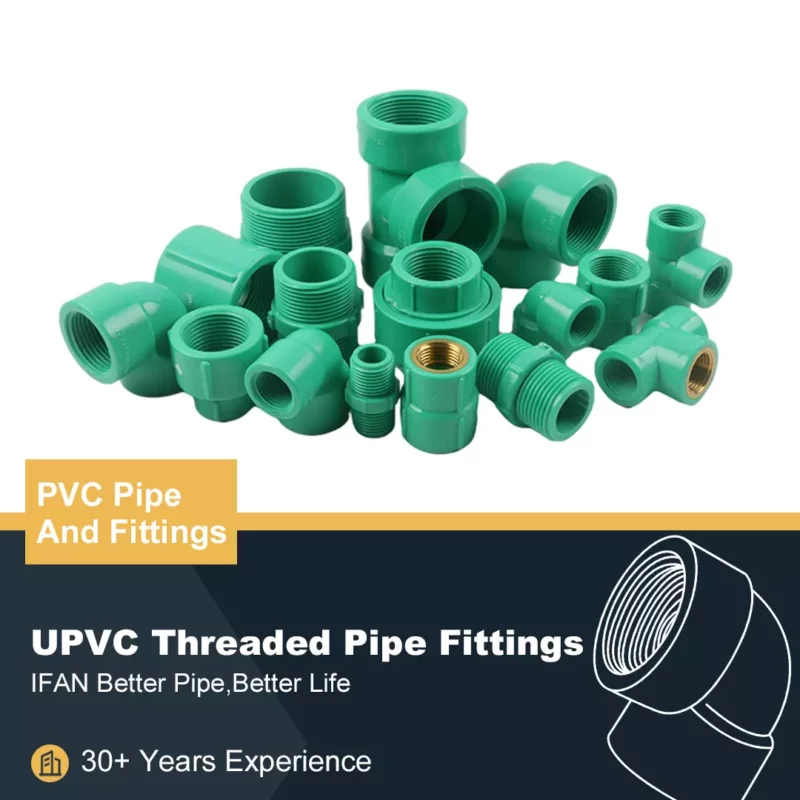


UPVC (Unplasticized Polyvinyl Chloride) fittings are widely used in plumbing systems due to their superior durability and resistance to various environmental factors. One of the key advantages of UPVC fittings is their exceptional chemical resistance. These fittings are ideal for plumbing systems that handle harsh chemicals, whether in industrial, commercial, or residential settings. In this article, we will explore why UPVC fittings offer excellent chemical resistance and how this property benefits various plumbing applications.
What Are UPVC Fittings?
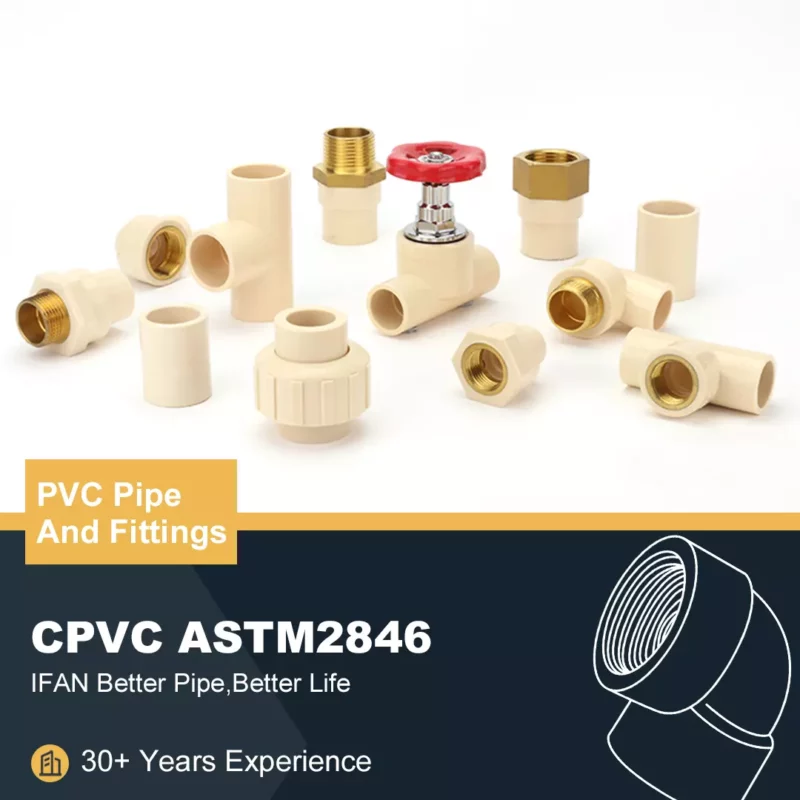
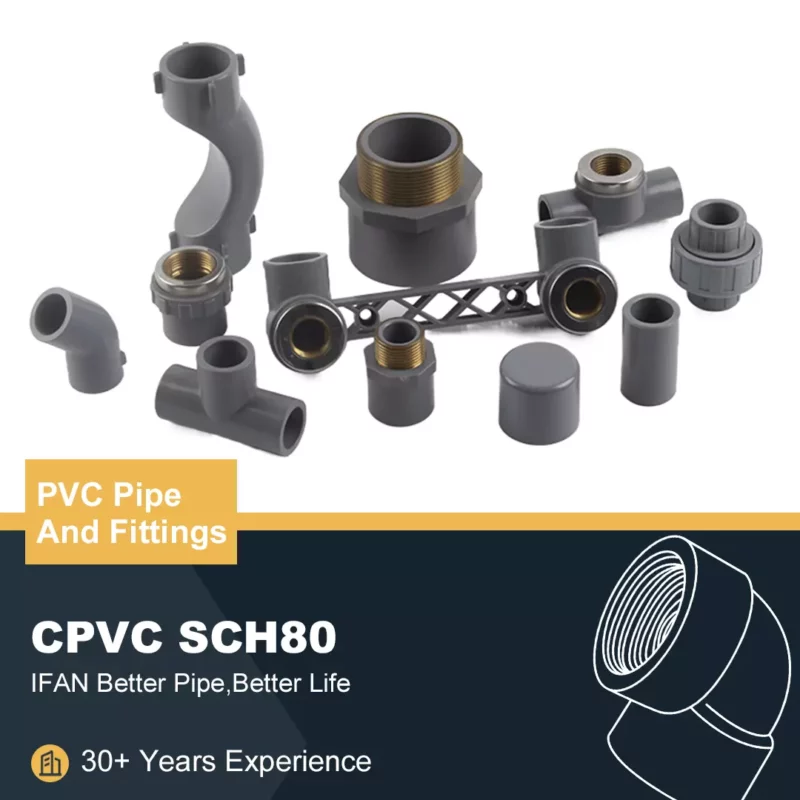
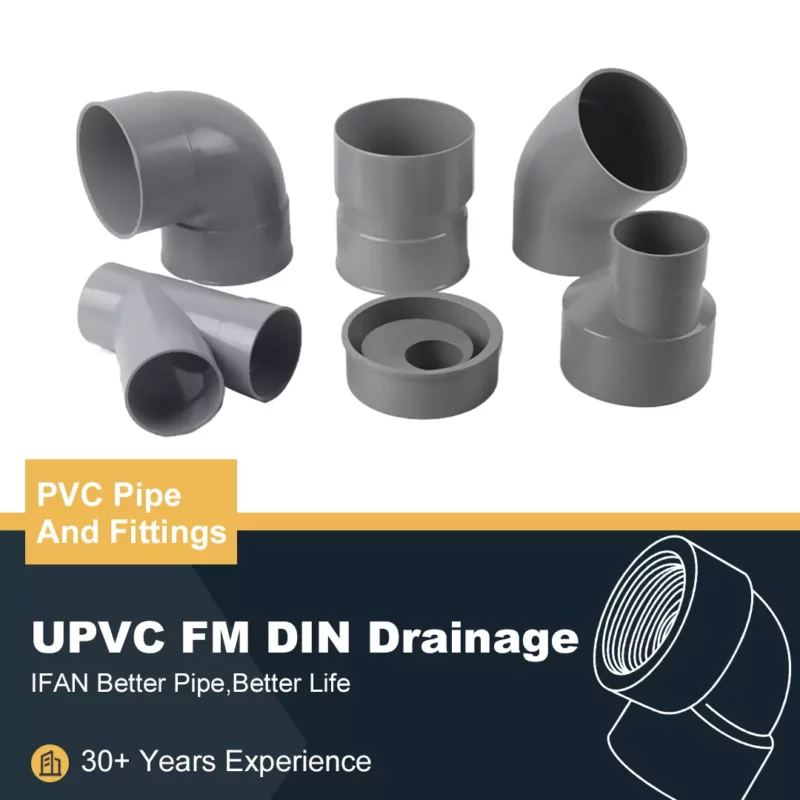
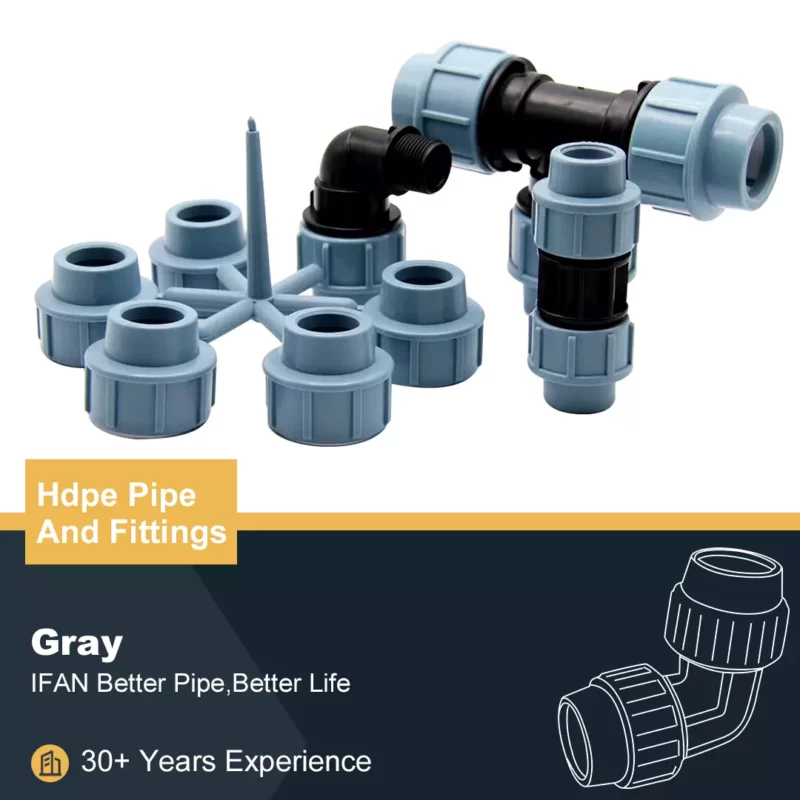
UPVC fittings are made from a rigid form of polyvinyl chloride (PVC) plastic. Unlike regular PVC, UPVC is not flexible and lacks plasticizers, making it stronger and more durable. These fittings are used to connect pipes, valves, and other components in plumbing systems. UPVC fittings are known for their smooth, non-porous surfaces, which reduce the buildup of debris, scale, and chemicals. Their high chemical resistance makes them suitable for applications where exposure to harsh chemicals is common. Whether in chemical processing plants or wastewater treatment systems, UPVC fittings offer reliable, long-lasting performance.
Importance of Chemical Resistance in Plumbing Systems
Chemical resistance is a critical property for plumbing materials, especially in industries where pipes and fittings come into contact with corrosive substances. Many plumbing systems, especially those in industrial or commercial settings, transport chemicals, acids, or caustic substances. Without proper resistance, materials can degrade quickly, leading to system failures, leaks, and contamination. Choosing the right materials, like UPVC, helps prevent these issues by ensuring that the fittings can withstand exposure to harsh chemicals without breaking down or losing their integrity. This is especially important in industries where safety and system reliability are paramount.
How UPVC Fittings Resist Chemicals
UPVC fittings are highly resistant to a wide range of chemicals, including acids, bases, and solvents. This resistance is due to the molecular structure of UPVC, which provides a barrier against chemical reactions. Unlike metals, which can corrode or rust when exposed to certain chemicals, UPVC remains unaffected by most substances, maintaining its structural integrity. The non-porous surface of UPVC fittings prevents chemicals from seeping into the material, ensuring that the fittings do not degrade over time. This makes UPVC fittings an ideal choice for plumbing systems exposed to aggressive chemicals, ensuring safe and efficient operation.
Resistance to Acids and Bases
Acidic and basic substances can be extremely damaging to many materials, including metals and some plastics. UPVC fitting, however, offer exceptional resistance to both acids and alkalis, making them suitable for use in systems that handle these substances. For example, in industries such as chemical processing, agriculture, and water treatment, UPVC fitting are used to transport various acidic or alkaline solutions without fear of degradation. Whether dealing with sulfuric acid, hydrochloric acid, or sodium hydroxide, UPVC fitting maintain their performance and durability, preventing leaks and ensuring a long-lasting, reliable system.
Resistance to Solvents and Chemicals
In addition to acids and bases, UPVC fittings are also highly resistant to a wide range of solvents and chemicals. Organic solvents such as acetone, benzene, and toluene can damage many materials, including metals and lower-grade plastics. UPVC, however, does not react with these solvents and retains its strength and integrity even after prolonged exposure. This makes UPVC fittings ideal for industries where chemicals like paint thinners, cleaning agents, or industrial solvents are commonly used. The ability of UPVC fittings to withstand these harsh substances ensures that the plumbing system remains functional and safe, even in demanding environments.
Benefits of Chemical Resistance in Industrial Applications
The chemical resistance of UPVC fitting offers significant advantages in industrial applications. Industries such as chemical manufacturing, wastewater treatment, and pharmaceuticals often deal with aggressive chemicals that can cause damage to plumbing materials. UPVC fittings provide a durable, cost-effective solution by resisting corrosion, chemical degradation, and wear. As a result, UPVC fitting help reduce downtime, maintenance costs, and the need for frequent replacements. This enhances the overall efficiency of industrial systems, making UPVC an essential material for chemical-resistant plumbing solutions. Additionally, the ability to handle a wide range of chemicals allows for greater flexibility in the design and operation of these systems.
Resistance to Corrosion in Harsh Environments
In addition to chemical resistance, UPVC fitting are also highly resistant to corrosion. Unlike metal fittings, which are prone to rust when exposed to moisture and chemicals, UPVC does not corrode or degrade in the same way. This is especially important in environments where both moisture and chemicals are present. For example, in marine environments, where saltwater can cause rapid corrosion of metals, UPVC fittings provide a reliable, corrosion-resistant alternative. This resistance to corrosion helps extend the lifespan of the plumbing system and reduces the need for maintenance and replacements.
Long-Term Durability in Chemical Handling Systems
The long-term durability of UPVC fittings makes them an ideal choice for systems that handle chemicals over extended periods. Chemical processing plants and industrial facilities often require plumbing systems that can withstand continuous exposure to harsh chemicals without deteriorating. UPVC fittings provide this durability, ensuring that the system remains intact and operational for many years. Unlike metal pipes, which can degrade over time due to corrosion, UPVC fittings offer a longer lifespan, reducing the overall maintenance costs and ensuring the system’s reliability in the long run.
Low Maintenance Requirements
UPVC fittings are known for their low maintenance requirements, especially in comparison to other materials like metal. Because UPVC is resistant to corrosion, chemical degradation, and scale build-up, it does not require regular cleaning or treatments to maintain its performance. This reduces the need for labor-intensive maintenance and helps lower overall operational costs. For industries dealing with harsh chemicals, the low-maintenance nature of UPVC fittings is a significant advantage, as it ensures minimal downtime and reduces the risk of costly repairs. The durability and ease of upkeep make UPVC a practical and cost-effective solution for chemical-resistant plumbing systems.
Cost-Effectiveness of UPVC Fittings
UPVC fittings are also cost-effective, especially when considering their long lifespan and minimal maintenance requirements. The initial cost of UPVC fittings is relatively low compared to materials like stainless steel or special alloys. Additionally, the durability and chemical resistance of UPVC fittings reduce the need for frequent replacements or repairs, leading to lower long-term costs. In industries that rely on chemical handling systems, the reduced maintenance and replacement costs associated with UPVC fittings can result in significant savings. This cost-effectiveness, combined with their exceptional chemical resistance, makes UPVC fittings a smart investment for many industries.
Applications in Chemical Handling Systems
UPVC fittings are used in a variety of chemical handling systems, including those in the pharmaceutical, food processing, and water treatment industries. In these applications, it is essential to ensure that chemicals do not contaminate the environment or the products being processed. UPVC fittings provide a safe, reliable way to transport and handle chemicals without the risk of leaks or degradation. Their resistance to chemical reactions, corrosion, and wear makes them an essential material for creating secure and efficient plumbing systems in these critical industries.
Conclusion
UPVC fittings provide excellent chemical resistance, making them an ideal choice for plumbing systems exposed to harsh chemicals. Their resistance to acids, bases, solvents, and corrosion ensures long-term durability, even in the most demanding environments. The low maintenance requirements, cost-effectiveness, and long lifespan of UPVC fittings make them a practical and reliable solution for chemical handling systems. Whether in industrial, commercial, or residential applications, UPVC fittings offer superior performance and safety, reducing downtime, maintenance costs, and the risk of system failure. By choosing UPVC fittings, industries can ensure that their plumbing systems remain efficient and functional, even in the presence of aggressive chemicals.
If you have read this article and have any questions, please feel free to contact IFAN. Below is our contact information:
Whatsapp:+86 13373827623
Email:[email protected]