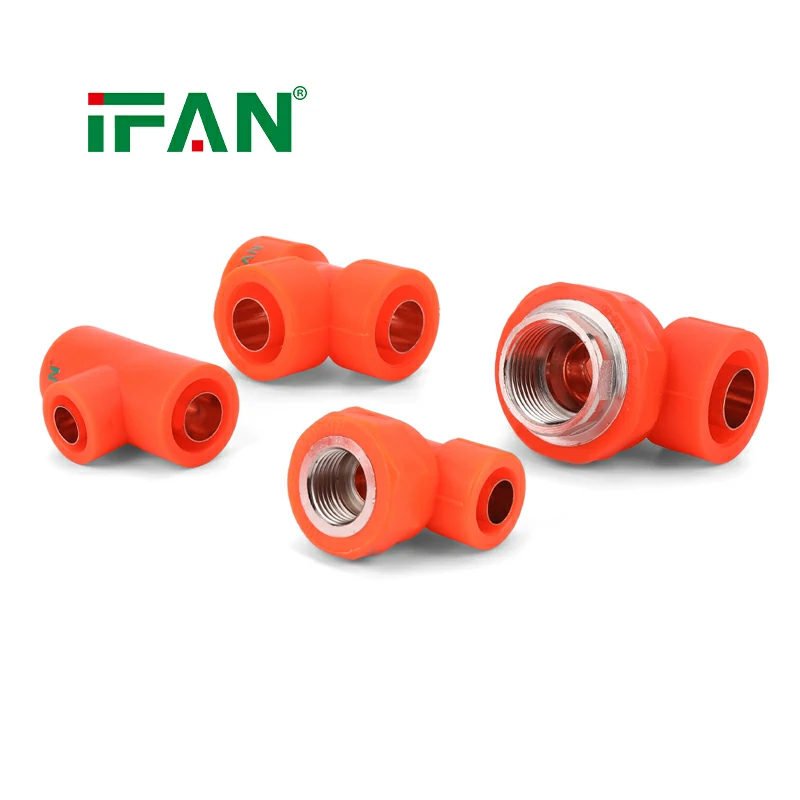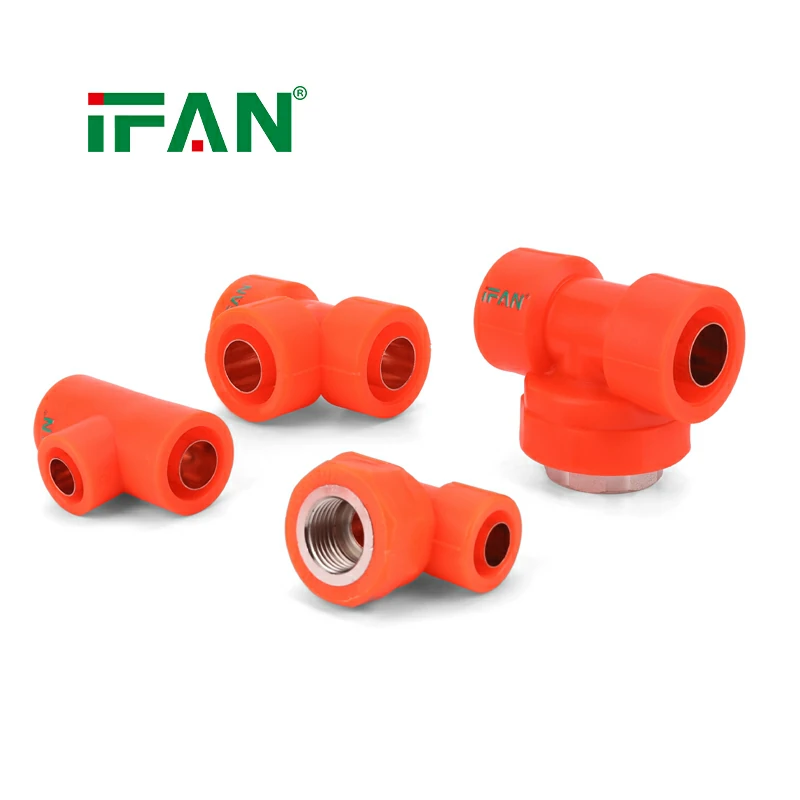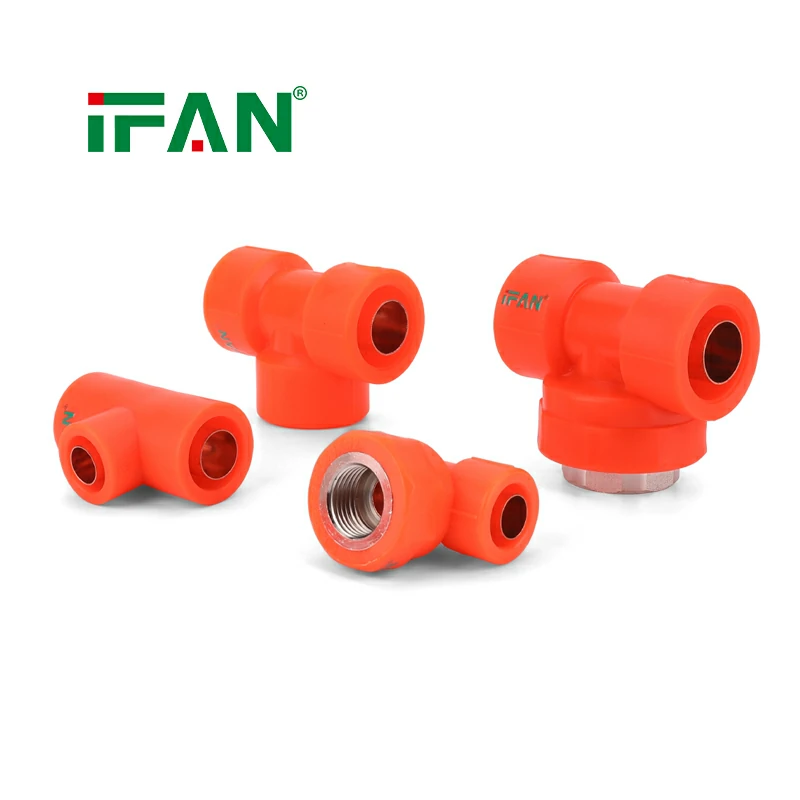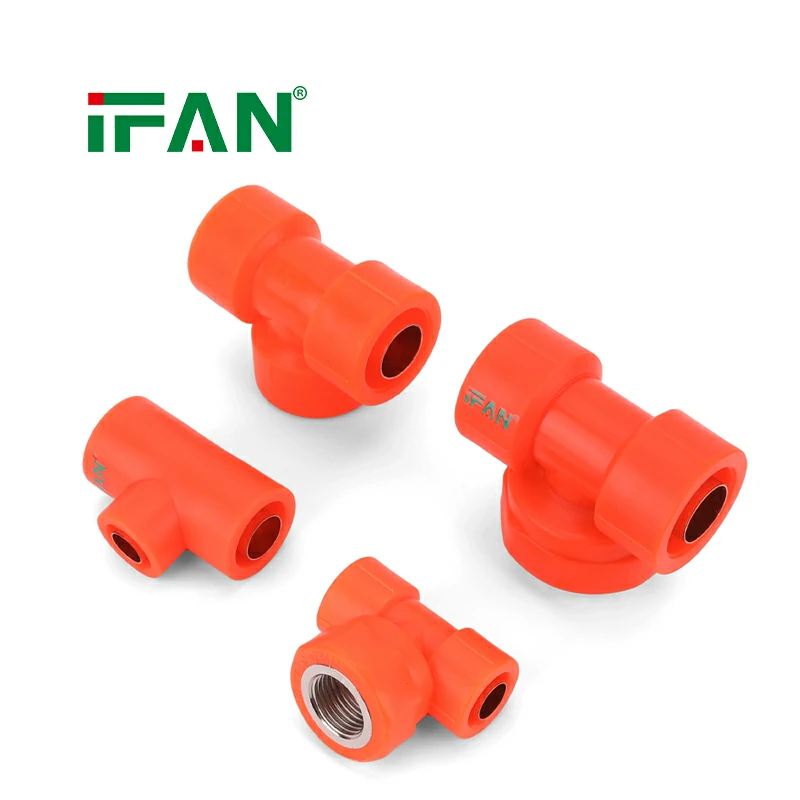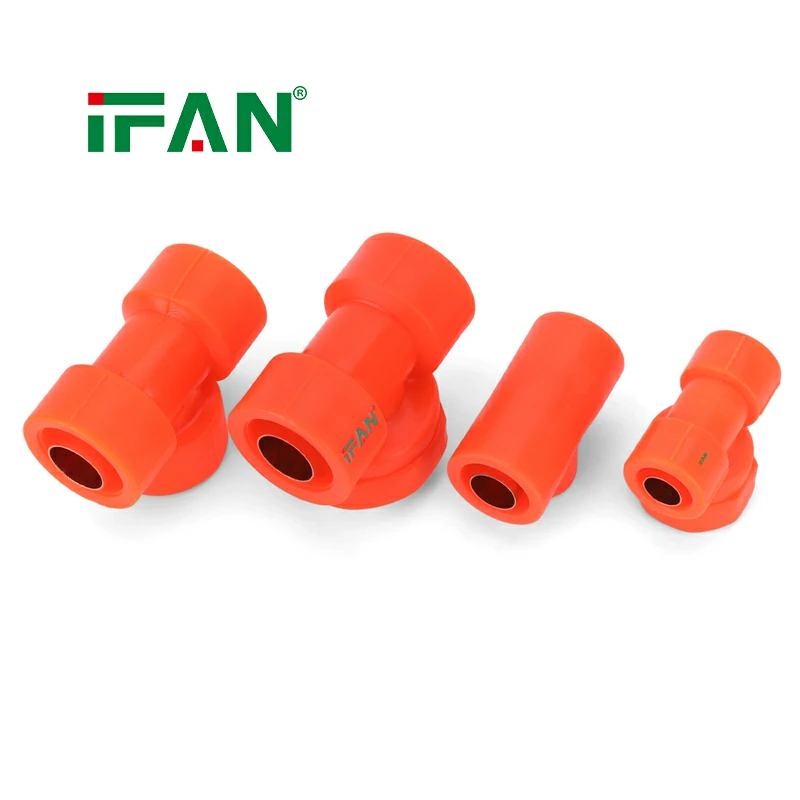


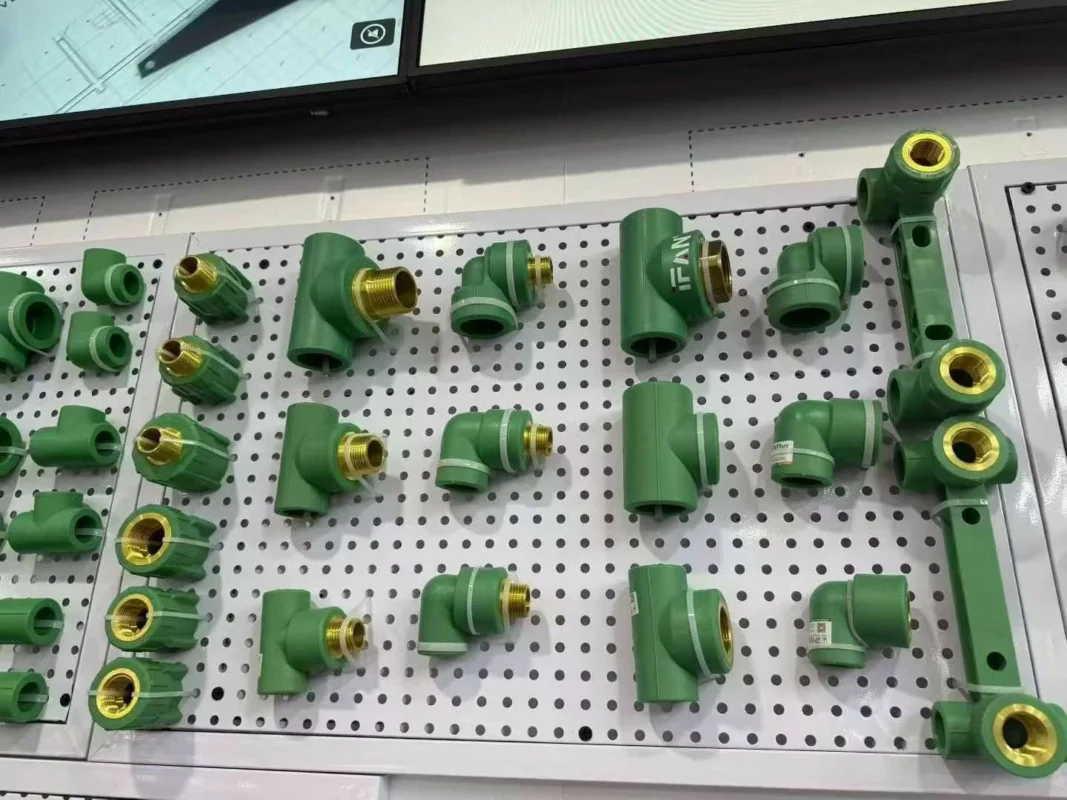
What are PPR Pipe Fittings?
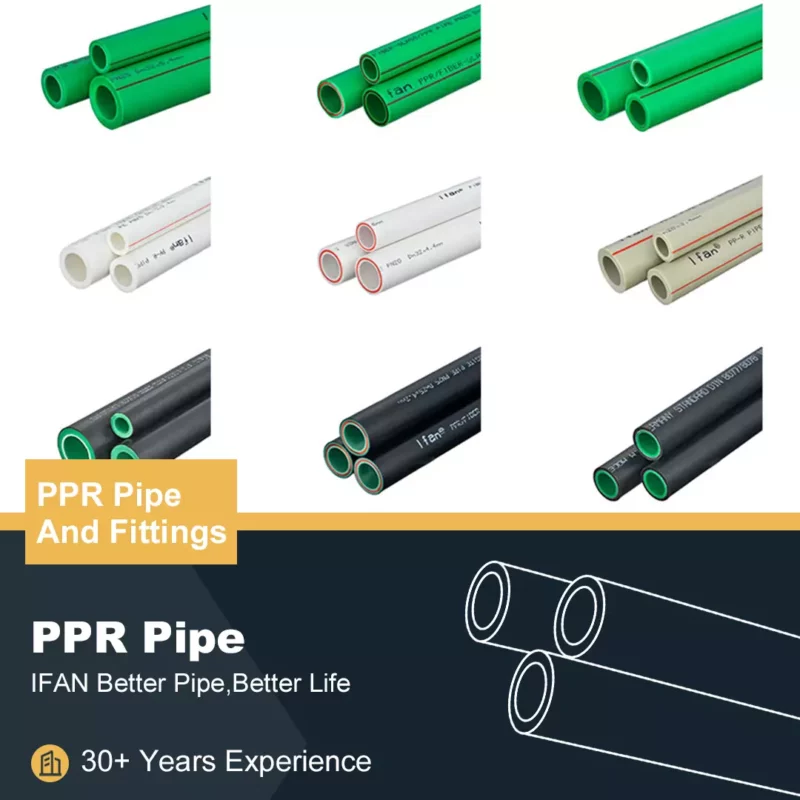
PPR stands for Polypropylene Random Copolymer. This is a thermoplastic material. It is used for hot and cold water systems. Pipes and fittings are made from this material. They connect to form a complete network. These systems are durable and corrosion-resistant. They are ideal for modern plumbing.
Key Advantages of PPR Systems
PPR fittings offer several major benefits. They are highly resistant to chemical corrosion. Scale buildup is minimal inside these pipes. They have excellent thermal insulation properties. This saves energy in hot water lines. Their smooth inner walls reduce flow resistance. This ensures consistent water pressure.
Primary Applications in Residential Plumbing
PPR systems are perfect for home use. They are commonly used for domestic water supply. This includes all hot and cold water lines. They are also used for radiant floor heating systems. Many homeowners choose them for bathroom installations. Kitchen water supply lines also use PPR. Their safety for potable water is a key factor.
Installation Techniques: The Heat Fusion Method
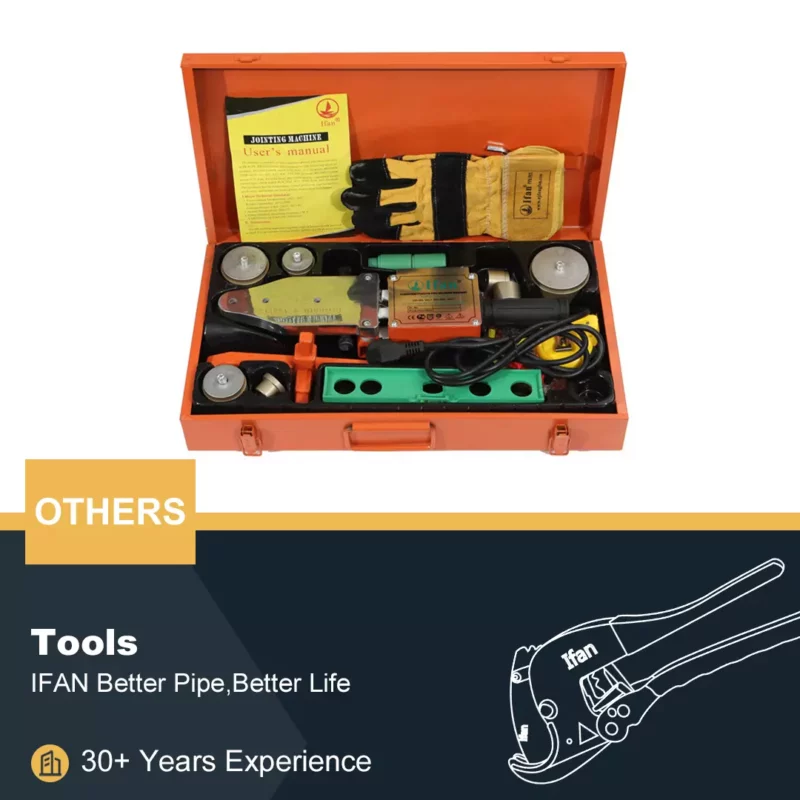
Installation requires a specialized tool. This is called a PPR welding machine. The pipe end and fitting socket are heated. They are melted slightly using this machine. Then they are joined together quickly. This creates a seamless, monolithic joint. The joint is actually stronger than the pipe itself. It prevents leaks permanently.
Selecting the Right Fitting Types
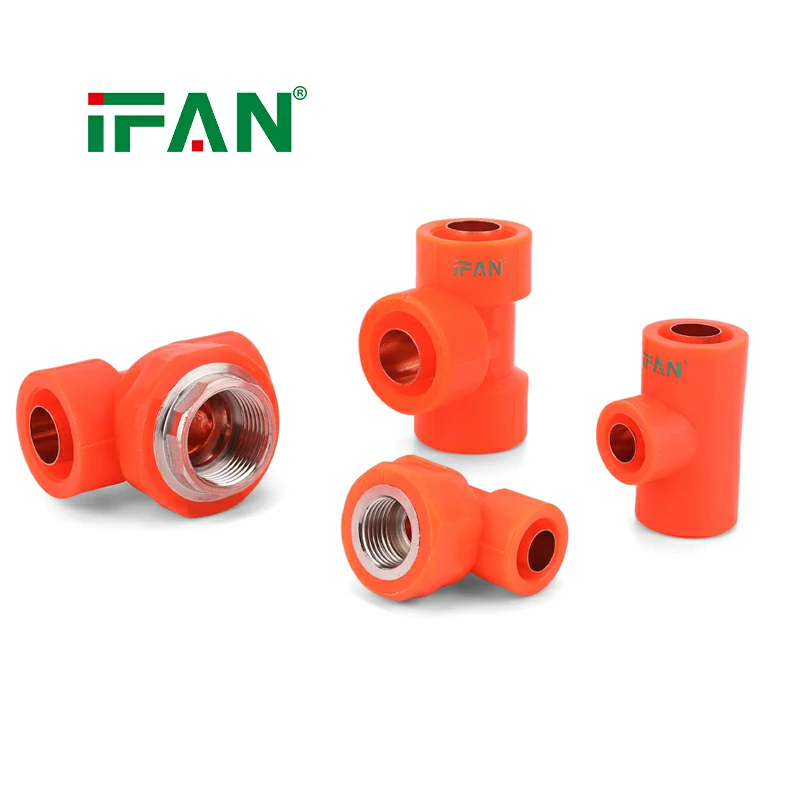
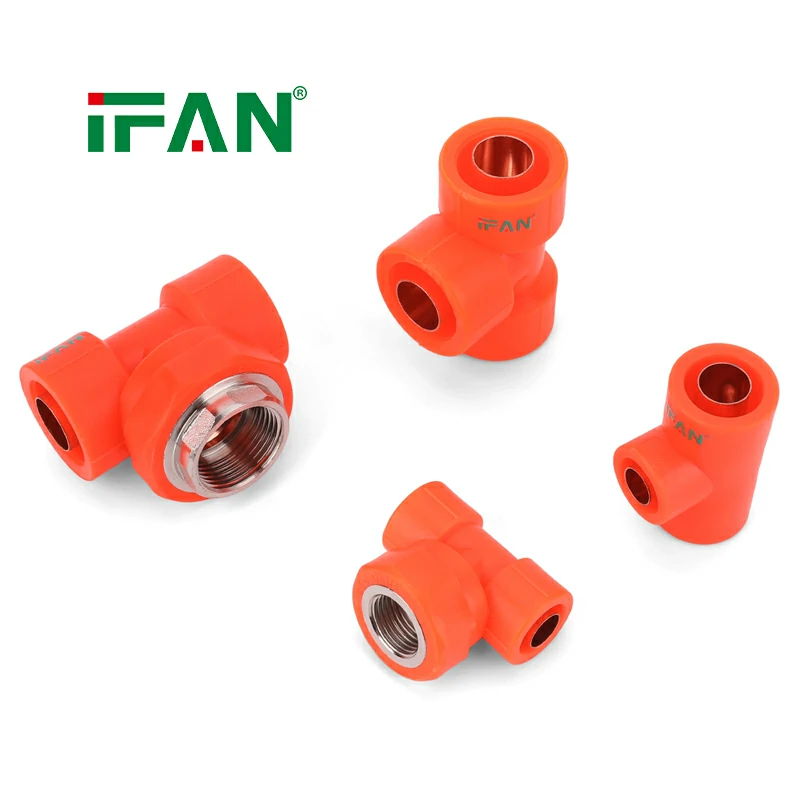
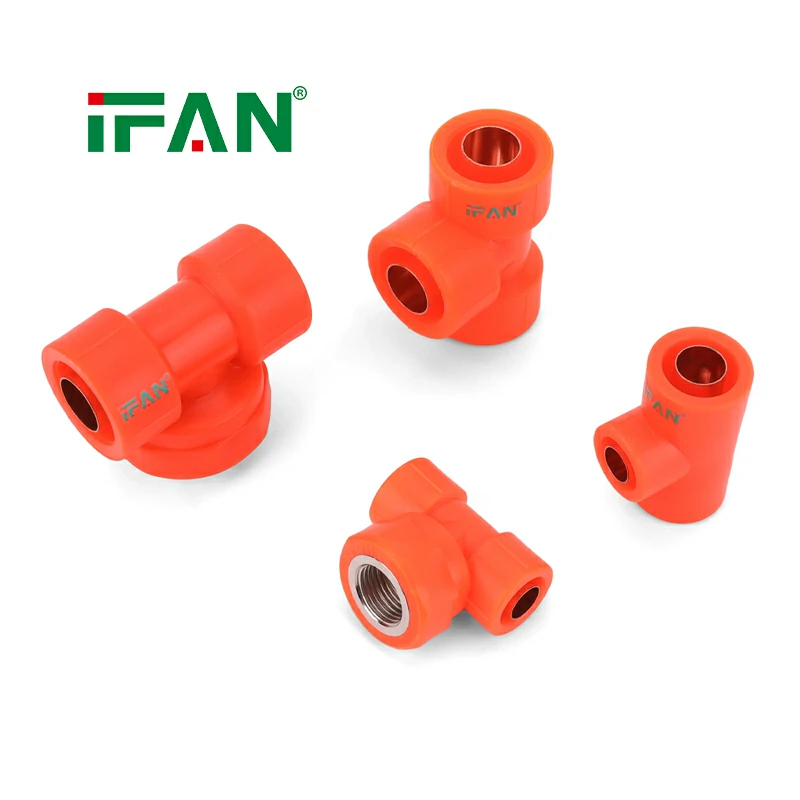
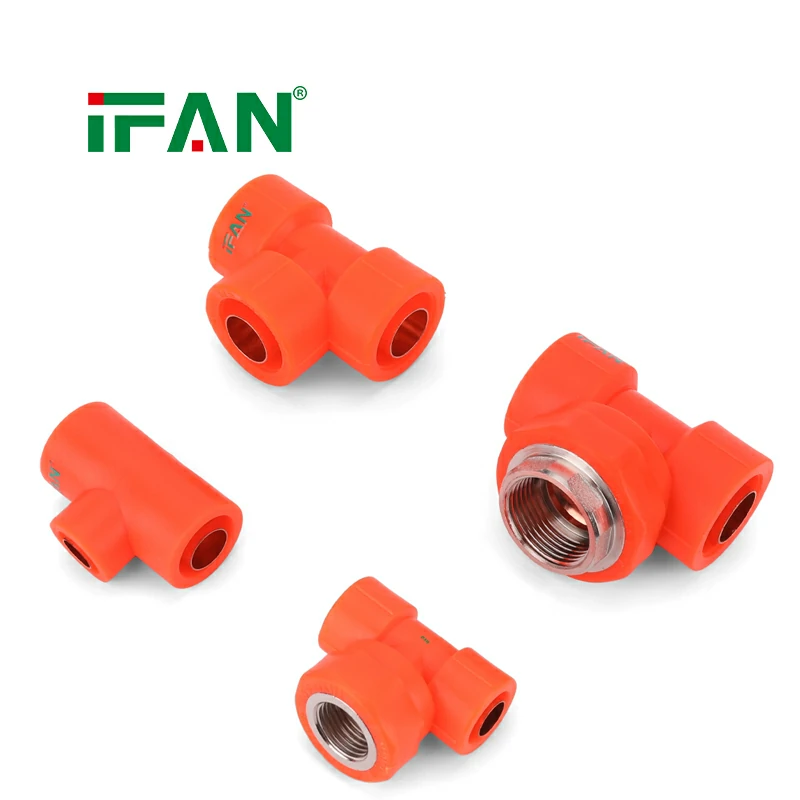
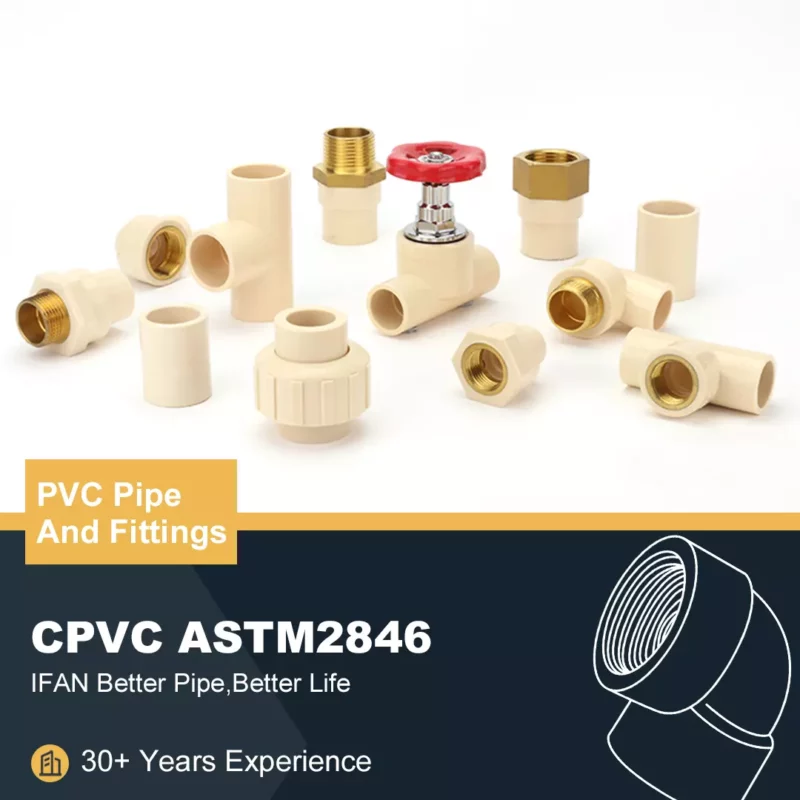
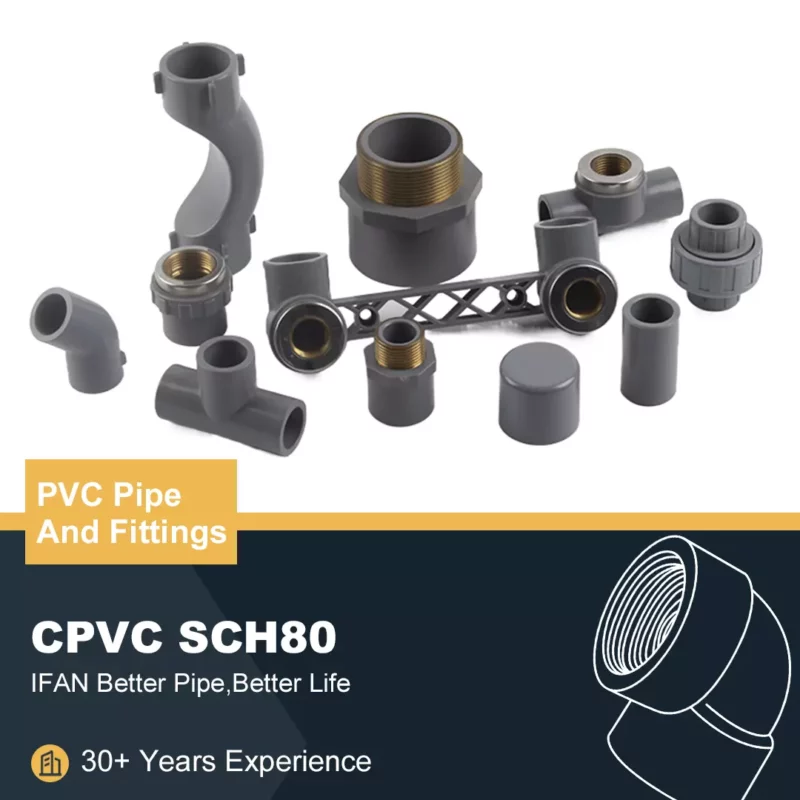
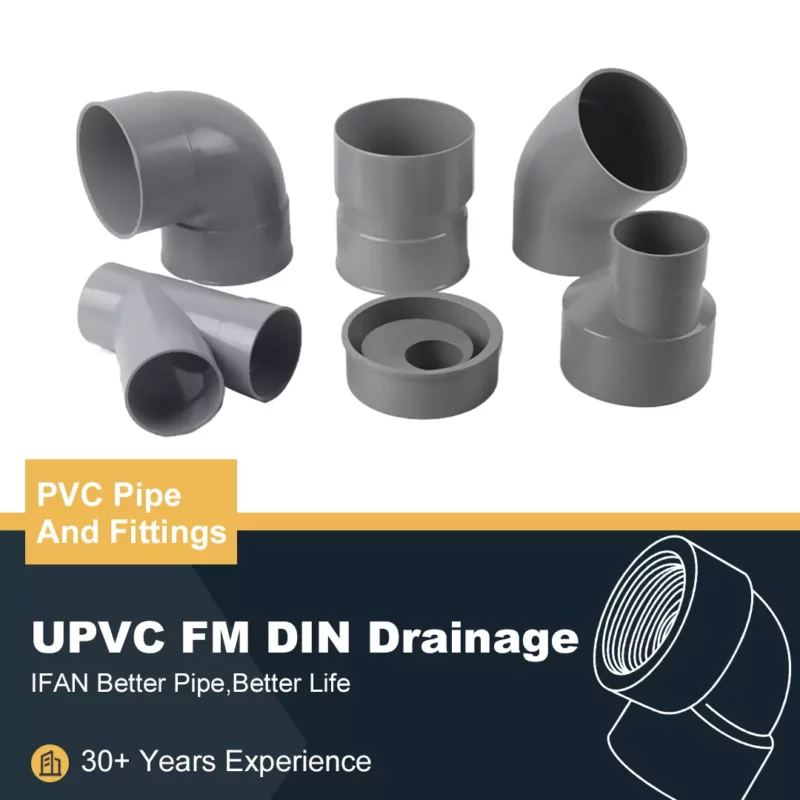
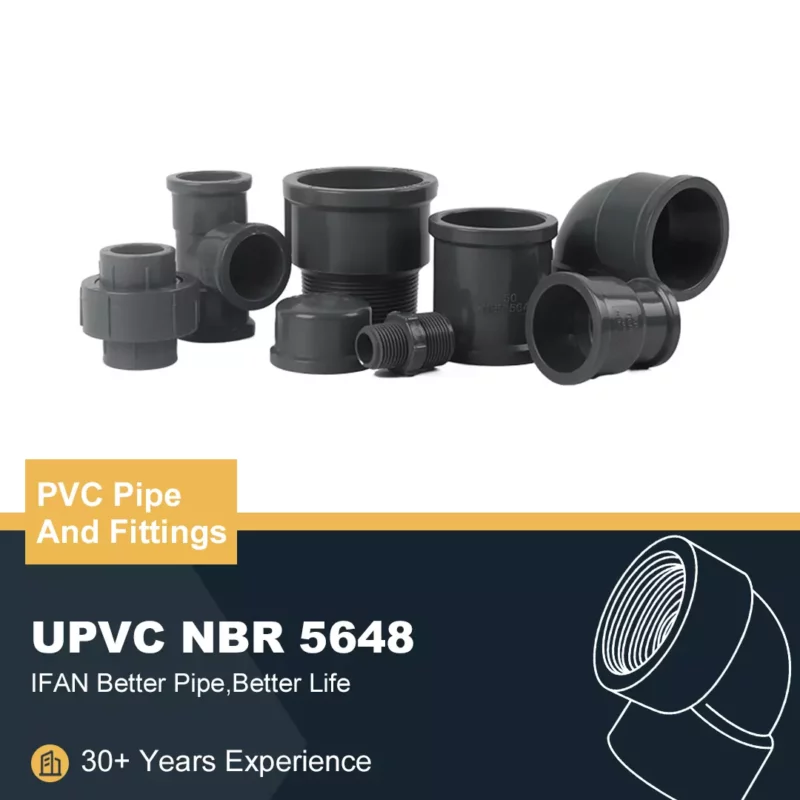
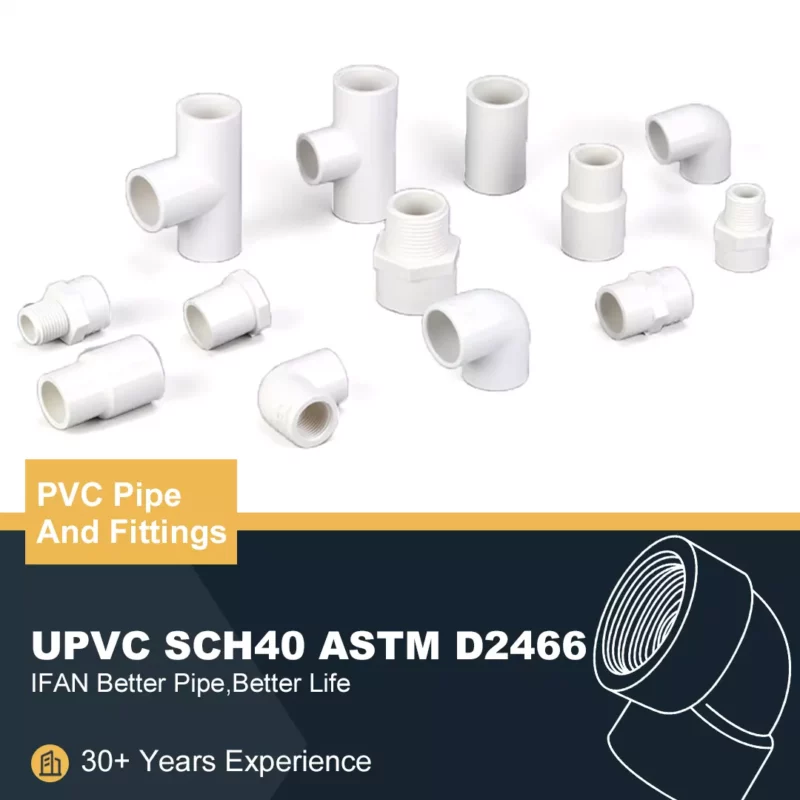
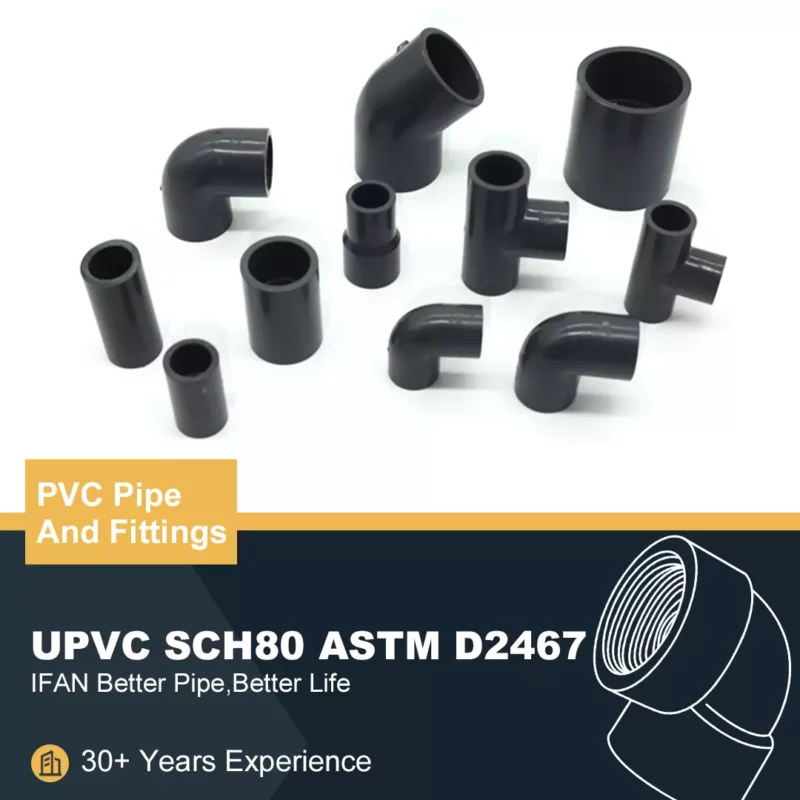
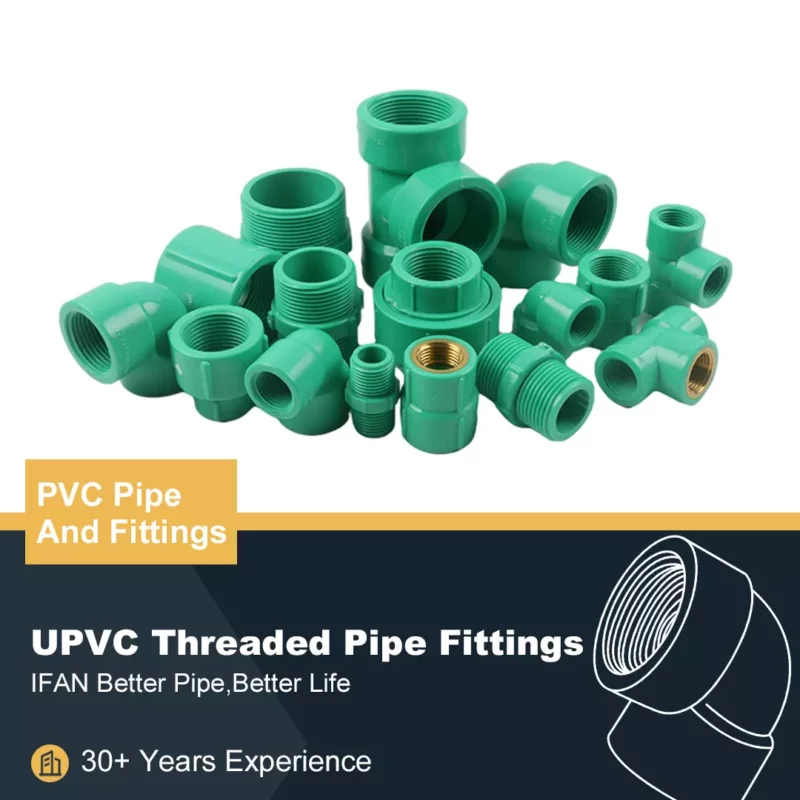
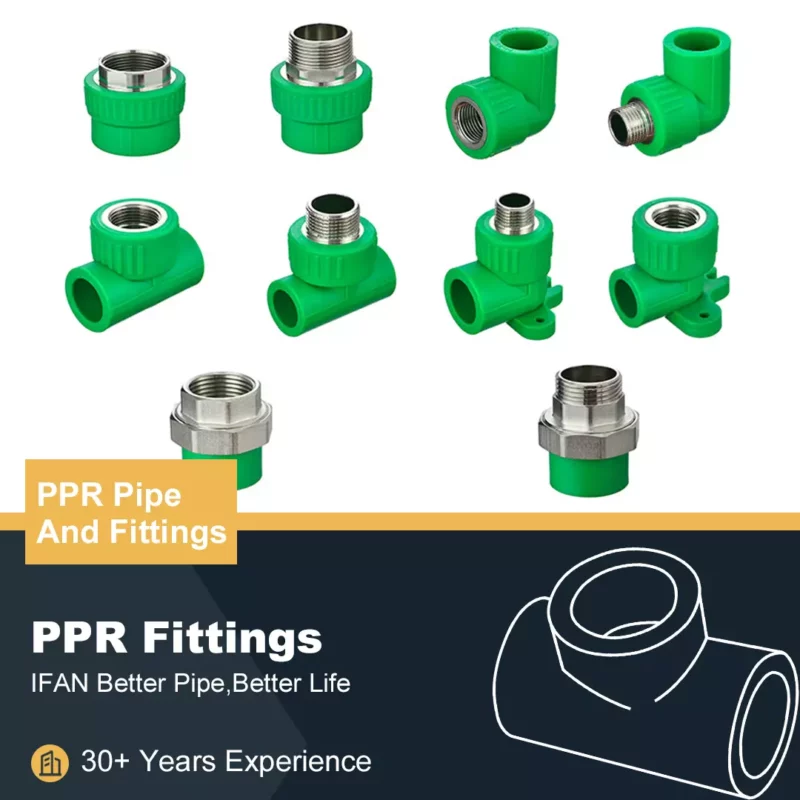
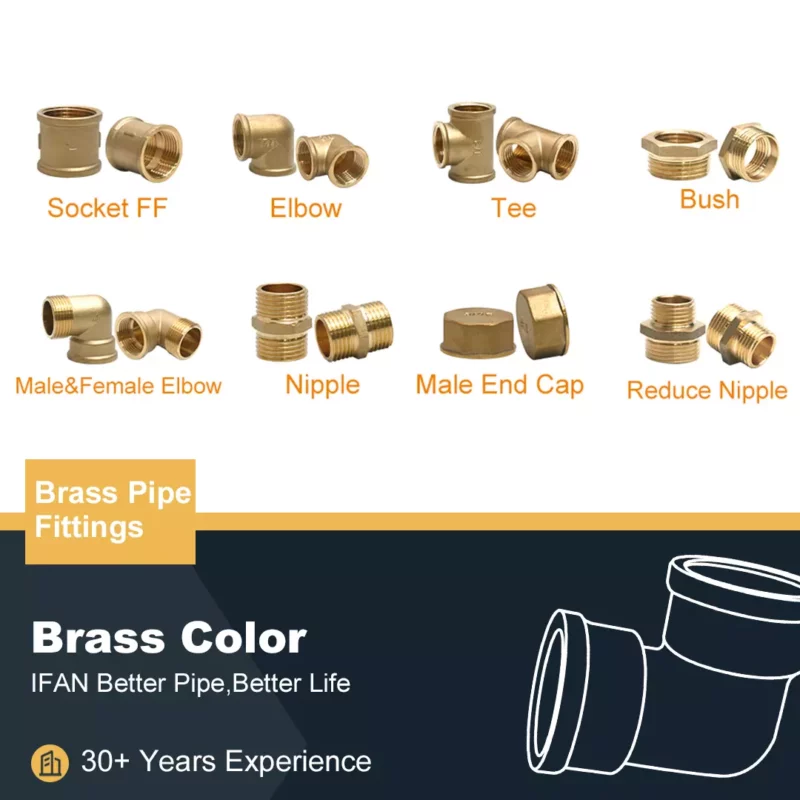
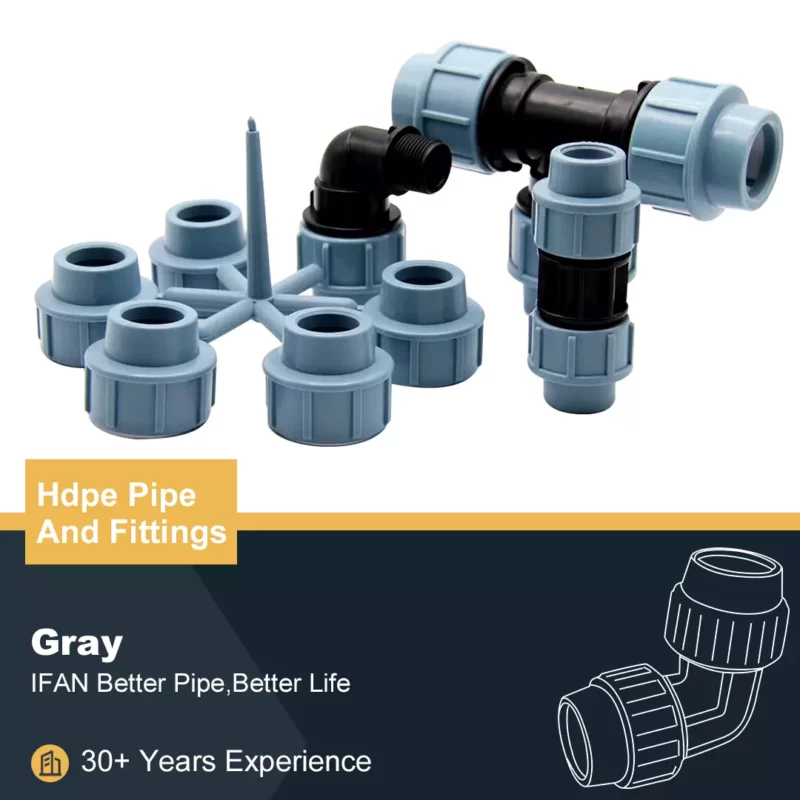
Understand different fitting shapes and purposes. Common types include elbows, tees, and couplings. Elbows change the direction of the pipe run. Tees are used to create branch lines. Couplings connect two straight pipe sections. Also consider reducers for different pipe sizes. Always plan your system layout first. Then make a list of all required fittings.
Pressure and Temperature Ratings
Always check the PN rating of the fittings. PN stands for Nominal Pressure. Common ratings are PN20 and PN25. PN20 handles temperatures up to 60°C long-term. PN25 can handle up to 95°C continuously. This is crucial for central heating systems. Never exceed the rated temperature. Matching pipe and fitting ratings is essential.
Maintenance and Longevity
PPR systems require very little maintenance. They do not corrode or rust over time. The material is also resistant to bacterial growth. There is no need for regular cleaning or sealing. The expected service life is over 50 years. This assumes correct installation and operation. They provide a true “install and forget” solution.
If you have read this article and have any questions, please feel free to contact IFAN. Below is our contact information:
Whatsapp:+86 13373827623
Email:[email protected]