

Comparison with Soldered Connections
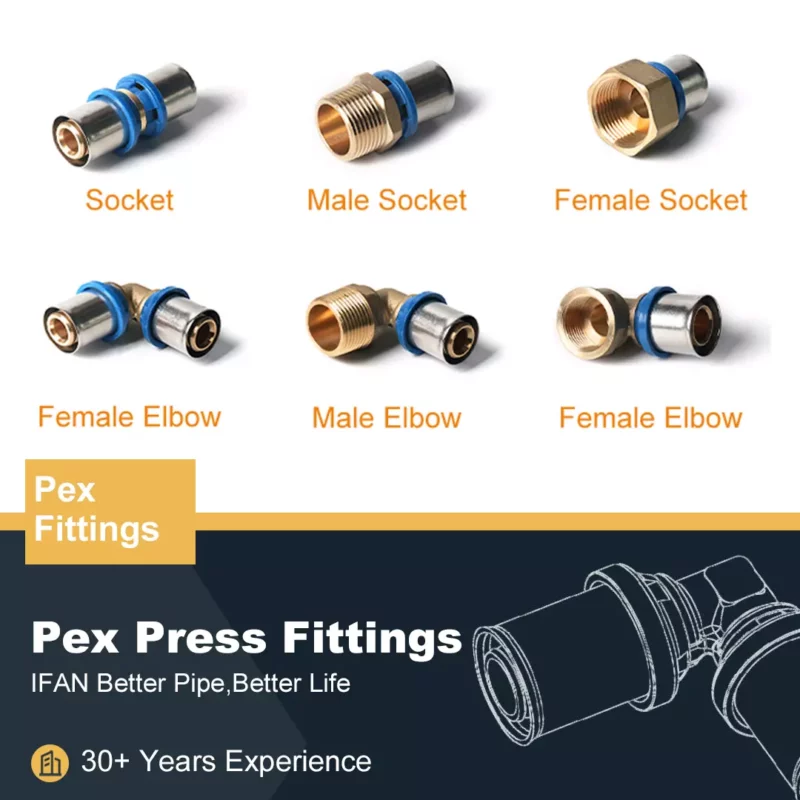
Soldering requires open flame and heat. It needs skilled labor and permits often. Press fittings need no flame or hot work. Installation is faster and cleaner. No fire risk exists during installation. Different skill sets are required.
Comparison with Threaded Connections
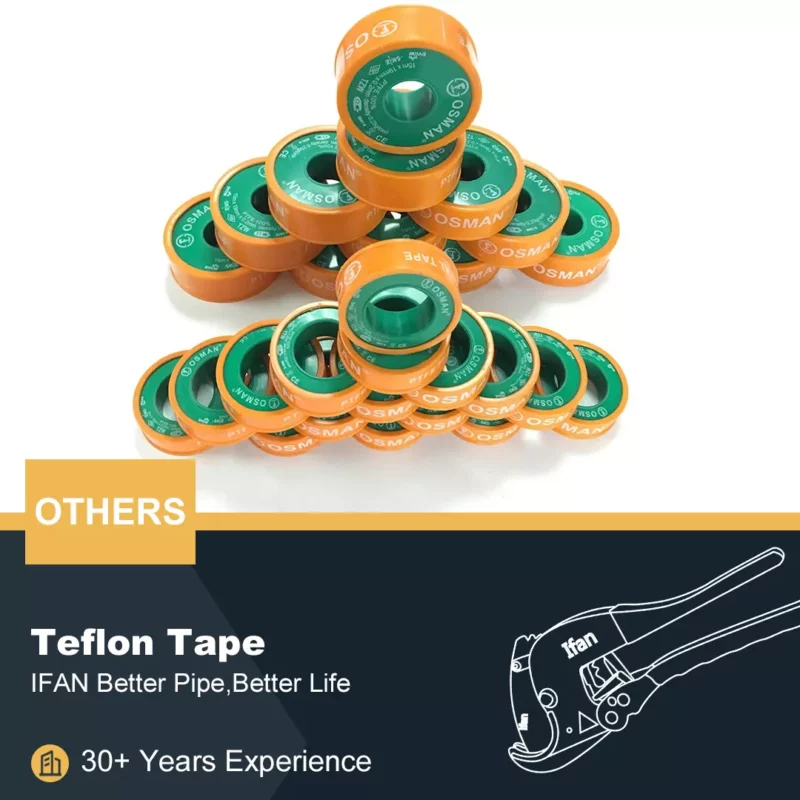
Threading requires precise cutting and sealing. It often needs pipe dope or tape. Press fittings eliminate threading steps. No sealant materials are required. The risk of over-tightening is removed. Installation is significantly faster.
Comparison with Compression Fittings
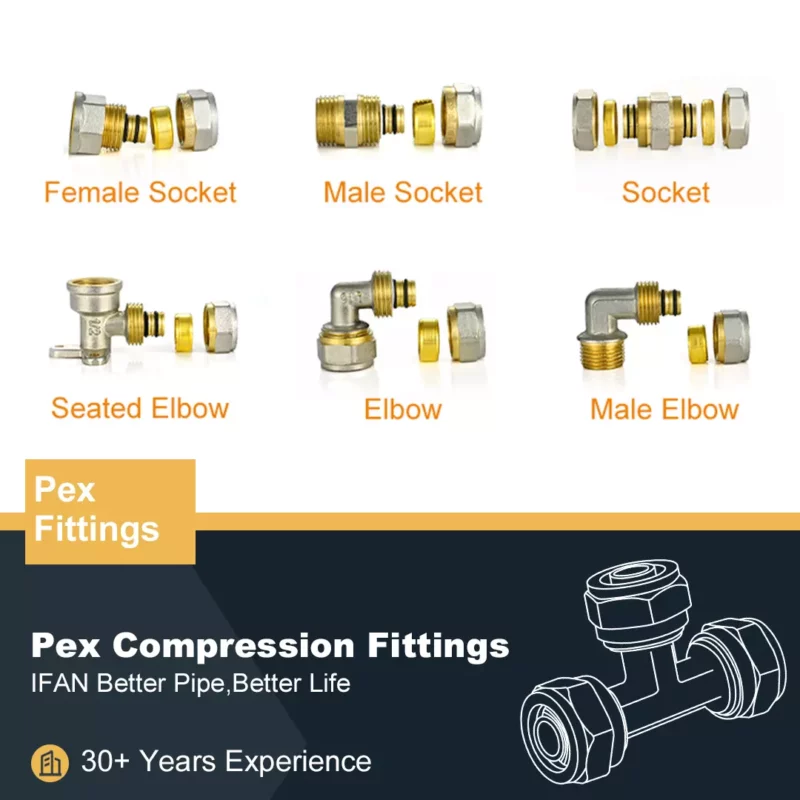
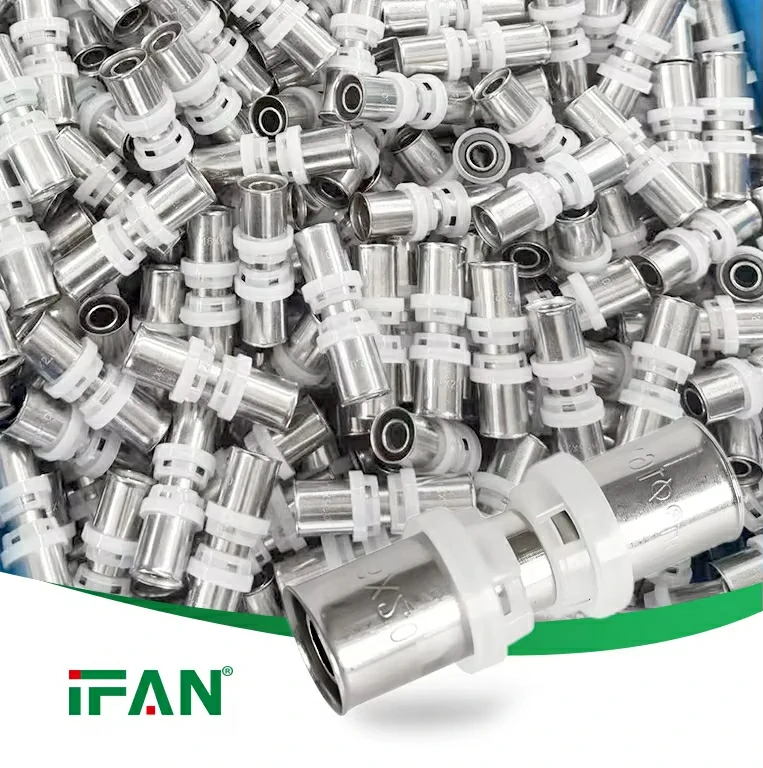
Compression fittings need two wrenches. They require proper tightening technique. Press fittings need a specialized tool. Compression fittings can be disassembled. Press fittings are generally permanent. Press offers more consistent results.
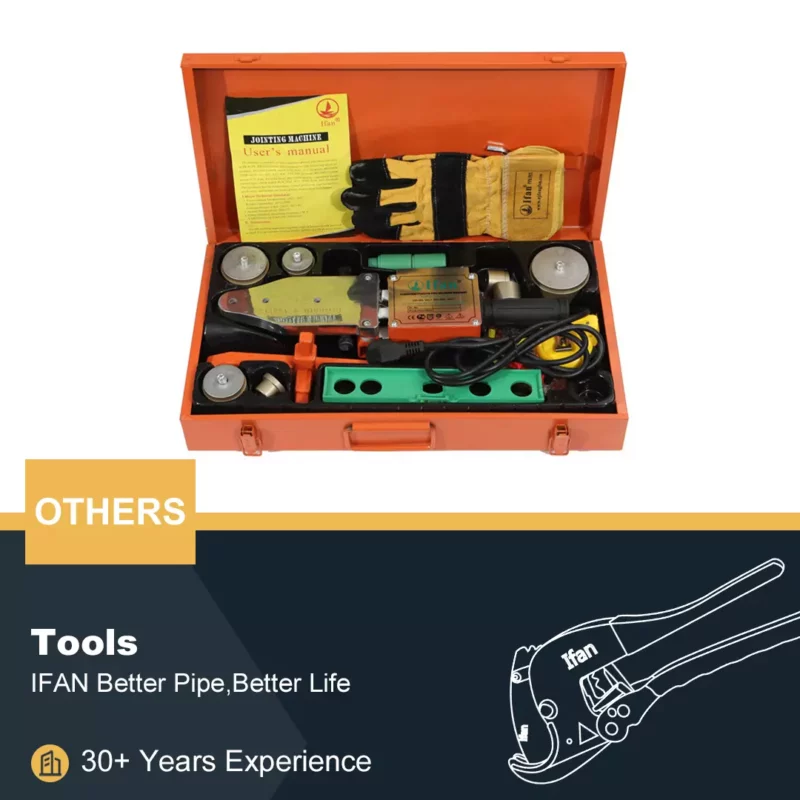
Tool Investment Analysis
Press tools have higher upfront cost. But they increase productivity dramatically. Traditional methods need cheaper tools. However, labor costs are usually higher. Calculate your project volume. Choose the most cost-effective method.
Installation Time Differences
Press connections take 10-15 seconds. Soldering takes several minutes per joint. Threading takes even longer typically. Compression fitting installation is moderate. Time savings add up on large projects. This affects project scheduling significantly.
Joint Reliability and Testing
All methods can be reliable. Press connections offer consistent quality. The tool controls the compression force. Human skill variation is minimized. All joints should be pressure tested. Follow standard testing procedures.
Space and Access Requirements
Soldering needs good ventilation. Threading needs swing space for tools. Press tools need some clearance space. Compact tools exist for tight spaces. Evaluate your working conditions. Choose the most suitable method.
Material and Application Suitability
Press fittings work on multiple materials. Traditional methods often suit specific types. Some older systems need traditional methods. New construction favors press technology. Consider the existing system. Match the method to the application.
Code Approval and Acceptance
Press systems are widely code-approved. Local codes may have specific restrictions. Traditional methods are universally accepted. Check with your local authority. Obtain necessary approvals. Follow all regulatory requirements.
Training and Skill Development
Soldering requires practice and skill. Threading needs technical knowledge. Press system operation is easier to learn. Manufacturer training is available. Proper training ensures good results. Invest in education for your team.
Long-Term Performance Factors
All methods offer long service life. Installation quality affects longevity. Press systems resist vibration well. They handle thermal expansion effectively. Choose quality components. Follow best installation practices.
Making the Right Choice
Consider your project size first. Evaluate your available tool budget. Assess installer skill levels. Review access and space limitations. Check local code requirements. Often a hybrid approach is best.
If you have read this article and have any questions, please feel free to contact IFAN. Below is our contact information:
Whatsapp:+86 13373827623
Email:[email protected]