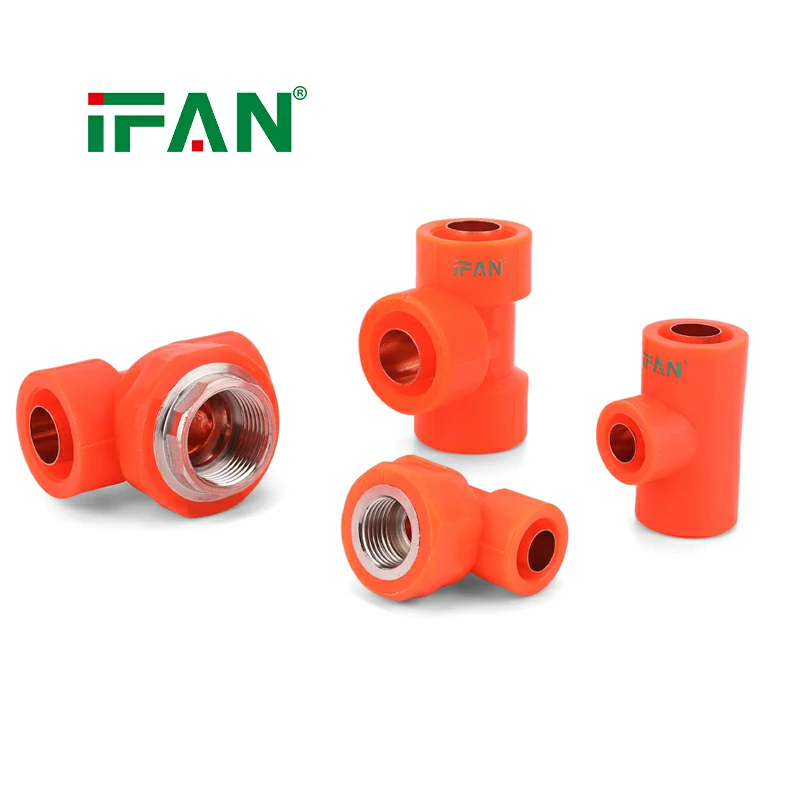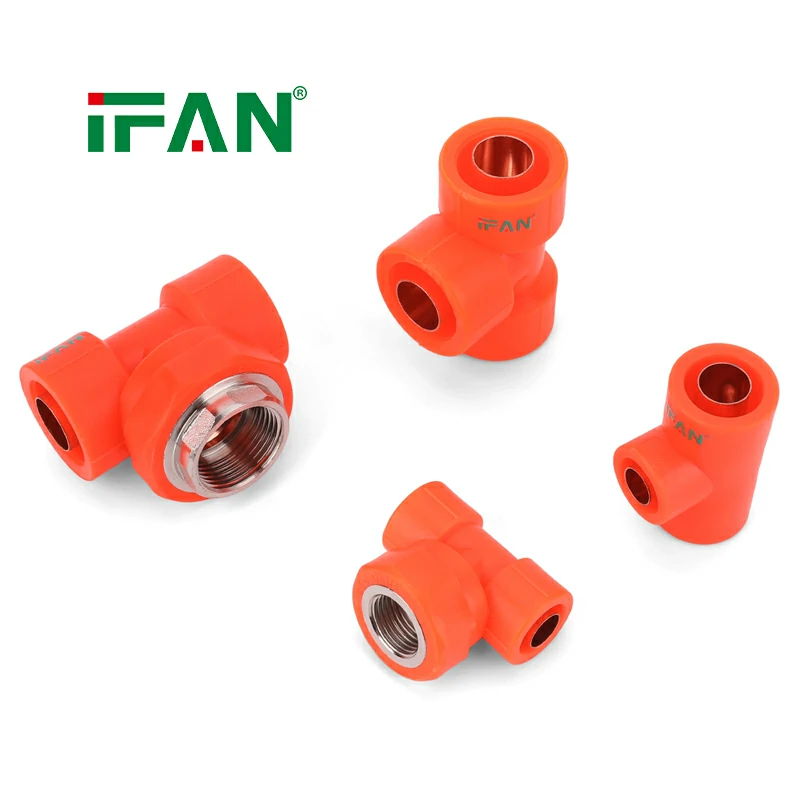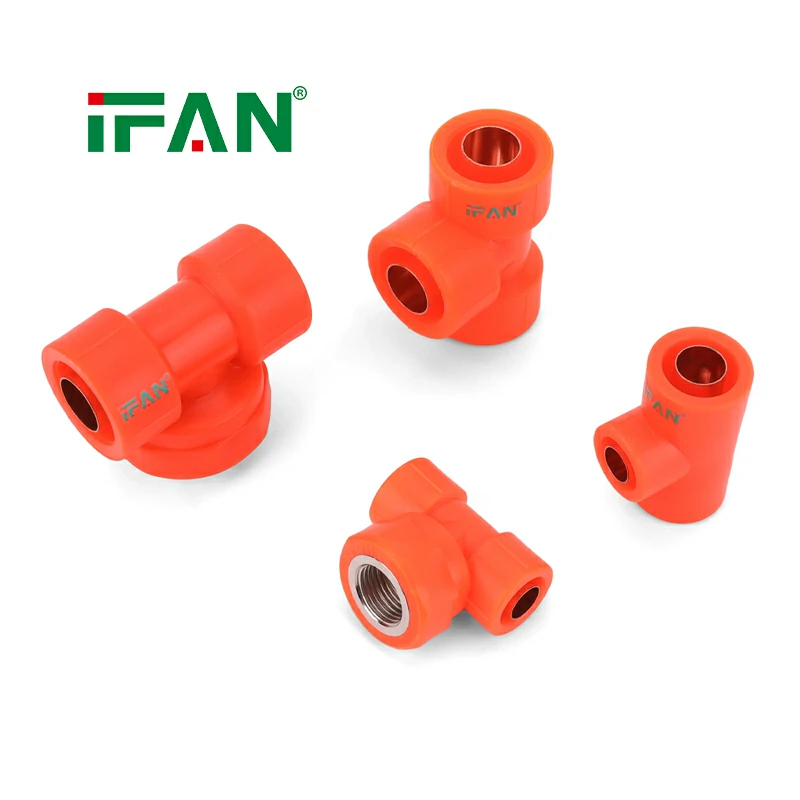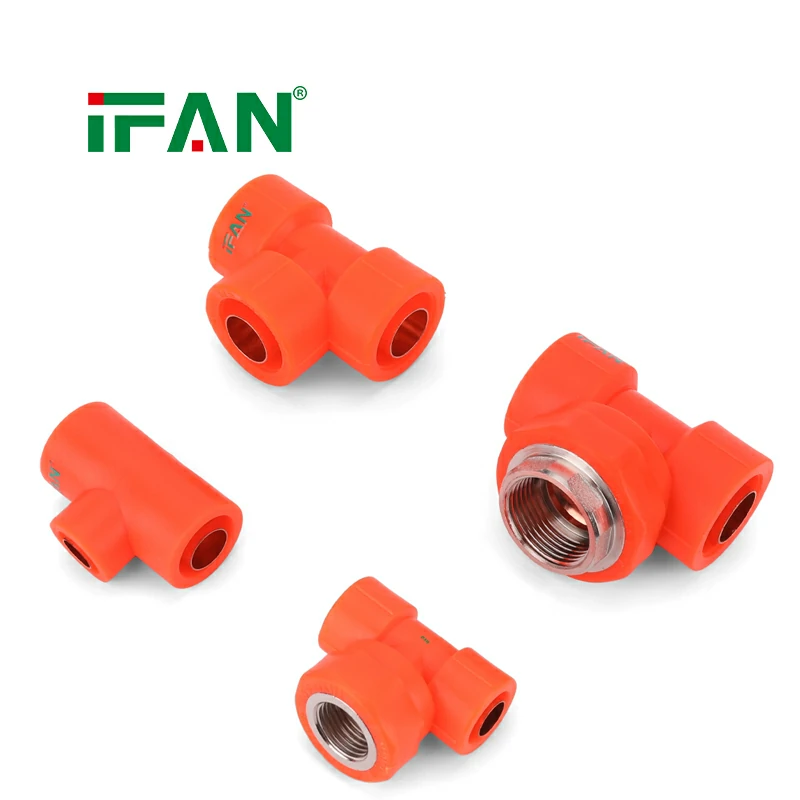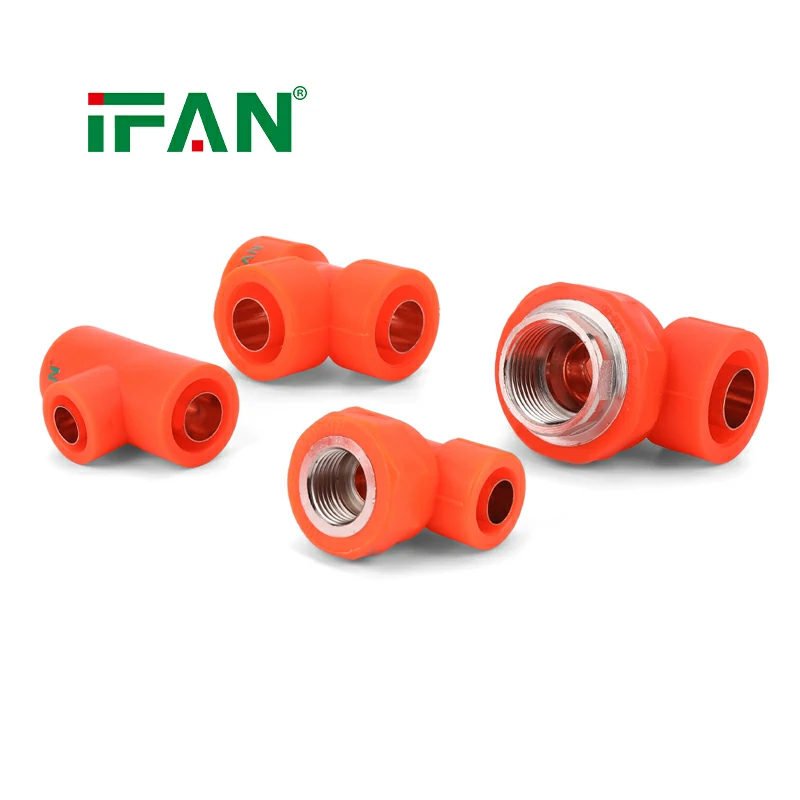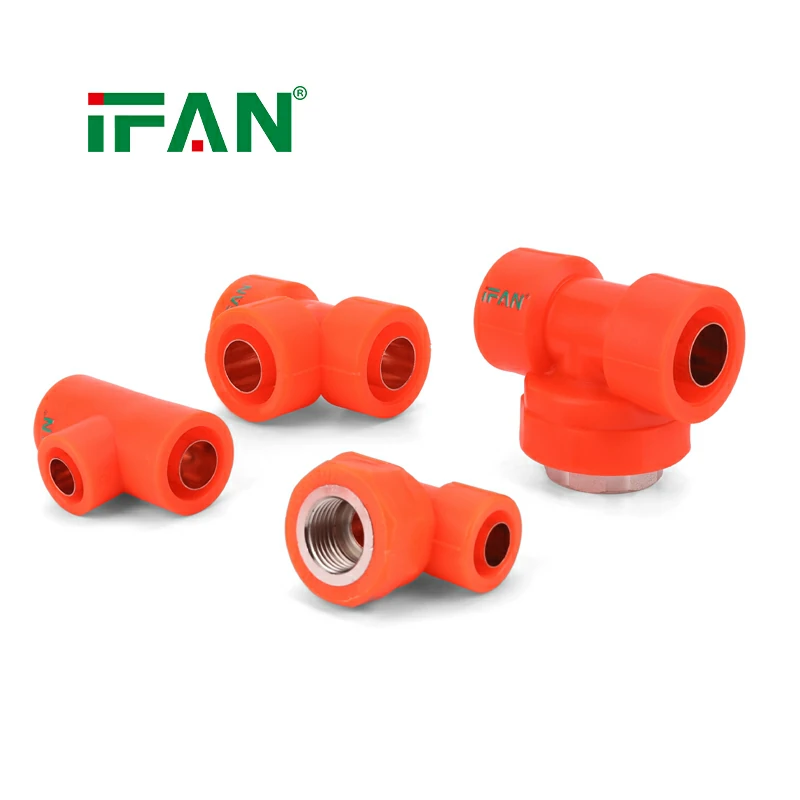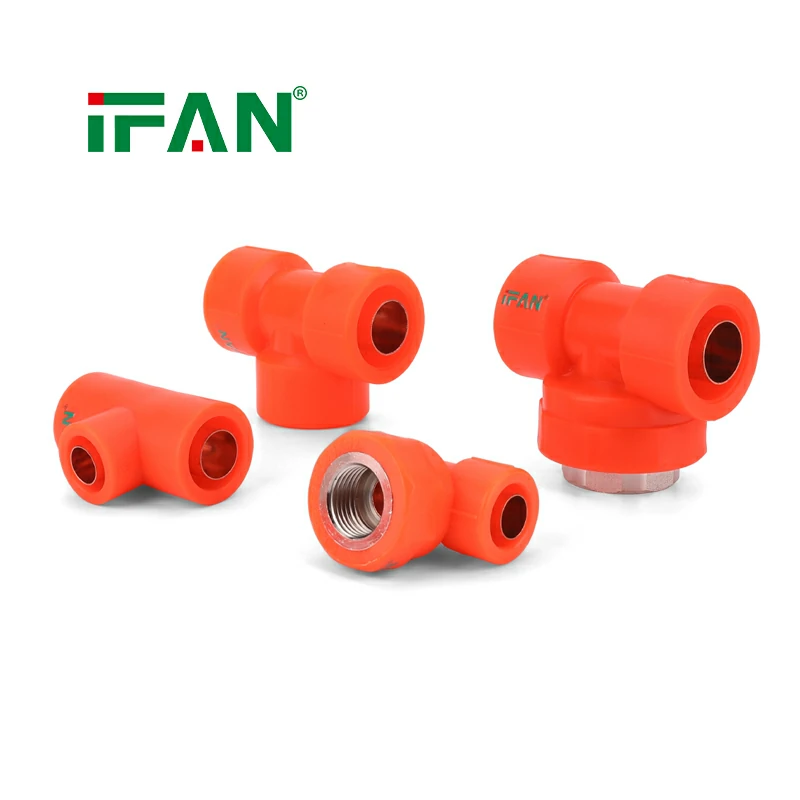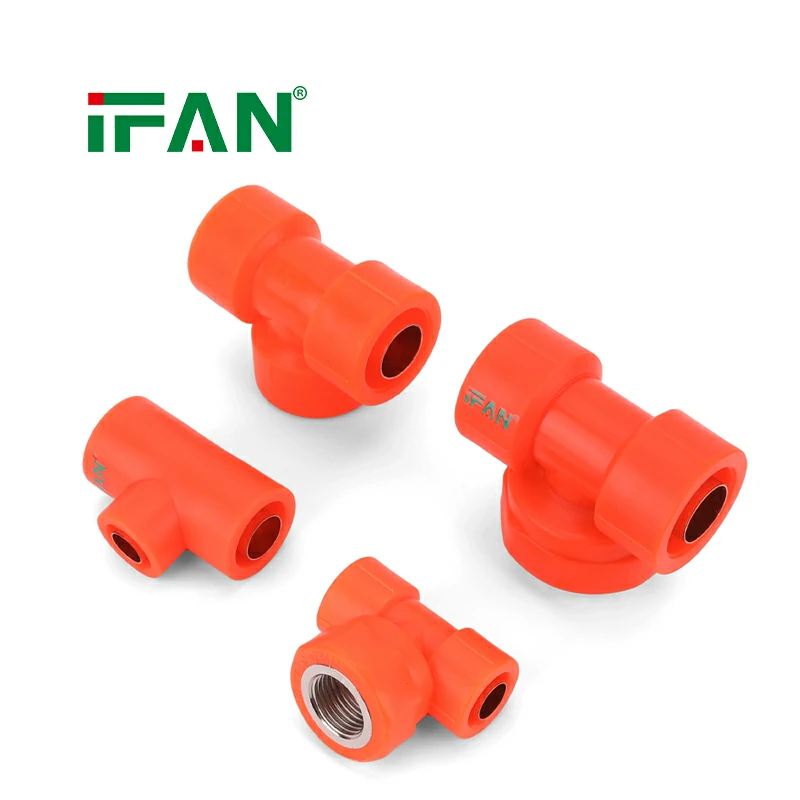
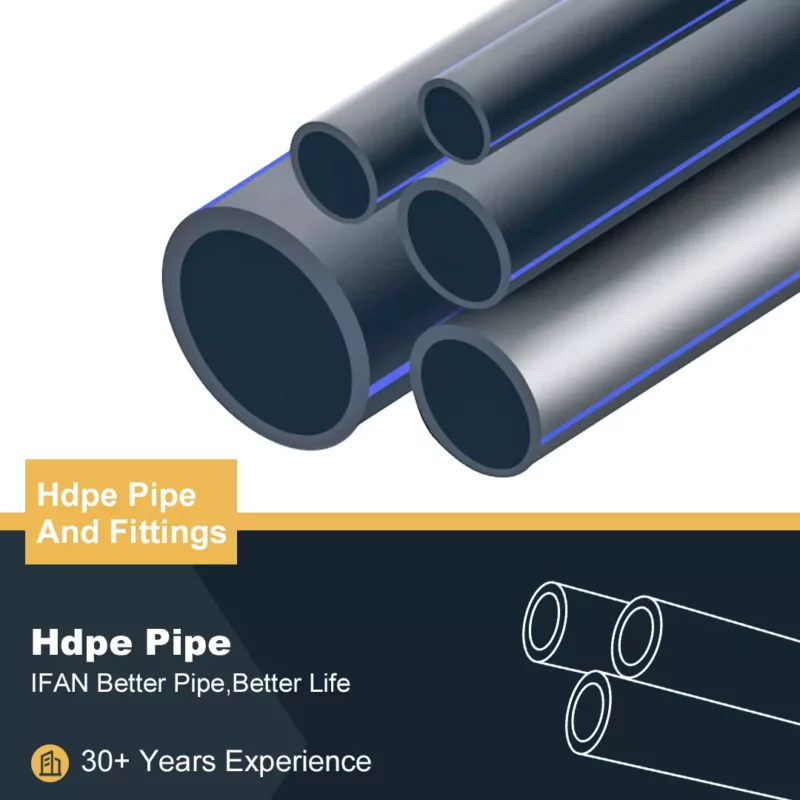
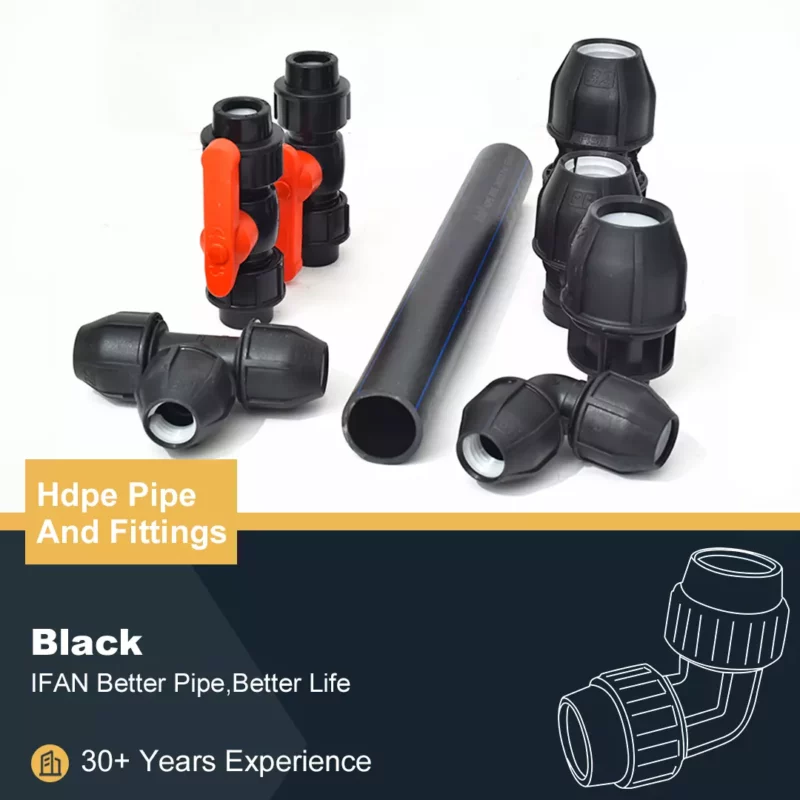
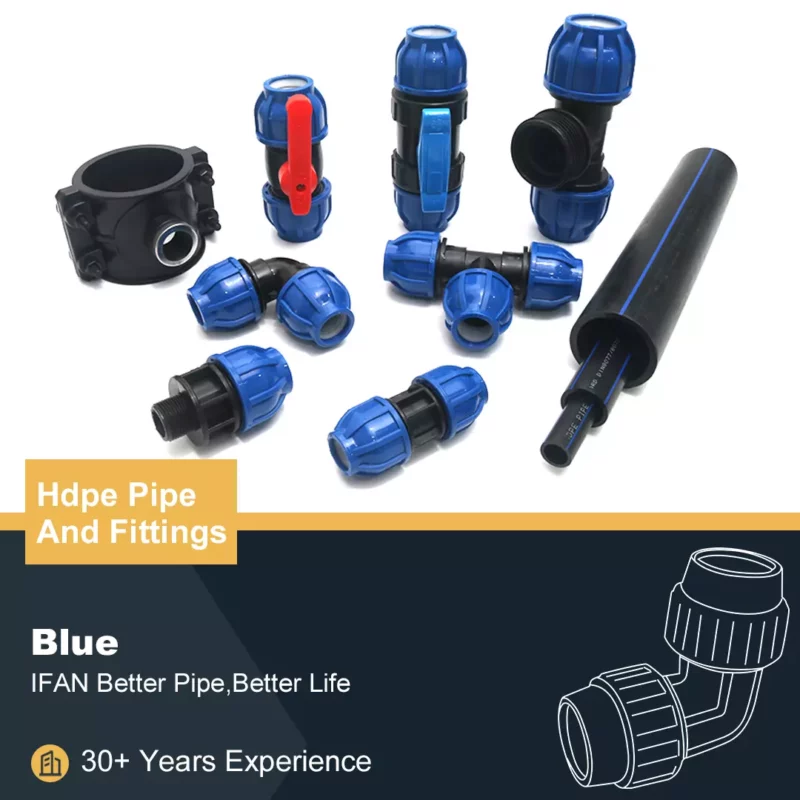
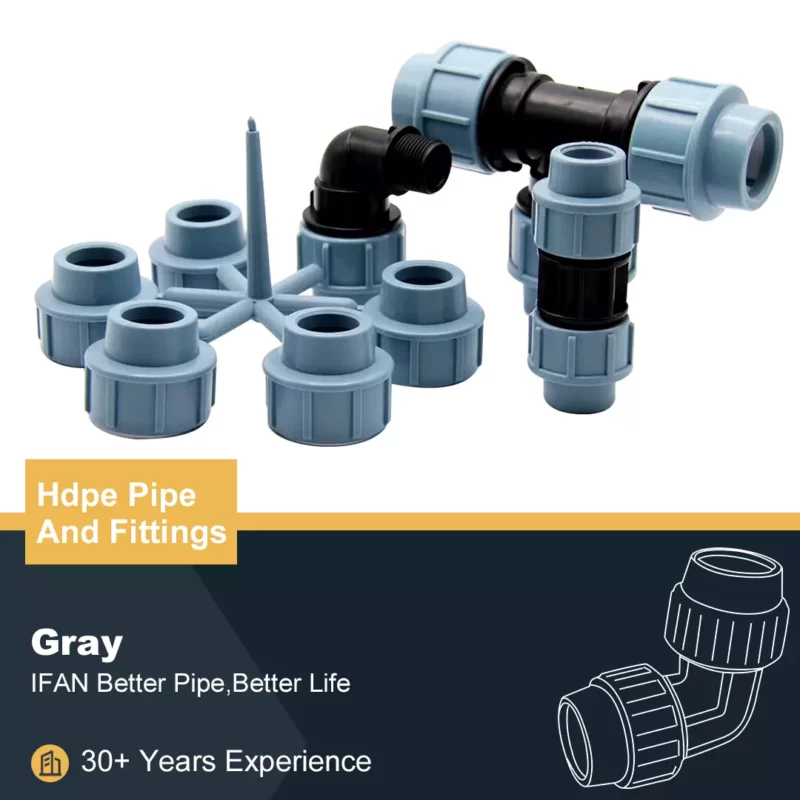



What Are PPR Pipe Fittings
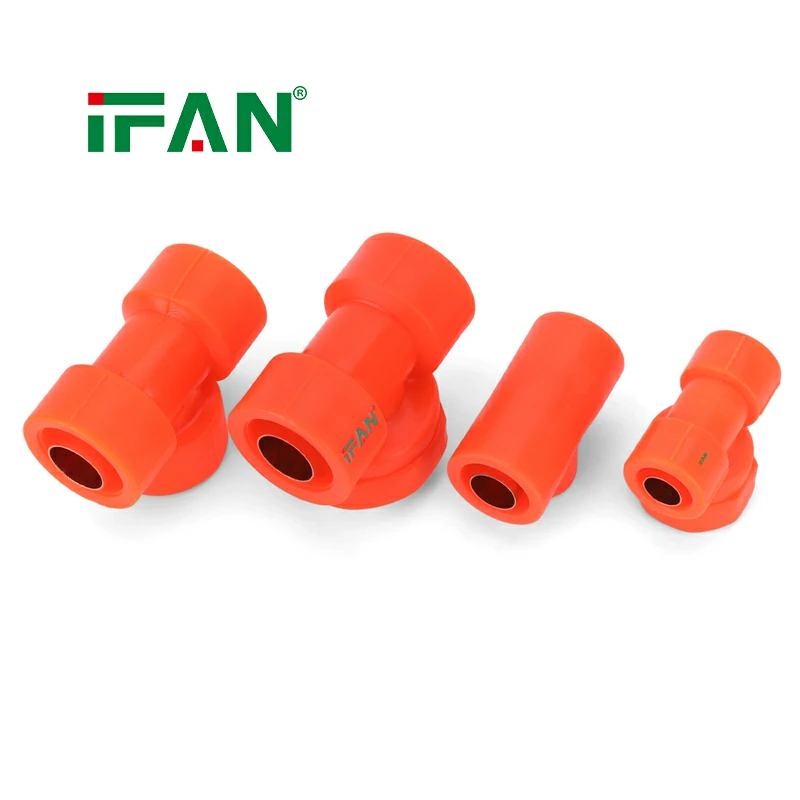
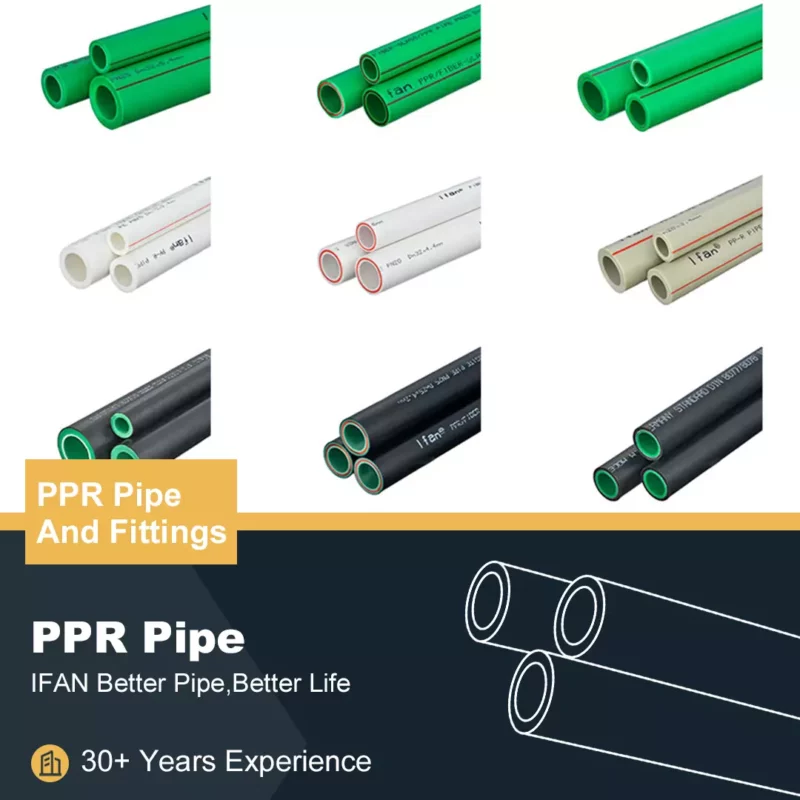
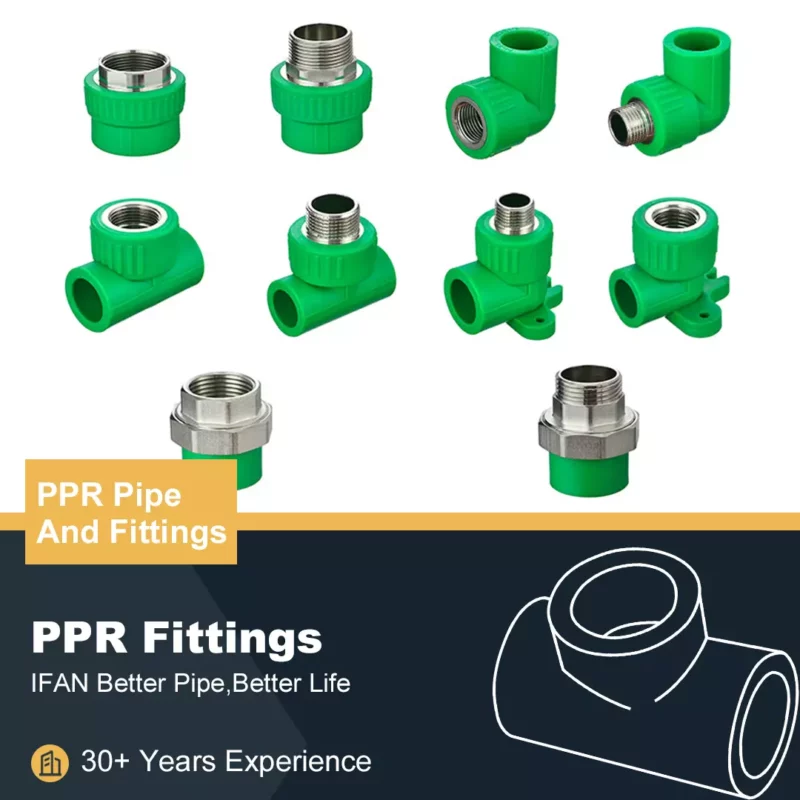
PPR pipe fittings connect polypropylene random pipes in plumbing systems.
They create strong, leak-free joints for water transportation.
These fittings work with heat fusion welding technology.
Core Material Structure
PPR fittings use polypropylene random copolymer resin.
This material offers high temperature resistance and chemical stability.
The inner surface stays smooth during long-term water flow.
Common Application Scenarios
PPR fittings are widely used in residential water supply systems.
They also serve commercial buildings and industrial water networks.
Hot water and cold water systems both use these fittings.
Temperature Resistance Performance
PPR fittings operate safely up to 95 degrees Celsius.
They handle short-term temperature spikes without deformation.
This feature suits hot water circulation systems.
Pressure Handling Capability
Standard PPR fittings support high internal pressure ratings.
They maintain strength under continuous water pressure.
This ensures safe operation in multi-floor buildings.
Leak Prevention Design
Heat fusion creates a unified joint between pipe and fitting.
No gaps exist after proper welding.
This prevents water leakage during long-term use.
Inner Surface Advantages
The inner wall remains smooth after installation.
This reduces water resistance and pressure loss.
Scale buildup becomes less likely over time.
Hygiene and Safety Features
PPR material is non-toxic and odorless.
It meets drinking water safety standards.
Water quality stays clean throughout the pipeline.
Installation Tool Requirements
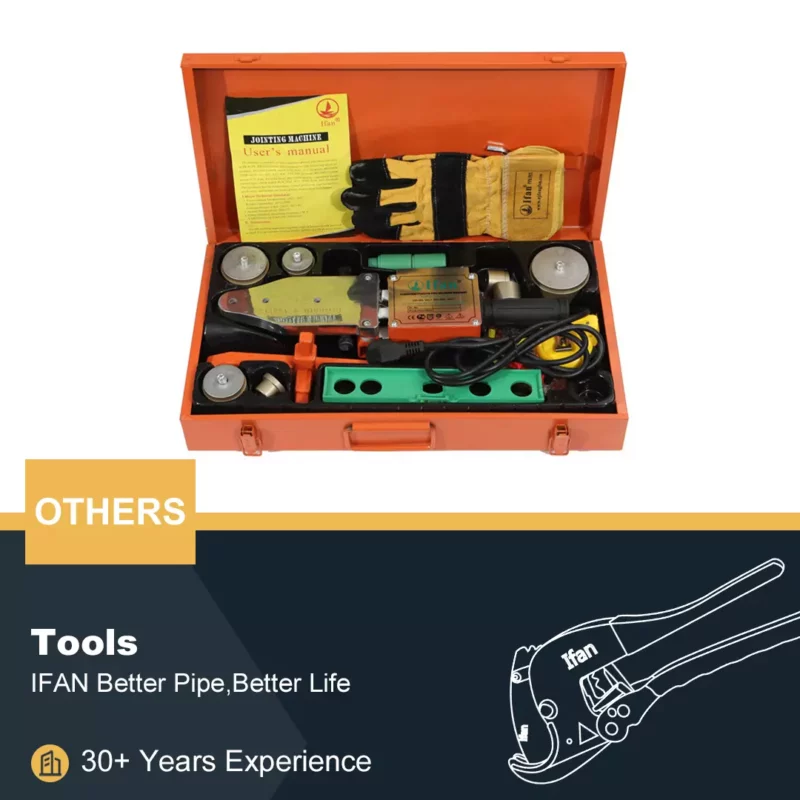
Installers need a dedicated PPR welding machine.
Correct temperature control ensures joint quality.
Cutting tools must create flat pipe ends.
Welding Technique Tips
Heat the pipe and fitting simultaneously.
Insert them quickly without rotation.
Hold until the joint cools naturally.
Common Sizes Available
PPR fittings come in sizes from 20mm to 110mm.
Each size matches standard PPR pipe dimensions.
Correct sizing ensures proper system performance.
Typical Fitting Types
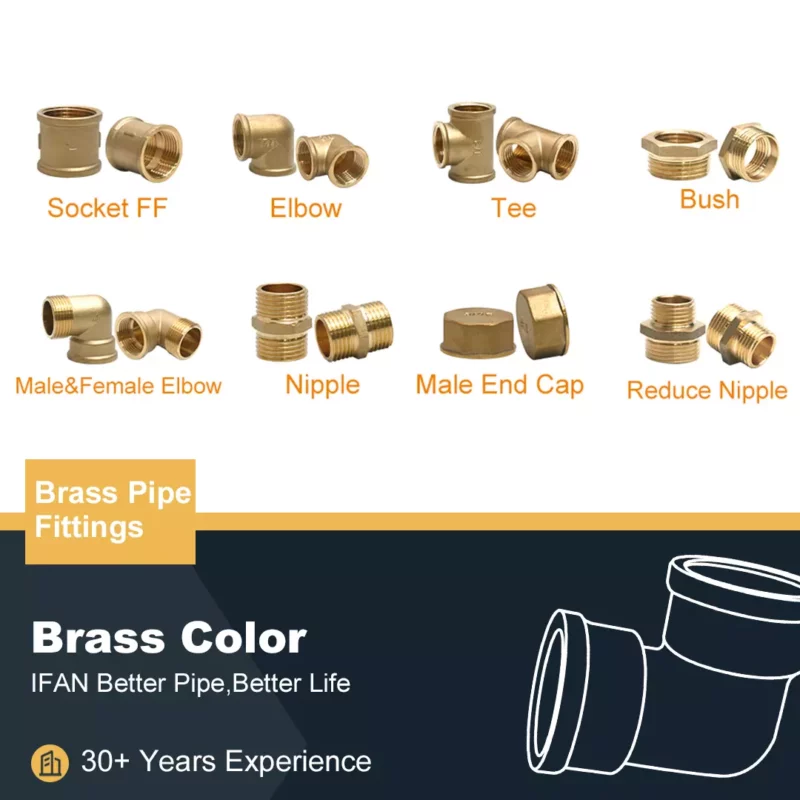
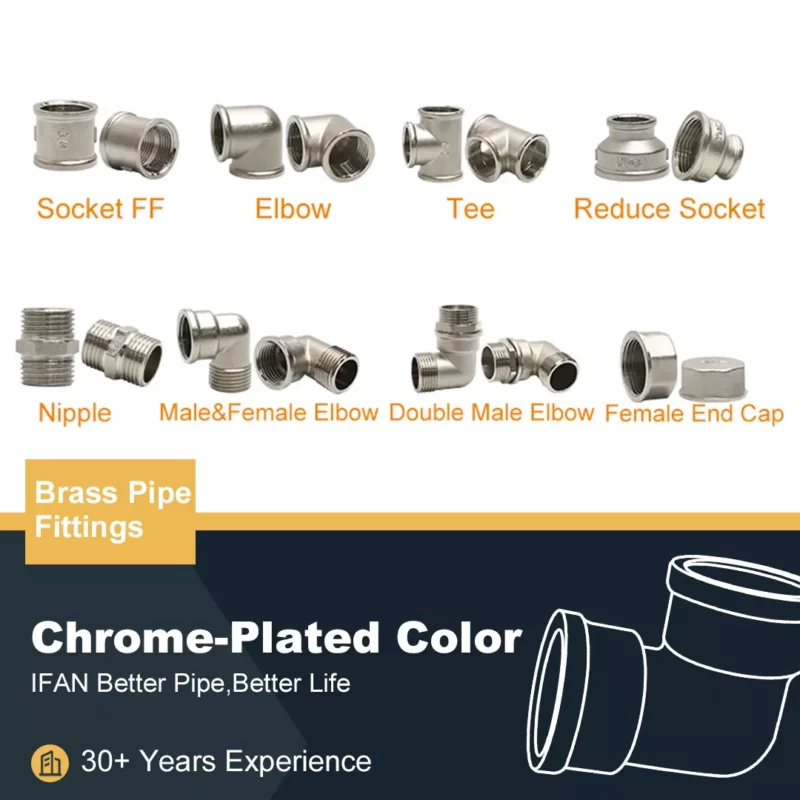
Common types include elbows, tees, couplings, and reducers.
Each type serves specific connection needs.
Choosing correct types simplifies pipeline layout.
Resistance to Corrosion
PPR fittings never rust or corrode.
They resist most acids and alkalis.
This suits diverse water quality conditions.
Maintenance Requirements
PPR fittings require minimal maintenance.
No internal lining replacement is needed.
The system operates reliably for decades.
Service Life Expectancy
Under normal conditions, service life exceeds 50 years.
Proper installation extends longevity further.
This reduces replacement costs for buyers.
Suitable Installation Environments
PPR fittings suit concealed and exposed installations.
They perform well inside walls and ceilings.
UV protection is recommended for outdoor use.
Buyer Selection Considerations
Buyers should check pressure ratings and certifications.
Material purity affects welding quality.
Reliable suppliers provide consistent product standards.
If you have read this article and have any questions, please feel free to contact IFAN. Below is our contact information:
Whatsapp:+86 13373827623
Email:[email protected]