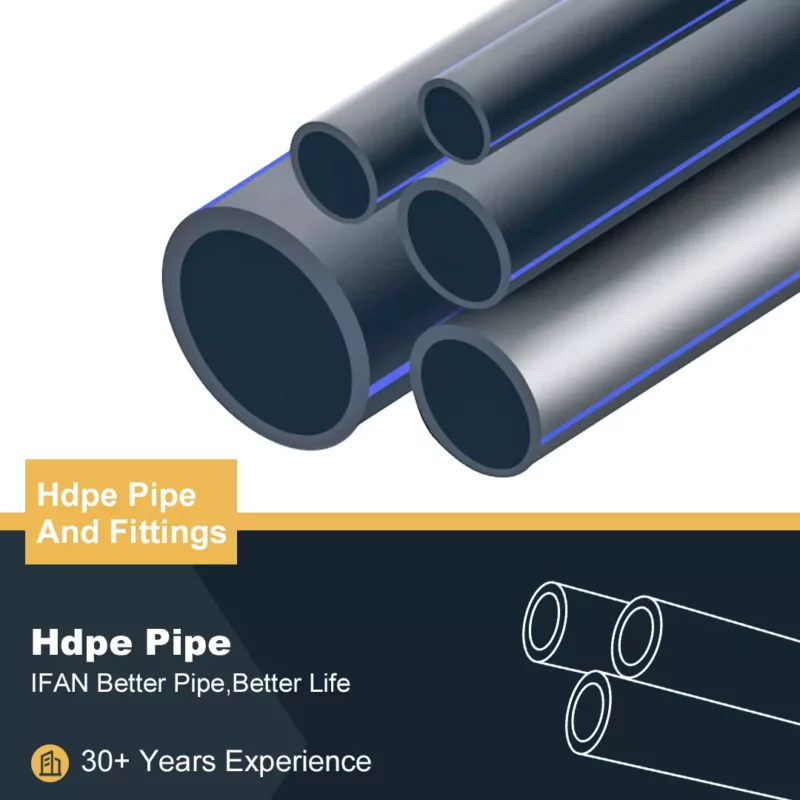
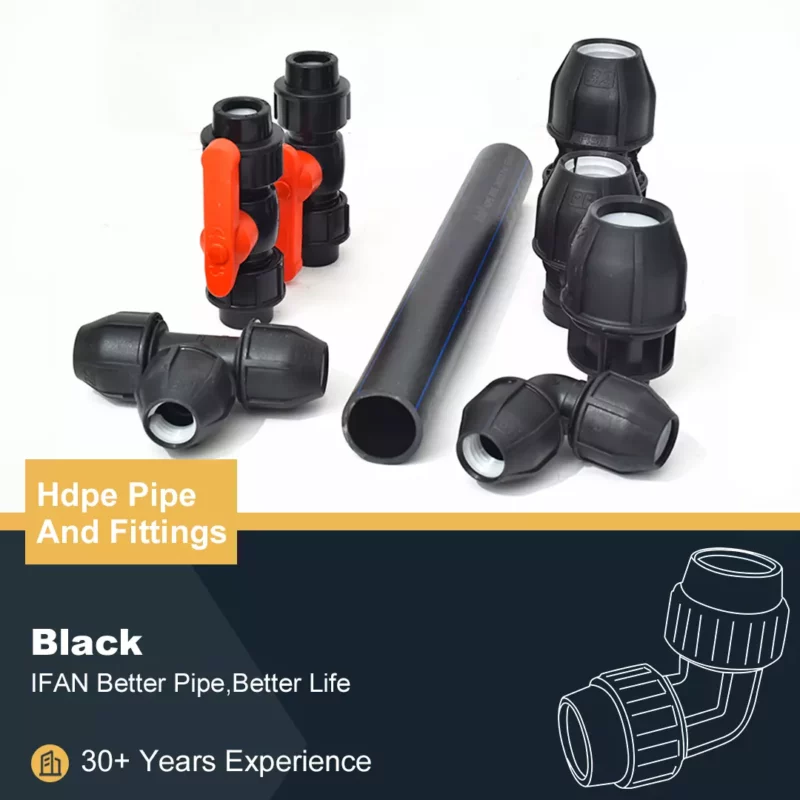
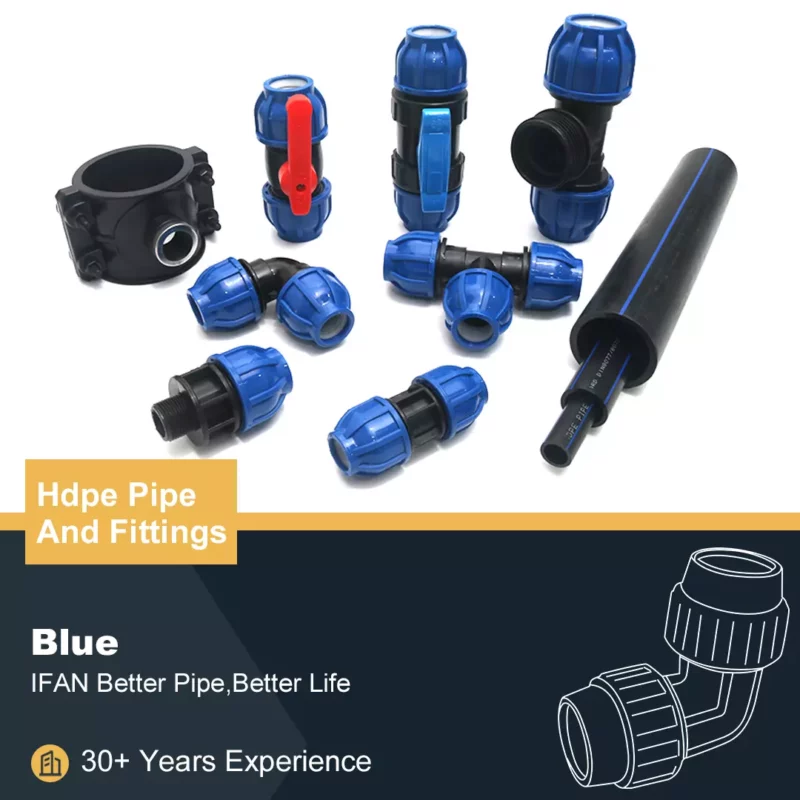
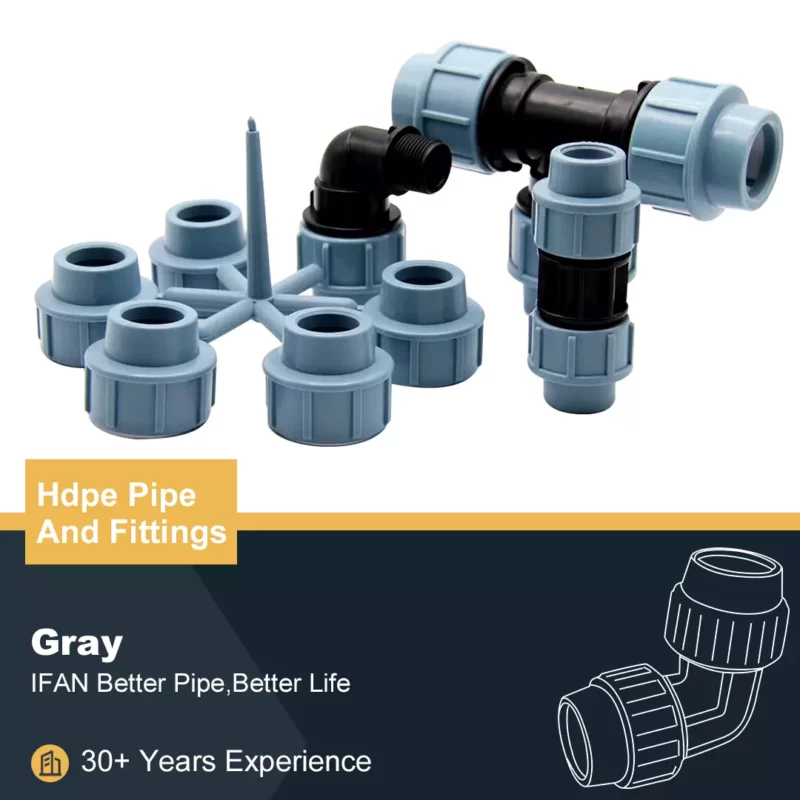



Product Overview
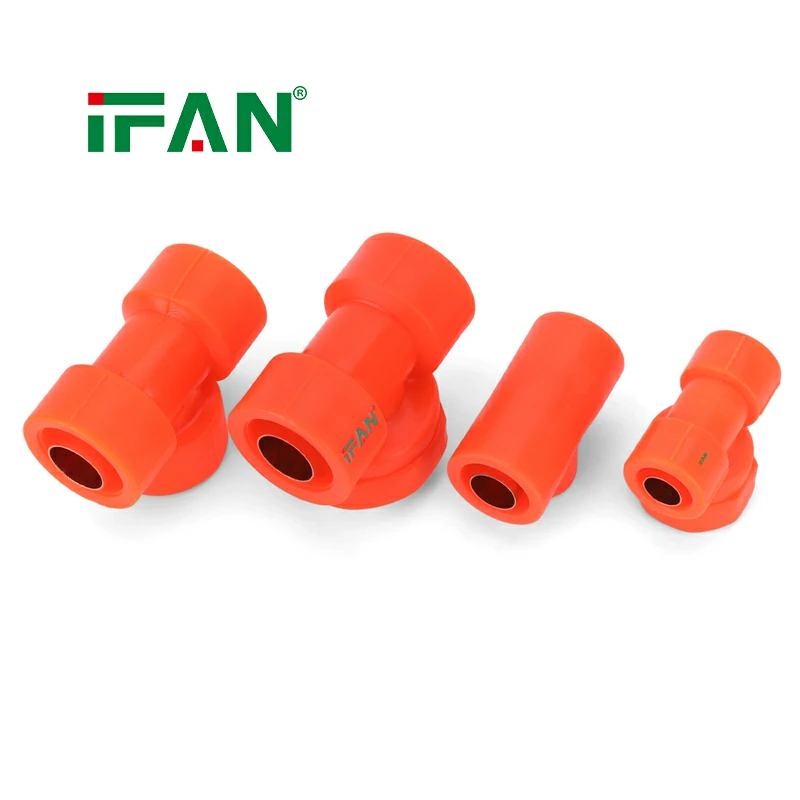
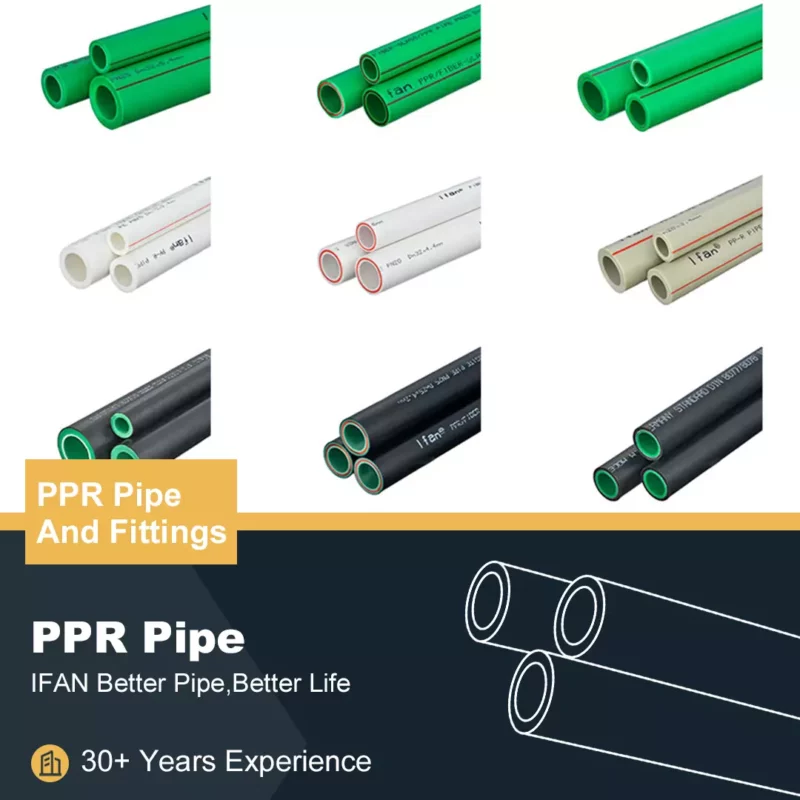
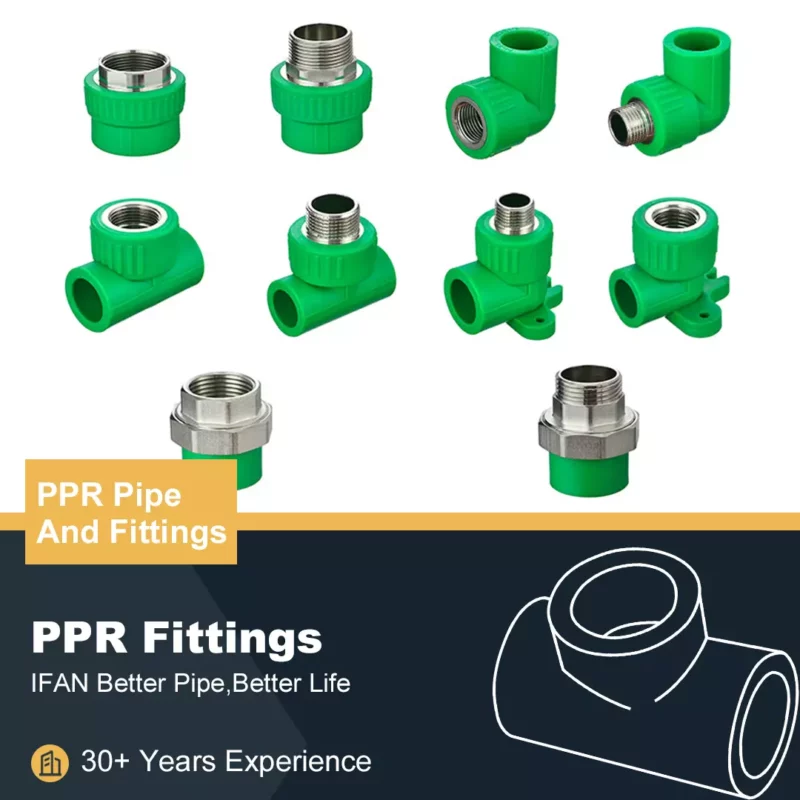
PPR pipe fittings are used to connect polypropylene random pipes.
They form reliable joints for water transportation systems.
These fittings are common in plumbing projects worldwide.
Material Composition
PPR fittings are made from polypropylene random copolymer.
This material offers stable molecular structure.
It performs well under temperature and pressure changes.
Common Application Areas
PPR fittings are used in residential water supply systems.
They are also applied in commercial buildings.
Hotels and hospitals commonly use PPR systems.
Hot and Cold Water Compatibility
PPR fittings support both hot and cold water systems.
They handle continuous hot water flow safely.
Cold water performance remains stable.
Pressure Performance
PPR fittings are designed for high pressure ratings.
They maintain strength under long-term pressure.
This suits multi-floor water supply systems.
Connection Method
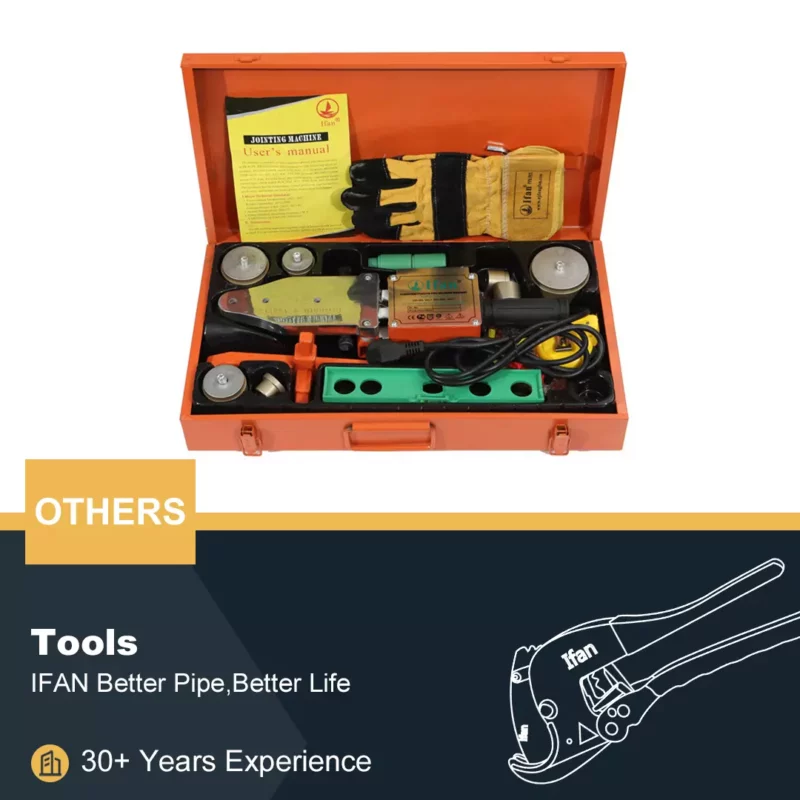
Heat fusion welding connects PPR fittings and pipes.
The process melts surfaces together.
A unified joint is formed after cooling.
Welding Technique Tips
Heating temperature must be controlled carefully.
Overheating weakens the joint.
Correct timing improves fusion quality.
Leak Prevention Advantages
Fusion joints eliminate sealing rings.
No mechanical gaps exist after welding.
Leak risks are significantly reduced.
Inner Surface Characteristics
The inner surface is smooth and non-scaling.
Water flow resistance stays low.
System efficiency remains high.
Hygiene and Water Safety
PPR material is non-toxic and odorless.
It does not contaminate drinking water.
Water quality remains unchanged.
Resistance to Corrosion
PPR fittings never rust.
They resist acids and alkalis.
This suits various water qualities.
Thermal Expansion Behavior
PPR fittings expand slightly under heat.
Proper installation allows controlled movement.
System stress is reduced.
Installation Environment
PPR fittings can be concealed in walls.
They are also suitable for exposed installation.
Protection is needed for outdoor use.
Common Types of Fittings
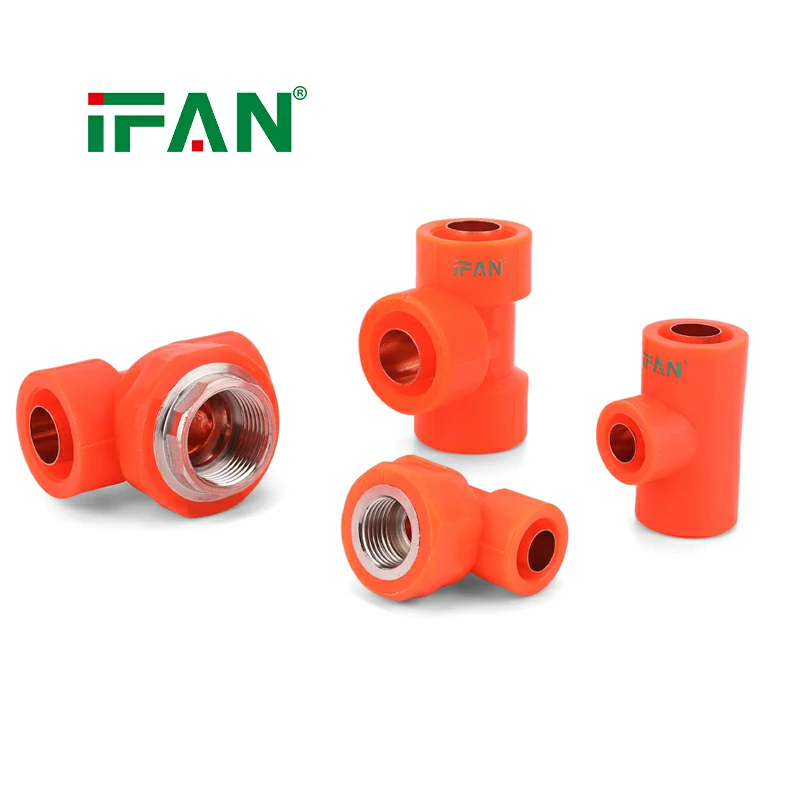
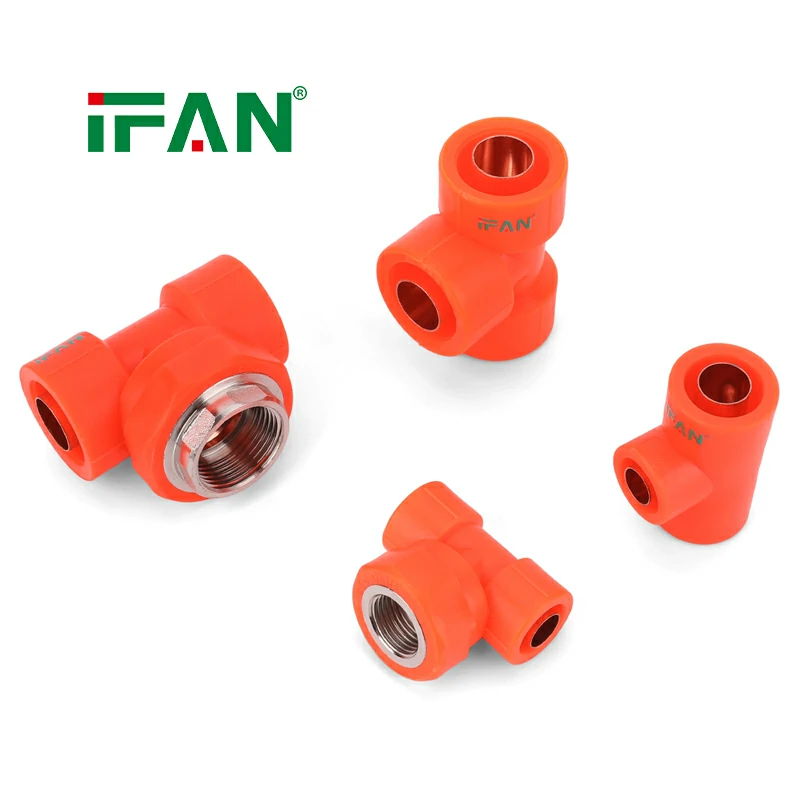
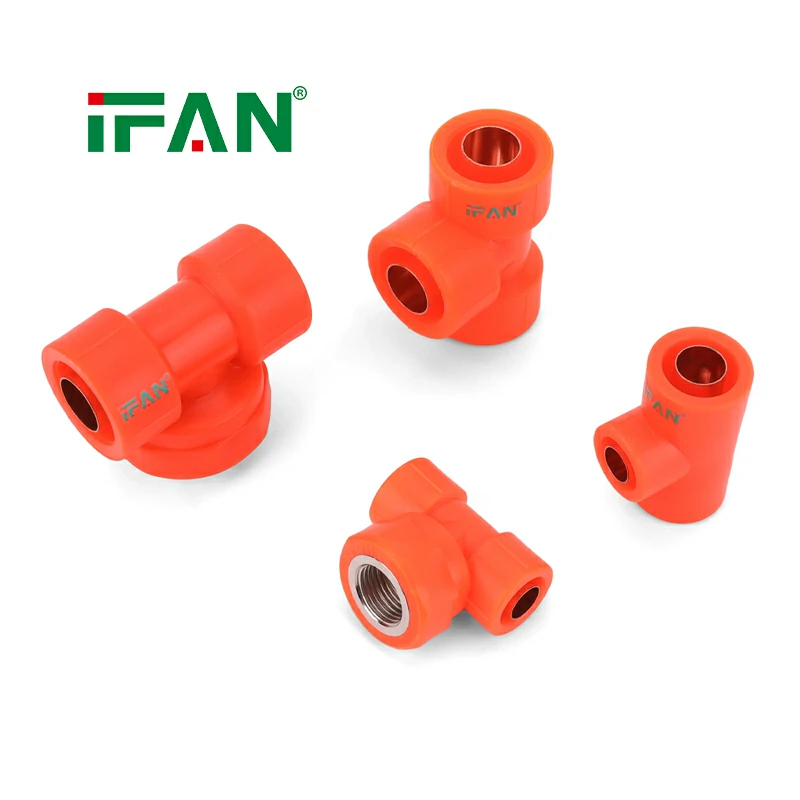
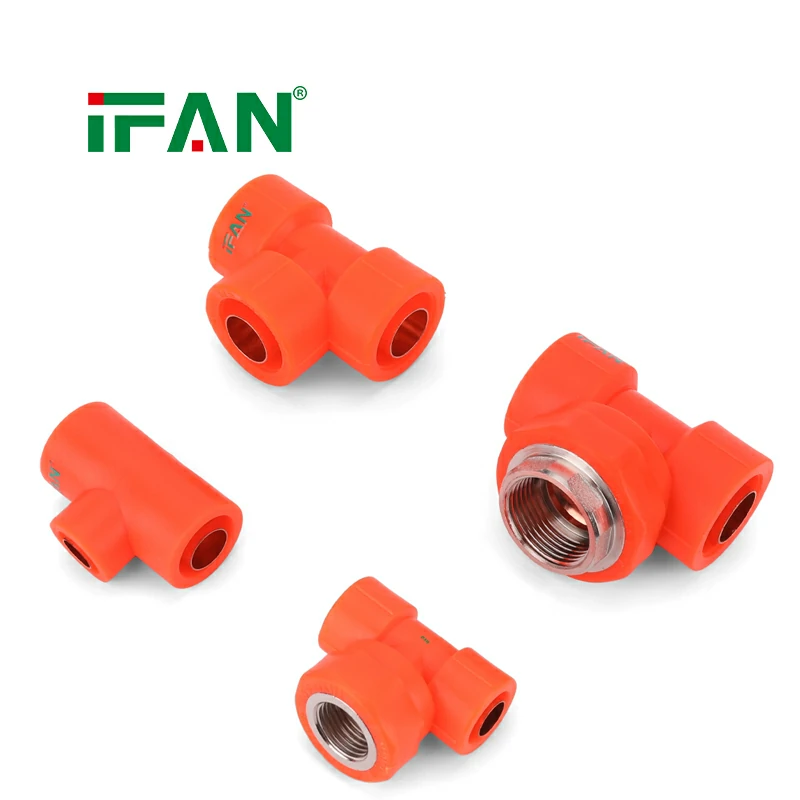
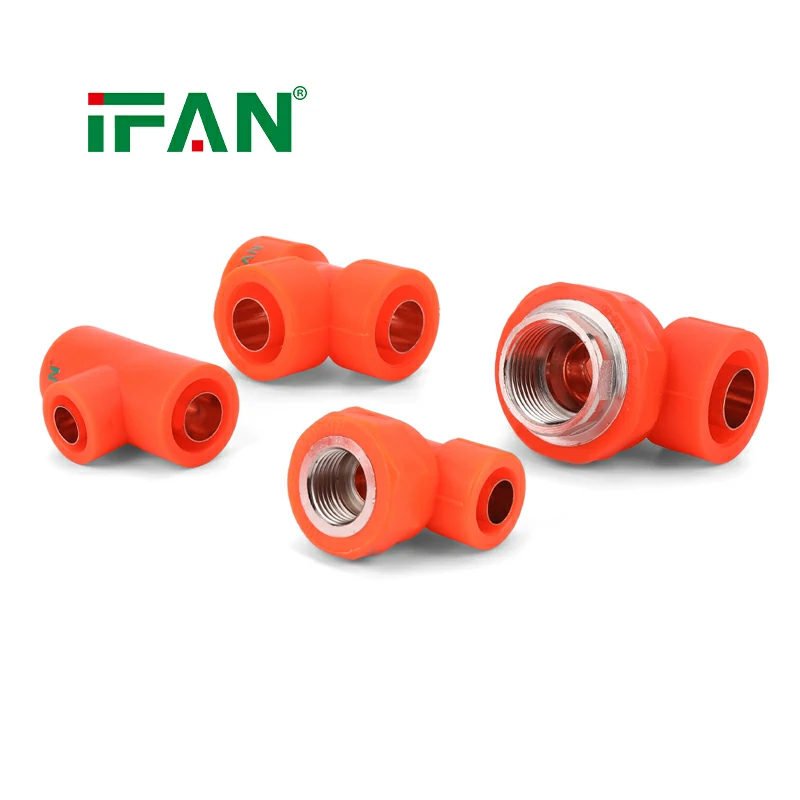
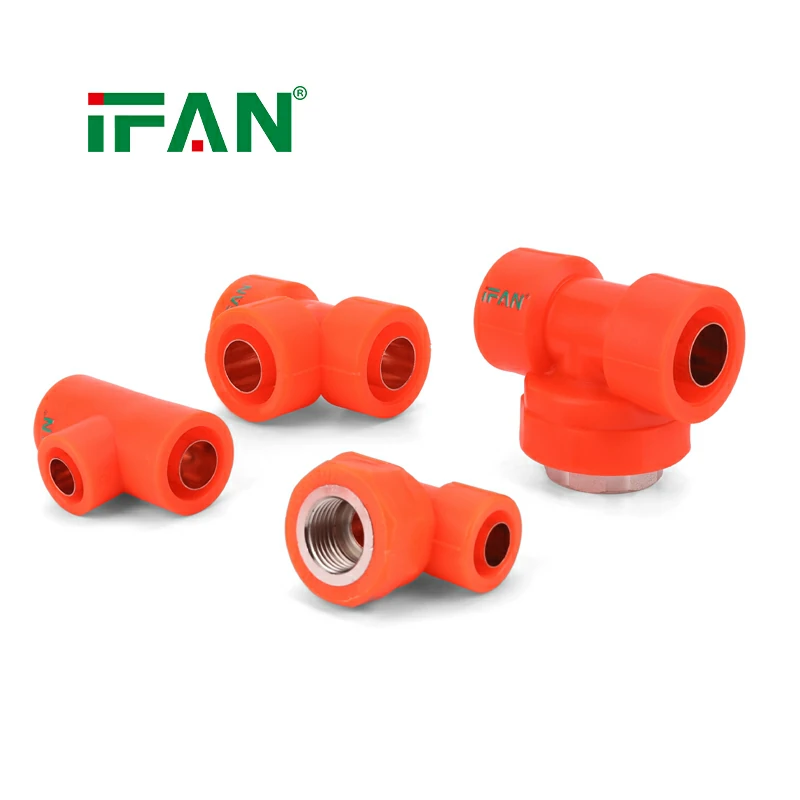
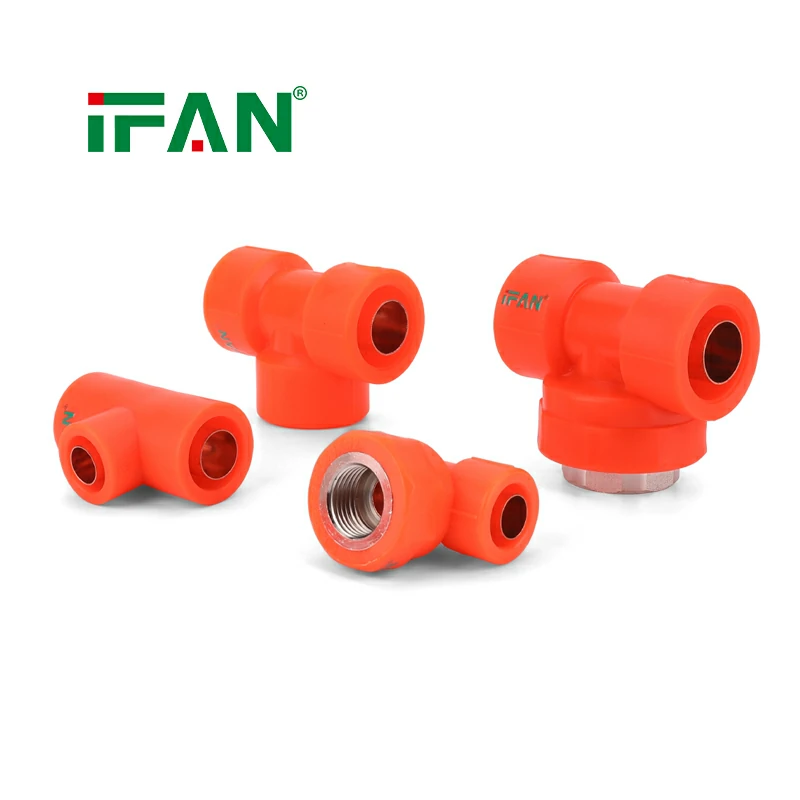
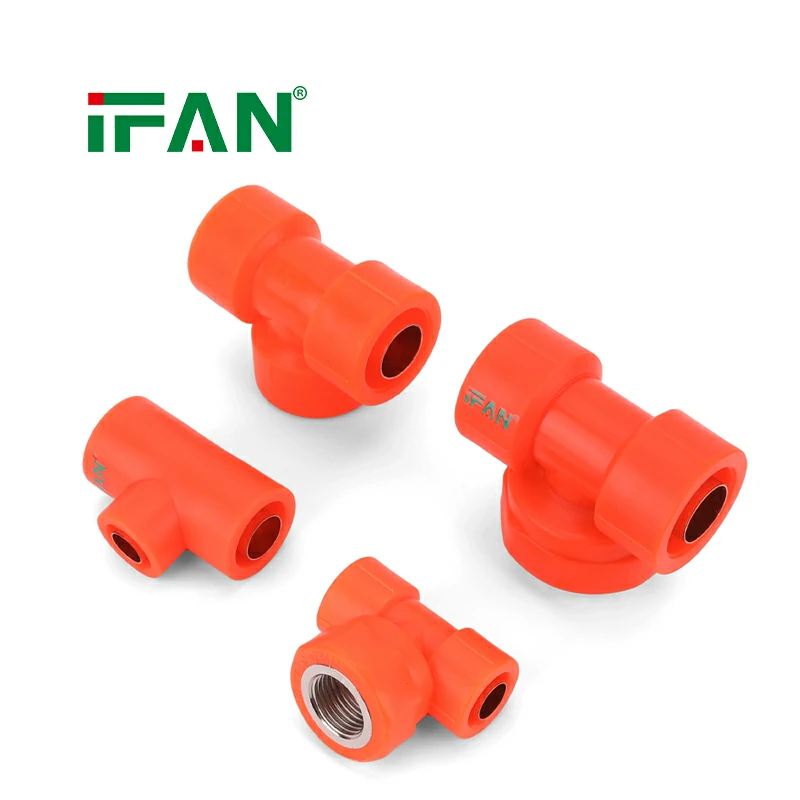
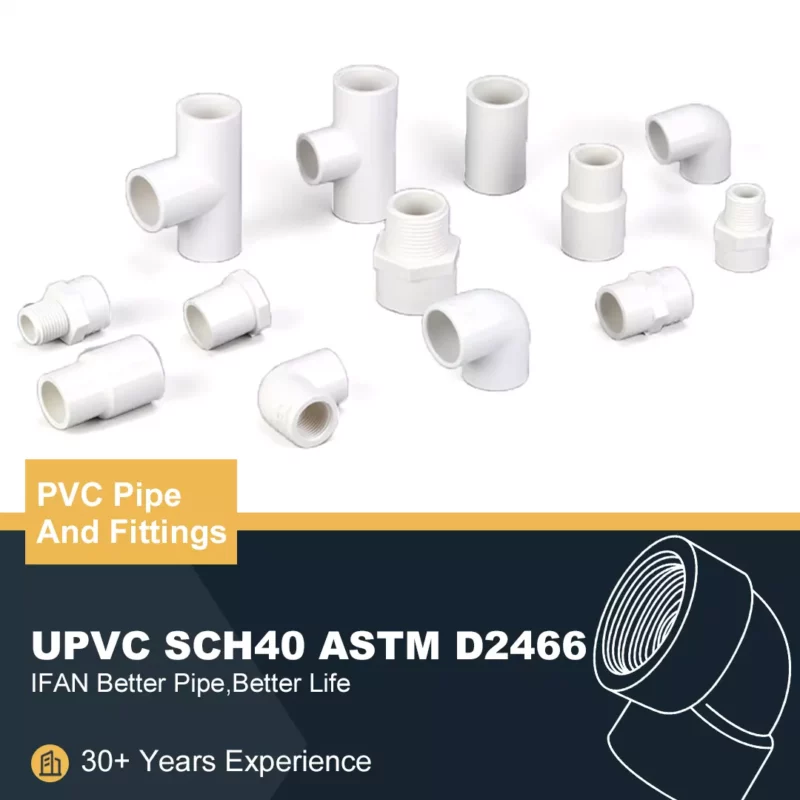
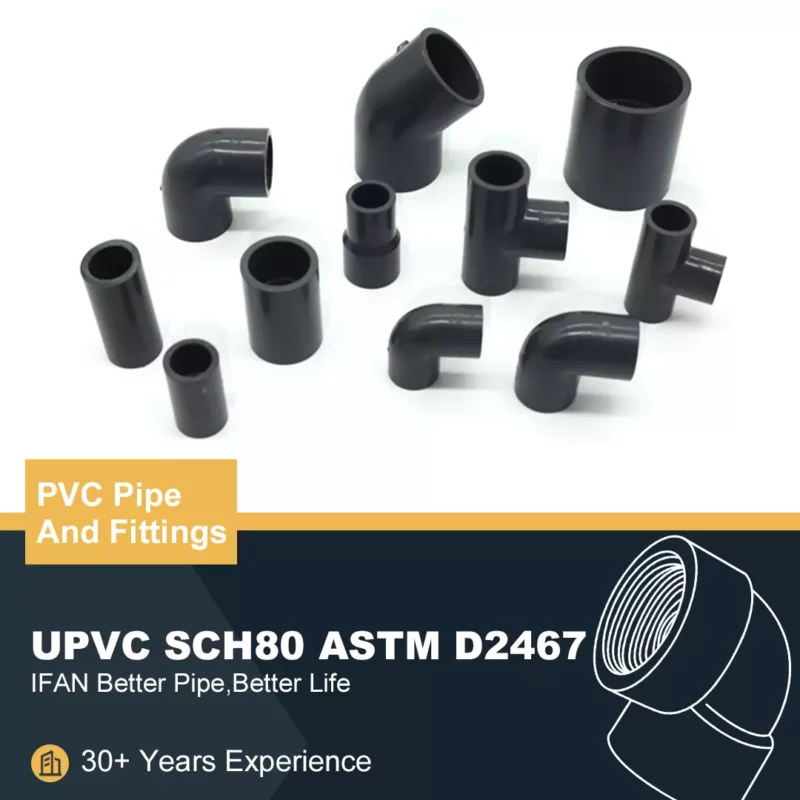
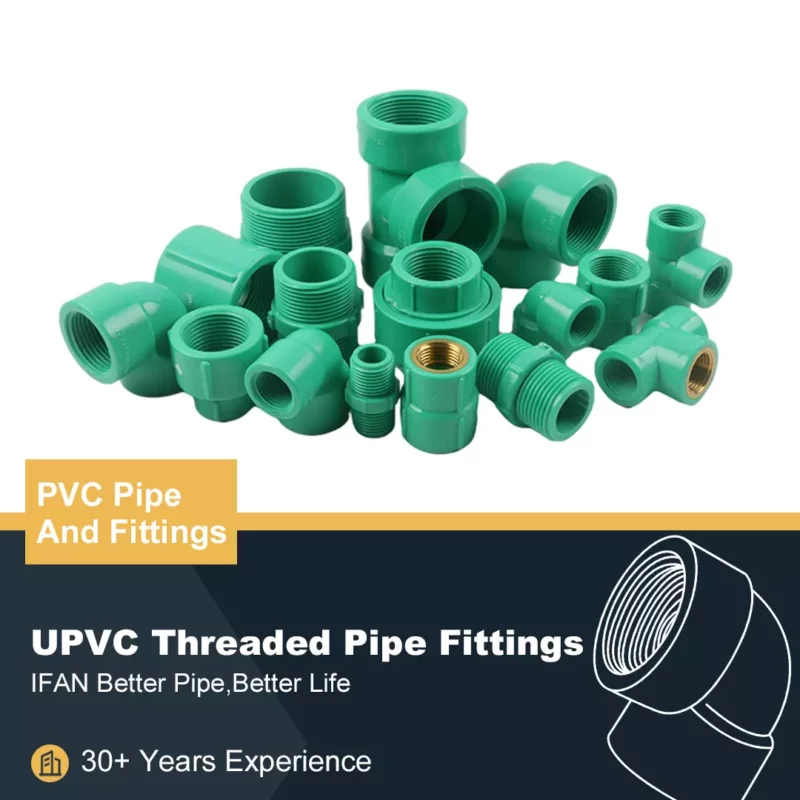
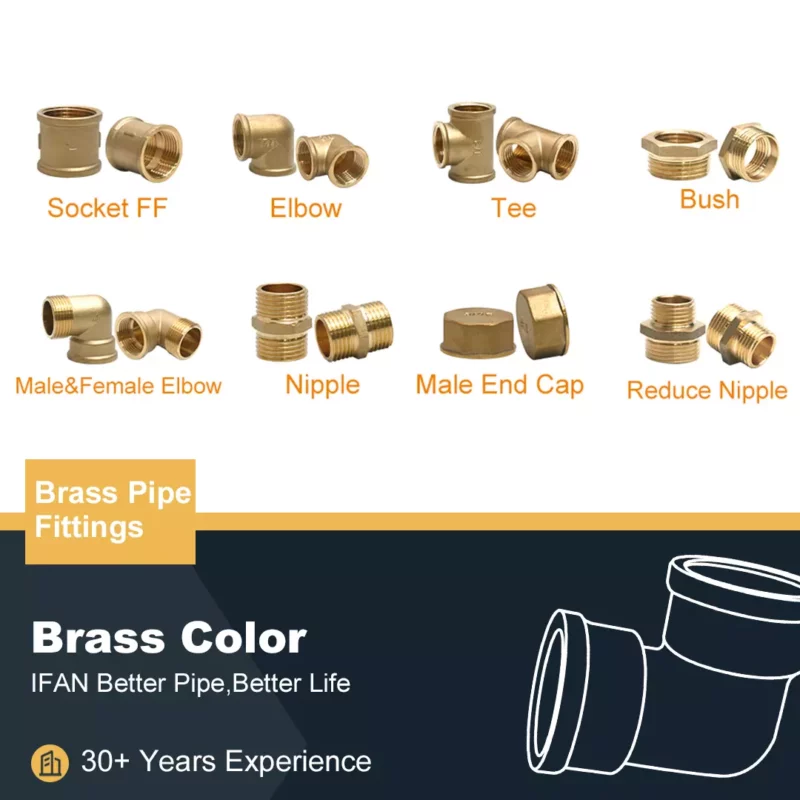
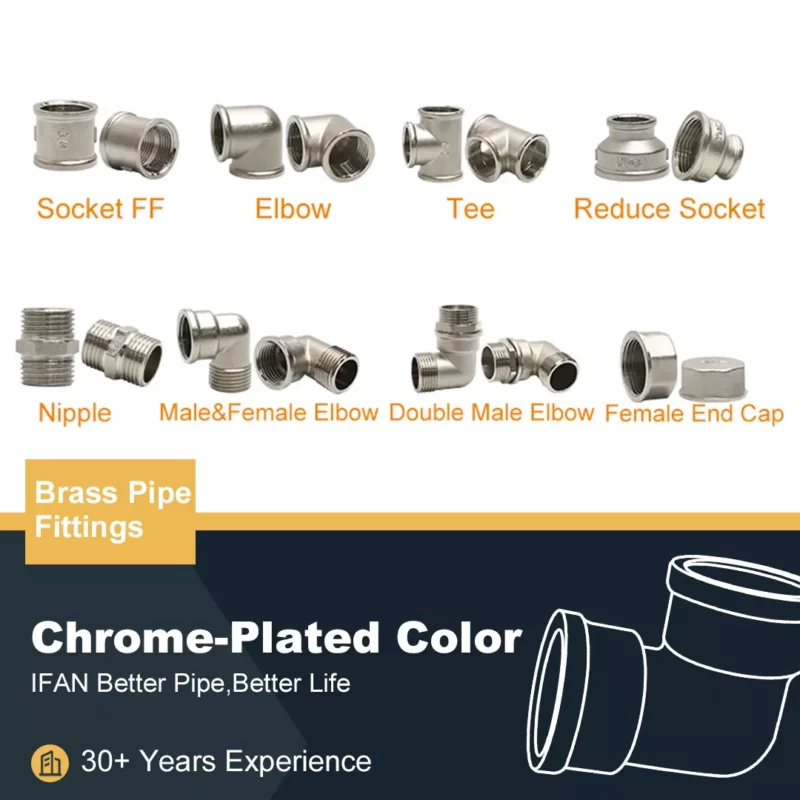
Elbows, tees, couplings, and reducers are common.
Each type serves a specific function.
Correct selection improves system layout.
Size Range
PPR fittings are available from 20mm to 110mm.
Different sizes support different flow requirements.
Standard sizing ensures compatibility.
Maintenance Requirements
PPR systems require minimal maintenance.
No internal lining replacement is needed.
Operational costs stay low.
Service Life Expectancy
PPR fittings can last over 50 years.
Proper installation extends service life.
This reduces replacement frequency.
Buyer Selection Factors
Buyers should check material purity.
Pressure ratings must meet system needs.
Certification indicates product reliability.
If you have read this article and have any questions, please feel free to contact IFAN. Below is our contact information:
Whatsapp:+86 13373827623
Email:[email protected]