



Product Introduction
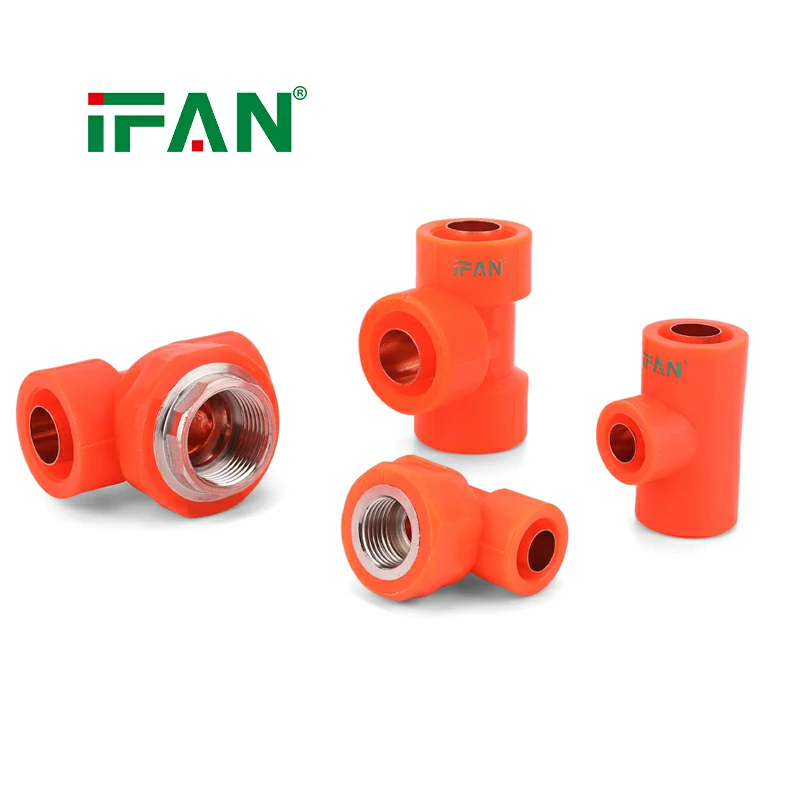
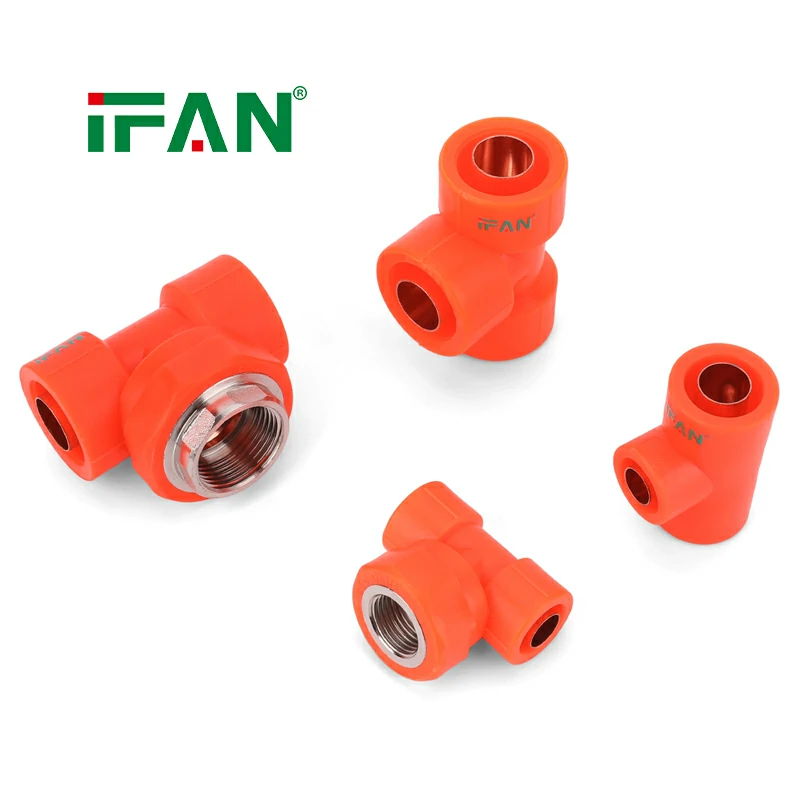
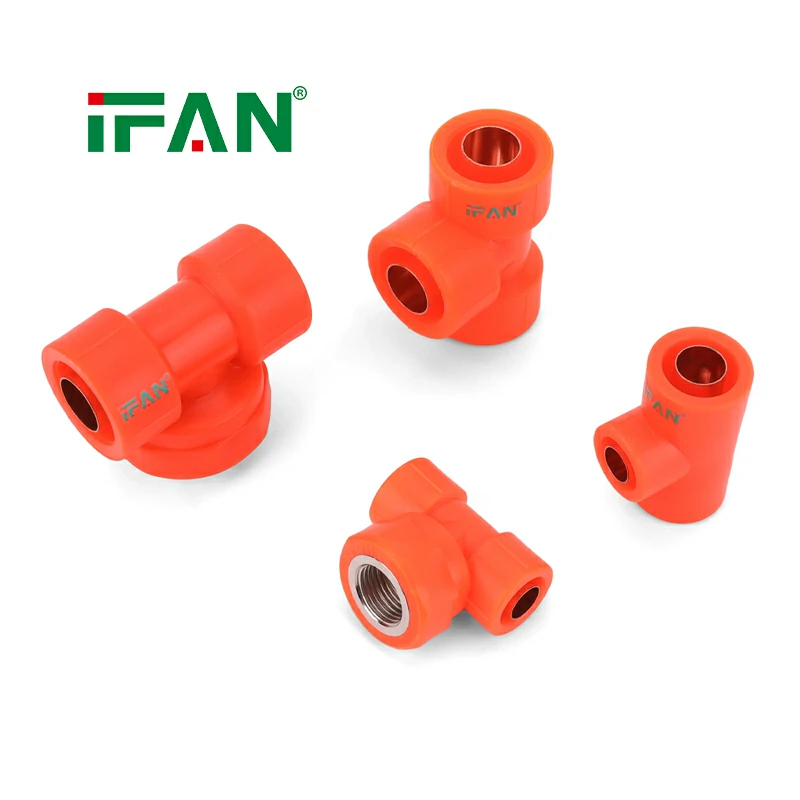
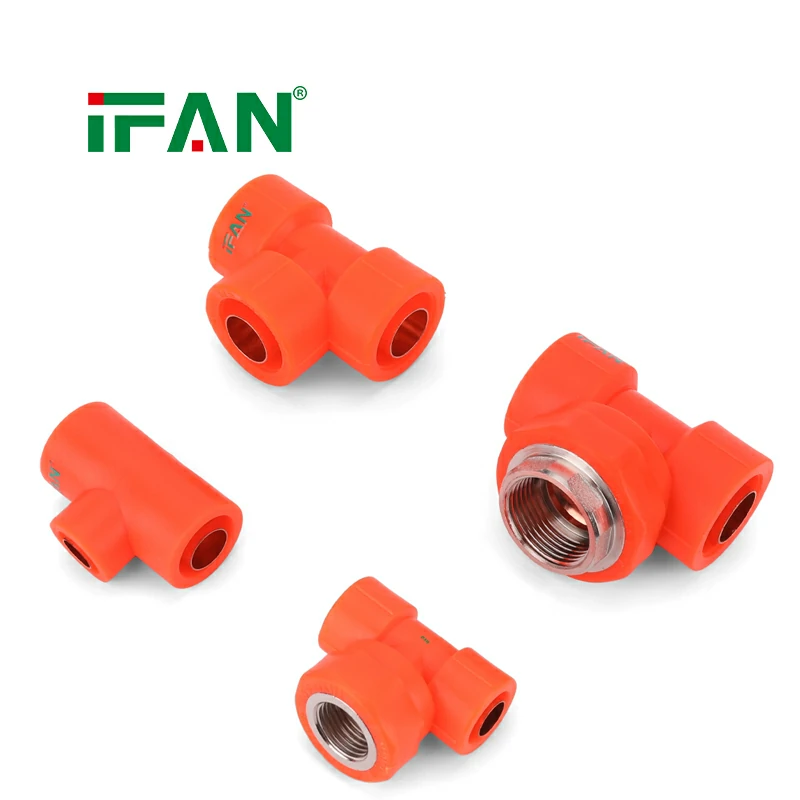
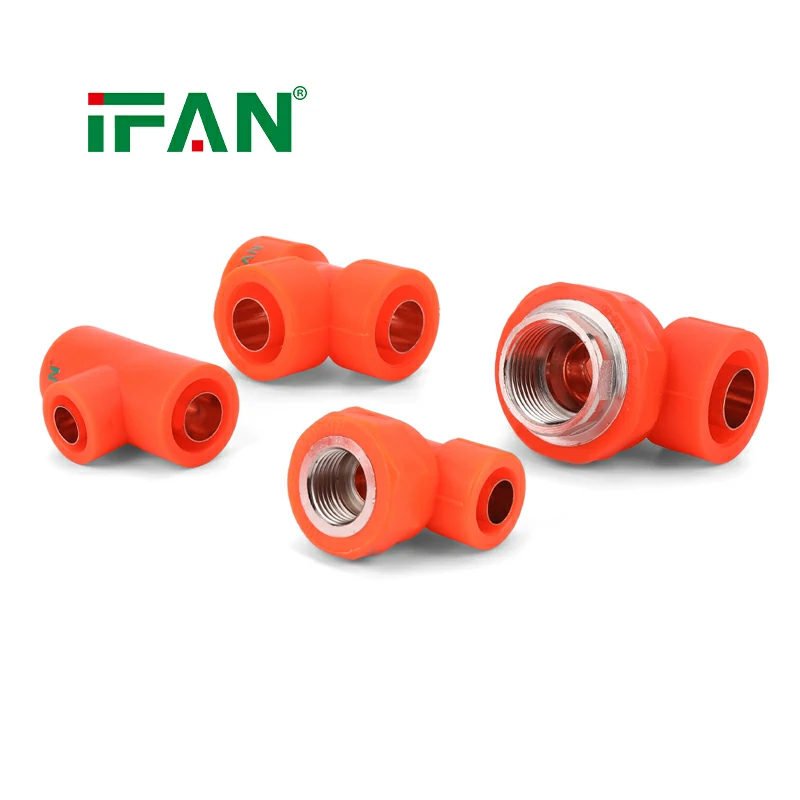
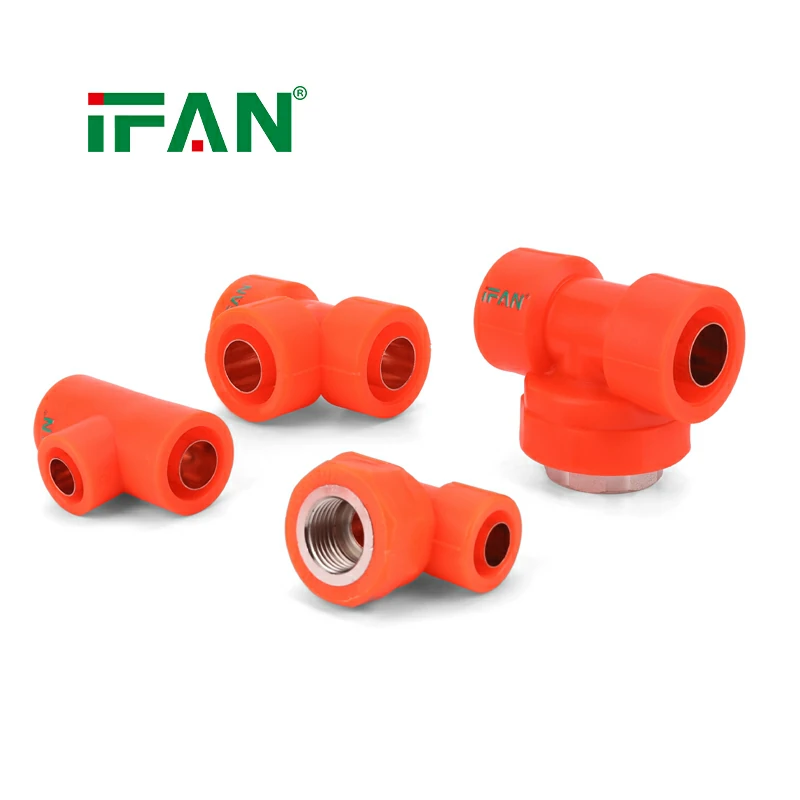
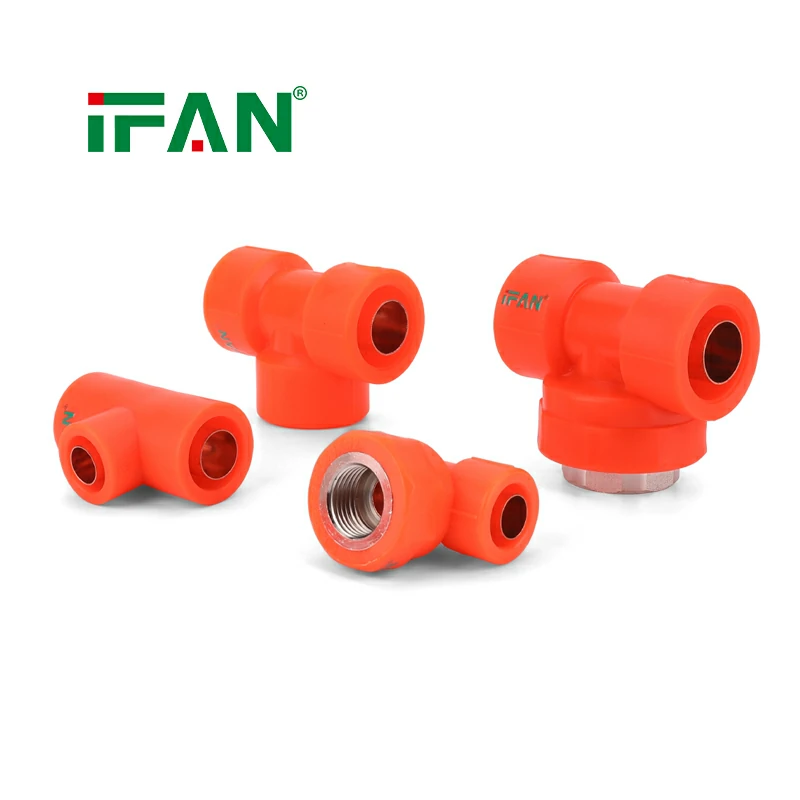
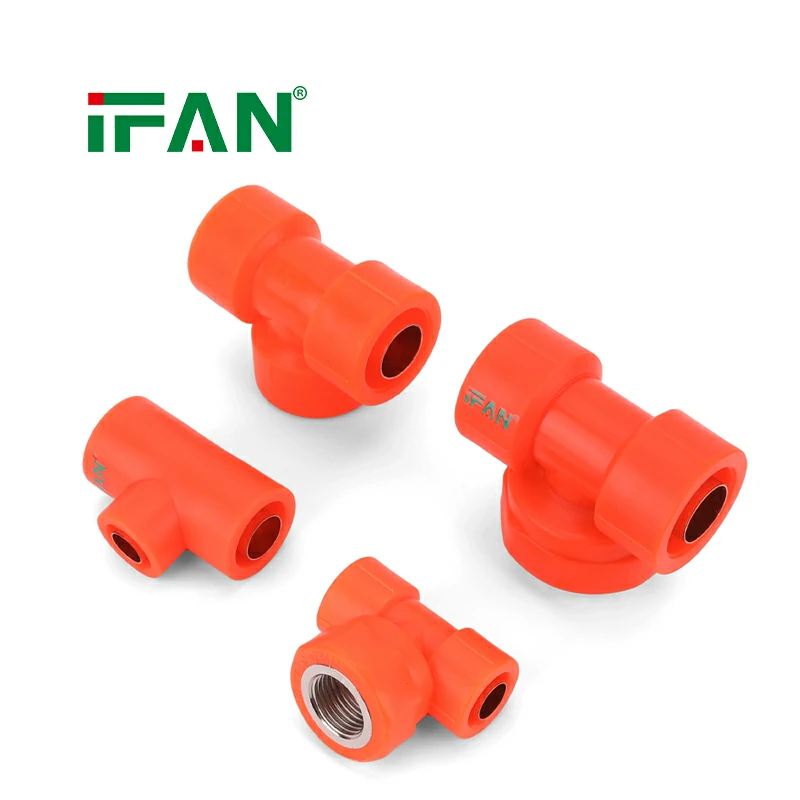
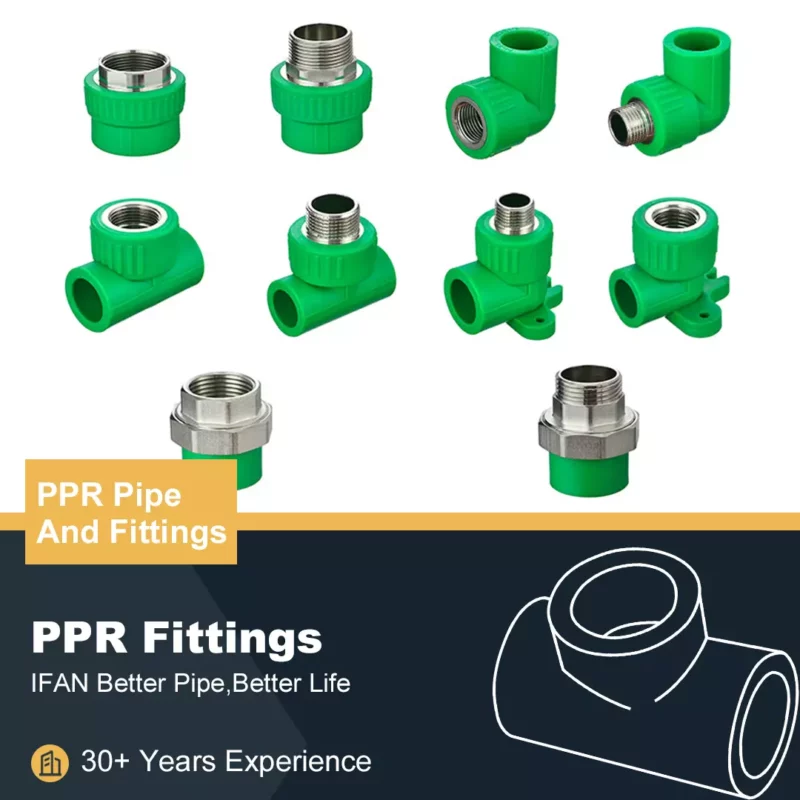
PPR tee fittings are used to split water flow.
They connect three pipe sections in one junction.
Tees support complex plumbing networks.
Structural Design Features
PPR tees use reinforced intersection structures.
This design reduces stress concentration.
Uniform thickness improves pressure balance.
Common Application Areas
Tees are widely used in residential plumbing.
Bathrooms and kitchens rely on tee connections.
Commercial buildings also use tees extensively.
Equal Tee and Reducing Tee Types
Equal tees connect pipes of the same diameter.
Reducing tees connect different pipe sizes.
Correct selection ensures balanced flow.
Water Flow Distribution
Tees divide water into multiple directions.
Proper design minimizes turbulence.
Water pressure remains stable at outlets.
Hot Water System Compatibility
PPR tees support continuous hot water flow.
They resist thermal deformation.
Joint strength remains reliable.
Pressure Load Performance
Tees handle pressure from multiple directions.
Reinforced centers improve durability.
This suits high-rise water systems.
Inner Surface Characteristics
Smooth inner walls reduce flow resistance.
Scaling buildup is minimized.
Long-term efficiency is maintained.
Welding Area Design
Each socket provides sufficient fusion depth.
Even heating improves joint quality.
Correct timing prevents weak connections.
Installation Orientation Tips
Branch direction should match system design.
Incorrect orientation complicates maintenance.
Clear planning improves installation efficiency.
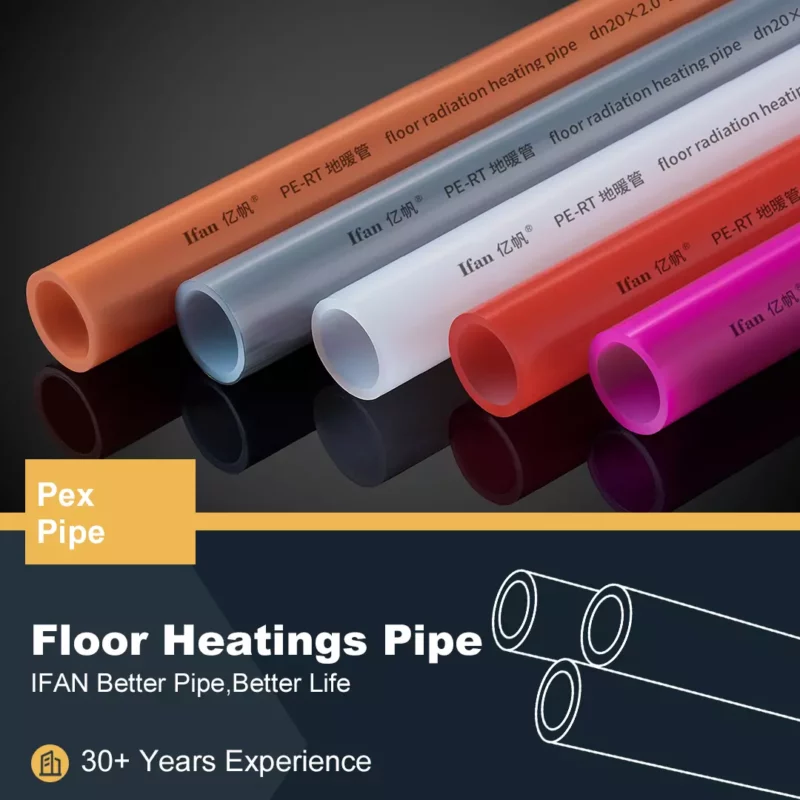
Application in Floor Heating Systems
Tees distribute hot water evenly.
They support multiple heating loops.
Temperature balance improves system comfort.
Noise Control Advantages
Smooth flow division reduces water noise.
Pressure fluctuations are minimized.
User experience improves.
Compatibility with Valves
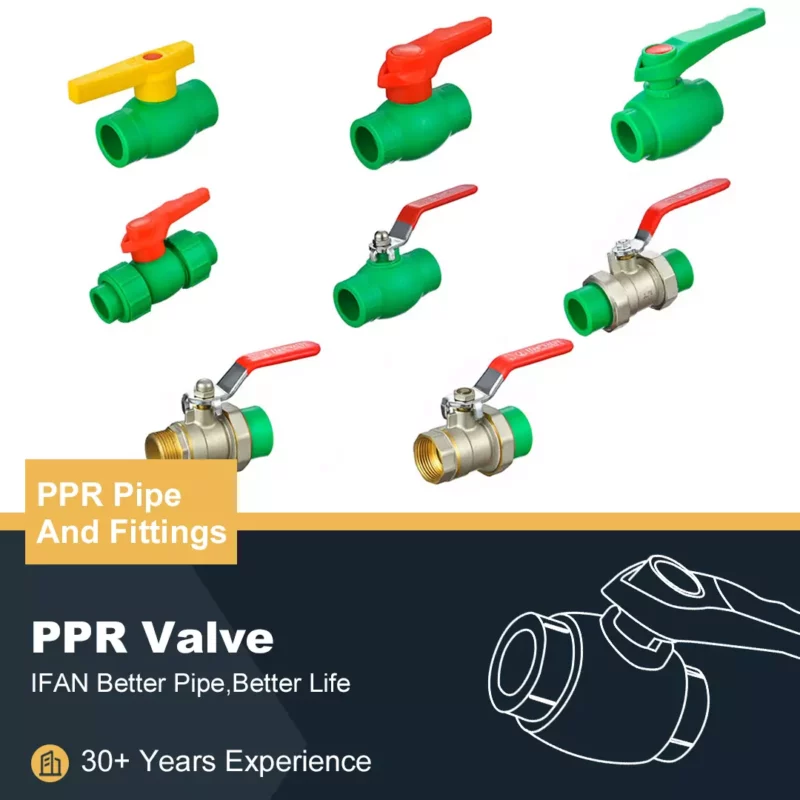
Tees connect easily with PPR valves.
Flow control becomes flexible.
System zoning is simplified.
Size Range Options
Common sizes range from 20mm to 63mm.
Larger sizes serve main distribution lines.
Smaller sizes feed branch outlets.
Maintenance Considerations
PPR tees require minimal maintenance.
Internal surfaces resist deposits.
System reliability remains high.
Storage and Handling
Store tees in dry, shaded areas.
Avoid prolonged UV exposure.
Proper storage preserves material properties.
Quality Inspection Points
Check socket roundness and wall thickness.
Ensure no surface cracks exist.
Consistent color indicates material stability.
Buyer Selection Guidance
Buyers should confirm pressure ratings.
Material certification is essential.
Reliable suppliers ensure consistent quality.
If you have read this article and have any questions, please feel free to contact IFAN. Below is our contact information:
Whatsapp:+86 13373827623
Email:[email protected]