




















Annual Visual Inspection Routine
Conduct a visual check yearly. Look for any mineral buildup. Check for signs of discoloration. Inspect exposed tubing sections. Look at fittings for corrosion. Ensure no physical damage exists.
Monitoring Water Pressure
Install a pressure gauge. Monitor system pressure regularly. Normal residential pressure is 40-80 psi. Sudden drops indicate leaks. Pressure spikes suggest problems. Record readings monthly.
Flushing Sediment and Debris
Flush your system annually. Use a cleaning solution if needed. Follow manufacturer instructions exactly. Open all faucets during flushing. Flush until water runs clear. This prevents clogging.
Checking for Water Hammer
Listen for loud banging noises. This is called water hammer. It stresses pipes and fittings. Install water hammer arrestors. They absorb shock waves. Place them near quick-closing valves.
Inspecting Insulation Condition
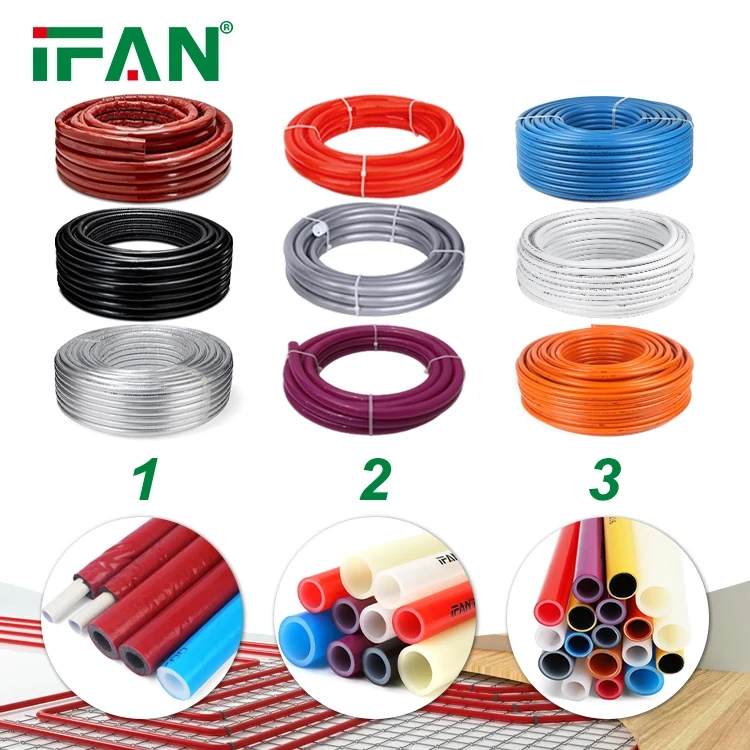
Check pipe insulation annually. Replace damaged sections promptly. Ensure no gaps exist. Proper insulation prevents freezing. It also reduces energy loss. Use foam sleeves for PEX.
Testing Temperature Consistency
Check hot water temperatures. Use a thermometer at faucets. Inconsistent temperatures indicate issues. Possible problems include mixing valves. Flow restrictions could be present. Record your findings.
Identifying Leak Signs
Look for moisture on pipes. Check walls for water stains. Monitor your water meter reading. Unexpected usage suggests leaks. Listen for dripping sounds. Use leak detection tools.
Maintaining Water Heater Connections
Inspect PEX connections at heater. Check temperature relief valve piping. Ensure no kinks or bends exist. Verify connections remain tight. Follow heater maintenance schedule. This prevents failures.
Winterization Procedures
Drain pipes in vacant properties. Use compressed air for blowing out. Add antifreeze if necessary. Insulate pipes in cold areas. Keep heat on low setting. Prevent freeze damage.
UV Protection for Exposed Pipes
PEX degrades in sunlight. Paint exposed pipes with latex. Use UV-resistant pipe wrap. Install protective coverings. Limit direct sun exposure. Replace if discoloration occurs.
Valve Exercise Program
Exercise all valves quarterly. Turn shut-off valves fully. Then return to open position. This prevents valve seizure. It ensures proper operation. Label all valves clearly.
Recording Maintenance History
Keep detailed maintenance records. Note dates of inspections. Record any repairs made. Document pressure readings. Track water quality changes. This helps identify patterns.
If you have read this article and have any questions, please feel free to contact IFAN. Below is our contact information:
Whatsapp:+86 13373827623
Email:[email protected]