

Understanding Compression Fitting Design
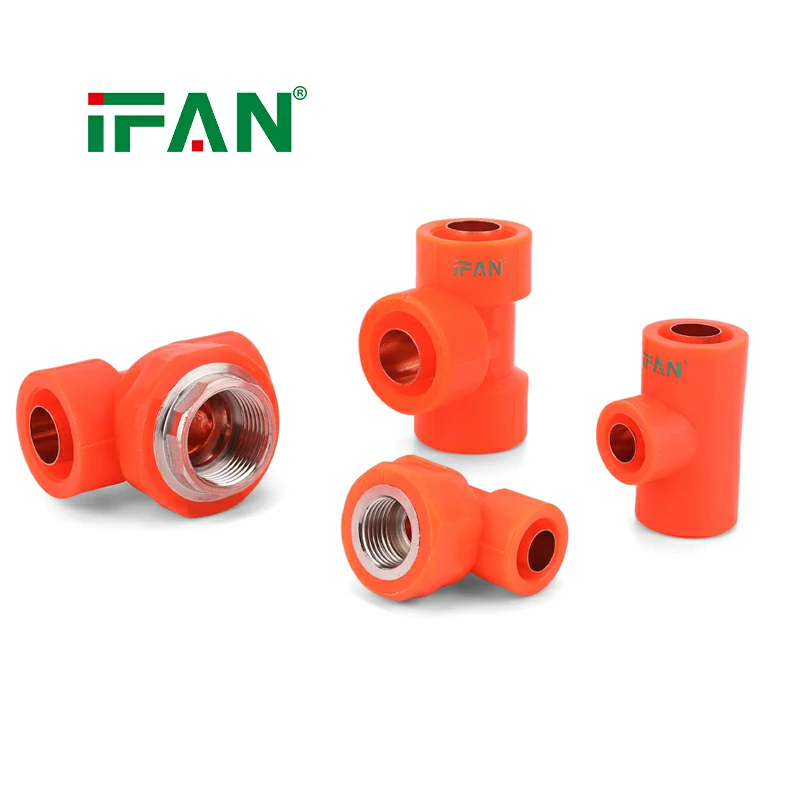
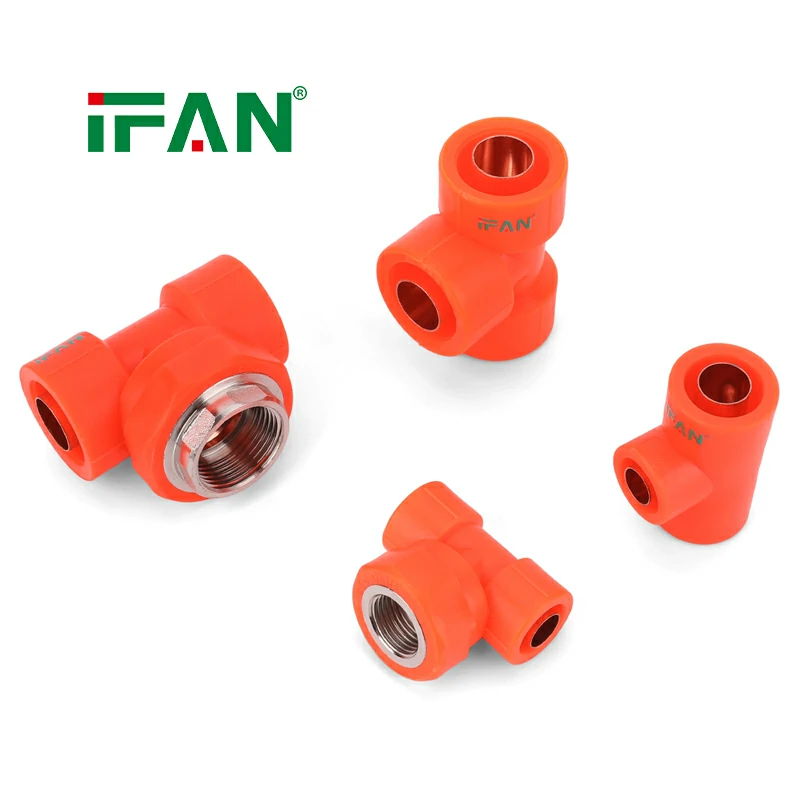
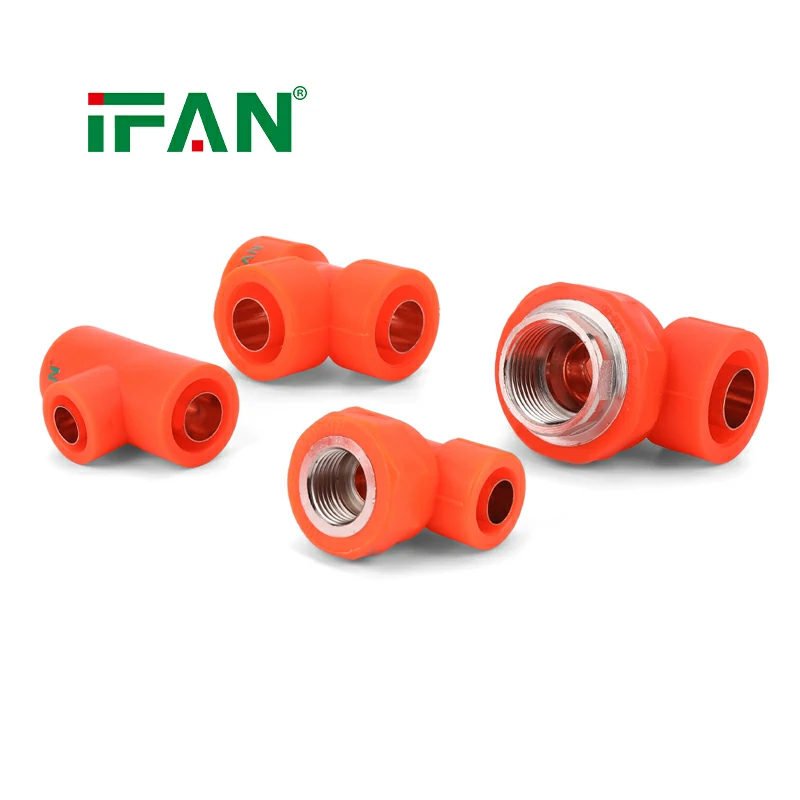
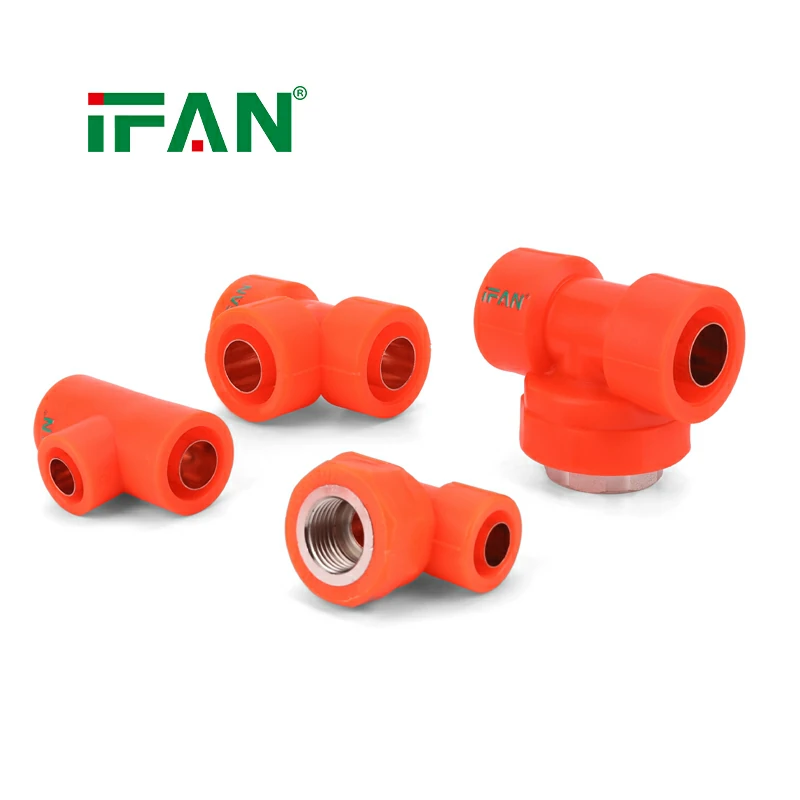
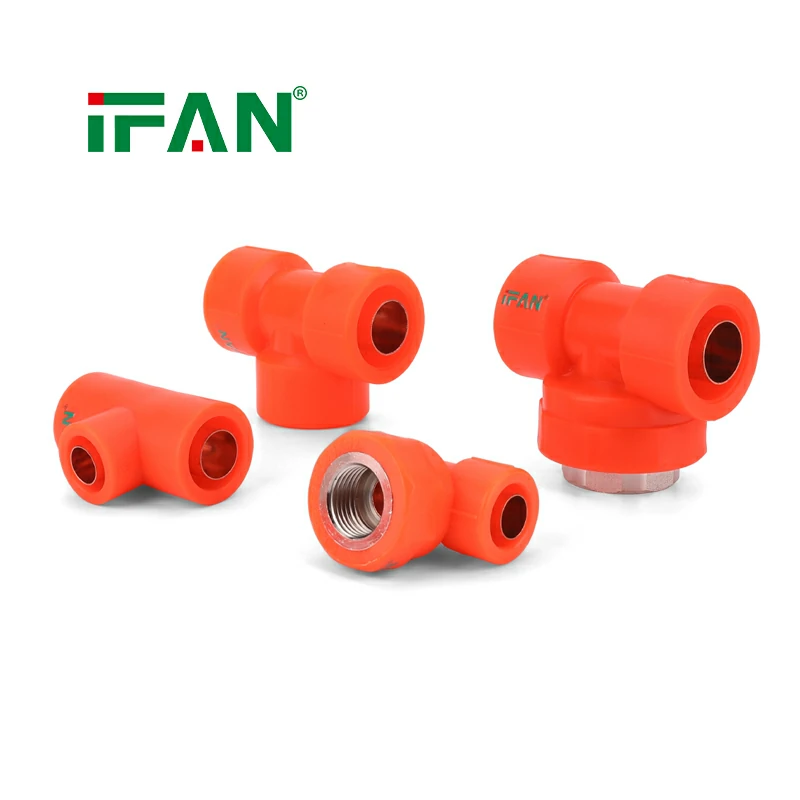
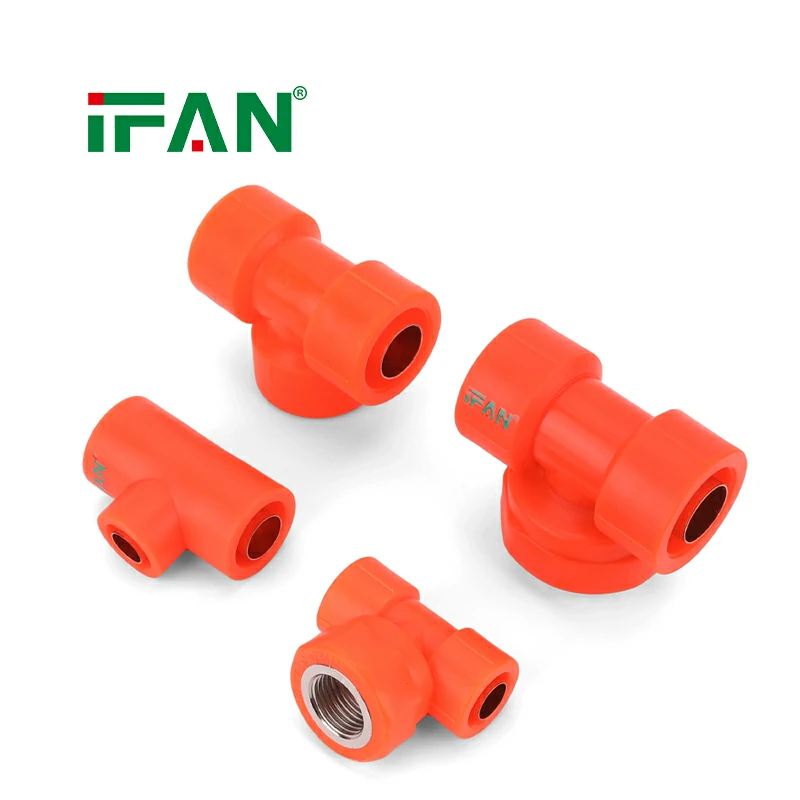
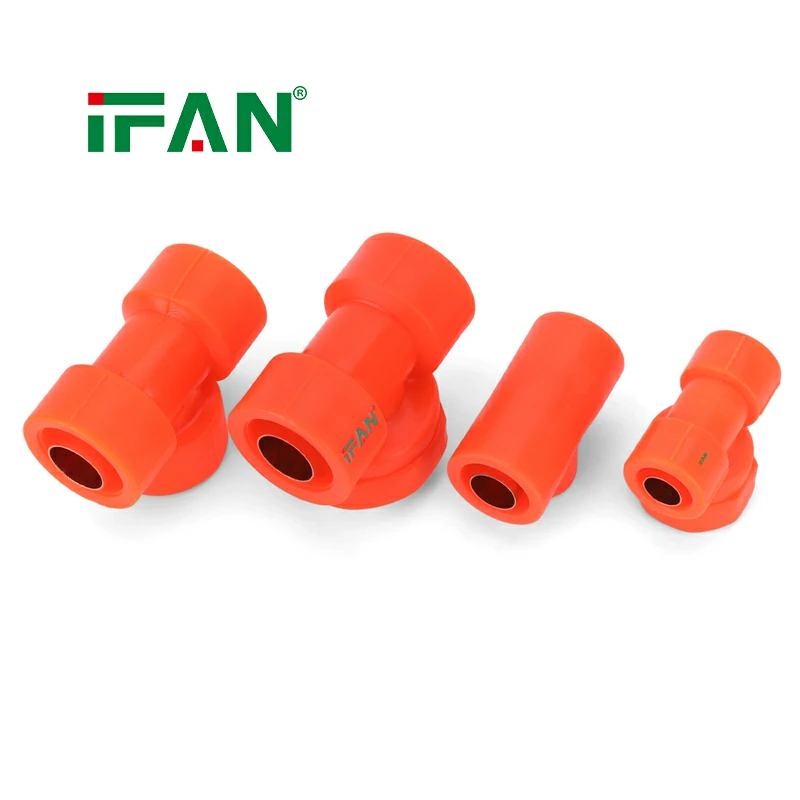
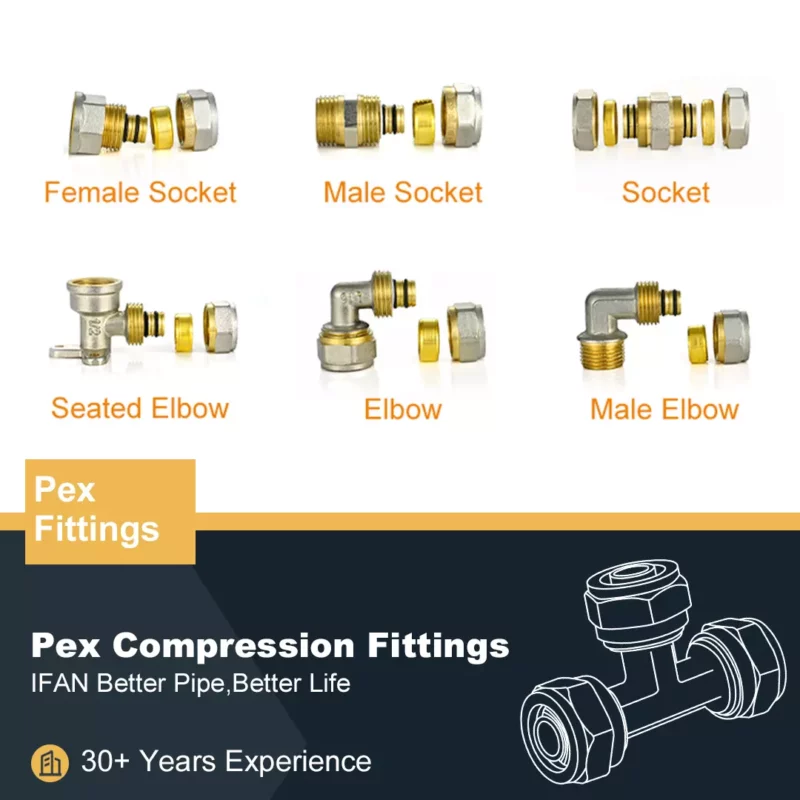
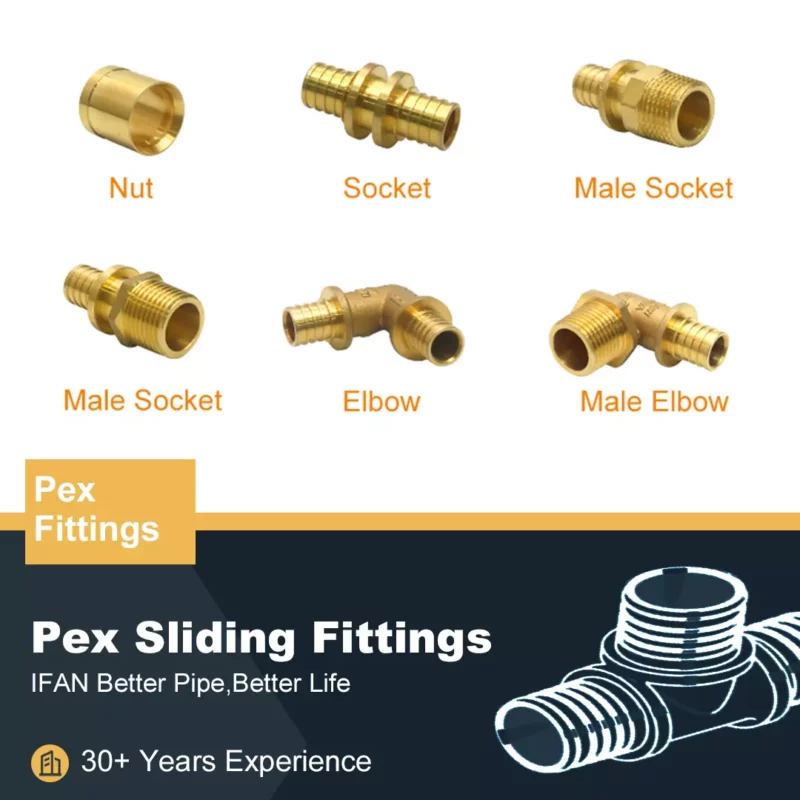
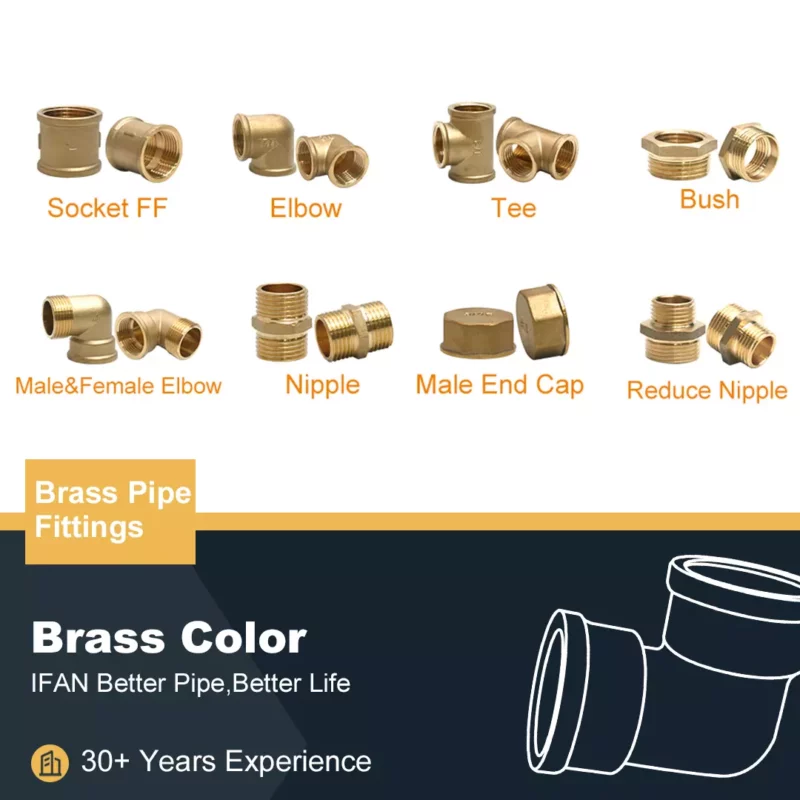
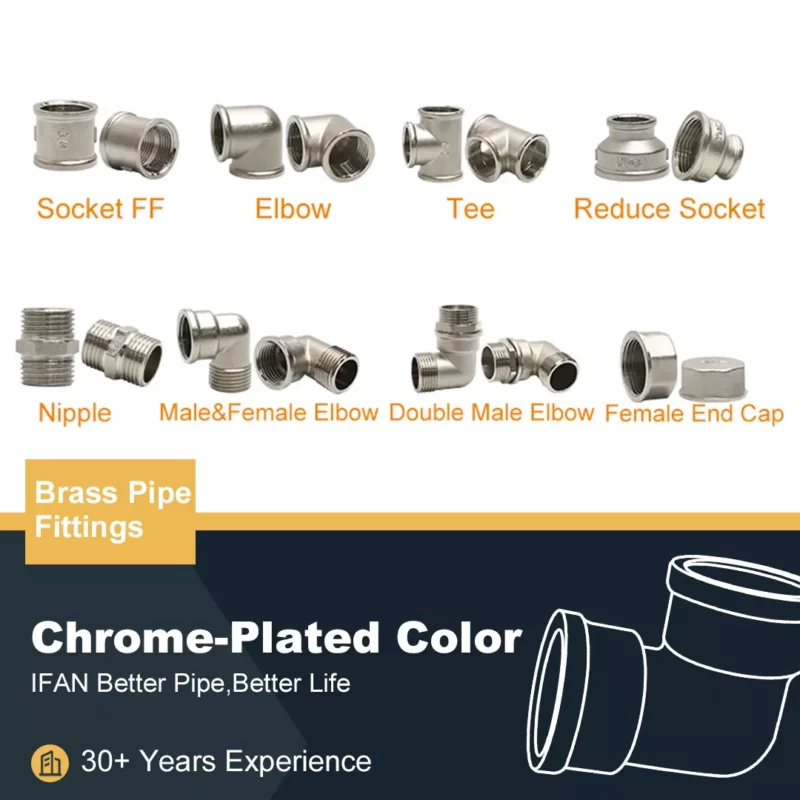
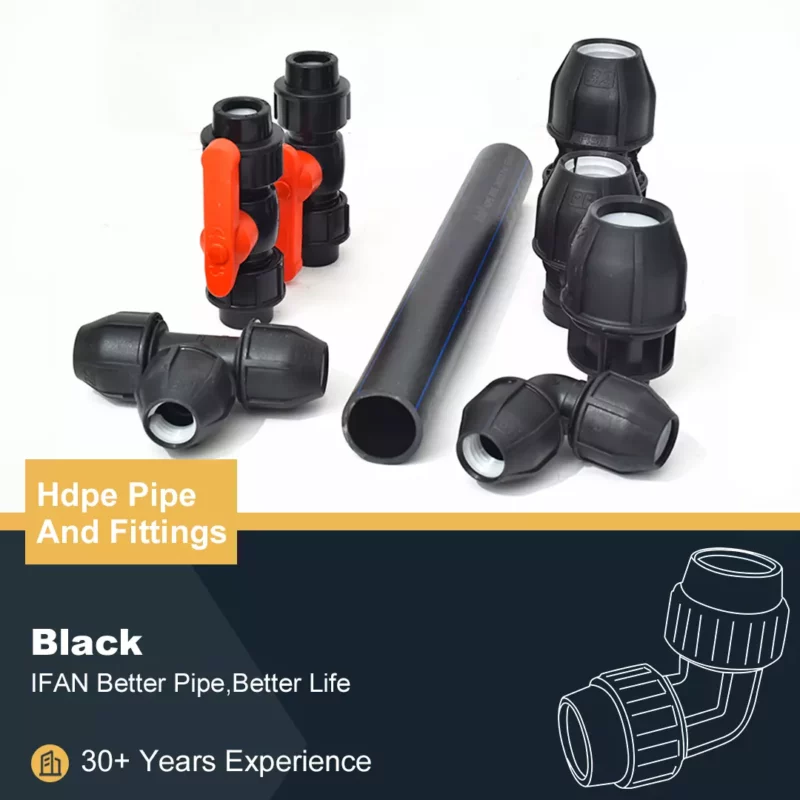
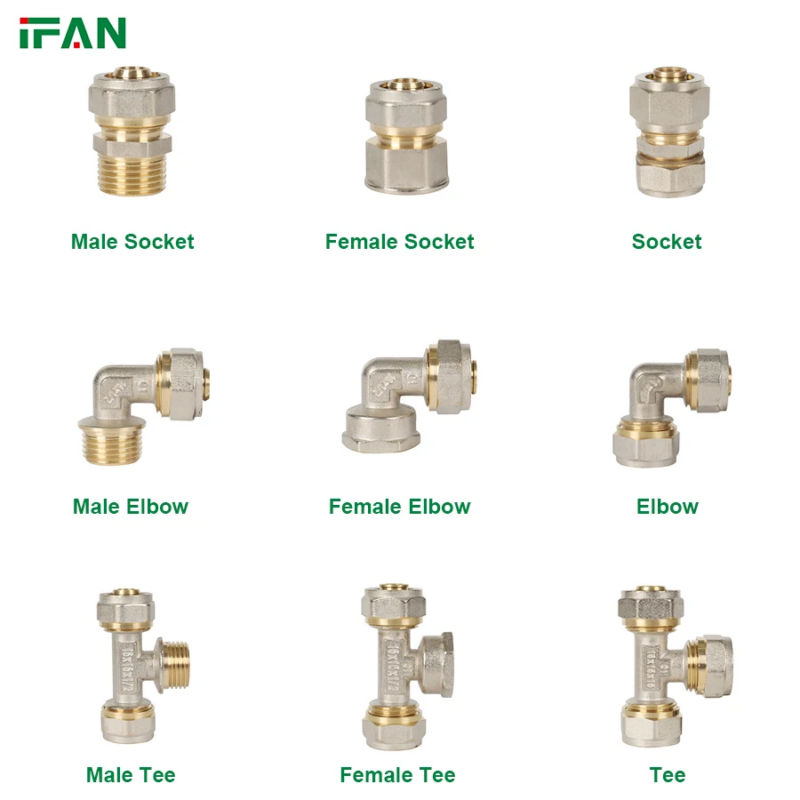
A brass compression fitting has three parts. The main body is the fitting. A brass compression ring (ferrule) comes next. A compression nut completes the assembly. Tightening the nut compresses the ring. This seals the PEX tube securely.
Major Benefit: No Special Tools
You only need two adjustable wrenches. No expensive pressing or crimping tools. This makes it perfect for homeowners. It’s great for emergency repairs. Plumbers can use it anywhere. It’s a very accessible technology.
Step-by-Step Installation Guide
Cut the PEX tubing cleanly and squarely. Slide the compression nut onto the tube. Then slide the brass ferrule onto the tube. Insert the tube fully into the fitting body. Hand-tighten the compression nut. Then tighten with wrenches for 1-2 full turns.
The Importance of the Ferrule
The brass ferrule is the key component. It deforms against the PEX and fitting. This creates a metal-to-metal seal. It also grips the PEX tubing tightly. The seal is both mechanical and friction-based. Quality ferrules are essential.
Reusability and Serviceability
Compression fittings can be disassembled. They can often be reused. This is a huge advantage for modifications. It allows for easy system changes. Components can be taken apart. This is not possible with press or crimp fittings.
Correct Tightening Technique
Overtightening is a common error. It can crush the PEX or distort the ferrule. Undertightening leads to leaks. Use the “two-wrench” method. Hold the fitting body stationary. Tighten the nut to the recommended torque.
Application in Tight Spaces
Compression fittings need little swing room. Wrenches work in confined areas. This is useful under sinks. It helps behind toilets. It works in crowded mechanical rooms. Accessibility is a major strength.
Pressure and Temperature Performance
Quality brass compression fittings are strong. They typically rate at 125-150 psi. They handle standard residential water temperatures. Check manufacturer specifications. They are suitable for hot and cold lines. They work for hydronic heating too.
Common Residential Uses
Ideal for fixture connections (toilets, sinks). Perfect for water heater connections. Great for adding a new water line. Useful for repairing a damaged section. Good for connecting to existing copper. Excellent for DIY projects.
Potential Drawbacks and Considerations
More parts can mean more potential leaks. Installation is slightly slower than press. It requires more manual skill. The ferrule adds a small cost per joint. It may not be approved for in-slab use. Always check local plumbing codes.
If you have read this article and have any questions, please feel free to contact IFAN. Below is our contact information:
Whatsapp:+86 13373827623
Email:[email protected]