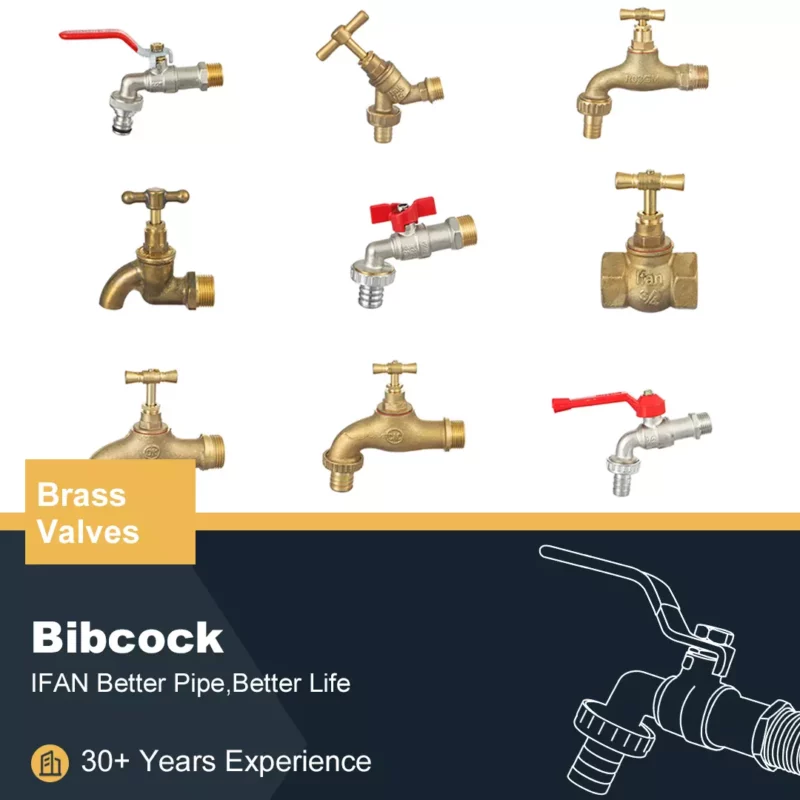
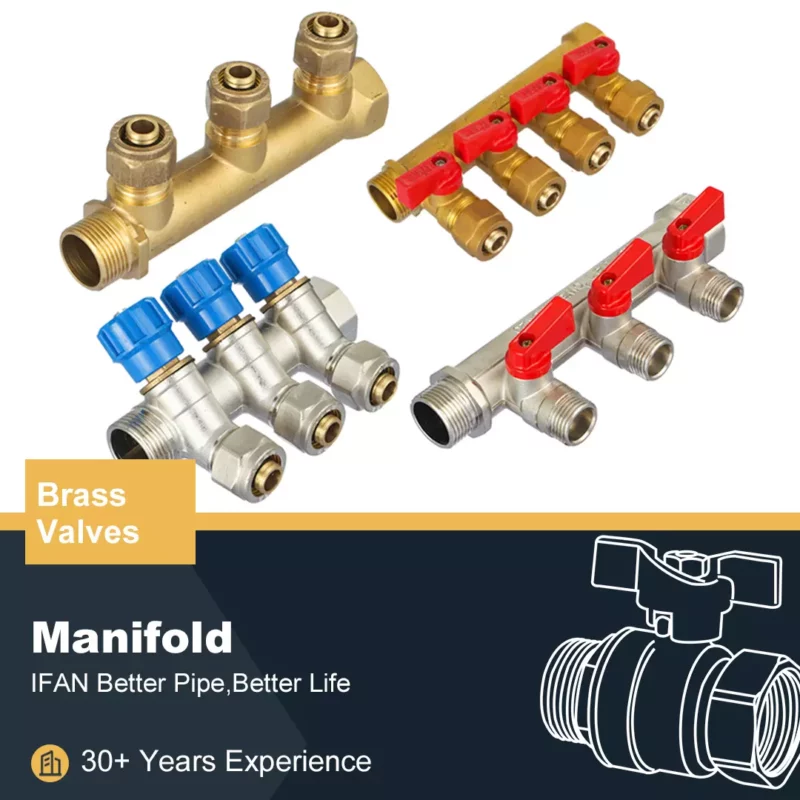
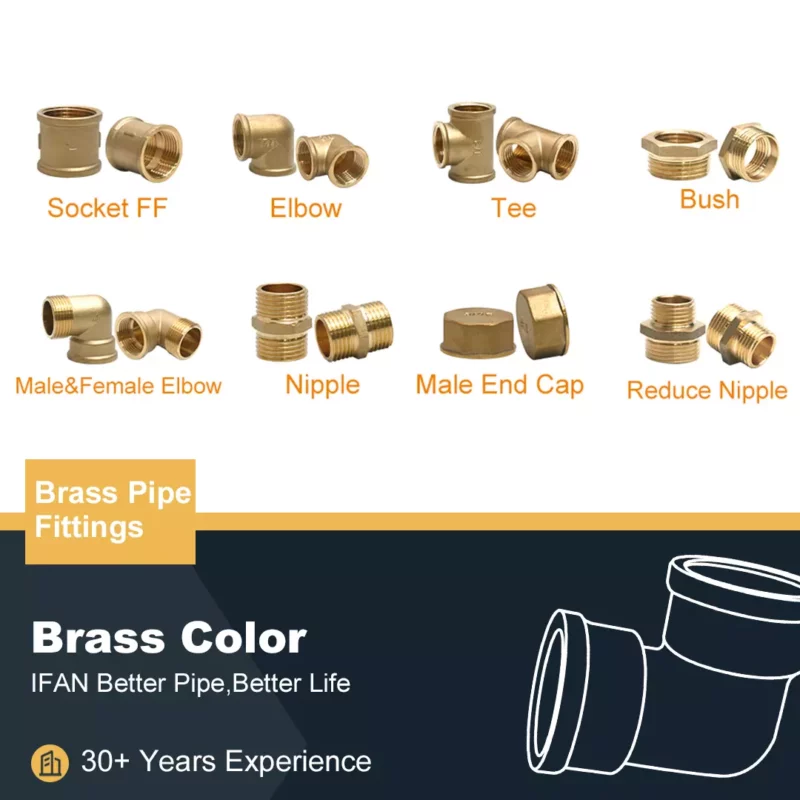
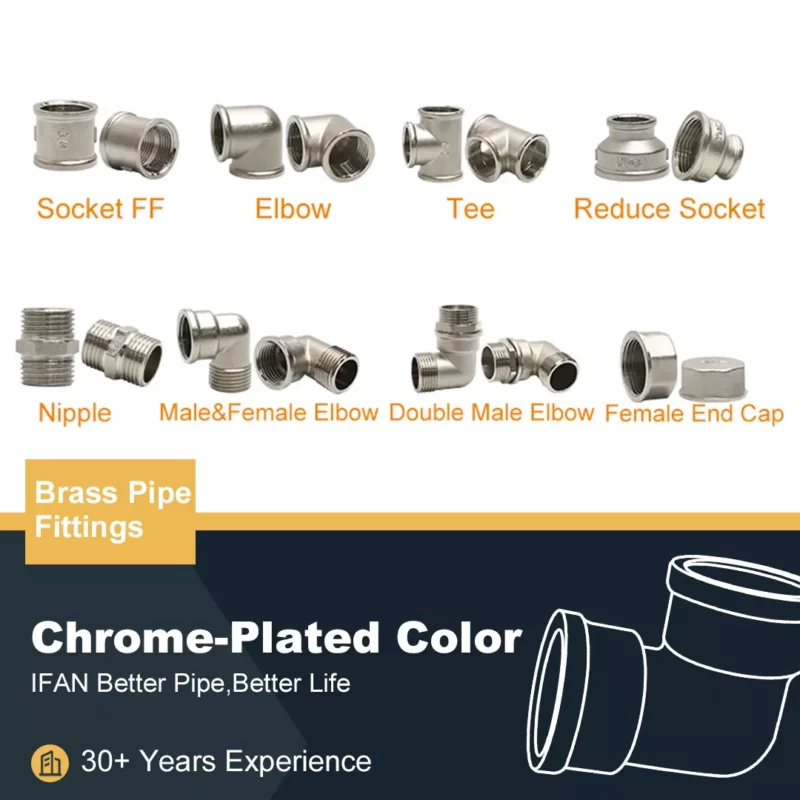


Corrosion is a major threat to plumbing systems worldwide. It shortens service life and causes costly leaks. Bronze pipe fittings stand out as a reliable solution. Their inherent properties fight corrosion in diverse environments. This article explores their value and applications in plumbing systems.
1. What Are Bronze Pipe Fittings?
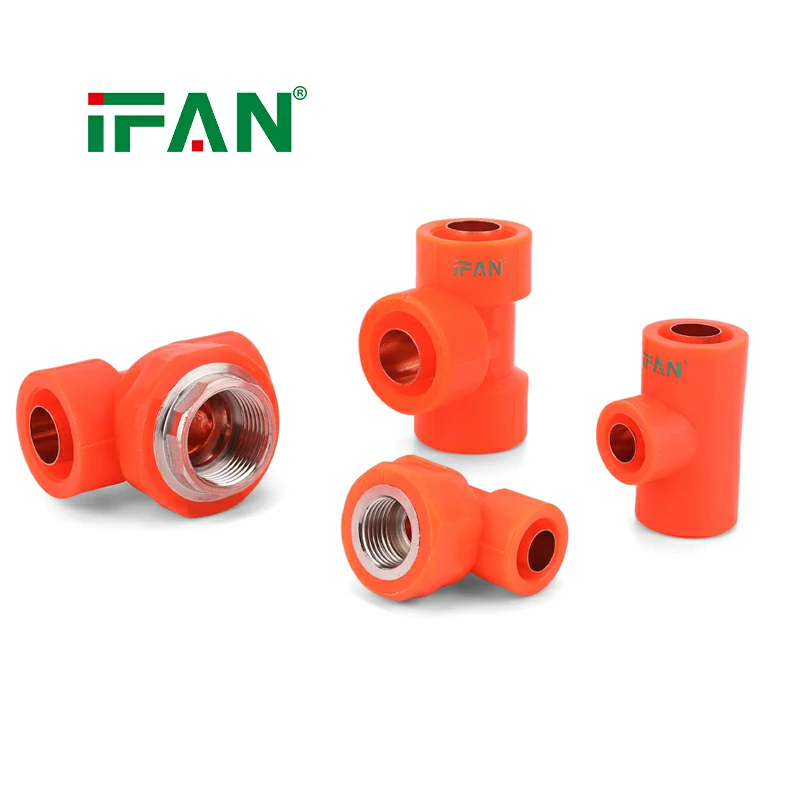
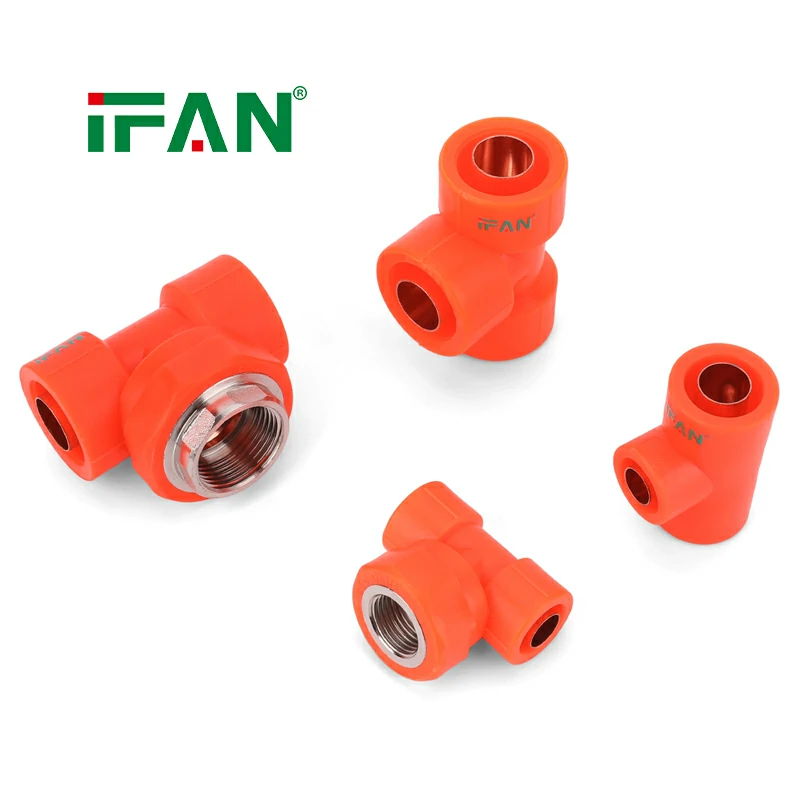
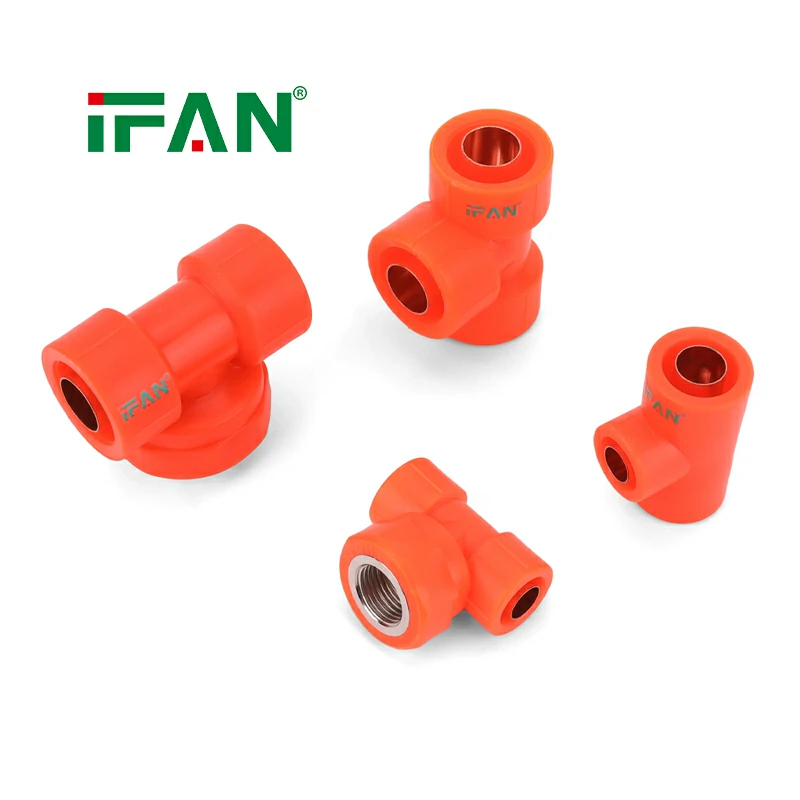
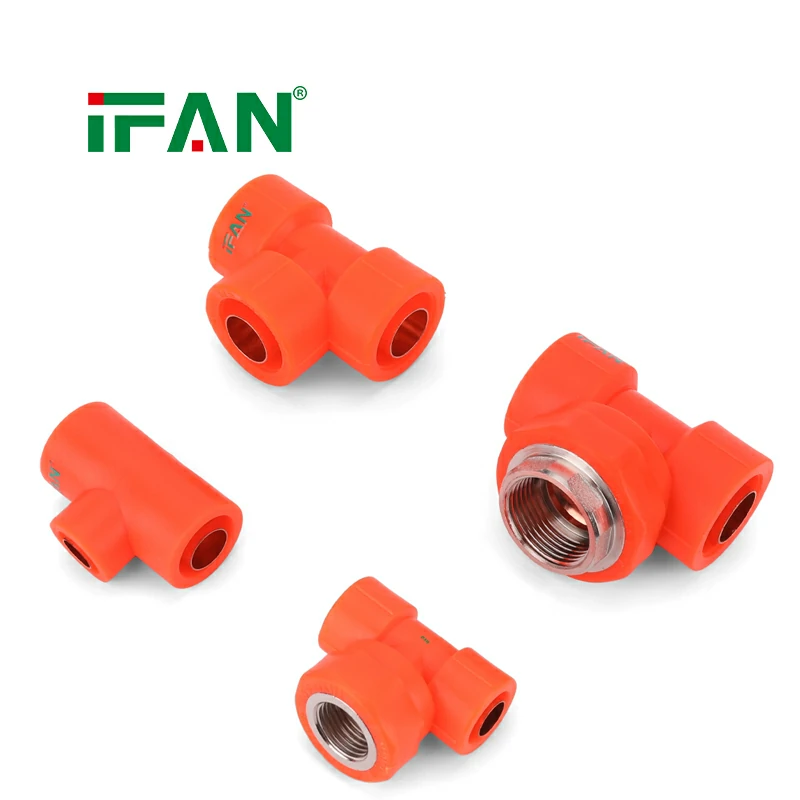
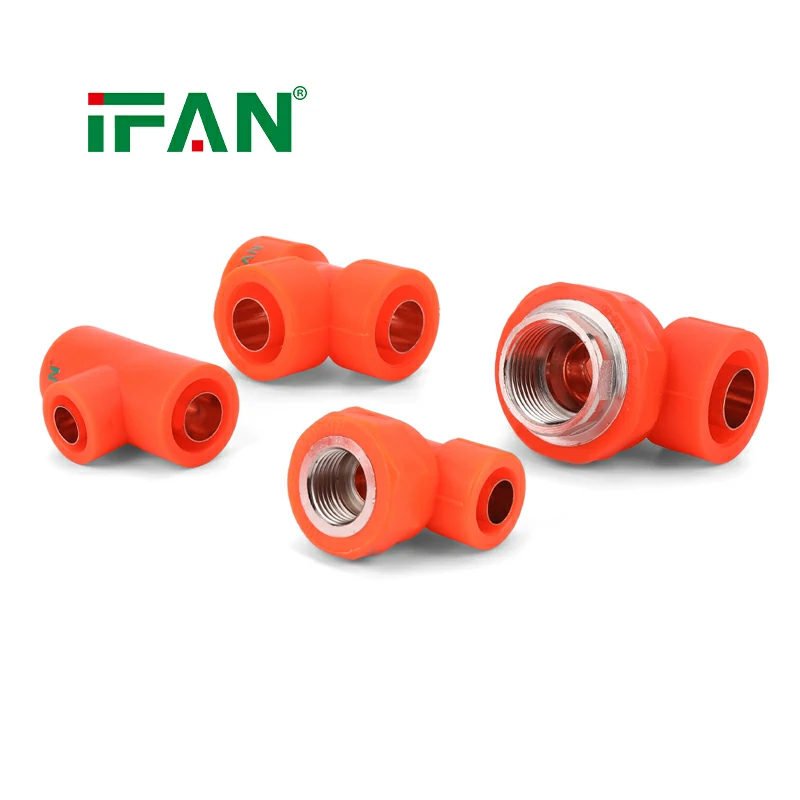
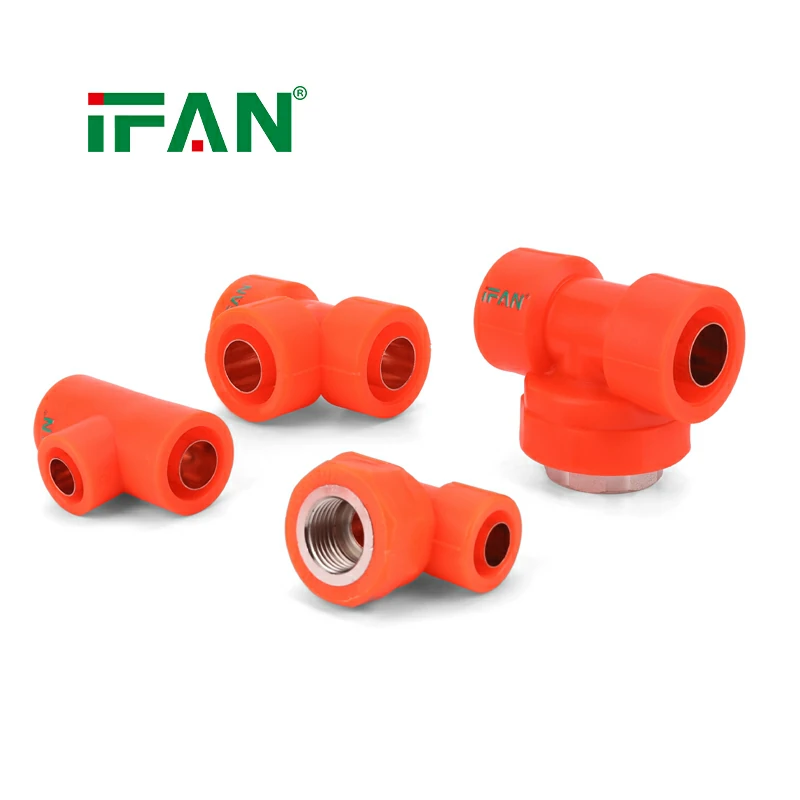
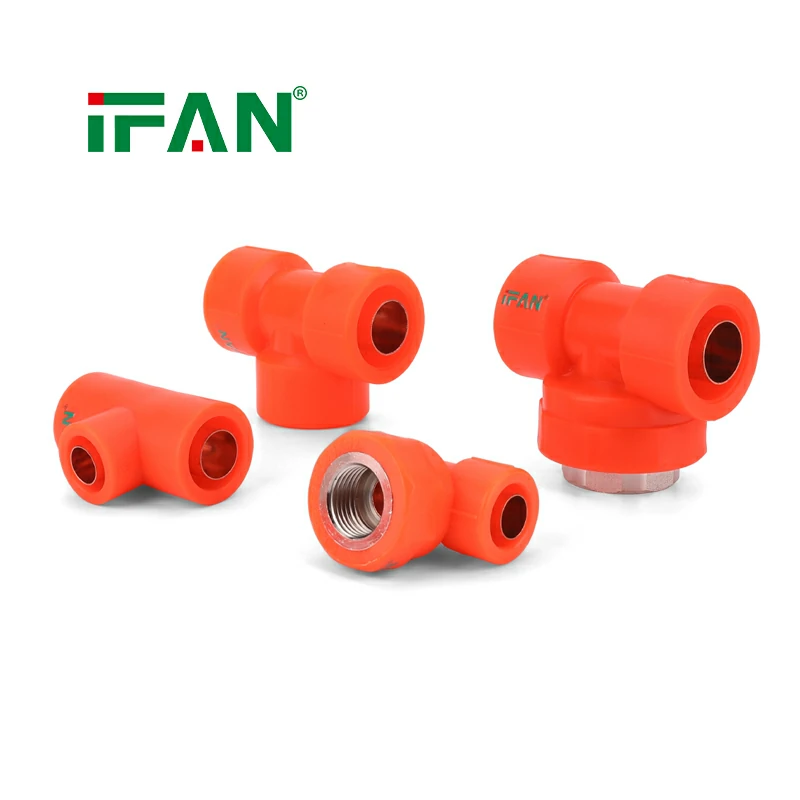
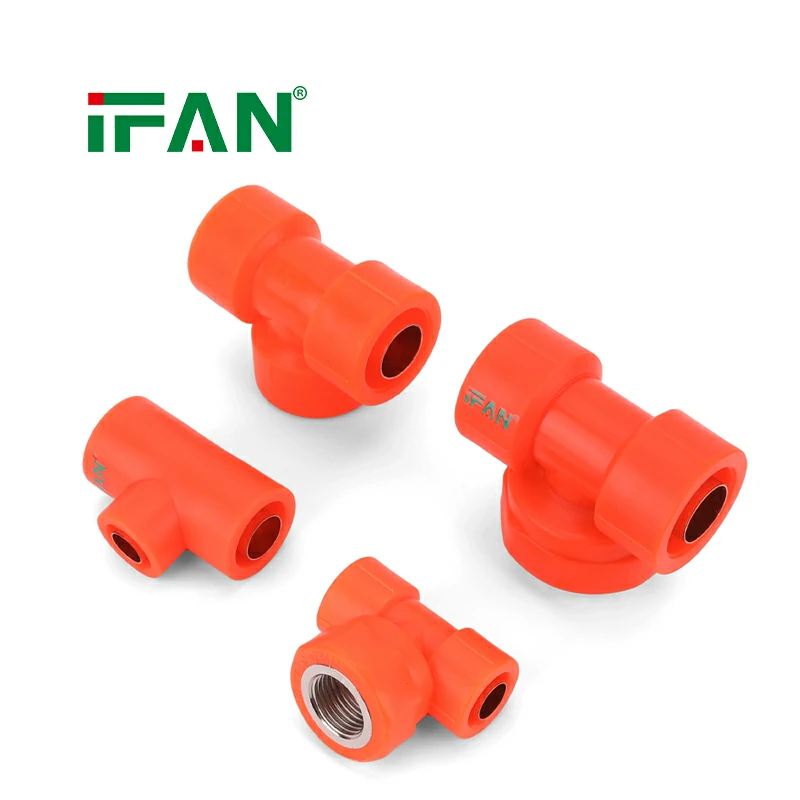
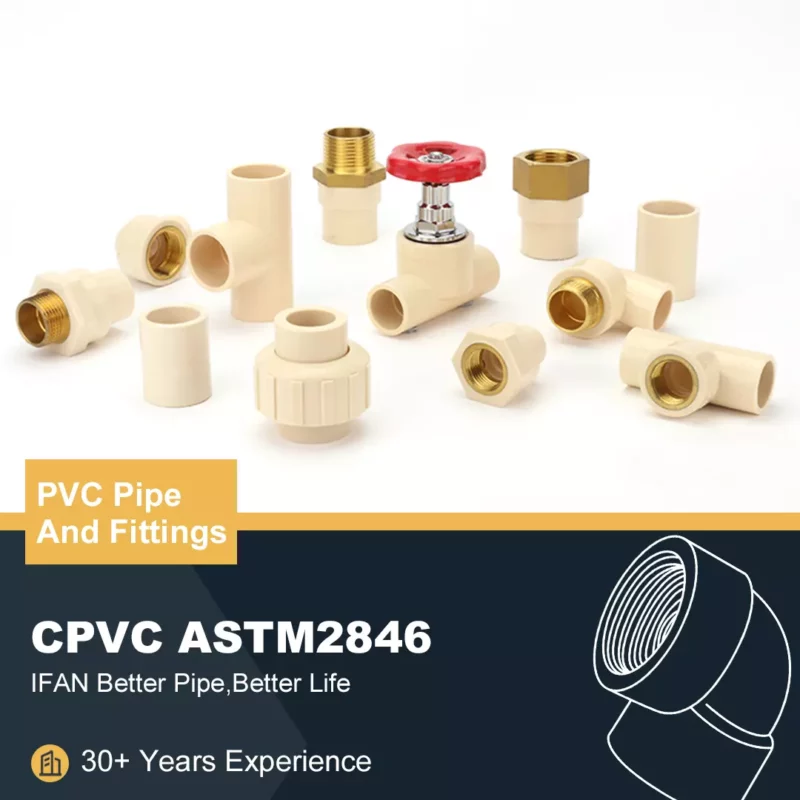
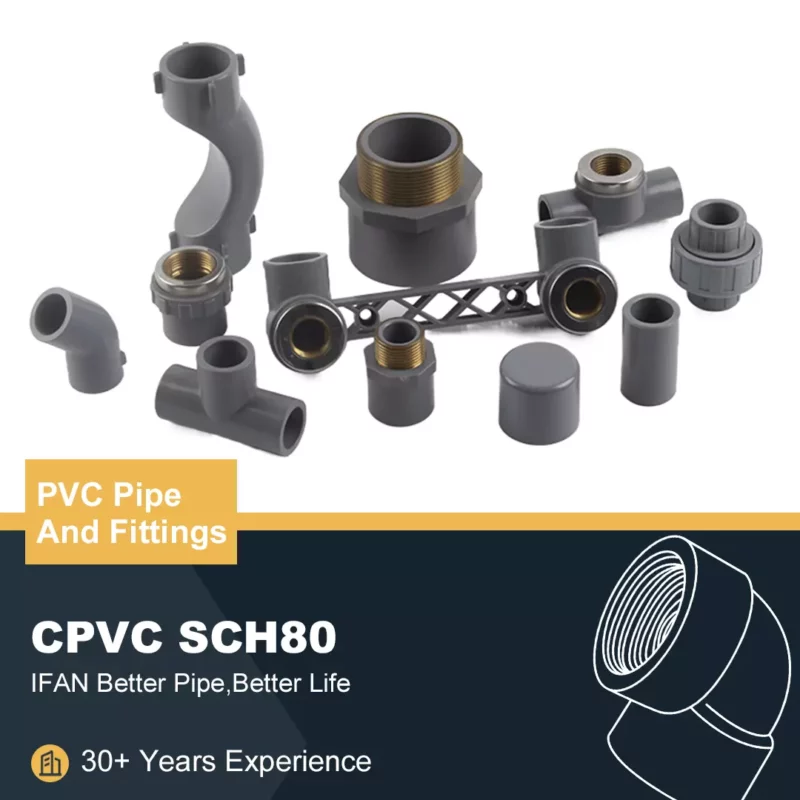
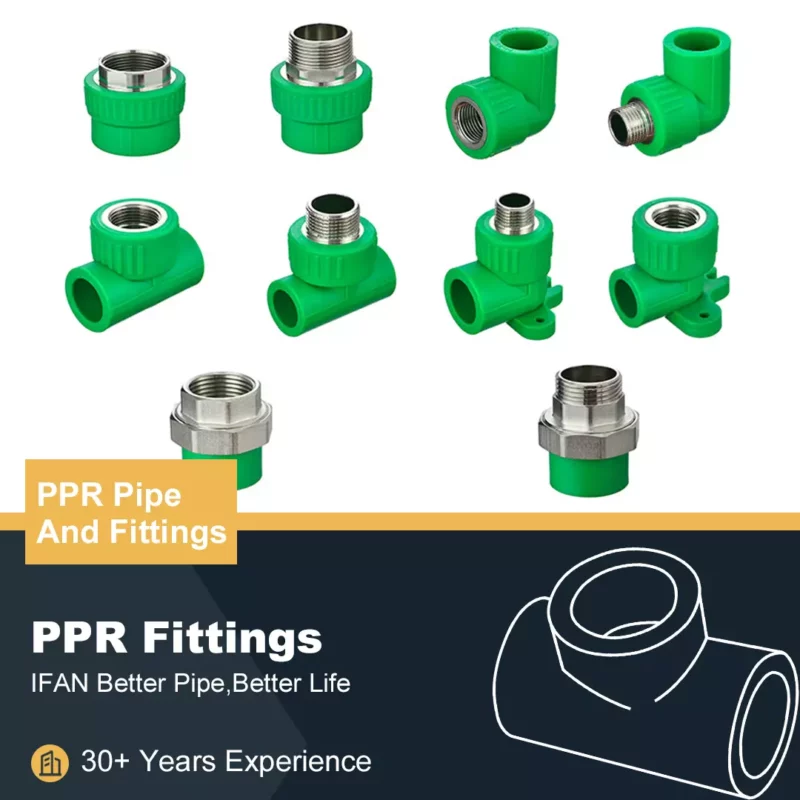
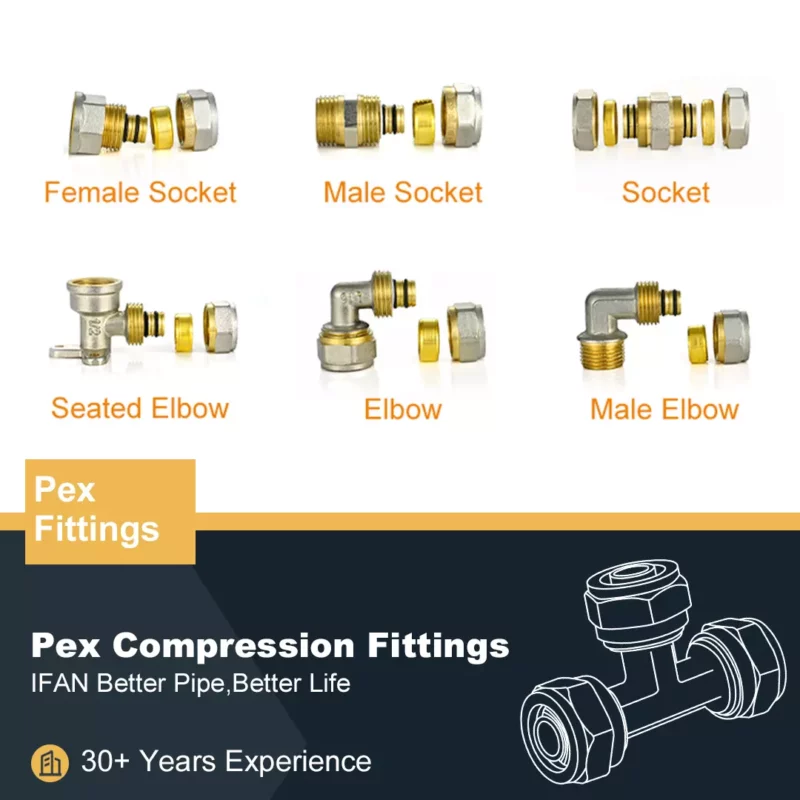
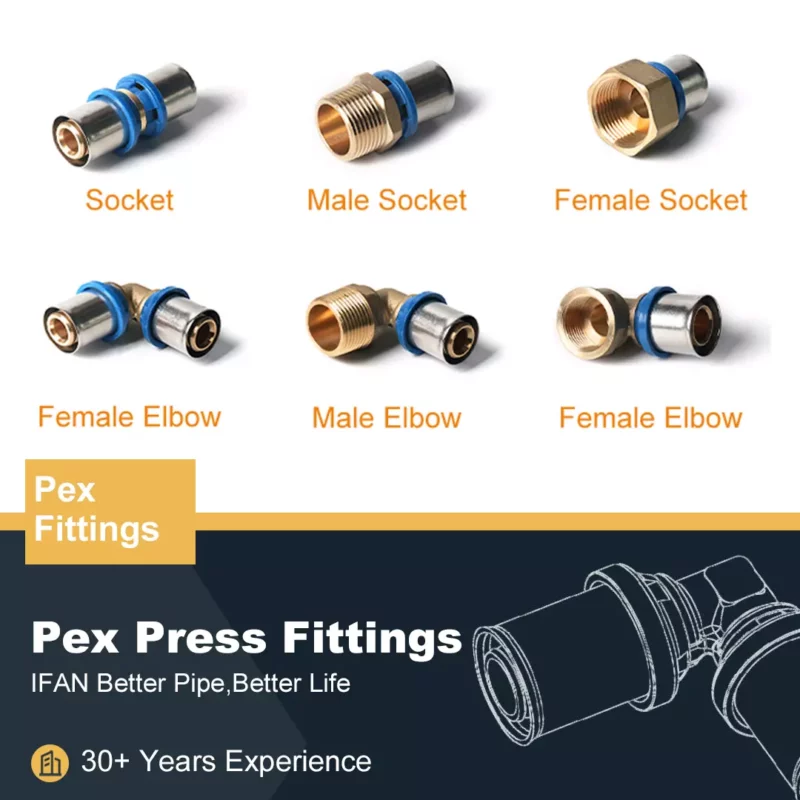
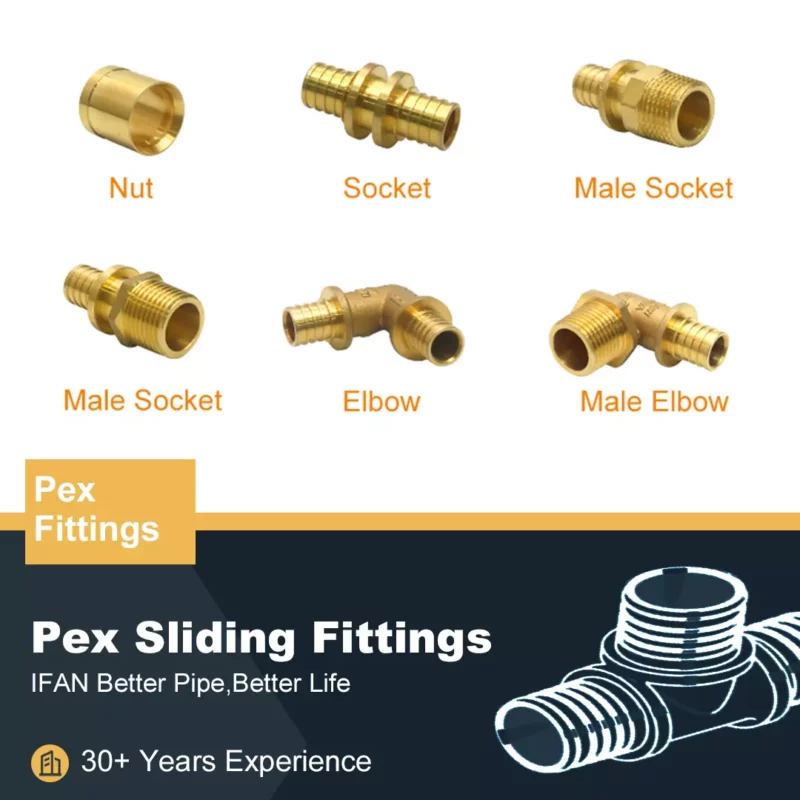
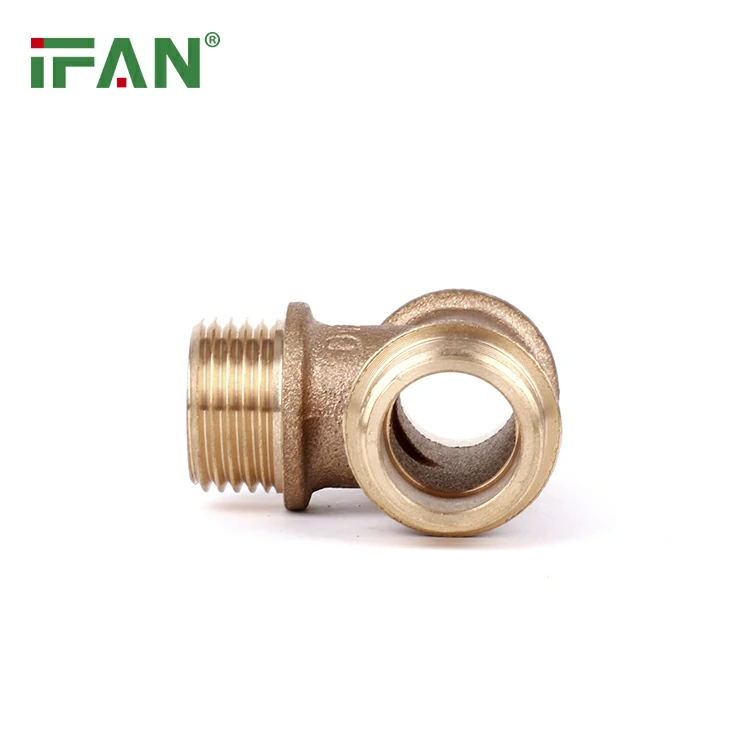
Bronze pipe fittings are connectors made from bronze alloys. Bronze is a mix of copper and tin, often with other elements. These fittings join pipes to fixtures, valves, or other pipe sections. They come in various types, such as elbows, tees, couplings, and unions. Each type serves specific plumbing connection needs.
The alloy composition gives bronze unique characteristics. Copper provides natural corrosion resistance. Tin enhances strength and durability. Other additives may improve machinability or temperature tolerance. This combination makes them suitable for harsh plumbing conditions.
2. Why Bronze Pipe Fittings Resist Corrosion Effectively
Bronze forms a protective oxide layer on its surface. This layer blocks oxygen and moisture from reaching the base metal. It prevents rust and degradation over time. Unlike iron or steel, bronze does not corrode easily in water or air.
The copper content in bronze is key to corrosion resistance. Copper reacts with oxygen to form a stable patina. This patina acts as a barrier against further corrosion. It even performs well in saline or acidic water environments. This makes bronze ideal for coastal or industrial areas.
Bronze resists galvanic corrosion better than many metals. Galvanic corrosion occurs when different metals touch in a moist environment. Bronze’s compatibility with other plumbing materials reduces this risk. It works well with copper, plastic, and stainless steel pipes.
3. Core Advantages Beyond Corrosion Resistance
Durability is a strong point of bronze pipe fittings. They have a long service life, often decades. They withstand high pressure and temperature fluctuations. This makes them suitable for both hot and cold water systems. They do not crack or deform easily under stress.
Bronze pipe fittings offer excellent thermal conductivity. They transfer heat evenly, which benefits hot water systems. They also maintain their shape at high temperatures. This stability prevents leaks in heating and cooling applications.
Machinability is another advantage of bronze. Manufacturers can shape it into complex fitting designs. This allows for precise connections in custom plumbing layouts. It also ensures a tight seal, reducing the risk of leaks.
4. Key Applications of Bronze Pipe Fittings
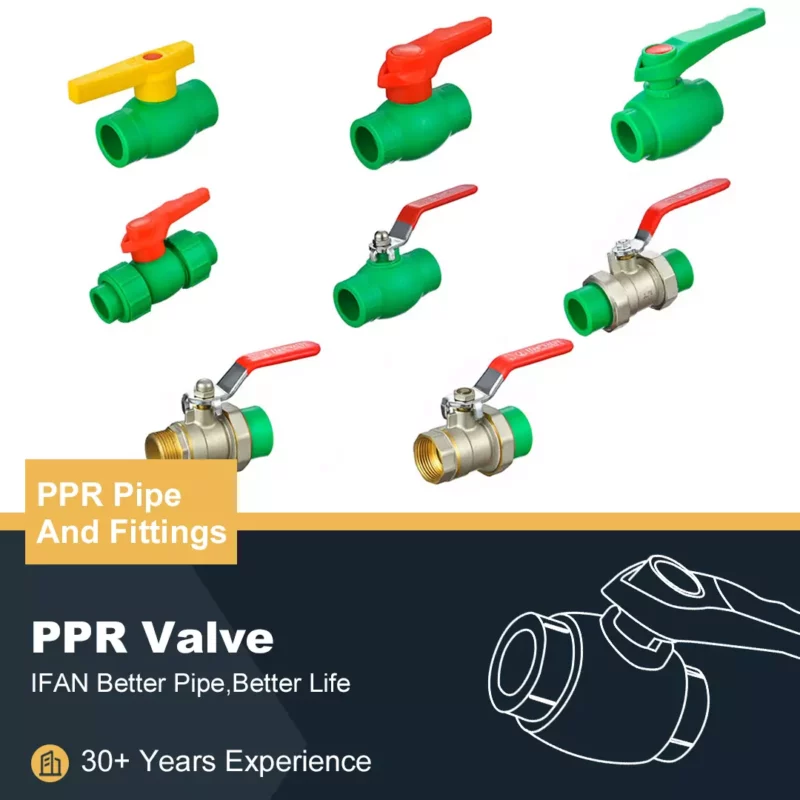
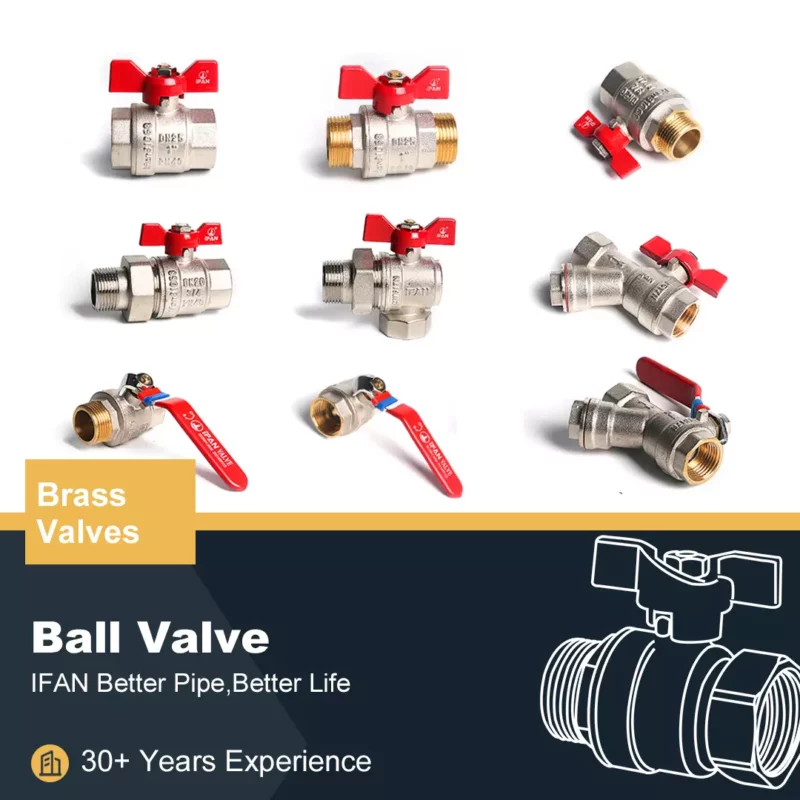
Residential plumbing uses bronze pipe fittings in critical areas. They are ideal for water heaters, faucets, and shower valves. Their corrosion resistance protects against hard water damage. They also work well in outdoor plumbing, such as garden hoses.
Commercial and industrial settings rely on these fittings too. They are used in restaurants, hospitals, and manufacturing plants. They handle the heavy usage and harsh conditions of these environments. They are also common in marine plumbing due to saltwater resistance.
Heritage buildings often use bronze pipe fittings. They match the historical aesthetic of older structures. Their durability ensures compatibility with existing plumbing systems. They also require less maintenance, preserving the building’s integrity.
5. Installation Tips for Bronze Pipe Fittings
Proper installation maximizes the performance of bronze pipe fittings. Clean the pipe ends thoroughly before connection. Remove any dirt, grease, or oxidation. This ensures a tight seal and prevents corrosion at the joint.
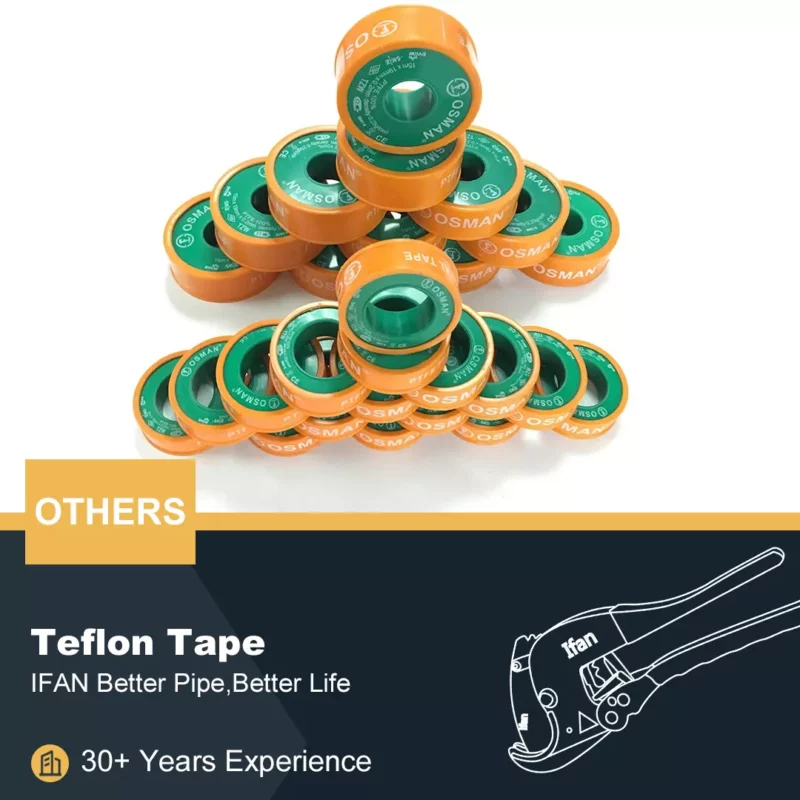
Use the correct tools for installation. Adjustable wrenches are recommended to avoid over-tightening. Over-tightening can damage the threads or fitting body. Use thread sealant or Teflon tape for threaded fittings. This enhances leak resistance and protects the threads.
Inspect fittings regularly after installation. Check for signs of leaks or corrosion. Address any issues promptly to prevent further damage. Avoid using harsh chemicals on bronze fittings. Mild soap and water are sufficient for cleaning.
6. Bronze Pipe Fittings vs. Other Materials
Compared to iron fittings, bronze is far more corrosion-resistant. Iron rusts quickly in moist environments. Bronze’s oxide layer prevents this degradation. Bronze also lasts longer, reducing replacement costs over time.
Copper fittings are corrosion-resistant but less durable. Bronze is stronger and handles higher pressure. Bronze also has better machinability, allowing for more complex designs. It is a better choice for heavy-duty applications.
Plastic fittings are affordable but less robust. They can melt or crack at high temperatures. Bronze pipe fittings withstand extreme temperatures and pressure. They are a more reliable choice for long-term plumbing systems.
7. Choosing the Right Bronze Pipe Fittings
Consider the application when selecting bronze pipe fittings. For high-pressure systems, choose heavy-duty fittings. For marine or saline environments, select bronze with higher tin content. Ensure the fitting size matches the pipe diameter.
Check industry standards and certifications. Look for fittings that meet ANSI or ASTM standards. This ensures quality and safety. Consult a professional plumber for complex projects. They can recommend the best fittings for your specific needs.
Conclusion
Bronze pipe fittings are a superior choice for corrosion-prone environments. Their unique alloy composition provides exceptional protection. They offer durability, thermal conductivity, and versatility beyond corrosion resistance. They suit residential, commercial, and marine applications. Proper installation and selection ensure long-term performance. For reliable, corrosion-resistant plumbing, bronze pipe fittings are an excellent investment.
If you have read this article and have any questions, please feel free to contact IFAN. Below is our contact information:
Whatsapp:+86 13373827623
Email:[email protected]