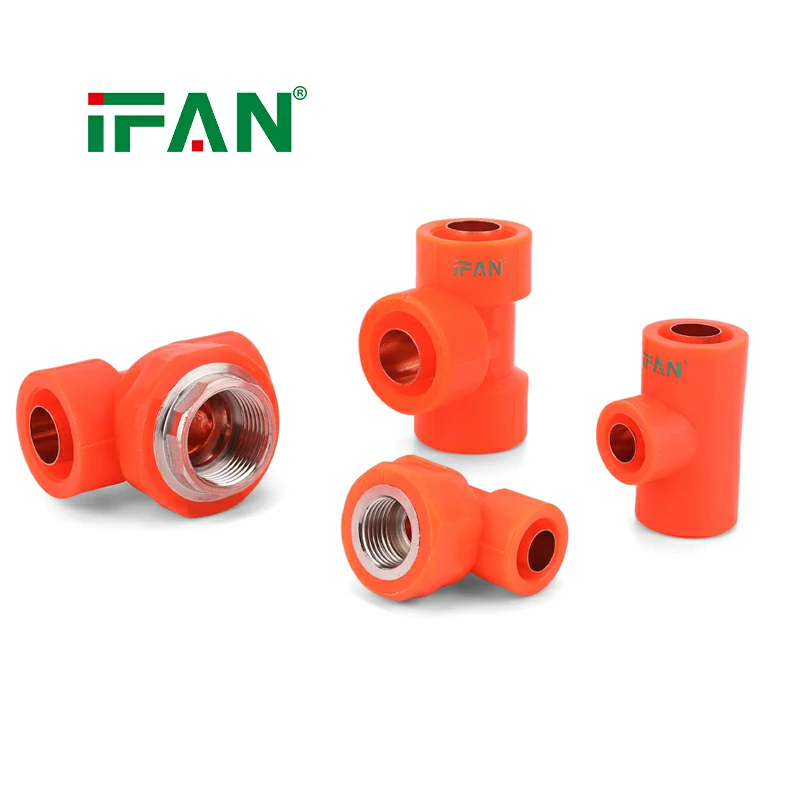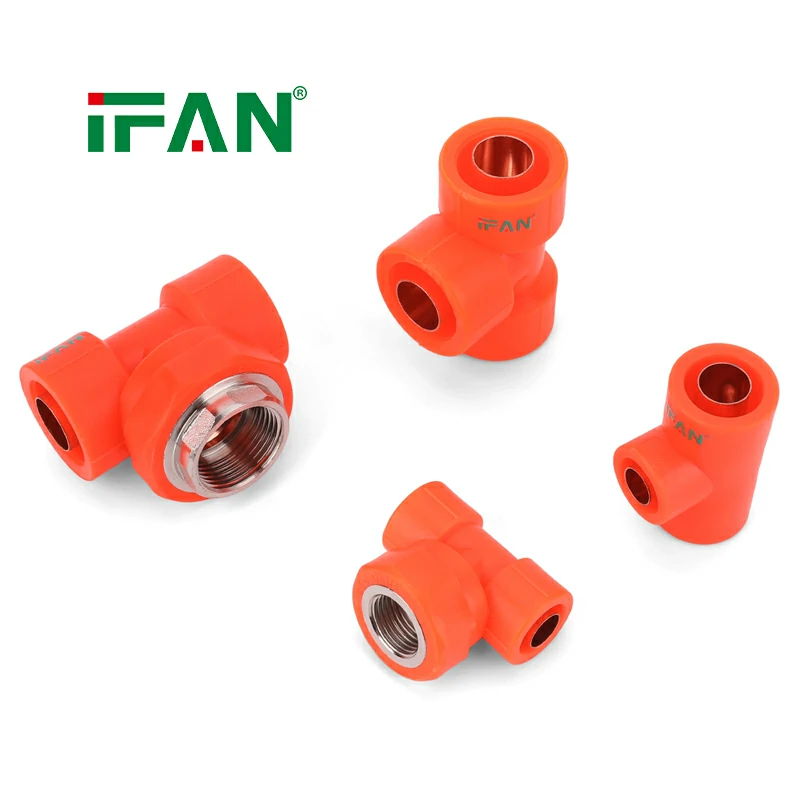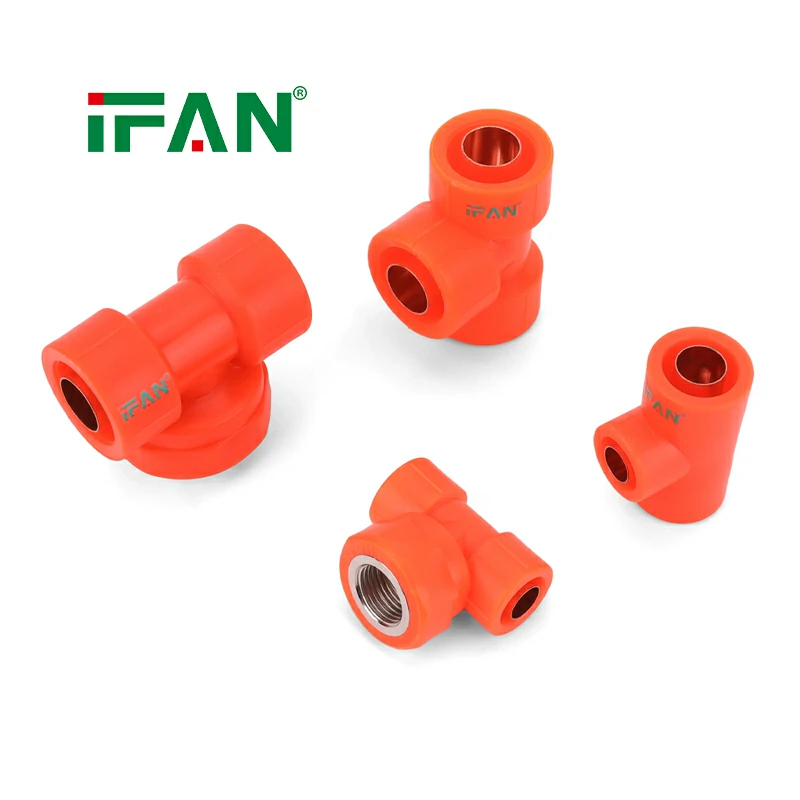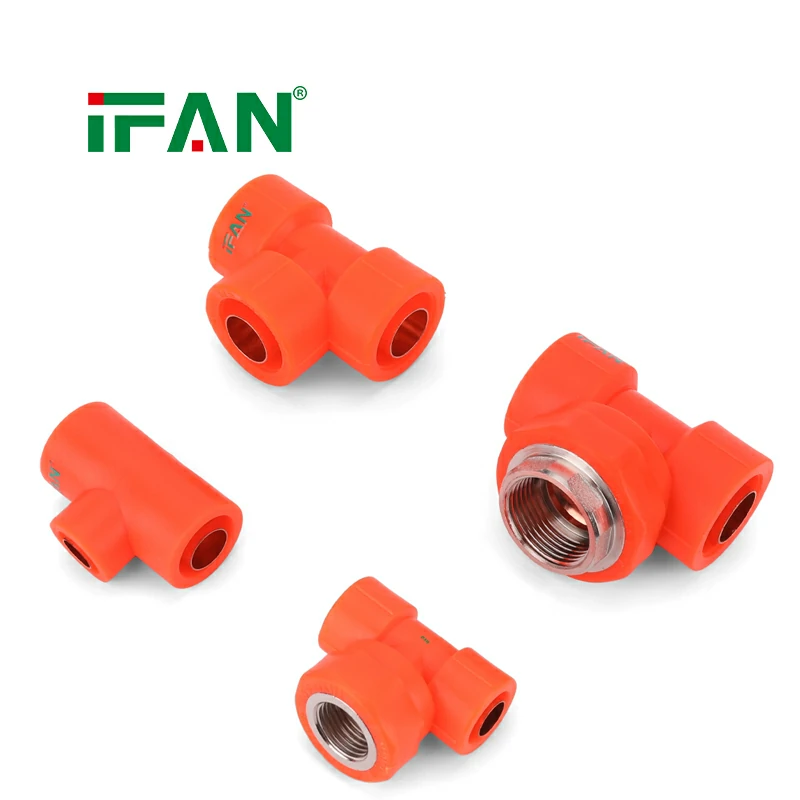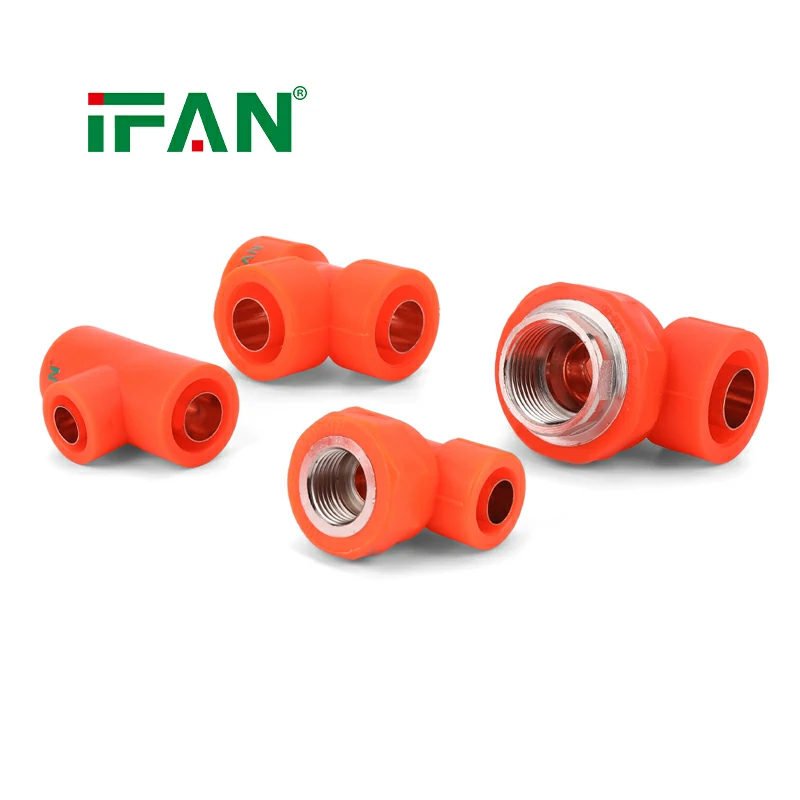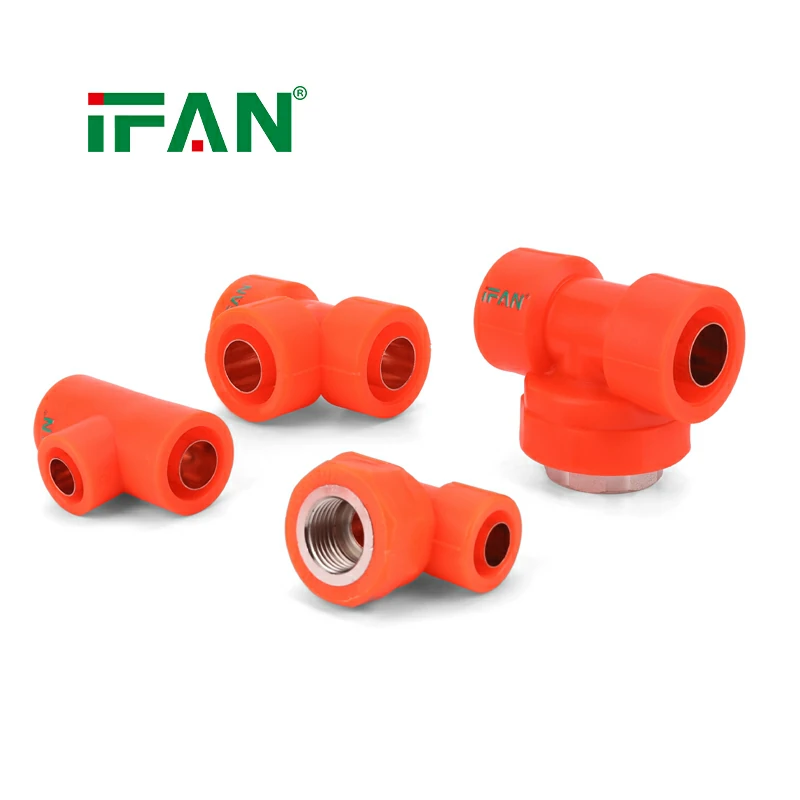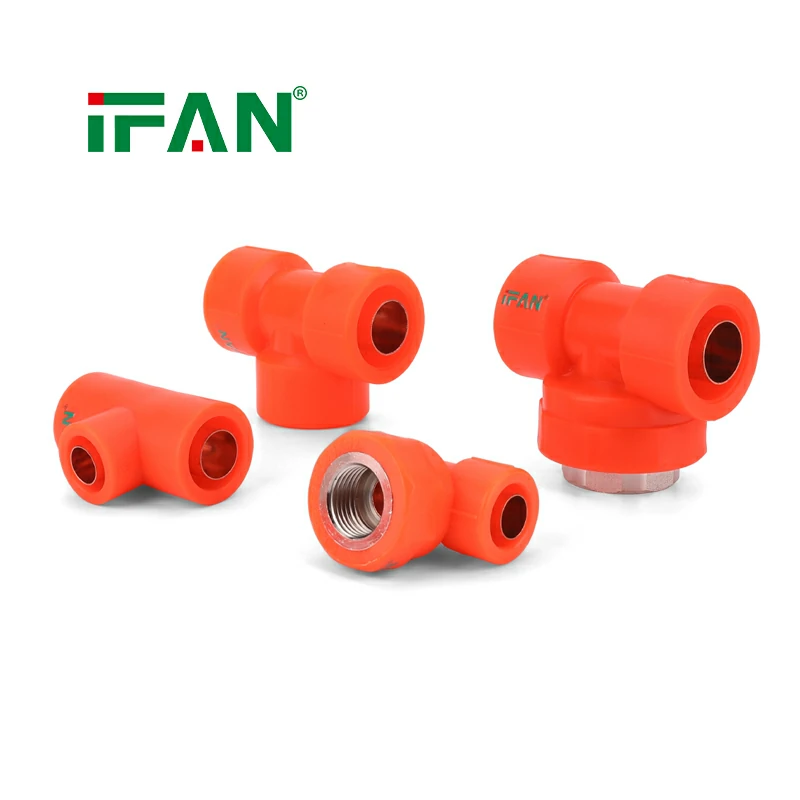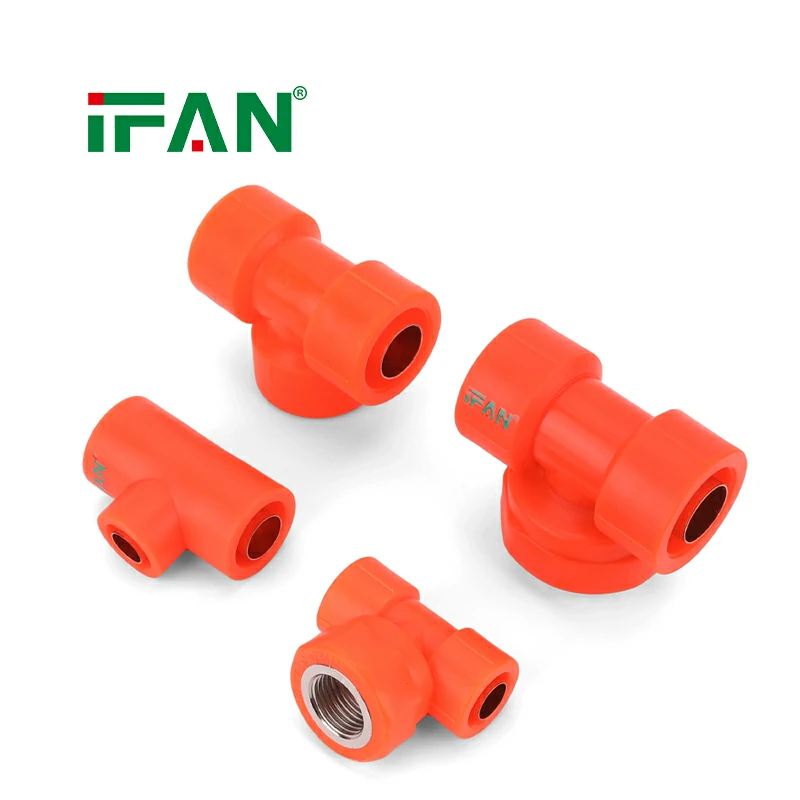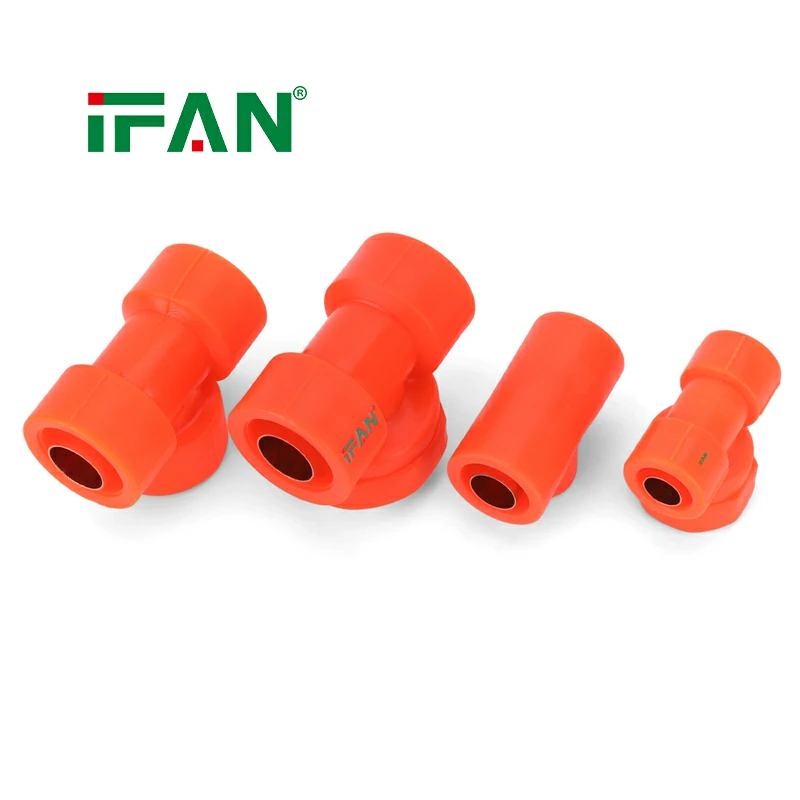
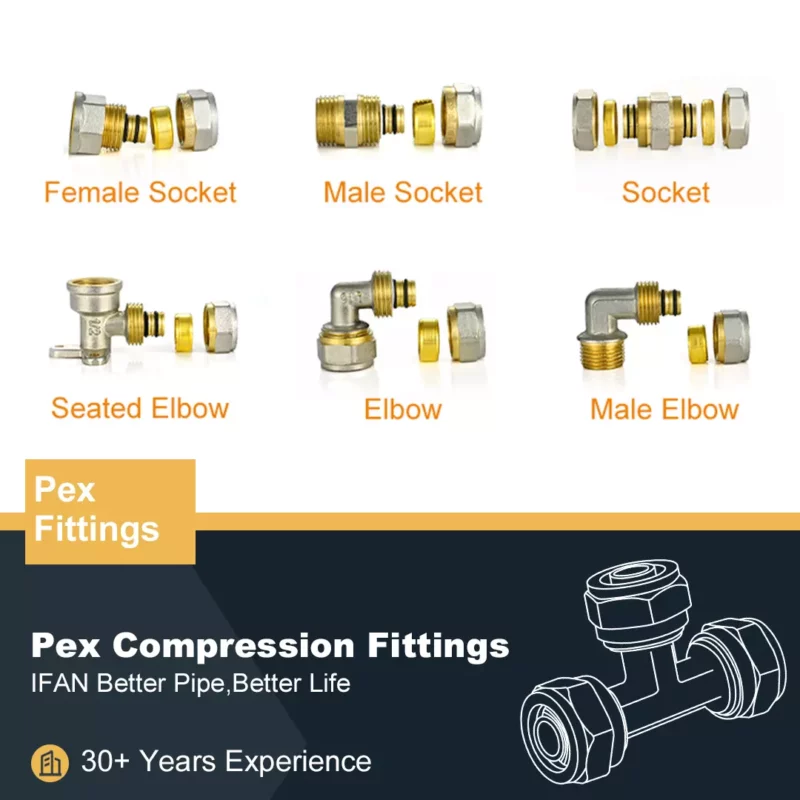
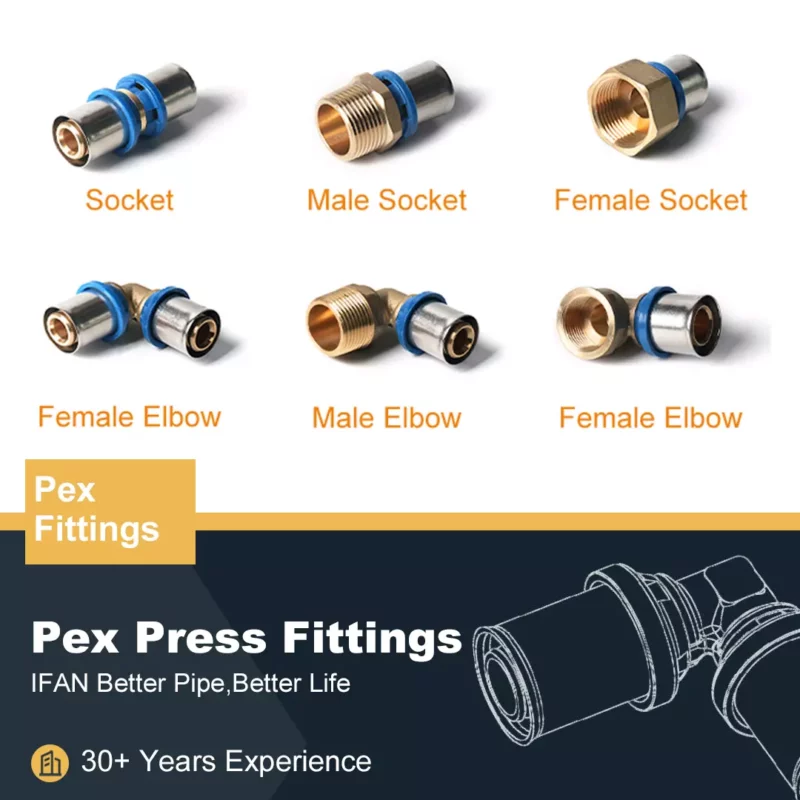
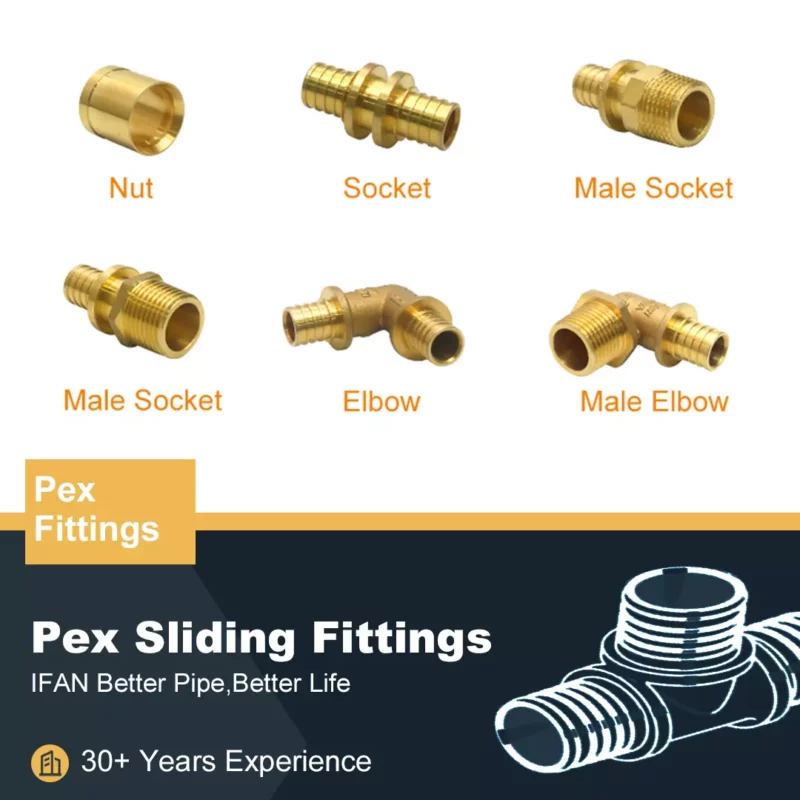
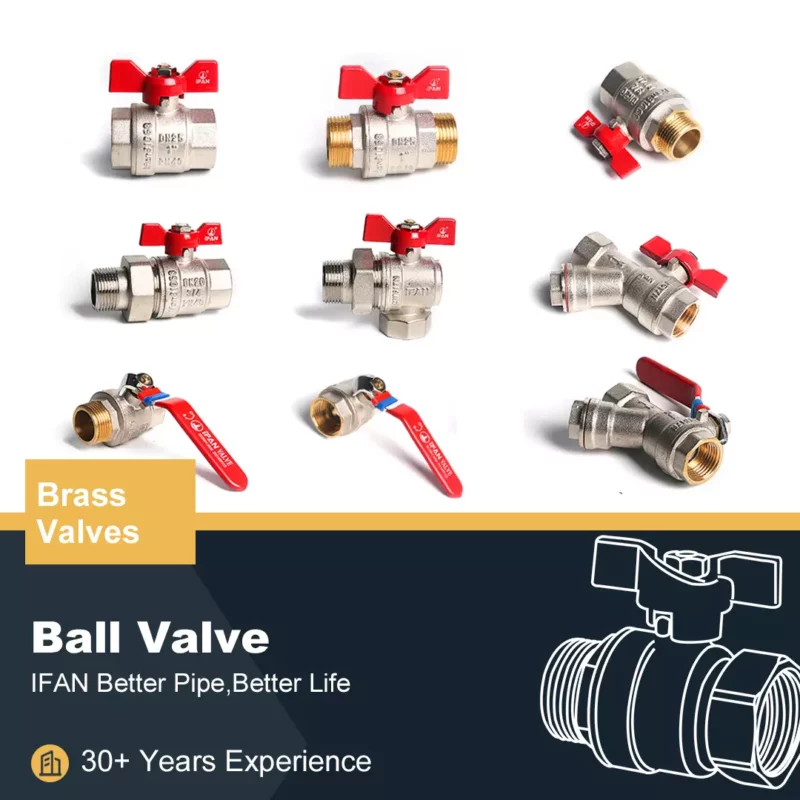
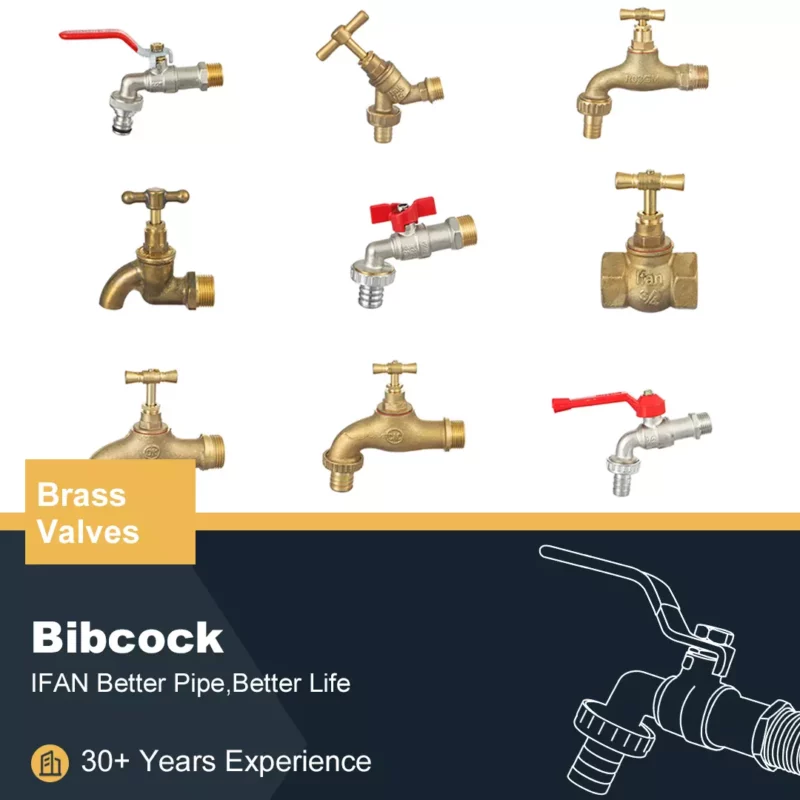
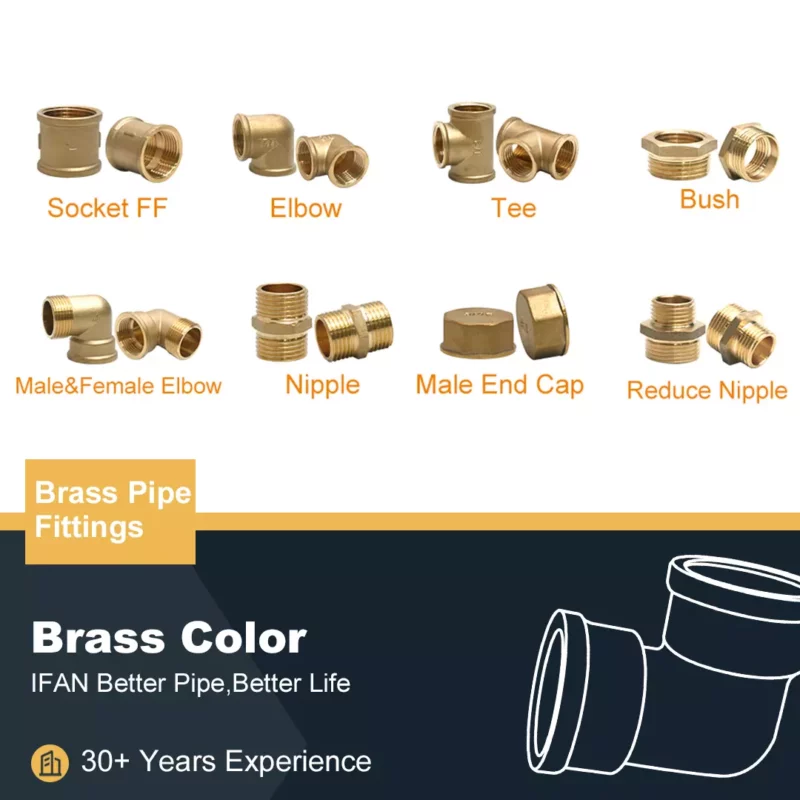
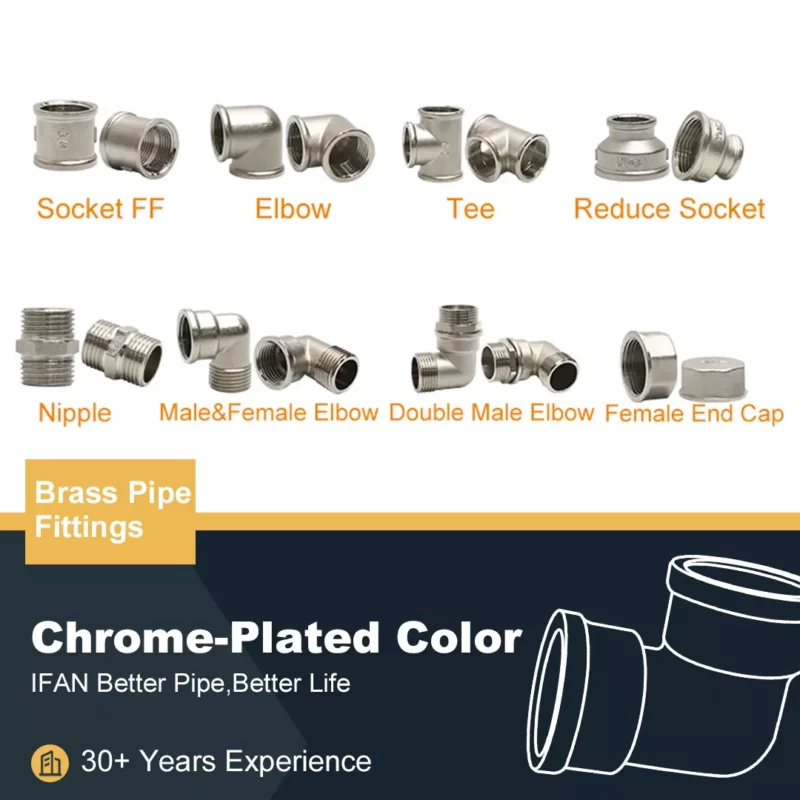


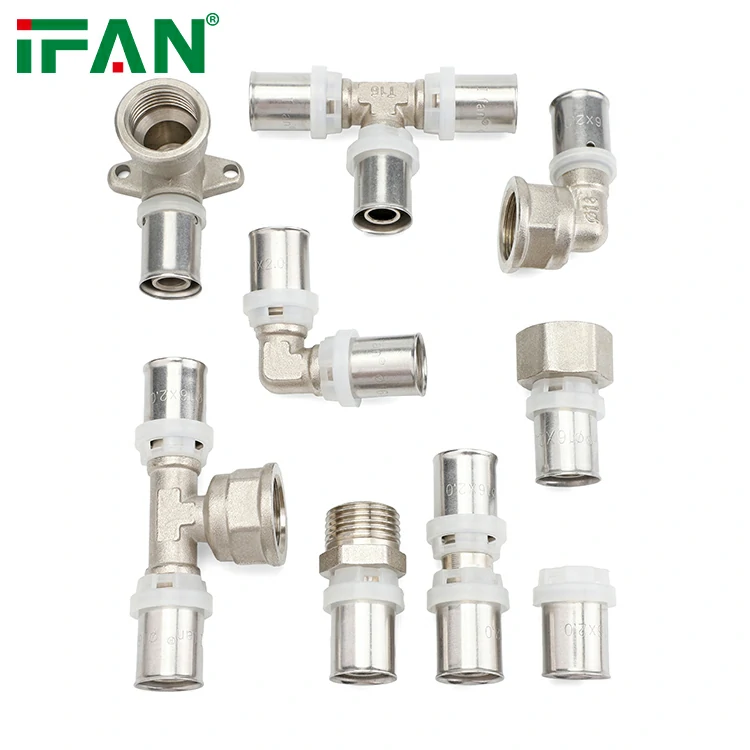
For decades, I’ve guided homeowners through the maze of plumbing options, from the old galvanized pipes that rust from the inside out to copper that requires a skilled torch hand. Today, when homeowners ask me about the best way to plumb their house, my answer increasingly points toward one solution: PEX press fittings. Having watched this technology evolve from a niche product to a mainstream solution, I can confidently say it represents one of the most significant advances in residential plumbing in our lifetime.
Why PEX Press Fittings Beat Traditional Methods
Let me be clear: I don’t recommend new products lightly. I’ve seen plenty of “revolutionary” plumbing products come and go. But PEX press fittings are different because they solve fundamental problems that have plagued homeowners for generations.
The Freeze Protection Advantage
In all my years of building in cold climates, I’ve seen countless copper pipes split after freezing. Here’s what makes PEX press fittings with PEX tubing different: the material can expand significantly when frozen, then return to its original shape. I recently inspected a vacation home in Vermont where the owners accidentally left the heat off during a -20°F cold snap. The PEX system with PEX press fittings survived unscathed—something copper would never have done.
No More Pinhole Leaks
The brass used in quality PEX press fittings is specifically formulated to resist dezincification—the process that causes pinhole leaks in cheap brass fittings. When you combine this with the corrosion resistance of PEX tubing, you get a system that won’t fail from the inside out like galvanized steel or from electrolysis like copper can in certain water conditions.
What You’re Actually Paying For
Homeowners often balk at the initial cost of a PEX press fitting system, but let me break down why it’s worth every penny.
Labor Costs: The Hidden Savings
A professional plumber can install a PEX press fitting system in about half the time of copper. Since labor represents 60-70% of your plumbing bill, this translates to real savings. I recently compared two identical new home projects—one with copper and one with PEX press fittings. The PEX house saved the homeowners $3,200 in labor costs.
Long-Term Value
Consider this: the average cost to repair water damage from a single leak is about $5,000. The reliability of PEX press fittings means you’re far less likely to face this expense. In fifteen years of tracking these systems, I’ve yet to see a properly installed PEX press fitting fail.
Installation Insights Your Plumber Might Not Share
Having watched hundreds of installations, I’ve learned what separates a good PEX press fitting job from a great one.
The Manifold System Advantage
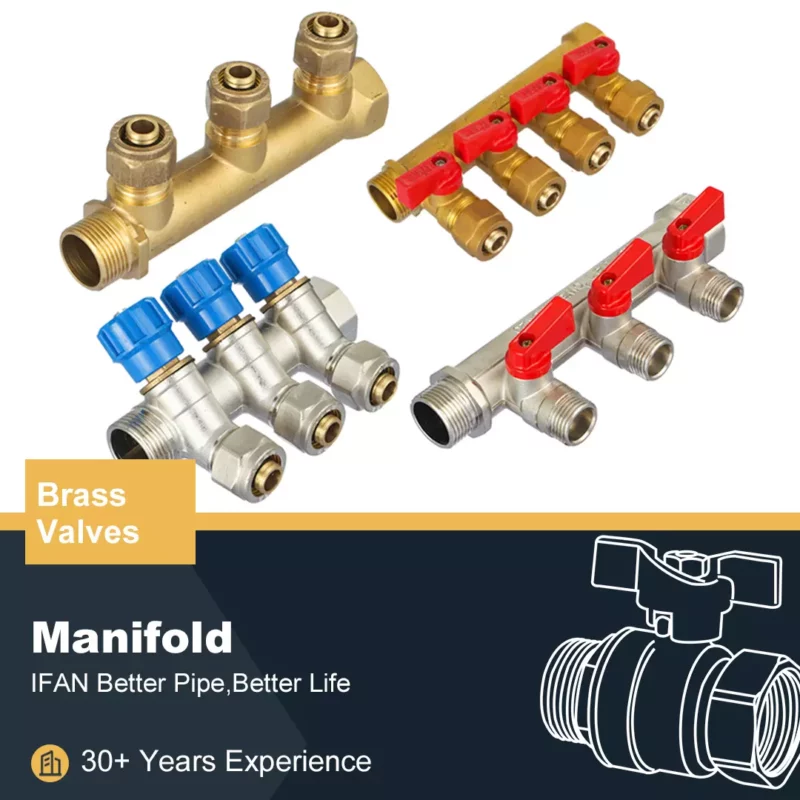
Insist on a home-run manifold system with PEX press fittings. This means running individual lines from a central distribution point to each fixture. Yes, it uses more pipe, but when your kitchen faucet needs servicing, you won’t have to shut off water to the entire house. The manifold allows you to isolate single fixtures while maintaining water to the rest of your home.
Proper Support is Crucial
PEX tubing requires more support than copper—about every 32 inches on horizontal runs. I’ve seen too many installations where sagging between supports puts stress on the PEX press fittings. Use properly sized hangers that don’t constrict the pipe, and make sure there’s support within 6 inches of every fitting.
The Expansion Loop Secret
Professional installers know to leave slack in the lines for expansion and contraction. What many homeowners don’t realize is that this also helps absorb water hammer—those annoying banging sounds in your pipes. With PEX press fittings, the system naturally dampens these shocks better than rigid piping.
Red Flags to Watch For
Not all PEX press fitting installations are created equal. Here’s what should raise concerns:
- Plumbers using generic jaws instead of manufacturer-specific ones
- No depth marks on the tubing before pressing
- Missing inspection of the press indicator window
- Fittings pressed under tension or torsion
I recently had to call out a plumbing crew for trying to use one brand’s jaws on another’s fittings. This is a surefire way to get leaks down the road.
When You Might Still Want Copper
Despite my enthusiasm for PEX press fittings, there are still situations where I recommend copper:
- For exposed plumbing in high-end installations where appearance matters
- Direct connections to water heaters where local codes require metal piping
- In areas with high rodent populations (though proper installation usually mitigates this risk)
That said, for 90% of residential applications, PEX press fittings provide superior performance and reliability.
The Bottom Line for Homeowners
After forty years in the building industry, I’ve developed a simple rule: recommend what I’d install in my own home. My daughter’s house, built three years ago, uses PEX press fittings throughout. Not because it was cheaper (though it saved me about 15% overall), but because it’s a better system.
The combination of freeze resistance, corrosion immunity, and the verified reliability of the press connection makes PEX press fittings the smart choice for today’s homeowners. Whether you’re building new or repiping an existing home, this is one building innovation that truly delivers on its promises.
Frequently Asked Questions (FAQ)
1. How long will a PEX press fitting system last in my home?
All major manufacturers warranty their PEX press fitting systems for 25 years, but the expected service life is 50+ years. The materials are designed to outlast the building they’re installed in, unlike copper which can fail from pinhole leaks or galvanized steel that rusts from the inside out.
2. Can I use PEX press fittings for my outdoor sprinkler system?
Absolutely. In fact, PEX press fittings are excellent for irrigation systems because they resist the UV degradation that affects PVC and won’t corrode like metallic fittings. Just remember to drain the system before freezing weather, even though the pipes can handle some expansion.
3. Will my homeowners insurance give me a discount for using PEX press fittings?
Some insurance companies are starting to offer discounts for homes with PEX press fitting systems due to their reduced risk of leakage. It’s worth asking your agent, though the primary benefit remains the peace of mind from having a more reliable plumbing system.
4. Can I add onto my existing copper system with PEX press fittings?
Yes, and this is one of their great advantages. Using a simple transition fitting, a plumber can connect new PEX lines with PEX press fittings to your existing copper without soldering. This makes renovations and additions much simpler and less disruptive.
5. Are there any special maintenance requirements?
None. Unlike copper systems that can develop pinhole leaks or galvanized systems that clog with rust, PEX press fitting systems require zero maintenance. The smooth interior surfaces resist scale buildup, and the materials won’t corrode. It’s truly a install-and-forget system.
Whatsapp:+86 13373827623
Email:[email protected]