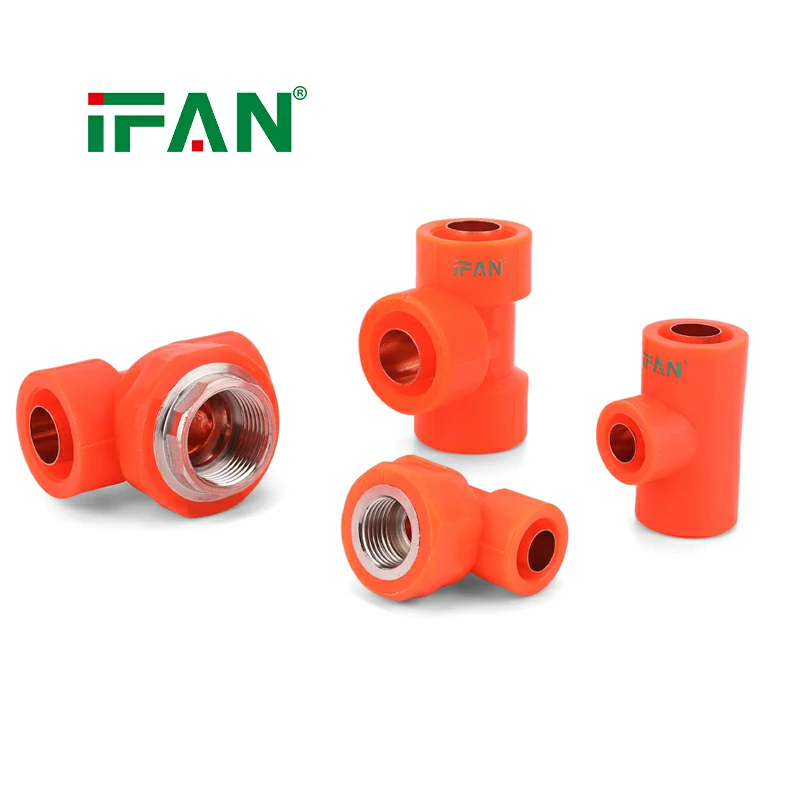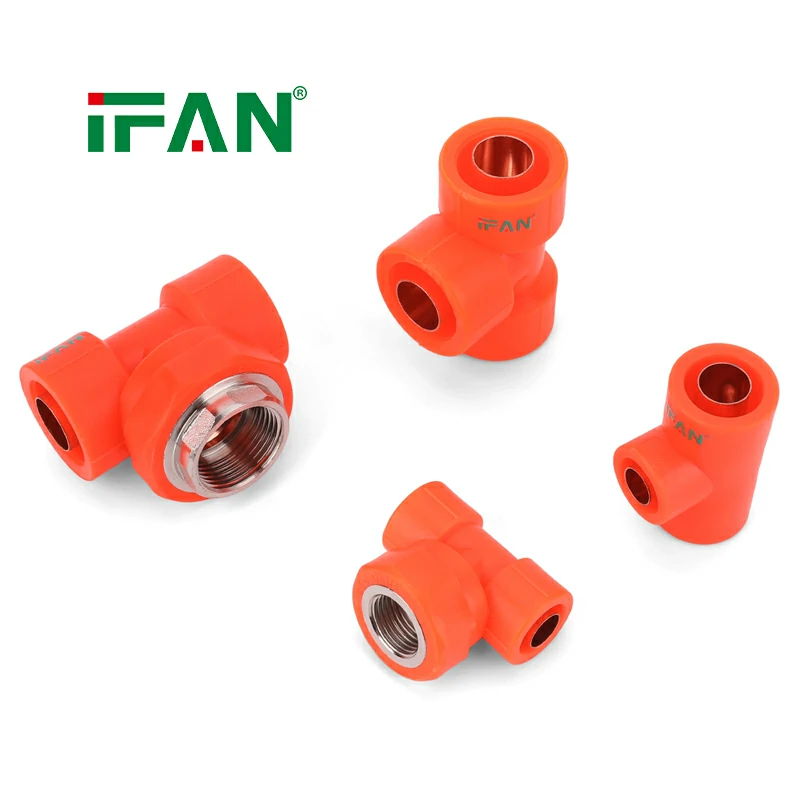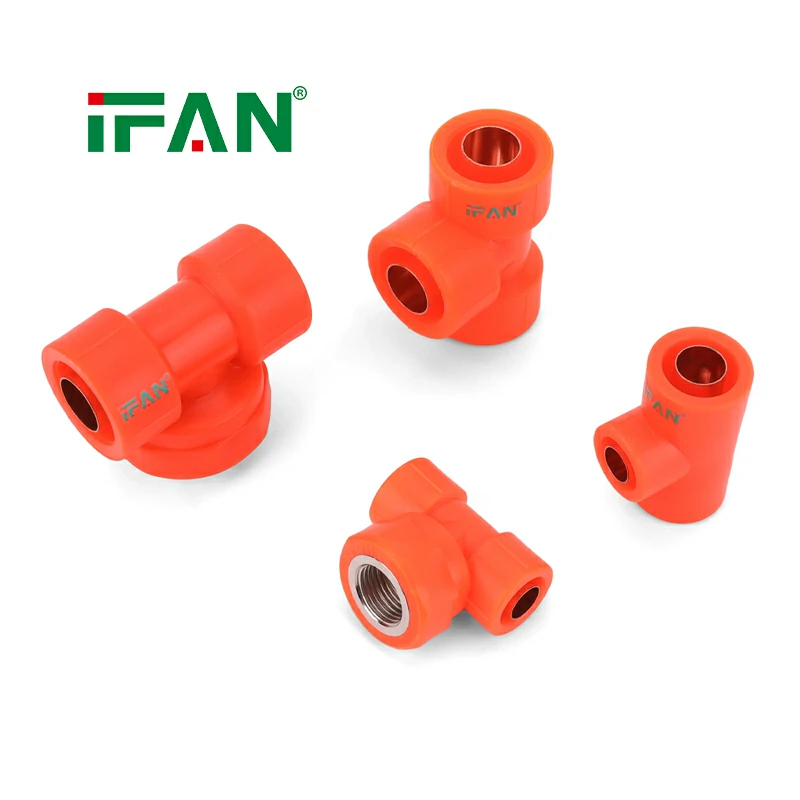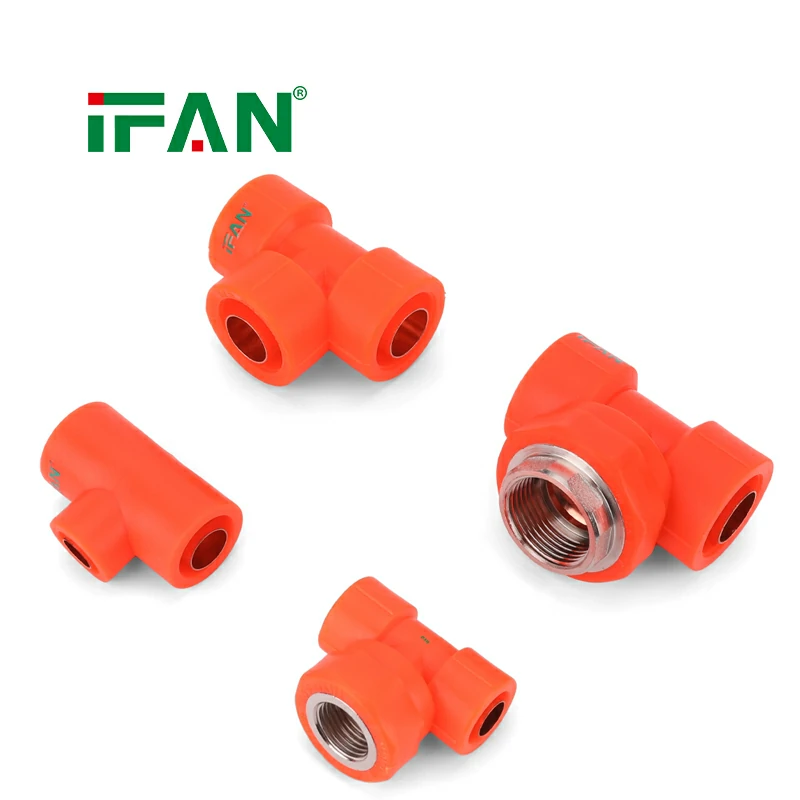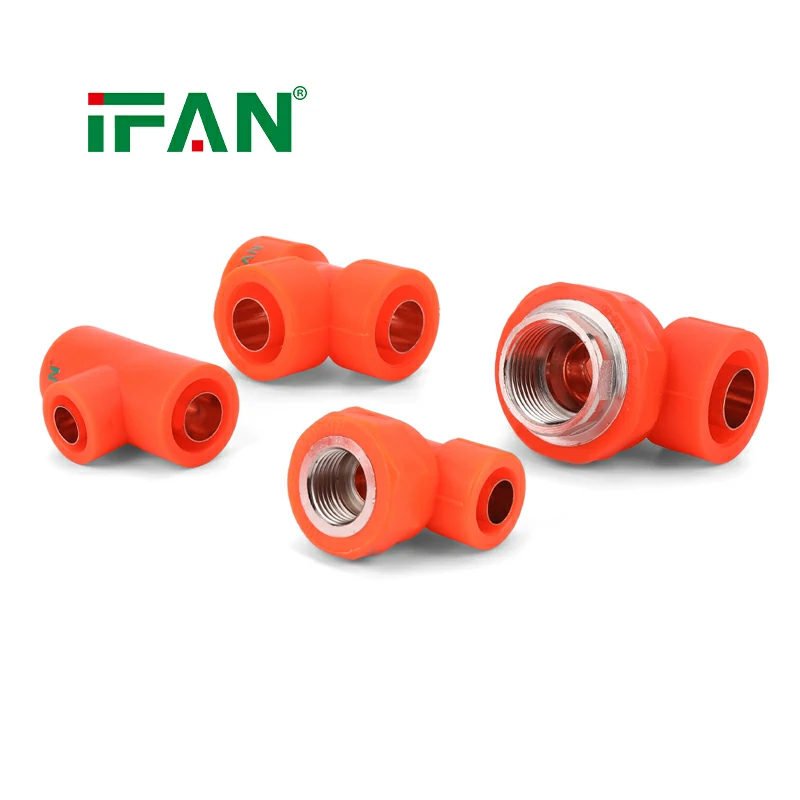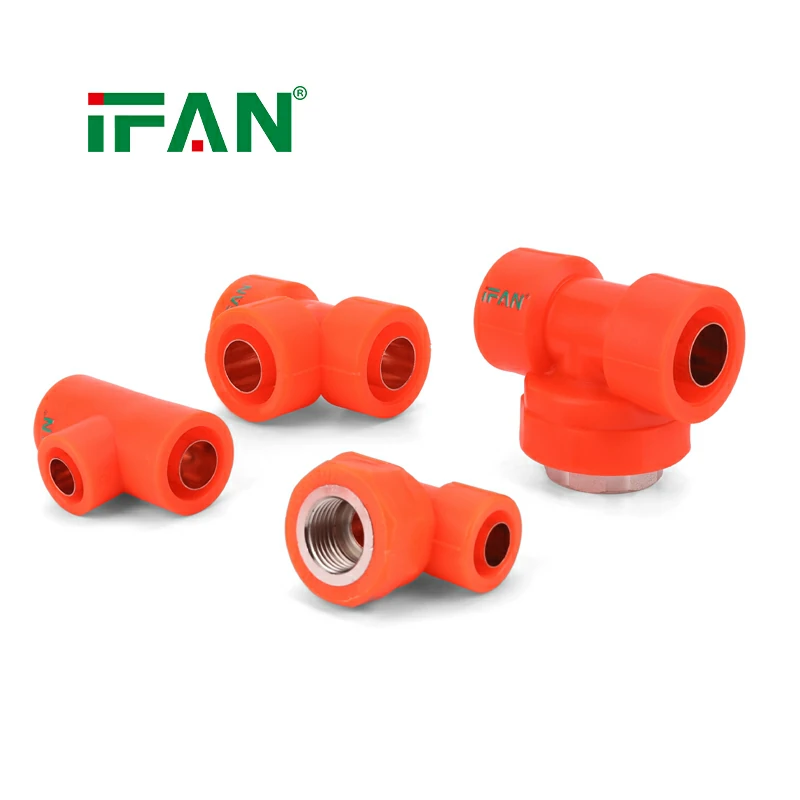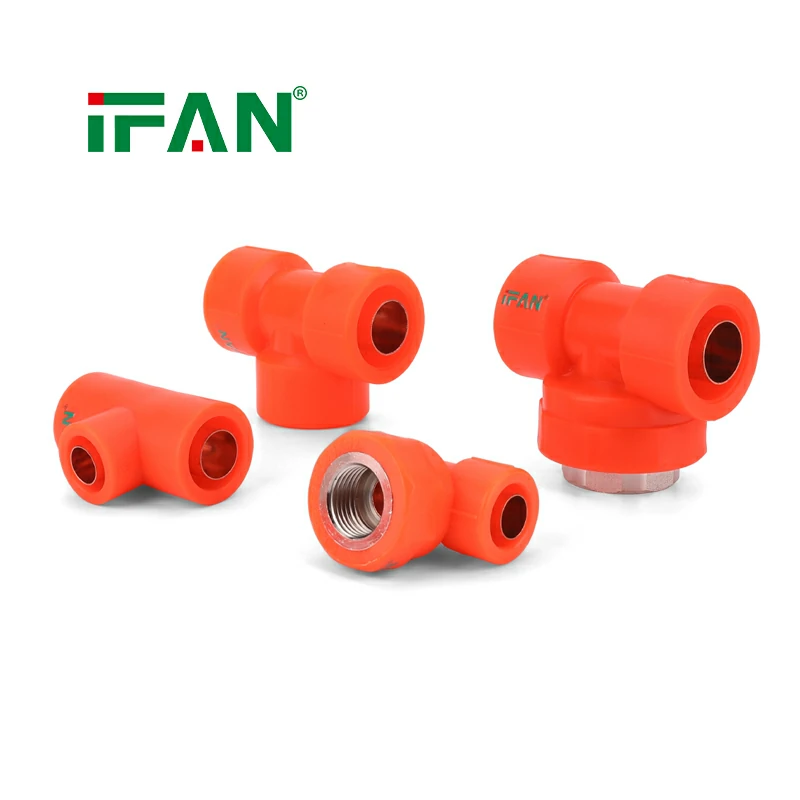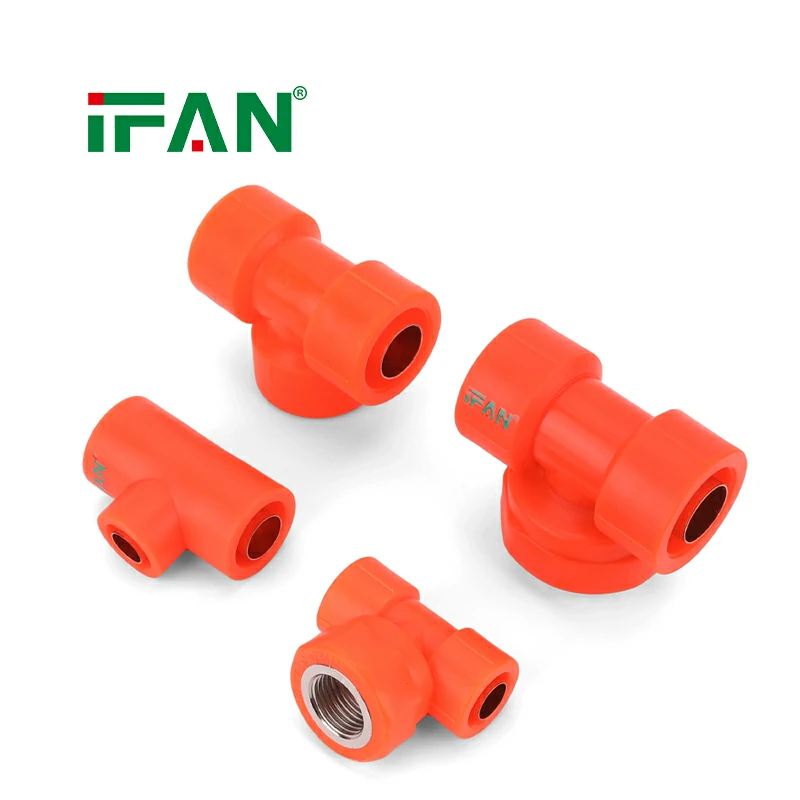
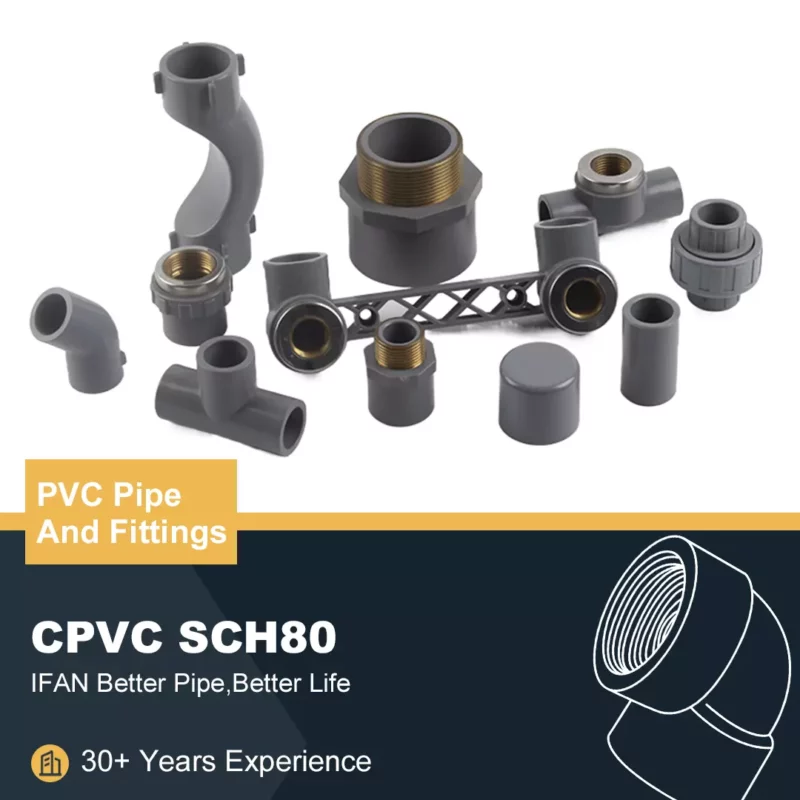
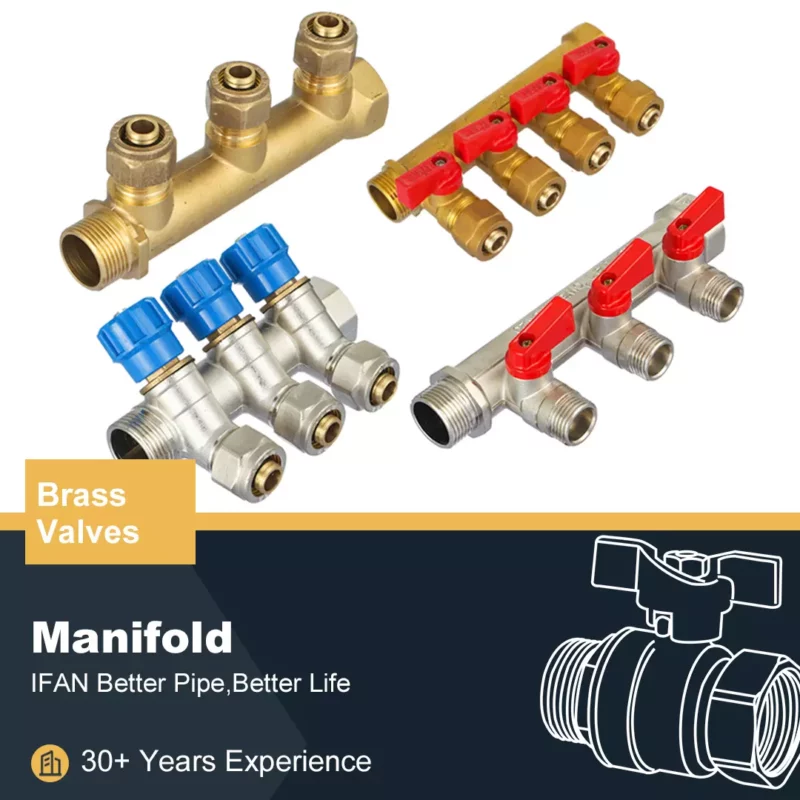
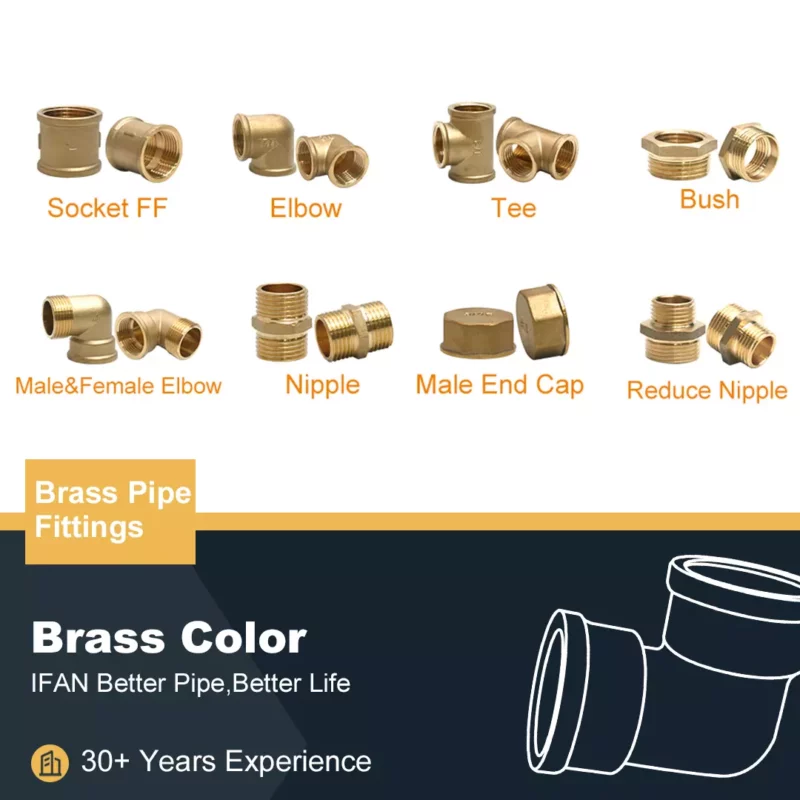
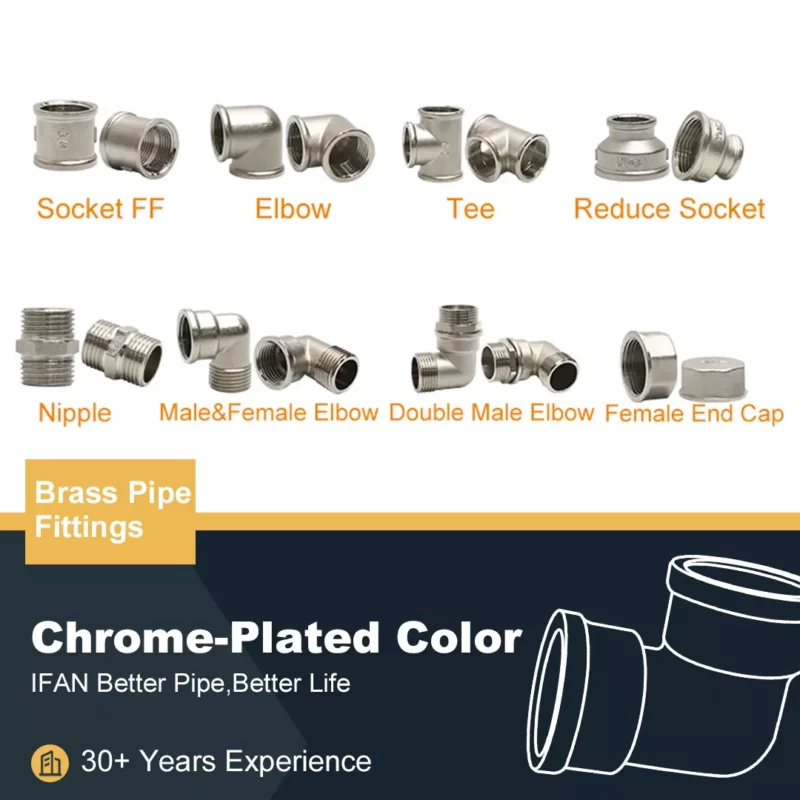
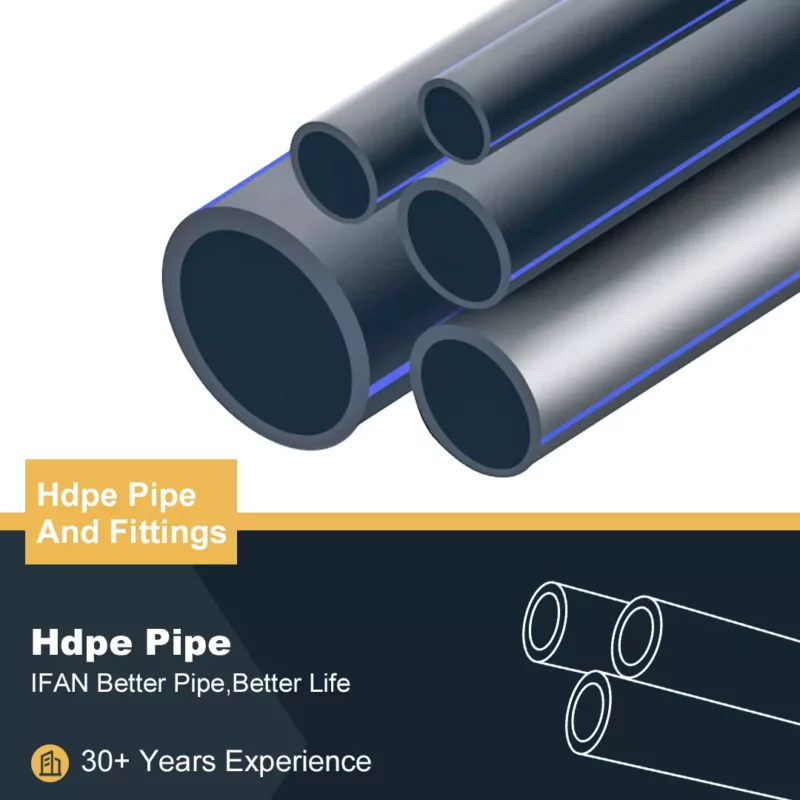
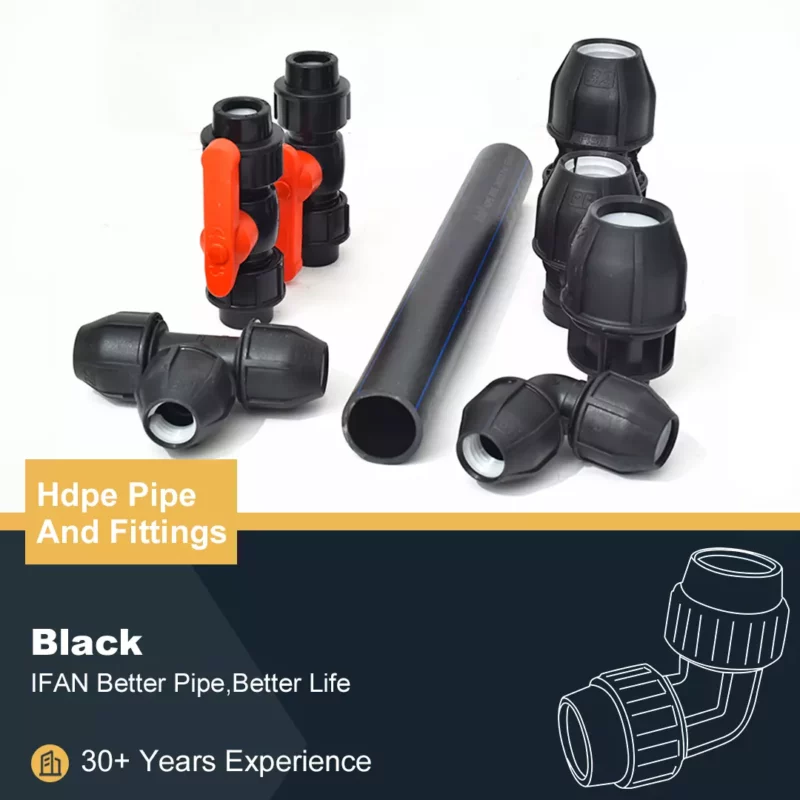
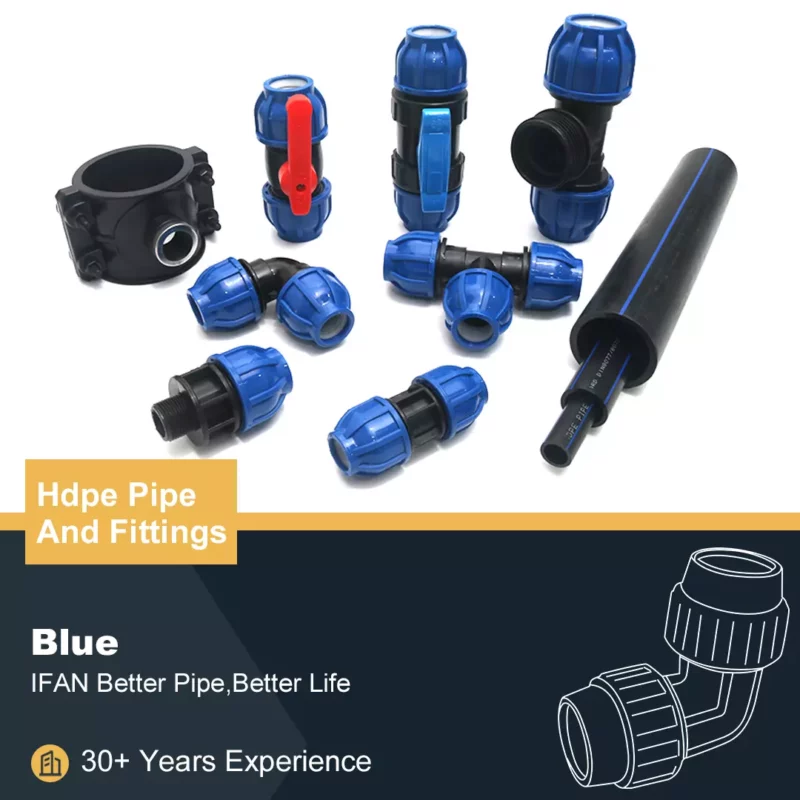
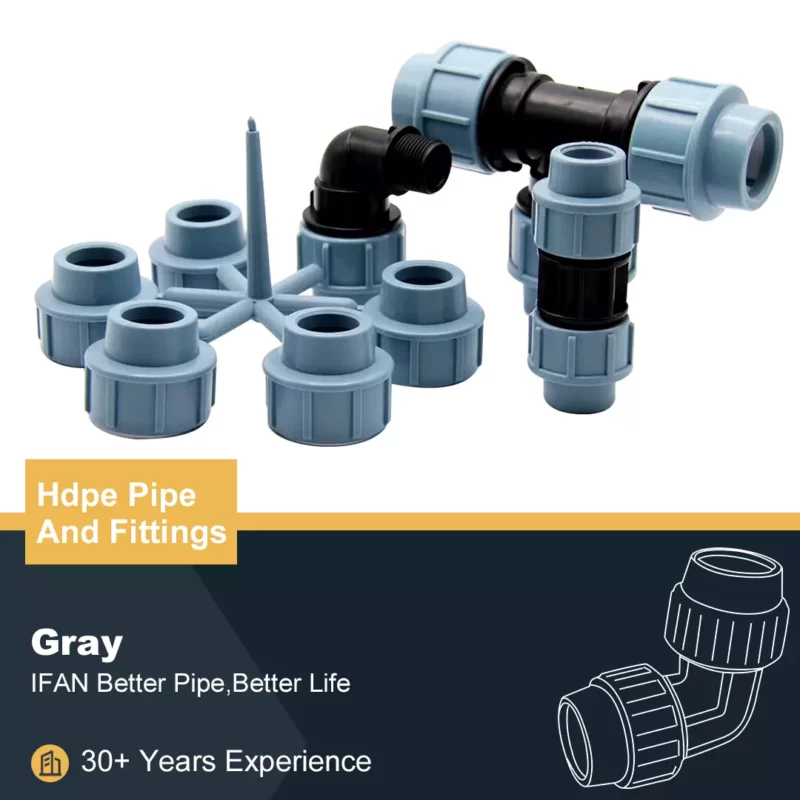
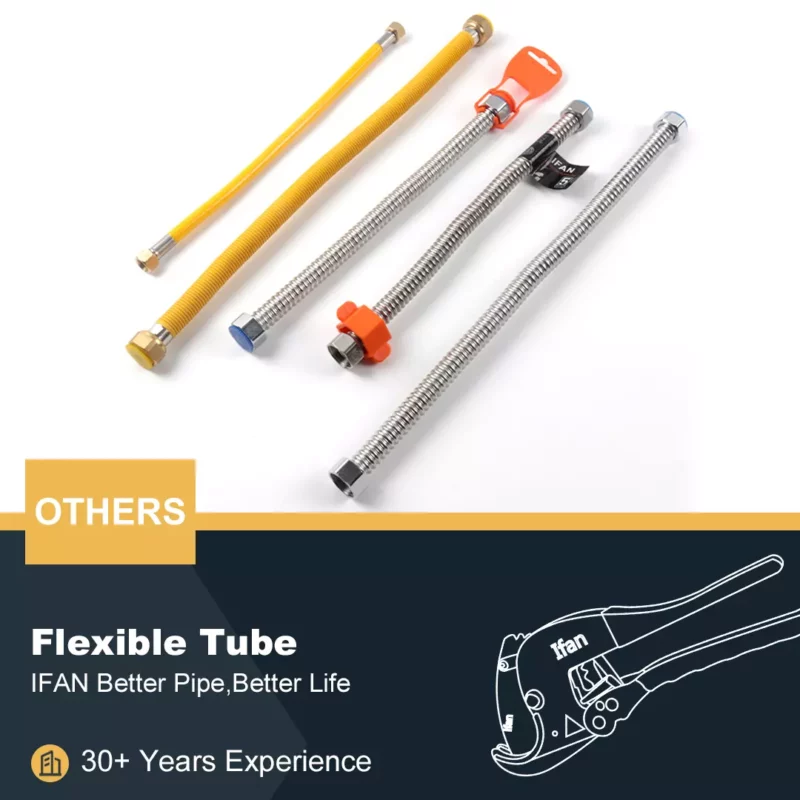


The plumbing truck is changing. Where racks of propane torches and solder once dominated, you’ll now find cordless hydraulic tools and neatly organized plastic cases filled with PEX press fittings. This shift represents more than just new inventory—it’s a fundamental transformation in how water moves through buildings. The press fitting system has emerged as the professional’s choice for modern plumbing, but navigating the different approaches and understanding the nuances is crucial for doing quality work.
This isn’t about which system is “best.” It’s about understanding how each works, where they excel, and what they demand from the installer.
The Core Technology: What Actually Happens During a Press
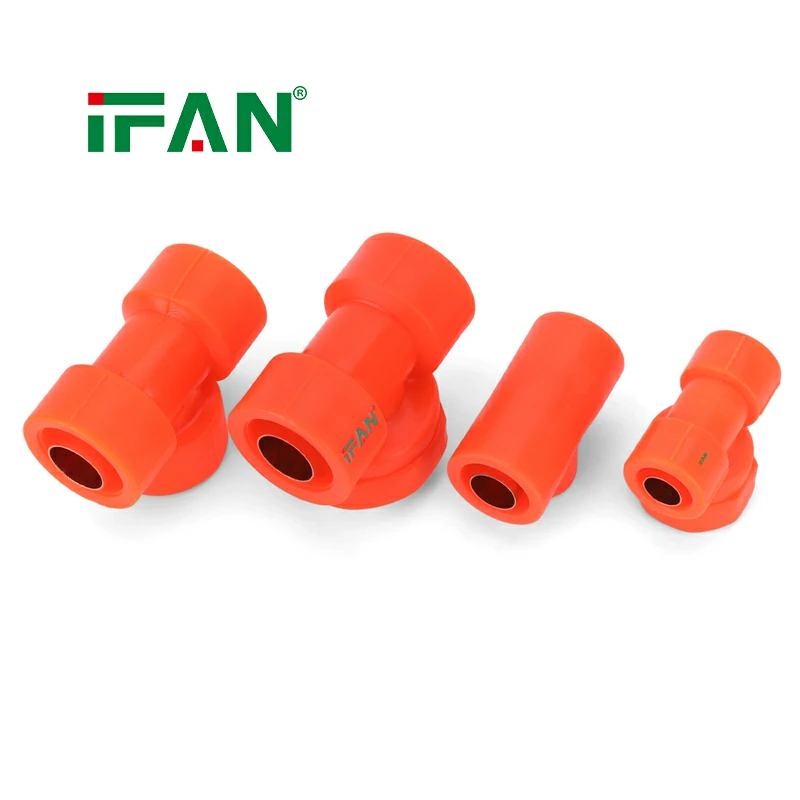
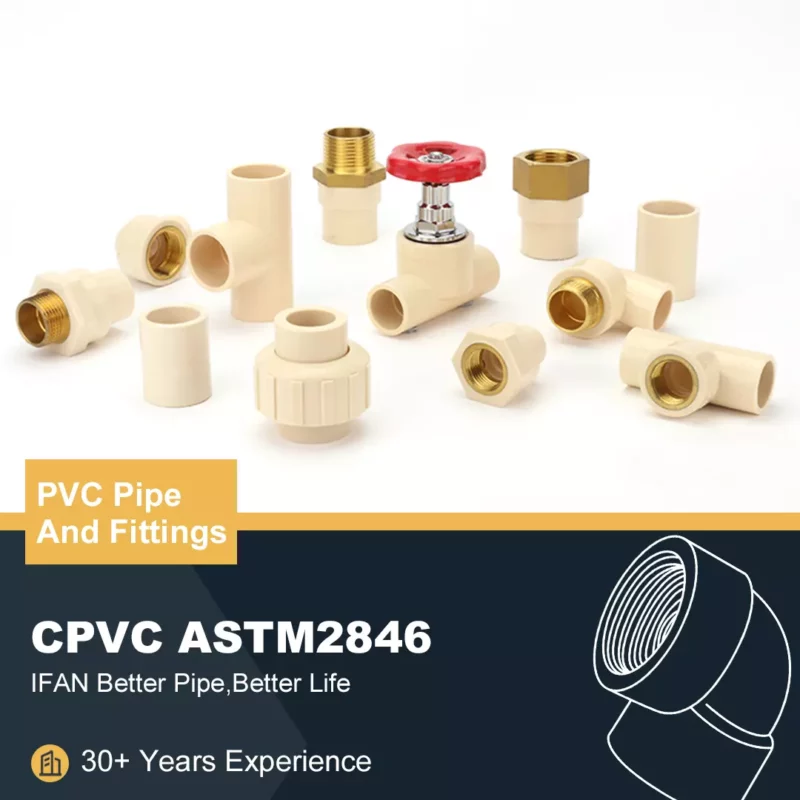
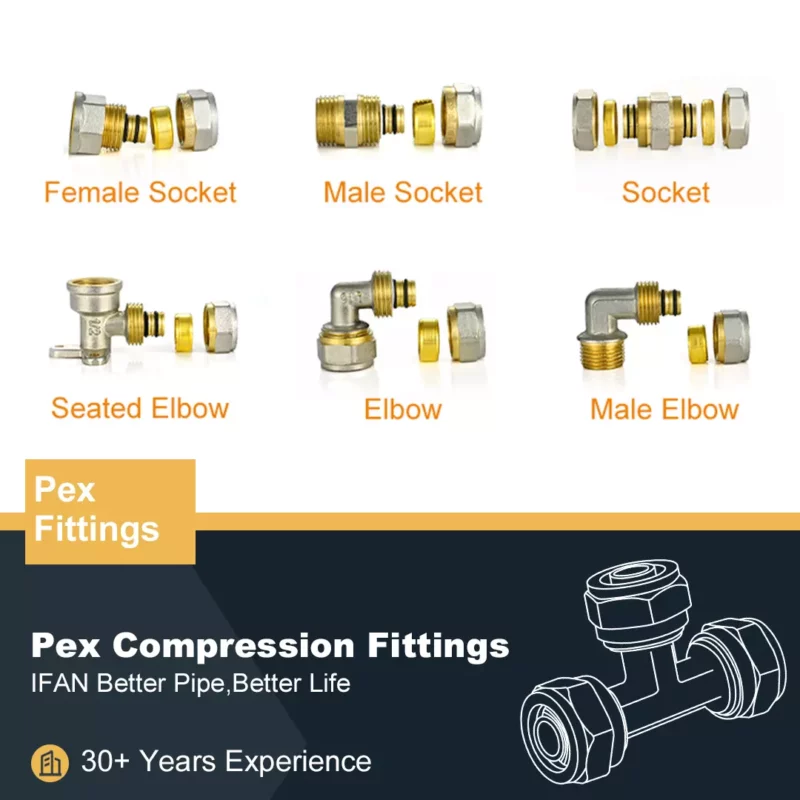
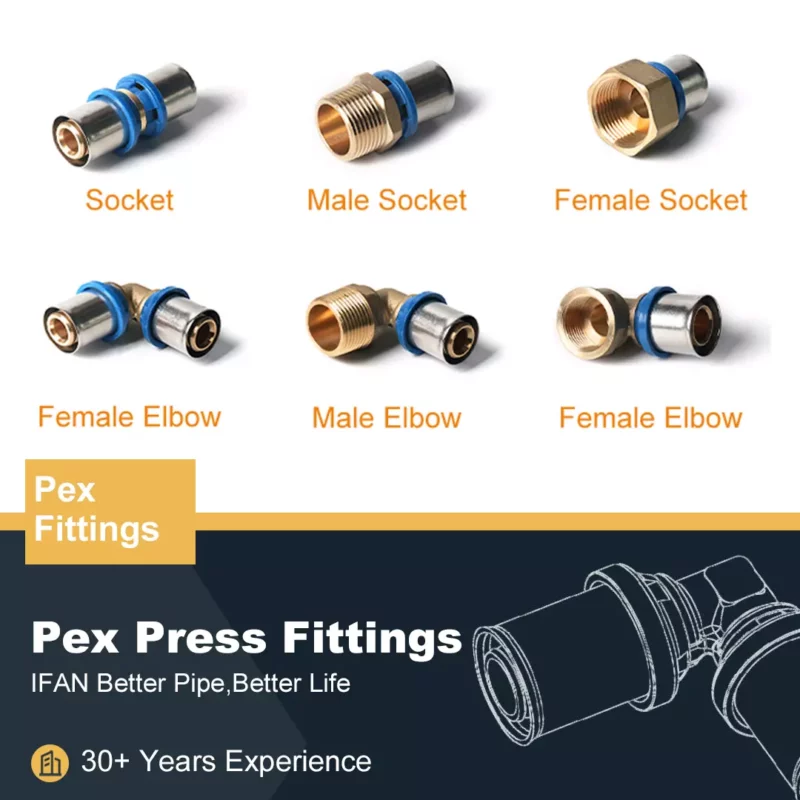
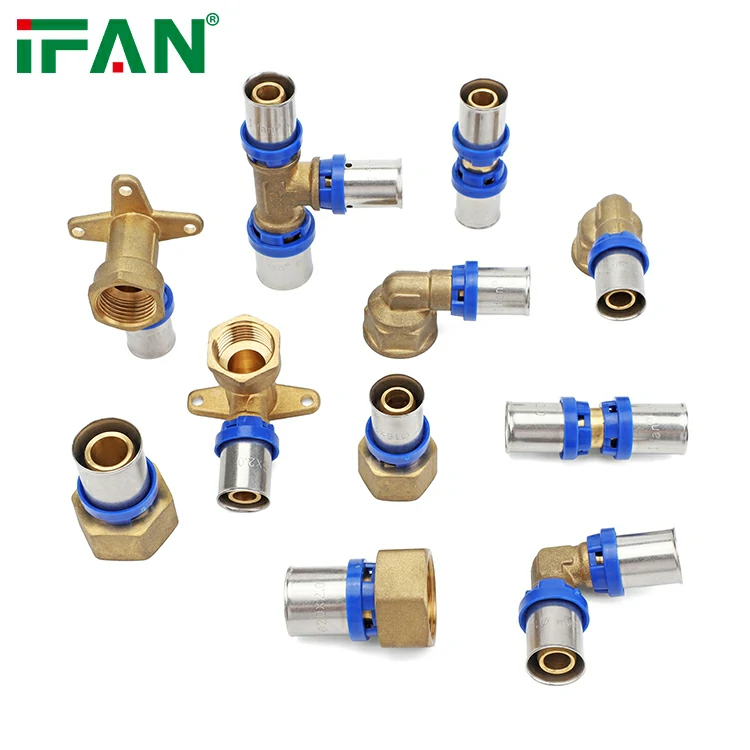
At its heart, every PEX press fitting operates on the same principle. A brass fitting body contains a factory-installed EPDM O-ring. A loose stainless-steel sleeve sits over the body. When a specialized press tool applies immense, calibrated force, it deforms this sleeve around both the fitting and the PEX tubing.
This single action accomplishes two critical things simultaneously:
- It creates a powerful mechanical lock that resists pull-out forces.
- It compresses the O-ring to form a chemical-free, watertight seal.
The result is a connection that’s arguably more consistent than soldering, where the quality depends on the installer’s skill with flux application and heat control.
The Major System Rundown
While the principle is universal, the execution varies. Here’s how the major players approach the PEX press fitting:
Viega PureFlow
The German-engineered system is known for precision. Their fittings feature a visible “press gap” that closes completely when the connection is properly made, providing immediate visual verification. The system requires dedicated Viega jaws and tools, creating a closed but exceptionally reliable ecosystem. Their ProPress system for copper is the industry standard, and that same engineering rigor applies to their PEX offerings.
Uponor ProPEX
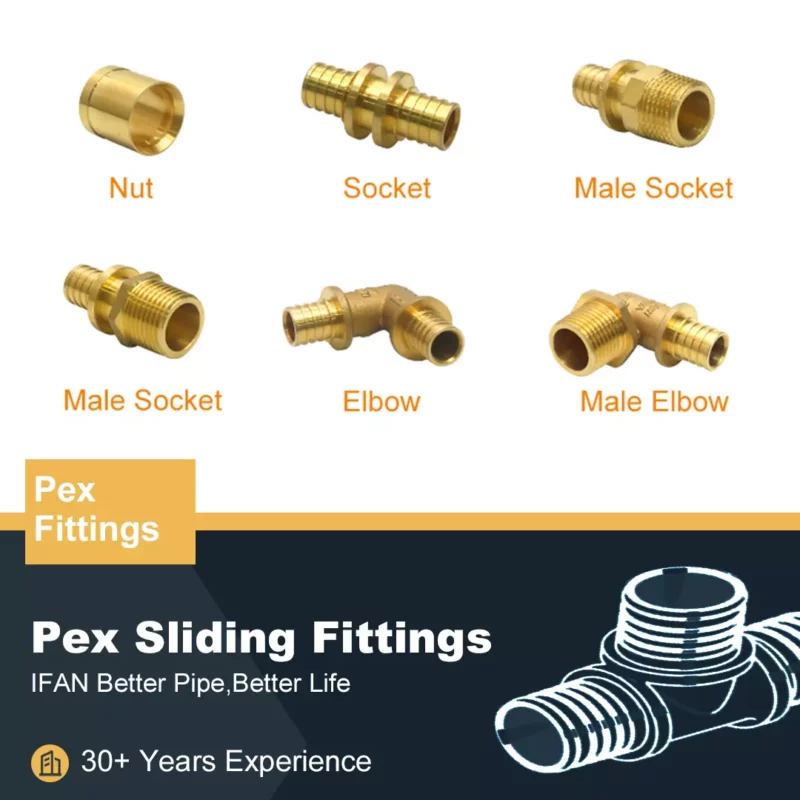
Uponor takes a different approach with their expansion system, but their PEX press fitting alternative deserves mention for context. Rather than mechanical compression, it uses a tool to expand the PEX tubing and a reinforcing ring, which then收缩s to create a strong grip on the fitting. It’s a brilliant system, though it represents a different technological path from the standard press.
RIDGID
As a tool-focused company, RIDGID offers a robust press system that integrates seamlessly with their extensive tool lineup. Their PEX press fittings are designed for compatibility across a broad range of applications, and their battery-powered press tools are known for durability on demanding job sites. It’s a system built by tool people for tradespeople.
Generic/White Label Systems
The market now sees various imported PEX press fittings. While cost-effective, our testing revealed inconsistencies in brass quality, O-ring durability, and sleeve dimensions that can lead to tool jams or incomplete presses. For small, non-critical applications, they might suffice, but for behind-the-wall plumbing, the risk often outweighs the reward.
The Tool Ecosystem: More Than Just a Crimper
A PEX press fitting system is only as good as the tool that installs it. The modern press tool is a marvel of portable hydraulics.
Battery-Powered Revolution
Cordless tools from Milwaukee, RIDGID, and others have eliminated the need for hoses and compressors. They offer:
- Diagnostic Feedback: Green/red LED lights and audible alerts confirm a proper press.
- Consistent Force: Hydraulic pressure ensures every press is perfect, regardless of user strength.
- Job-Site Mobility: Working in attics, crawl spaces, and multi-story buildings without power sources.
Jaw Compatibility
This is the critical detail. Each manufacturer’s PEX press fittings require specific jaw sets. The profile of the Viega jaw is different from the RIDGID jaw. Using mismatched jaws will damage the fitting and likely cause a leak. This makes most systems proprietary—once you invest in a brand’s tooling, you’re typically committed to their fittings.
Installation Realities: Beyond the Sales Brochure
Working with PEX press fittings day in and day out reveals both advantages and challenges that don’t always make it into product literature.
The Unspoken Advantages:
- Speed: A ¾” connection takes about 8 seconds versus 2-3 minutes for soldering.
- Safety: No open flames means no fire watch permits in commercial buildings.
- Cleanliness: No flux, solder, or chemical cleaners to contaminate the system.
- Reliability: The system is virtually idiot-proof with proper tool maintenance.
The Practical Considerations:
- Tool Investment: A complete cordless press tool setup can cost $1,500-$2,000 initially.
- Proprietary Systems: You can’t mix and match fittings between manufacturers.
- Battery Management: Forgetting to charge batteries can shut down a job site.
- Physical Size: The tool head requires more clearance than a torch in tight spaces.
The Verdict: Why Press Systems Are Winning
The adoption of PEX press fittings isn’t a trend—it’s an evolution. The combination of speed, reliability, and reduced labor costs has proven irresistible for contractors facing tight margins and tighter schedules.
For new construction, the ability to rough-in a house in days instead of weeks is transformative. For service work, making a repair without draining entire systems or risking fire damage is a game-changer.
The PEX press fitting represents something rare in the trades: a technology that makes work simultaneously faster, safer, and better. That’s why you’re seeing fewer torches in plumbing trucks and more hydraulic press tools. The future of piping is pressing, not soldering.
Frequently Asked Questions (FAQ)
1. Can I use one brand’s press tool with another brand’s fittings?
No. The jaw sets are manufacturer-specific and engineered for exact sleeve dimensions. Using mismatched components will damage the fitting and void warranties. You must use the complete ecosystem from a single manufacturer.
2. How many presses can I get from a single battery charge?
With a high-capacity 5.0Ah or larger battery, most tools can make 200-400 presses on ½” to ¾” fittings. Always keep a spare battery charging for large jobs.
3. What happens if a press is interrupted or the battery dies mid-press?
Modern tools are designed to complete the press cycle even with a failing battery. If the tool completely fails mid-press, it will typically remain locked on the fitting. You’ll need to replace the battery to complete the cycle, then cut out and replace the fitting as the connection integrity is compromised.
4. Are press fittings suitable for hot water applications?
Yes. Quality PEX press fittings are rated for continuous operation at 180°F (82°C) and higher, making them suitable for both potable hot water and hydronic heating systems.
5. How do I know if my press tool needs calibration?
Most tools will indicate calibration needs through error codes or inconsistent performance. Manufacturers typically recommend annual calibration or after every 10,000 presses. Professional calibration services ensure the tool applies the correct pressure for a perfect seal every time.
Whatsapp:+86 13373827623
Email:[email protected]