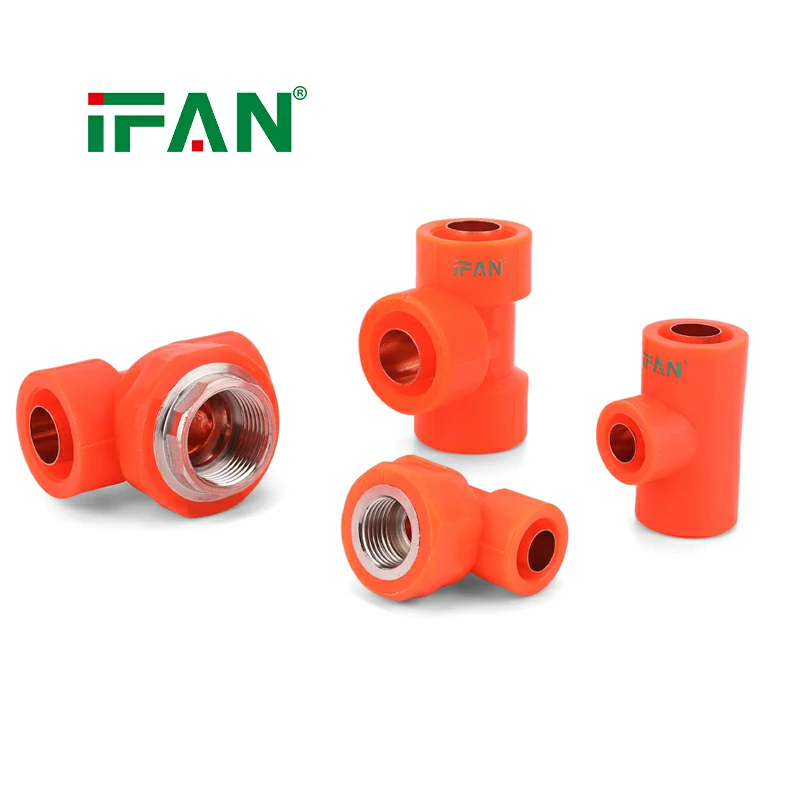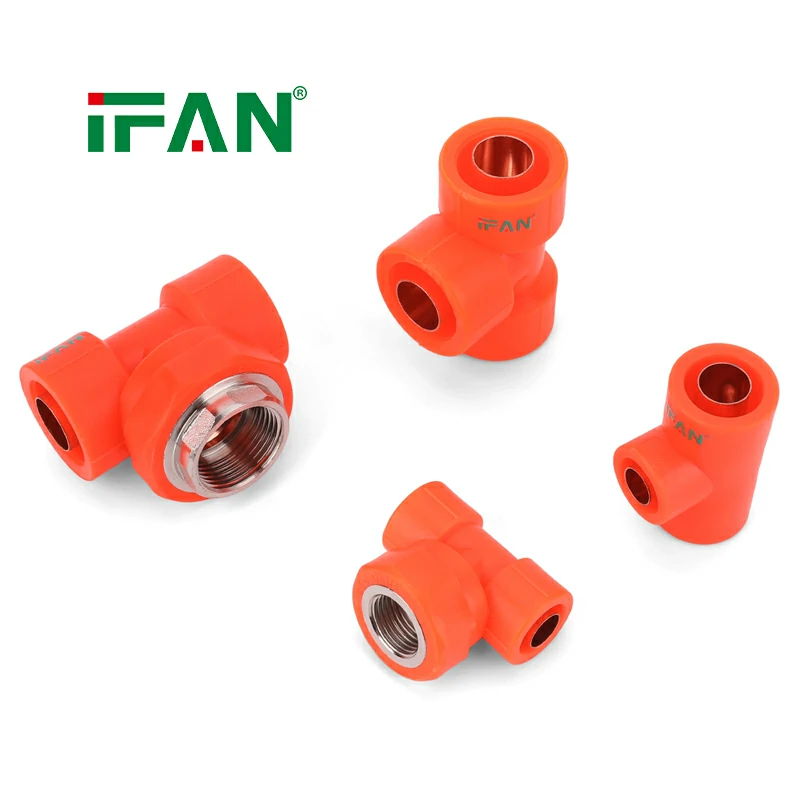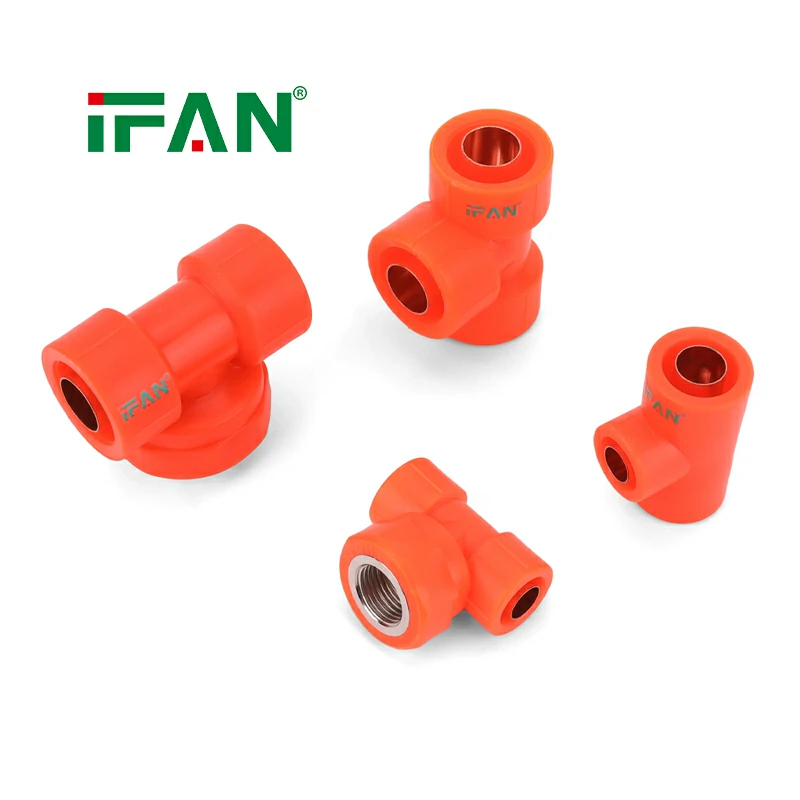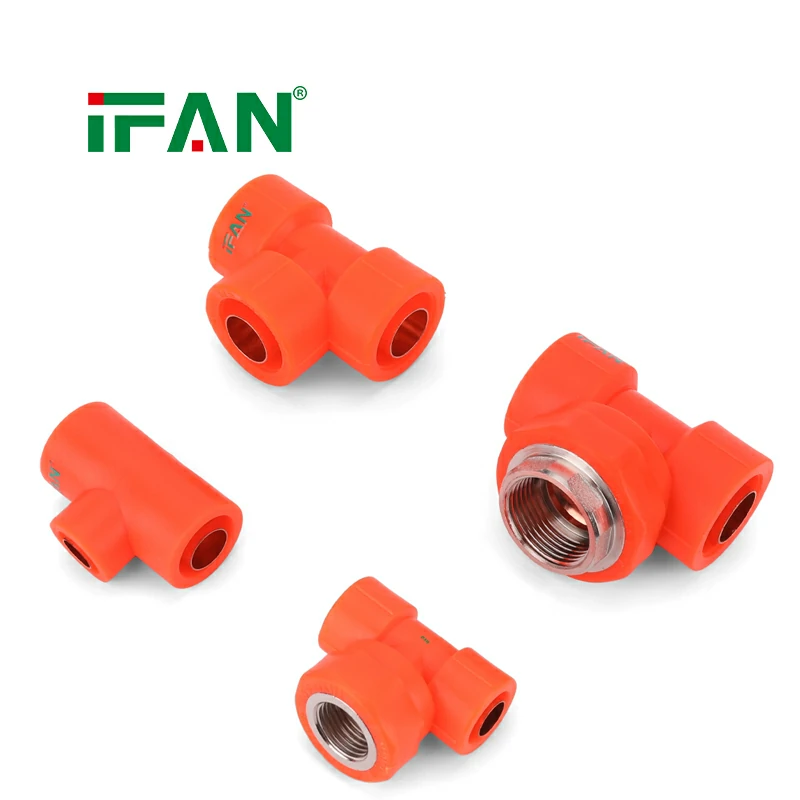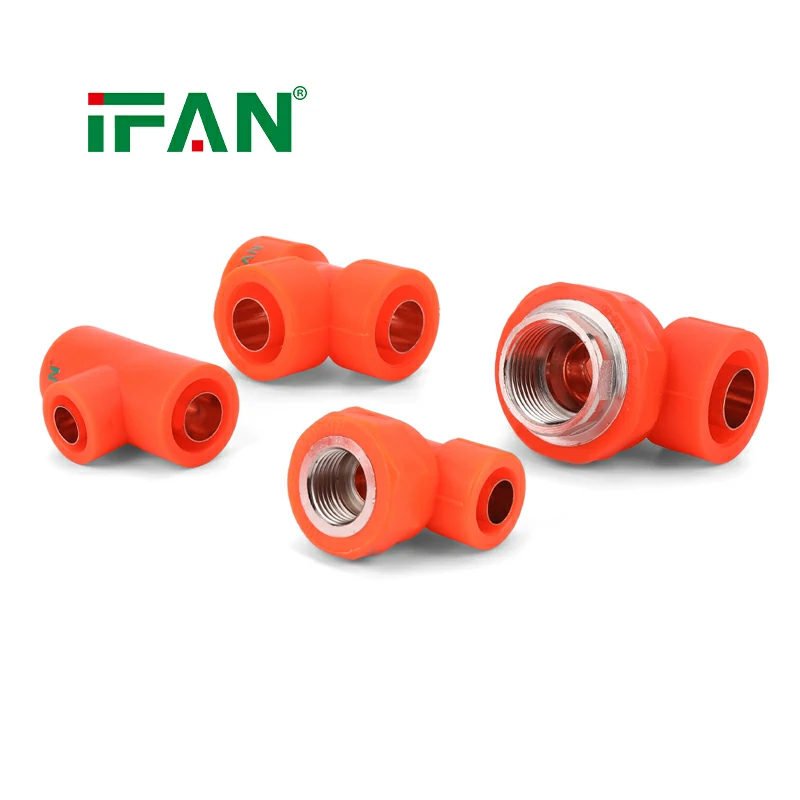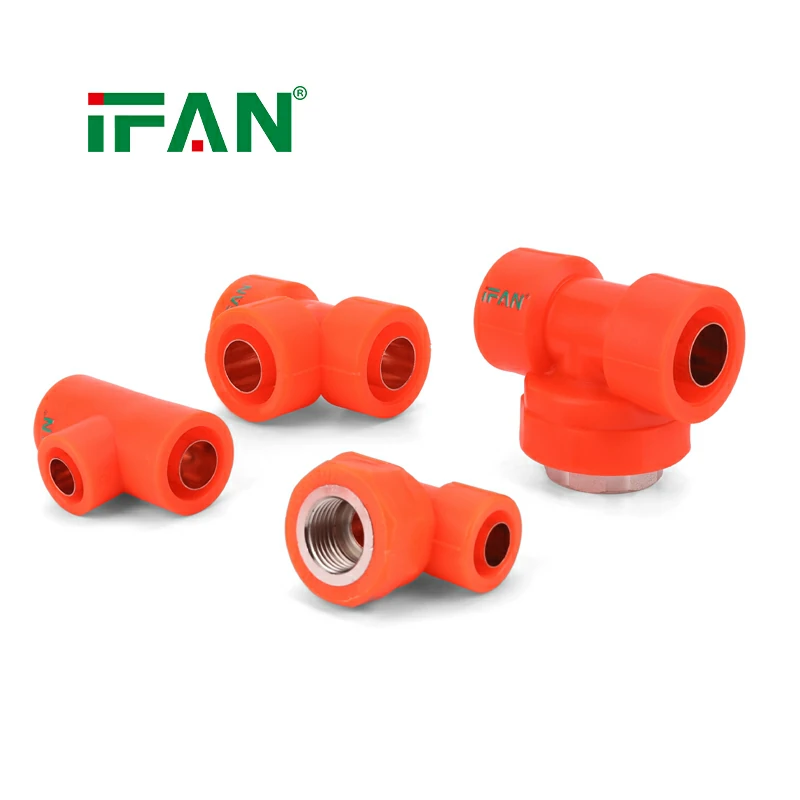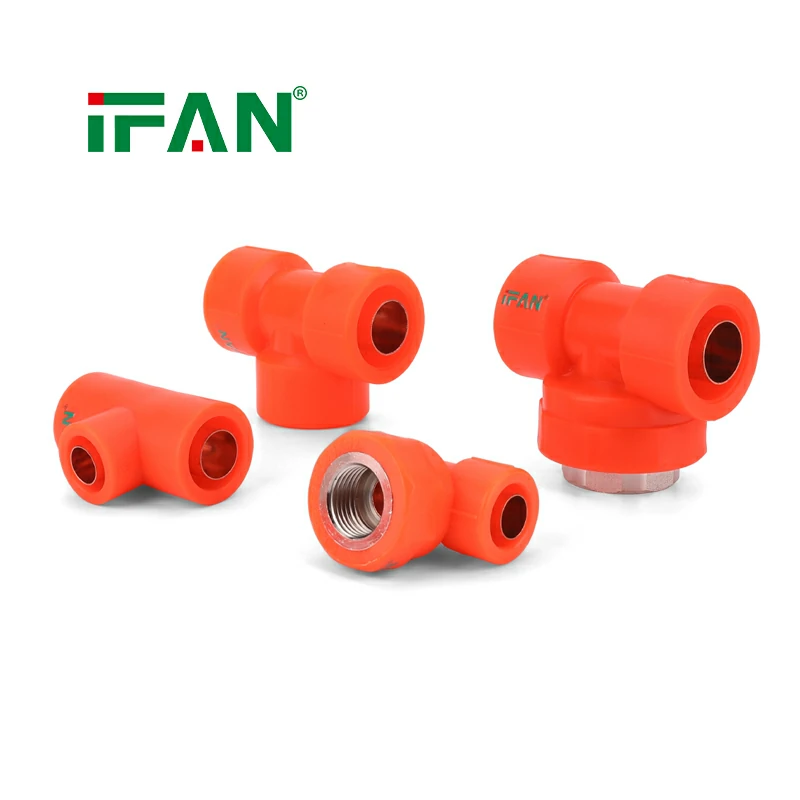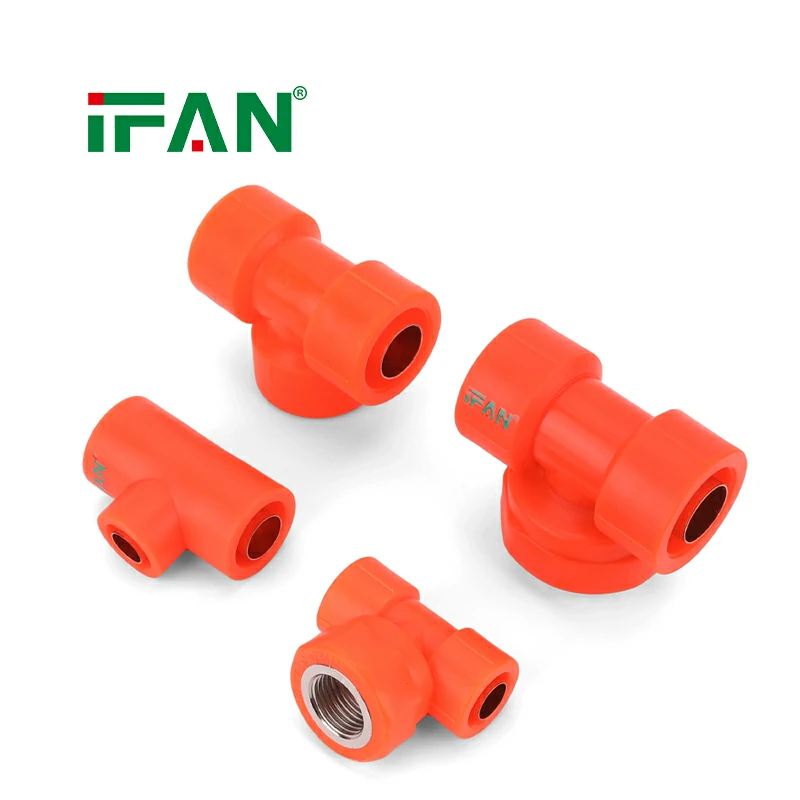
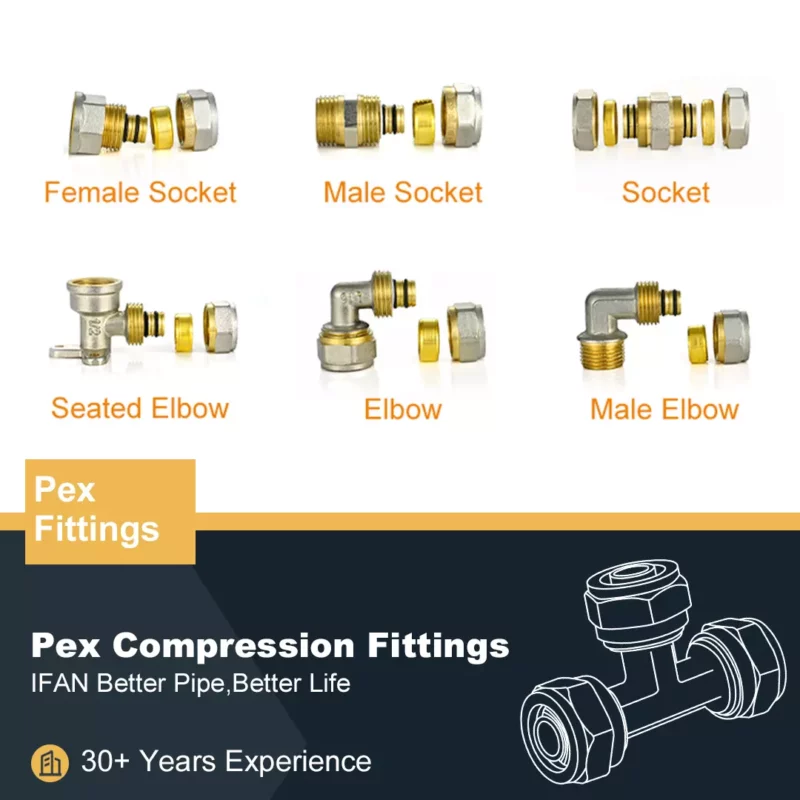
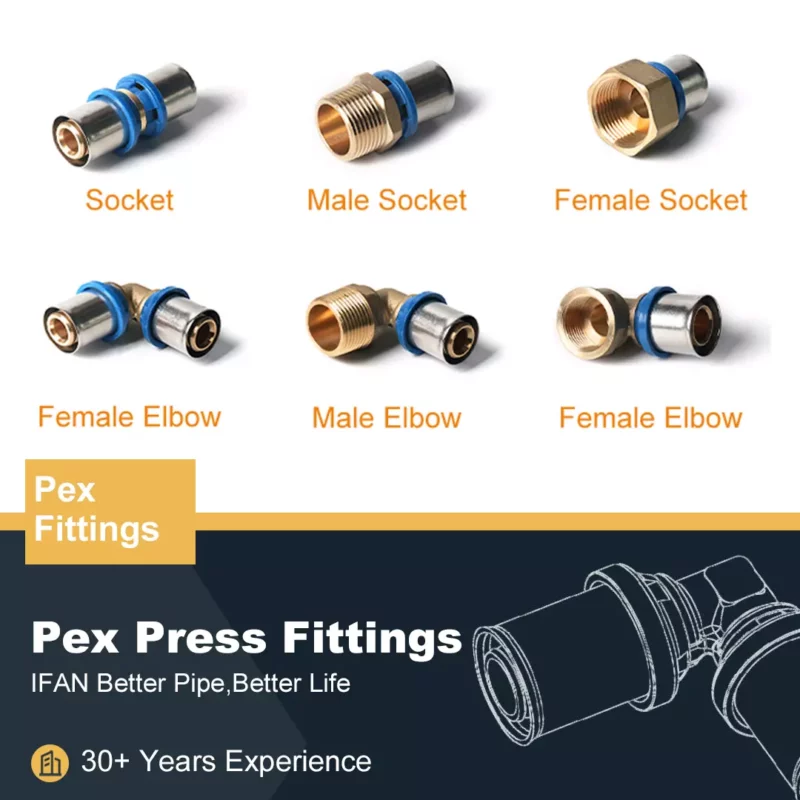
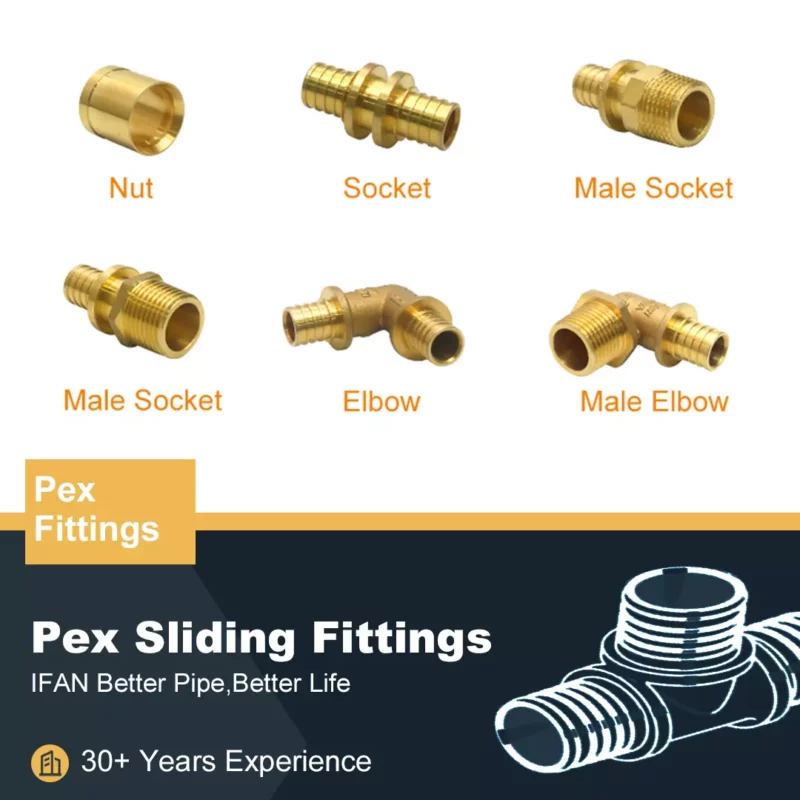


The debate echoes through construction sites and plumbing supply houses: the traditional reliability of copper versus the modern efficiency of PEX with PEX press fittings. This isn’t merely a choice between two materials; it’s a decision that impacts installation timelines, long-term performance, and the very economics of a plumbing project. For contractors, builders, and homeowners facing this decision, understanding the real-world implications of each system is crucial.
The Installation Process: Time, Skill, and Practical Realities
Copper: The Craftsman’s Approach
Copper installation is a skilled trade perfected over generations. The process demands meticulous attention: precise measuring, cutting, reaming, flux application, soldering, and final cleaning of each joint. This method creates a permanent metallurgical bond that has proven its worth over decades of use.
However, this quality comes with significant practical challenges. The requirement for open flames necessitates hot work permits, fire watch protocols, and introduces inherent risks when working near combustible materials. The process is inherently time-consuming, with complex plumbing runs requiring substantial investments in skilled labor hours. The learning curve is steep, demanding extensive experience to consistently create perfect solder joints.
PEX with Press Fittings: The Engineered Solution
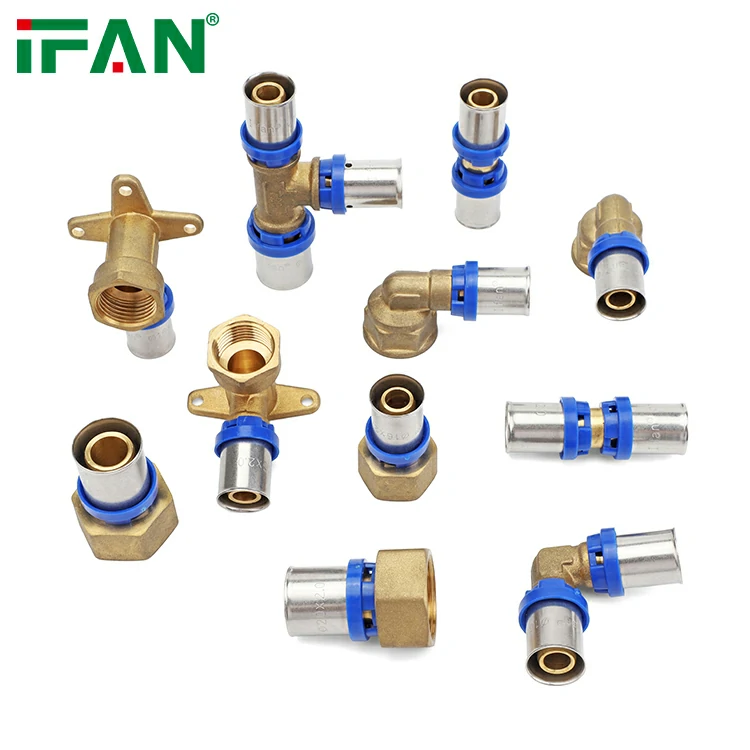
The PEX press fitting system represents a fundamental shift toward engineered precision. The installation process is remarkably straightforward: cut the PEX tubing square, ensure proper deburring, insert fully into the fitting, and compress the sleeve with a specialized tool. What takes minutes with soldering is accomplished in seconds with pressing.
This method eliminates fire hazards, removes the need for chemical fluxes, and significantly reduces installation time. The learning curve is considerably less steep, enabling consistent, high-quality results with less specialized training. The dramatic reduction in labor time represents the most compelling economic advantage of this system.
Practical Verdict: For installation efficiency, reduced labor costs, and enhanced job-site safety – particularly in retrofit situations or occupied buildings – the PEX press fitting system offers clear advantages.
Performance and Durability: Beyond the Sales Brochure
Copper’s Strengths and Limitations
Copper’s track record for durability is well-established. It withstands high temperatures effectively and maintains structural integrity under pressure. However, its vulnerabilities are significant. Copper is susceptible to corrosion in acidic water conditions and notoriously performs poorly when frozen. Frozen copper pipes typically split, requiring extensive and destructive repairs. Over extended periods, pinhole leaks from corrosion can develop in specific water conditions.
The PEX Press System’s Modern Advantages
PEX tubing’s flexibility enables long, continuous runs from distribution manifolds to fixtures, dramatically reducing connection points within walls. This characteristic provides inherent freeze resistance; the material can expand to accommodate ice formation and often survives freeze-thaw cycles without catastrophic failure. PEX is completely immune to scale buildup and electrolytic corrosion.
The PEX press fitting connection itself combines stainless-steel mechanical strength with EPDM O-ring sealing technology. High-quality O-rings are engineered for decades of reliable service. Modern PEX materials meet rigorous NSF certifications addressing earlier concerns about material leaching.
Performance Verdict: For freeze resistance, corrosion immunity, and minimizing potential leak points, the PEX system demonstrates superior characteristics. Copper maintains advantages in applications involving sustained high temperatures.
Economic Considerations: The True Cost of Installation
Copper’s Financial Realities
Copper pricing remains volatile, tied to global commodity markets that typically keep material costs higher than PEX alternatives. However, the most significant expense lies in the intensive skilled labor required for proper installation.
The Economic Case for PEX Press Fittings
While individual PEX press fittings carry higher costs than basic solder fittings, PEX tubing itself is substantially more economical. The economic balance shifts dramatically when considering labor efficiency. The initial investment in press tooling is rapidly recovered through labor savings on moderate-sized projects. Additionally, the ability to create long continuous runs reduces fitting quantities, partially offsetting their higher individual cost.
Economic Verdict: The total installed cost of PEX systems with PEX press fittings typically proves more economical for residential and light commercial applications, primarily due to significant labor savings.
Making the Informed Decision
The choice between systems depends fundamentally on project-specific factors rather than abstract preference.
Copper remains preferable when:
- Project specifications, architectural requirements, or client preferences explicitly demand copper
- Applications involve sustained high-temperature operation
- Local water conditions feature high acidity without treatment options
PEX with press fittings proves advantageous when:
- Labor efficiency and project scheduling are prioritized
- Working in occupied spaces or retrofit situations where hot work presents complications
- Freeze protection represents a significant design consideration
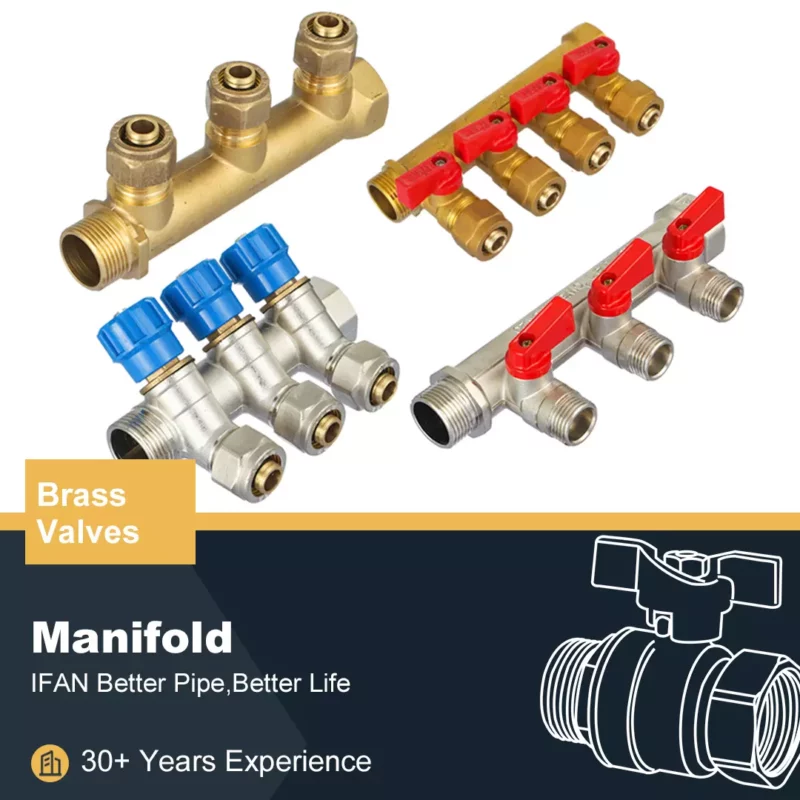
- Minimizing connection points through manifold systems is desirable
The evolution of PEX press fitting technology doesn’t render copper obsolete, but rather provides a sophisticated, efficient alternative for contemporary plumbing needs. For professionals evaluating both systems objectively, PEX with press fittings increasingly represents the logical choice for most applications.
Frequently Asked Questions (FAQ)
1. How does the long-term reliability of PEX press systems compare to soldered copper?
Properly installed PEX systems carry 50+ year lifespan certifications. Press connections are engineered to match or exceed the service life of the piping material. While copper has longer historical data, modern PEX systems undergo rigorous testing that demonstrates comparable long-term reliability.
2. Can PEX systems integrate with existing copper plumbing without soldering?
Yes. Specialized transition PEX press fittings enable direct connection to prepared copper pipe ends without soldering. This capability is particularly valuable for repairs and additions in existing structures.
3. Does the O-ring in press fittings represent a potential failure point?
High-quality EPDM O-rings are engineered for long-term performance. Being sealed within the fitting during installation protects them from UV exposure, mechanical damage, and environmental factors that could degrade them. Documented failure rates are exceptionally low.
4. How does PEX tubing diameter affect water flow compared to copper?
Properly sized PEX systems deliver comparable flow performance to copper. While PEX may have slightly smaller internal diameters nominally, its smoother interior surface creates less friction loss than aged copper’s rougher interior, often resulting in similar or better effective flow rates.
5. Are press tools interchangeable between different PEX press fitting manufacturers?
No. Press jaw sets are manufacturer-specific and must match the PEX press fitting brand being used. Using incompatible jaws will compromise connection integrity and void warranties. The press tool represents a system-specific investment.
Whatsapp:+86 13373827623
Email:[email protected]