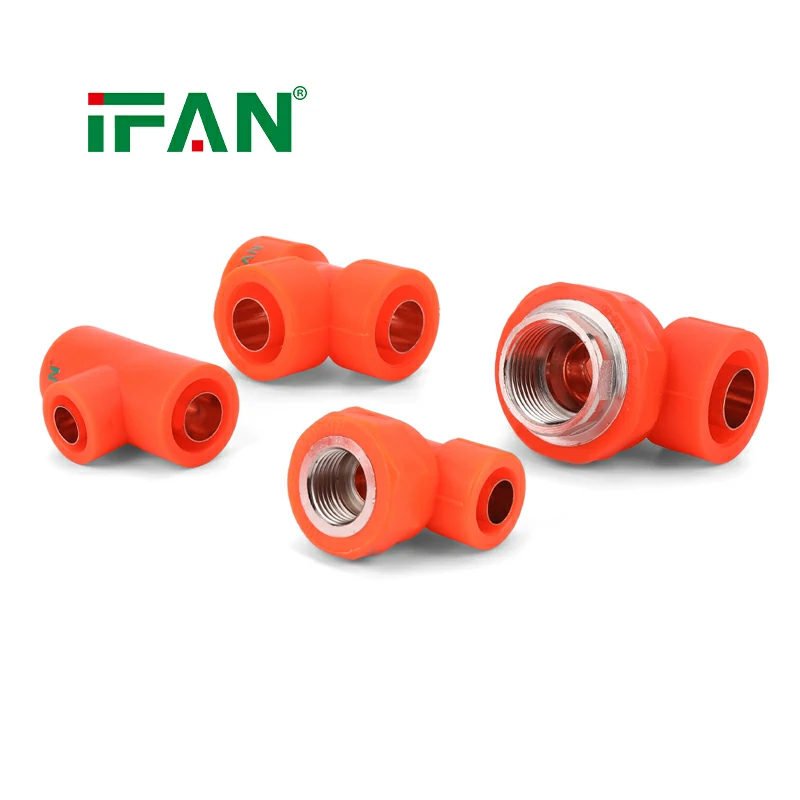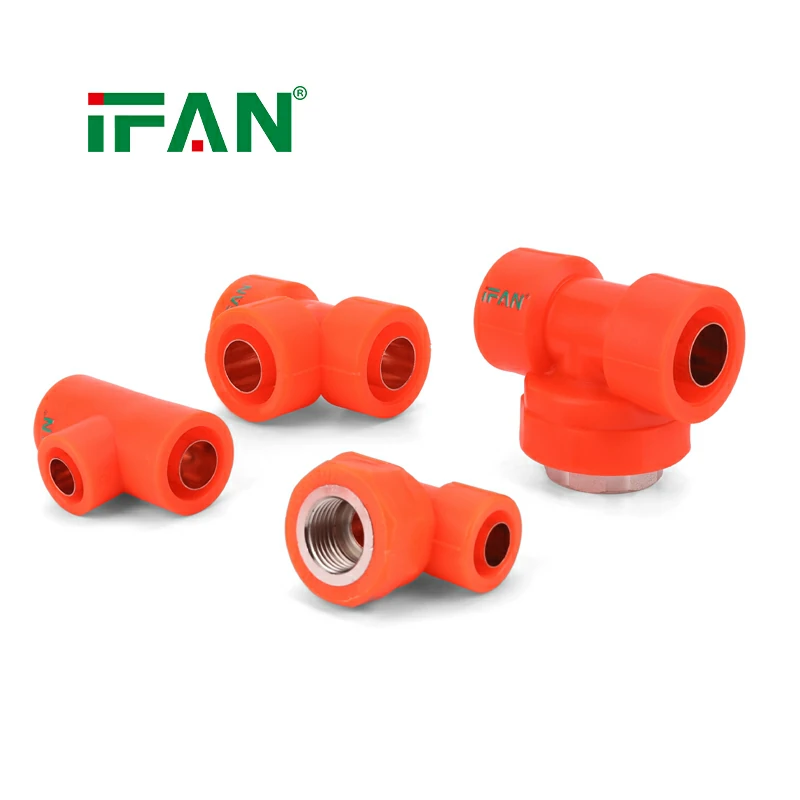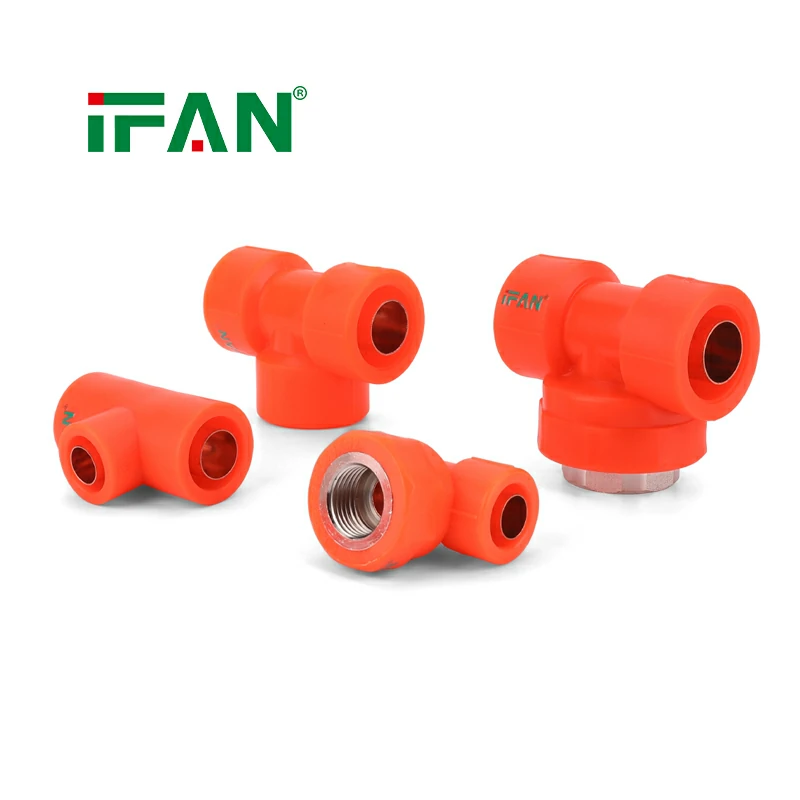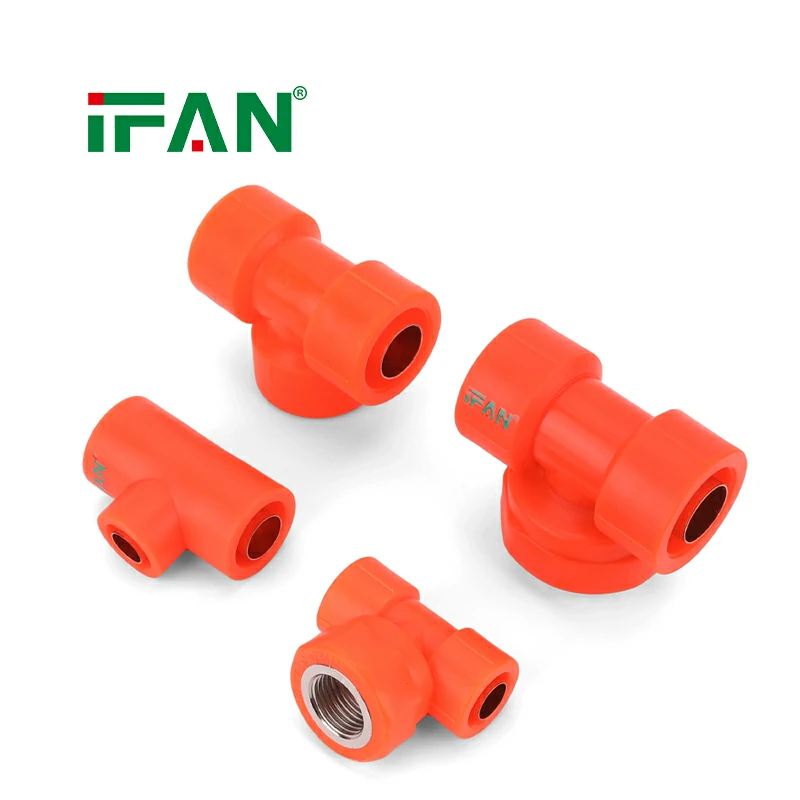


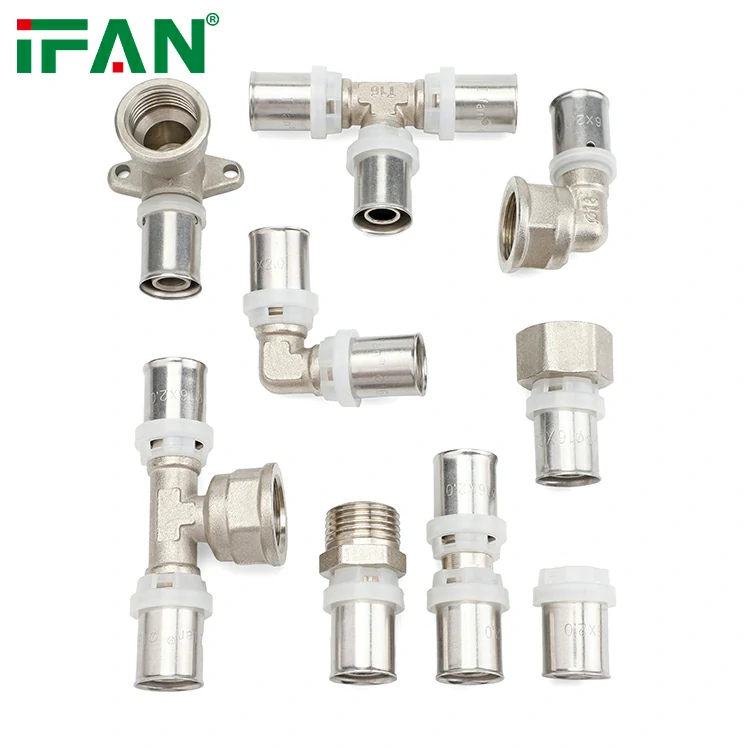
In the precise world of plumbing, the most critical components are often the ones that bridge systems together. A mixing valve, tasked with delivering safe, scald-protected water, is one such component. The method used to connect it can be the difference between a straightforward, reliable installation and a potential weak link. The integration of PEX press fittings with F1960 expansion connections on Watts mixing valves represents one of these rare moments where two proven technologies converge to create something greater than the sum of their parts.
This isn’t just a matter of convenience; it’s a systematic approach to building a more durable, efficient, and safe plumbing system from the valve outward.
Understanding the F1960 Connection: A Stronger Kind of Seal
Before appreciating the partnership, it’s crucial to understand what an F1960 fitting is. Often called an “expansion” or “cold expansion” fitting, it is a specific type of PEX press fitting that uses a unique method.
A special expansion tool is used to temporarily stretch the PEX-A tubing and a reinforcing ring (or PEX-B tubing). The fitting, which has a larger diameter than the unstretched pipe, is then inserted. As the PEX contracts, it creates an incredibly powerful, 360-degree mechanical grip on the fitting. This creates a joint that is stronger than the pipe itself and is highly resistant to pull-apart forces.
Watts has embraced this connection type on many of its thermostatic and pressure-balancing mixing valves, providing a ready-made, high-performance interface for your PEX system.
The Synergy: Why This Combination Works So Well
The marriage of a critical safety device like a mixing valve with the F1960 PEX press fitting is a masterstroke of practical engineering. Here’s why:
- Elimination of Stress Points: Mixing valves are often installed in high-vibration environments near pumps or in mechanical rooms. Traditional threaded connections can be susceptible to loosening over time under vibration. The F1960 connection, with its colossal grip strength, is virtually immune to this, ensuring the valve stays securely in place for decades.
- Speed and Cleanliness in Critical Locations: Installing a mixing valve is a precision task. The last thing an installer needs is the hassle of wrestling with threaded unions, applying sealant, or—worse—soldering in close proximity to the valve’s internal components. The expansion process is fast, clean, and requires no heat or chemicals. This protects the delicate thermal elements and cartridges inside the valve from flux fumes or heat damage.
- A Unified, Reliable System: By using the same F1960 connection method for both the valve and the distribution piping, you create a homogeneous system. Every connection from the valve outward shares the same reliability profile, the same pressure rating, and the same resistance to water hammer and thermal cycling. This simplifies the installer’s workflow and the building owner’s long-term maintenance expectations.
The Installation Workflow: From Box to Operational
For a contractor holding a Watts mixing valve with integrated F1960 outlets, the process is remarkably streamlined:
- Mount the Valve: Secure the valve to the wall or manifold panel according to the manufacturer’s specifications.
- Prepare the PEX: Cut the PEX-A tubing square. The clean, precise cut is vital for a proper seal.
- Expand and Insert: Using the manual or cordless expansion tool, expand the end of the PEX tubing and the reinforcing ring. Immediately insert the expanded end onto the valve’s F1960 outlet. You will feel the pipe lock into place as it contracts.
- Pressure Test with Confidence: Because the F1960 connection forms a seal almost instantly, you can pressure test the system immediately without waiting for adhesives to cure or fearing that a threaded connection needs tightening.
This process turns what was once a multi-step, multi-tool task into a clean, repeatable, and highly reliable procedure.
Beyond the Single Valve: A System-Wide Standard
The significance of this integration extends beyond the mixing valve itself. It encourages a holistic approach to the plumbing system. When the core safety and control components are designed around the PEX press fitting standard, it incentivizes the use of that same standard throughout the hot and cold distribution.
This creates a building-wide plumbing infrastructure that is not only safer from scalding but also more resilient against leaks and failures at the connection points. For specifiers and building owners, this means a demonstrably higher quality of installation and a reduction in long-term operational risks.
The decision by Watts to build its mixing valves with F1960 connections is a clear signal that the future of professional plumbing lies in these engineered, mechanical joint systems. It elevates the PEX press fitting from a simple connector to an integral component of the system’s safety and performance architecture.
Frequently Asked Questions (FAQ)
1. Can I use a standard PEX press tool for F1960 connections on a Watts valve?
No. F1960 is an expansion connection system and requires a specific expansion tool, not a standard compression-style press tool. The expansion tool temporarily stretches the PEX tubing to fit over the fitting.
2. What type of PEX tubing is required for F1960 connections?
F1960 connections are designed for use with PEX-A tubing, which has the necessary “memory” to contract powerfully onto the fitting. Some systems also use a separate reinforcing ring with PEX-B tubing to achieve the same result. Always check the valve manufacturer’s specifications.
3. If the valve needs replacement, is the F1960 connection reusable?
No. Like most PEX press fittings, the F1960 connection is a permanent, one-time installation. To replace the valve, you would need to cut the PEX tubing close to the valve’s inlets and outlets and install new F1960 fittings on the existing pipes to connect to the new valve.
4. How does the reliability of an F1960 connection compare to a threaded connection on a mixing valve?
The F1960 connection is generally considered more reliable in the long term. It is not subject to galvanic corrosion (a risk with dissimilar metals in threaded connections) and is highly resistant to vibration loosening. Its performance is also not dependent on the skill of the installer applying thread sealant correctly.
5. Are there any special considerations for supporting the piping near the valve?
Standard piping supports are still required. However, because the F1960 connection itself provides significant resistance to pull-out forces, the stress on the connection points is greatly reduced compared to some other methods, contributing to the long-term integrity of the installation.
Whatsapp:+86 13373827623
Email:[email protected]