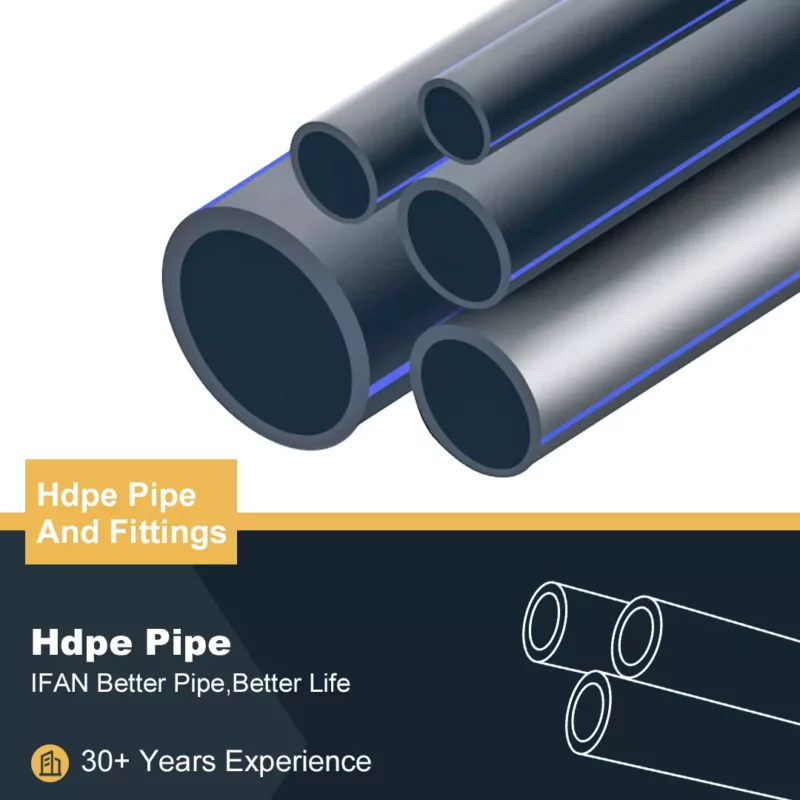


Introduction
The world of HDPE Fittings is diverse, with each type designed for a specific purpose. Selecting the correct fitting is crucial for system efficiency and integrity. This guide breaks down the various categories of HDPE Fittings, their unique designs, and the critical factors that dictate their selection, empowering buyers to make the perfect choice for their application.
Classification by Function and Design
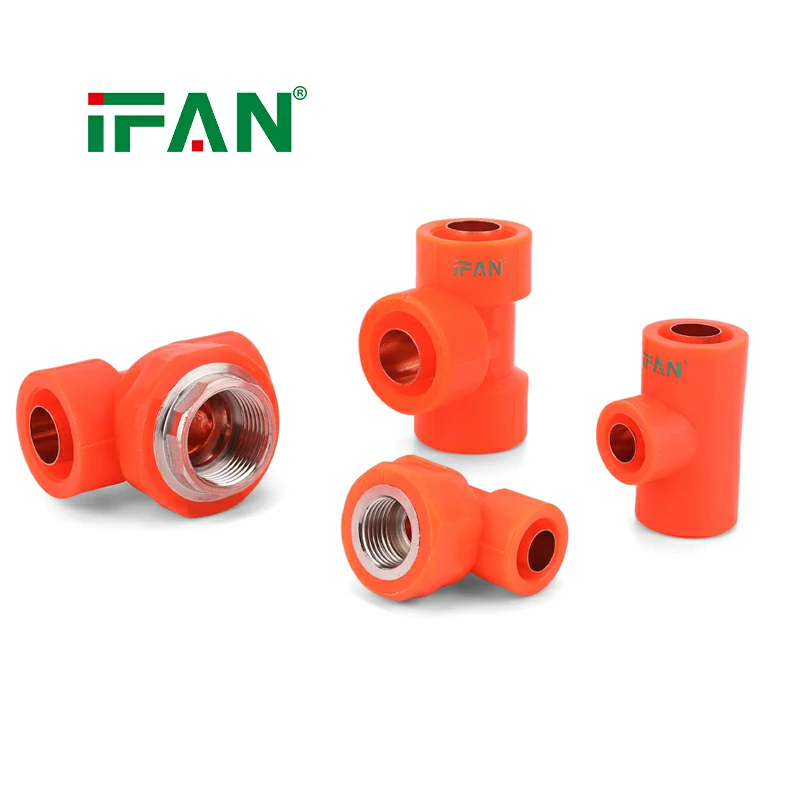
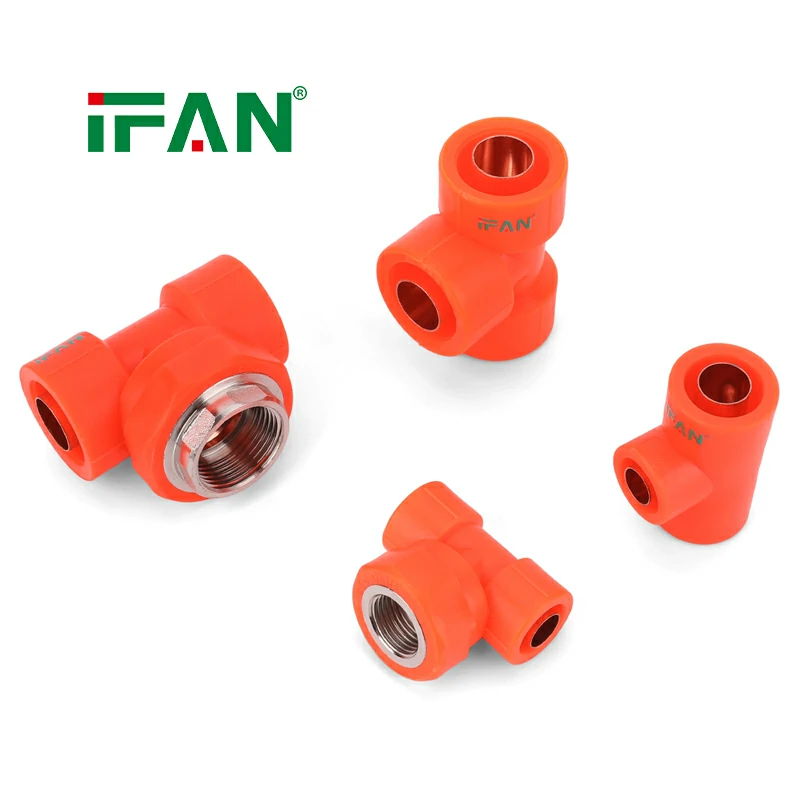
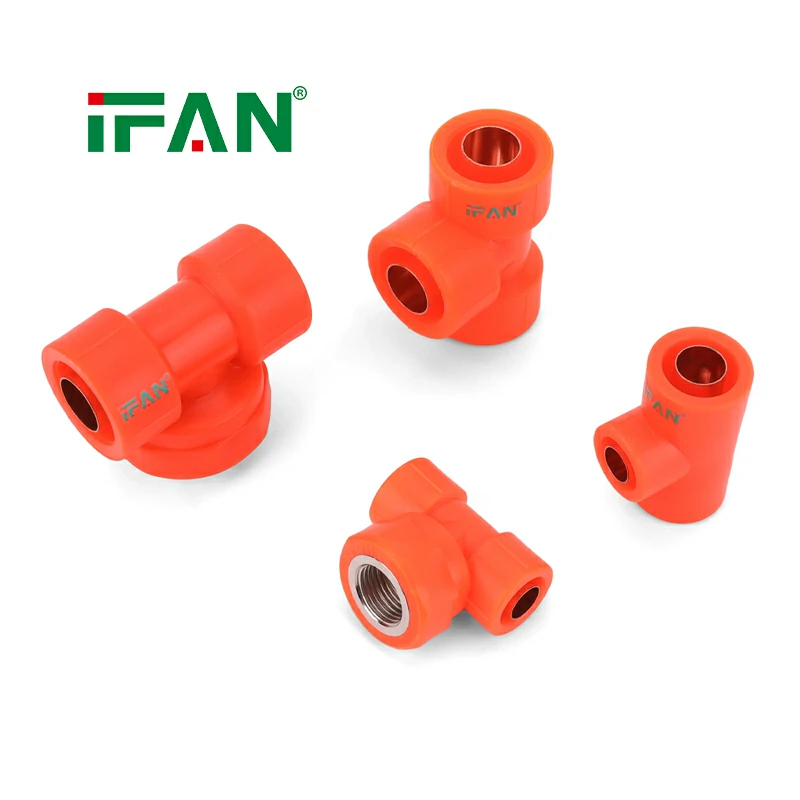
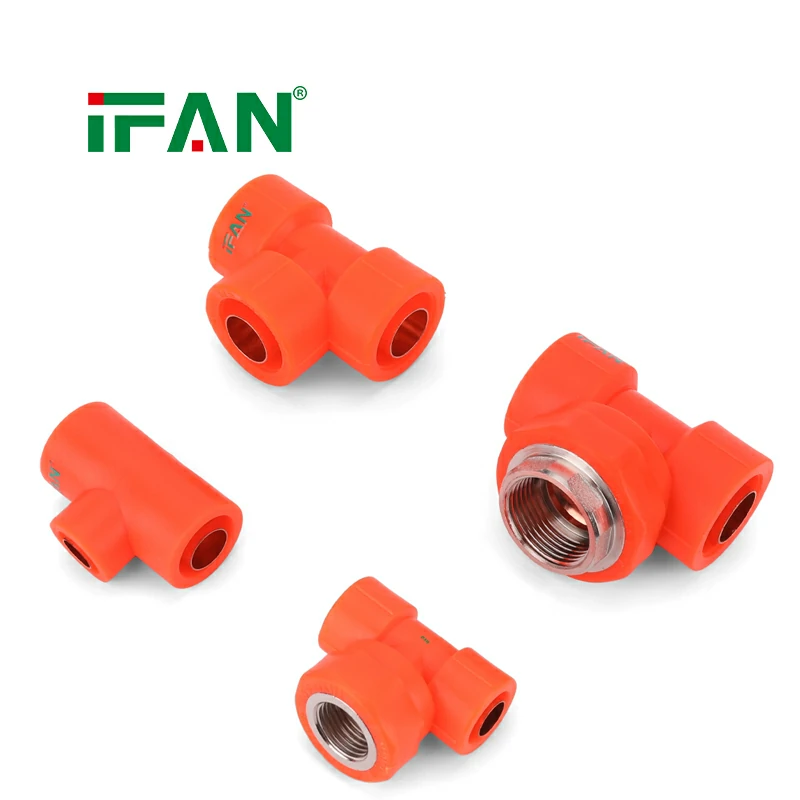
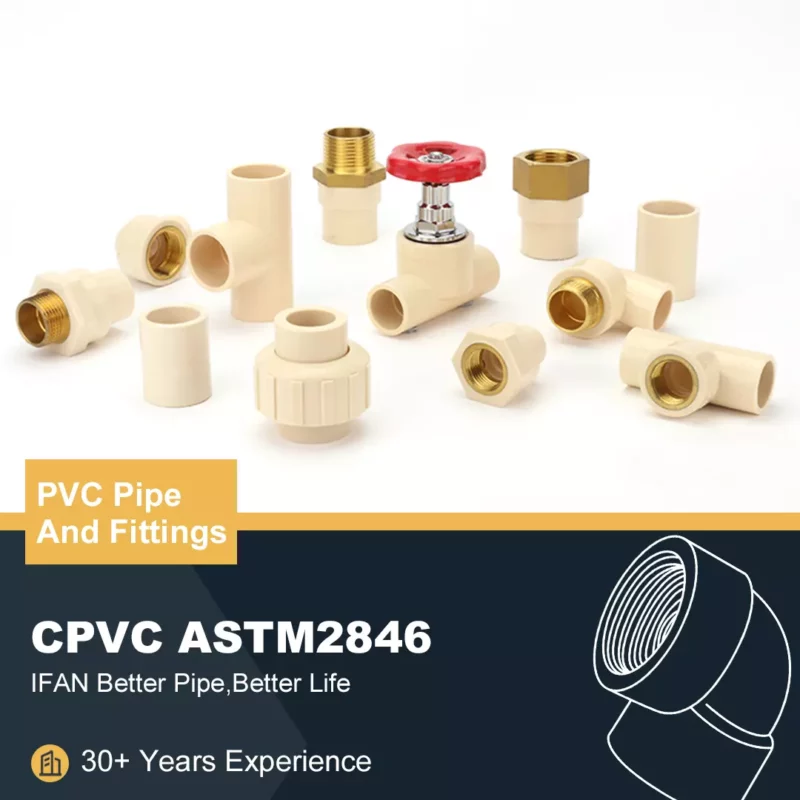
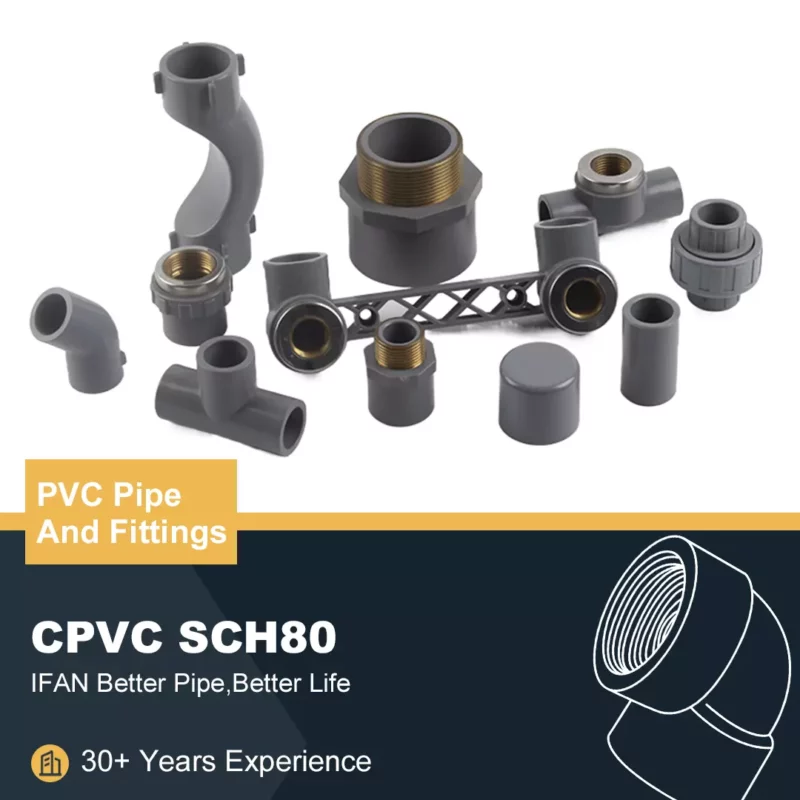
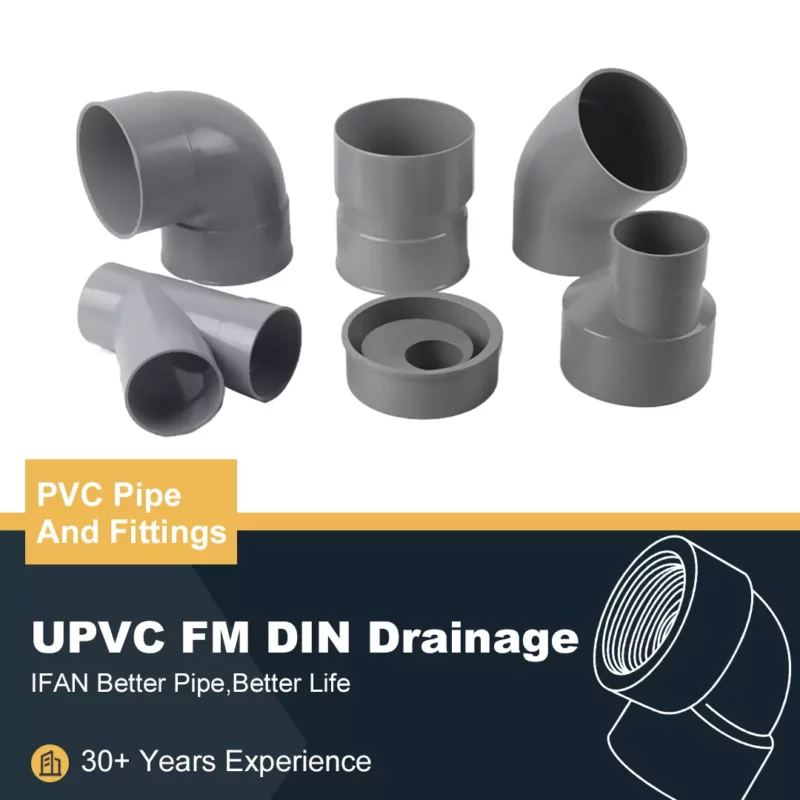
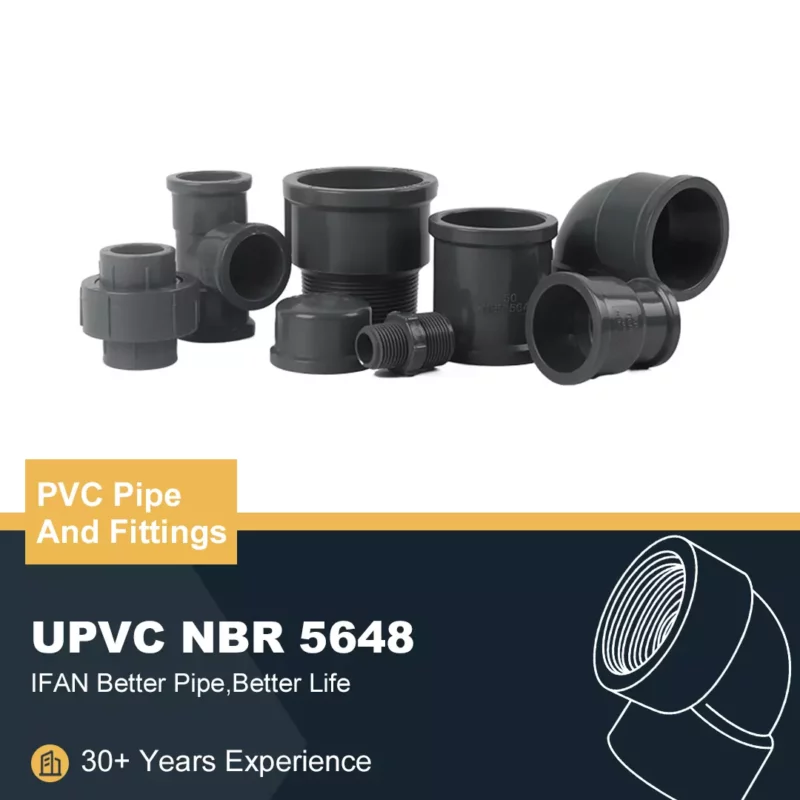
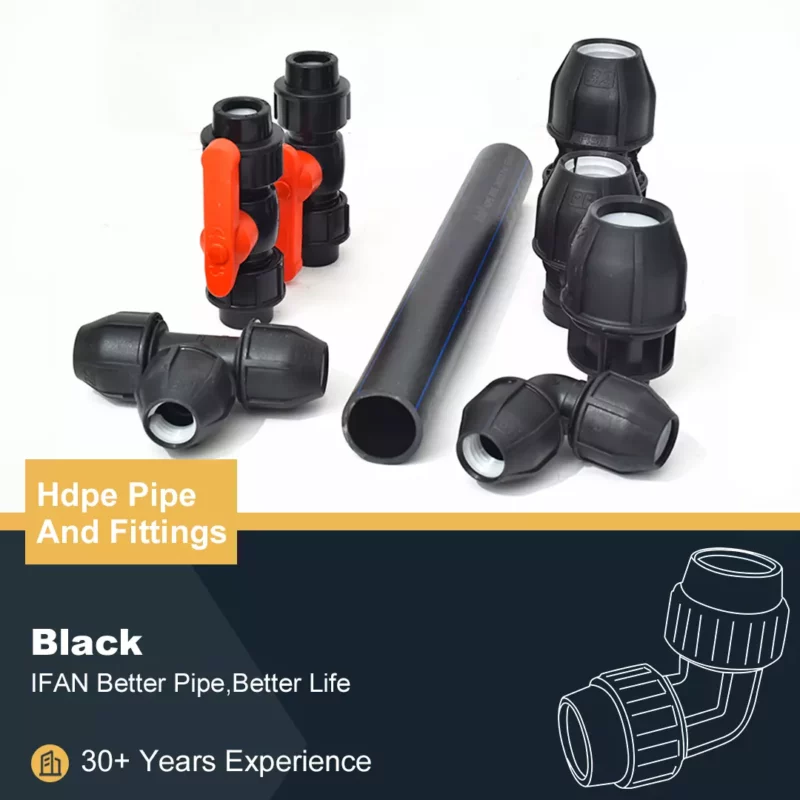
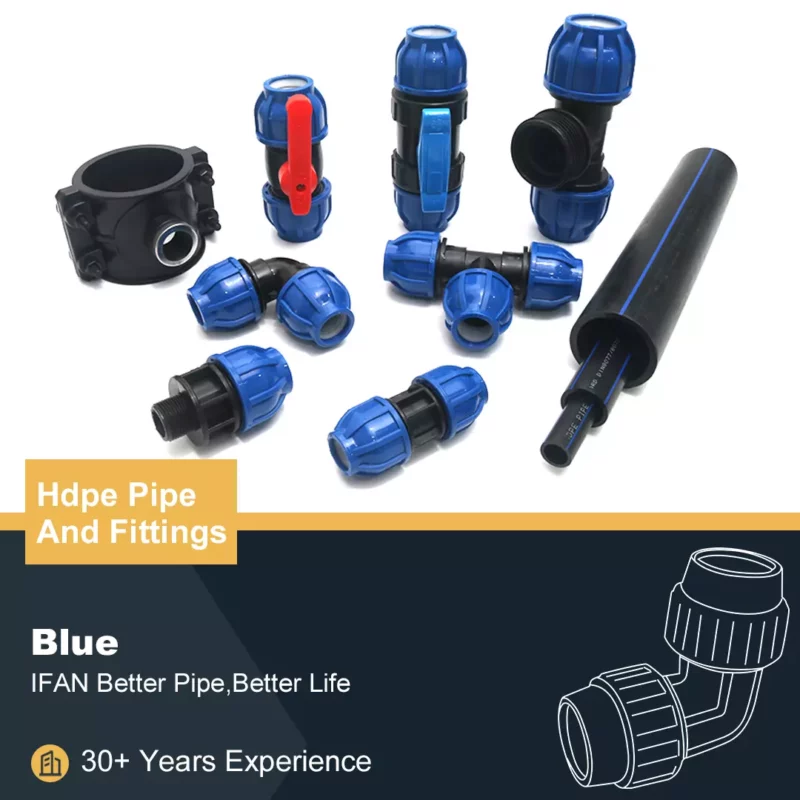
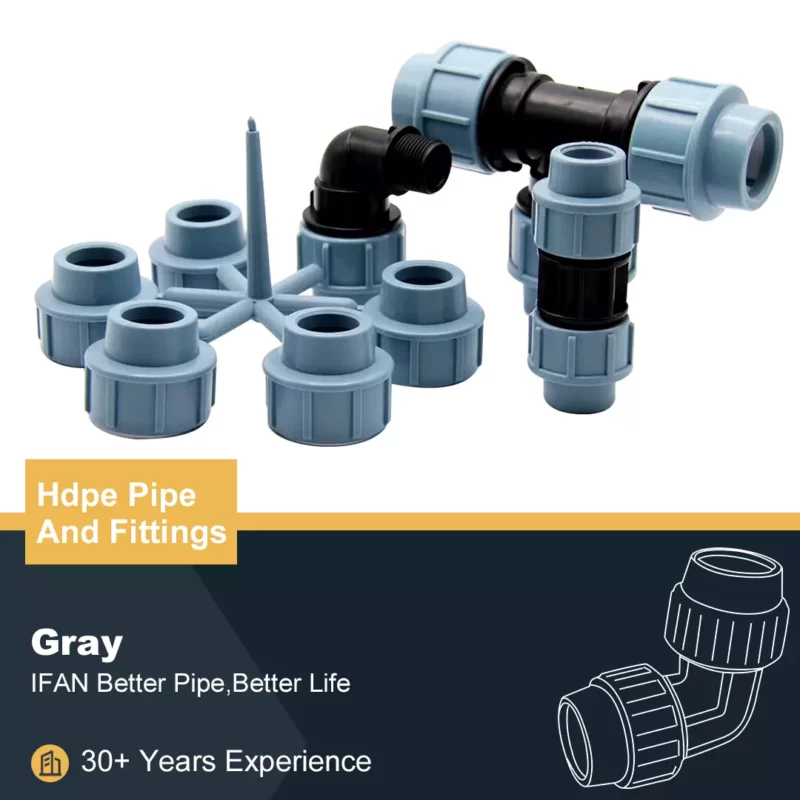
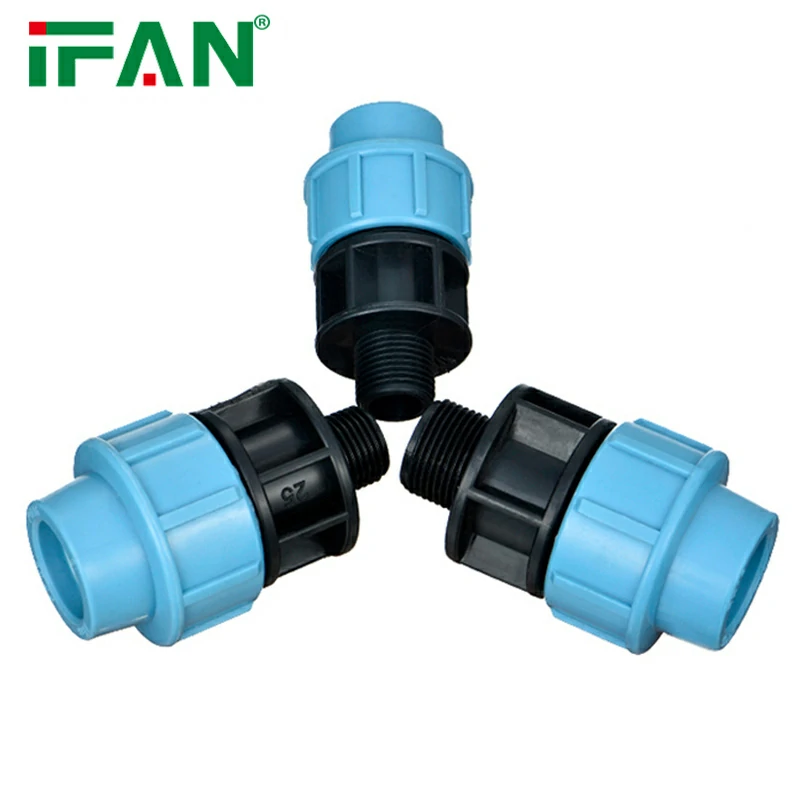
HDPE Fittings can be systematically classified by their function and physical design. The primary categories include:
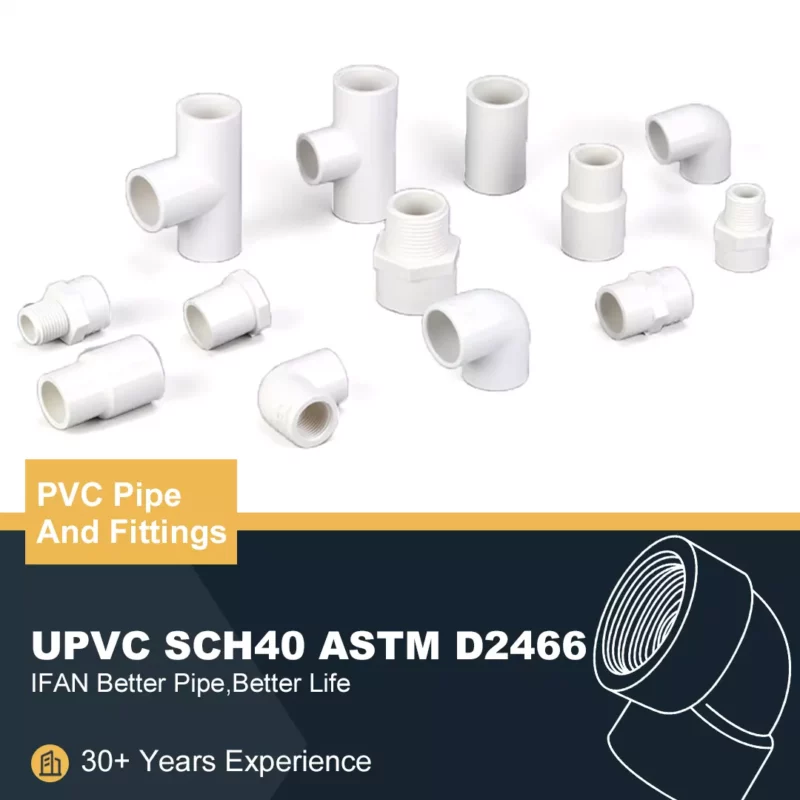
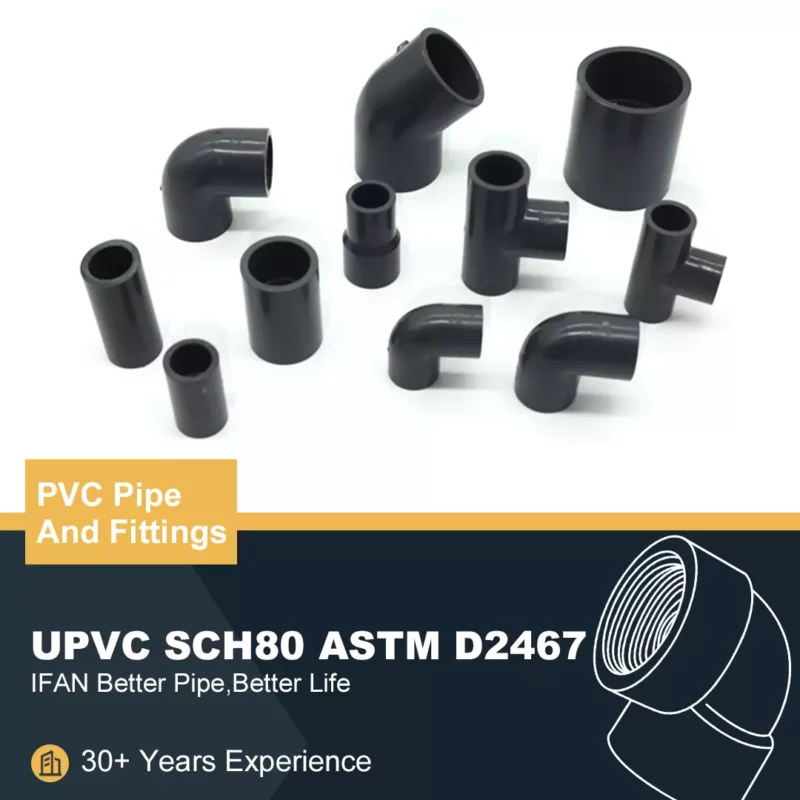
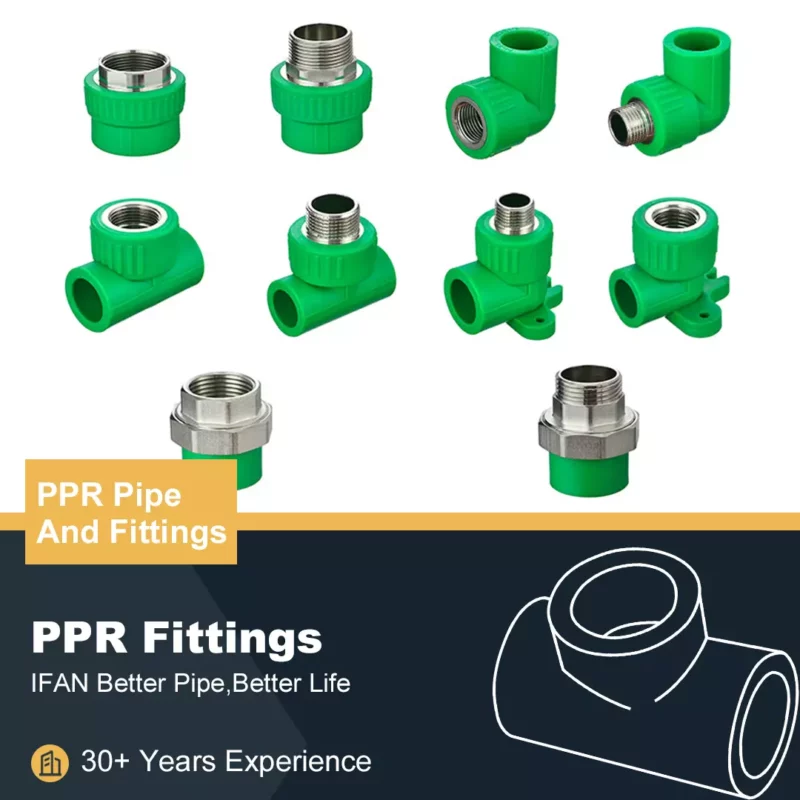
Couplings: Used for connecting two pipes of the same diameter in a straight line.
Elbows: Designed to change the direction of a pipeline, commonly available in 45° and 90° angles.
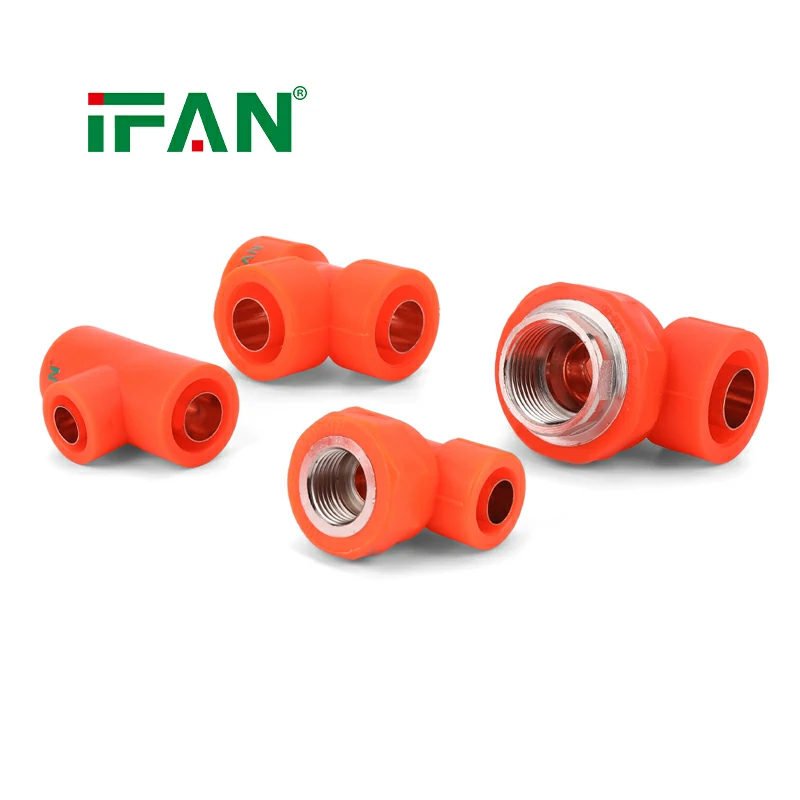
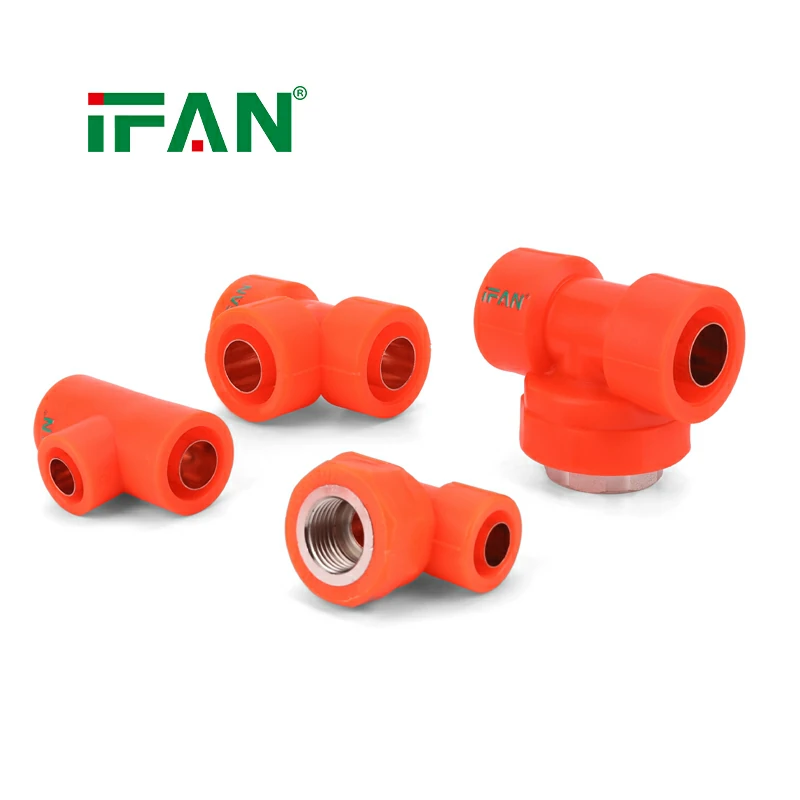
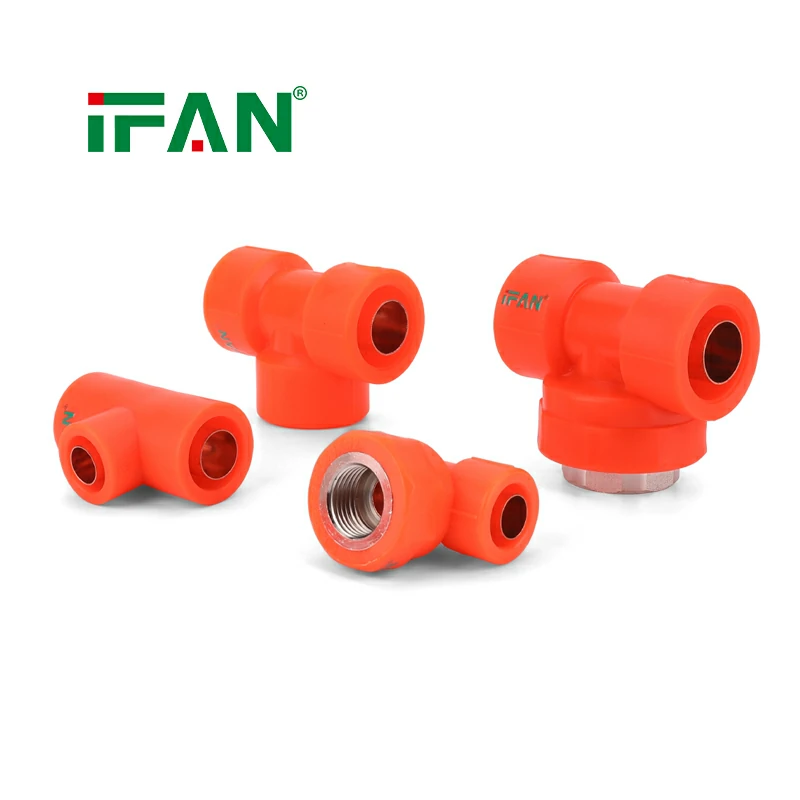
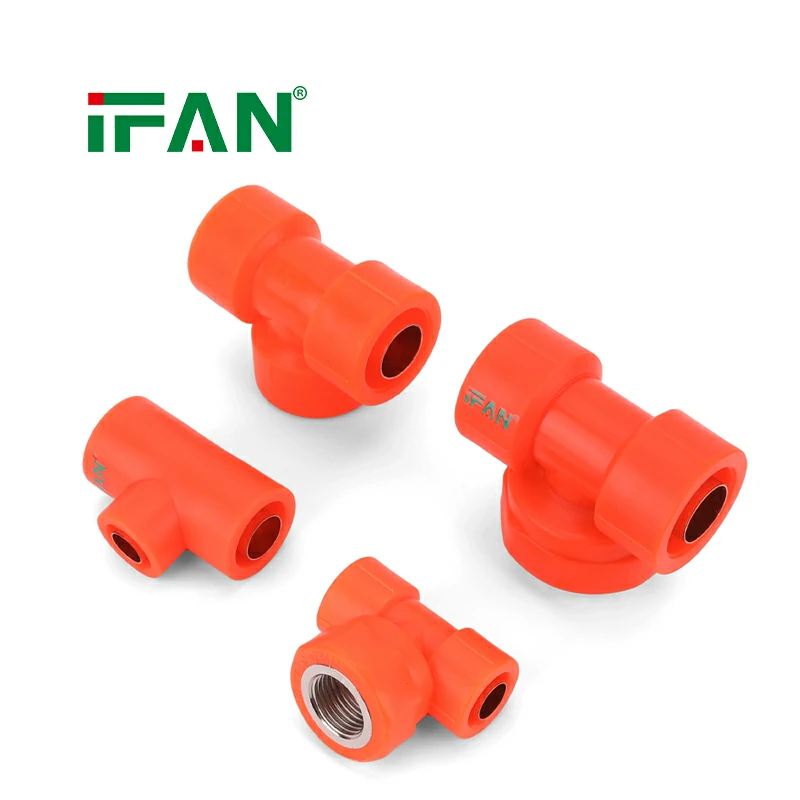
Tees: Allow for branch connections, facilitating a flow split in three directions.
Reducers: Connect two pipes of different diameters, enabling system size transitions.
End Caps: Used to seal the end of a pipe, effectively terminating the flow.
Flange Adapters: Provide a reliable transition from an HDPE pipe to a valved or flanged metal system component. Understanding this functional classification is the first step in specifying the correct geometry for a piping layout.
Butt Fusion vs. Electrofusion Fittings
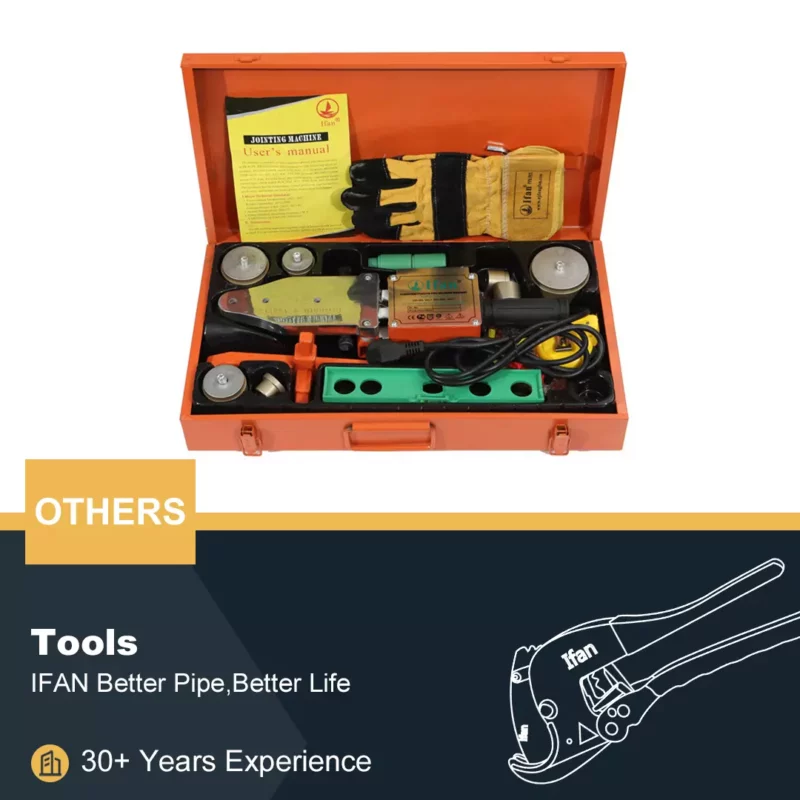
A critical distinction for buyers is between Butt Fusion and Electrofusion HDPE Fittings. Butt Fusion Fittings are designed to be fused to the pipe using a hydraulic heating plate and pressure unit. They are typically used for larger diameter pipes (e.g., 50mm and above) and are prized for creating a robust, full-strength joint. Electrofusion Fittings, on the other hand, have built-in heating elements and are used with a portable power supply. They are ideal for smaller diameters, tight spaces, complex repairs, and situations where it’s impractical to move a large butt fusion machine. The choice between them often comes down to project size, site accessibility, and available equipment.
Understanding Pressure Ratings and SDR
The pressure-bearing capacity of HDPE Fittings is a paramount consideration. This is directly linked to the Standard Dimension Ratio (SDR), which is defined as the ratio of the pipe’s outside diameter to its wall thickness. A lower SDR number indicates a thicker wall and, consequently, a higher pressure rating (e.g., SDR 11 is for higher pressures than SDR 17). Buyers must ensure that the SDR and Pressure Nominal (PN) rating of the fitting precisely match that of the HDPE pipe it is being connected to. Mismatching SDR ratings can lead to premature system failure, as the weakest point (the fitting or the pipe) will be subjected to stress beyond its design limits.
Material Grade: PE80 vs. PE100
Not all HDPE materials are the same. The two most common grades for fittings are PE80 and PE100. PE100 is a newer, higher-performance material that offers greater Minimum Required Strength (MRS) – 10 MPa compared to PE80’s 8 MPa. This means PE100 fittings can handle higher operating pressures with the same wall thickness, or the same pressure with a thinner, lighter-weight wall. For most new projects, especially those involving potable water or gas, PE100 is the recommended and often specified grade due to its superior long-term strength and stress crack resistance. Buyers should always verify the material grade to ensure it meets the project’s design life and safety factors.
Selection Criteria for Different Industries
The optimal choice of HDPE Fittings varies significantly by industry:
Potable Water: Require fittings with NSF/ANSI 61 certification to ensure they do not leach contaminants into drinking water.
Mining & Slurry: Demand fittings with superior abrasion resistance, often with a higher wall thickness, to handle erosive materials.
Gas Distribution: Must use yellow or black-with-yellow-stripe HDPE Fittings that comply with strict gas industry standards for safety and permeability.
Industrial Chemical Lines: Require confirmation of chemical compatibility between the HDPE material and the specific chemicals being transported to prevent degradation. Buyers must align their fitting selection with the specific regulatory and operational demands of their industry.
Conclusion
Navigating the selection of HDPE Fittings requires a methodical approach. By understanding the different types, fusion methods, critical pressure ratings, material grades, and industry-specific requirements, buyers can move beyond a simple commodity purchase. This knowledge enables the specification of high-performance HDPE Fittings that form the backbone of a reliable, efficient, and long-lasting piping system.
If you have read this article and have any questions, please feel free to contact IFAN. Below is our contact information:
Whatsapp:+86 13373827623
Email:[email protected]