

Introduction
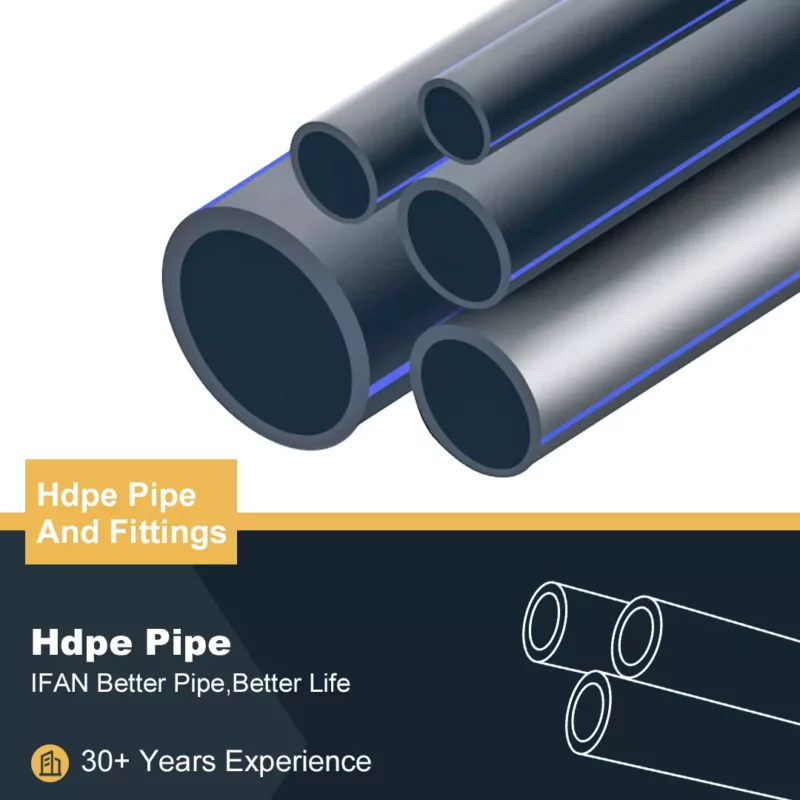
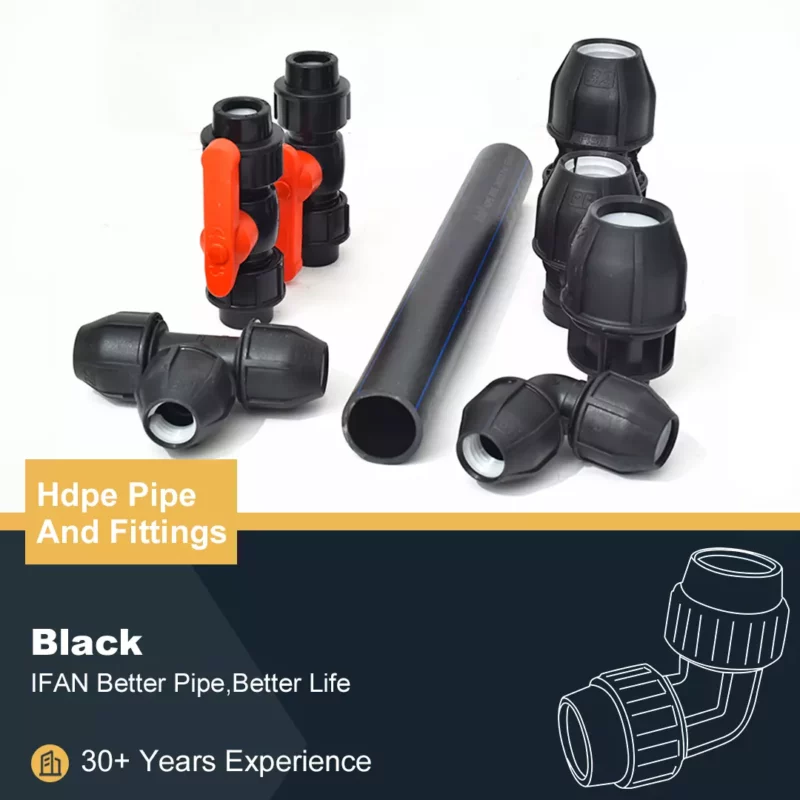
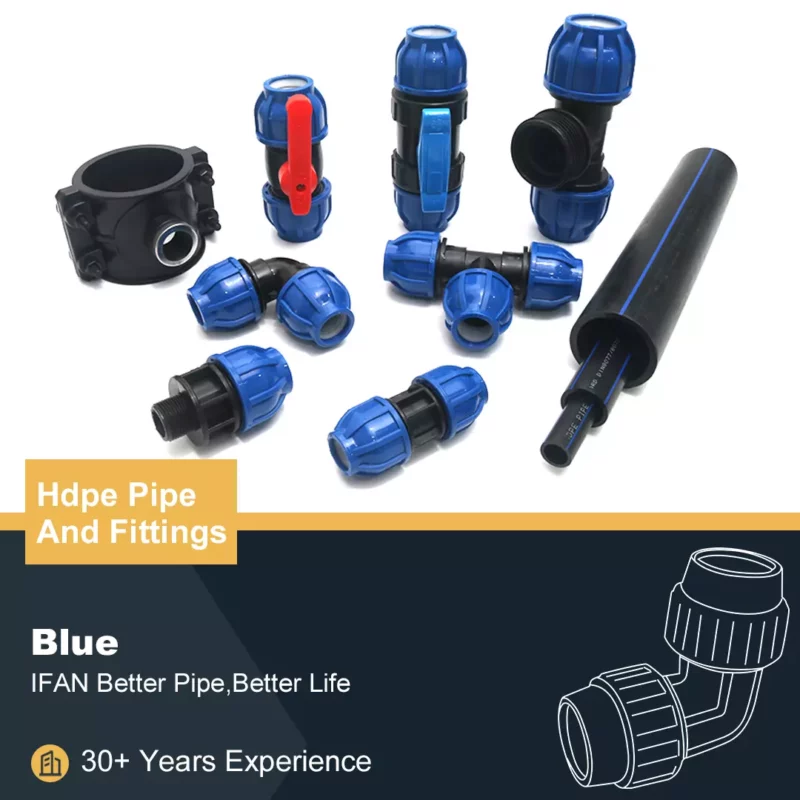
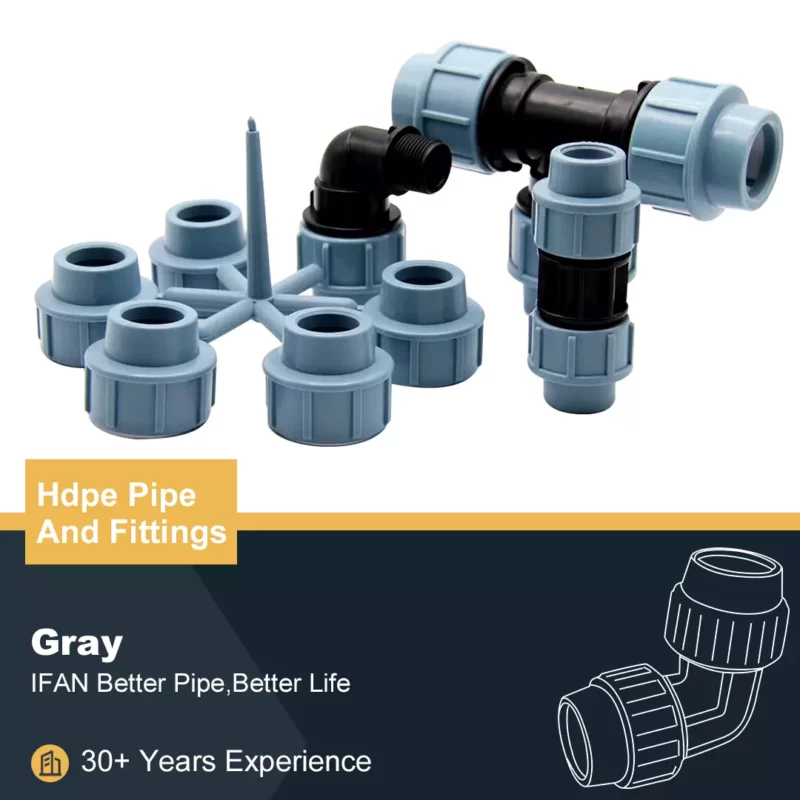
Proper installation and maintenance are key to maximizing the performance and lifespan of HDPE Fittings. This article provides a detailed, step-by-step approach to handling these components, addressing common buyer queries on techniques, troubleshooting, and upkeep. We focus on hands-on knowledge to avoid common pitfalls and ensure system longevity.
Pre-Installation Preparation
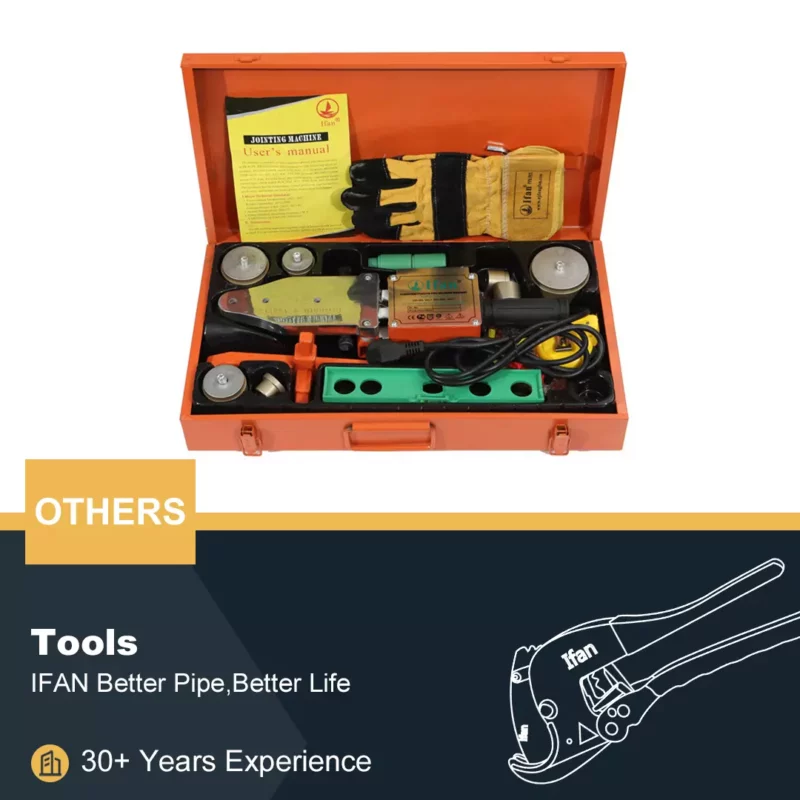
Before installing HDPE Fittings, thorough preparation is essential for success. Start by meticulously inspecting the fittings and pipes for any defects like scratches, gouges, or ovality (deformation). As these can severely compromise system integrity. Ensure the work area is clean, dry, and sheltered from wind. And dust to prevent contamination during the critical joining process. Essential tools include a calibrated fusion machine, a dedicated pipe cutter for square ends, and scraping tools for oxide layer removal. Buyers should also thoroughly review system design plans to confirm pipeline alignment, fitting orientation, and pressure requirements. This diligent preparatory phase drastically reduces the risks of leaks or joint failures.
Step-by-Step Installation Methods
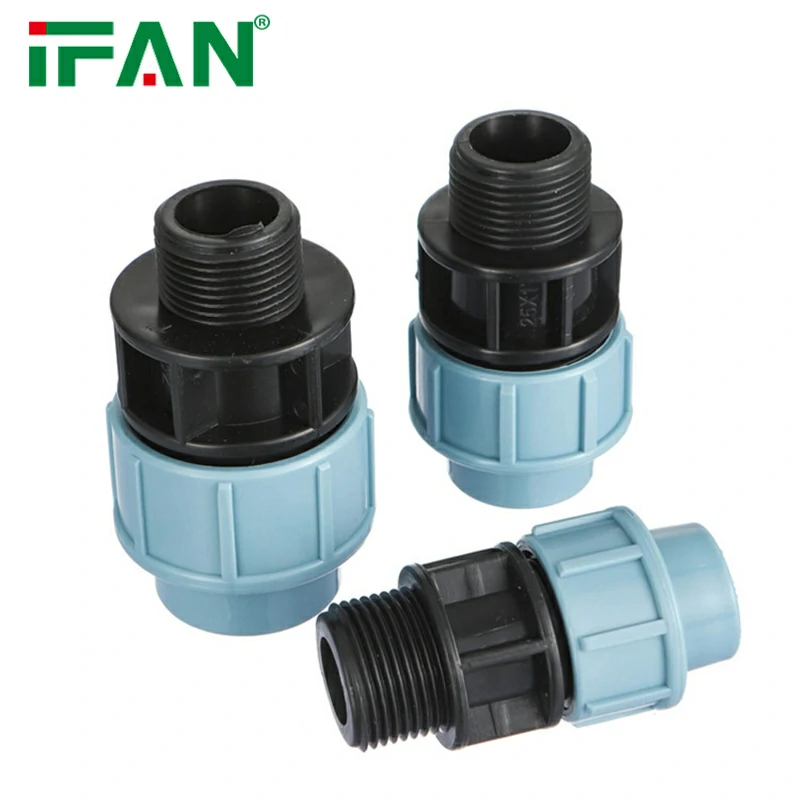
The installation of HDPE Fittings primarily involves thermal fusion techniques, with butt welding and electrofusion being the most common. For butt welding, the pipe and fitting ends are faced, heated to a precise temperature (typically 200-230°C), and then pressed together under a controlled force to form a seamless, monolithic bond. Electrofusion uses fittings with embedded resistive wire coils; when electrified with a dedicated control unit, the coils melt the surrounding material to create a perfect joint. Mechanical methods with stub ends and flanges are alternatives for connecting to existing valve or pump systems. Key steps across all methods include meticulous surface cleaning, strict adherence to heating and cooling times, and maintaining proper alignment throughout the process.
Common Challenges and Troubleshooting
Even with careful planning, installers may encounter common issues such as joint misalignment, incomplete fusion, or contamination. For example, if a joint later leaks, the root cause is often improper heating (too little or too much) or dirt on the prepared surfaces—the remedy is to cut out the section and perform a re-fusion. In cold climates, HDPE can become more rigid; pre-heating the material or the environment can mitigate this. Buyers should also watch for ovality in the pipe and use proper clamping supports to maintain a round shape during fusion. Proactive troubleshooting tips include conducting a mandatory pressure test after installation and using inspection mirrors to check the internal bead of fused joints.
Routine Maintenance and Inspection Regimen
The good news is that HDPE Fittings require significantly less maintenance than metal alternatives. A routine maintenance regimen should involve periodic visual inspections for surface cracks, excessive abrasion, or potential UV damage, especially in above-ground and exposed installations. Cleaning with mild, non-abrasive detergents prevents chemical buildup without harming the material. For long-term care, monitor system logs for unusual pressure fluctuations or temperature changes that could stress the joints. It is advisable to schedule formal periodic inspections every 6-12 months, depending on the application’s aggressiveness and intensity. For critical systems, buyers can employ non-destructive testing methods like ultrasonic scans to detect internal flaws that are not visible to the naked eye.
Conclusion
Mastering the installation and maintenance of HDPE Fittings is a straightforward process that pays enormous dividends in system reliability and cost savings. By adhering to proven preparation, installation, and upkeep protocols, buyers can fully leverage the inherent durability of HDPE material, ensuring a piping network that delivers performance for decades.
If you have read this article and have any questions, please feel free to contact IFAN. Below is our contact information:
Whatsapp:+86 13373827623
Email:[email protected]