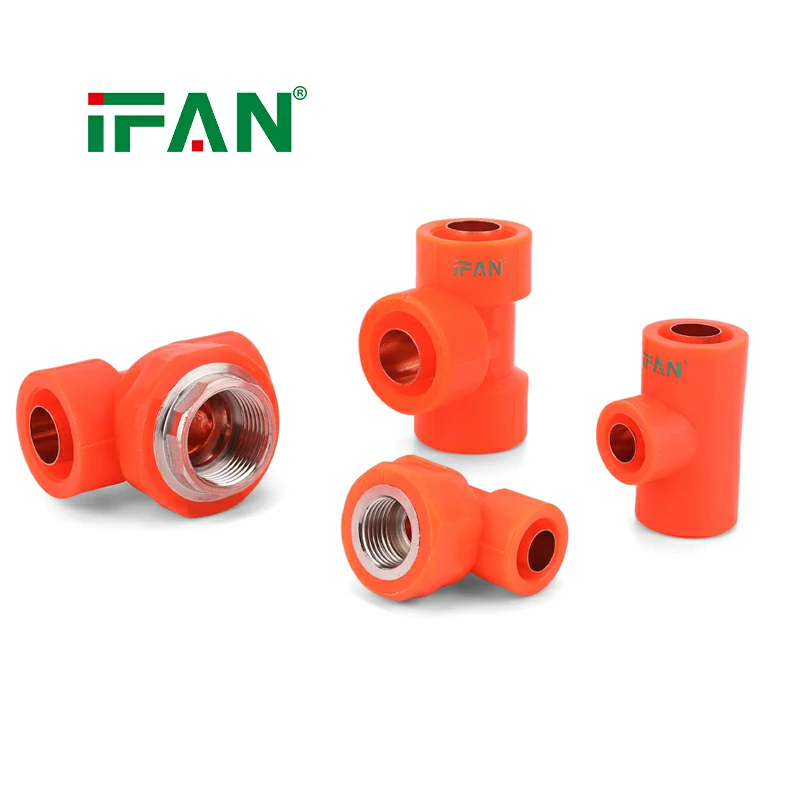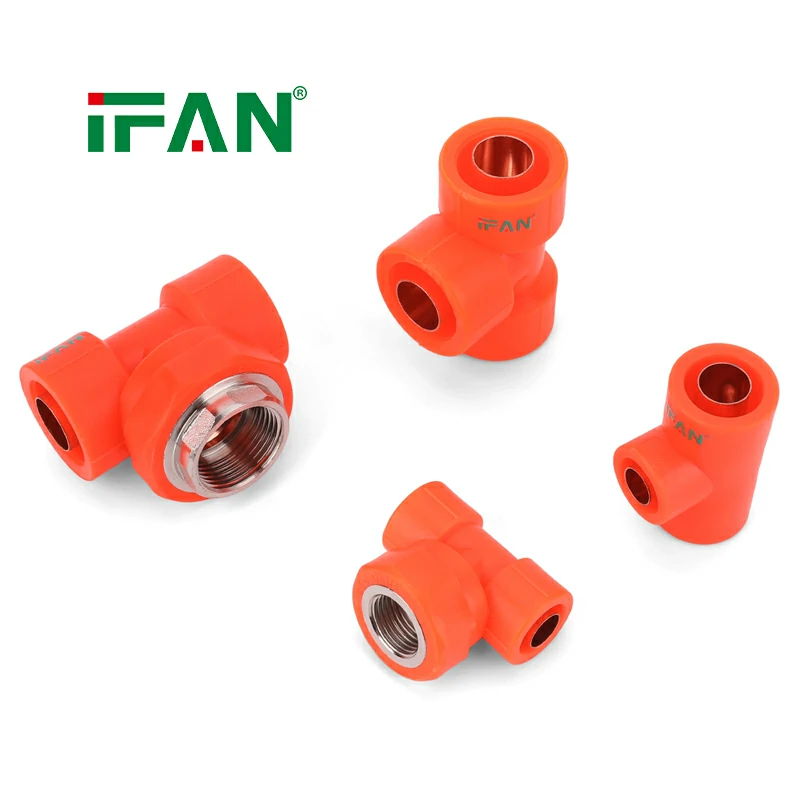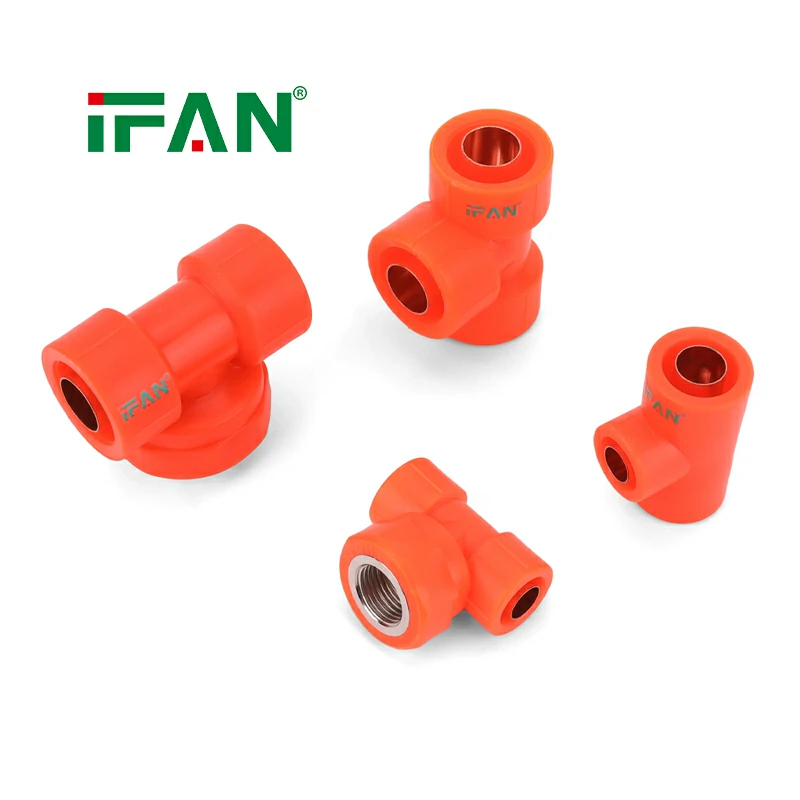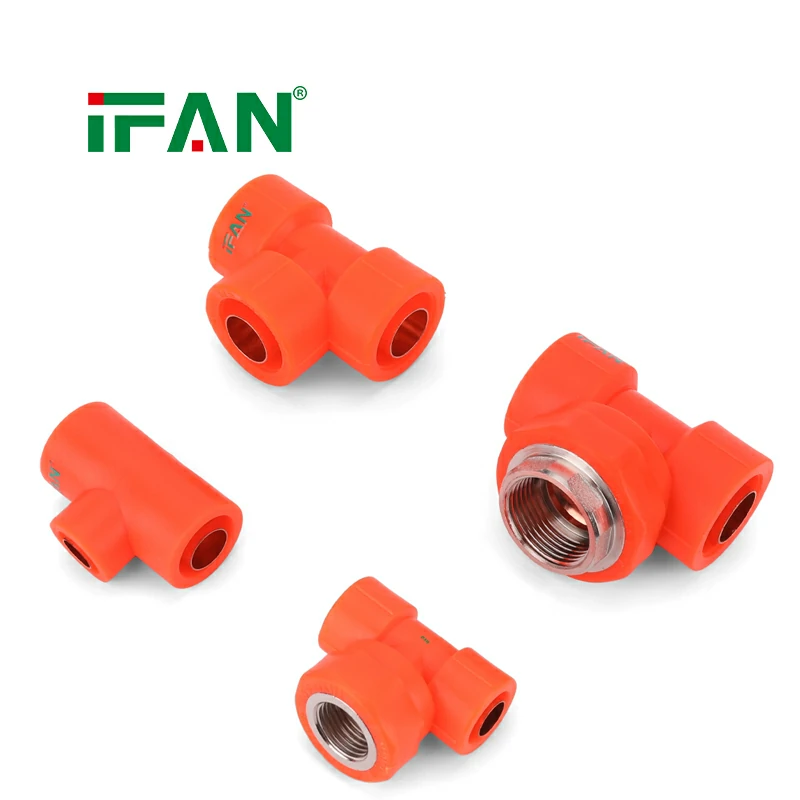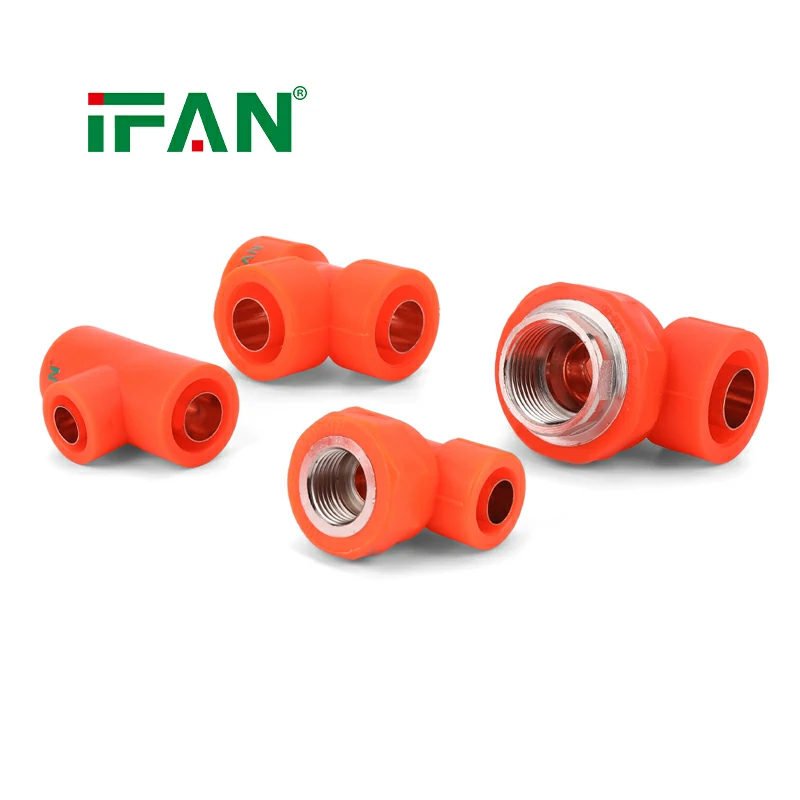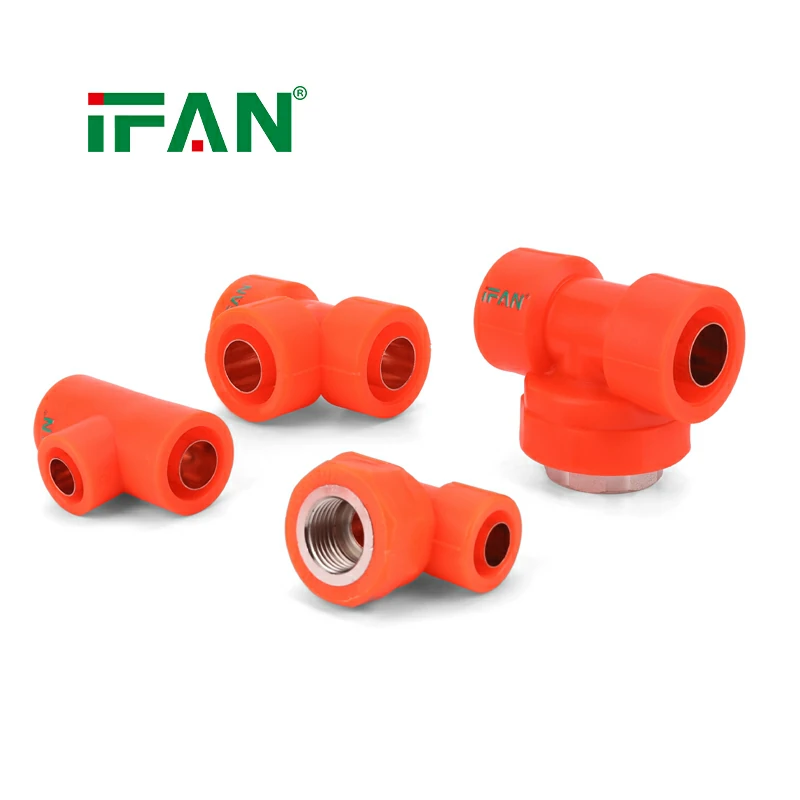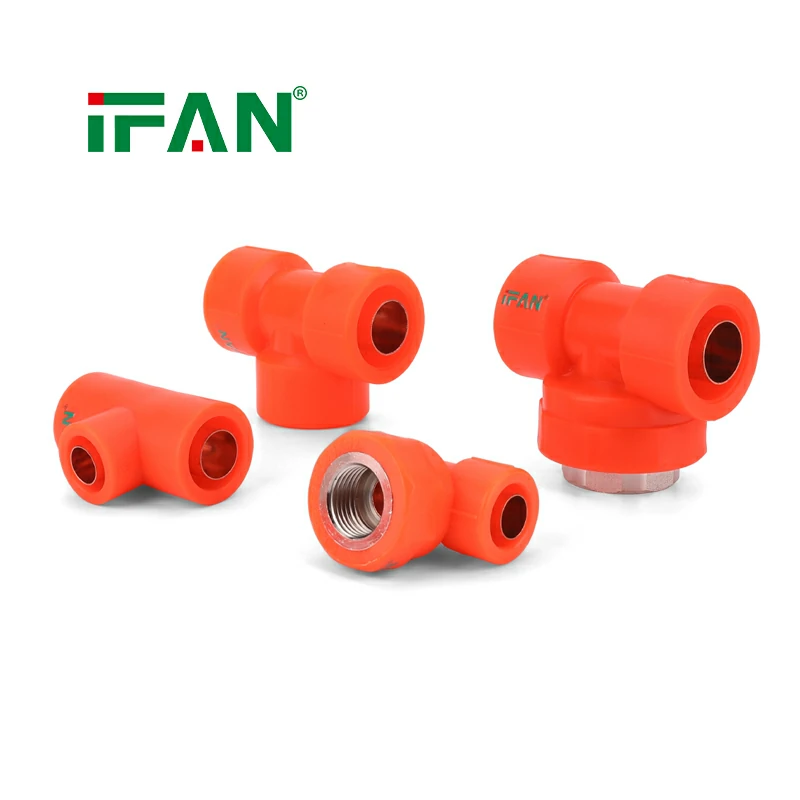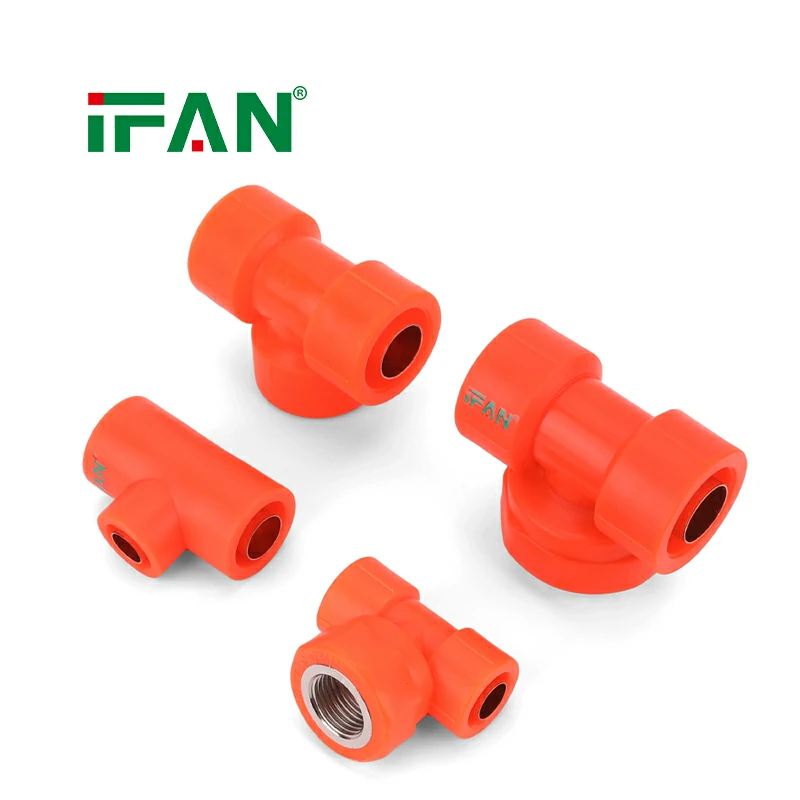
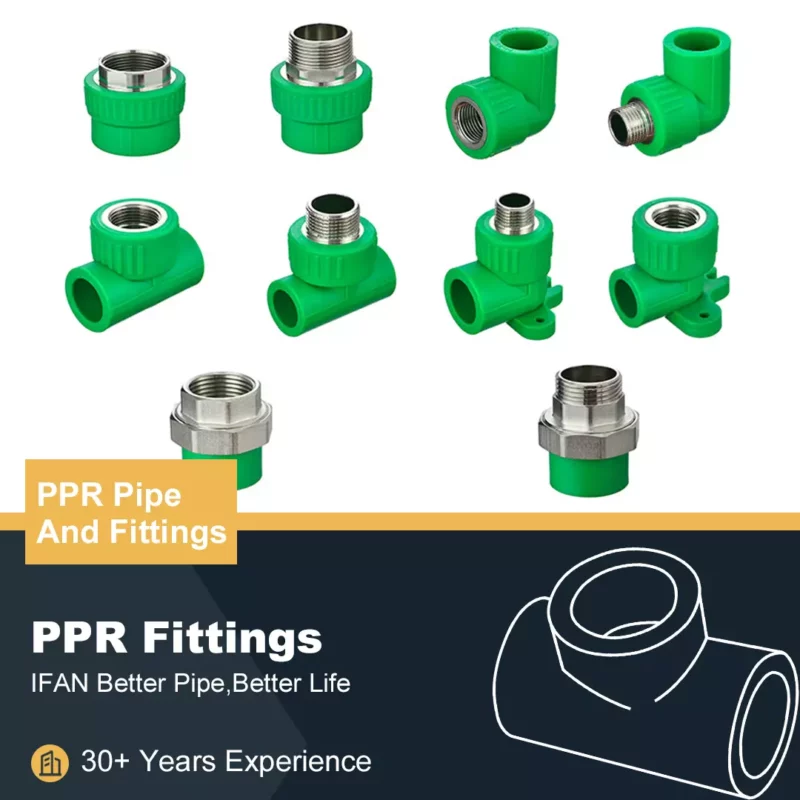
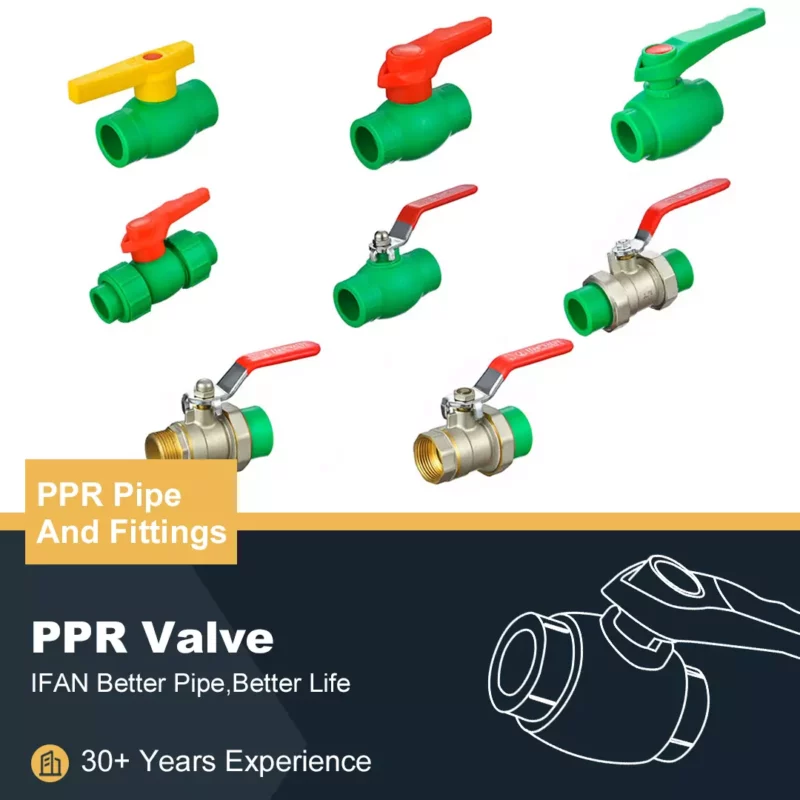



In plumbing and fluid systems, ensuring smooth, unidirectional flow is crucial for the safety and efficiency of the system. A key component in achieving this is the PPR check valve. Designed to prevent backflow and maintain consistent water pressure, the PPR check valve is an essential part of modern plumbing systems. This article explores the features, benefits, applications, and installation of PPR check valves, emphasizing their role in ensuring smooth flow in various systems.
What Is a PPR Check Valve?
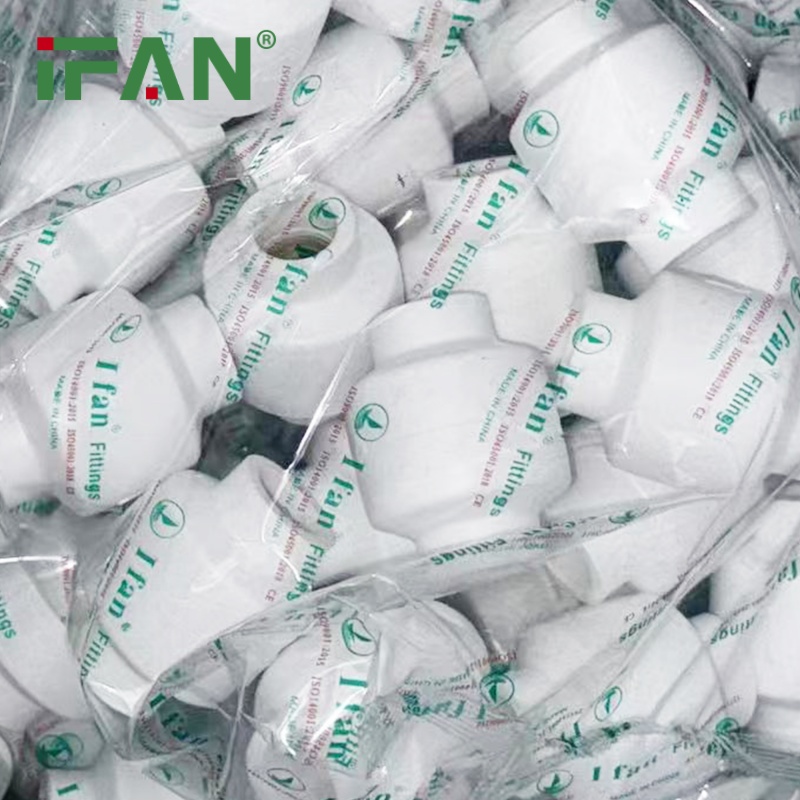
A PPR check valve is a device used to allow fluid to flow in one direction only, preventing reverse flow or backflow. Made from Polypropylene Random Copolymer (PPR), these valves are durable, resistant to corrosion, and lightweight. The valve works automatically, opening when water or another fluid flows in the correct direction and closing to block any reverse flow.
The PPR check valve ensures that water or other liquids in a plumbing system do not flow backward, which can cause contamination, damage, or inefficiency. Their simple yet effective design makes them a crucial part of various fluid control systems.
How Does a PPR Check Valve Work?
The mechanism of a PPR check valve is straightforward but vital for maintaining smooth flow in plumbing systems. Inside the valve, a disc or spring mechanism is activated by water flow. When water flows in the proper direction, the disc or spring opens, allowing the fluid to pass. If the flow reverses, the disc or spring closes, blocking the backward flow.
This simple, automatic operation ensures that backflow does not occur without requiring external power or complex control systems. The ability of the PPR check valve to react to flow direction in real-time makes it a reliable and effective component in maintaining a smooth and secure flow.
Advantages of Using PPR Check Valves
PPR check valves offer several significant advantages that make them an attractive option for various applications. Here are some of the key benefits:
- Corrosion Resistance: Unlike metal valves, PPR check valves are resistant to corrosion. This makes them ideal for use in plumbing systems that are exposed to moisture or varying pH levels, ensuring long-lasting performance.
- Durability: PPR material is strong and durable, able to withstand high pressures without cracking or wearing down. These valves can last for many years with minimal maintenance.
- Lightweight: PPR check valves are lightweight compared to metal alternatives. This makes them easier to transport and install, reducing overall project costs.
- Cost-Effective: PPR check valves are more affordable than many metal check valves, making them an economical choice for large-scale installations.
- Ease of Installation: These valves are simple to install, typically requiring only basic tools like a wrench or adhesive. Their lightweight design also makes installation faster and more efficient.
Applications of PPR Check Valves
PPR check valves are versatile and widely used across various industries. Their ability to prevent backflow and maintain smooth flow makes them essential in many systems. Some common applications include:
- Water Supply Systems: In municipal or residential water systems, PPR check valves prevent backflow, ensuring that clean water does not mix with waste or contaminated water.
- Irrigation Systems: In agriculture, PPR check valves prevent fertilizers, pesticides, or other harmful chemicals from flowing back into the water supply, protecting the integrity of the system.
- Heating and Cooling Systems: HVAC systems rely on PPR check valves to ensure that hot or cold water or other fluids move in the correct direction without contamination.
- Industrial Fluid Systems: PPR check valves are used in industrial applications to control the flow of chemicals, oils, and other fluids, preventing backflow and protecting sensitive equipment.
- Pools and Spas: These valves prevent backflow of pool water, ensuring the proper circulation and filtration of water in recreational systems.
Benefits of PPR Over Metal Check Valves
While metal check valves like brass or stainless steel are widely used, PPR check valves offer distinct advantages. One of the primary benefits of PPR over metals is corrosion resistance. Metal valves, over time, can rust or corrode, especially in systems exposed to water or chemicals. In contrast, PPR valves do not corrode, offering a much longer lifespan in harsh environments.
Another key benefit is lightweight design. PPR check valves are much lighter than their metal counterparts, making transportation and installation easier. This can be particularly important in large-scale plumbing projects where many valves are needed.
Additionally, PPR check valves are more cost-effective. The material is more affordable than metals, and PPR valves often have lower maintenance and replacement costs over time. Their durability and corrosion resistance make them an ideal choice for both residential and industrial applications.
How to Install a PPR Check Valve
Installing a PPR check valve is relatively easy, making it suitable for both professional plumbers and DIY enthusiasts. The steps are straightforward, ensuring that even large systems can be fitted with these reliable valves quickly.
- Select the Correct Valve Size: Choose a PPR check valve that matches the pipe size and system requirements. Make sure the flow direction indicated on the valve is properly aligned.
- Prepare the Pipe: Cut the pipe where the valve will be installed. Ensure that the pipe edges are clean and smooth, removing any dirt or debris.
- Position the Valve: Slide the valve onto the pipe, ensuring it is aligned with the flow direction. PPR check valves typically have markings indicating the correct flow direction.
- Fitting the Valve: PPR pipes and valves are generally connected using solvent cement or heat fusion. Apply the appropriate adhesive or use the heat fusion method to secure the valve in place.
- Allow Proper Curing Time: If using solvent cement, allow time for the adhesive to cure before pressurizing the system. The curing time will vary depending on the product and environmental conditions.
- Test for Leaks: After installation, test the system by turning on the water or fluid supply. Check for any leaks around the valve. Tighten the fittings or replace the valve if necessary.
Maintenance of PPR Check Valves
One of the primary advantages of PPR check valves is their low maintenance requirements. However, periodic inspections can help extend the valve’s lifespan and maintain optimal performance. Here are a few tips for maintaining PPR check valves:
- Inspect Regularly: Periodically check the valve for any signs of wear, such as cracks, deformation, or loose fittings.
- Clear Blockages: In systems with high mineral content or debris, sediment can build up inside the valve. Periodically flush the valve to keep it free from blockages.
- Check for Leaks: Ensure the valve is properly sealed to avoid leakage. If you find any leaks, tighten the connections or replace damaged parts.
Despite requiring minimal maintenance, a quick inspection every few months can ensure the valve continues to operate effectively.
Conclusion
A PPR check valve is a reliable and efficient solution for maintaining smooth, one-directional flow in plumbing systems. Its corrosion resistance, durability, and ease of installation make it an ideal choice for a variety of applications, including water supply systems, industrial fluid handling, and irrigation. PPR check valves provide an economical and low-maintenance option for preventing backflow and ensuring system efficiency.
By understanding how these valves work, their benefits, and how to install and maintain them, you can improve the performance and longevity of your plumbing system. Whether in residential, commercial, or industrial applications, PPR check valves are a critical component for smooth, uninterrupted flow.
If you have read this article and have any questions, please feel free to contact IFAN. Below is our contact information:
Whatsapp:+86 13373827623
Email:[email protected]