

Introduction
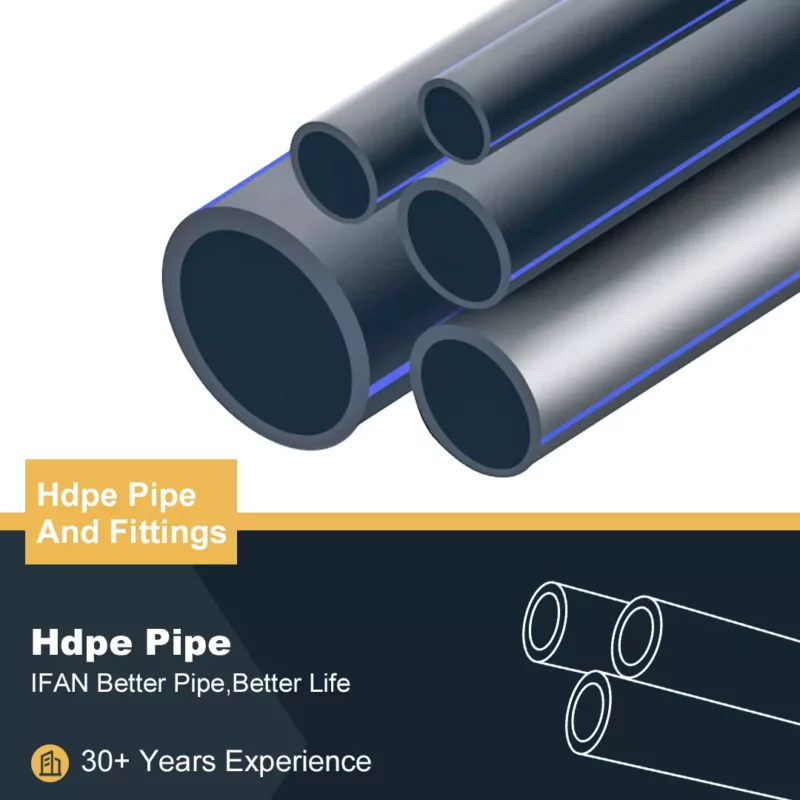
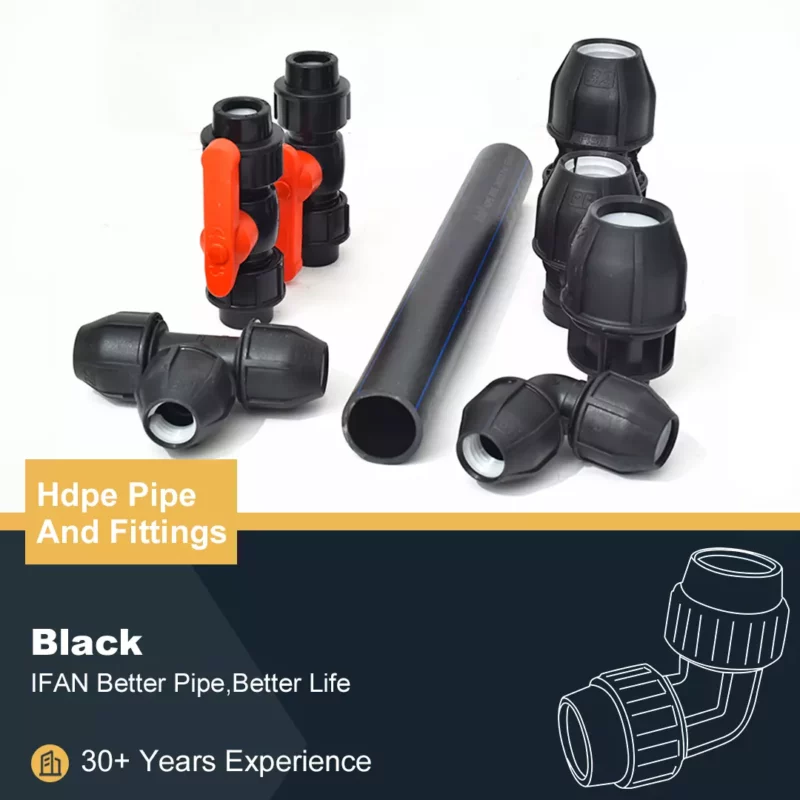
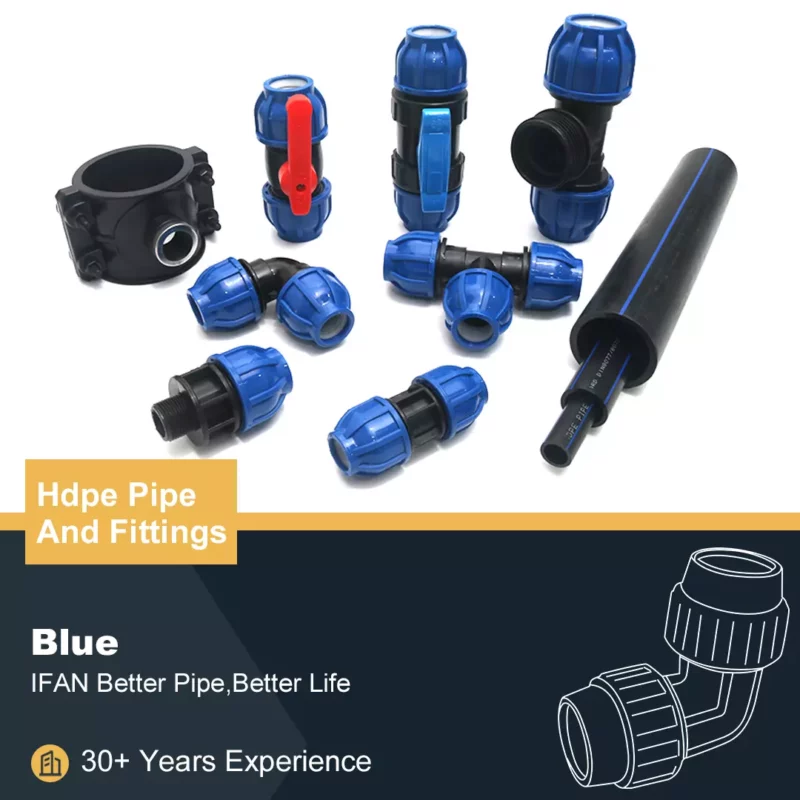
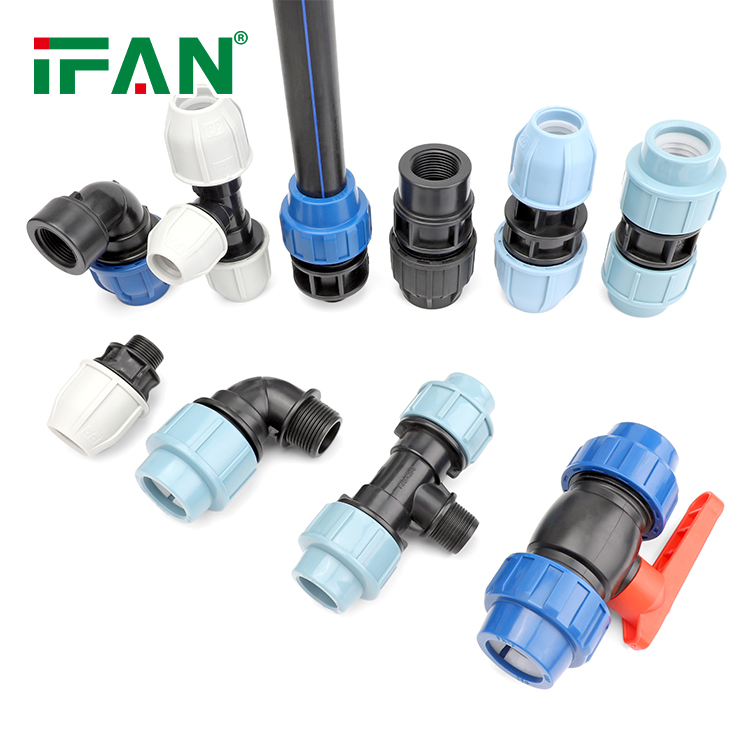
Clean and safe drinking water is essential for public health and sustainable development. The infrastructure used to transport potable water must meet strict hygiene, durability, and performance standards. HDPE pipe fittings have become a leading choice in water distribution networks because they ensure reliable, leak-free, and contamination-resistant systems. Their flexibility, chemical resistance, and long service life make them suitable for modern water supply networks. This article explores how these fittings enhance safety, efficiency, and sustainability in potable water distribution systems.
The Importance of Safe Water Distribution
Water distribution systems deliver clean water from treatment plants to homes, industries, and public facilities. The materials used must not compromise water quality. Corrosion, leakage, or contamination can pose serious health risks. HDPE pipe fittings offer a hygienic and reliable solution for connecting pipelines without introducing pollutants. Their smooth interior prevents bacterial growth and biofilm accumulation. By maintaining water purity from source to consumer, these fittings support global efforts to provide safe and sustainable drinking water.
Material Properties Ideal for Potable Water
High-Density Polyethylene is a thermoplastic material known for its strength, flexibility, and non-toxic nature. It does not leach harmful substances into drinking water. HDPE is also resistant to corrosion, making it ideal for both underground and aboveground installations. Its smooth inner surface minimizes friction, ensuring efficient water flow. The material withstands high pressure and temperature variations without cracking or deforming. These properties make HDPE systems reliable for long-term potable water distribution in cities, towns, and rural areas.
Corrosion Resistance and Chemical Stability
Traditional materials such as steel and iron are prone to corrosion when exposed to water and soil. This corrosion can cause leaks, discoloration, and contamination. HDPE pipe fittings are immune to these issues. They resist rust, scaling, and chemical reactions with chlorine or disinfectants used in water treatment. Their chemical stability ensures that the taste and quality of water remain unchanged throughout its journey. This advantage significantly reduces maintenance costs and extends the life of the entire water distribution system.
Leak-Free Connections Through Fusion Welding
A major advantage of HDPE systems is the ability to form leak-free connections using fusion welding. This process melts the pipe ends and fittings, then fuses them together under controlled pressure. The result is a seamless joint as strong as the pipe itself. Unlike mechanical joints, fusion-welded connections have no weak points or potential leak paths. This eliminates contamination risks caused by infiltration or exfiltration. Leak-free performance ensures consistent pressure and water quality, making HDPE systems ideal for potable water networks.
Hygiene and Health Safety
Ensuring water safety goes beyond preventing leaks—it also requires materials that maintain purity. HDPE pipe fittings are approved by health and regulatory authorities for potable water applications. They are free from toxic additives, ensuring that no harmful chemicals enter the water supply. The smooth inner surface discourages bacterial growth and biofilm formation. This is especially important in warm climates where microbial activity can increase. HDPE’s inert nature ensures clean, safe, and odor-free drinking water for consumers.
Installation and Handling Efficiency
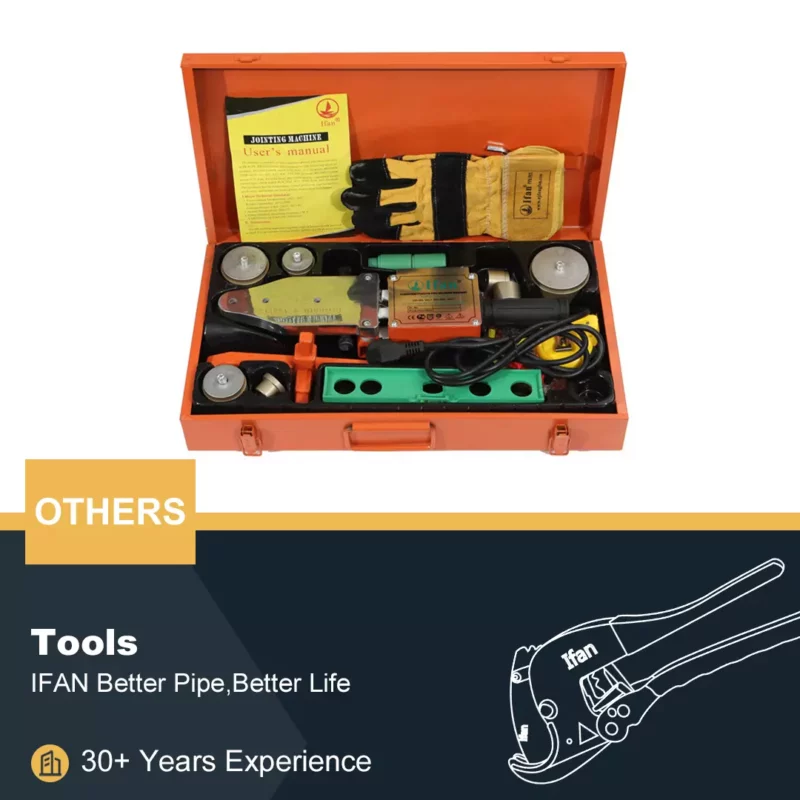
The lightweight and flexible nature of HDPE systems simplifies transportation and installation. Workers can easily maneuver and assemble the fittings without heavy machinery. Fusion welding equipment is compact and easy to operate, allowing fast installation even in remote or confined locations. The flexibility of the material accommodates ground movement and prevents cracking. This feature is crucial for regions with unstable soils or seismic activity. Quick installation reduces project costs and minimizes disruptions to existing infrastructure and communities.
Durability and Long-Term Reliability
Potable water systems require materials that perform consistently for decades. HDPE has an expected service life of over Long-term durability according to standards when properly installed. The fittings maintain their structural integrity under pressure and exposure to various environmental conditions. They resist fatigue from repeated pressure changes and water hammer effects. This long-term reliability reduces maintenance needs and ensures continuous water delivery. Municipalities and private utilities benefit from lower operating costs and improved service reliability over time.
Performance in Varied Environments
Water distribution networks often span diverse environments, from urban centers to rural landscapes. HDPE pipe fittings perform equally well in hot, cold, dry, or humid climates. Their resistance to UV radiation allows outdoor use without degradation. In cold conditions, their flexibility prevents cracking due to freezing water. They also tolerate burial in chemically aggressive soils. This adaptability makes them suitable for a wide range of geographic and environmental conditions, ensuring safe water delivery wherever needed.
Environmental and Economic Benefits
Sustainability is increasingly important in water infrastructure planning. HDPE systems contribute to environmental protection in several ways. The material is recyclable and energy-efficient to manufacture. Leak-free joints prevent water waste, supporting conservation goals. Lightweight components reduce transportation fuel use and emissions. Long service life minimizes replacement frequency, conserving resources and reducing waste. Economically, HDPE pipe fittings offer low life-cycle costs due to minimal maintenance and efficient installation. These factors make them a sustainable and cost-effective solution for modern utilities.
Quality Standards and Certification
Compliance with international quality standards ensures the safety and performance of HDPE systems. Standards such as ISO 4427, EN 12201, and ASTM D3035 specify requirements for materials, dimensions, and testing procedures. Manufacturers conduct rigorous inspections for strength, melt flow rate, and pressure resistance. Health organizations, including NSF and WRAS, certify HDPE materials for potable water use. Proper quality control guarantees that every fitting meets the necessary safety, hygiene, and performance requirements for drinking water systems.
Applications in Urban and Rural Networks
HDPE pipe fittings are used in a variety of potable water applications. In cities, they form part of main distribution lines, service connections, and booster systems. In rural areas, they support community water projects and agricultural supply lines. Their flexibility and durability make them ideal for both small and large-scale installations. They are also used in emergency water supply systems due to their quick installation capability. These fittings ensure reliable water access for populations across different regions and conditions.
Future Developments in Water Distribution
Innovation continues to improve the performance of HDPE systems. Advanced welding equipment now includes digital monitoring for pressure and temperature control. Smart fittings with sensors can detect leaks or pressure changes in real time. Ongoing research aims to enhance the material’s strength and environmental resistance. These developments will further increase system efficiency and safety. As cities expand and water demands grow, HDPE systems will continue to play a crucial role in sustainable potable water distribution.
Conclusion
Providing safe drinking water requires materials that guarantee purity, reliability, and durability. HDPE systems meet these needs with outstanding performance and hygiene standards. Fusion-welded joints eliminate leaks and contamination risks, while corrosion resistance ensures consistent water quality. Their flexibility, long life, and sustainability make them ideal for modern water networks. Whether in cities or rural communities, HDPE pipe fittings ensure safe and efficient potable water distribution for generations, supporting health, sustainability, and global water security.
If you have read this article and have any questions, please feel free to contact IFAN. Below is our contact information:
Whatsapp:+86 13373827623
Email:[email protected]