
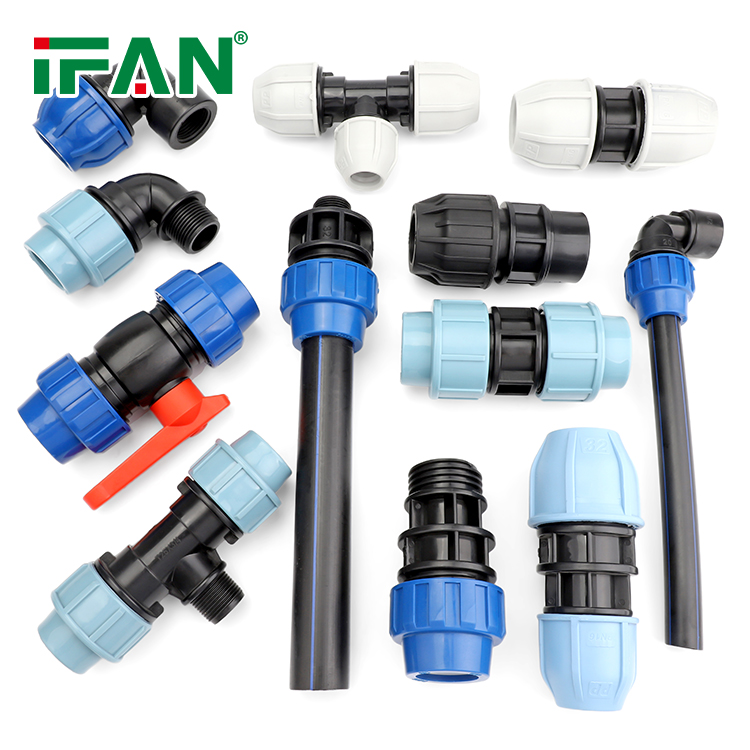
Introduction
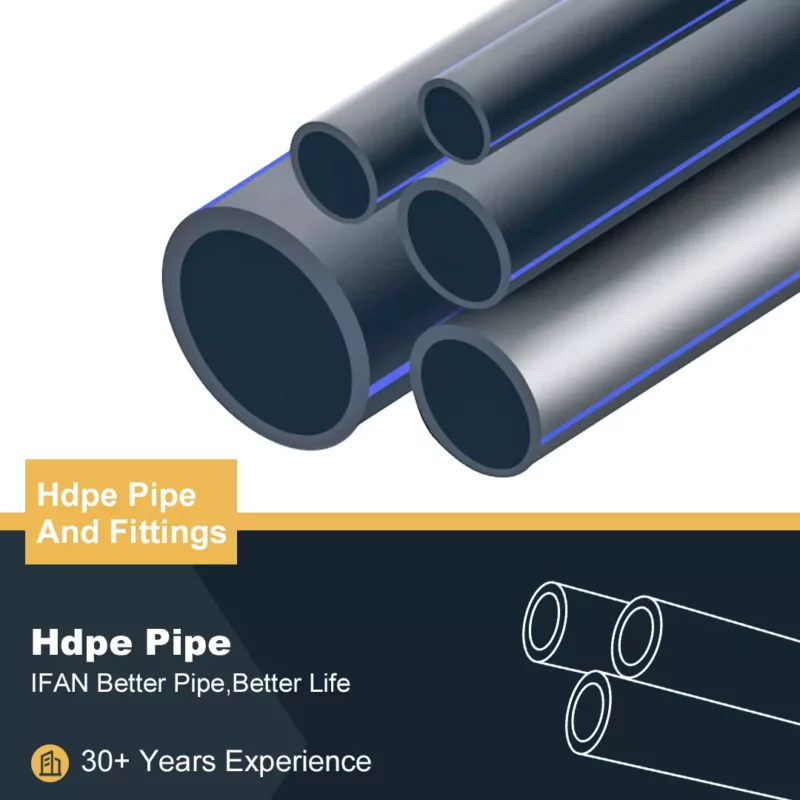
Efficient drainage systems are vital for urban infrastructure, agriculture, and industrial facilities. They manage stormwater, prevent flooding, and protect property and the environment. Modern drainage networks demand materials that can endure high flow rates, variable pressures, and harsh environmental conditions. HDPE pipe fittings have become a preferred solution for these systems due to their strength, durability, and flexibility. This article explores how these fittings enhance drainage system performance, reduce maintenance costs, and contribute to sustainable water management.
The Role of Fittings in Drainage Networks
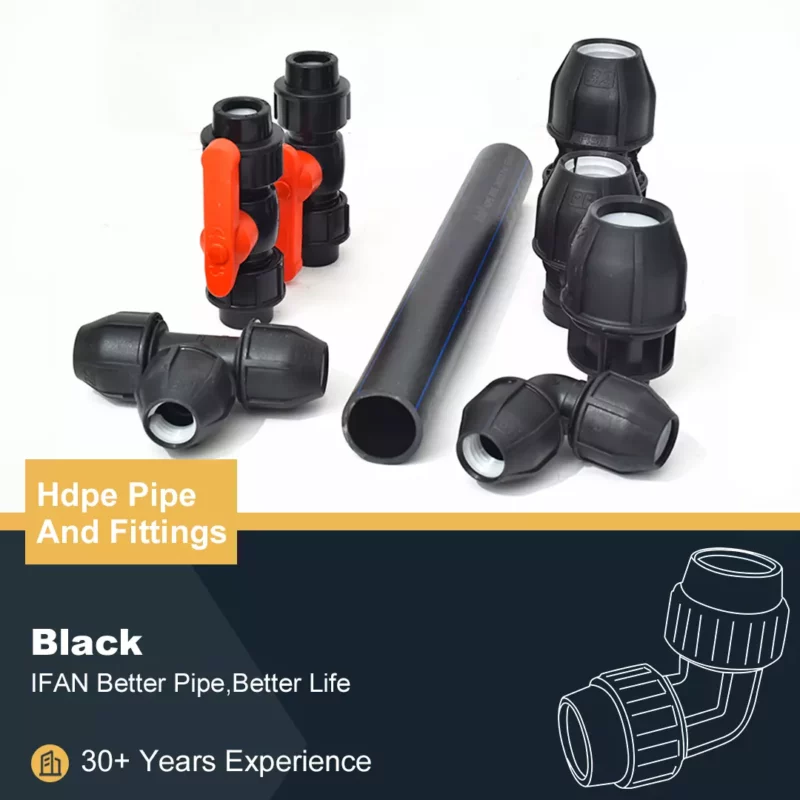
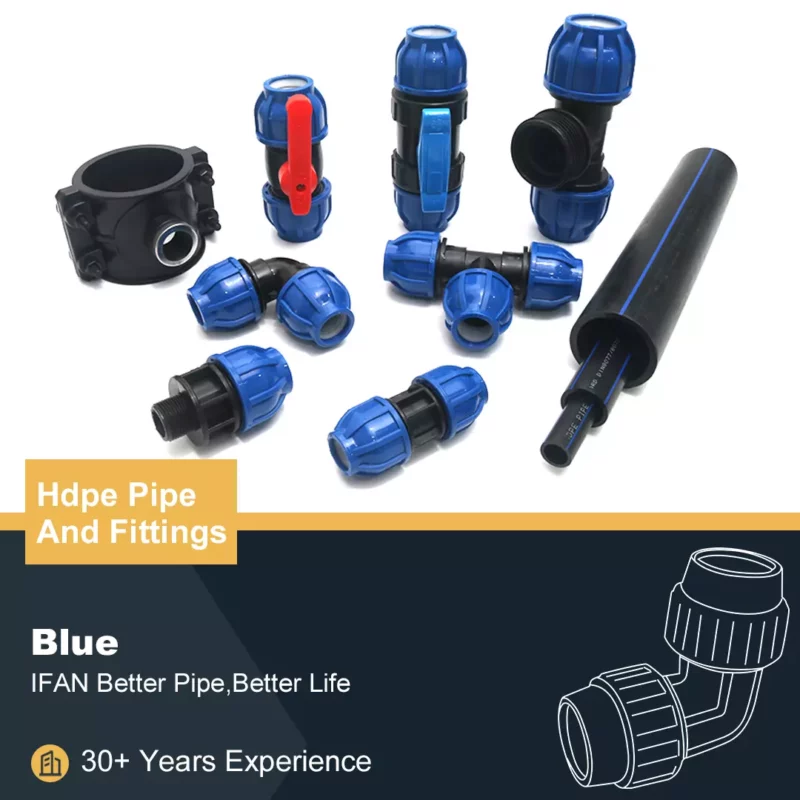
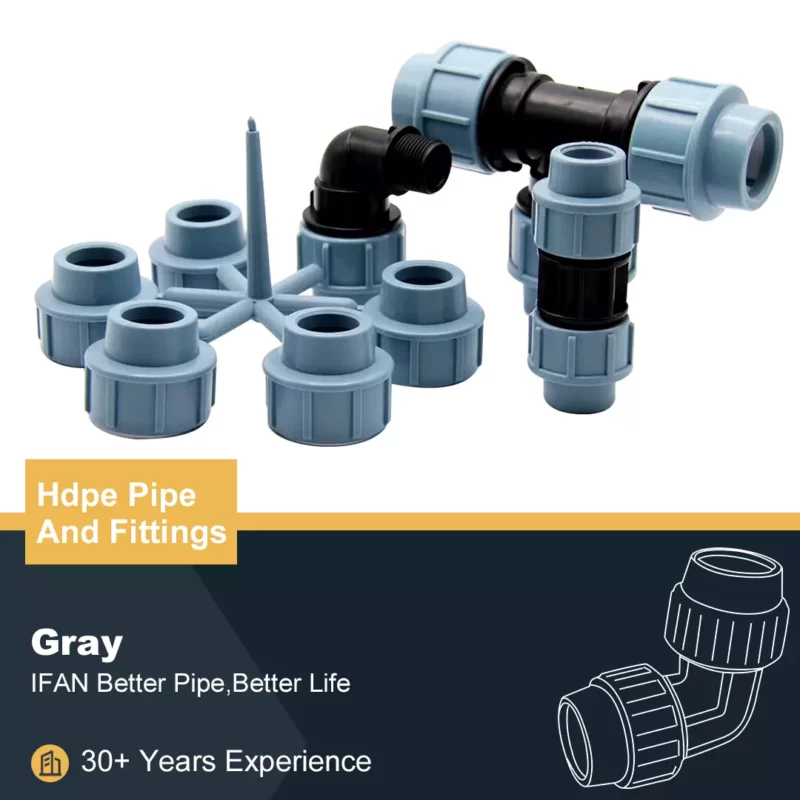
A drainage system’s efficiency depends on how well its components are connected. Fittings link pipes, change direction, and adapt to different ground levels. Poorly joined sections can lead to blockages, leaks, or system failures. HDPE pipe fittings create strong, seamless joints that maintain continuous flow even under heavy loads. They help reduce turbulence and sediment buildup, improving hydraulic performance. Whether used in municipal storm drains, agricultural fields, or industrial facilities, these fittings ensure efficient and long-lasting drainage.
Material Properties Supporting Drainage Performance
High-Density Polyethylene is known for its impressive mechanical and chemical properties. The material is lightweight yet strong enough to handle pressure and impact. Its smooth interior minimizes friction, ensuring rapid water flow and reducing clogging. HDPE resists corrosion, abrasion, and chemical attack from wastewater or industrial effluents. This makes it suitable for both clean and contaminated drainage applications. The flexibility of the material allows pipes and fittings to adapt to soil movement, preventing cracks and leaks over time.
Resistance to Corrosion and Chemical Attack
Drainage systems often encounter aggressive substances that can degrade conventional materials. Metal and concrete pipes are vulnerable to corrosion caused by acidic or alkaline water. HDPE pipe fittings, however, are resistant to most chemicals found in stormwater and wastewater. They do not rust, decay, or react with organic compounds. This chemical resistance ensures long-term performance and minimal maintenance. It also reduces contamination risks and helps maintain the integrity of the entire drainage network.
Smooth Flow and Hydraulic Efficiency
One of the key advantages of HDPE systems is their smooth inner surface. Traditional materials like concrete often have rough interiors that slow water movement. The smooth surface of HDPE pipe fittings minimizes friction losses and prevents sediment buildup. This promotes faster drainage during heavy rainfall and reduces the risk of blockages. The consistent inner diameter ensures uniform flow throughout the system. Improved hydraulic performance means better flood prevention and efficient water discharge, especially in large-scale urban and industrial drainage networks.
Ease of Installation and Handling
The lightweight nature of HDPE makes installation quicker and more cost-effective than with heavier materials. Workers can easily transport and assemble the fittings without heavy machinery. Fusion welding techniques create leak-free joints, ensuring long-term reliability. The flexibility of the fittings allows installation in uneven terrain and limited-access areas. This adaptability makes HDPE systems ideal for both new drainage projects and rehabilitation of existing networks. The reduced installation time also minimizes disruption to traffic and surrounding infrastructure.
Fusion Welding for Durable Connections
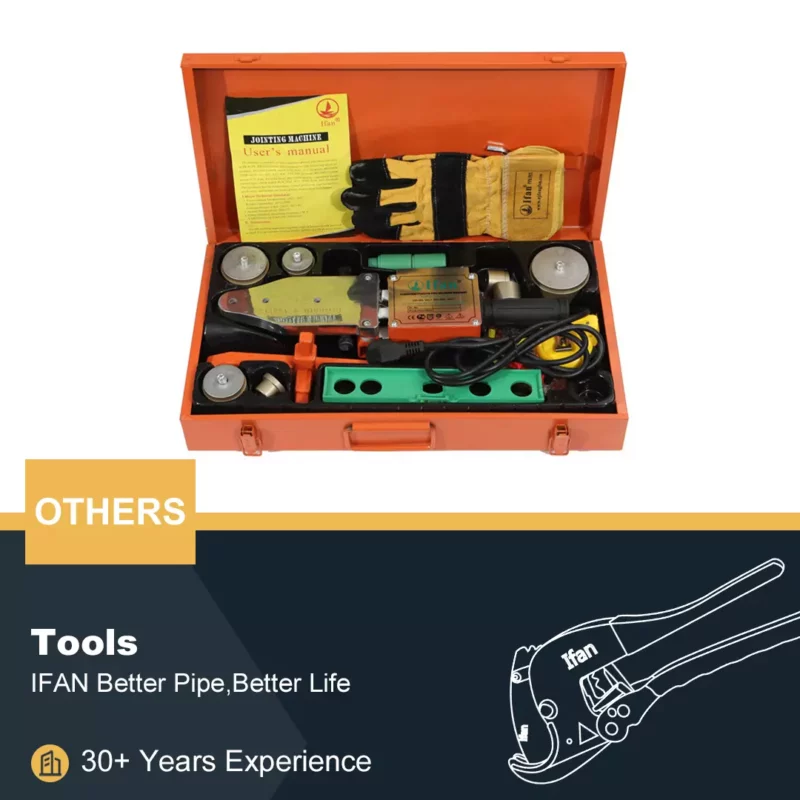
Fusion welding is the preferred joining method for HDPE systems. It involves heating and fusing pipe ends and fittings to form a single continuous piece. The resulting joint is as strong as the pipe itself, eliminating weak points that could cause leaks. This method is particularly useful for underground drainage, where joints must withstand pressure and soil movement. Fusion-welded systems are maintenance-free and highly durable, providing reliable performance for decades. This technology significantly enhances drainage system integrity and efficiency.
Applications in Urban Drainage
Urban drainage systems face challenges from increasing rainfall and rapid urbanization. HDPE pipe fittings are widely used in stormwater networks, culverts, and sewer systems. Their flexibility allows installation around existing structures and under roads without damage. The material’s strength supports heavy surface loads, such as vehicles and construction equipment. The fittings help manage runoff effectively, reducing flood risks in cities. Their corrosion resistance ensures long service life even when exposed to industrial or polluted water, making them ideal for municipal applications.
Benefits for Agricultural and Industrial Drainage
In agricultural areas, efficient drainage is essential for soil health and crop productivity. HDPE systems provide durable and low-maintenance solutions for irrigation and field drainage. They handle high flow rates and resist clogging caused by soil particles. In industrial settings, HDPE pipe fittings are used to drain wastewater, process fluids, and rainwater from factory sites. Their chemical resistance prevents damage from harsh industrial discharges. These systems reduce environmental impact while ensuring safe and efficient removal of excess water.
Sustainability and Environmental Impact
Sustainability is a growing concern in modern infrastructure. HDPE systems contribute positively to environmental protection. The material is recyclable and energy-efficient to produce. Leak-free joints prevent soil and groundwater contamination. The long service life reduces the need for frequent replacements, conserving resources. Lightweight components also lower transportation emissions. By minimizing maintenance and energy use, HDPE pipe fittings support sustainable development goals while maintaining top performance in drainage systems.
Cost Efficiency and Long-Term Value
Cost efficiency is a major advantage of HDPE drainage systems. The lightweight design reduces transportation and labor costs during installation. Fusion-welded joints eliminate the need for additional sealing materials or frequent repairs. The corrosion-resistant surface reduces maintenance expenses over time. Additionally, the long service life—often exceeding Long-term durability according to standards—provides excellent return on investment. For municipalities and industries seeking durable, low-cost solutions, HDPE offers unmatched value and reliability in water management infrastructure.
Standards and Quality Control
To ensure consistent performance, HDPE systems follow international quality standards such as ISO 4427 and ASTM D3035. These standards define requirements for dimensions, materials, and testing. Manufacturers perform rigorous inspections to verify pressure tolerance, impact strength, and welding compatibility. Certified technicians conduct installation and testing to guarantee leak-free performance. This adherence to quality assurance ensures safe and efficient drainage systems that meet engineering and regulatory requirements across different applications.
Future Developments in Drainage Technology
Innovations in polymer science and digital monitoring are shaping the future of drainage systems. Smart fittings with embedded sensors can track flow rates, pressure, and blockages in real time. Improved fusion technologies enhance joint strength and consistency. Research continues to make HDPE materials more resistant to temperature extremes and mechanical stress. These advancements will make HDPE pipe fittings even more efficient and reliable. As urban areas expand, advanced drainage systems will be essential for sustainable and resilient infrastructure.
Conclusion
Efficient drainage is essential for urban safety, agricultural productivity, and industrial operations. HDPE systems offer the perfect combination of strength, flexibility, and chemical resistance. Fusion-welded joints ensure leak-free and durable connections, improving system longevity and performance. Their lightweight design simplifies installation and reduces costs. Whether used in cities, farms, or industrial facilities, HDPE pipe fittings provide sustainable and reliable solutions for modern drainage challenges. They represent the future of efficient water management and long-term infrastructure performance.
If you have read this article and have any questions, please feel free to contact IFAN. Below is our contact information:
Whatsapp:+86 13373827623
Email:[email protected]