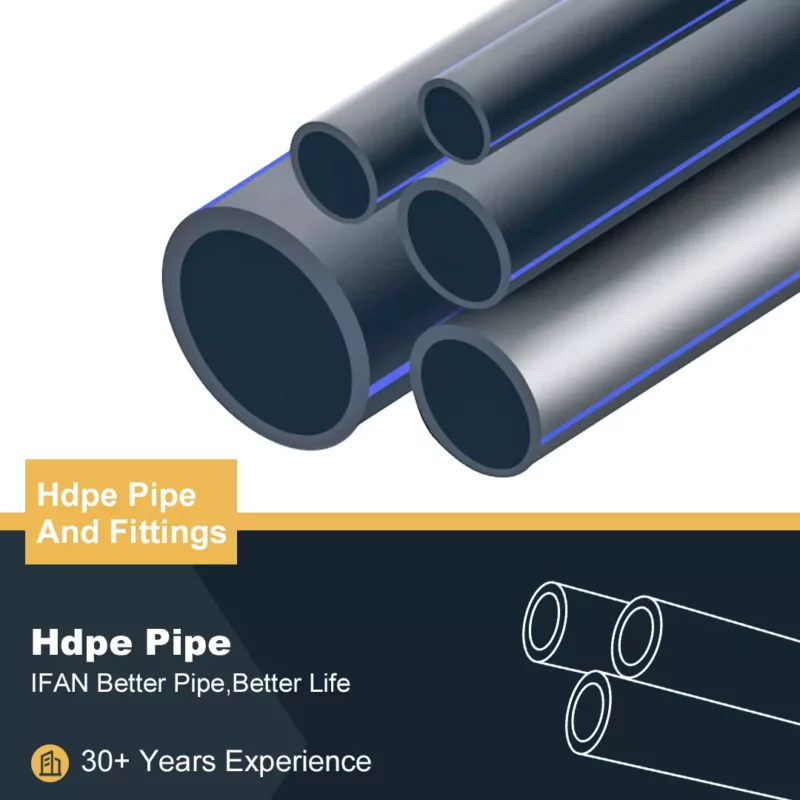
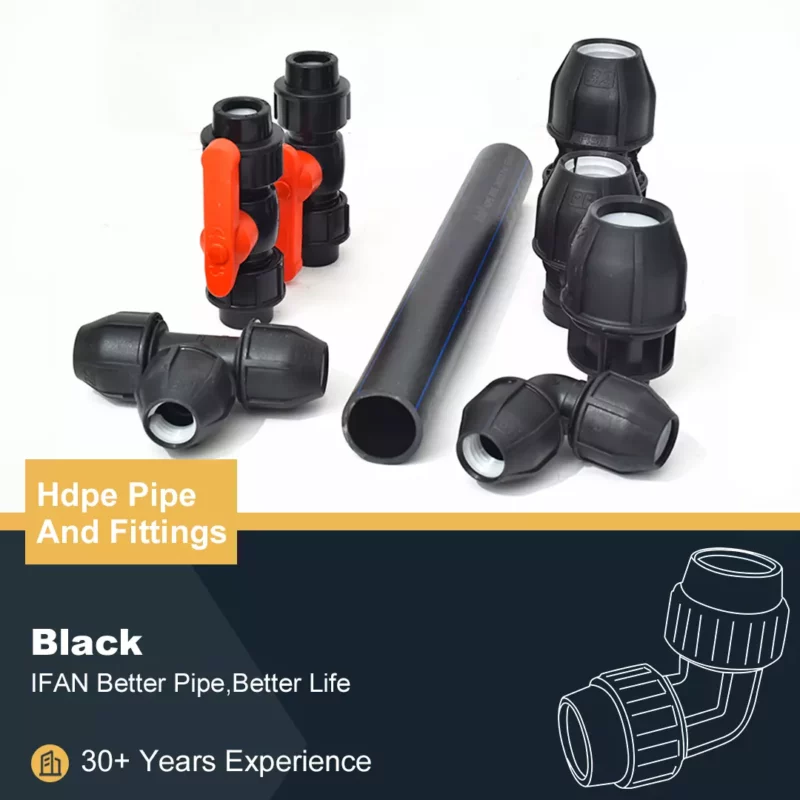
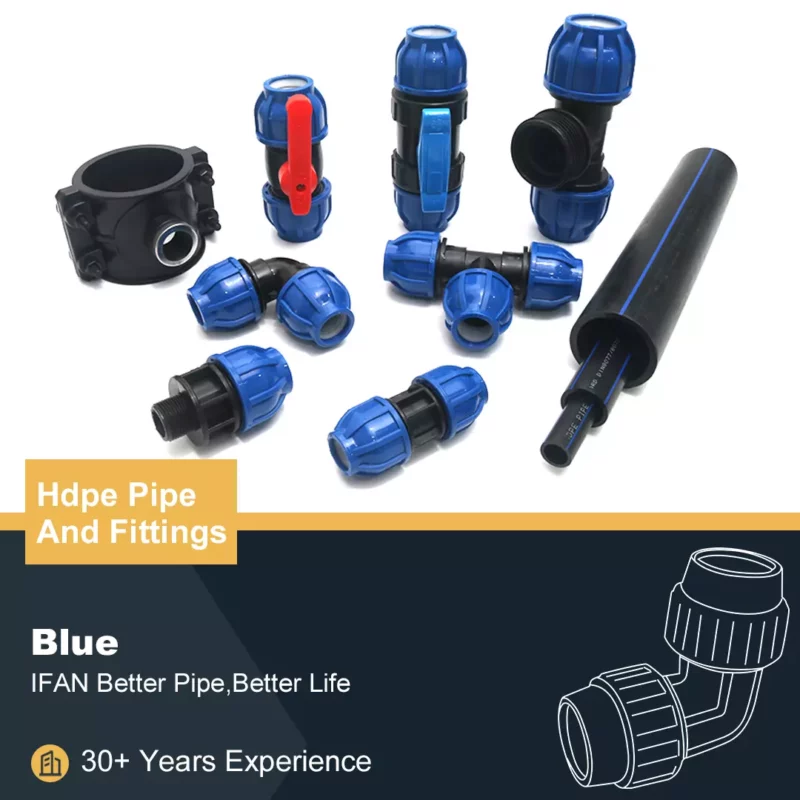
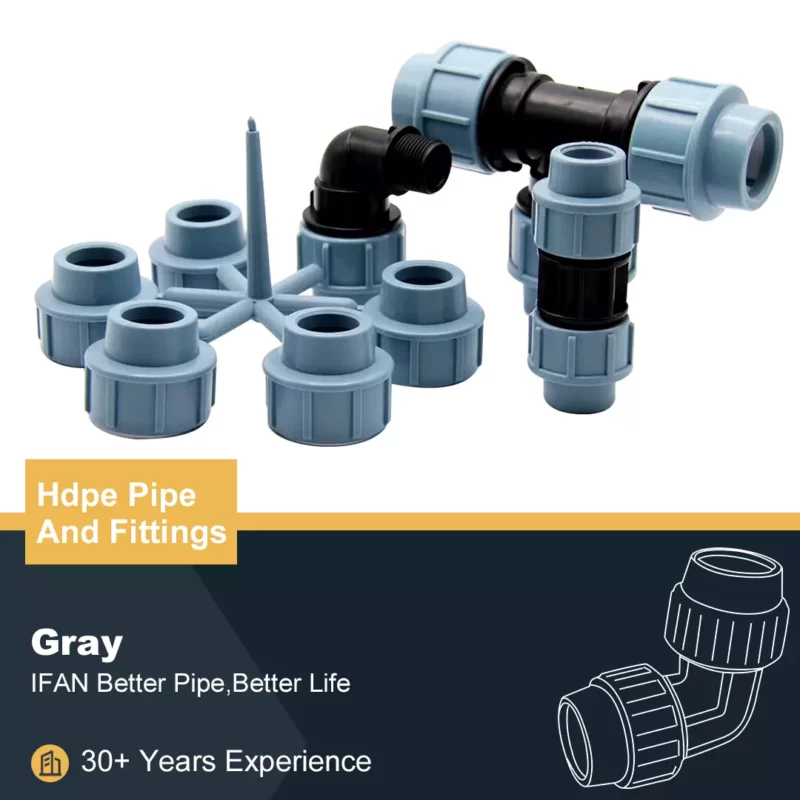


When it comes to designing reliable and efficient pressure systems, the choice of materials for fittings plays a crucial role. High-Density Polyethylene (HDPE) fittings have become the preferred option for many applications, especially in pressure systems. Known for their strength, durability, and resistance to environmental stress, HDPE fittings offer numerous advantages over traditional materials like steel or PVC. In this article, we will explore why superior HDPE fittings are the ideal choice for pressure systems, focusing on their performance, reliability, and benefits.
What Are HDPE Fittings?
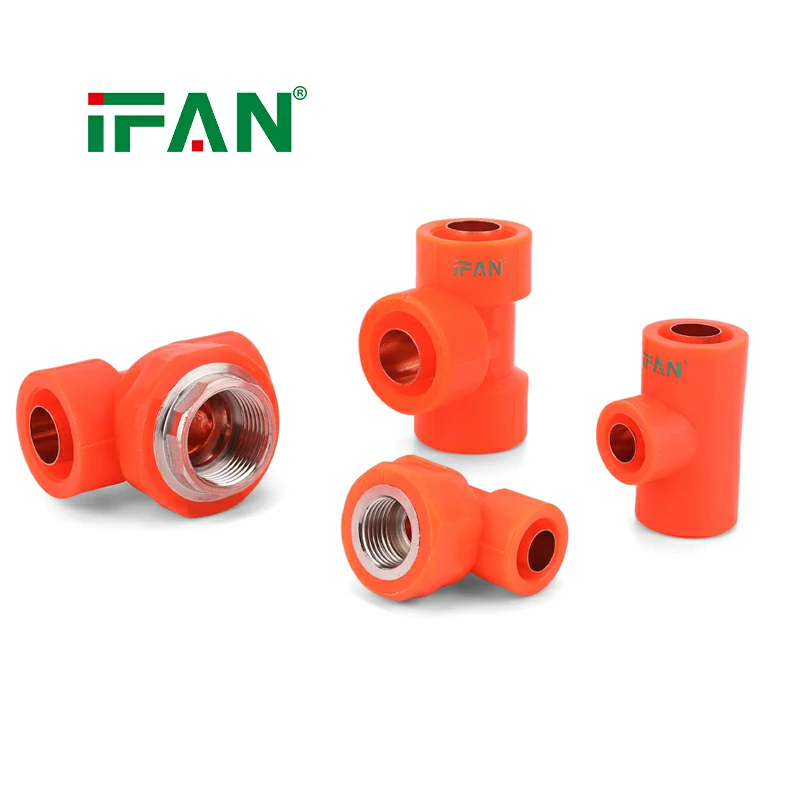
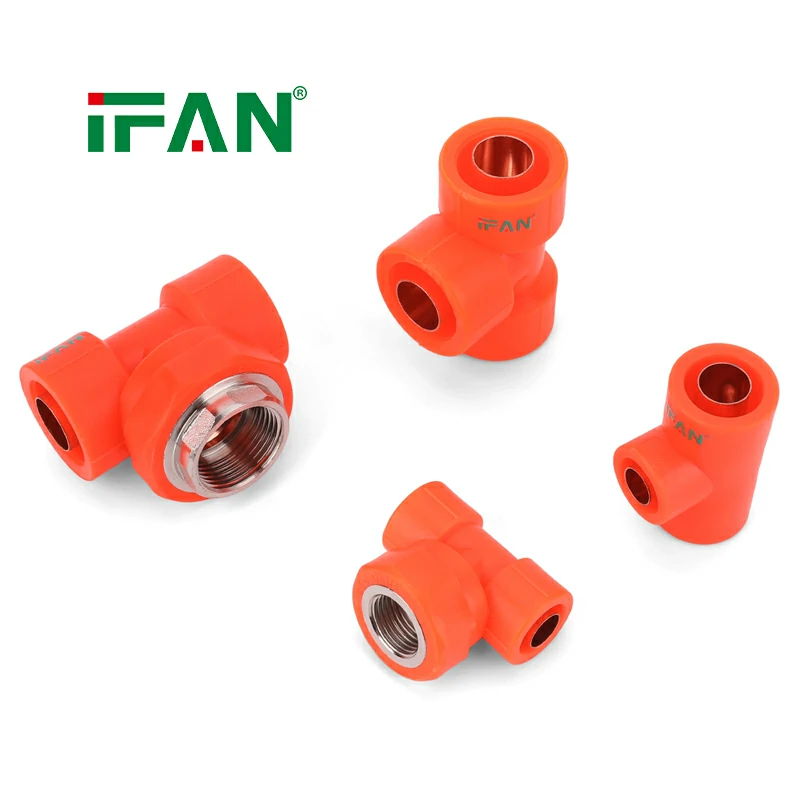
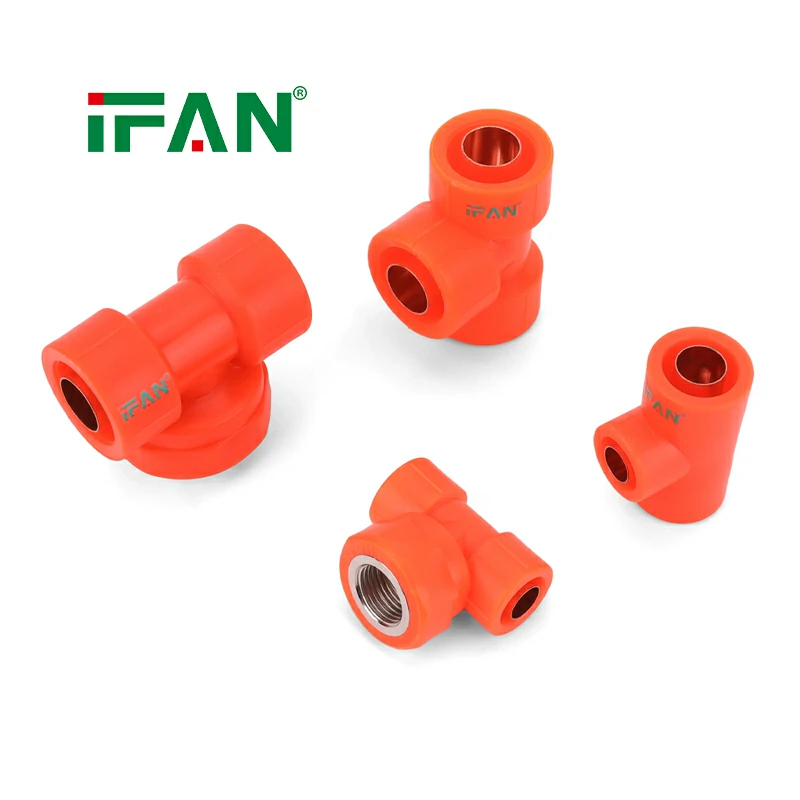
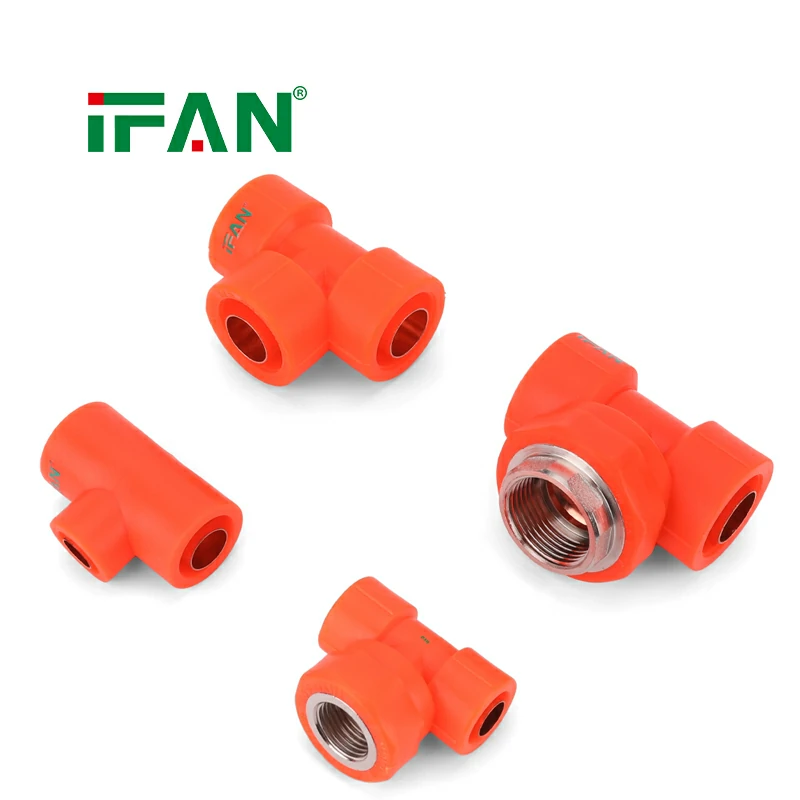
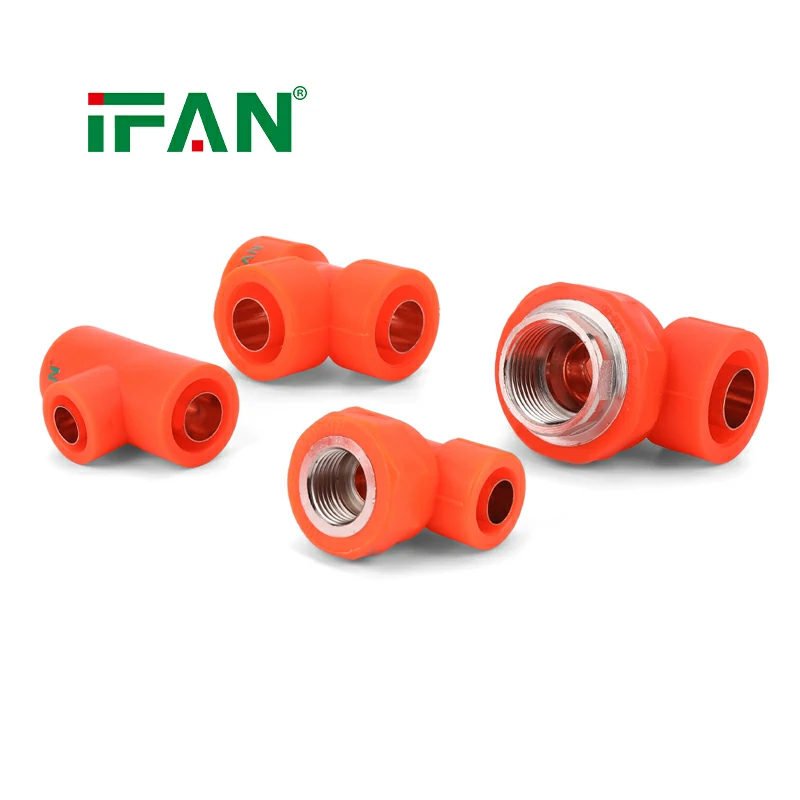
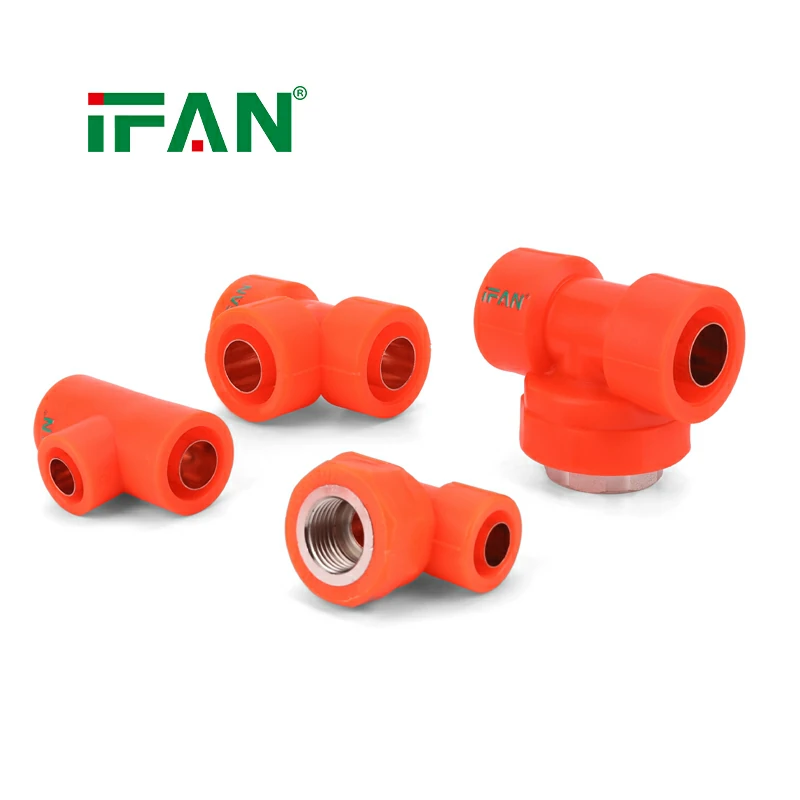
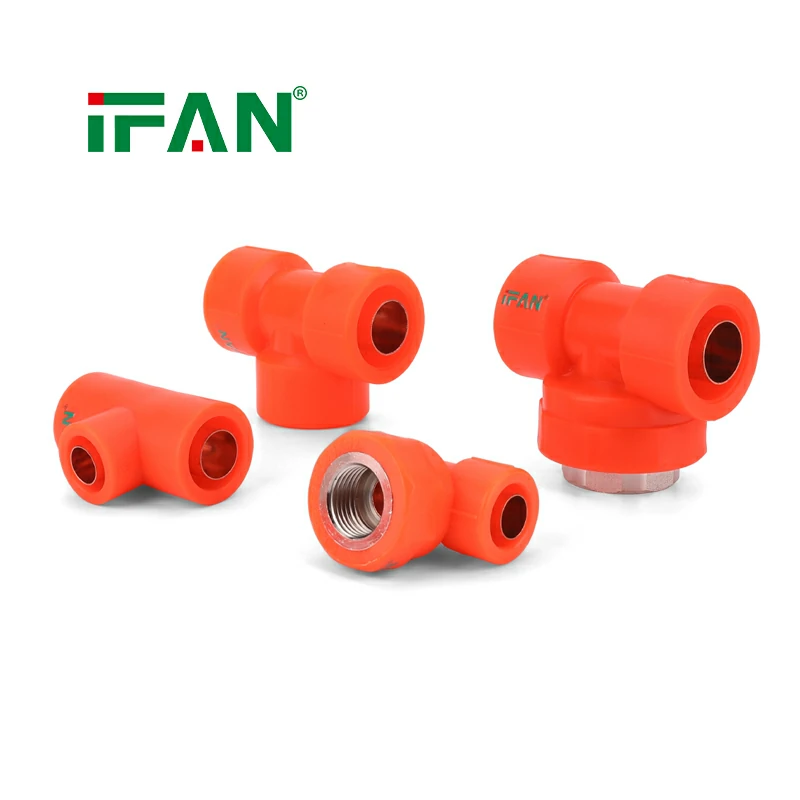
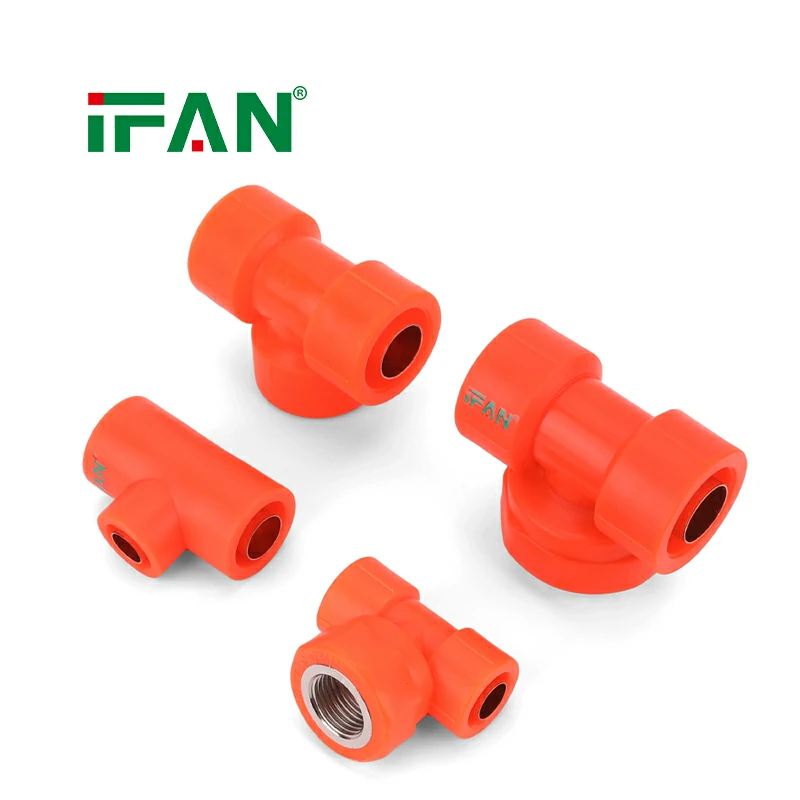
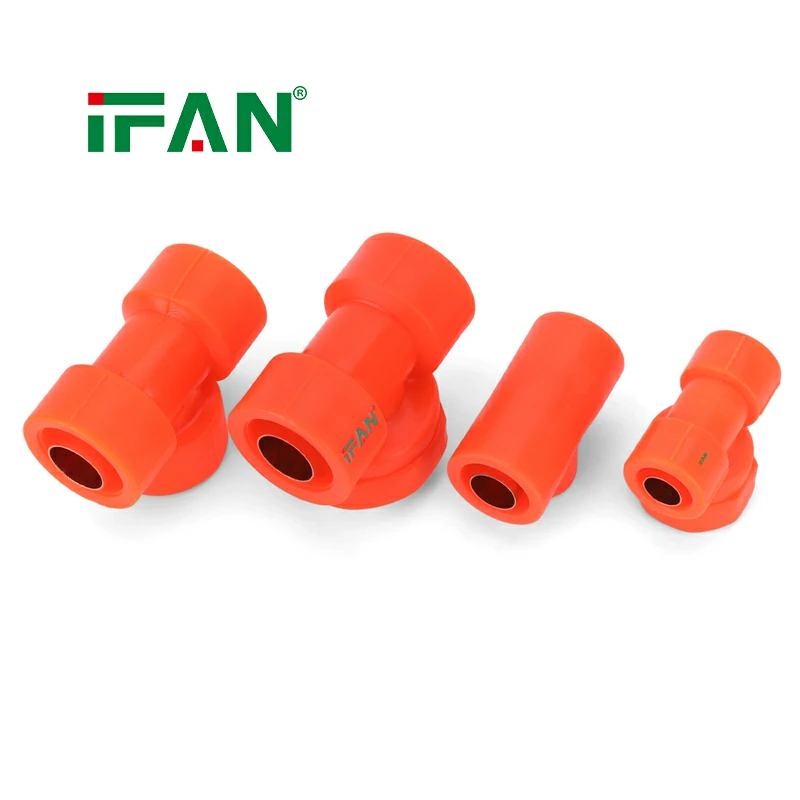
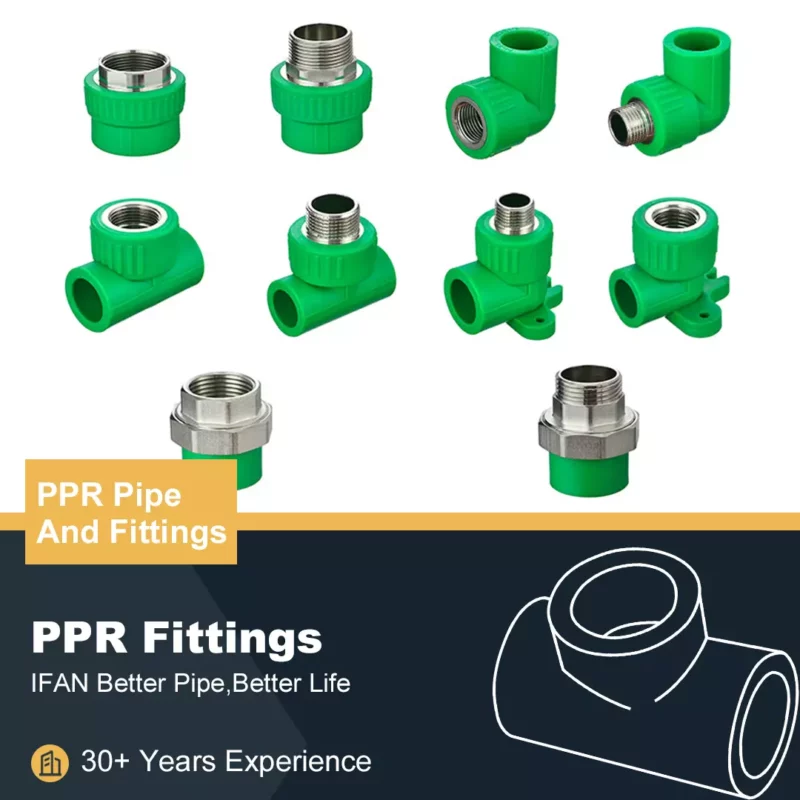
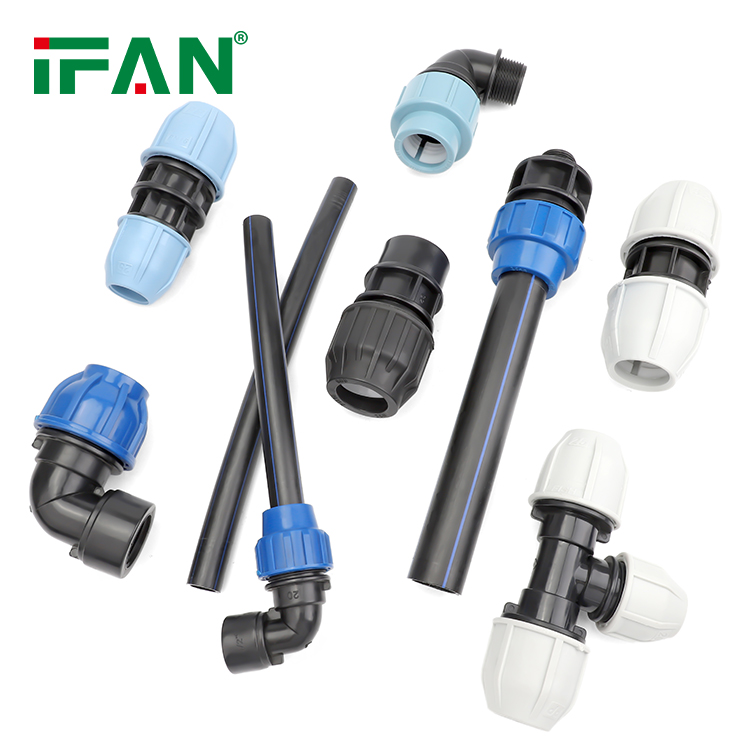
HDPE fittings are components made from High-Density Polyethylene, a robust thermoplastic material known for its versatility and strength. These fittings are used to connect, join, or regulate the flow in various piping systems. HDPE fittings come in various forms, including elbows, tees, couplings, reducers, and flanges. Due to their strength and flexibility, they are particularly effective in pressure systems where maintaining optimal flow and pressure is essential. They are widely used in industries such as water distribution, gas transport, and industrial chemical handling.
Strength and Durability of HDPE Fittings
One of the key reasons HDPE fittings are ideal for pressure systems is their remarkable strength and durability. HDPE is a highly resilient material that can withstand significant pressure without failing. It is capable of handling high internal pressures commonly found in water supply systems, irrigation systems, and industrial applications. Unlike metal fittings, HDPE is not prone to cracking under stress, which ensures that the fittings maintain their integrity and function even under demanding conditions. This makes HDPE fitting highly reliable in high-pressure environments.
Flexibility Under Pressure
HDPE fittings offer superior flexibility compared to traditional materials like PVC or metal. The flexible nature of HDPE allows it to absorb and adapt to changes in pressure and temperature without losing its structural integrity. This flexibility reduces the likelihood of fractures or ruptures that are common with more rigid materials under sudden pressure changes. Whether used in high-pressure water systems or gas distribution networks, HDPE fittings can accommodate pressure fluctuations, making them a safer and more durable choice for systems exposed to variable conditions.
Resistance to Corrosion and Chemical Degradation
Pressure systems, especially in industries like chemical manufacturing or wastewater treatment, are often exposed to corrosive elements. In such environments, metal fittings can degrade over time due to rust and corrosion, compromising the safety and efficiency of the system. HDPE fittings, however, are naturally resistant to corrosion and do not rust, even in the presence of moisture or chemicals. This property makes them ideal for use in aggressive environments where other materials would fail. HDPE fitting maintain their strength and performance over time, ensuring long-term reliability in corrosion-prone systems.
Impact Resistance in High-Pressure Systems
High-pressure systems are often subjected to physical impacts due to external forces, vibrations, or accidents. In such situations, fittings made from more brittle materials can crack or break, leading to catastrophic failures. HDPE fitting, however, offer exceptional impact resistance. The material’s molecular structure allows it to absorb and dissipate energy from impacts, making HDPE fitting less likely to crack or break when subjected to sudden forces. This impact resistance makes HDPE fitting a safer option for systems that may experience physical stresses or external damage, reducing the risk of costly leaks or failures.
Longevity of HDPE Fittings in Pressure Systems
The long lifespan of HDPE fittings is another reason they are a top choice for pressure systems. Unlike metal or PVC fittings, which can degrade, crack, or become brittle over time, HDPE fittings are highly resistant to aging and wear. The material is UV stabilized, which helps prevent degradation from sunlight exposure in outdoor installations. Additionally, HDPE fitting do not suffer from issues like scale buildup or chemical leaching, ensuring that they continue to perform effectively over an extended period. This longevity translates into fewer replacements and reduced maintenance costs, making HDPE fitting a cost-effective solution for pressure systems.
Ease of Installation and Maintenance
HDPE fittings are relatively easy to install and maintain, which adds to their appeal for pressure systems. The lightweight nature of HDPE fittings makes them easier to handle and install compared to heavier metal fittings. They can be joined using heat fusion welding or mechanical fittings, both of which provide strong, leak-proof connections. The simplicity of installation not only reduces labor costs but also ensures that the system can be up and running quickly. Additionally, HDPE fitting require minimal maintenance over their lifespan, as they do not corrode or degrade like metal components. This low-maintenance characteristic makes HDPE fitting ideal for systems that require minimal downtime.
HDPE’s Resistance to High-Temperature Pressure Systems
Some pressure systems, particularly those in industrial applications, operate at elevated temperatures. In these systems, the material used for fittings must be able to withstand both high pressure and heat without losing strength or integrity. HDPE fitting are suitable for many high-temperature applications due to their ability to handle a broad range of operating temperatures. HDPE remains stable and strong even when exposed to temperatures that would cause metals to weaken. While there are limits to HDPE’s temperature tolerance, it is still an excellent option for most moderate- to high-temperature pressure systems, such as hot water systems or steam lines.
Cost-Effectiveness of HDPE Fittings
Although HDPE fittings may have a higher upfront cost compared to certain plastic or metal alternatives, they offer significant long-term savings. The durability and low maintenance of HDPE fittings translate to reduced repair and replacement costs over time. Additionally, HDPE fittings are easier to install, which reduces labor expenses. Given their resistance to corrosion, chemical degradation, and impact damage, HDPE fittings require fewer replacements and less frequent servicing, which further reduces overall system costs. In the long run, HDPE fittings provide a more cost-effective solution for pressure systems.
Environmental Benefits of HDPE Fittings
In an era where sustainability is becoming increasingly important, HDPE fittings offer an eco-friendly solution. HDPE is a recyclable material, which means that fittings can be reused or recycled at the end of their lifespan, reducing environmental waste. Furthermore, the long lifespan of HDPE fittings means fewer fittings need to be produced and replaced, contributing to lower overall material consumption. Choosing HDPE fittings for pressure systems aligns with sustainable practices, helping industries reduce their environmental footprint while still maintaining high performance and durability.
Versatility of HDPE Fittings for Various Applications
HDPE fittings are incredibly versatile and can be used in a wide range of pressure system applications. From water supply lines to industrial gas distribution networks, HDPE fittings can be adapted to meet the specific needs of different systems. Whether for residential plumbing, irrigation, or large-scale industrial processes, HDPE fittings provide a flexible and durable solution for pressure systems. Their resistance to corrosion, impact, and temperature extremes allows them to perform reliably across diverse environments and applications.
Conclusion
Superior HDPE fittings offer a range of benefits for pressure systems, including strength, durability, and resistance to corrosion, rust, and impact damage. Their flexibility allows them to handle fluctuations in pressure and temperature, making them ideal for demanding environments. HDPE fittings are not only long-lasting and cost-effective, but they also require minimal maintenance, providing long-term savings. With their ability to perform in high-pressure and high-temperature applications, HDPE fittings are the optimal choice for a wide range of systems, from residential to industrial. Choosing HDPE ensures the reliability, safety, and efficiency of your pressure system, making it a smart investment for the future.
If you have read this article and have any questions, please feel free to contact IFAN. Below is our contact information:
Whatsapp:+86 13373827623
Email:[email protected]