
In plumbing and piping systems, corrosion and rust are significant concerns. Over time, pipes and fittings made of metal can deteriorate due to exposure to moisture, chemicals, or environmental elements. This deterioration can lead to leaks, blockages, and even system failures. However, HDPE (High-Density Polyethylene) fittings provide an effective solution to this problem. HDPE, a durable plastic material, is highly resistant to corrosion and rust, making it an ideal choice for long-lasting and reliable plumbing systems. This article will explore how HDPE fittings prevent corrosion and rust, ensuring the longevity and efficiency of piping systems.
What are HDPE Fittings?
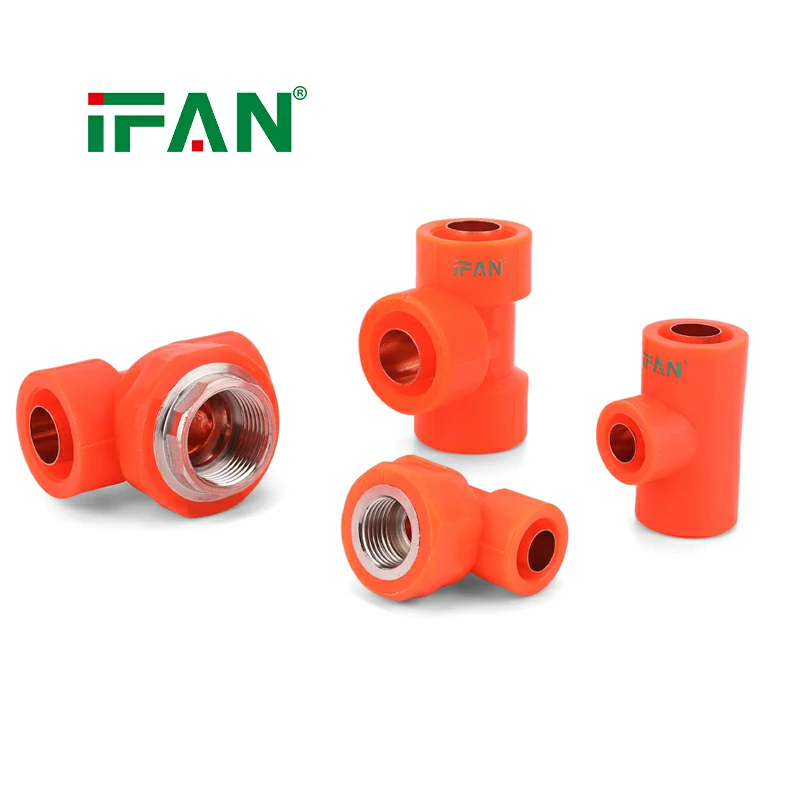
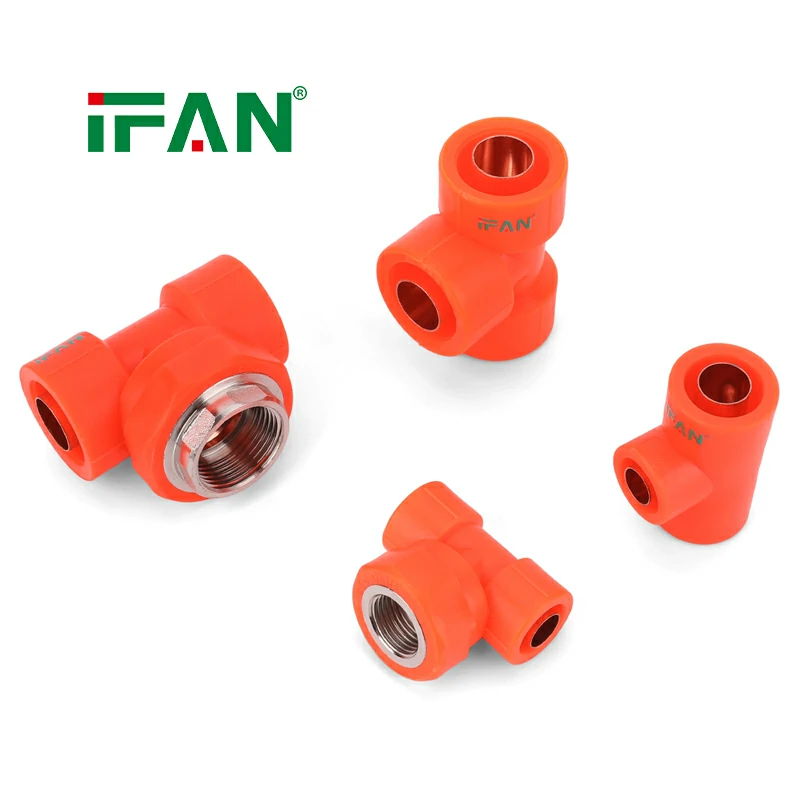
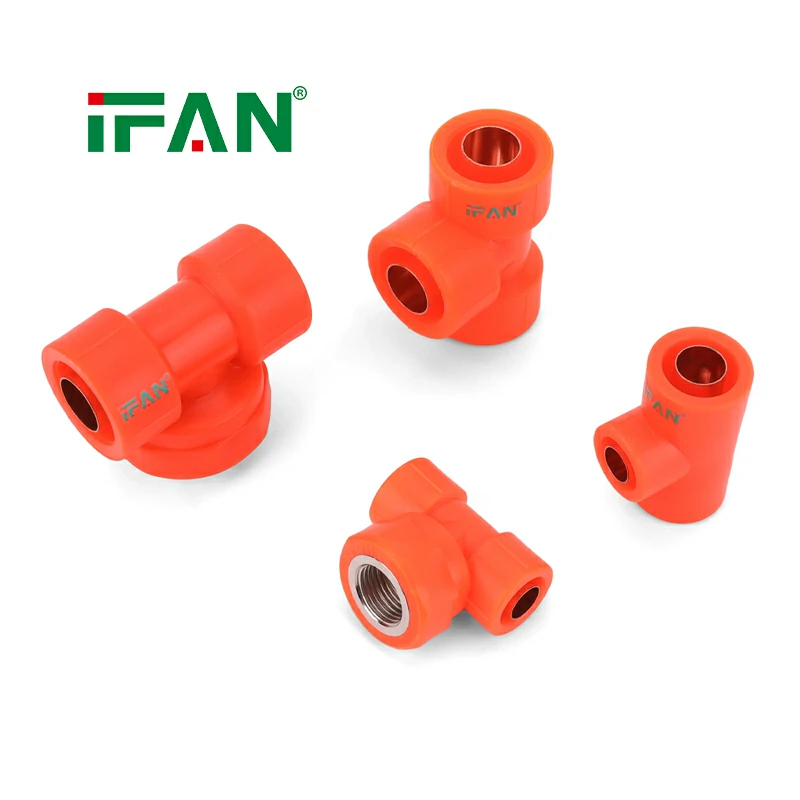
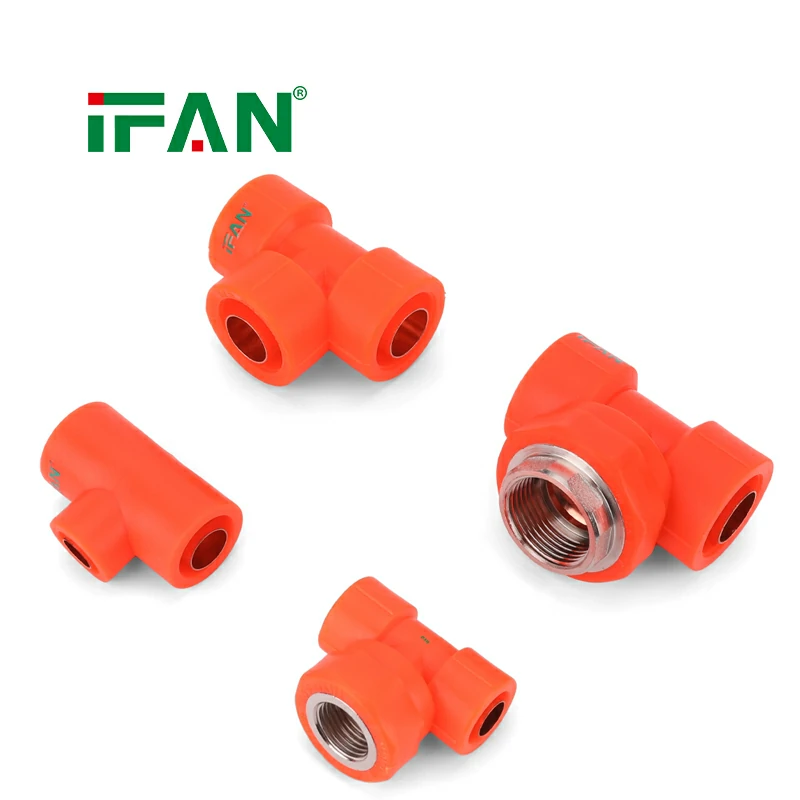
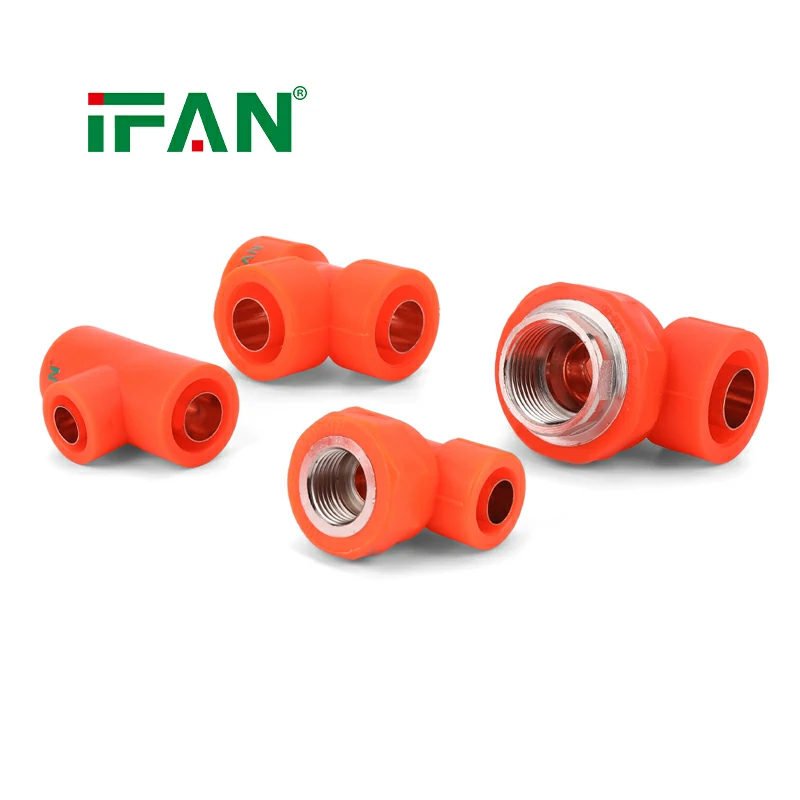
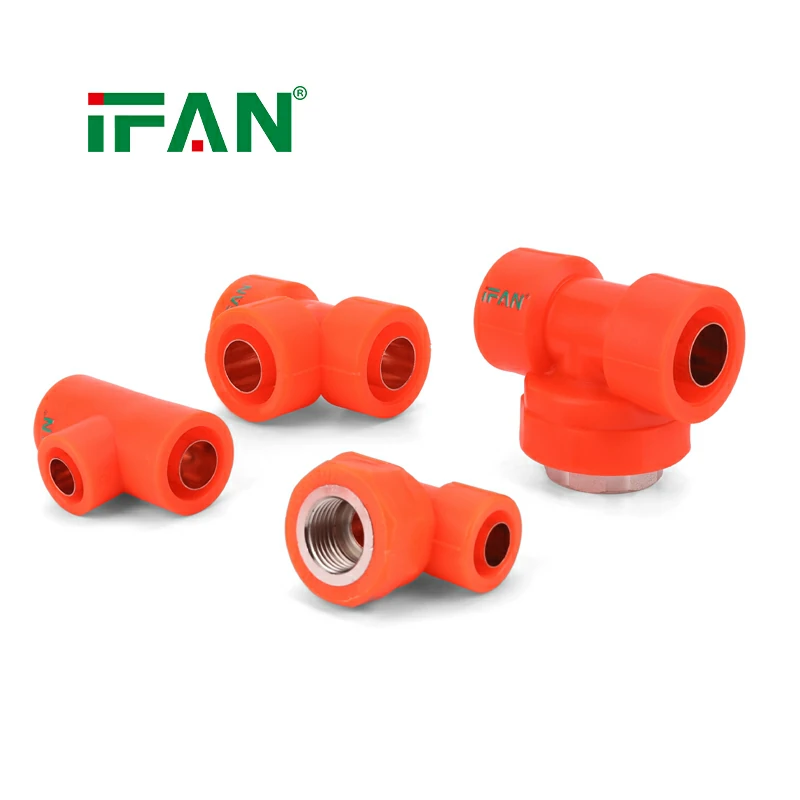
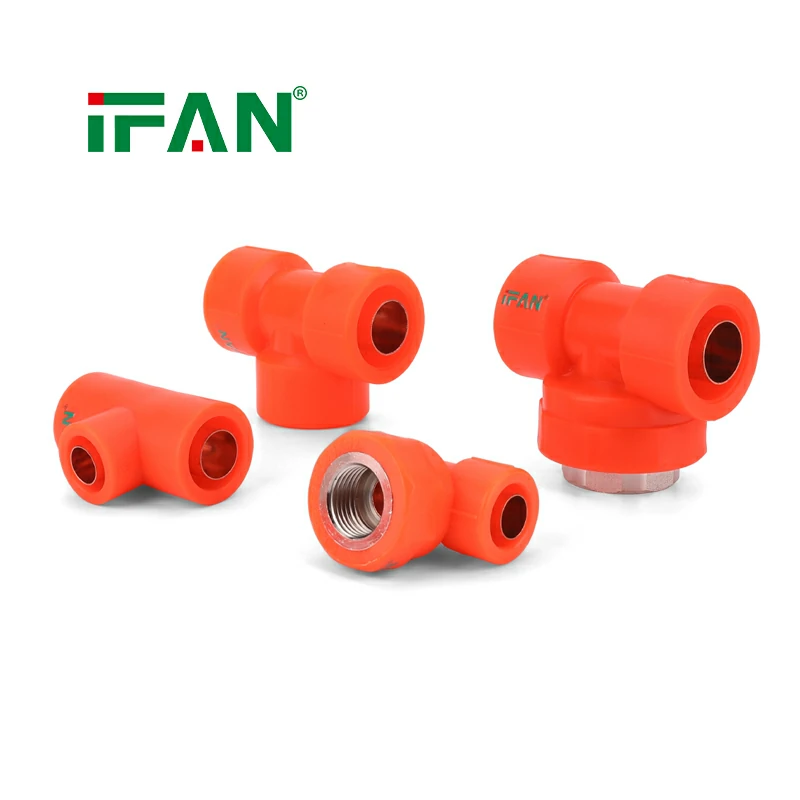
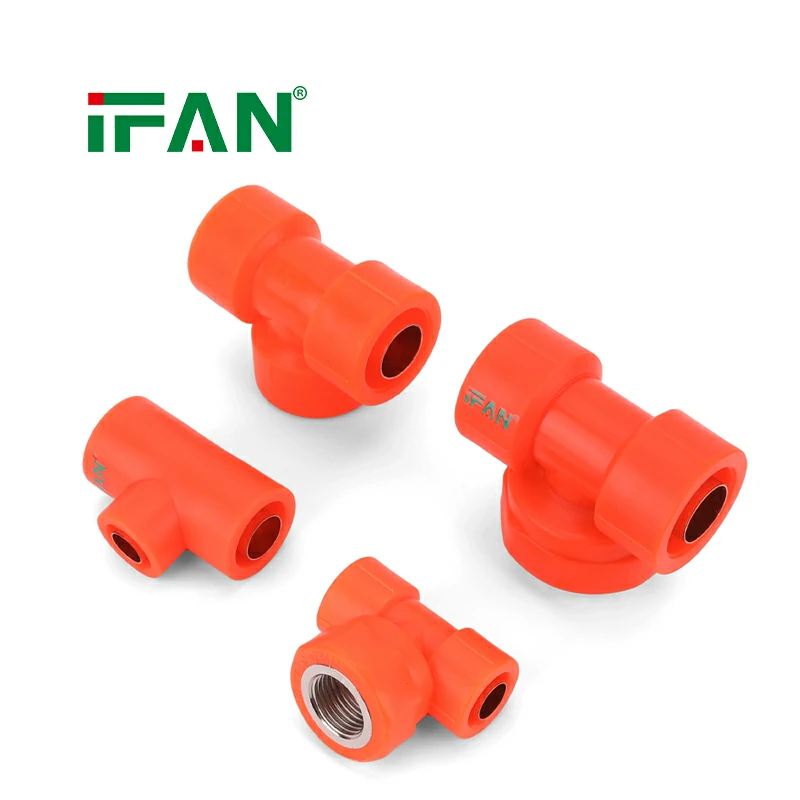
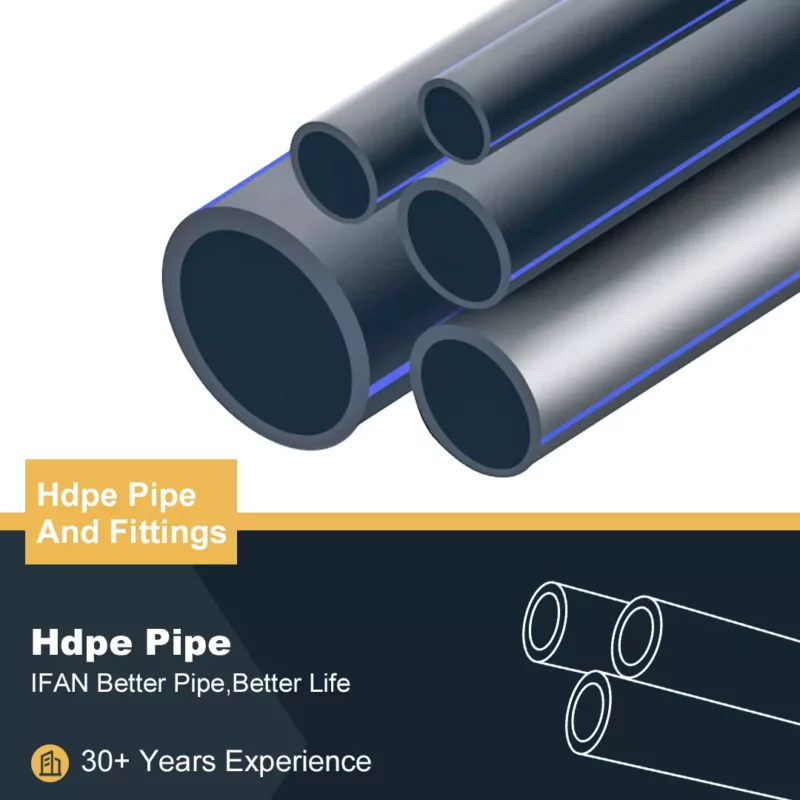
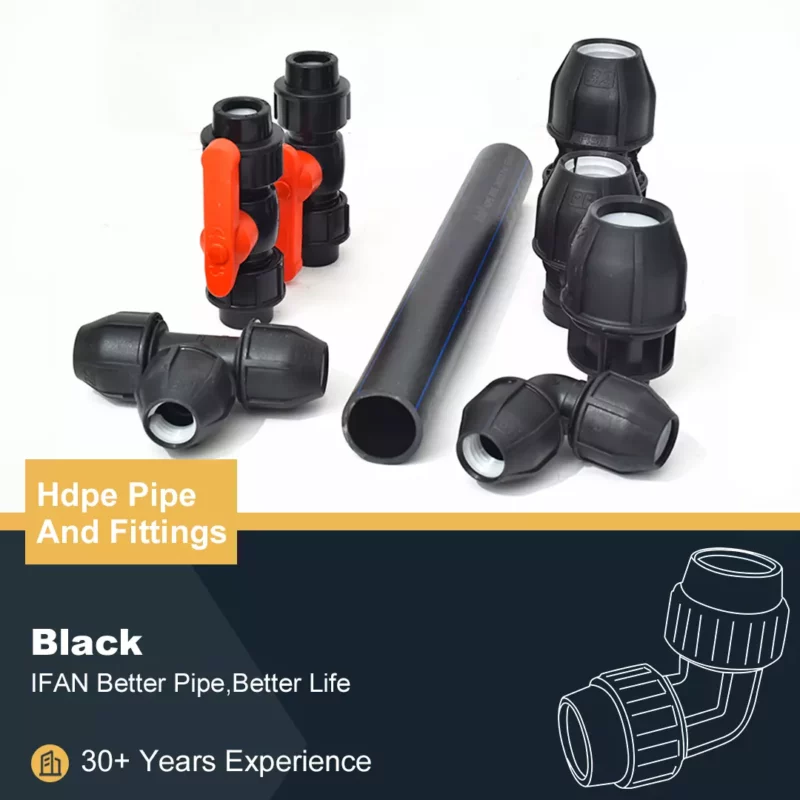
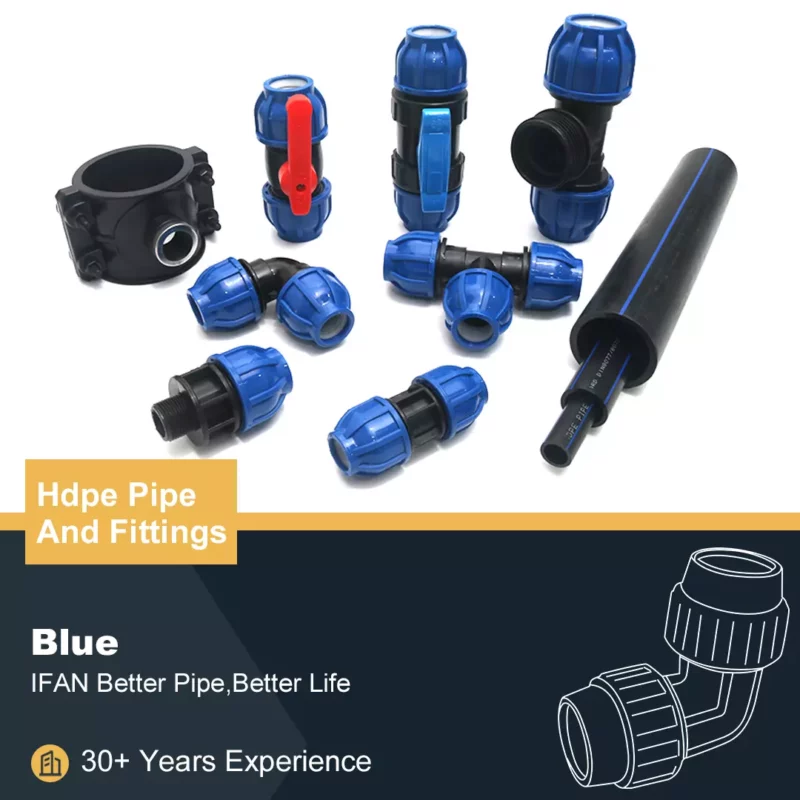
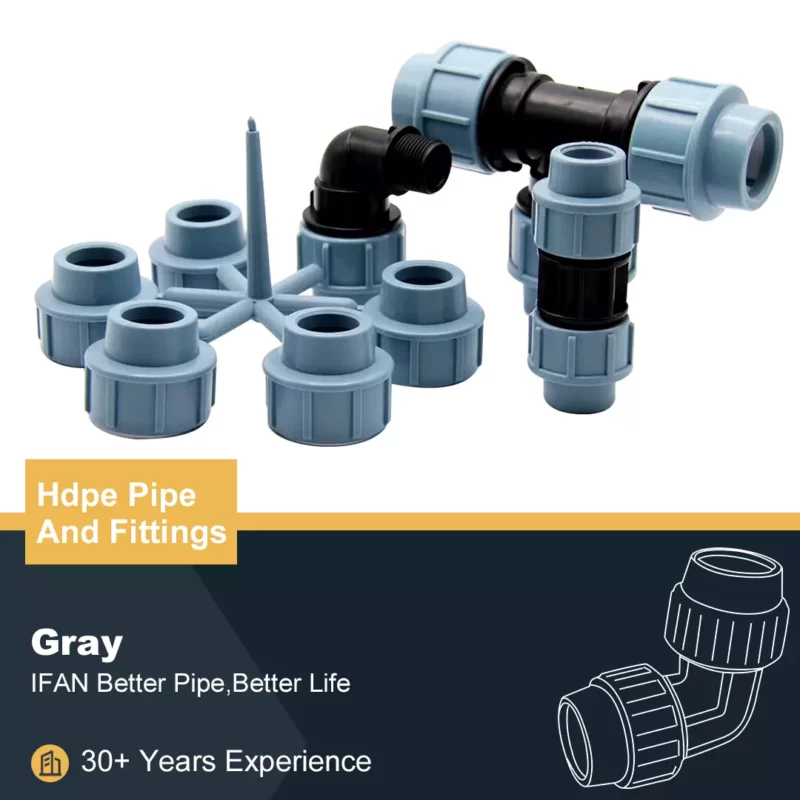
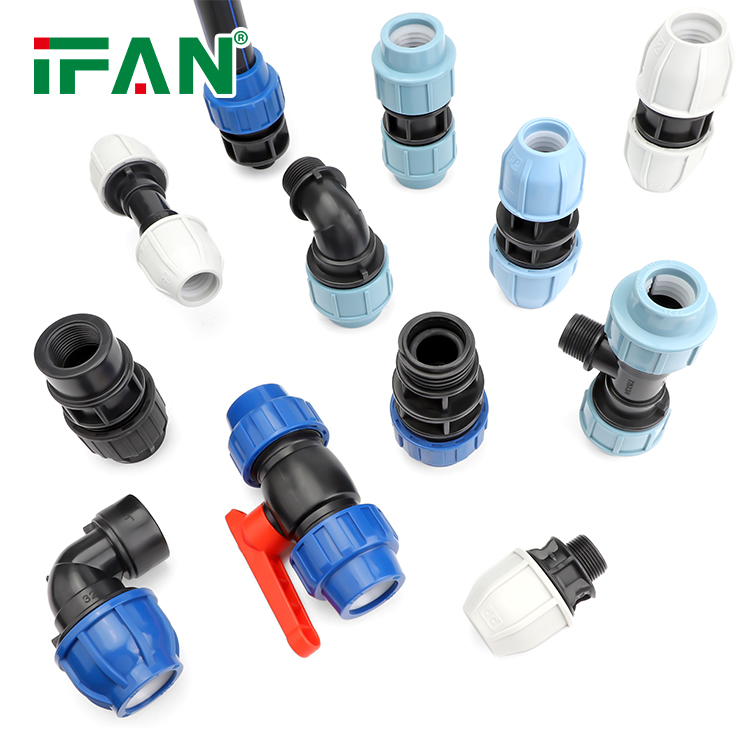
HDPE fittings are components made from High-Density Polyethylene, a thermoplastic polymer known for its strength, flexibility, and resistance to environmental factors. These fittings are used to connect pipes, regulate fluid flow, or change the direction of pipes in a system. Available in a wide range of shapes and sizes, HDPE fittings are used in applications such as water distribution, gas transport, wastewater systems, and industrial piping. The material’s ability to resist corrosion and rust is one of its primary advantages, making HDPE fittings a reliable choice for both residential and industrial installations.
The Problem of Corrosion and Rust in Traditional Piping Systems
Corrosion occurs when metals such as steel, copper, or iron react with moisture, air, or chemicals in the environment. Over time, this reaction weakens the metal, causing it to rust, crack, or corrode. This process can lead to various issues in plumbing systems, including water contamination, pressure loss, and even system failure. Rusty pipes can leak, leading to water damage or costly repairs. In some cases, the entire plumbing system may need to be replaced due to severe corrosion. The challenge of corrosion is particularly evident in areas with high moisture or exposure to chemicals, such as coastal regions or industrial environments.
How HDPE Fittings Prevent Corrosion
One of the key benefits of HDPE fittings is their resistance to corrosion. Unlike metal pipes, which are susceptible to rust and deterioration, HDPE does not react with water, air, or chemicals in the same way. HDPE is an inert material, meaning it is not prone to corrosion when exposed to moisture or chemicals. Its molecular structure allows it to maintain its integrity in even the most corrosive environments. As a result, HDPE fittings provide a reliable, corrosion-free alternative to metal fittings, ensuring that the plumbing system remains intact and functional for many years.
HDPE’s Resistance to Rust
Rust is a form of corrosion that specifically affects metals, particularly iron and steel. When iron reacts with water and oxygen, it forms iron oxide, which is commonly known as rust. Rust weakens metal pipes and fittings, making them prone to leaks and failure. HDPE fittings, however, are completely resistant to rust. Since HDPE is a non-metallic material, it does not rust or degrade when exposed to moisture or air. This resistance to rust is particularly important in areas where pipes are exposed to constant moisture, such as underground water systems, irrigation pipes, and wastewater lines.
The Benefits of Corrosion Resistance in HDPE Fittings
The corrosion resistance of HDPE fittings offers several advantages in both residential and industrial applications. For one, HDPE fittings extend the lifespan of plumbing systems. Without the threat of corrosion, these fittings maintain their structural integrity over time, reducing the need for frequent replacements. Additionally, HDPE fittings ensure that water or gas transported through the system remains uncontaminated. In contrast, corroded metal pipes can leach rust particles into the water, affecting water quality and potentially leading to health hazards. With HDPE fittings, the flow of fluids remains clean and safe.
Durability in Harsh Environments
HDPE fittings are designed to withstand extreme environmental conditions, making them ideal for applications where traditional metal pipes would fail due to corrosion. In industrial settings, where pipes are exposed to harsh chemicals or high levels of moisture, HDPE fittings perform exceptionally well. They are resistant to a wide range of chemicals, including acids, alkalis, and salts. In coastal areas, where saltwater can accelerate corrosion in metal pipes, HDPE fittings offer a more reliable solution. Their ability to resist the effects of saltwater and other environmental stressors ensures the longevity and reliability of the piping system, even in challenging conditions.
Resistance to Chemical Corrosion
In addition to moisture and air, HDPE fittings are resistant to chemical corrosion. Many industrial processes involve the transport of chemicals that can quickly degrade metal pipes, leading to leaks, contamination, and system failure. HDPE, however, is resistant to a broad range of chemicals, including acids, bases, solvents, and hydrocarbons. This resistance makes HDPE fittings an ideal choice for industries that require safe and reliable transportation of chemicals, such as the oil and gas industry, food and beverage processing, and wastewater treatment facilities. By preventing chemical corrosion, HDPE fittings ensure the continued safety and performance of these critical systems.
Preventing Leaks and System Failures
Corrosion in metal pipes often leads to leaks, which can result in water damage, increased pressure loss, and system failure. Leaks caused by corroded fittings can also compromise the integrity of surrounding structures and lead to expensive repairs. HDPE fittings, by contrast, maintain their strength and reliability over time. They do not corrode, rust, or weaken under pressure, significantly reducing the risk of leaks. HDPE’s durability ensures that the piping system remains intact, reducing the chances of failure and minimizing maintenance costs. This long-term reliability makes HDPE fittings an excellent investment for both residential and industrial applications.
Cost-Effectiveness of HDPE Fittings
While the initial cost of HDPE fittings may be slightly higher than that of traditional metal fittings, their long-term cost-effectiveness is undeniable. Since HDPE fittings are resistant to corrosion and rust, they require less maintenance and fewer replacements over time. In contrast, metal fittings often need to be replaced or repaired due to rust and corrosion, which can be costly and time-consuming. HDPE’s durability means fewer repairs and lower maintenance costs, making it a more cost-effective option in the long run. Furthermore, HDPE fittings do not require specialized treatments to prevent corrosion, further reducing the overall cost of installation and upkeep.
Environmental Benefits of HDPE Fittings
In addition to their resistance to corrosion and rust, HDPE fittings offer environmental benefits. HDPE is a recyclable material, and many HDPE products are made from recycled polyethylene. By choosing HDPE fittings, industries and homeowners can reduce their environmental impact by supporting the use of recycled materials. Furthermore, because HDPE is corrosion-resistant, it helps prevent leaks, reducing the risk of contamination and environmental damage. This makes HDPE fittings an eco-friendly option for those seeking to build sustainable and environmentally responsible plumbing systems.
Conclusion
HDPE fittings offer a superior solution for preventing corrosion and rust in plumbing and piping systems. Unlike metal pipes, which are prone to rust and deterioration, HDPE fittings are resistant to environmental stressors such as moisture, chemicals, and saltwater. This resistance ensures the longevity, reliability, and safety of the piping system, reducing the risk of leaks, contamination, and system failure. HDPE fittings are durable, cost-effective, and environmentally friendly, making them an excellent choice for a wide range of applications, from residential plumbing to industrial chemical transport. By choosing HDPE, homeowners and businesses can ensure the long-term performance and reliability of their piping systems.
If you have read this article and have any questions, please feel free to contact IFAN. Below is our contact information:
Whatsapp:+86 13373827623
Email:[email protected]