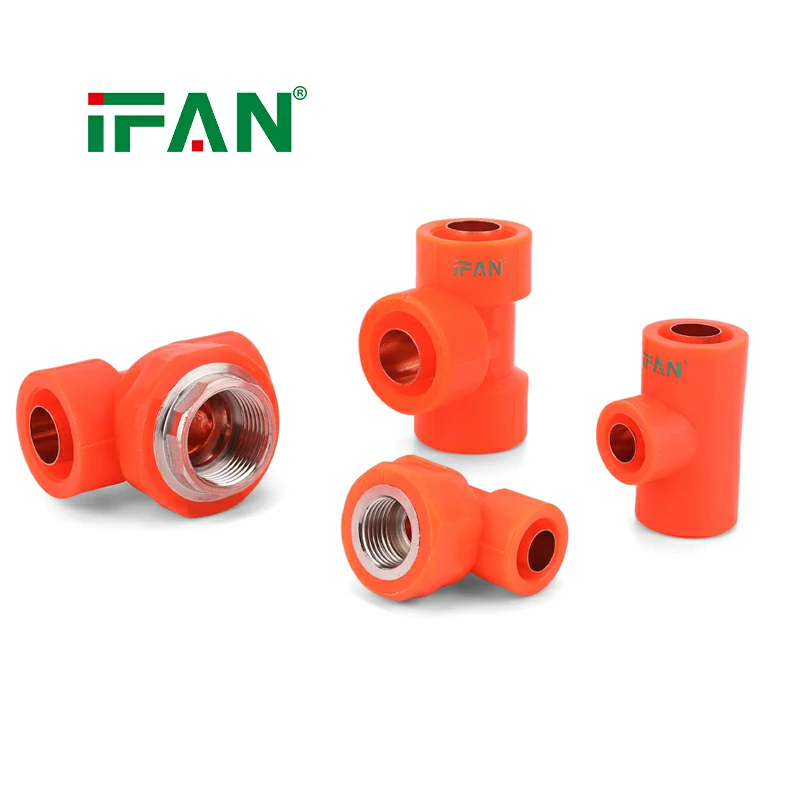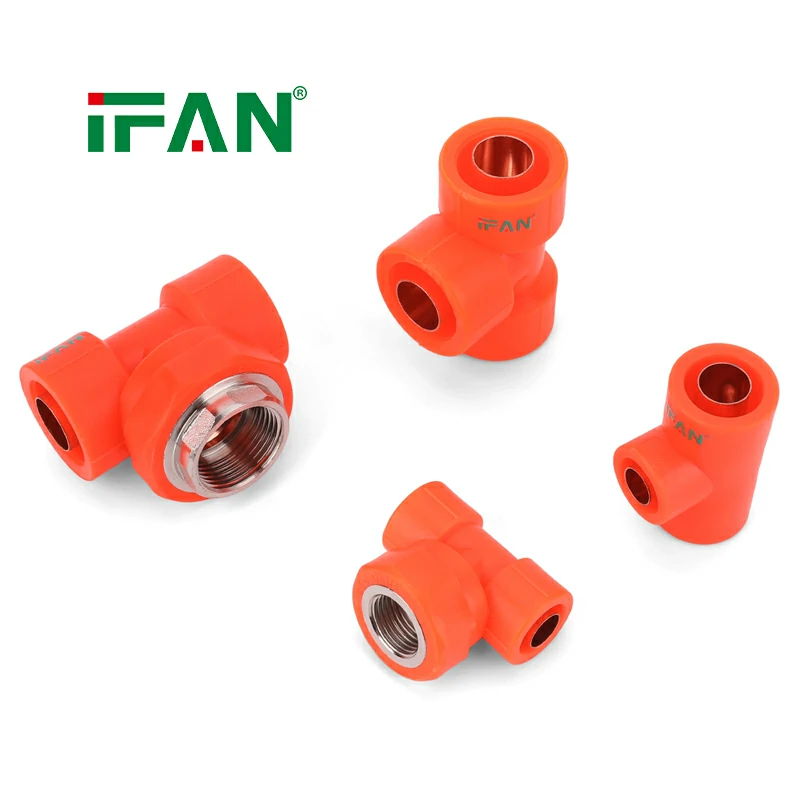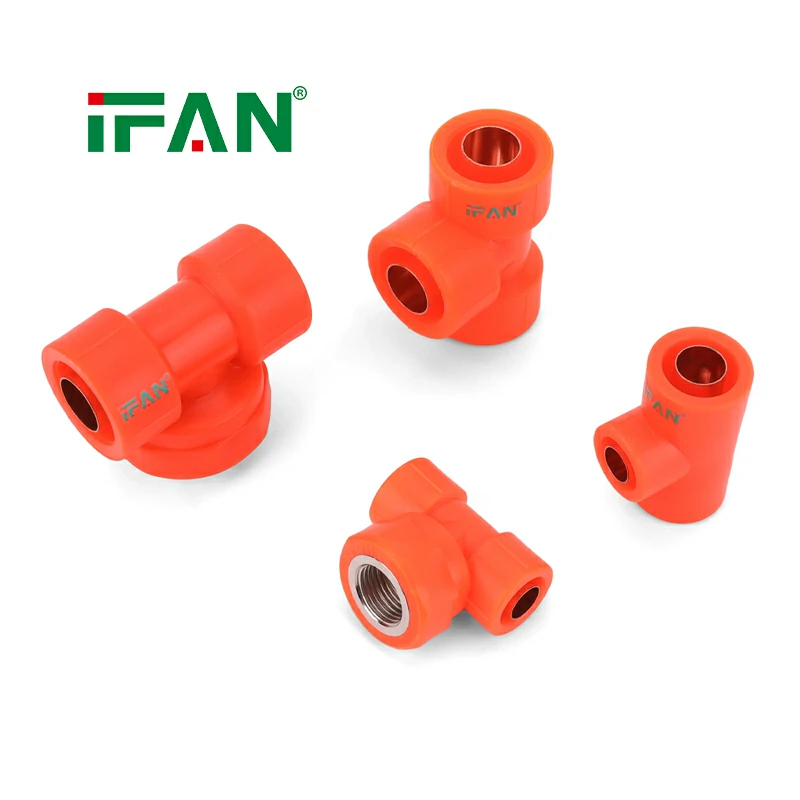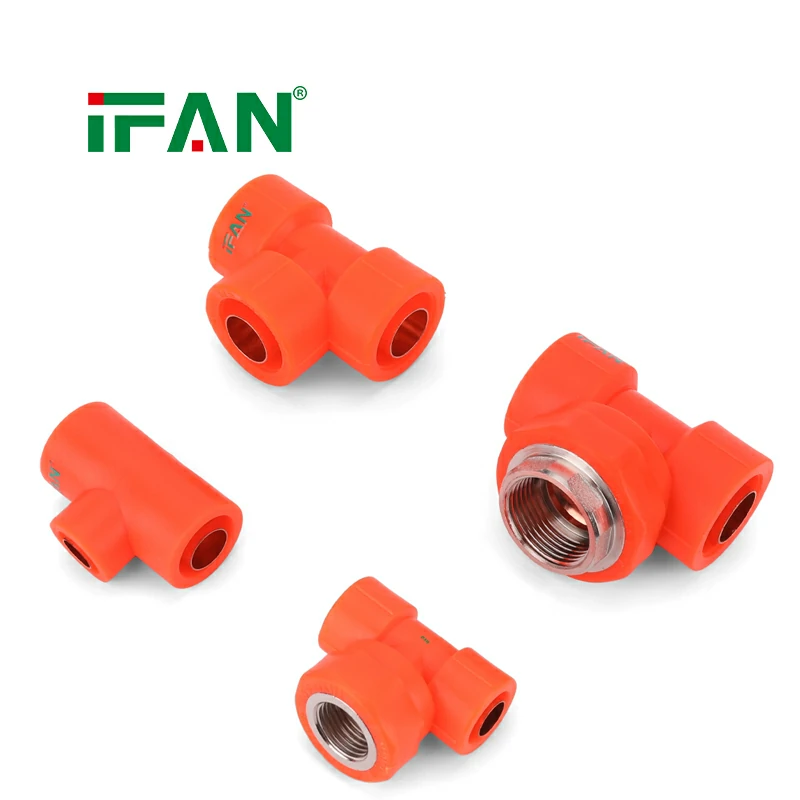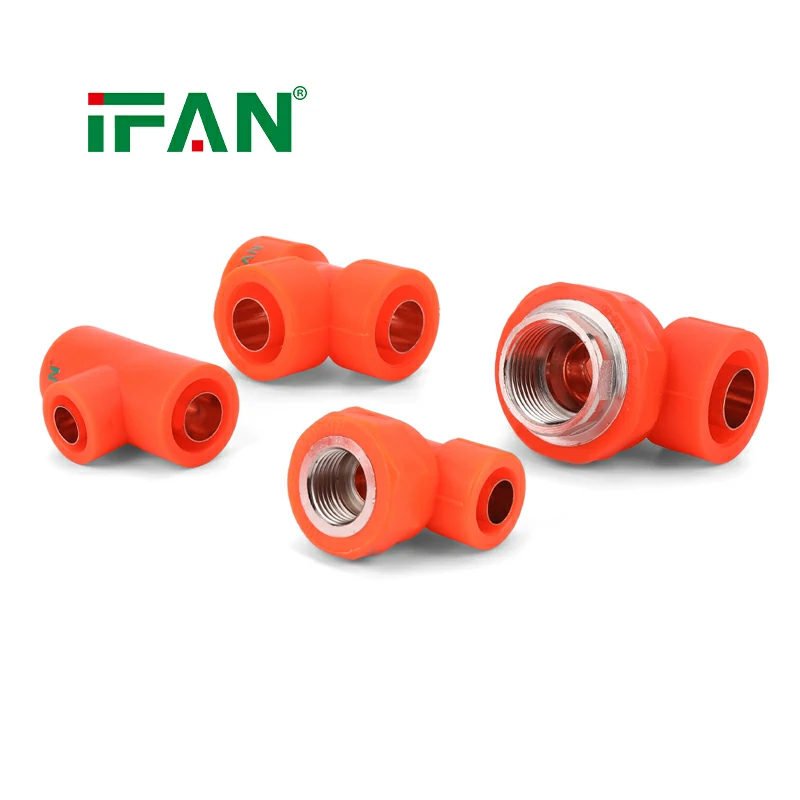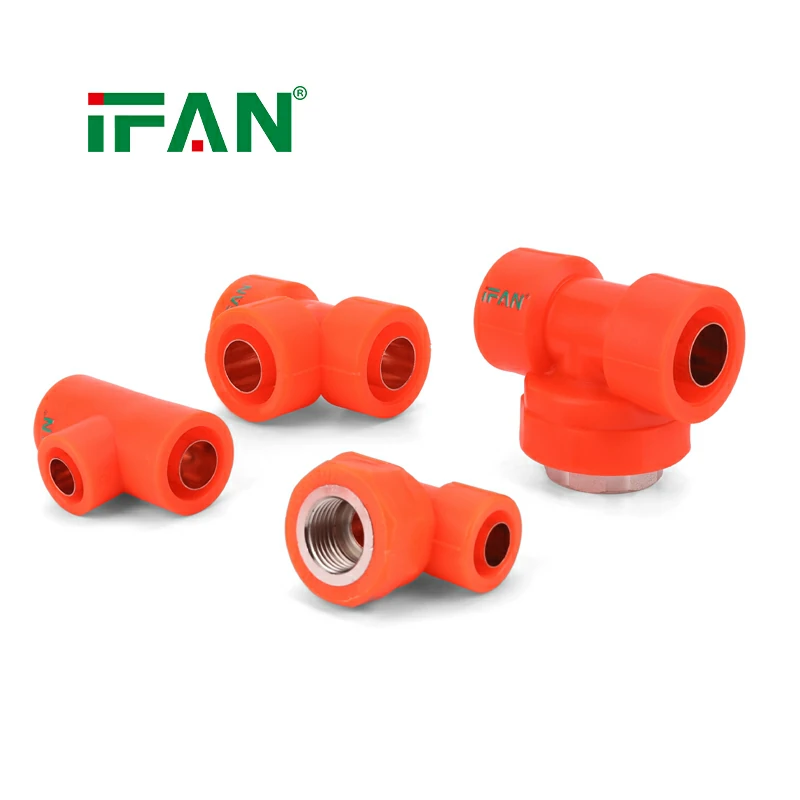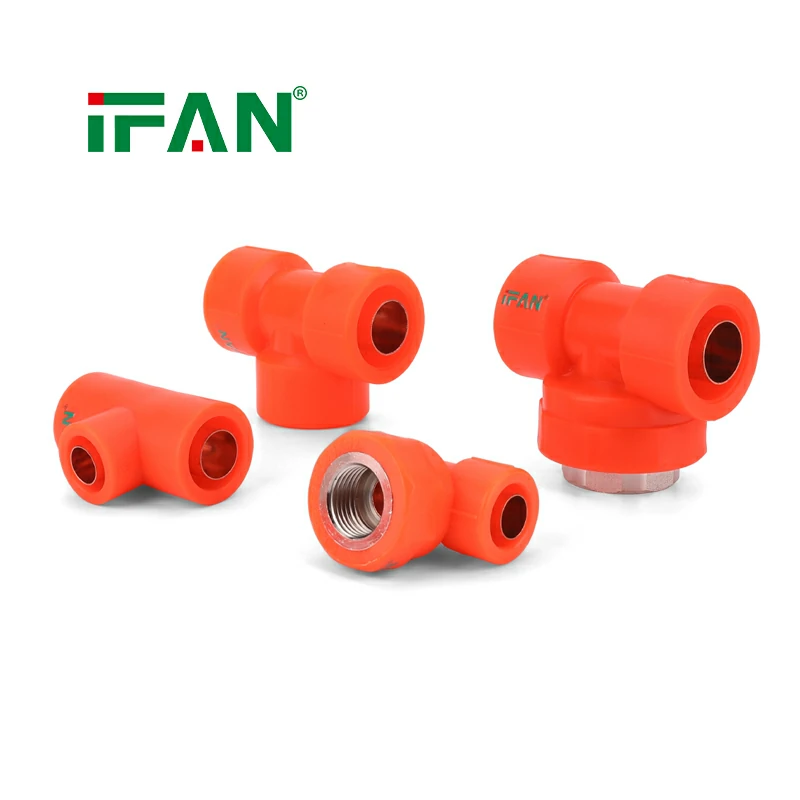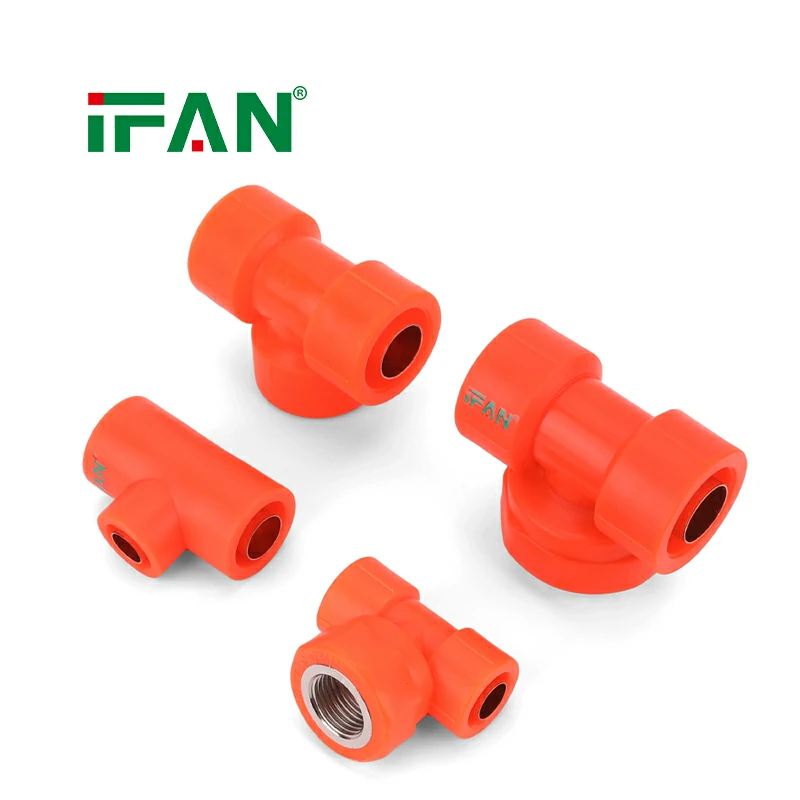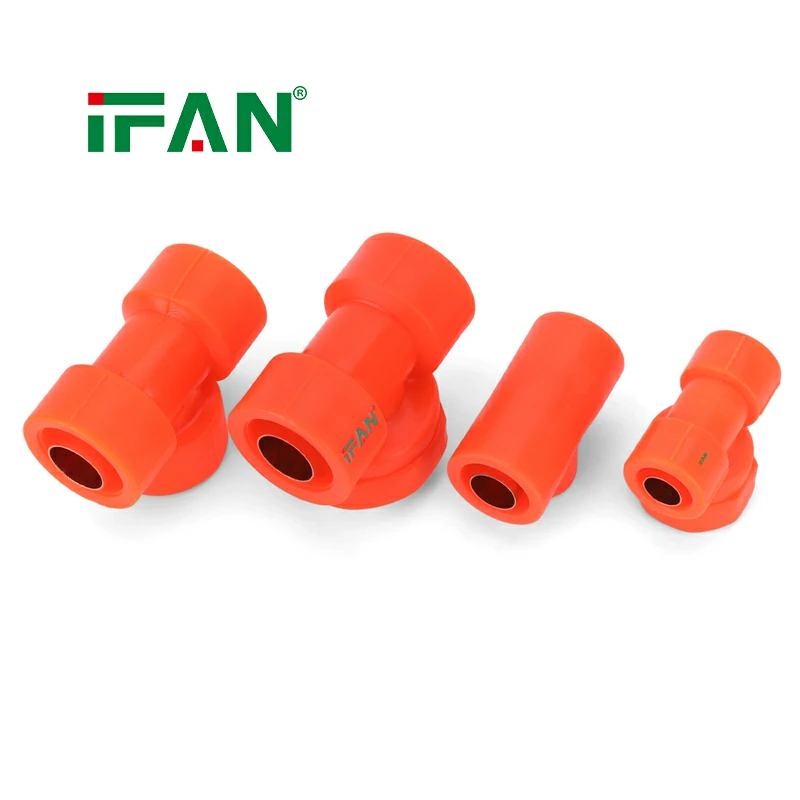
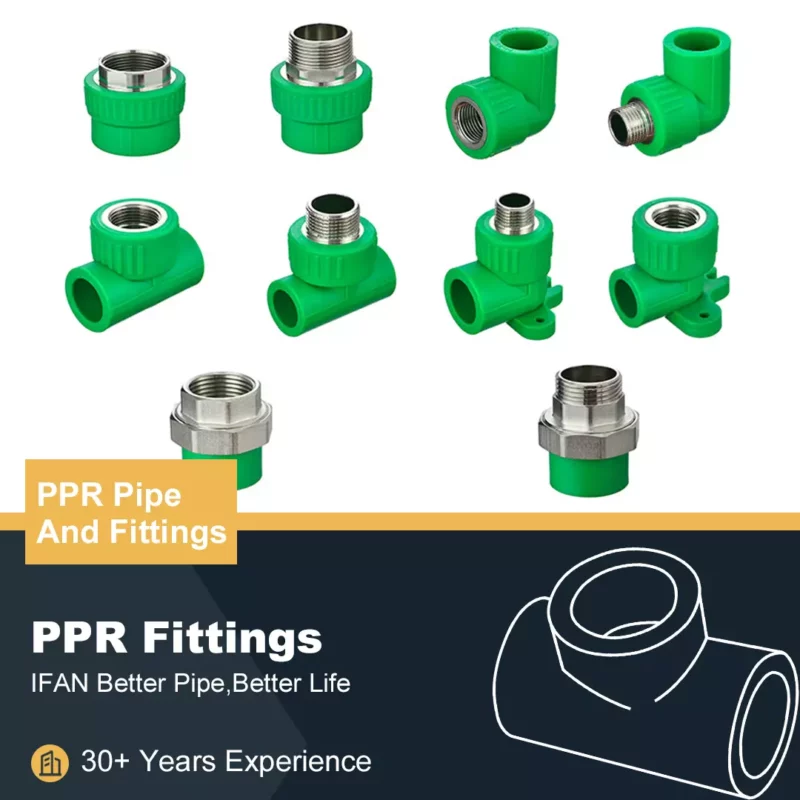


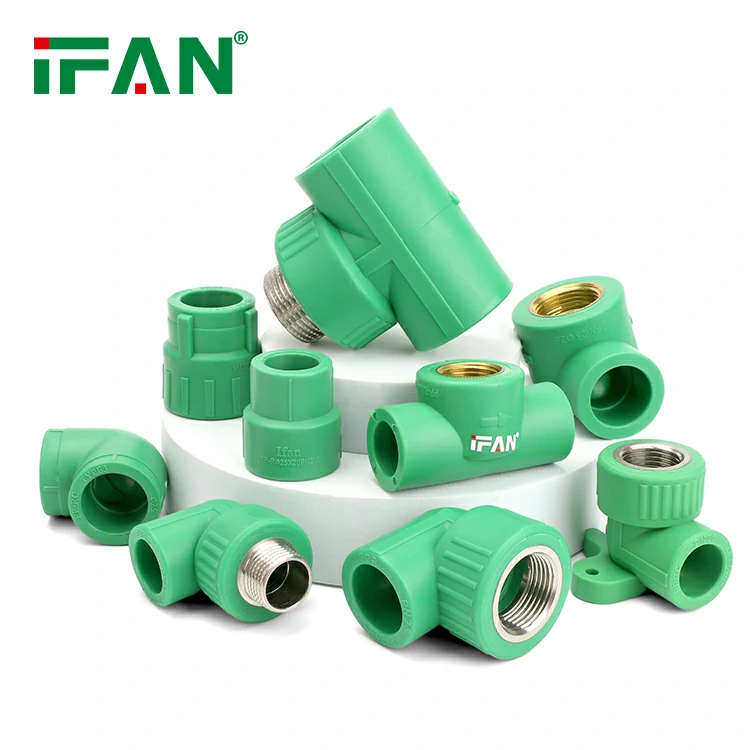
The integrity of plumbing infrastructure depends critically on the performance characteristics of its constituent components, particularly at connection points. While modern systems increasingly utilize PPR fittings for their superior durability, a substantial portion of existing infrastructure, especially in older buildings and municipal systems, relies on threaded cast iron pipe fittings. A comprehensive fragility analysis of these traditional components reveals significant vulnerabilities that highlight why the industry transition to systems using PPR fittings represents more than just technological progress—it constitutes a fundamental improvement in system reliability and safety.
Understanding Fragility in Plumbing Context
In engineering terms, fragility describes the probability that a component or system will reach or exceed a specific damage state when subjected to a particular demand or stressor. For threaded cast iron fittings, these stressors include:
- Internal water pressure fluctuations and water hammer
- Thermal expansion and contraction cycles
- External loading and structural settlement
- Corrosive chemical environments
- Seismic activity and ground movement
The fragility analysis of these traditional components provides a crucial baseline against which the performance of modern alternatives like PPR fittings can be measured.
Methodology for Fragility Assessment
The fragility analysis of threaded cast iron fittings follows a systematic approach:
Material Property Evaluation:
Cast iron, particularly gray cast iron commonly used in historical fittings, exhibits excellent compressive strength but poor tensile strength. This fundamental material characteristic creates inherent fragility under specific loading conditions. Unlike the homogeneous material structure of PPR fittings, cast iron contains graphite flakes that create stress concentration points and predispose the material to brittle fracture.
Joint Integrity Analysis:
The threaded connection method itself represents a critical fragility point. Analysis reveals several vulnerability factors:
- Stress concentration at the root of thread grooves
- Galvanic corrosion between dissimilar metals in the fitting-pipe system
- Uneven stress distribution across threaded engagements
- Progressive weakening from repeated thermal cycles
Accelerated Life Testing:
Laboratory simulations subject threaded cast iron fittings to conditions mimicking decades of service in compressed timeframes. Results consistently show:
- Crack initiation at thread roots after 5,000-7,000 pressure cycles
- Significant reduction in pressure rating after corrosion exposure
- Thread deformation under sustained mechanical loading
Key Fragility Indicators in Threaded Cast Iron Fittings
The analysis identifies several critical failure modes that demonstrate the inherent limitations of these traditional components compared to modern PPR fittings:
Brittle Fracture Susceptibility:
Cast iron lacks the ductility that characterizes PPR fittings. When subjected to sudden stress from water hammer or external impact, cast iron fittings tend to crack rather than deform. This brittle failure mode often results in catastrophic system failure rather than gradual leakage.
Corrosion-Induced Degradation:
Electrochemical analysis reveals multiple corrosion mechanisms affecting threaded cast iron fittings:
- Graphitic corrosion selectively removes iron, leaving a weak graphite matrix
- Pitting corrosion creates localized weakness points
- Crevice corrosion concentrates in threaded areas
- Galvanic corrosion accelerates when connected to copper or brass components
The homogeneous chemical structure of PPR fittings provides inherent immunity to these corrosion mechanisms.
Thermal Stress Vulnerability:
The significant difference in thermal expansion coefficients between cast iron (10.8 × 10⁻⁶/°C) and connected materials (such as steel at 12 × 10⁻⁶/°C) creates substantial stress at threaded joints during temperature fluctuations. Finite element analysis shows stress concentrations exceeding material yield points after repeated thermal cycling.
Comparative Analysis: Threaded Cast Iron vs. PPR Fittings
A direct comparison highlights why PPR fittings represent a superior solution from a fragility perspective:
Material Homogeneity:
While cast iron contains inherent stress concentrators (graphite flakes), PPR fittings feature a uniform molecular structure that distributes stress evenly throughout the component.
Joint Technology:
The threaded connections in cast iron systems create multiple potential failure points, whereas the heat-fused joints in PPR fittings systems create monolithic connections that eliminate the joint as a fragility point.
Corrosion Resistance:
Accelerated corrosion testing shows threaded cast iron fittings experiencing significant wall thickness reduction after 500 hours of exposure to aggressive water conditions, while PPR fittings show no measurable degradation under identical conditions.
Seismic Performance:
Dynamic analysis demonstrates that threaded cast iron systems have limited ability to accommodate building movement, with fittings failing at displacements of 10-15 mm. Systems utilizing PPR fittings can accommodate significantly greater movement (30-50 mm) without failure due to the material’s inherent flexibility.
Quantitative Fragility Curves
The development of fragility curves for threaded cast iron fittings provides engineers with probabilistic tools for failure prediction:
Pressure Fragility:
- 50% probability of leakage at 2.5 times working pressure
- 90% probability of catastrophic failure at 3.2 times working pressure
- Significant reduction in pressure capacity after 20+ years of service
Seismic Fragility:
- 10% probability of failure at 0.3g ground acceleration
- 50% probability of failure at 0.5g ground acceleration
- Nearly 100% failure probability at 0.7g ground acceleration for aged systems
Service Life Fragility:
- 25% probability of significant degradation after 25 years
- 60% probability of significant degradation after Long-term durability according to standards
- Near-certain failure requirement after 75 years of service
Implications for System Design and Retrofit
The fragility analysis of threaded cast iron fittings has significant implications for plumbing system design and maintenance:
Risk Assessment:
Engineers can use fragility data to identify high-risk systems and prioritize replacement schedules. Buildings with threaded cast iron plumbing in critical applications should be considered for proactive retrofit with PPR fittings systems.
Design Philosophy Evolution:
The historical approach of overdesigning cast iron systems to compensate for material limitations becomes unnecessary with PPR fittings, allowing for more efficient and predictable system design.
Retrofit Strategy:
The analysis supports developing phased replacement programs that target the most fragile components first, with PPR fittings providing the logical replacement technology due to their compatibility with various system types and superior performance characteristics.
Economic Implications of Fragility
The fragility of threaded cast iron fittings carries significant economic consequences:
Direct Costs:
- Emergency repairs from unexpected failures
- Property damage from leaking or bursting fittings
- Business interruption costs
Indirect Costs:
- Increased insurance premiums for buildings with known fragile systems
- Reduced property values
- Higher maintenance budgets for monitoring and preventive replacement
The transition to PPR fittings represents a life-cycle cost advantage despite potentially higher initial material costs, due to dramatically reduced fragility-related expenses.
Conclusion: From Fragile Threaded Systems to Robust PPR Solutions
The fragility analysis of threaded cast iron pipe fittings reveals a technology that has reached its performance limits in modern plumbing applications. The multiple failure modes, susceptibility to environmental factors, and probabilistic nature of failures create unacceptable risks in many applications.
The industry-wide transition to systems utilizing PPR fittings represents more than a material substitution—it constitutes a fundamental improvement in system reliability, safety, and predictability. The homogeneous material properties, superior joint technology, and corrosion immunity of PPR fittings address the very fragility concerns that plague threaded cast iron systems.
For engineers, building owners, and plumbing professionals, the implications are clear: the continued use of threaded cast iron fittings represents an increasingly untenable risk, while the adoption of PPR fittings provides a technologically advanced solution that dramatically reduces system fragility across all measurable parameters.
If you have read this article and have any questions, please feel free to contact IFAN. Below is our contact information:
Whatsapp:+86 13373827623