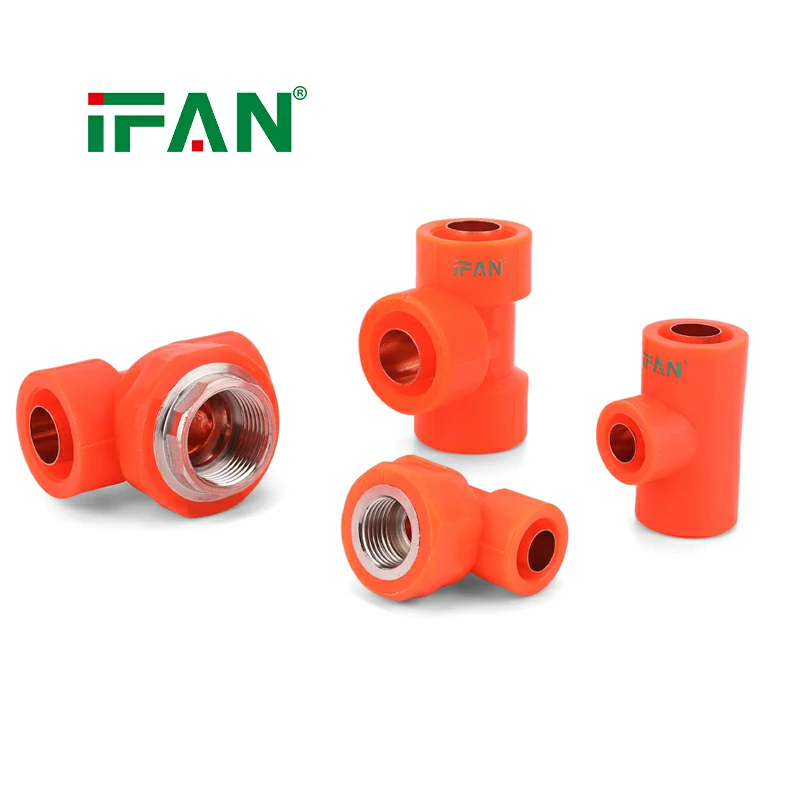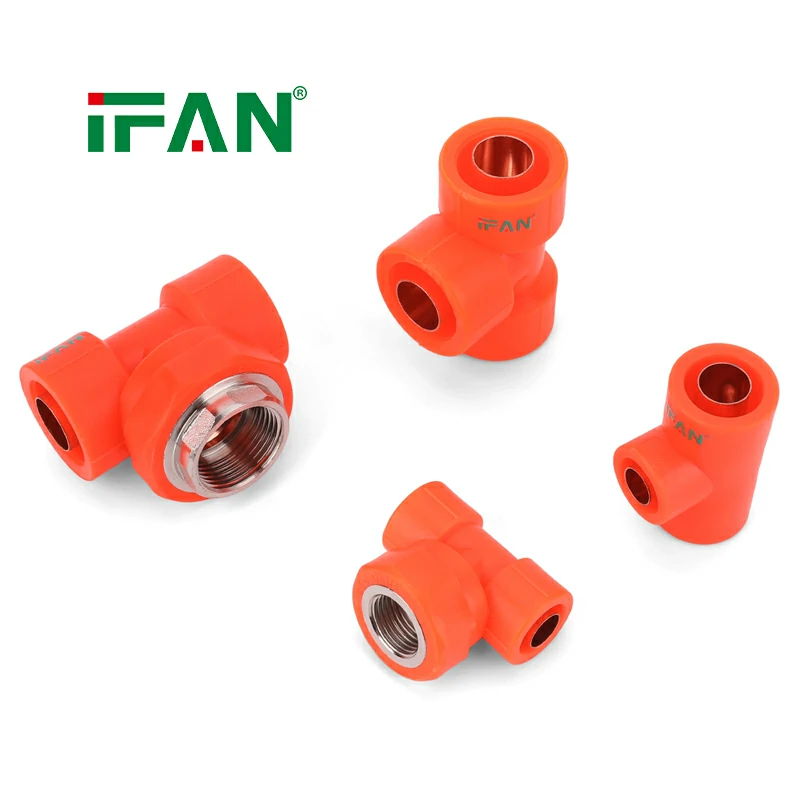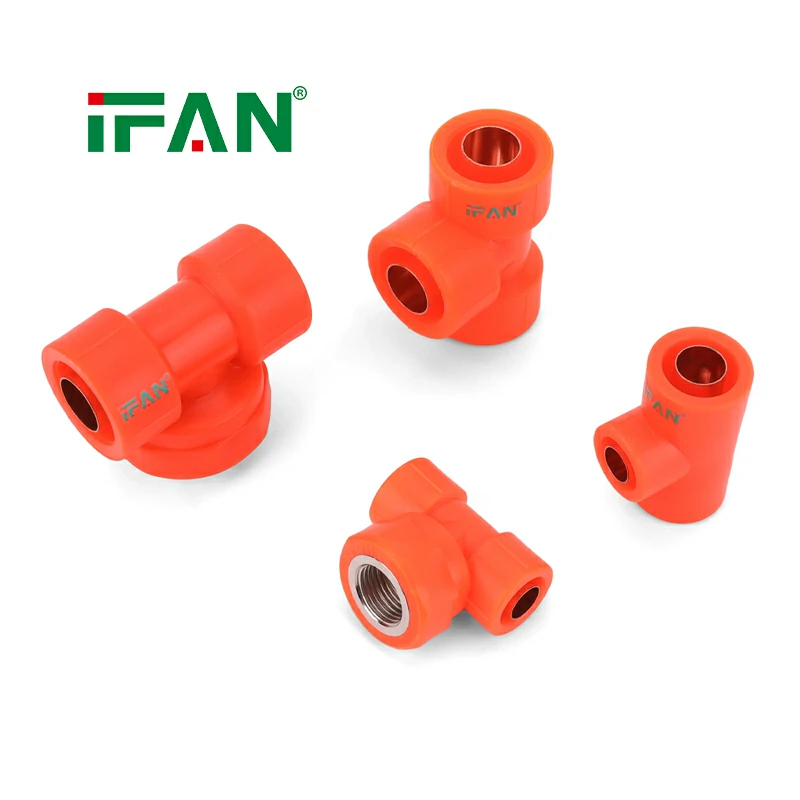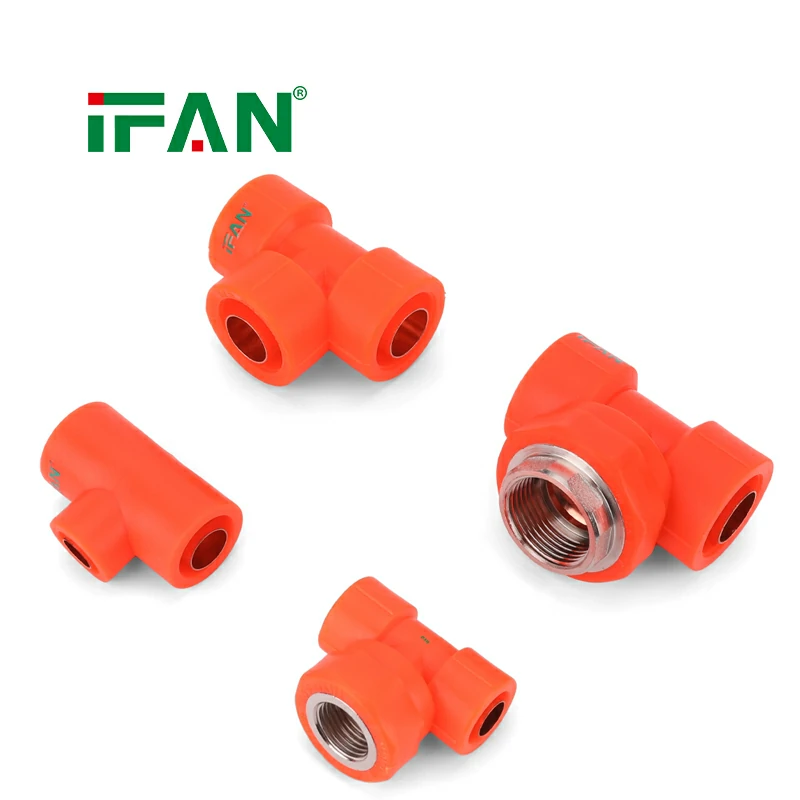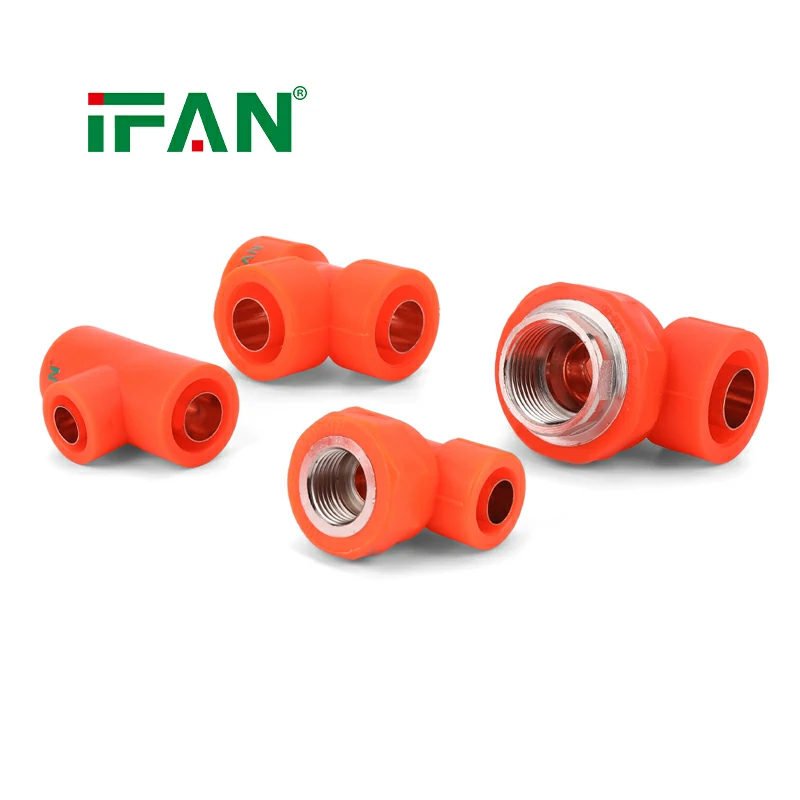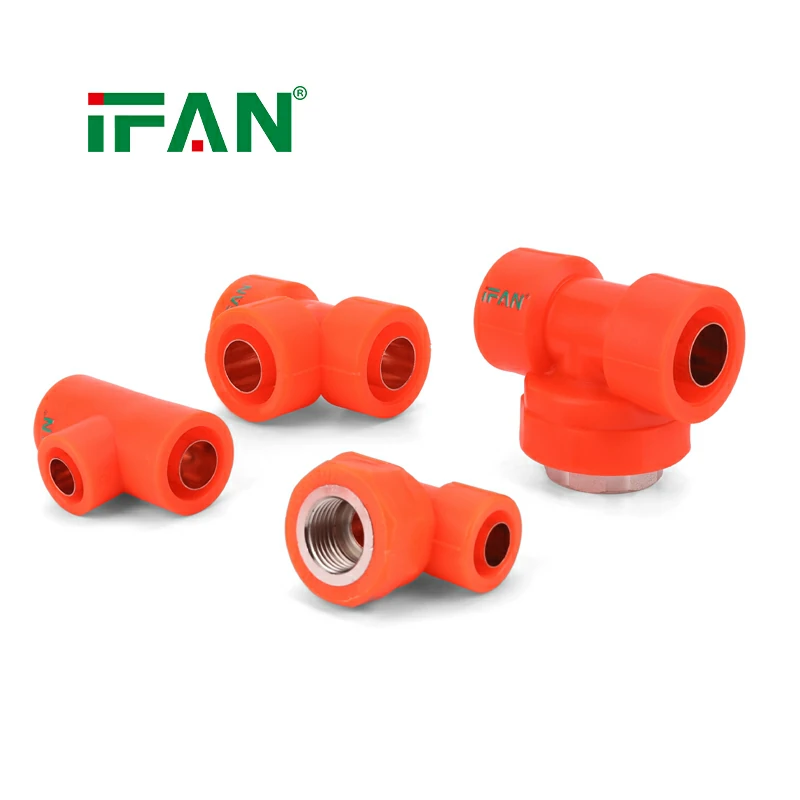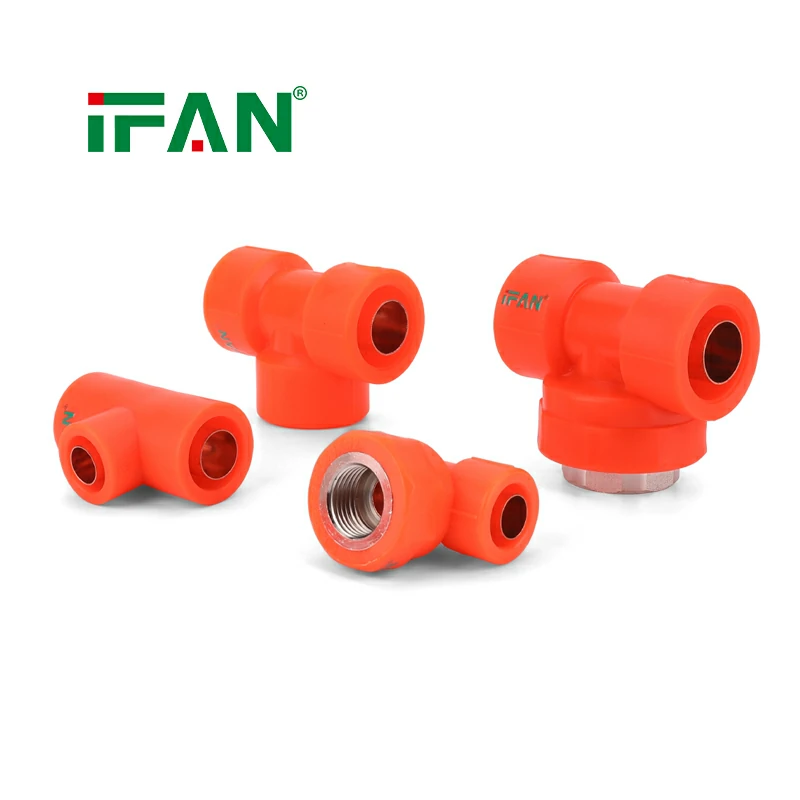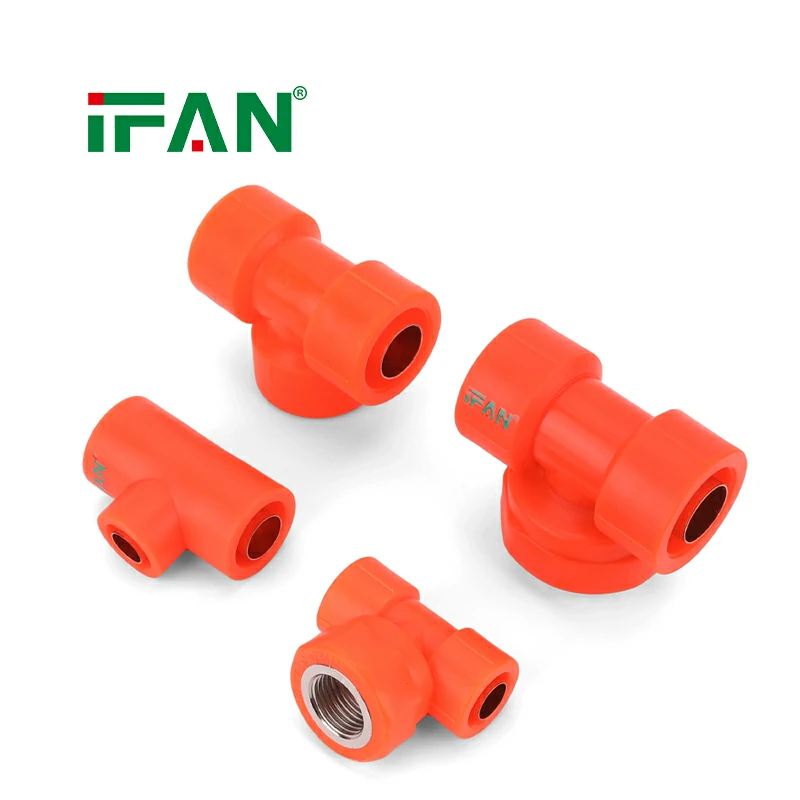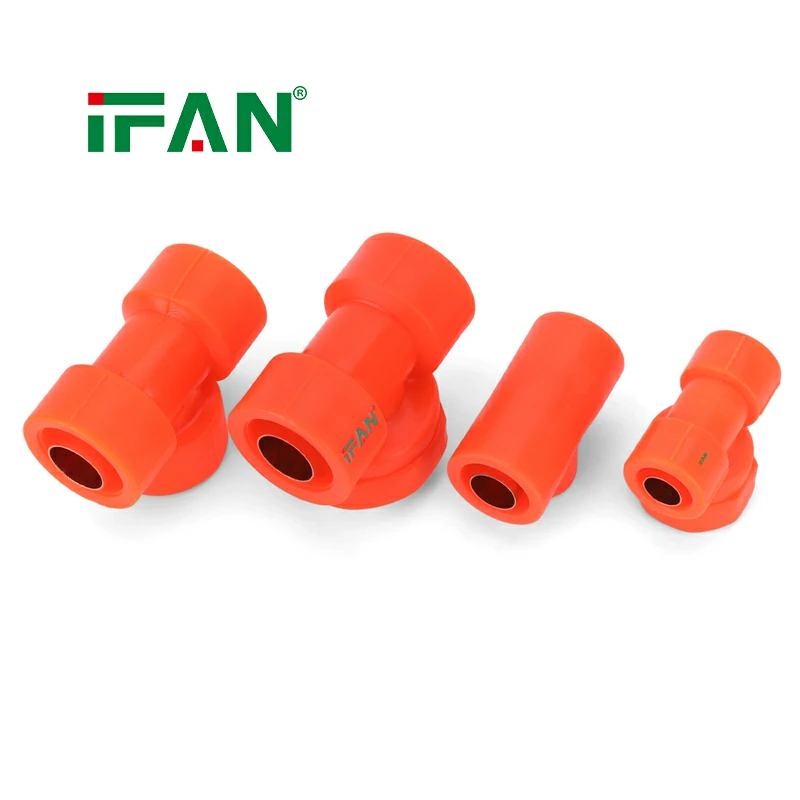
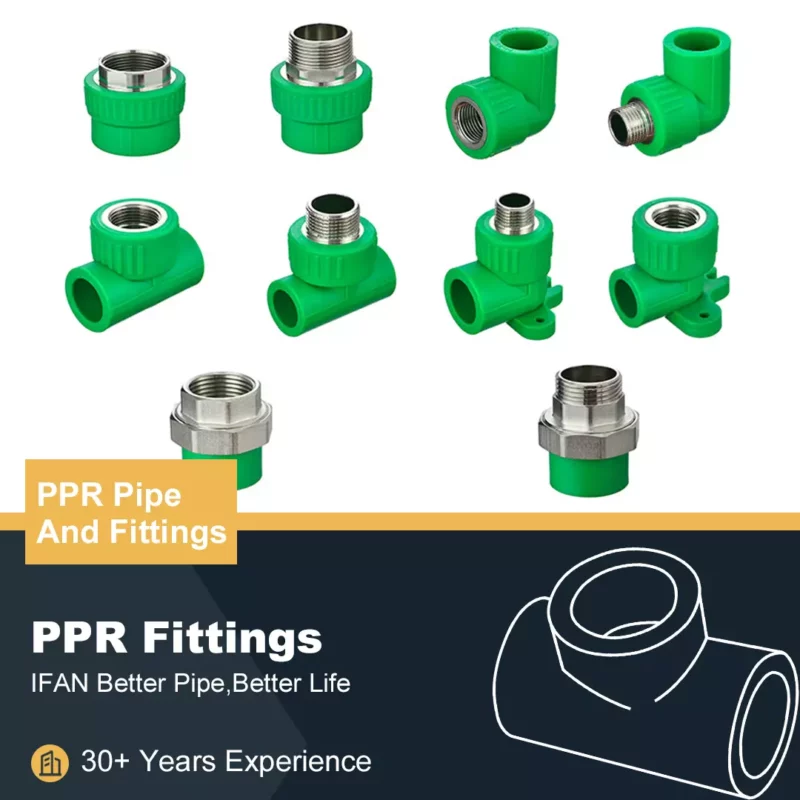
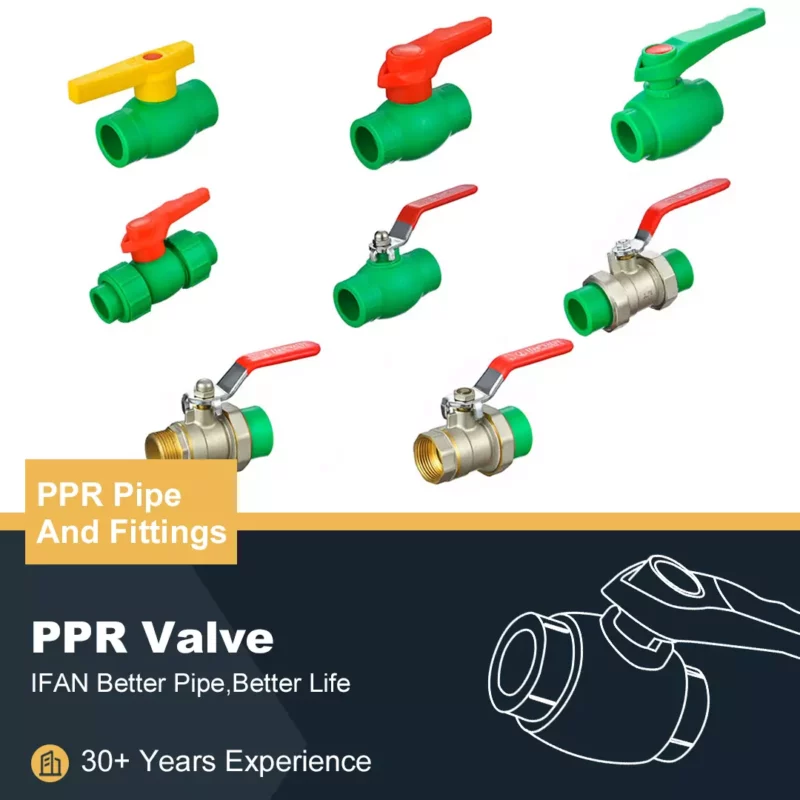
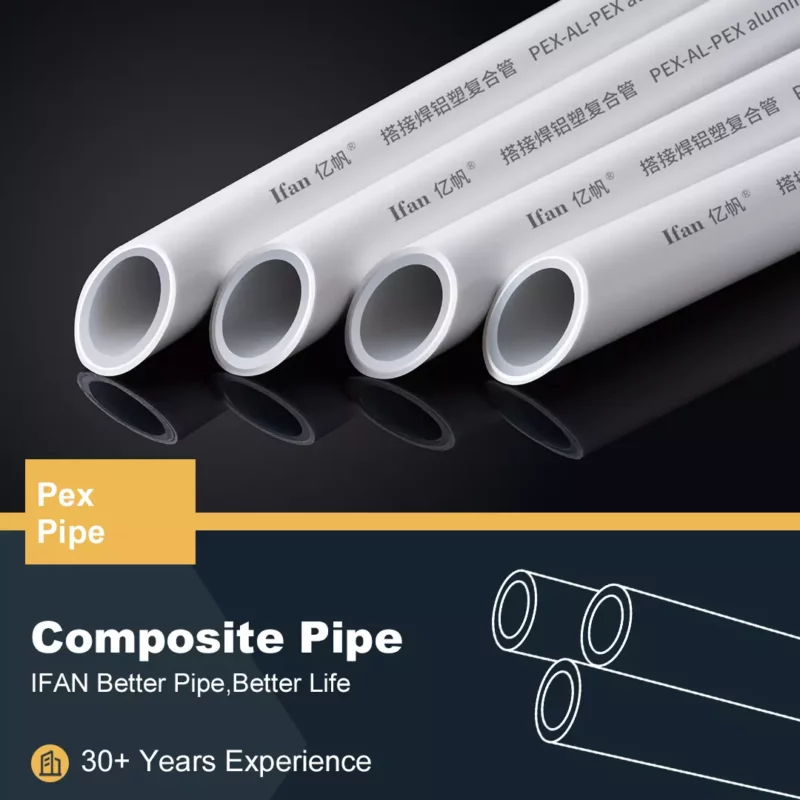
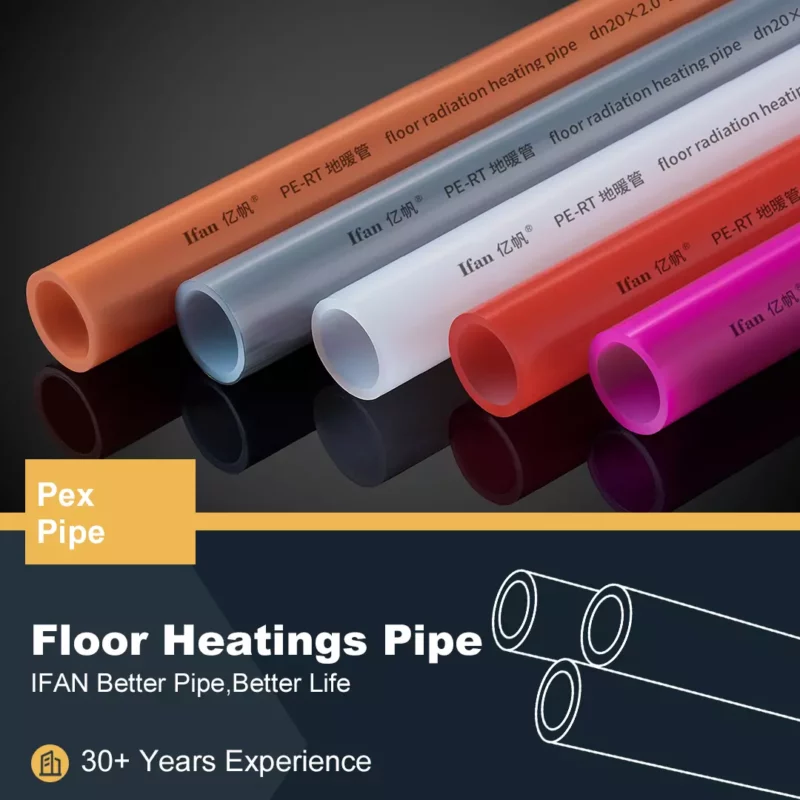
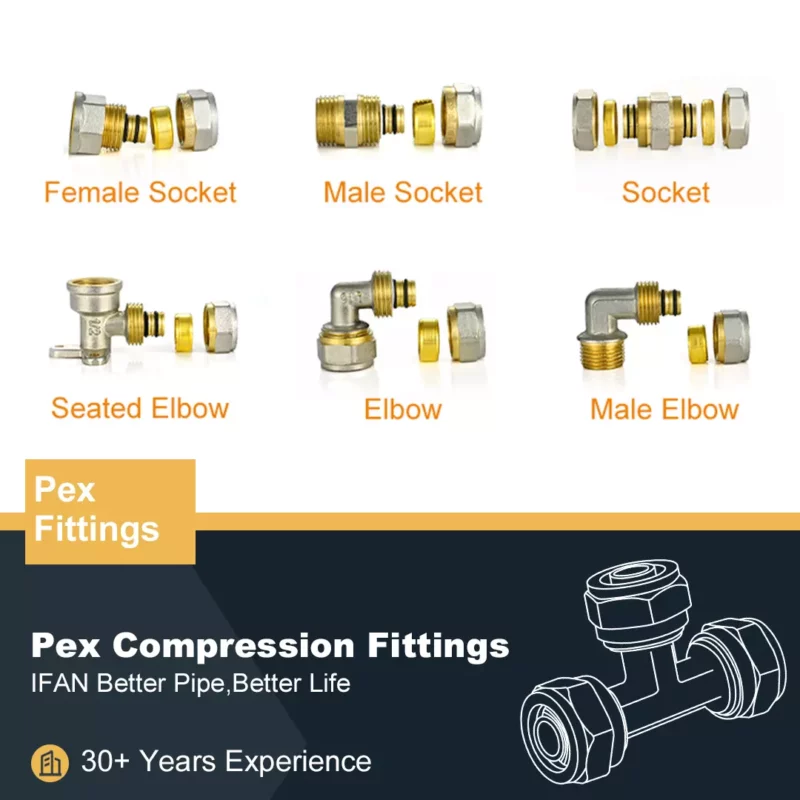

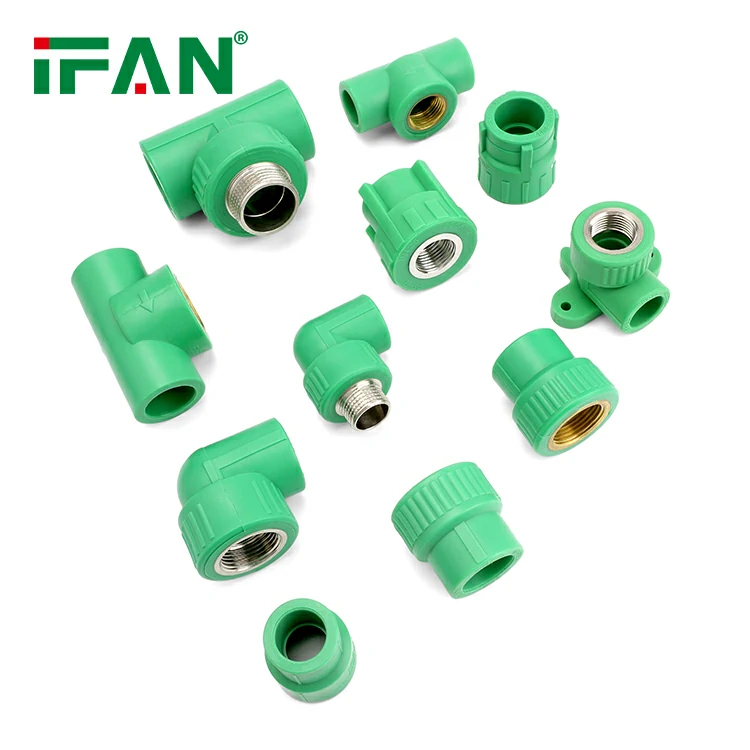
In a landmark move for national infrastructure and water conservation, the Ministry of Water Resources has officially endorsed the widespread adoption of a new generation of PPR fittings for municipal and residential water systems. This strategic endorsement marks a pivotal shift in public policy, directly addressing the critical issue of non-revenue water (NRW)—the water that is produced and lost before it reaches the end consumer. By championing advanced Polypropylene Random Copolymer (PPR) piping technology, the ministry is spearheading a transition from aging, failure-prone systems to a modern, durable, and inherently leak-resistant solution for the nation’s plumbing infrastructure.
The Crisis of Water Loss: A National Imperative
The ministry’s proactive stance is a response to a silent crisis plaguing water infrastructure worldwide. Significant volumes of treated, potable water are lost daily through leaks, breaks, and inefficiencies in distribution networks. This loss represents not just a waste of a precious resource but also a massive financial drain on public utilities and a needless expenditure of energy used for water treatment and pumping.
The primary culprits are often outdated metallic piping systems. Iron and steel pipes are susceptible to internal corrosion and scaling over time, which can both restrict water flow and create weak points that lead to leaks. Traditional threaded joints, whether in galvanized iron or copper systems, are also common failure points due to the inevitable wear. Mineral deposits. And stress corrosion that can occur over years of use. For a ministry tasked with ensuring water security, public health, and fiscal responsibility, tackling this issue head-on is paramount. The search for a superior. More resilient system has led directly to the material science and engineering behind modern PPR fittings.
The Science of the Seal: How PPR Fittings Prevent Leaks
The ministry’s endorsement is rooted in the fundamental design and installation methodology of PPR systems, which differ radically from traditional plumbing. The core innovation lies not just in the material, but in the method of joining.
- The Homogeneous Fusion Joint: Traditional systems rely on mechanical force (threads) or chemical bonds (solvent cement) to create connections. These remain discrete components pressed or glued together. In contrast, the installation of PPR fittings involves a thermal fusion process. A specialized welding tool simultaneously heats the socket of the PPR fitting and the pipe end to a precise temperature. When joined, the polypropylene molecules at the interface interdiffuse and entangle,冷却后形成a single, monolithic piece. This fusion joint is seamless and homogeneous, effectively eliminating the joint as a potential failure point. It is, structurally, the strongest part of the system.
- Immunity to Corrosion and Scaling: The number one enemy of metallic pipes is electro-chemical corrosion, which slowly eats away at the pipe wall, leading to pinhole leaks and eventual rupture. PPR fittings and pipes are chemically inert. They do not rust, oxidize, or undergo electrolytic corrosion, regardless of water pH or mineral content. Furthermore, the smooth inner bore of PPR prevents the build-up of scale and deposits that can constrict water flow, increase pressure, and ultimately stress older joints into failure.
The Ministry’s Rationale: A Multi-Faceted Endorsement
The ministry’s public welcome for these new PPR fittings is based on a comprehensive analysis of their long-term benefits, which align perfectly with broader public policy goals:
- Direct Reduction in Non-Revenue Water: By systematically eliminating the primary causes of leaks—failed joints and corroded pipe walls—PPR systems directly preserve treated water. This means more water delivered to billable customers, increased revenue for municipal utilities, and a greater return on public infrastructure investment.
- Long-Term Fiscal Responsibility and Cost Savings: While the initial material cost may be competitive, the true value of PPR fittings is revealed in the Total Cost of Ownership (TCO). The drastic reduction in maintenance, emergency repairs, and system overhauls translates into significant long-term savings for municipal budgets. A system with a lifespan exceeding Long-term durability according to standards, with minimal upkeep, represents a wise and sustainable investment of public funds.
- Safeguarding Public Health and Water Quality: The inert nature of PPR ensures that no heavy metals (like lead from old solder) or corrosive by-products (from rust) can leach into the drinking water. The seamless, smooth interior also inhibits the formation of biofilms and bacteria-harboring scales, ensuring water quality remains pure from the treatment plant to the consumer’s tap.
- Promoting Sustainability and Resource Conservation: Reducing water loss is a cornerstone of sustainable water management. By conserving every drop of energy-intensive treated water, the ministry also reduces the carbon footprint associated with water supply. Additionally, the durability and long life of PPR systems contribute to reduced material waste over time.
Implementation and the Path Forward
The ministry’s endorsement is expected to be followed by concrete regulatory and practical actions, such as:
- Updating National Plumbing Codes and Standards: Revising regulations to explicitly approve and encourage the use of heat-fused PPR systems for potable water in all new public and private construction.
- Public Procurement Policies: Mandating or prioritizing the specification of certified PPR fittings and pipes for all new public housing, government buildings, and municipal water line upgrade projects.
- Training and Certification Programs: Collaborating with industry bodies to establish nationwide training and certification programs for installers, ensuring the thermal fusion process is performed correctly to guarantee the system’s legendary integrity.
Conclusion: A Watershed Moment for Water Security
The ministry’s public welcome of advanced PPR fittings is a watershed moment for the nation’s infrastructure policy. It represents a decisive, forward-thinking move away from the reactive cycle of repairing failing metallic systems and toward a proactive, preventative approach. By embracing the leak-proof, durable, and hygienic promise of PPR fusion technology, the ministry is not just fixing pipes—it is securing a more sustainable, efficient, and resilient water future for all its citizens. This endorsement serves as a powerful model for governments worldwide, demonstrating that the path to water security is paved with innovative materials and intelligent, long-term planning.
Meta Description: A national ministry endorses new PPR fittings to combat water loss. Discover how this leak-proof piping technology saves water, reduces costs, and ensures a sustainable supply.
Focus Keyphrase: PPR fittings
Slug: ministry-welcomes-ppr-fittings-reduce-water-loss
Categories: Water Conservation, Public Policy, Plumbing, Infrastructure, Piping Systems
Tags: PPR Fittings, Ministry of Water, Water Loss, Non-Revenue Water, Leak-Proof, Plumbing, Water Infrastructure, Sustainable Water, Corrosion-Resistant, Piping Solutions
Twin international trade shows begins ppr fitting用这个标题生成一篇文章, 以PPR fittings为关键词, 文章总数800词,按照Yoast SEO格式输出
Twin International Trade Shows Begin, Spotlighting PPR Fitting Innovations
The global plumbing, heating, and piping industries have converged as two major international trade shows opened their doors simultaneously this week, creating an unprecedented platform for innovation. Among all product categories, one has emerged as the undeniable star of both events: PPR fittings and the broader Polypropylene Random Copolymer (PPR) piping system. The overwhelming presence of these components across exhibition halls signals a pivotal industry moment where PPR technology is transitioning from a popular alternative to the dominant solution for modern potable water and heating systems worldwide.
A Confluence of Industry Leaders
The simultaneous occurrence of these major trade exhibitions provides a comprehensive 360-degree view of the building services sector. While one show focuses extensively on plumbing technology and sanitary ware. Its counterpart serves as the leading exhibition for HVAC and renewable energy systems. This powerful synergy allows engineers, contractors. And distributors to witness the full spectrum of applications for PPR fittings—from sophisticated hot and cold-water distribution in high-rise buildings to efficient radiator connections and underfloor heating circuits. The clear message resonating through both venues is that PPR represents a versatile. Cross-disciplinary solution capable of meeting diverse project requirements.
The Technical Superiority of Modern PPR Fittings
Walking through the expansive aisles of both exhibitions reveals why PPR fittings have captured such significant attention. Major exhibitors, ranging from established European manufacturers to innovative Asian producers, are showcasing substantial investments in PPR technology development. The fundamental advantages being highlighted address critical concerns in contemporary construction:
- Revolutionary Fusion Joint Technology: The core innovation demonstrated at numerous booths is the thermally fused joint system. Live installation shows illustrate how PPR fittings and pipe ends fuse into a single. Monolithic piece when properly heated and joined. This process eliminates the primary failure points associated with traditional threaded or soldered connections. Creating what experts describe as the most leak-resistant joint available in modern plumbing.
- Exceptional Durability Characteristics: Manufacturers are presenting compelling evidence of PPR’s longevity through cutaway displays of systems that have served in European installations for decades. These exhibits show PPR fittings maintaining pristine. Smooth interior surfaces completely free from the corrosion and scale buildup that typically plague metallic systems. This inherent resistance to chemical degradation ensures consistent water flow and pressure maintenance over a documented lifespan exceeding Long-term durability according to standards.
- Installation Efficiency and Economic Benefits: Competitive installation demonstrations highlight how certified technicians can assemble complex networks of PPR fittings with remarkable speed and precision. This emphasis on reduced labor intensity and minimized installation time represents a significant economic advantage in markets experiencing skilled labor shortages. The systematic approach to PPR installation ensures consistent quality while substantially lowering overall project costs.
Next-Generation Innovations on Display
Beyond established benefits, the trade shows serve as a launchpad for groundbreaking advancements in PPR technology:
- Multilayer Composite Systems: Several industry leaders are introducing innovative multilayer PPR fittings incorporating advanced composite materials. These next-generation products feature integrated aluminum or fiberglass layers that dramatically reduce linear thermal expansion. Enhancing system stability for long straight runs in commercial applications where movement control is crucial.
- Digital Integration and Smart Monitoring: The emergence of intelligent PPR fittings represents perhaps the most forward-looking development. These innovative components incorporate embedded RFID chips and QR codes that, when scanned. Provide instant access to comprehensive digital documentation including weld parameters, material certifications, and installation records. This creates an auditable digital twin of the entire plumbing system for enhanced maintenance planning and warranty management.
- Expanded Application Range: Exhibitors are demonstrating an increasingly diverse product range, with some manufacturers presenting large-diameter PPR fittings designed for main water supply lines and industrial applications. Specialized components including electrofusion PPR fittings for challenging repair situations and high-density pre-insulated systems for district heating applications are generating considerable interest among visiting professionals.
Market Evolution and Global Industry Trends
Discussions with engineers, contractors, and specifiers on the exhibition floor reveal a rapidly maturing market perspective. The industry conversation has clearly evolved from basic questions about PPR’s suitability to sophisticated evaluations of which specific PPR fittings system delivers optimal long-term value and technical support. The growing demand for certified installation training programs indicates the industry is preparing for substantially increased adoption rates across multiple sectors.
Furthermore, the alignment of modern PPR fittings with global sustainability objectives represents a consistent theme throughout both exhibitions. The material’s exceptional durability contributes directly to resource conservation, while its smooth interior surface reduces pumping energy requirements. The recyclability of PPR systems at the end of their extended service life provides significant environmental credentials that resonate strongly with architects and developers pursuing international sustainability certifications.
Conclusion: Defining a New Industry Standard
The concurrent international trade shows have collectively functioned as a powerful barometer measuring the direction of the plumbing and HVAC industries. The overwhelming prominence of PPR fittings throughout both events reflects not a temporary trend but a fundamental transformation in industry practice. The technological innovations displayed—from advanced multilayer structures to digital integration capabilities. Demonstrate that PPR technology continues to evolve rapidly to meet the complex demands of global infrastructure development.
As the exhibitions conclude. ODne conclusion appears inescapable. The PPR era has not merely arrived but has firmly established itself as the new benchmark for modern piping systems.
If you have read this article and have any questions, please feel free to contact IFAN. Below is our contact information:
Whatsapp:+86 13373827623