

Introduction to Brass Check Valves
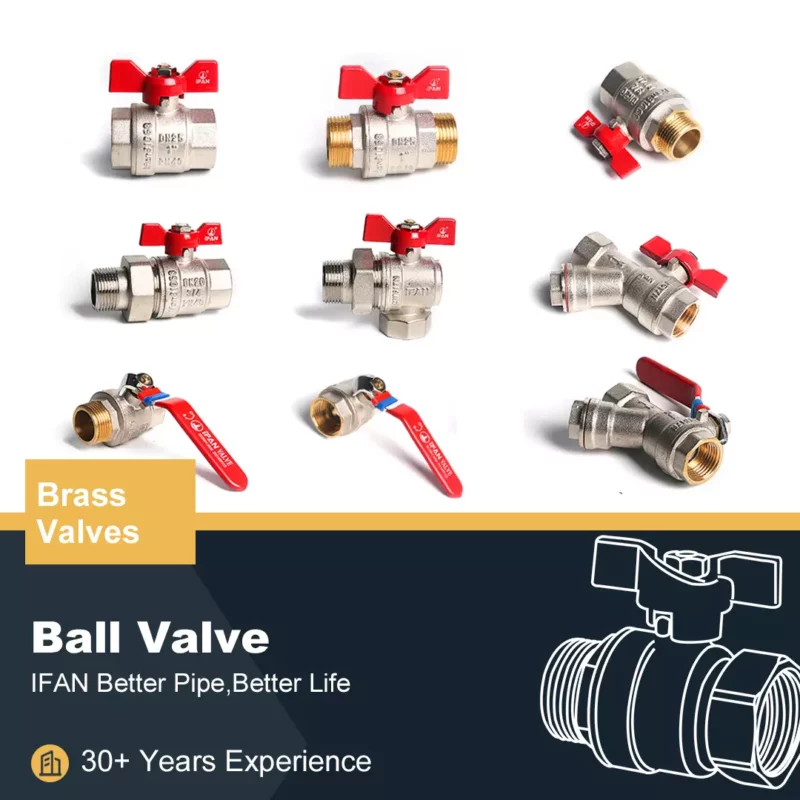
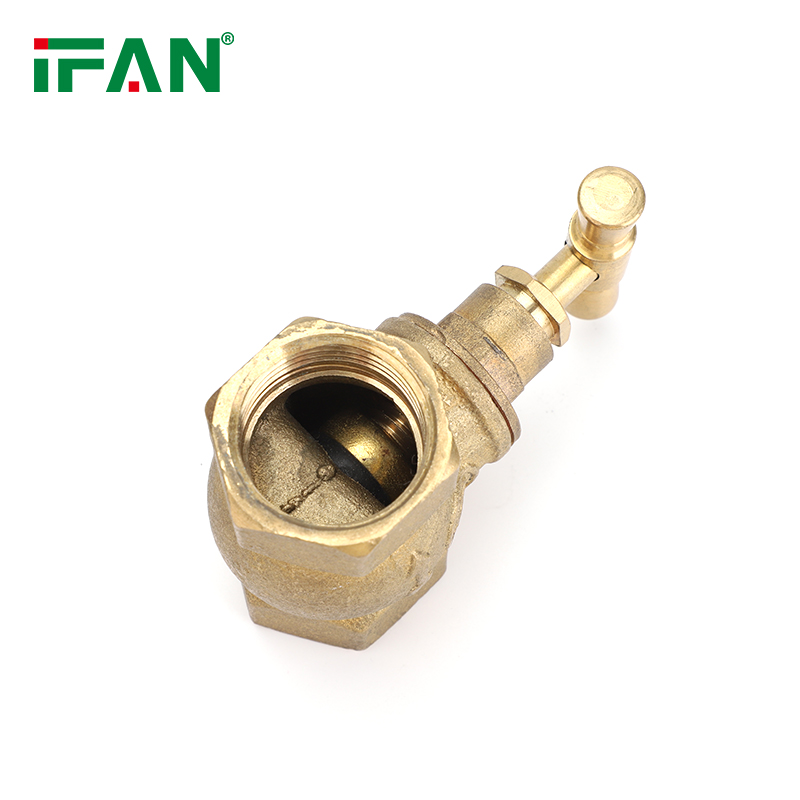
Check valves are essential components in fluid systems. They allow flow in one direction and prevent reverse flow. Reverse flow can cause equipment damage or contamination. Brass check valves are known for their durability and long service life. They are used in residential, commercial, and industrial applications. Their construction ensures reliable performance under pressure. This article explains how brass contributes to strong valve construction and why it is a preferred material. We also explore applications, benefits, and maintenance of brass check valves.
The Role of Check Valves in Flow Systems
Check valves help maintain unidirectional flow in pipelines. They close automatically when flow reverses. This protects pumps, filters, and other system components. No manual operation is needed. The valve reacts to pressure changes. Check valves are vital in water, oil, gas, and air systems. They improve system efficiency and safety. Their design reduces backflow risks. Reliable check valves reduce maintenance and downtime. Brass check valves offer consistent performance across various systems. Their construction ensures tight sealing and effective flow control.
Why Brass is a Strong Material Choice
Brass is an alloy of copper and zinc. It is valued for its strength and corrosion resistance. Brass handles high pressure and temperature with ease. It resists wear, even in demanding environments. Unlike plastic, brass does not crack or deform under stress. Unlike iron, it does not rust. This makes brass ideal for long-term use. Its metal strength allows for compact yet strong valve designs. Brass also resists scaling and mineral buildup. This keeps the valve working smoothly over time. These properties make brass ideal for durable valve construction.
Internal Components Built for Longevity
A brass check valve is not only strong outside. Its internal parts are also designed for lasting use. The sealing components are usually made of rubber or Teflon. These materials provide tight seals and withstand frequent cycling. Some models include stainless steel springs or discs. This adds strength without compromising durability. The brass body protects internal parts from damage and corrosion. All components work together to maintain one-way flow. Even in systems with high flow rates, brass check valves stay reliable. Proper design and quality parts ensure long-term performance.
Suitable for Harsh Environments
Brass check valves are excellent for harsh conditions. They perform well in extreme heat or cold. In marine environments, brass resists saltwater corrosion better than many metals. In chemical systems, it resists many non-acidic fluids. Outdoor applications benefit from brass’s ability to withstand weather changes. In high-pressure systems, brass maintains its shape and sealing power. This durability reduces the risk of leaks or failures. Whether indoors or outdoors, brass check valves maintain their integrity. Their construction makes them suitable for the toughest environments.
Applications That Demand Durability
Many systems rely on strong valves. Brass check valves are used in HVAC, irrigation, and water supply systems. In fire protection systems, they ensure water flows only in the right direction. In fuel lines, they prevent dangerous backflow. In industrial settings, they help manage oil, gas, and chemicals. Their durable construction supports high-pressure use without performance loss. Even in compressed air systems, they maintain airtight seals. These valves are used in homes, commercial buildings, factories, and ships. Their versatility and strength make them widely trusted in many sectors.
Low Maintenance and Long Service Life
Durable brass construction means fewer maintenance issues. Brass check valves resist corrosion, so they last longer in wet or dirty systems. Their tight seals prevent leaks and reduce repair needs. They require minimal attention after installation. Simple inspections help ensure continued performance. Unlike plastic valves, brass valves don’t weaken over time. This reduces the need for frequent replacements. A well-made brass valve can last for years or even decades. Investing in quality brass valves lowers long-term system costs. Their reliability means less downtime and fewer disruptions.
Comparison to Other Valve Materials
Not all valves are created equal. Plastic valves may be cheaper, but they don’t last in high-pressure systems. Iron valves are strong but prone to rust. Stainless steel is durable but more expensive. Brass offers the best balance. It provides strength, corrosion resistance, and affordability. Brass valves are easier to install than heavier materials. They are also safer in flammable environments, since brass is non-sparking. For many systems, brass is the most practical choice. Its combination of strength and value is hard to beat.
Installation and Operation Best Practices
Installing a brass check valve is simple. Make sure to follow the flow direction marked on the valve. Use compatible fittings and avoid over-tightening. Ensure the system is clean before installation. Debris can damage the valve or block movement. For vertical systems, use a spring-loaded type. After installation, test the system to check valve performance. Listen for unusual noises or signs of reverse flow. Proper installation ensures efficient operation and longer life. Following best practices helps get the most from your brass check valve.
Selecting the Right Brass Check Valve
Choose a valve based on system pressure, fluid type, and pipe size. Make sure the valve material is compatible with your fluid. Use lead-free brass for potable water systems. Choose spring-loaded valves for fast-acting systems. Use swing or ball types for steady flow applications. Consider certification if required for your project. Look for products with proven performance and manufacturer support. Quality matters when choosing durable components. The right brass check valve will protect your system and improve its reliability.
Conclusion
Brass check valves are built to last. Their durable construction ensures they perform well in demanding environments. With excellent resistance to corrosion, pressure, and temperature, brass is ideal for valve manufacturing. These valves are trusted in residential, commercial, and industrial systems. Their internal components and metal body work together for long-term performance. Easy to install and maintain, brass check valves reduce costs over time. Compared to other materials, brass offers the best mix of strength, reliability, and affordability. For durable one-way flow control, a brass check valve is a dependable choice.
If you have read this article and have any questions, please feel free to contact IFAN. Below is our contact information:
Whatsapp:+86 13373827623
Email:[email protected]