

Material Composition
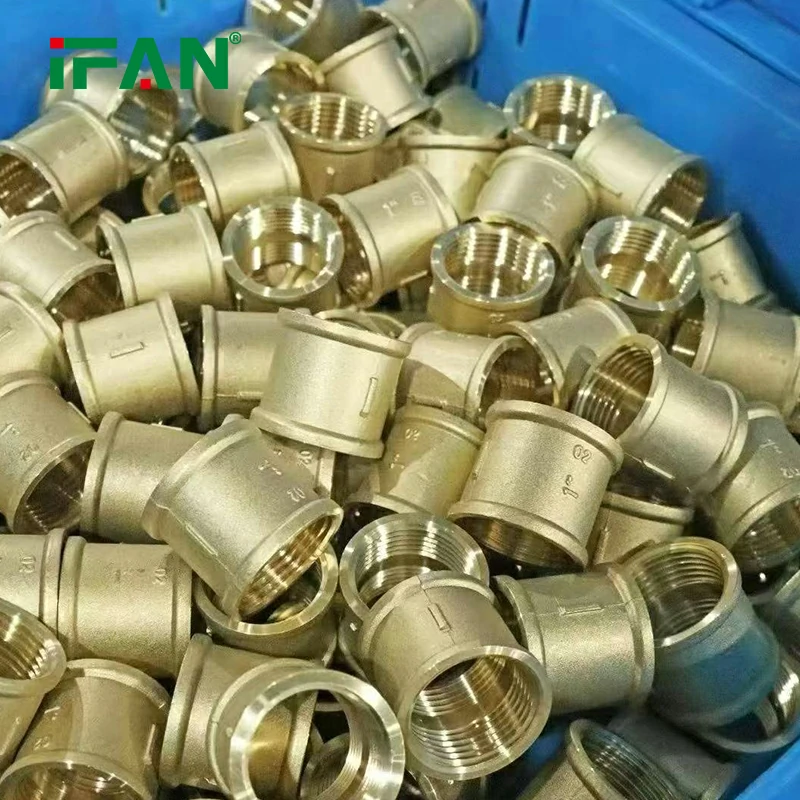
People make brass fittings from copper and zinc alloys. This combination offers excellent durability. Manufacturers often add lead for machinability. Some modern fittings use lead-free brass. These meet strict safety standards. Brass resists corrosion very well. It handles high water pressure. The material suits hot and cold water. Its longevity exceeds plastic alternatives.
Common Types
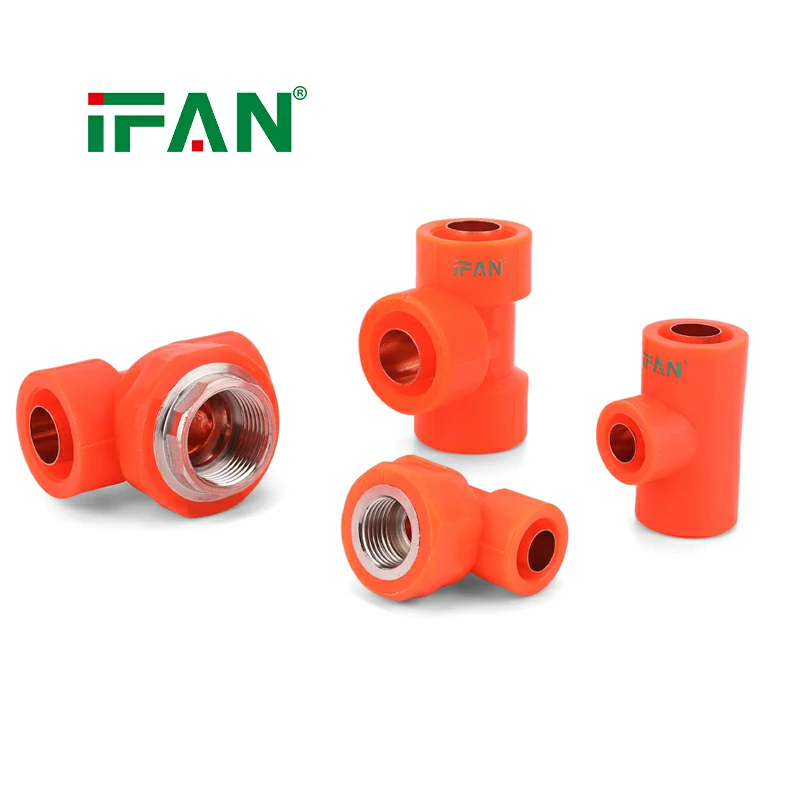
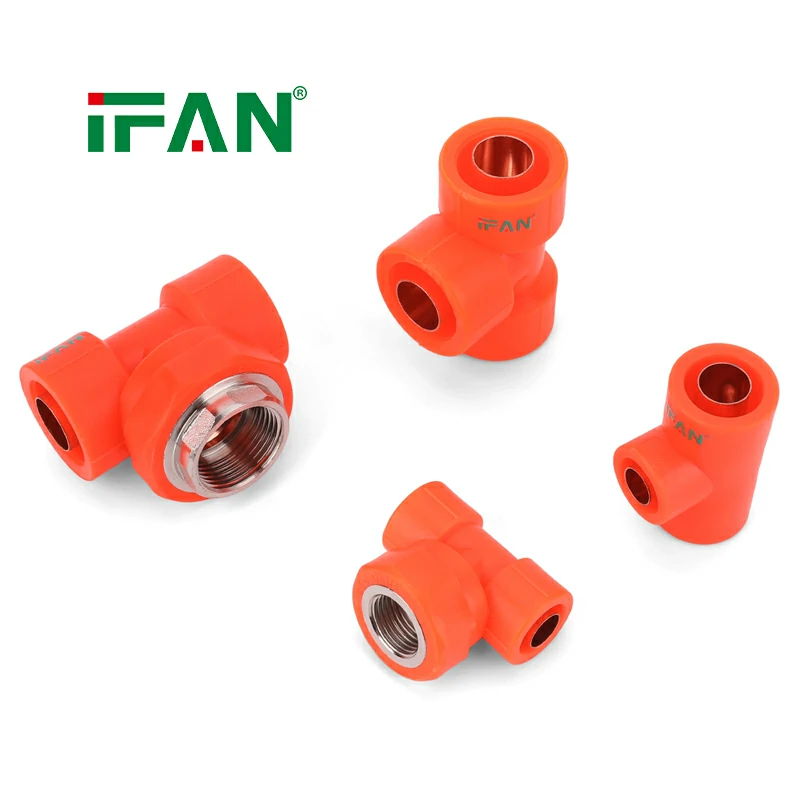
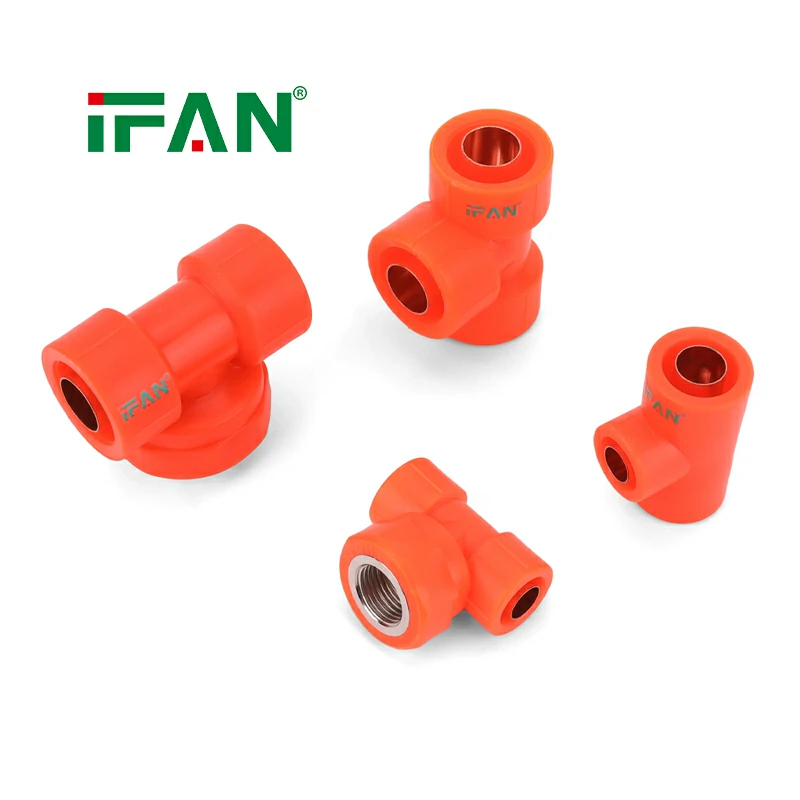
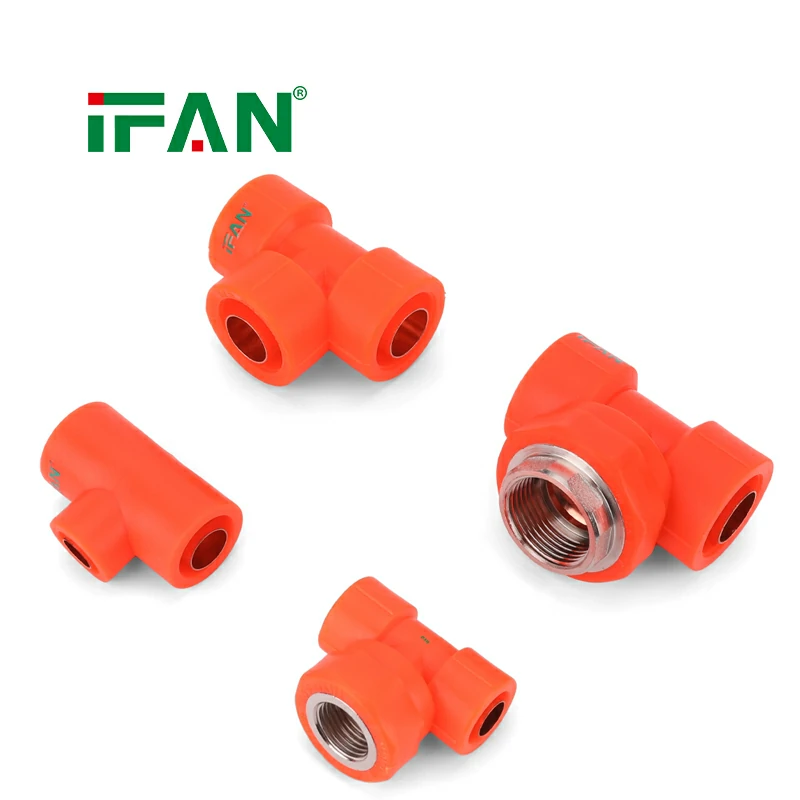
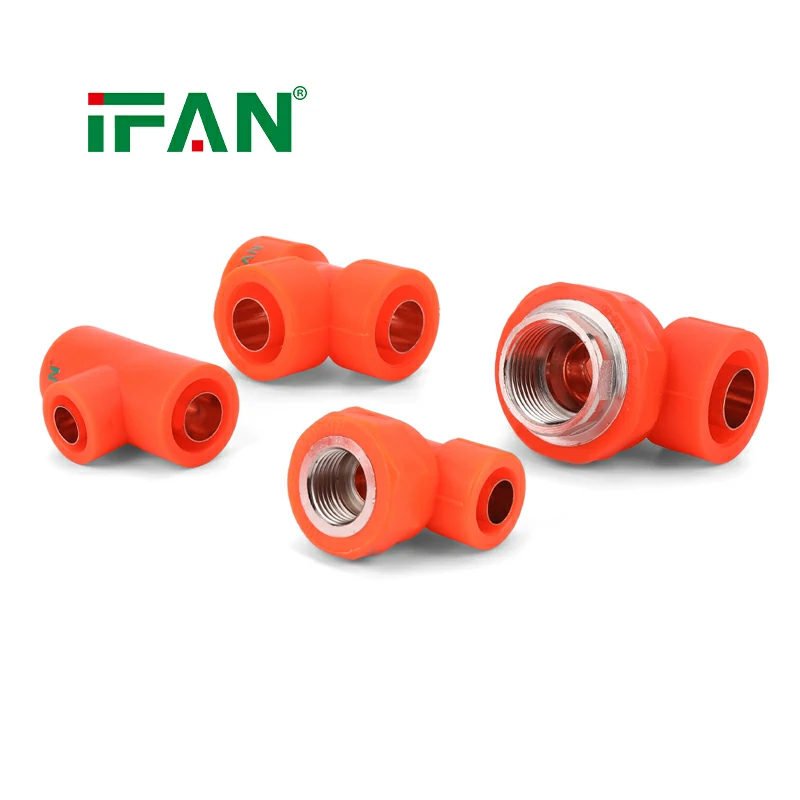
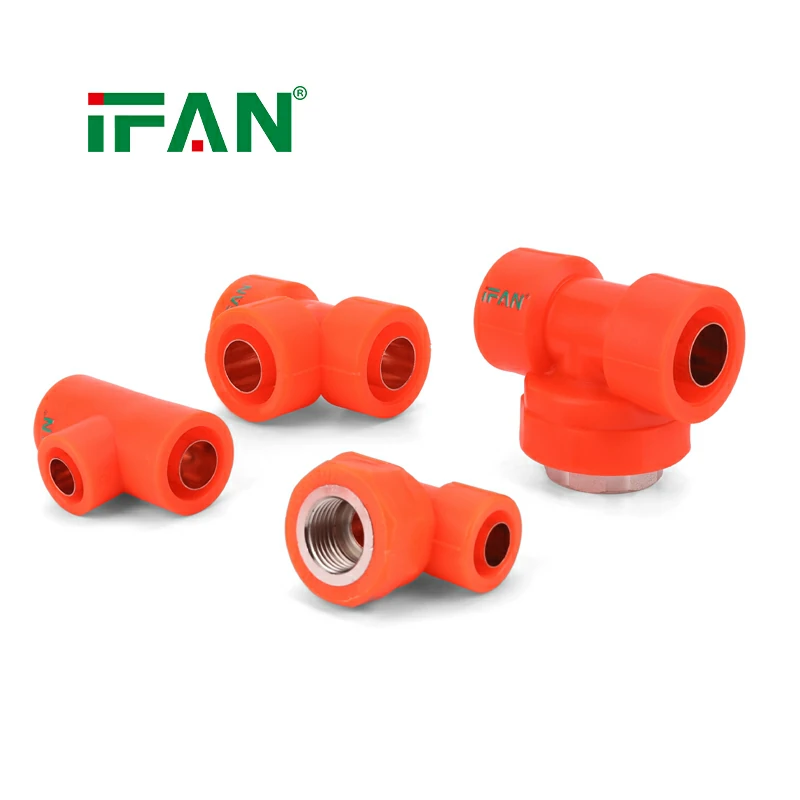
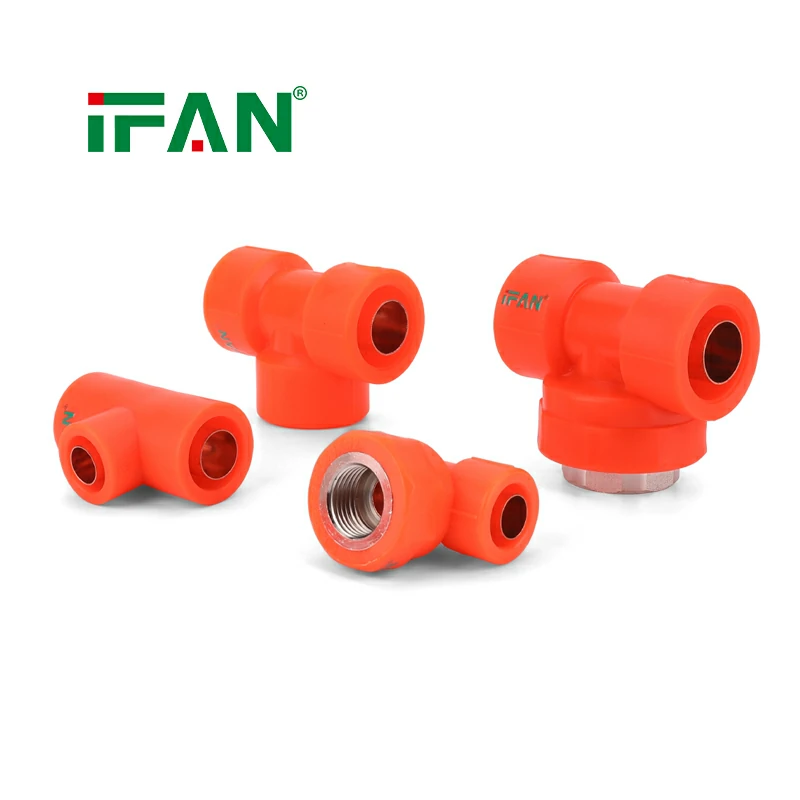
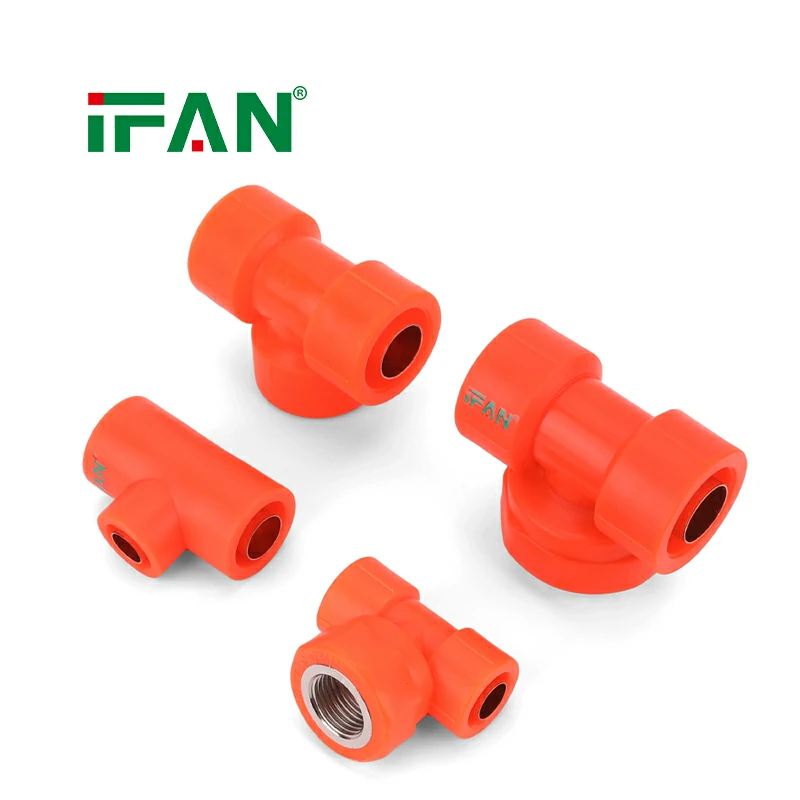
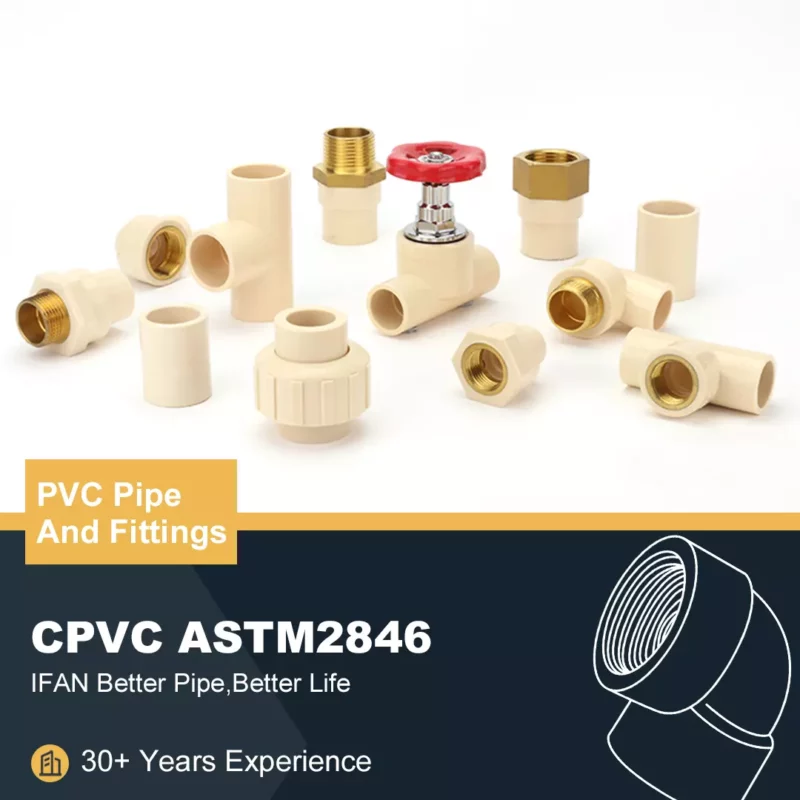
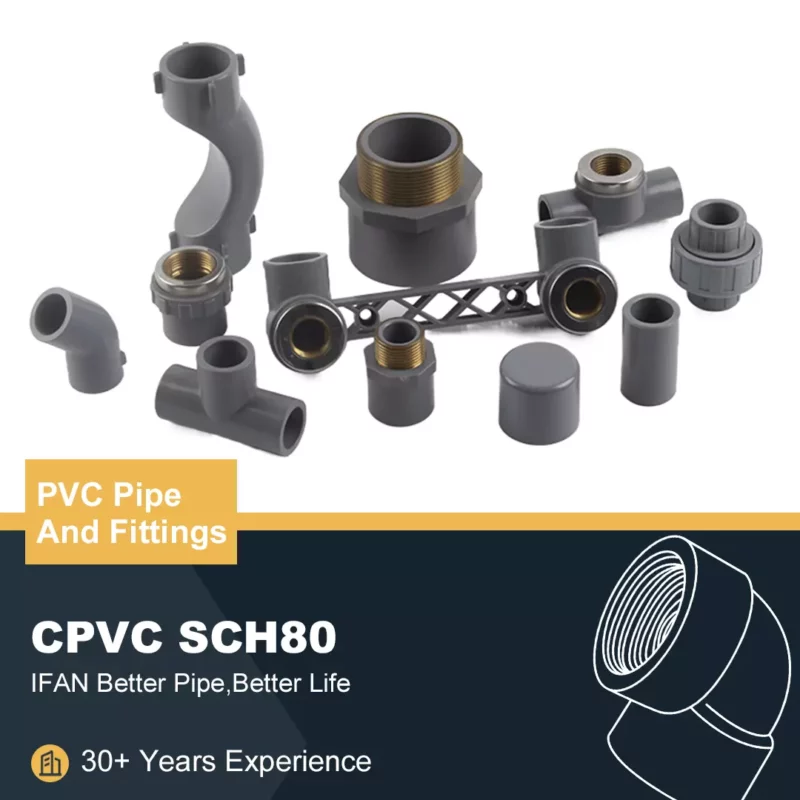
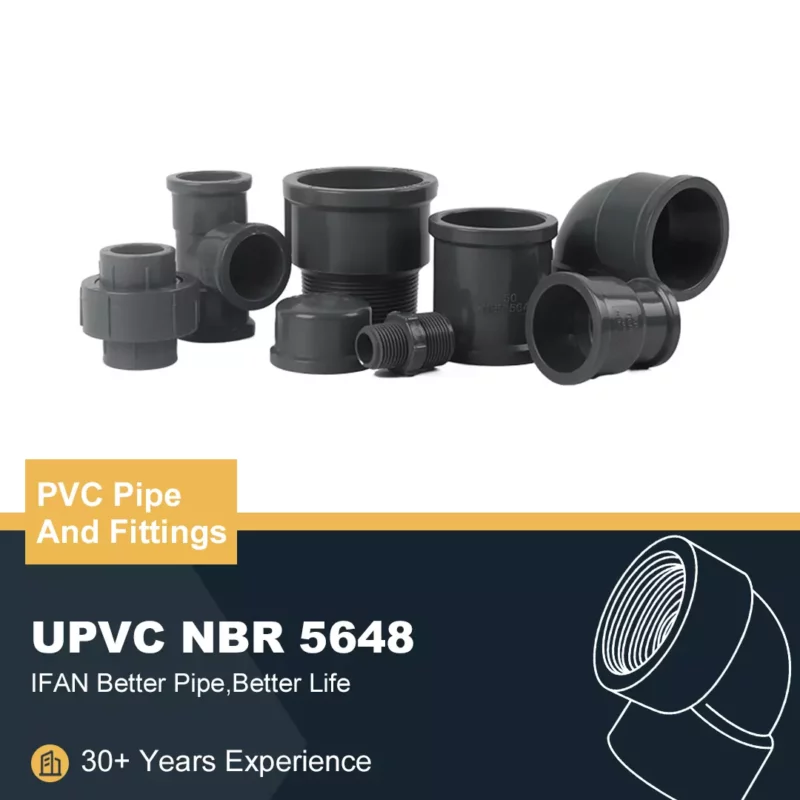
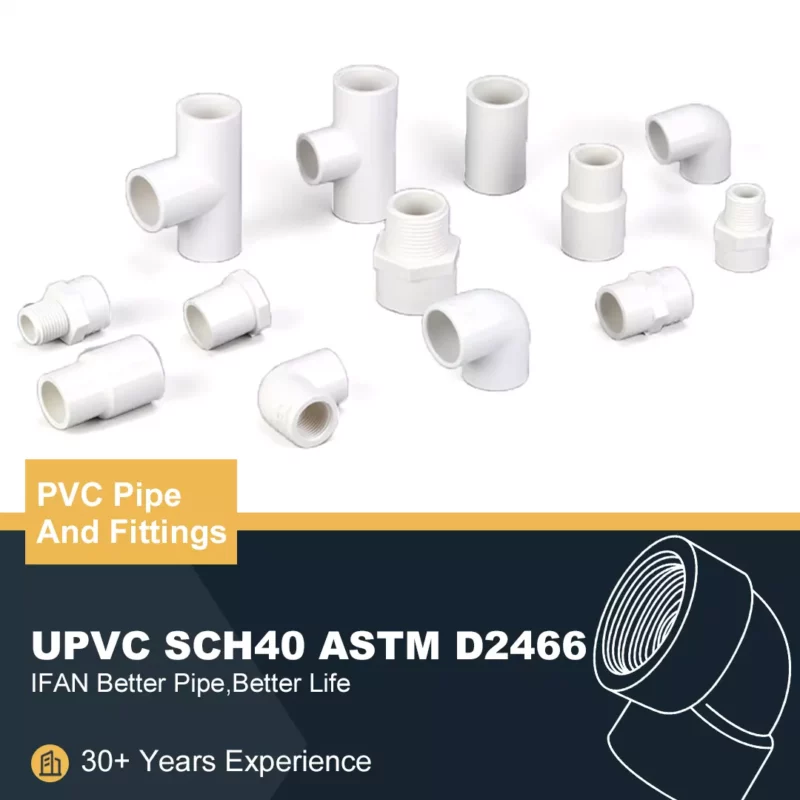
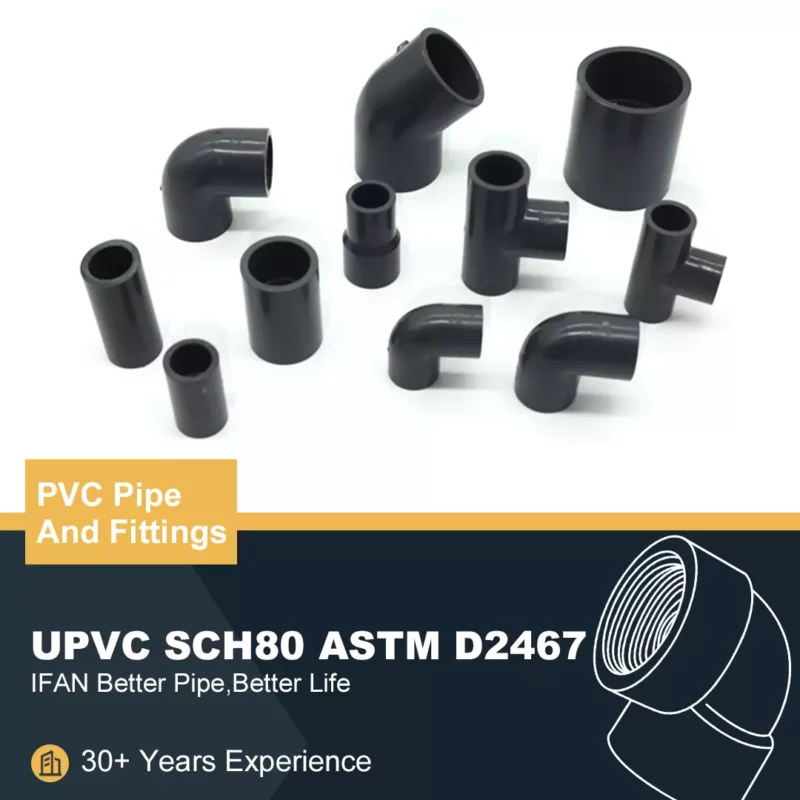
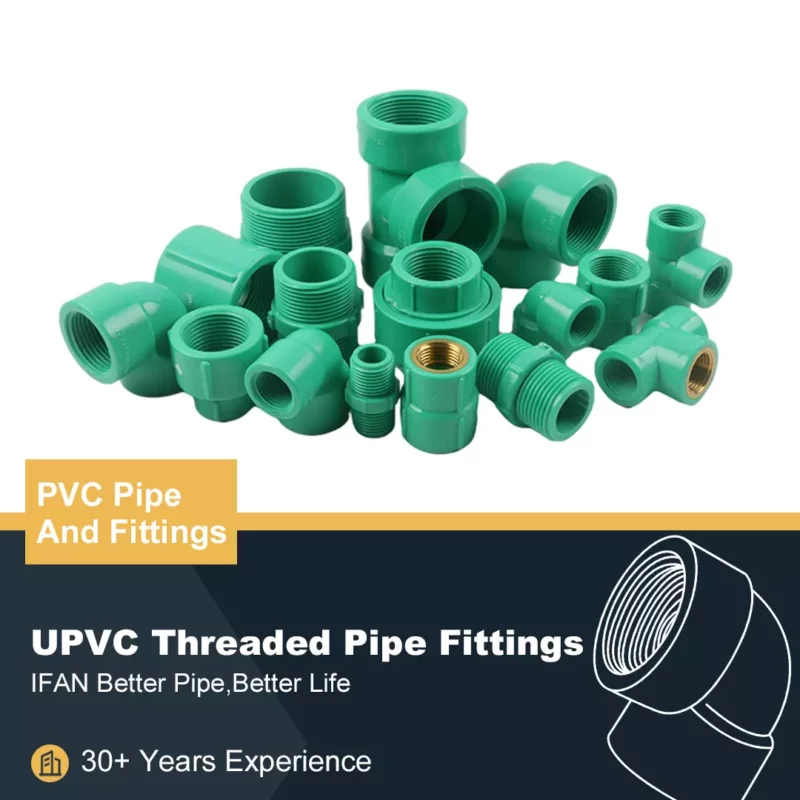
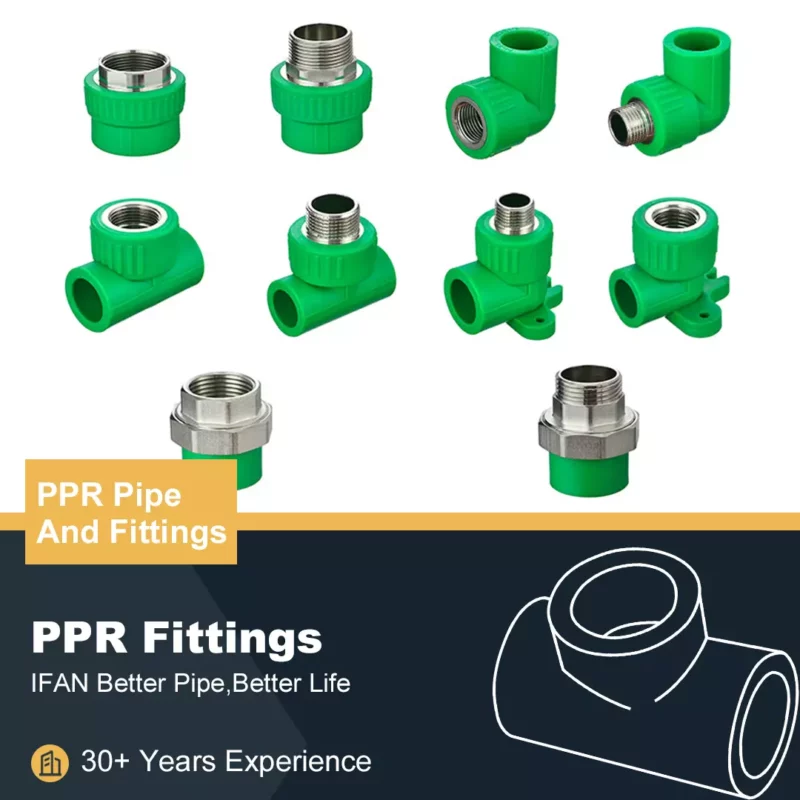
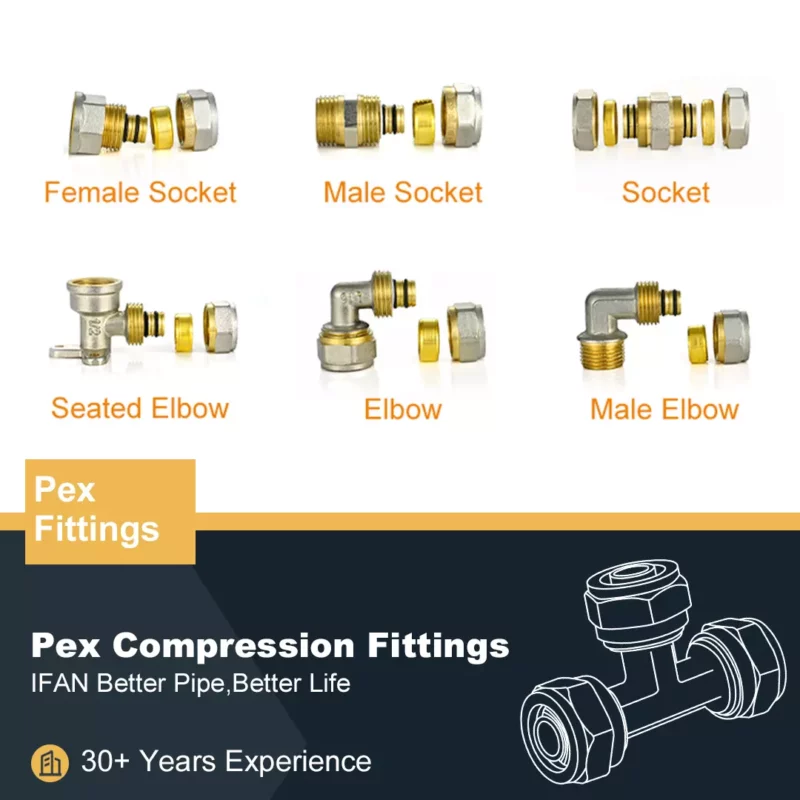
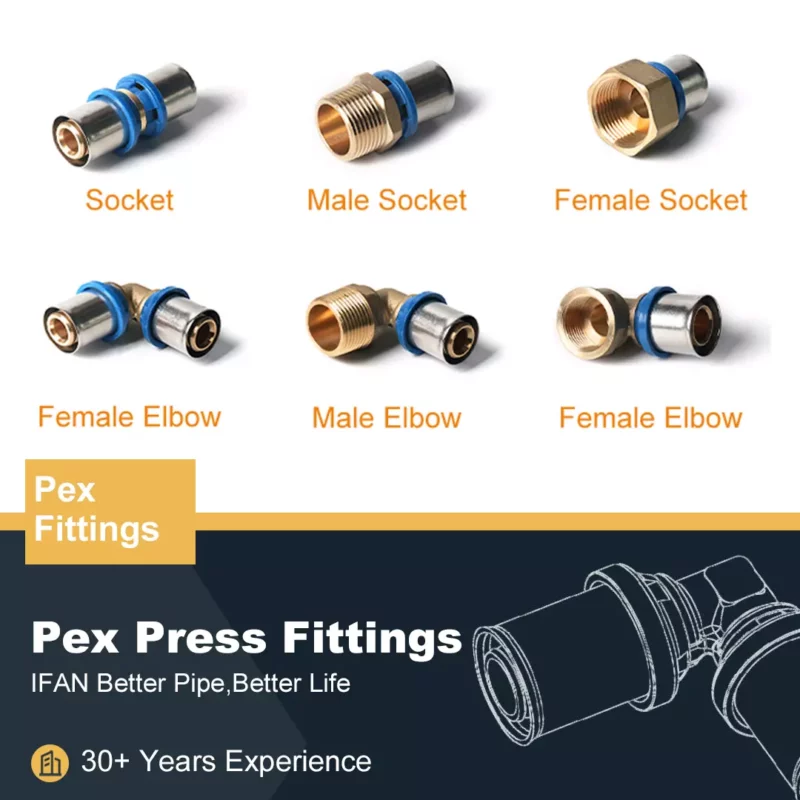
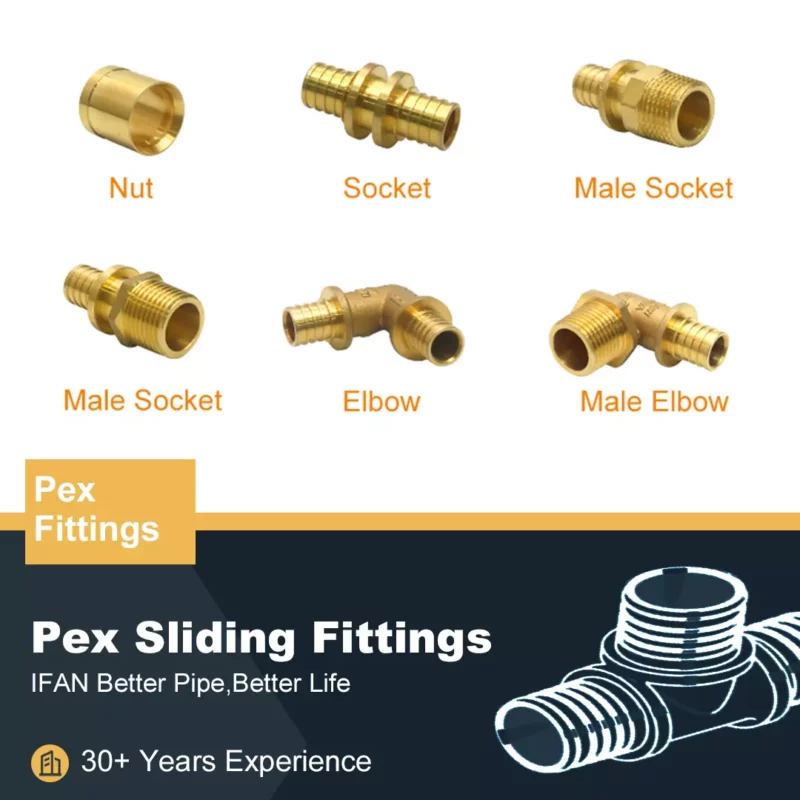
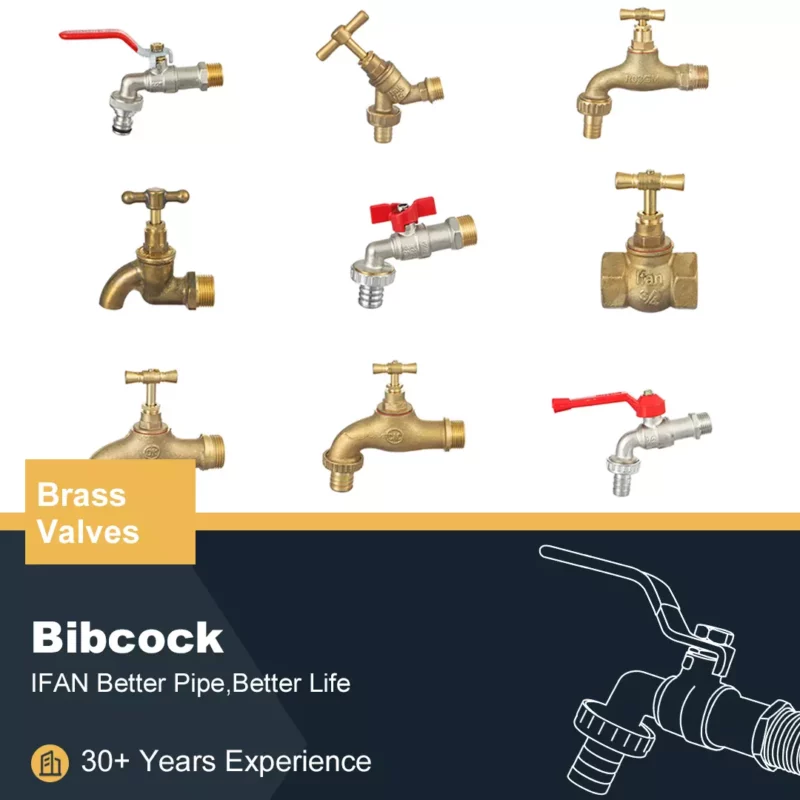
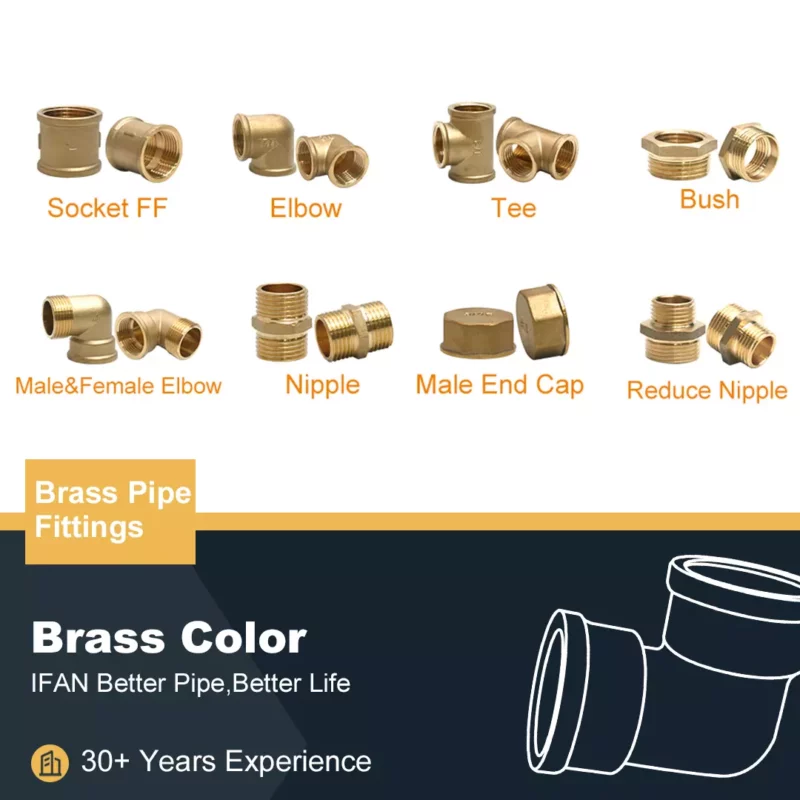
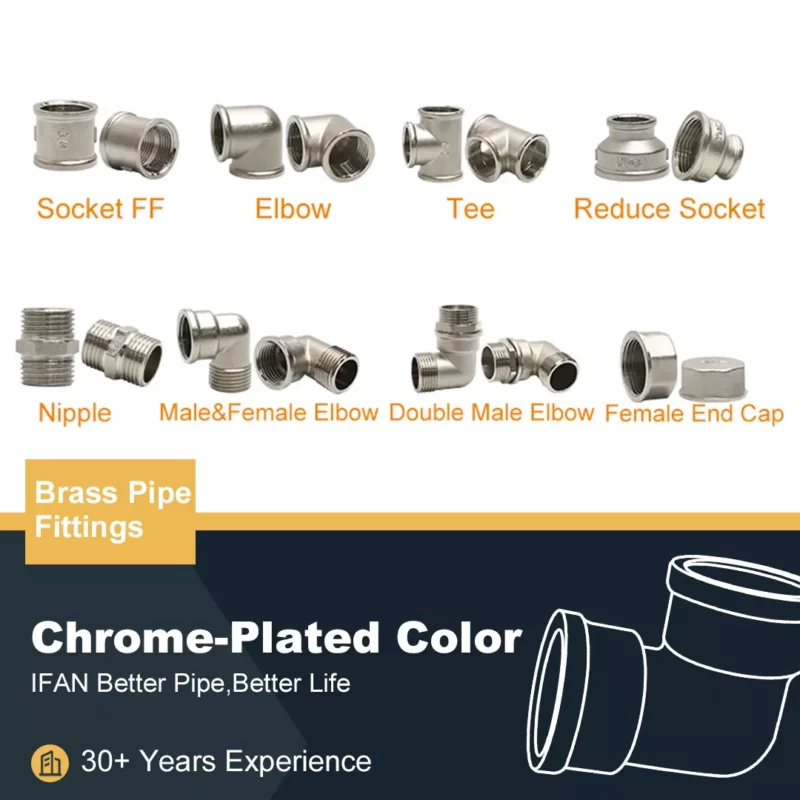
Elbows change direction in piping. Tees split or combine flow. Couplings connect two straight pipes. Adapters join different materials. Nipples provide threaded connections. Unions allow easy disassembly. Plugs seal pipe ends. Caps close fitting openings. Each type serves a specific purpose.
Thread Standards
NPT (National Pipe Taper) threads are common. They create a tight seal. BSP (British Standard Pipe) threads are international. People use thread sealant for NPT. BSP threads often need a washer. Manufacturers mark thread size on fittings. Proper threading prevents leaks.
Pressure Ratings
Brass fittings handle high PSI. Ratings depend on wall thickness. Temperature affects pressure capacity. Cold water allows higher pressure. Manufacturers test each batch. Always check the rating stamp. Never exceed the recommended pressure.
Installation Practices
Clean all threads first. Apply appropriate pipe dope. Use two wrenches for tightening. One wrench holds the pipe. The other turns the fitting. Avoid over-tightening threads. This can cause stress cracks. Hand-tighten before using tools.
Common Applications
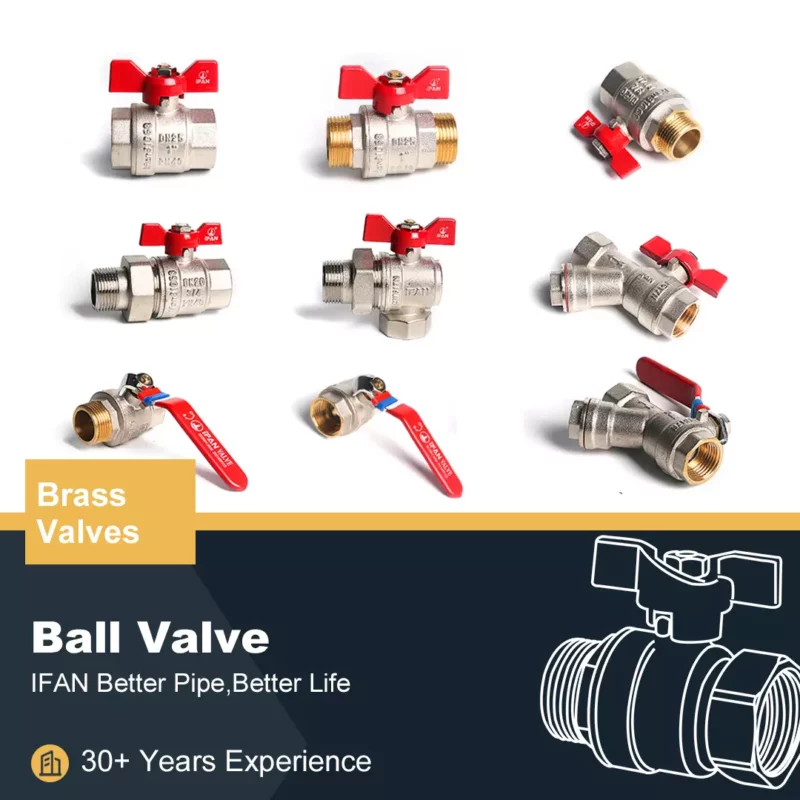
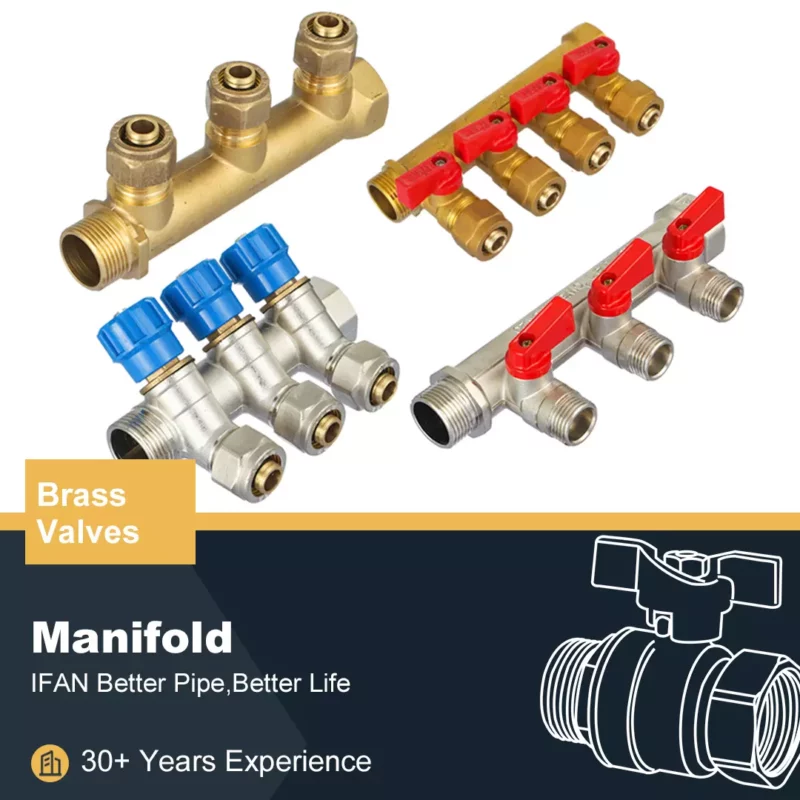
Home plumbing systems use brass. Irrigation systems need brass. Industrial plants rely on brass. People choose brass for gas lines. Hydronic heating uses brass. Compressed air lines need brass. Marine applications require brass.
Size Variations
Fittings come in many sizes. Common sizes are 1/2 inch and 3/4 inch. You find smaller sizes for valves. Larger sizes connect main lines. Measure pipe OD for size. Thread pitch must match exactly.
Finish Options
Natural brass has a shiny yellow look. Chrome plating adds protection. Nickel plating offers a silver finish. Some fittings have epoxy coating. The finish prevents tarnishing. Choose based on appearance and need.
Quality Marks
Look for NSF certification on fittings. ASTM standards ensure quality. UPC approval is for plumbing. CSA mark is for Canada. These marks guarantee safety. Always check for markings.
Temperature Tolerance
Brass handles very hot water. It withstands boiling temperatures. Cold water does not harm brass. Extreme cold may make it brittle. Brass works in most climates. It performs well in freezing conditions.
Maintenance Needs
Brass fittings need little care. Check for leaks sometimes. Clean with mild soap occasionally. Avoid harsh chemical cleaners. They can damage the finish. Inspect threads for wear.
Advantages Over Plastic
Brass is stronger than plastic. It resists UV degradation. Brass tolerates higher heat. It has better fire resistance. Threads are more durable. Brass fittings last longer.
Cost Considerations
Brass costs more than plastic. Prices vary by size and type. Complex shapes cost more. Plating increases the price. But brass offers better value. Its longevity justifies the cost.
Conclusion
Brass fittings provide reliable service. Their durability ensures long life. Proper installation prevents problems. They suit various applications. Always choose quality products. Brass remains a top choice.
If you have read this article and have any questions, please feel free to contact IFAN. Below is our contact information:
Whatsapp:+86 13373827623
Email:[email protected]