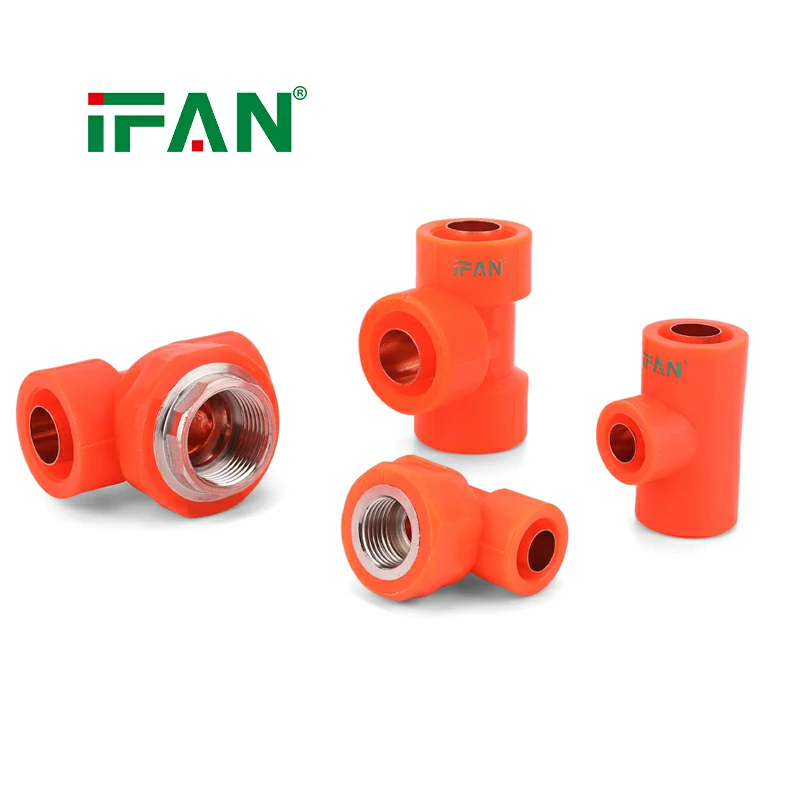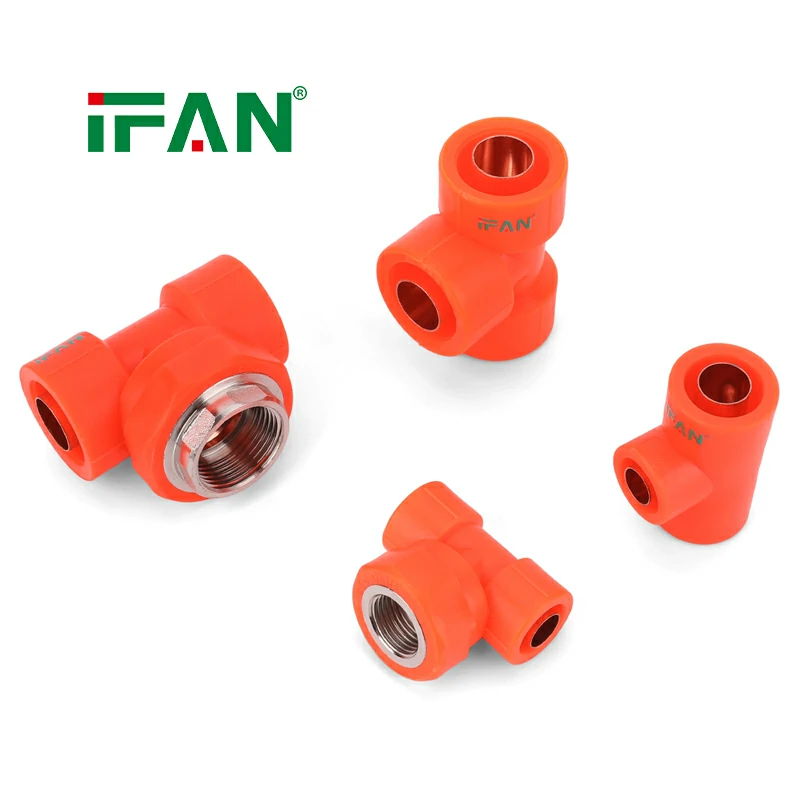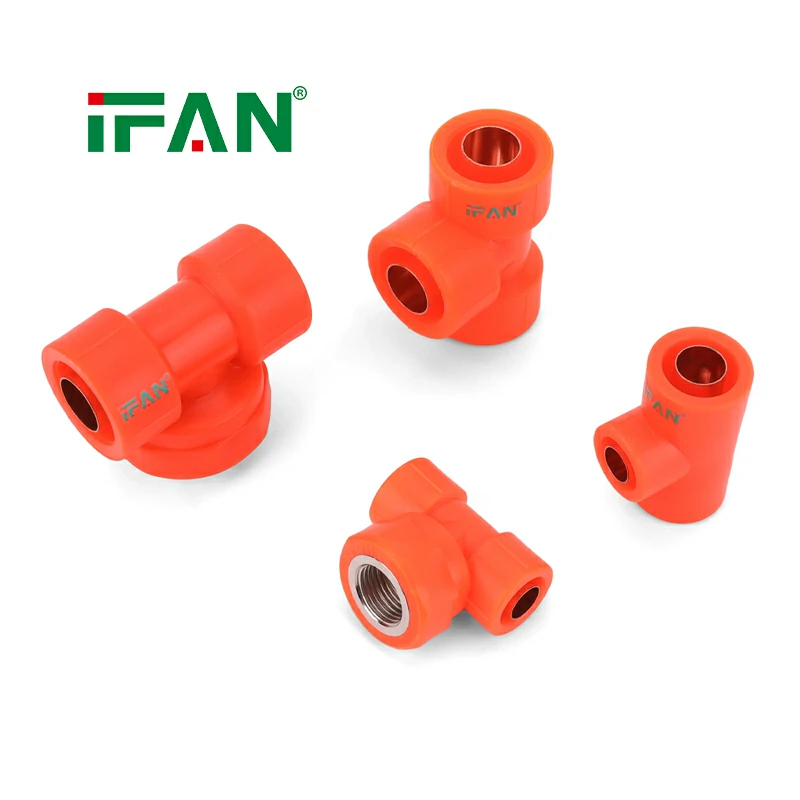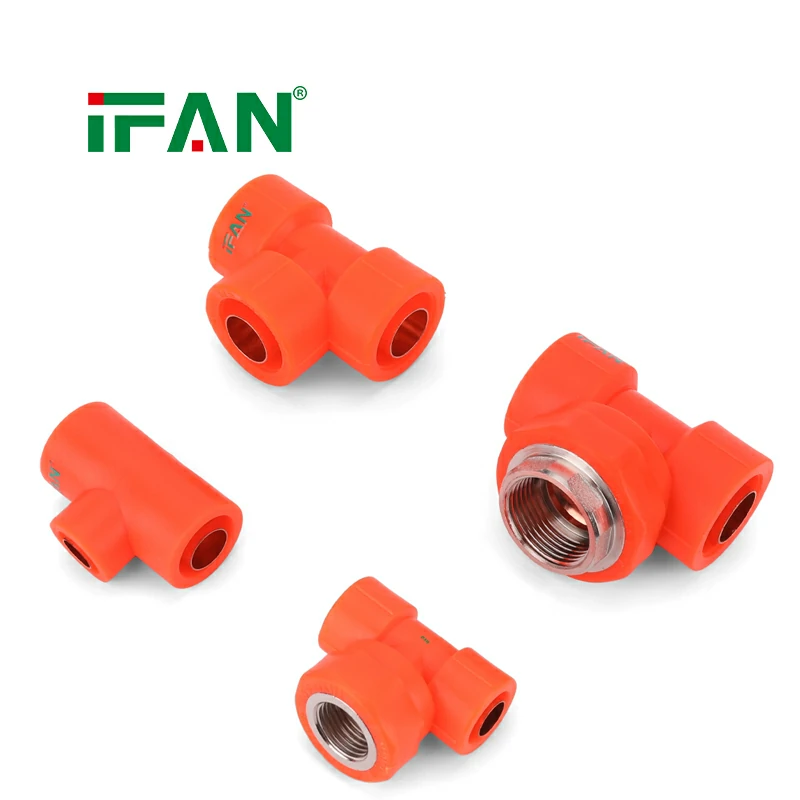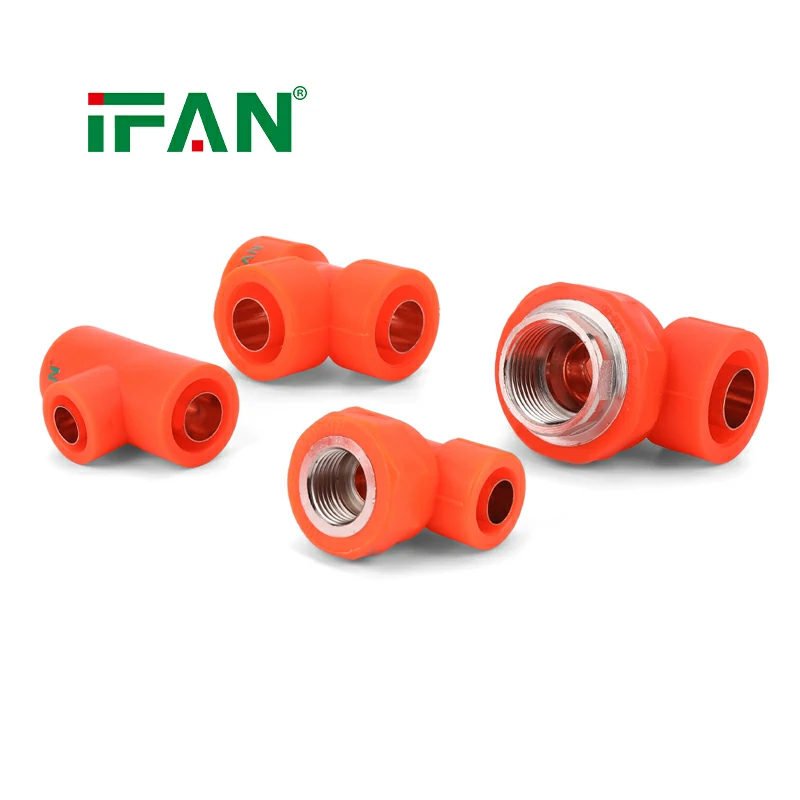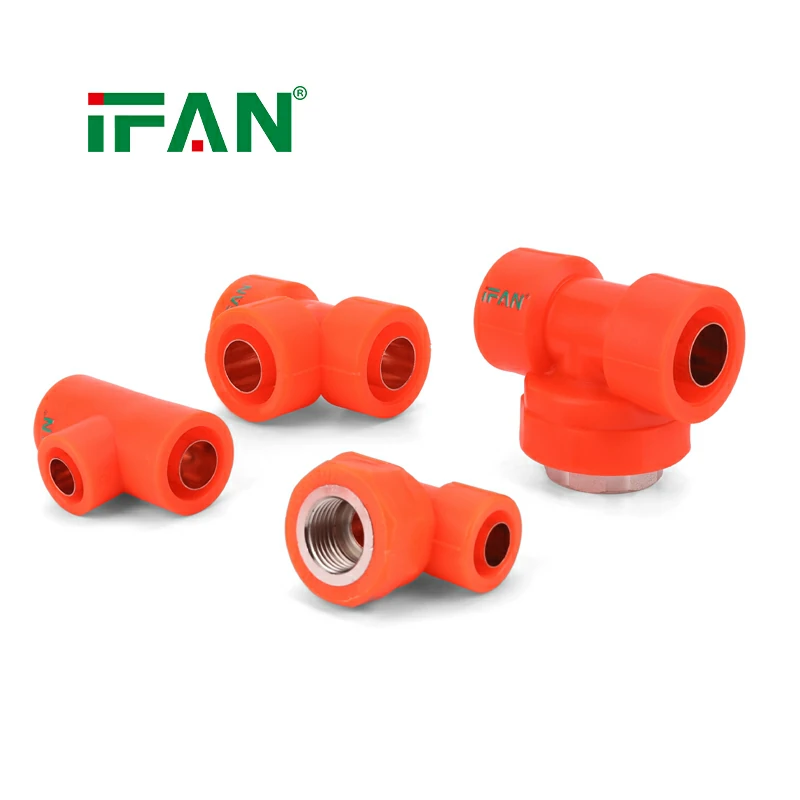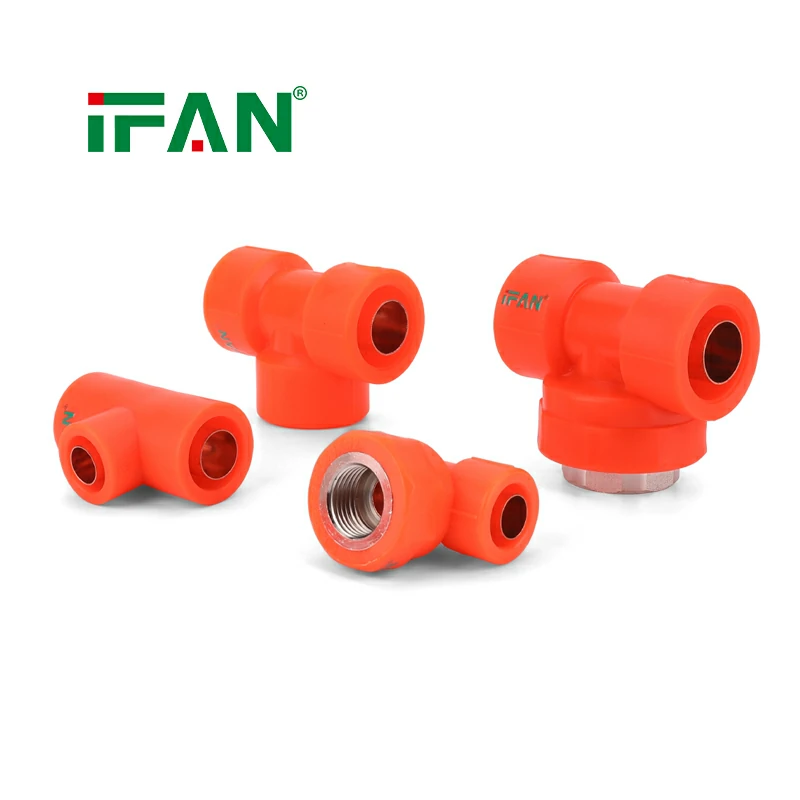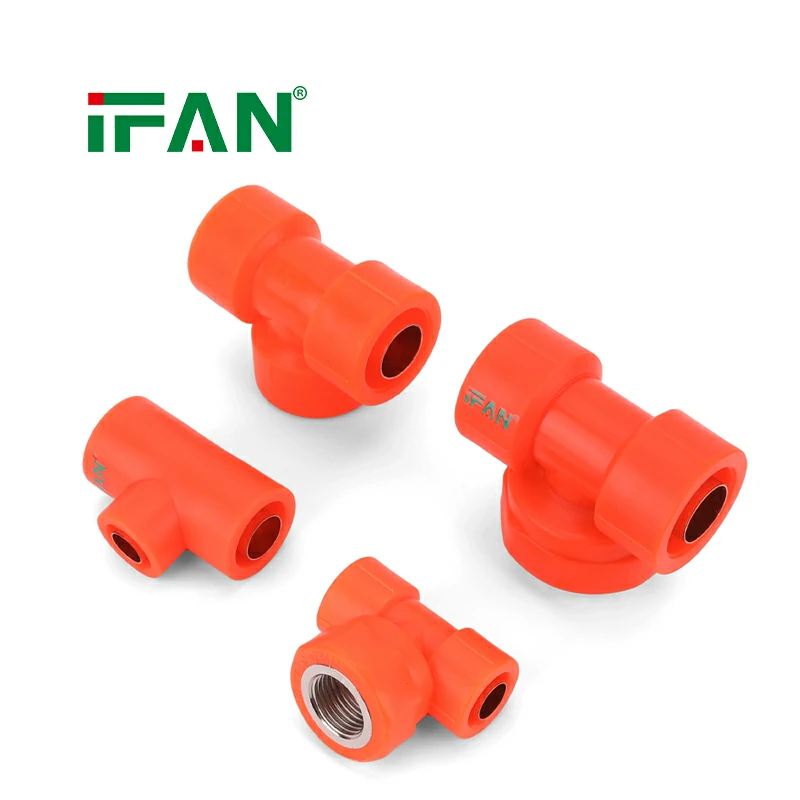


Introduction to PPR Pipes
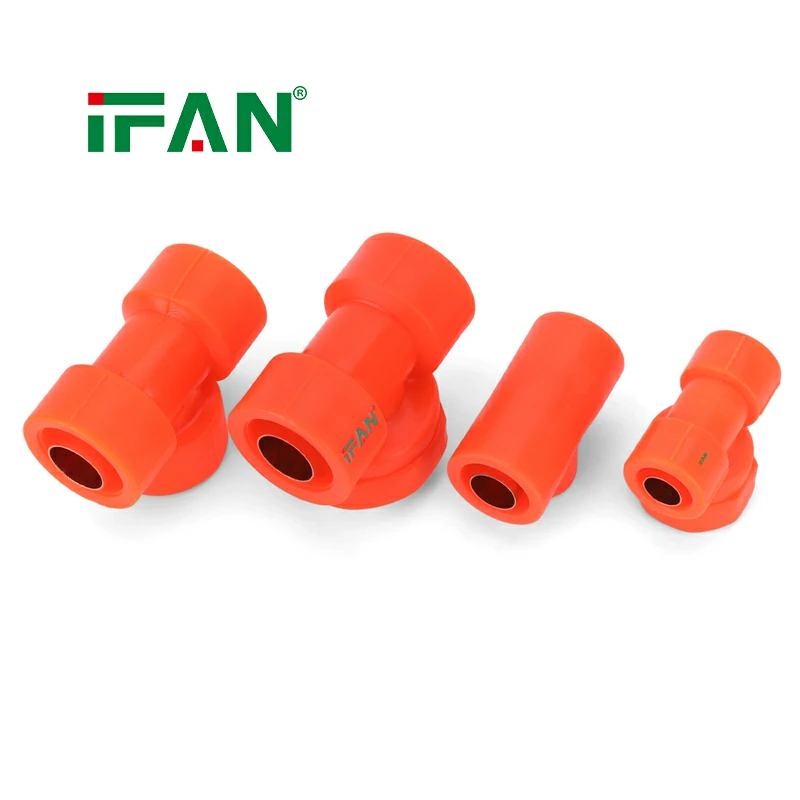
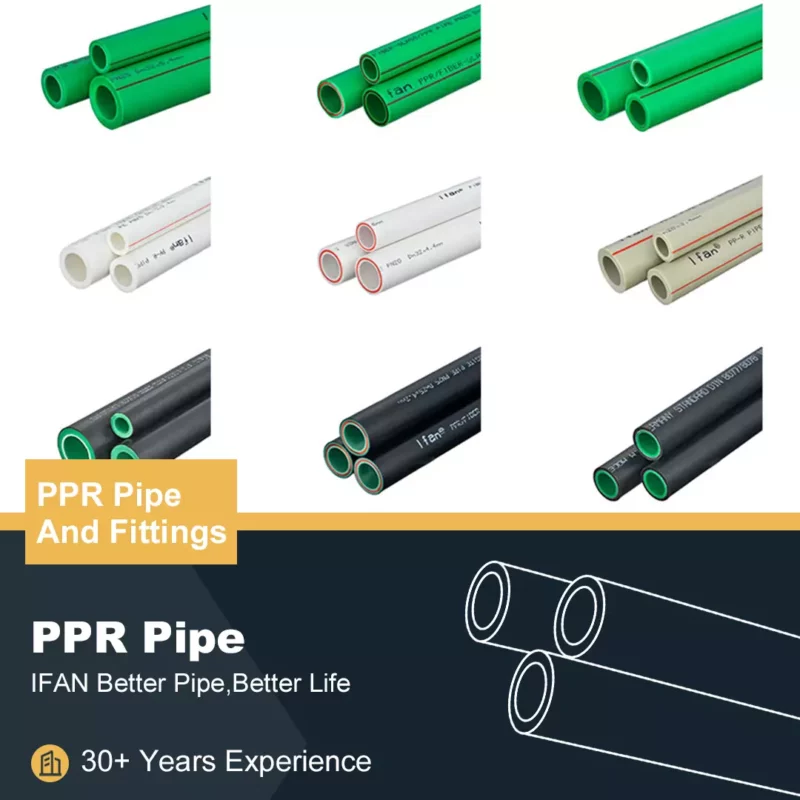
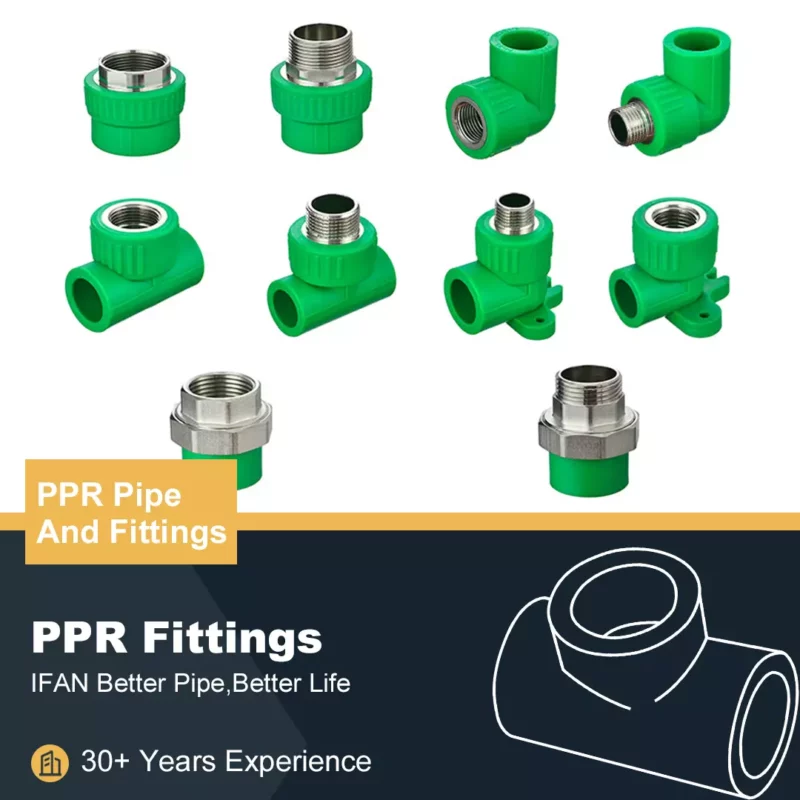
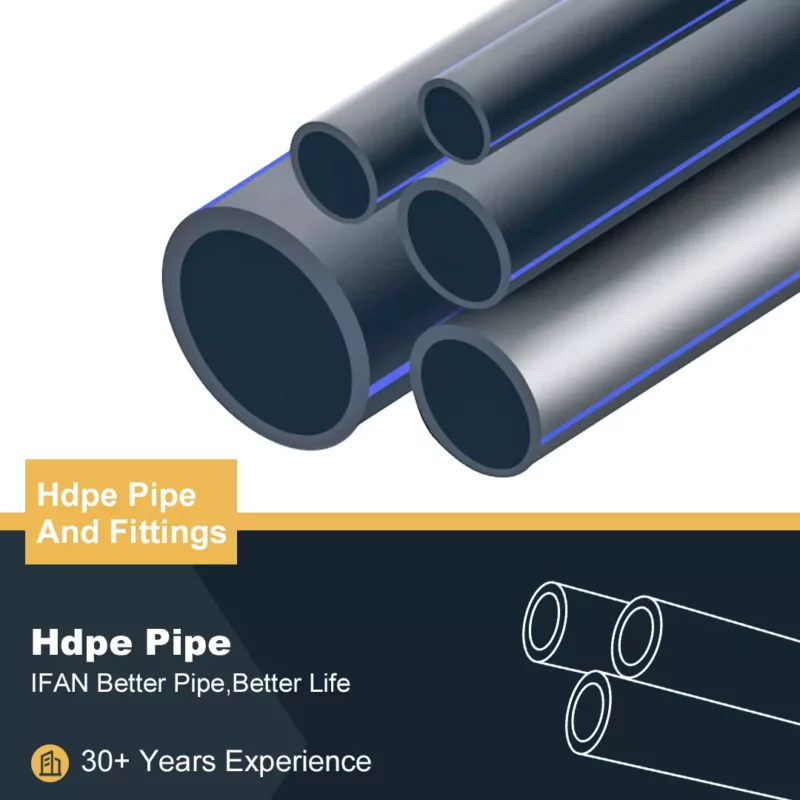
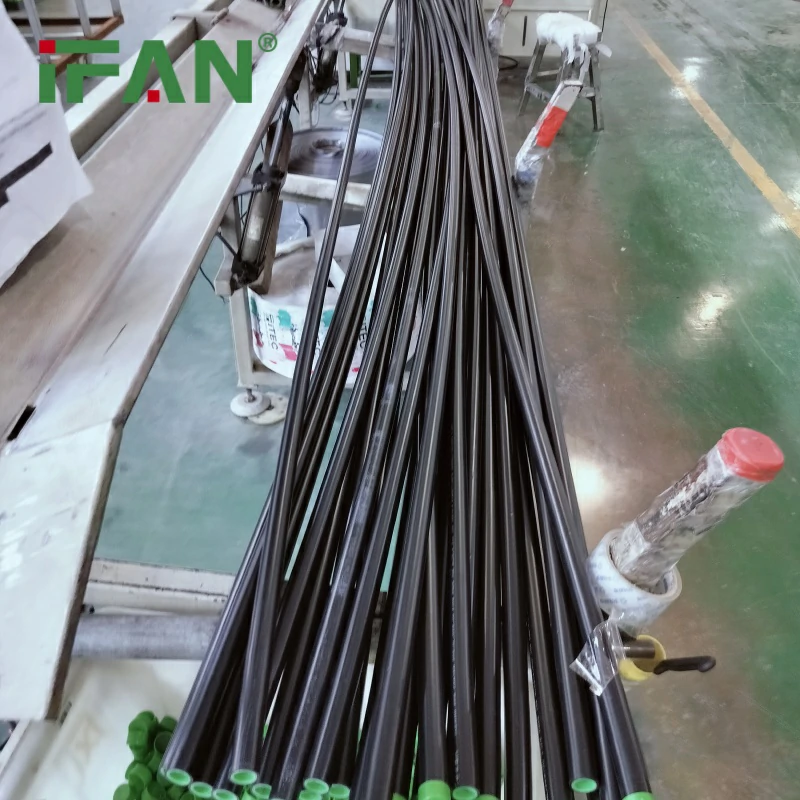
PPR pipes are widely used for plumbing and water supply systems. PPR stands for Polypropylene Random Copolymer. This material is known for its strength and chemical resistance. PPR pipes are designed for hot and cold water distribution. They have a smooth inner surface, reducing friction losses. These pipes are lightweight and easy to install. They are ideal for both residential and commercial plumbing systems. PPR pipes are long-lasting and require minimal maintenance. Their thermal and pressure resistance make them highly reliable. These qualities make PPR an excellent choice for drinking water systems.
Safety and Non-Toxic Material
PPR pipes are made from non-toxic and food-grade materials. They do not release harmful substances into the water. This ensures the water remains safe for human consumption. PPR is free from heavy metals and harmful chemicals. It does not react with minerals or impurities in water. This makes it ideal for maintaining water purity. The material is certified safe for use in potable water systems. It meets international health and safety standards. PPR pipes do not affect the taste or color of water. Their chemical stability supports hygienic water delivery at all times.
Corrosion and Scale Resistance
PPR pipes are highly resistant to corrosion. They do not rust like metal pipes. This extends the lifespan of the plumbing system. PPR also resists scaling and buildup inside the pipe. This helps maintain consistent water flow over time. Scale deposits can block pipes and reduce water pressure. PPR avoids such problems due to its smooth surface. No additional treatments or coatings are needed. This results in cleaner water and better long-term performance. Corrosion-free pipes reduce maintenance costs and risks. They provide a stable and safe water delivery system for many years.
Thermal and Pressure Resistance
PPR pipes can withstand high temperatures and pressure levels. They are suitable for both hot and cold water applications. The material remains stable under continuous heating conditions. It can handle water temperatures up to 95°C. PPR also performs well in high-pressure systems. This makes it suitable for multi-storey buildings and industrial use. The pipe joints are heat-fused, forming strong connections. These joints eliminate the risk of leakage. Thermal expansion is well-managed due to the material’s properties. PPR maintains its structure and function even in fluctuating conditions.
Longevity and Durability
One of the biggest advantages of PPR pipes is their long service life. They can last for over Long-term durability according to standards under normal use. This reduces the need for frequent replacements. PPR is resistant to wear, fatigue, and environmental stress. It handles pressure cycles and temperature changes without damage. The material does not crack or degrade easily. This ensures consistent performance over decades. Long-lasting pipes also lower installation and repair costs. With proper installation, PPR systems remain reliable for generations. Their durability makes them a cost-effective choice for drinking water infrastructure.
Smooth Inner Surface and Flow Efficiency
PPR pipes have a very smooth internal surface. This reduces friction and prevents sediment buildup. Water flows through the pipe with minimal resistance. There is no internal corrosion to disrupt the flow. This leads to stable water pressure across the system. PPR ensures clean and efficient water delivery. The smooth surface also minimizes bacterial growth. It reduces the chance of biofilm formation inside the pipe. This contributes to healthier drinking water. Efficient flow also means energy savings in pumping systems. PPR supports both hygiene and system performance.
Easy Installation and Jointing
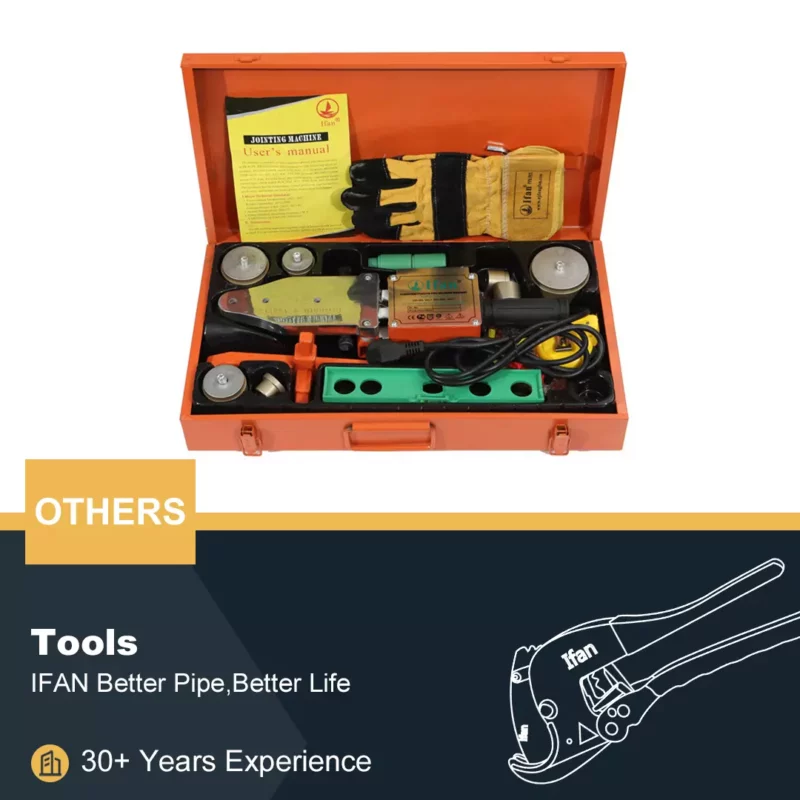
PPR pipes are easy to handle and install. They are lightweight and can be cut without heavy tools. The most common joining method is heat fusion. This creates strong, leak-proof joints without chemicals. The fusion process forms a single homogeneous piece. It eliminates weak points and enhances durability. Installers appreciate the simplicity of the PPR system. Fewer fittings are required due to pipe flexibility. This speeds up installation and reduces labor costs. Maintenance is also easier due to the secure joints. PPR systems offer reliability with minimal technical complexity.
Environmentally Friendly and Recyclable
PPR is a recyclable material, making it eco-friendly. It has a low environmental impact during production. No toxic adhesives or sealants are used in its installation. This reduces chemical exposure to workers and users. PPR systems produce minimal waste during installation. The pipes can be recycled at the end of their lifespan. This supports sustainable water infrastructure development. Additionally, PPR’s long service life reduces material use over time. It also reduces carbon footprint due to fewer replacements. Choosing PPR supports both safe water and environmental responsibility.
Applications in Modern Infrastructure
PPR pipes are used in residential, commercial, and industrial buildings. They are installed in kitchens, bathrooms, and utility areas. Hospitals and schools prefer PPR for its hygiene standards. Hotels and apartment complexes use PPR for reliability. Public water systems also use PPR for drinking water supply. These pipes are suitable for underground and exposed installations. They resist moisture, heat, and UV radiation. This flexibility allows use in diverse environmental conditions. PPR meets the demands of modern plumbing systems. It is trusted by engineers and contractors worldwide.
Conclusion
PPR pipes are an ideal solution for drinking water systems. They are safe, durable, and easy to install. Their resistance to corrosion, chemicals, and pressure ensures reliability. PPR delivers clean and healthy water without contamination. It offers excellent long-term value through minimal maintenance. The smooth inner surface supports flow efficiency and hygiene. PPR is also environmentally friendly and recyclable. Its wide range of applications proves its effectiveness. For modern and sustainable plumbing, PPR is a top choice. It continues to improve drinking water systems around the world.
If you have read this article and have any questions, please feel free to contact IFAN. Below is our contact information:
Whatsapp:+86 13373827623
Email:[email protected]