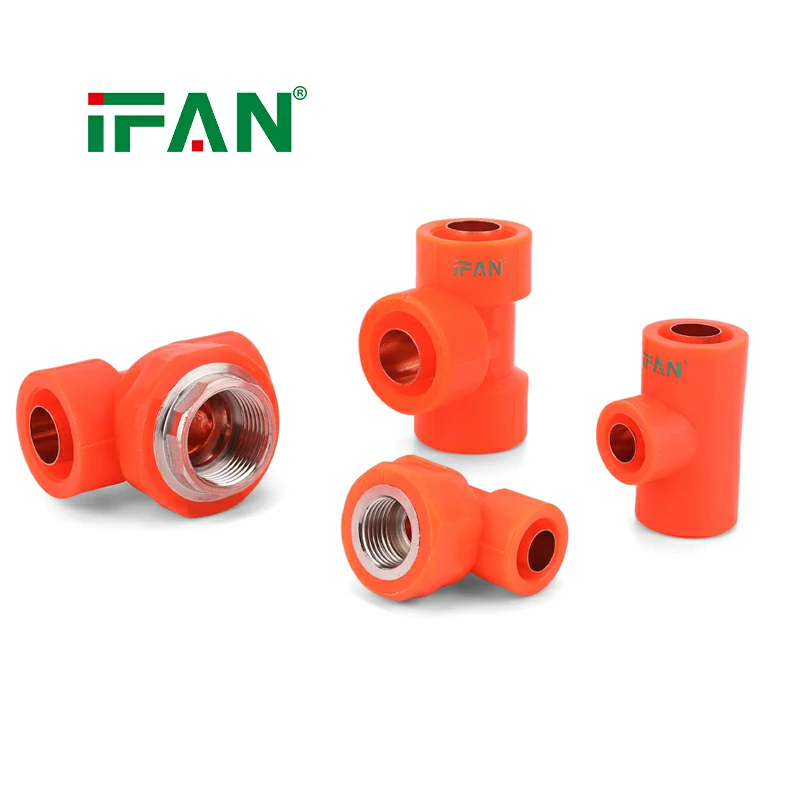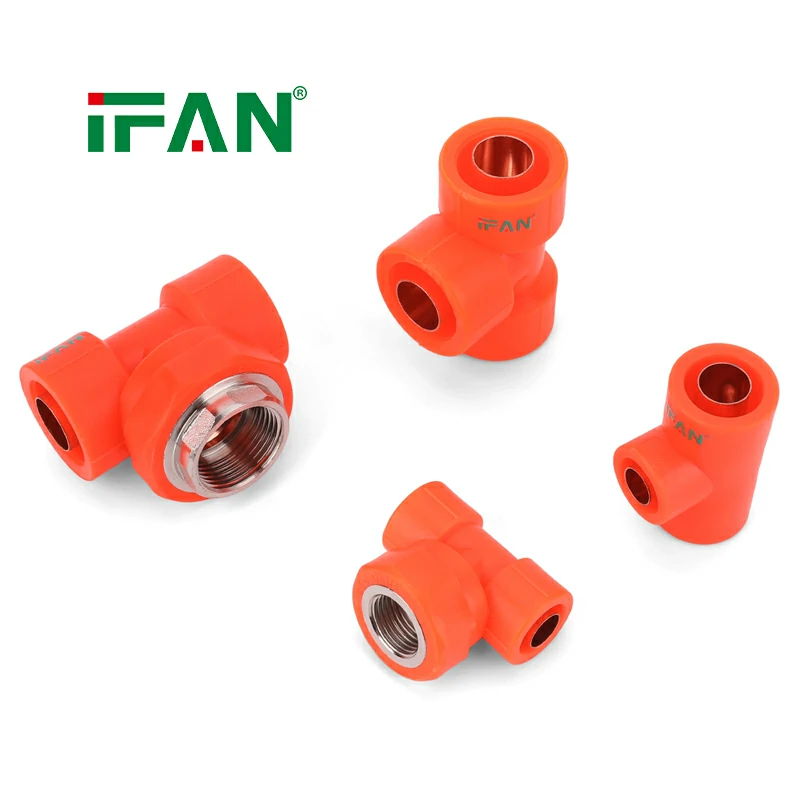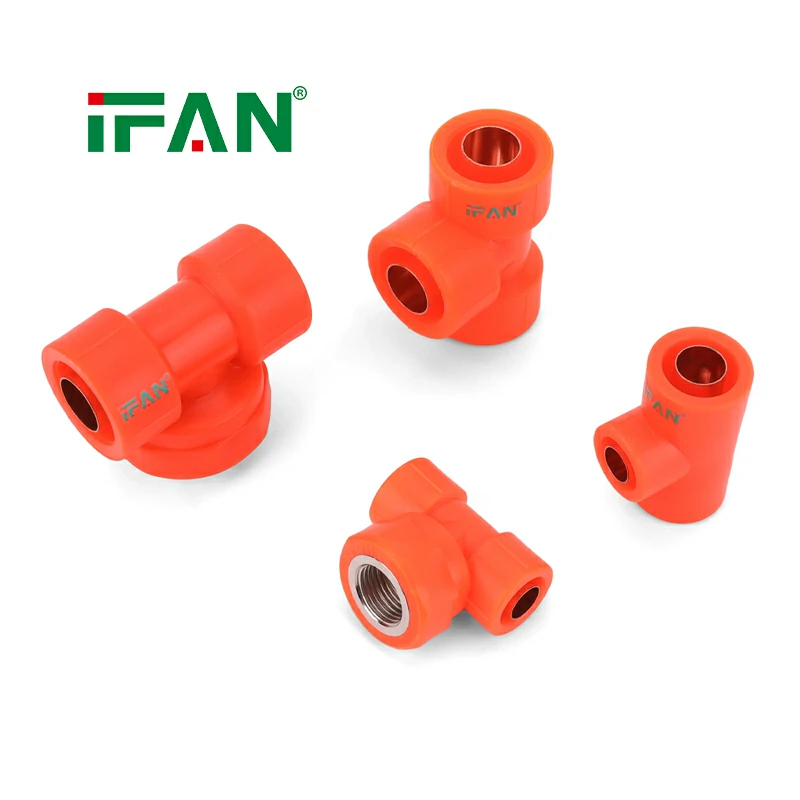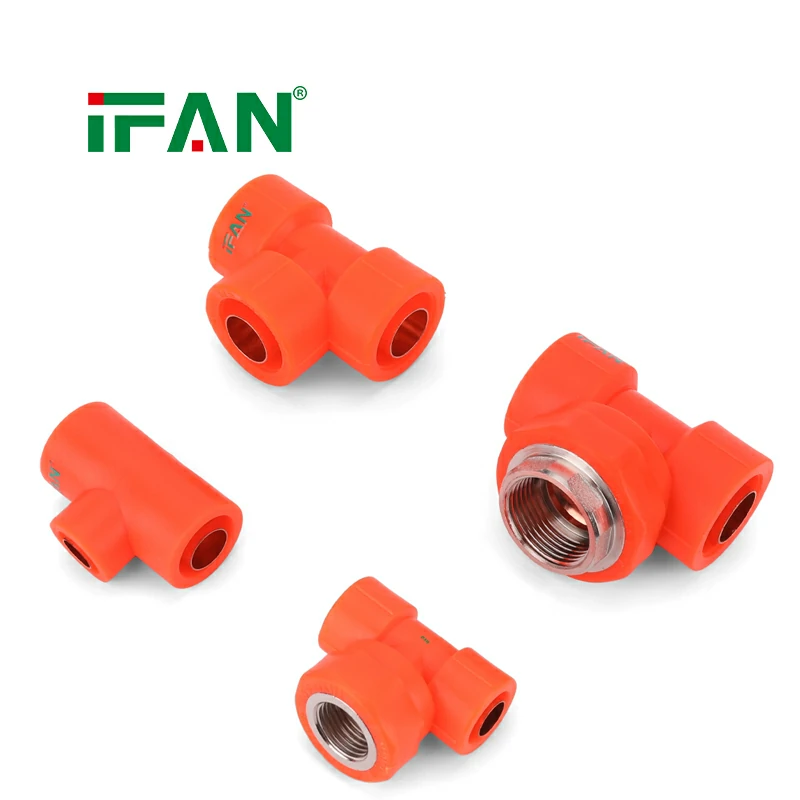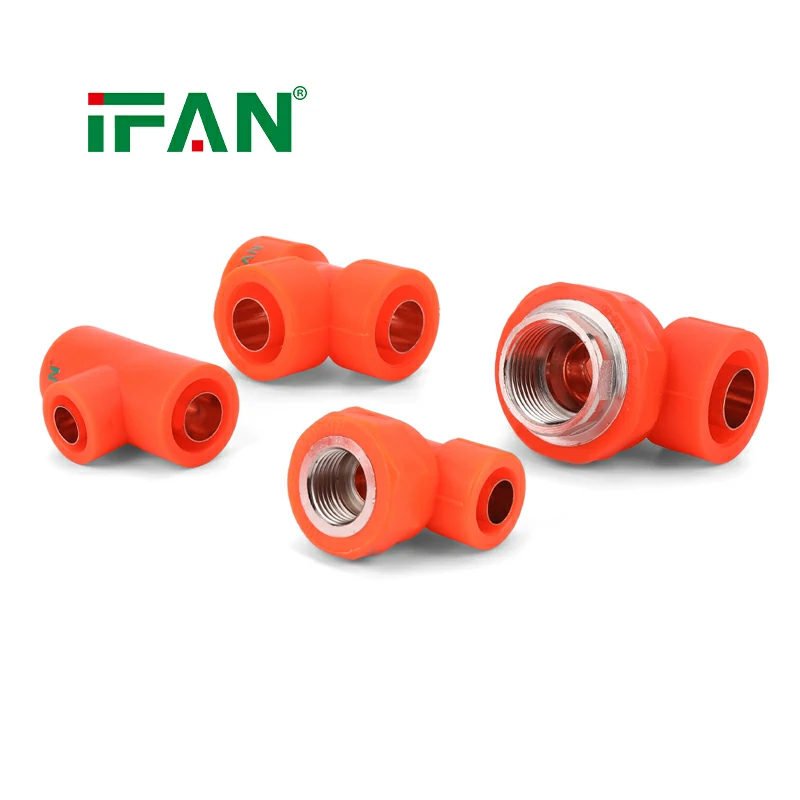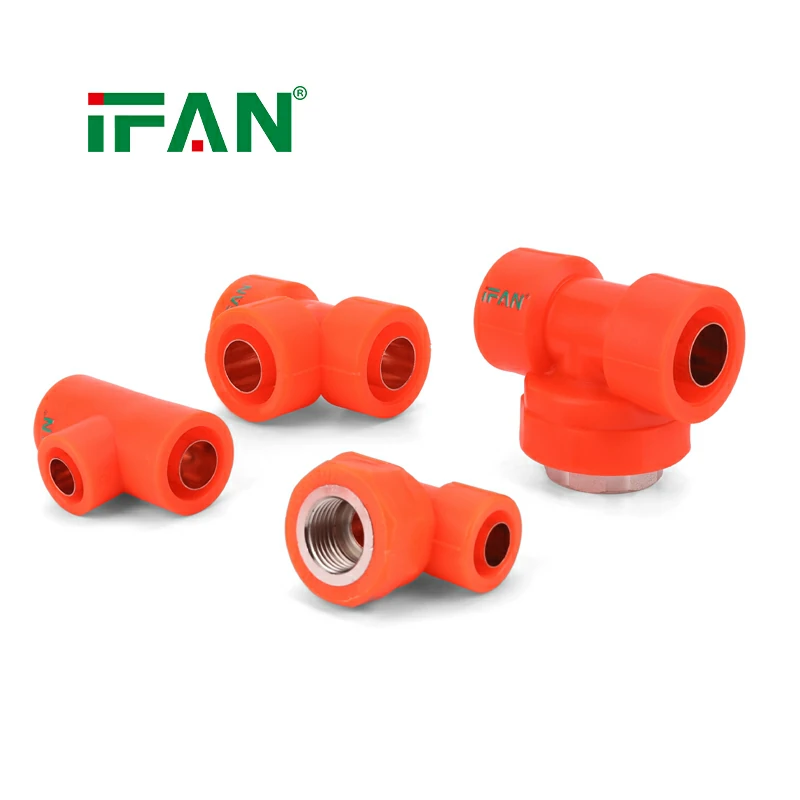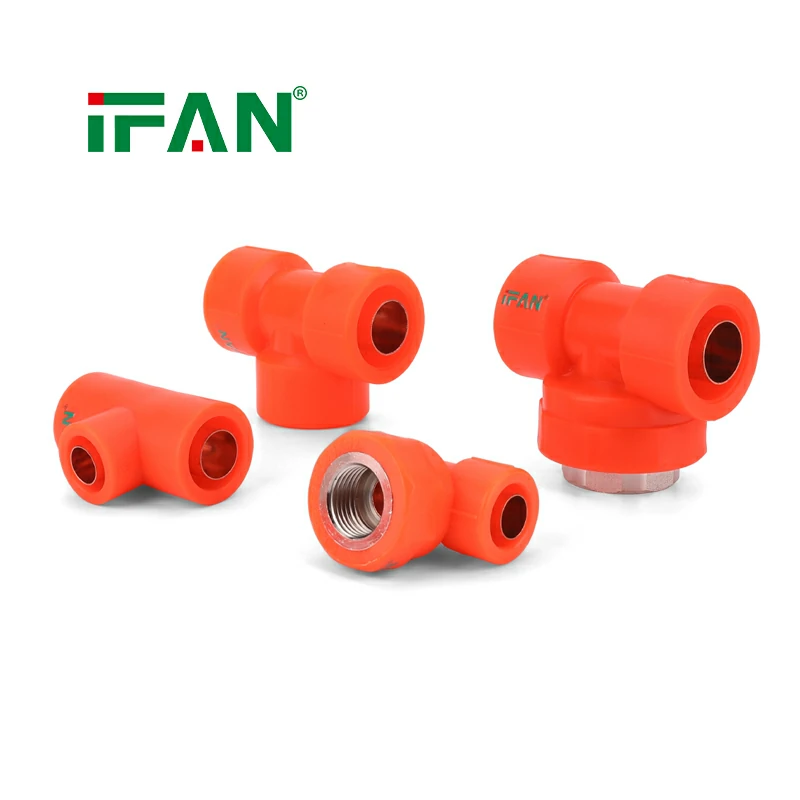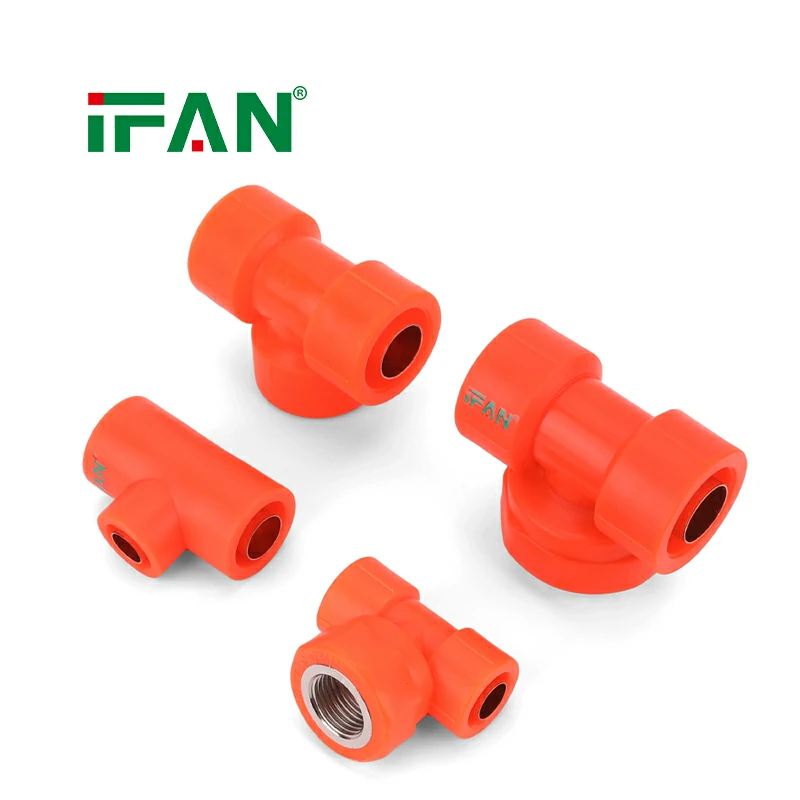

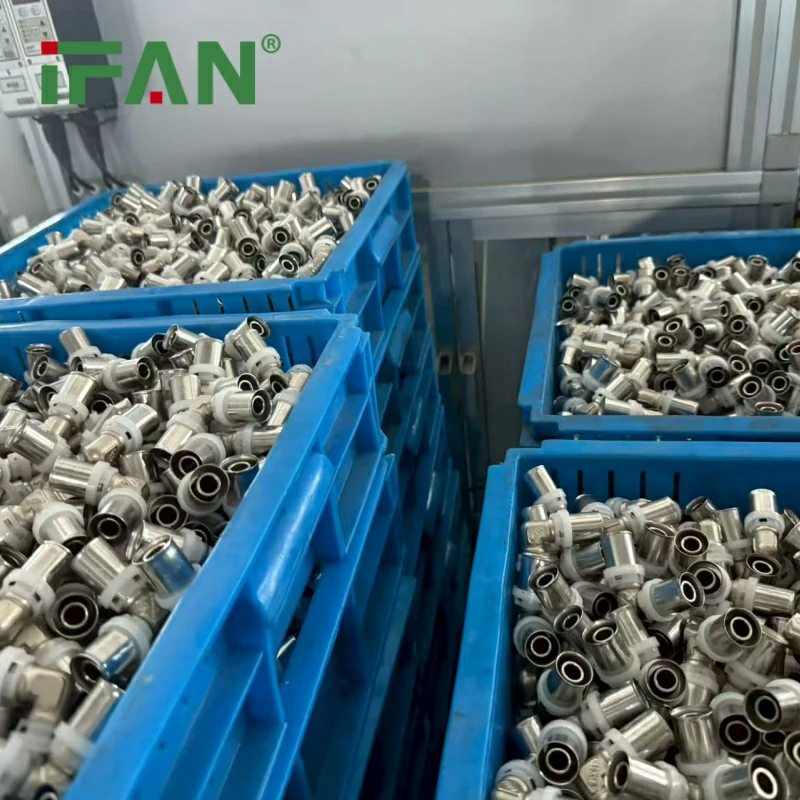
Introduction to PEX Press Fittings
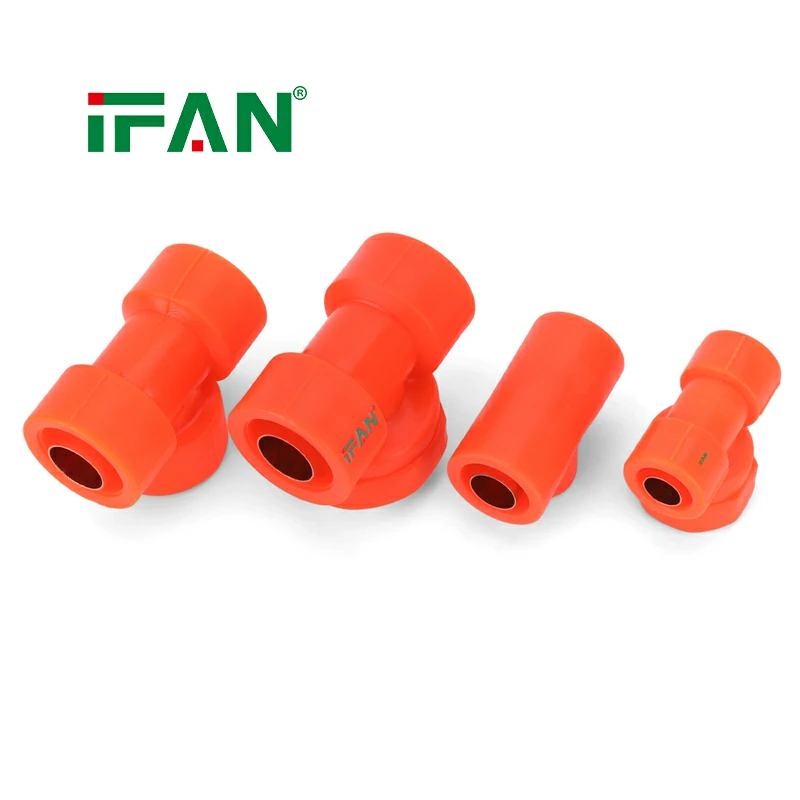
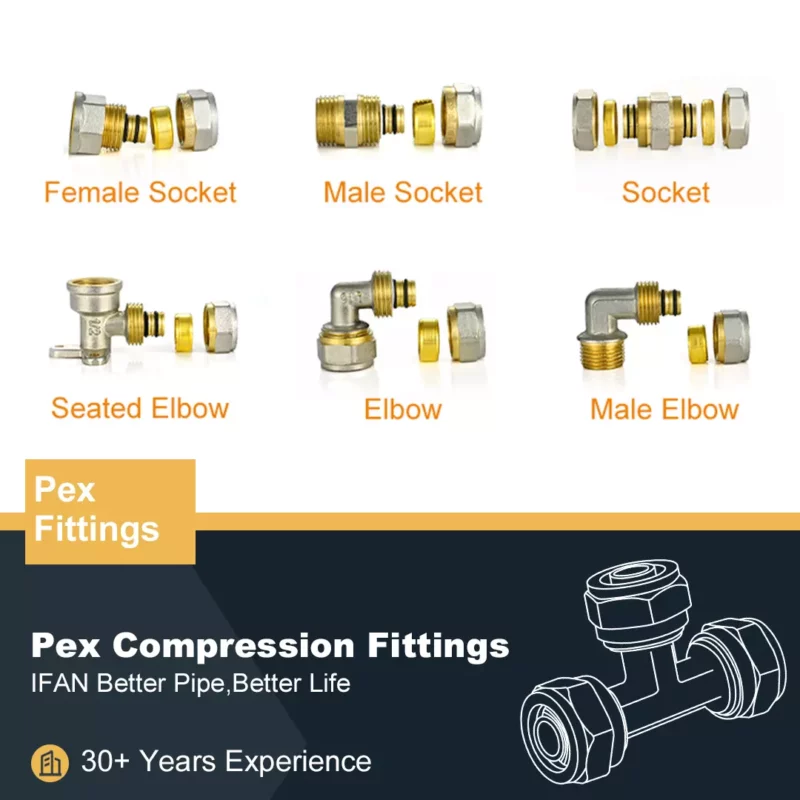
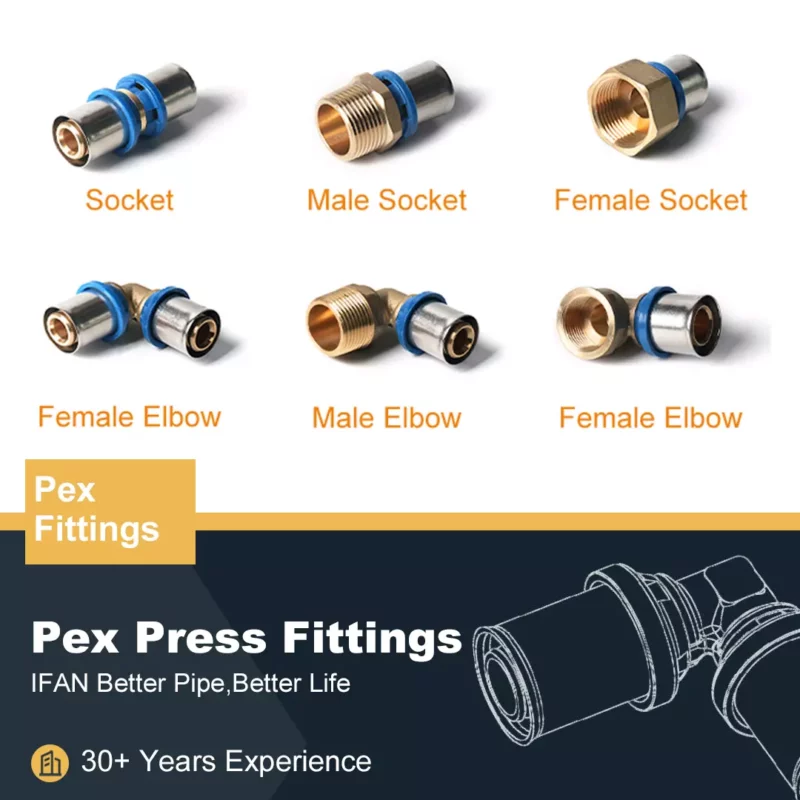
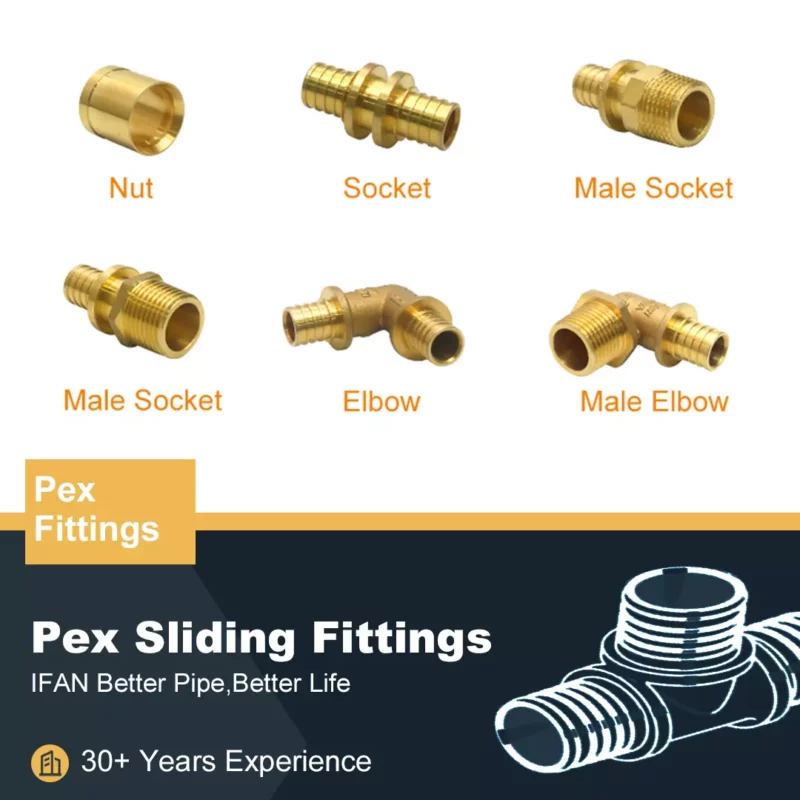
PEX press fittings are widely used in modern plumbing systems. They are designed for quick, secure connections. These fittings rely on a pressing tool to join pipes. This method ensures a leak-resistant seal without flames or adhesives. One key advantage is their compatibility with different pipe types. This makes them versatile and useful in many applications.
Understanding Pipe Compatibility
PEX press fittings are not limited to PEX tubing alone. They can be adapted to work with several types of piping. Depending on the fitting design, they can connect copper, CPVC, and multilayer composite pipes. This allows plumbers to transition between systems with ease. Compatibility depends on the fitting’s material, design, and sealing mechanism.
Connecting with PEX Pipes
The most common use is with PEX piping. PEX is flexible, lightweight, and easy to handle. PEX press fittings create strong connections without special preparation. A simple cut and press complete the joint. The connection remains strong under temperature and pressure changes. This combination is ideal for hot and cold water systems.
Transitioning to Copper Pipes
PEX press fittings can connect directly to copper pipes using special adapters. These adapters typically include a press connection on one end and a copper-compatible fitting on the other. This allows existing copper systems to be integrated with newer PEX systems. The transition fittings ensure a smooth, leak-free joint without soldering.
Compatibility with CPVC Pipes
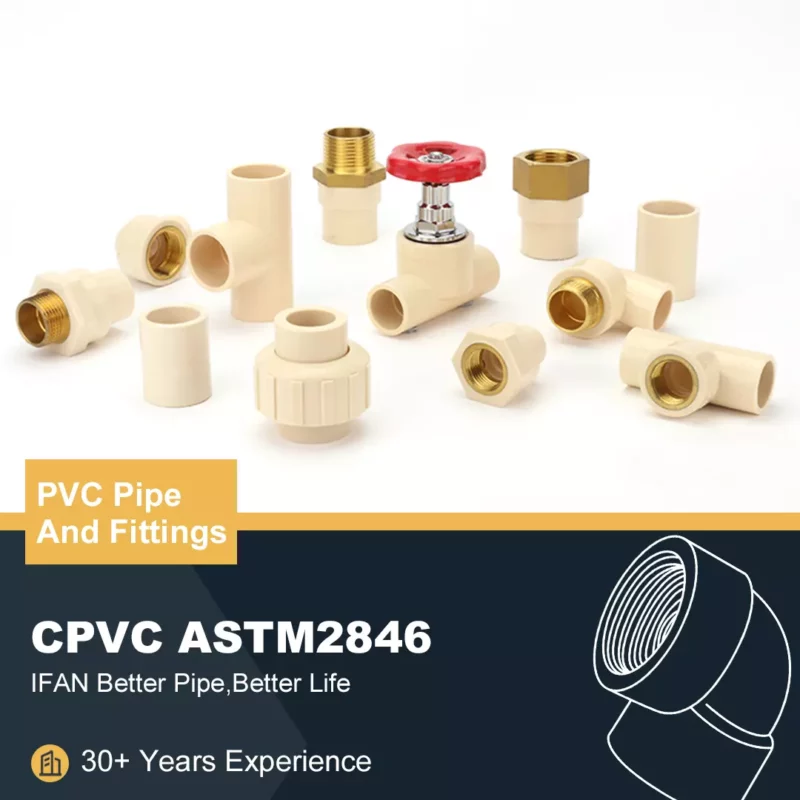
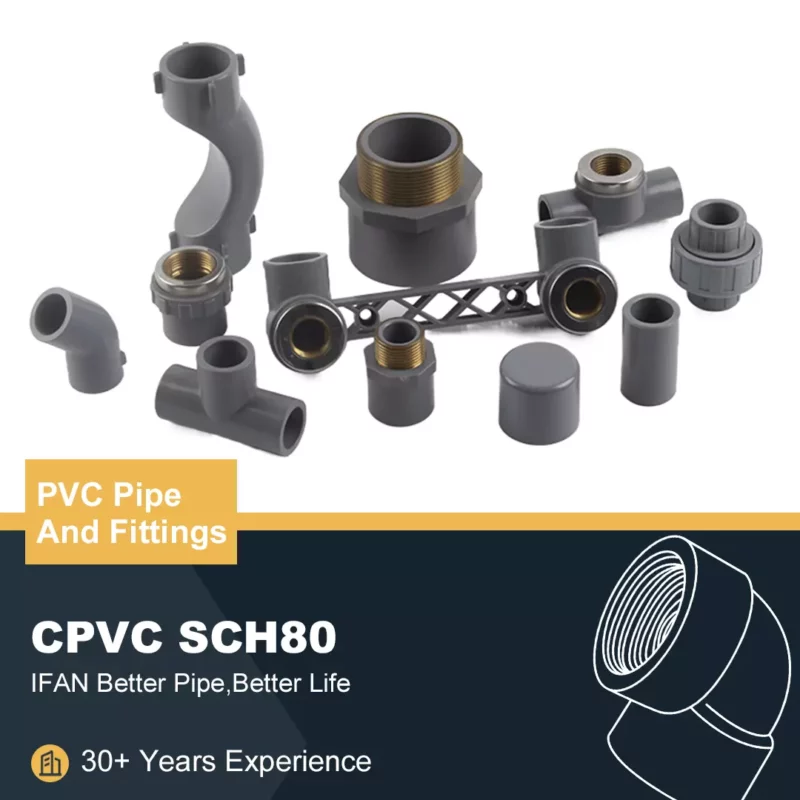
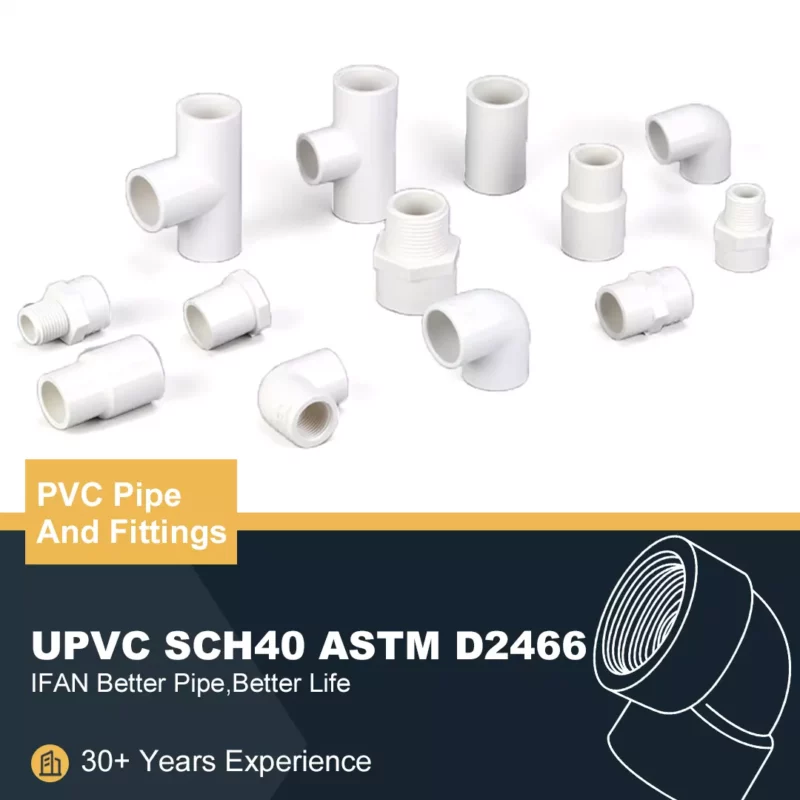
CPVC pipes are used for hot and cold water distribution. Some PEX press fittings include ends designed for CPVC compatibility. These allow transitions between PEX and CPVC in remodeling projects. It is essential to select certified transition fittings for safety. Proper installation ensures durable performance and compliance with plumbing codes.
Working with Multilayer Composite Pipes
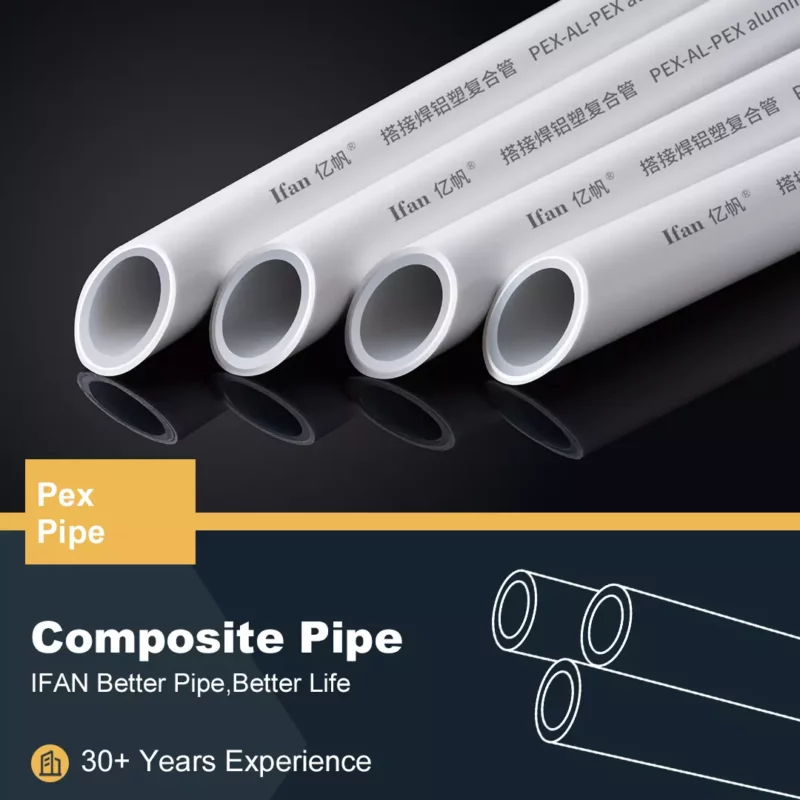
Multilayer composite pipes combine metal and plastic layers. These pipes are often used in radiant heating and plumbing systems. PEX press fittings can be used with these pipes if matched correctly. The fittings must match the pipe diameter and wall thickness. When done properly, the connection is secure and long-lasting.
Benefits of Multi-Pipe Compatibility
The ability to work with different pipes adds flexibility. Plumbers can retrofit or expand systems without full replacement. Multi-pipe compatibility reduces the need for multiple connection methods. It simplifies inventory and speeds up installation. This saves time and cost on residential and commercial plumbing projects.
Press Technology Ensures Secure Joints
Press fitting technology offers consistent, secure connections. The press tool applies even pressure around the fitting. This compresses a metal sleeve and internal O-ring around the pipe. The result is a reliable, watertight joint. The method is faster and safer than soldering or gluing. Visual inspection confirms proper pressing.
Factors Affecting Compatibility
While PEX press fittings support many pipes, certain conditions must be met. The pipe material must be clean and cut correctly. The fitting must be certified for the specific pipe type. O-ring materials must match the temperature and pressure needs. Following manufacturer instructions is key to ensuring safety and performance.
Choosing the Right Fittings
It is important to select fittings that are approved for your pipe types. Universal fittings exist, but not all press fittings are interchangeable. Check for certifications like ASTM, NSF, or local plumbing code approvals. Choose fittings with high-quality materials like brass or stainless steel. Proper selection improves system reliability and lifespan.
Applications in Mixed-Pipe Systems
In many homes, older plumbing systems use copper or CPVC. Renovations often introduce PEX piping for efficiency. PEX press fittings allow easy transitions in such mixed systems. They are also used in commercial retrofits where multiple pipe types are present. Their flexibility supports a wide range of building types and plumbing layouts.
Installation Tips for Best Results
Prepare all pipe ends by cutting square and removing burrs. Ensure the pipe is fully inserted into the fitting. Use the correct press tool and jaw size for each fitting. Do not reuse press fittings once crimped. Follow torque and pressure guidelines set by the manufacturer. These steps ensure leak-free, durable connections.
Limitations to Be Aware Of
Despite their versatility, not all PEX press fittings work with every pipe. Some fittings are only rated for PEX-to-PEX connections. Others require specific transition adapters for copper or CPVC. Misusing fittings may result in leaks or failure. Always consult the manufacturer’s specifications and product guides.
Cost Considerations
PEX press fittings offer cost savings over time. They reduce labor and require fewer tools than traditional fittings. Their compatibility with different pipes avoids costly full replacements. Fewer callbacks and repairs also lower long-term costs. While individual fittings may cost more, total project savings are substantial.
Environmental and Safety Benefits
Using PEX press fittings reduces the need for open flames and harsh glues. This makes the installation safer and more environmentally friendly. Reduced water leakage helps conserve water and energy. Fewer material types reduce waste and simplify recycling. These features make them a sustainable plumbing solution.
Conclusion
PEX press fittings work effectively with various pipe types. Their compatibility with PEX, copper, CPVC, and multilayer pipes increases flexibility. This allows plumbers to create reliable systems across different building conditions. Their ease of use, reliability, and adaptability make them a smart choice. For modern plumbing, PEX press fittings offer unmatched versatility.
If you have read this article and have any questions, please feel free to contact IFAN. Below is our contact information:
Whatsapp:+86 13373827623
Email:[email protected]