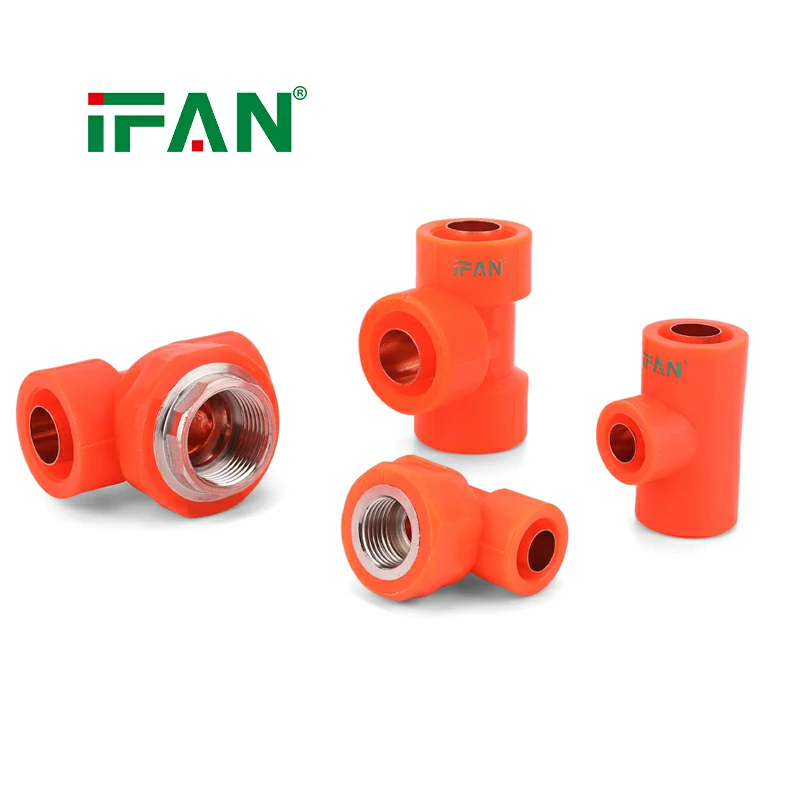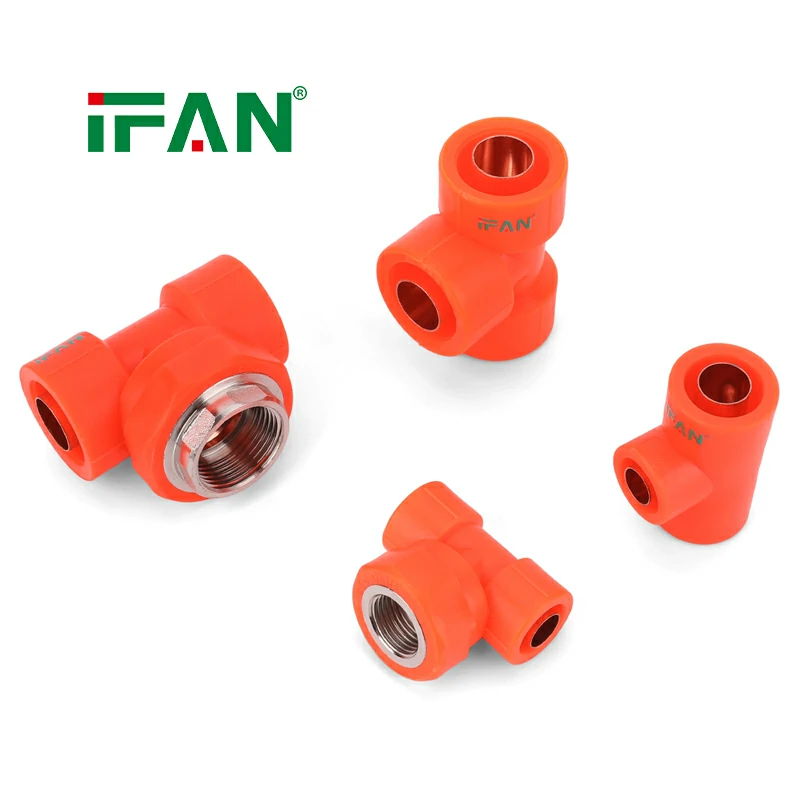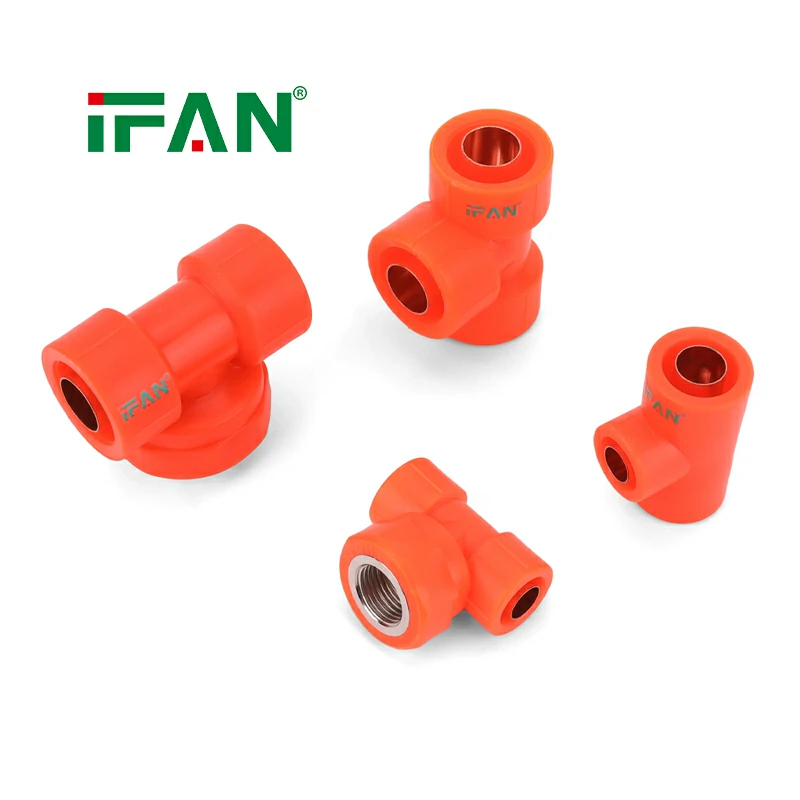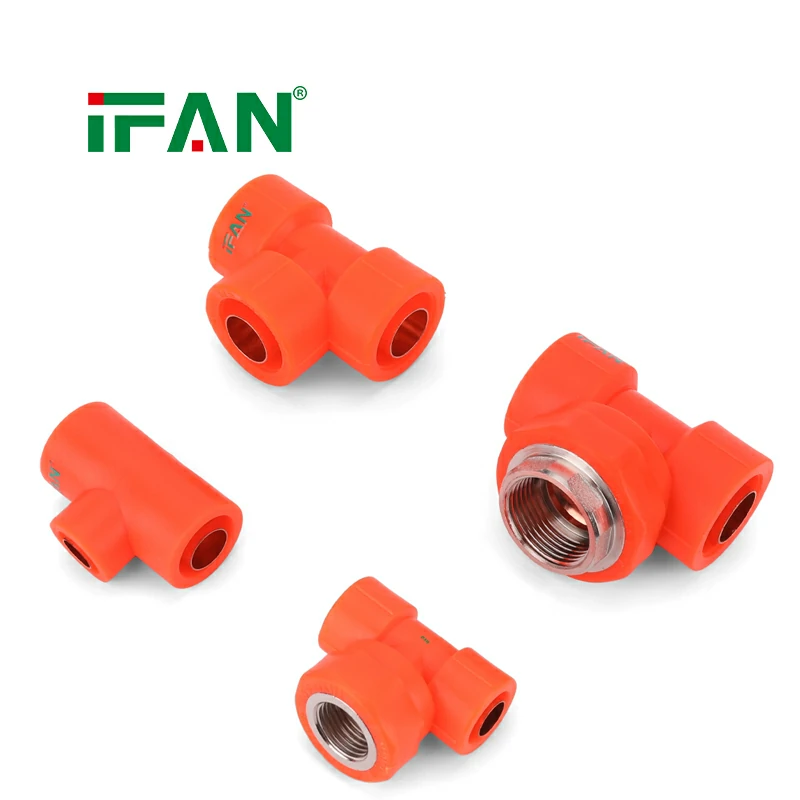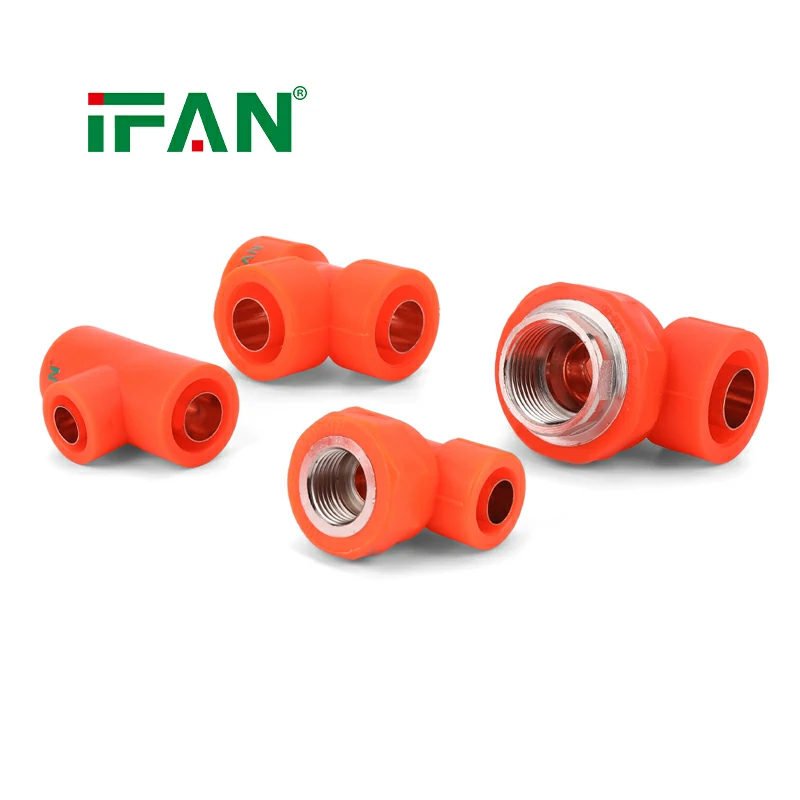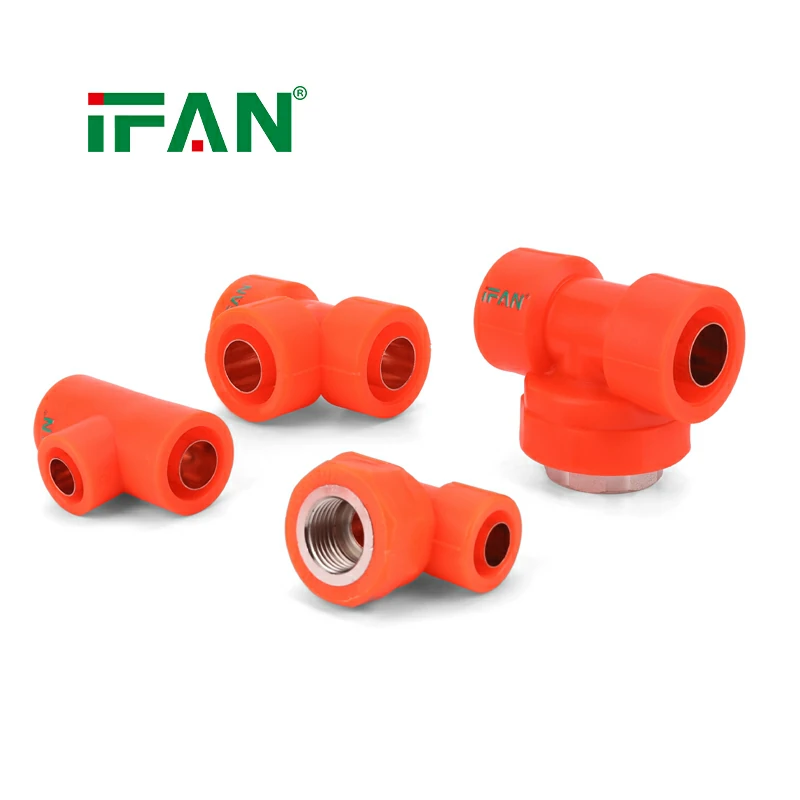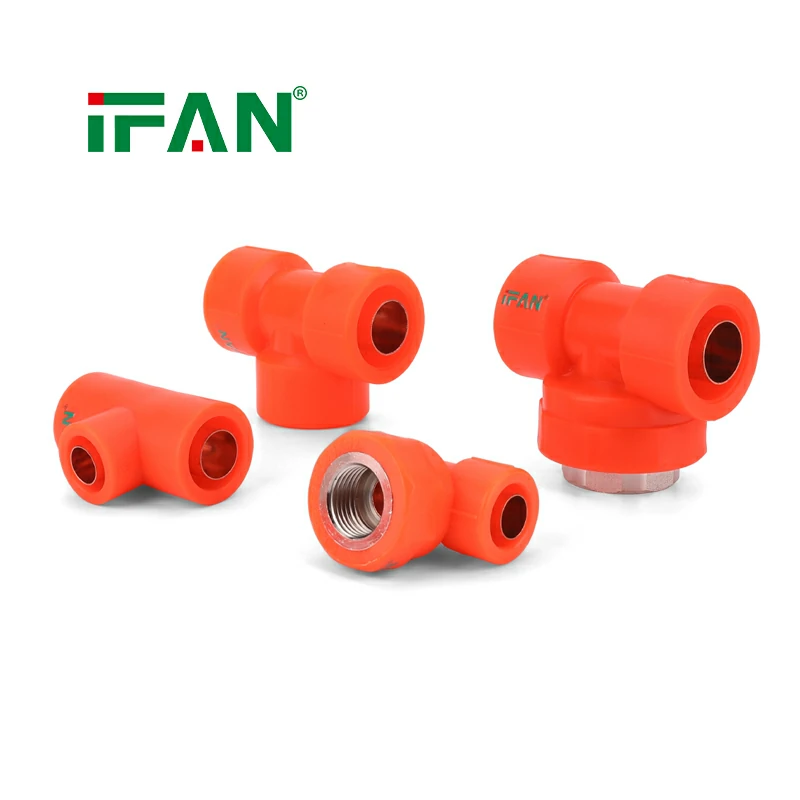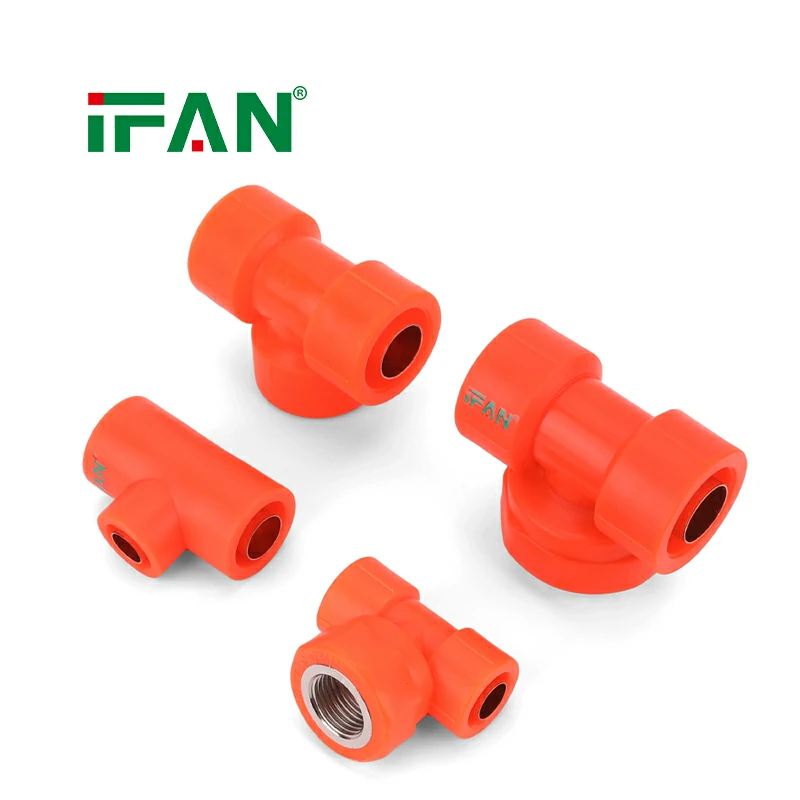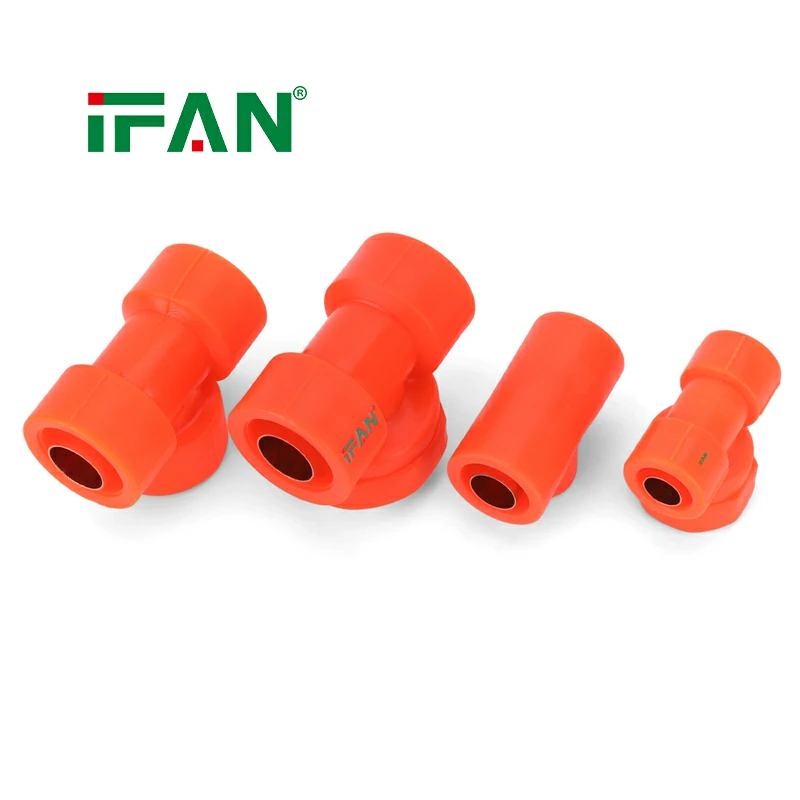
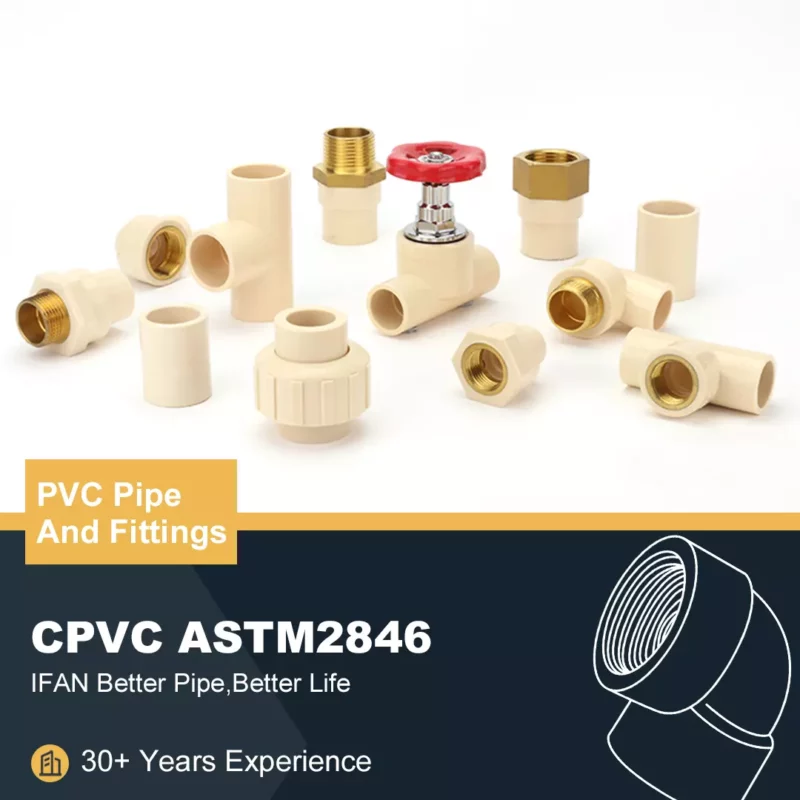
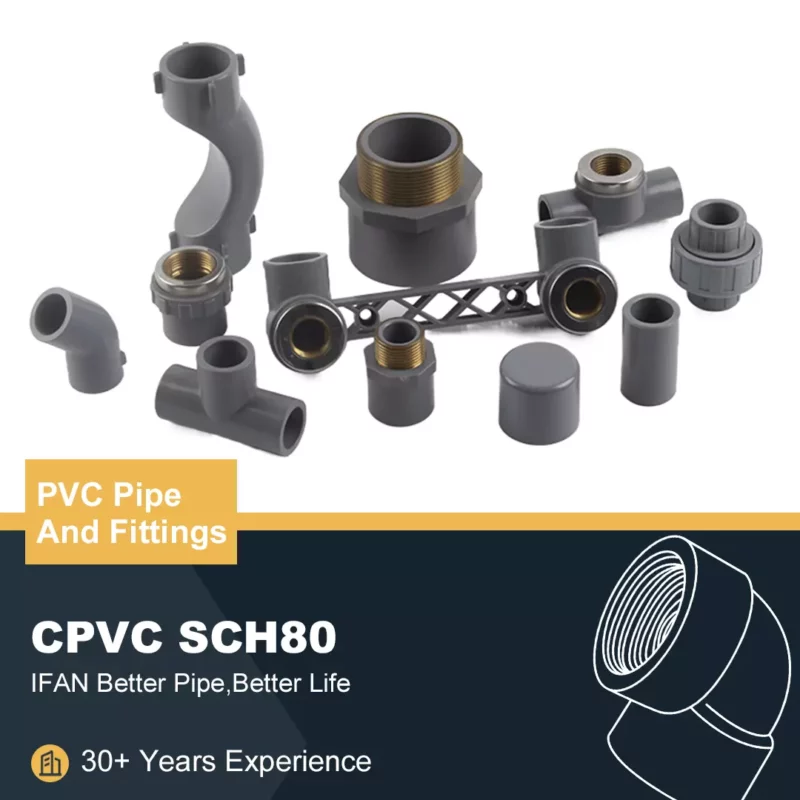
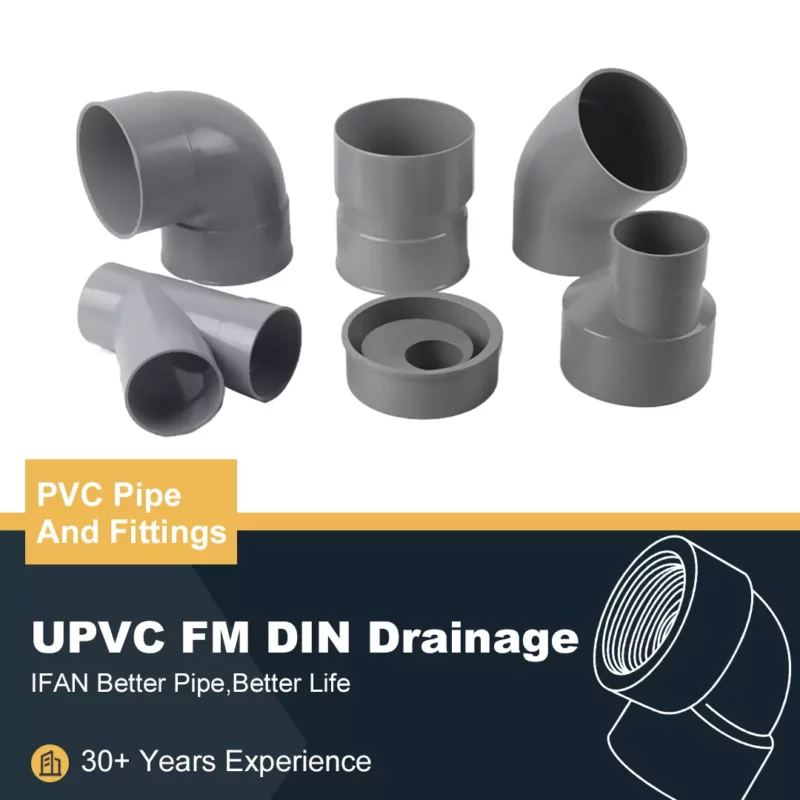
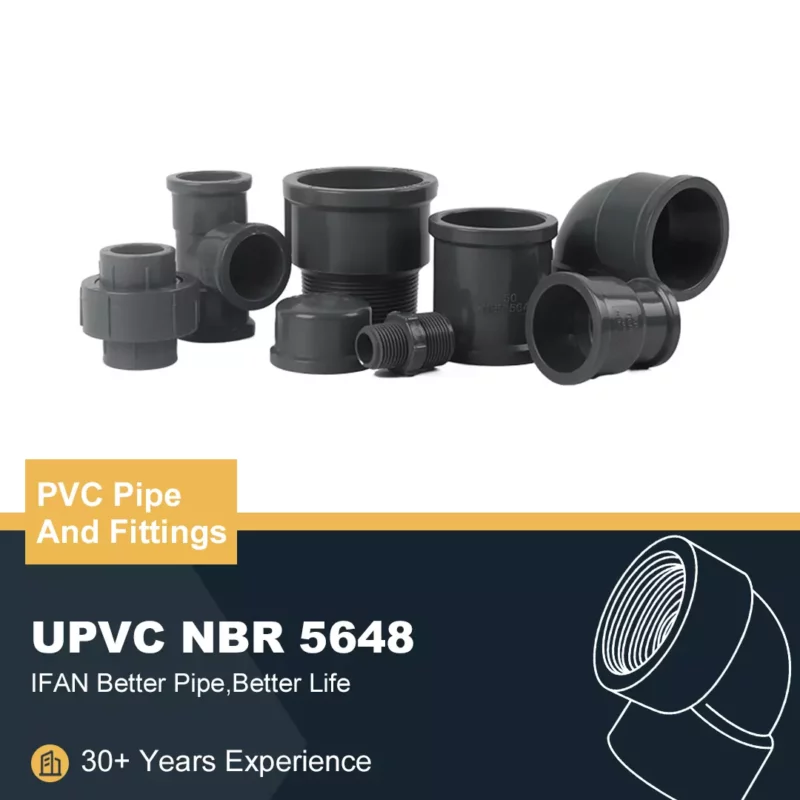
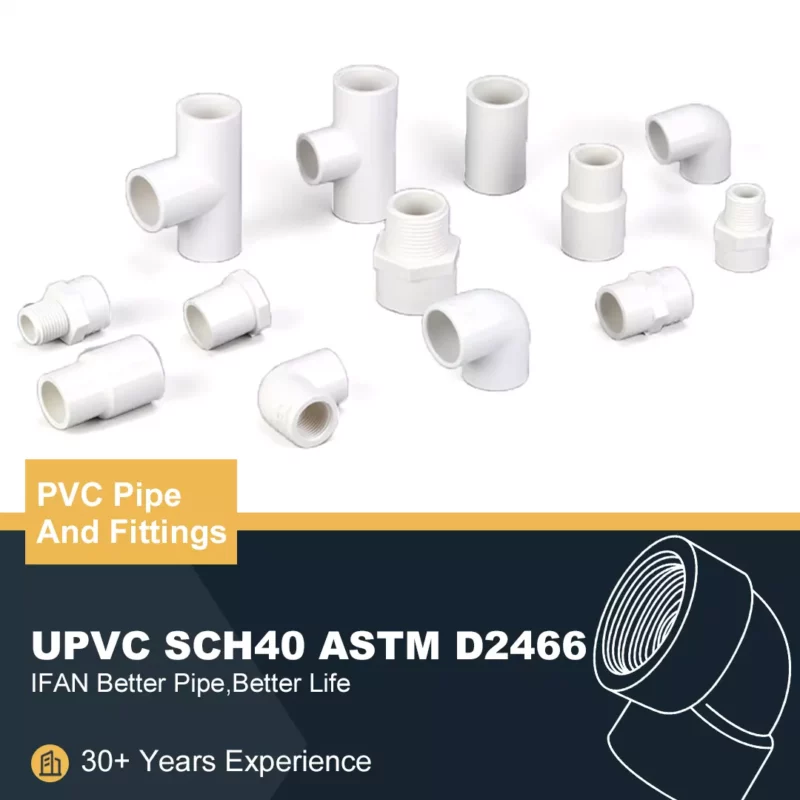
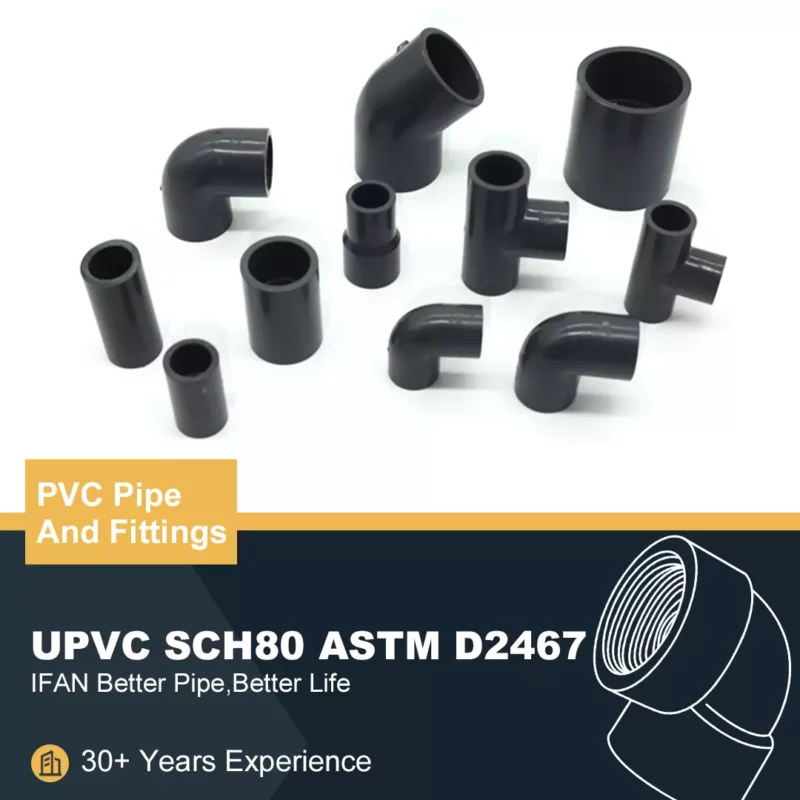
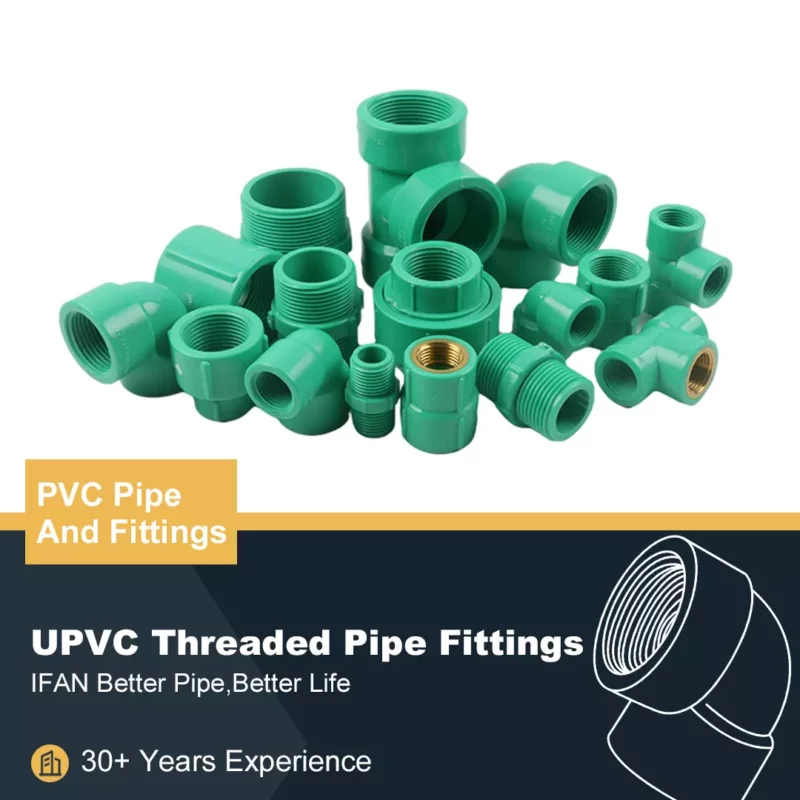
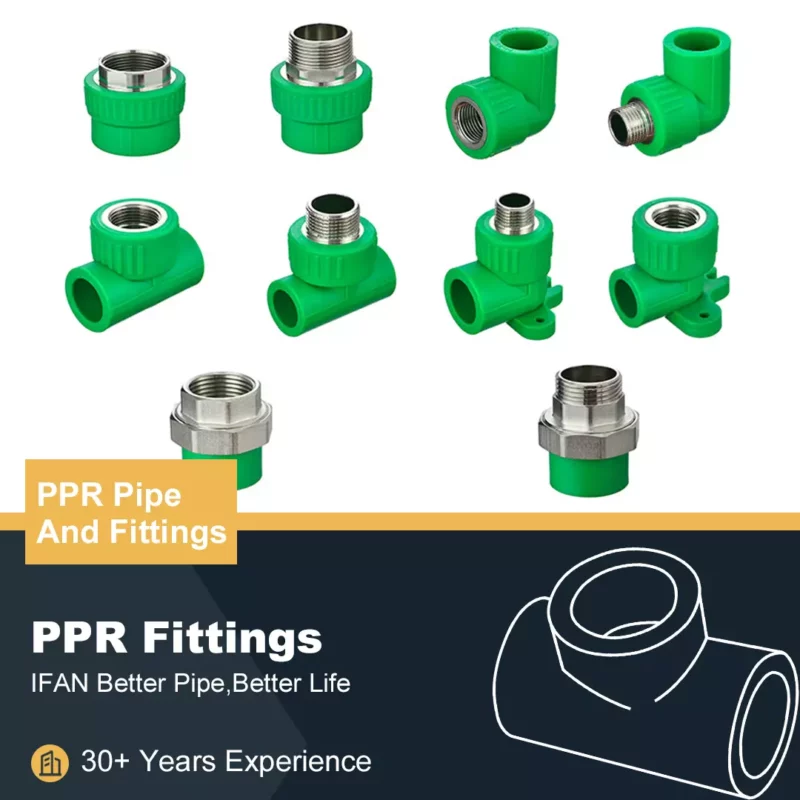
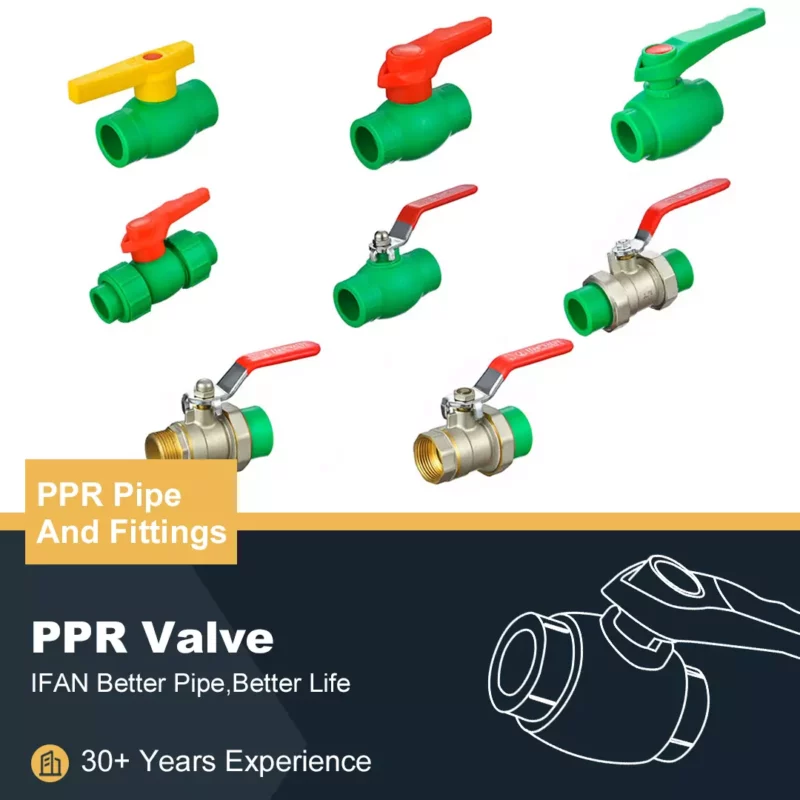
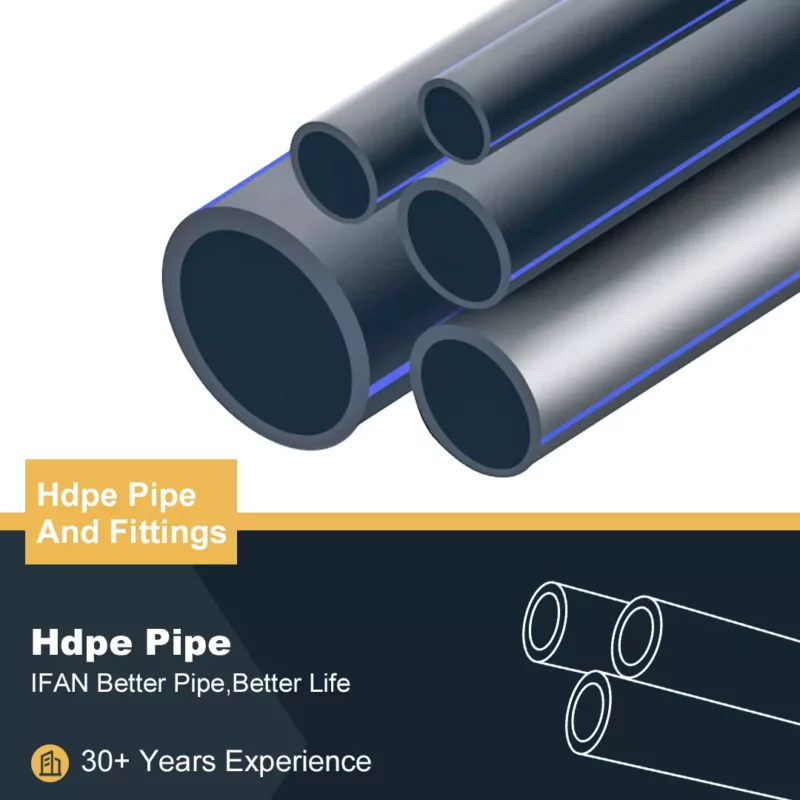
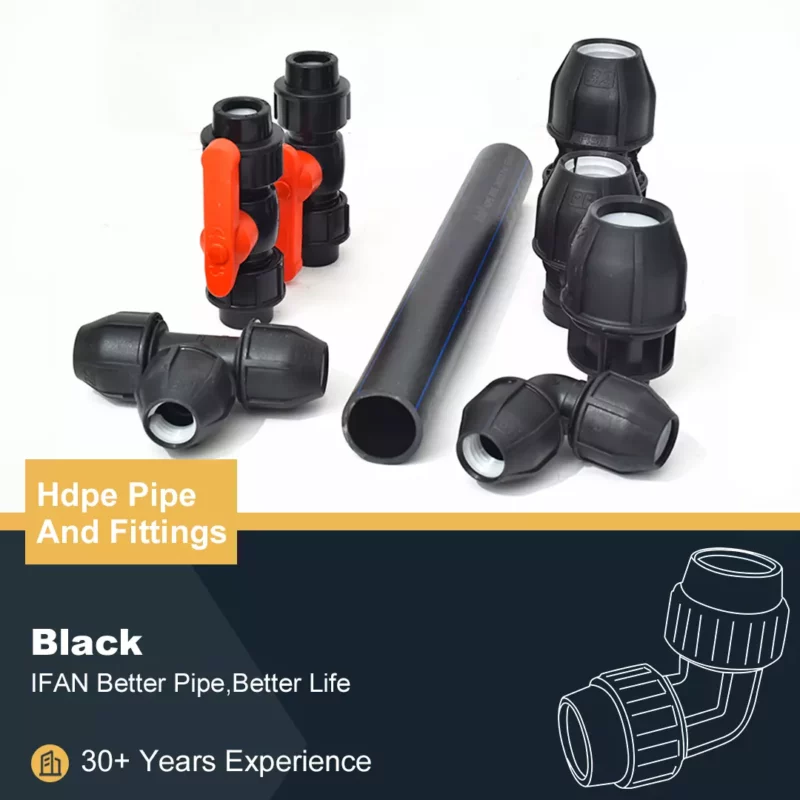
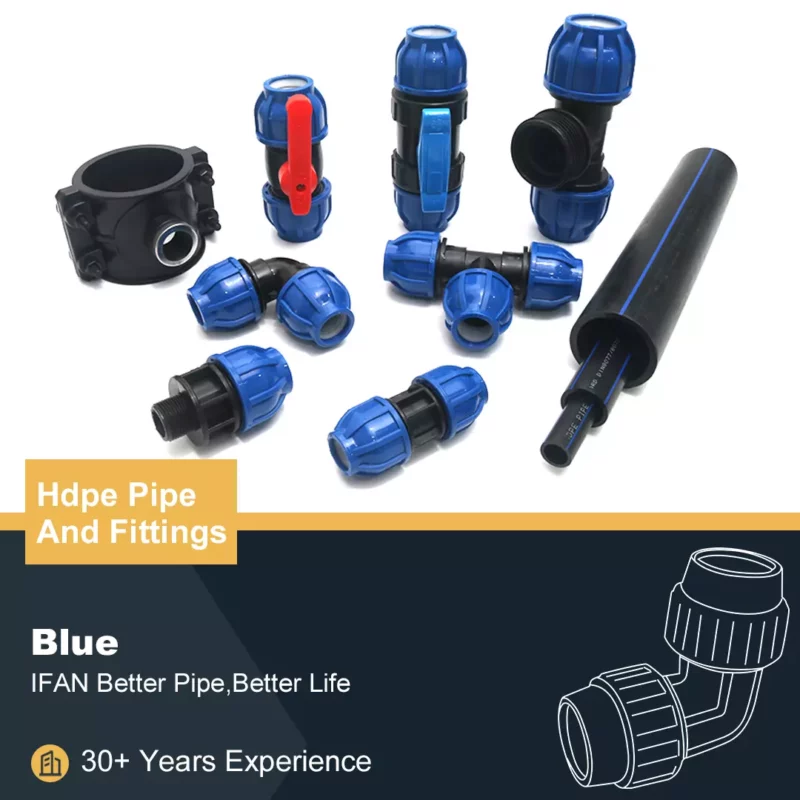
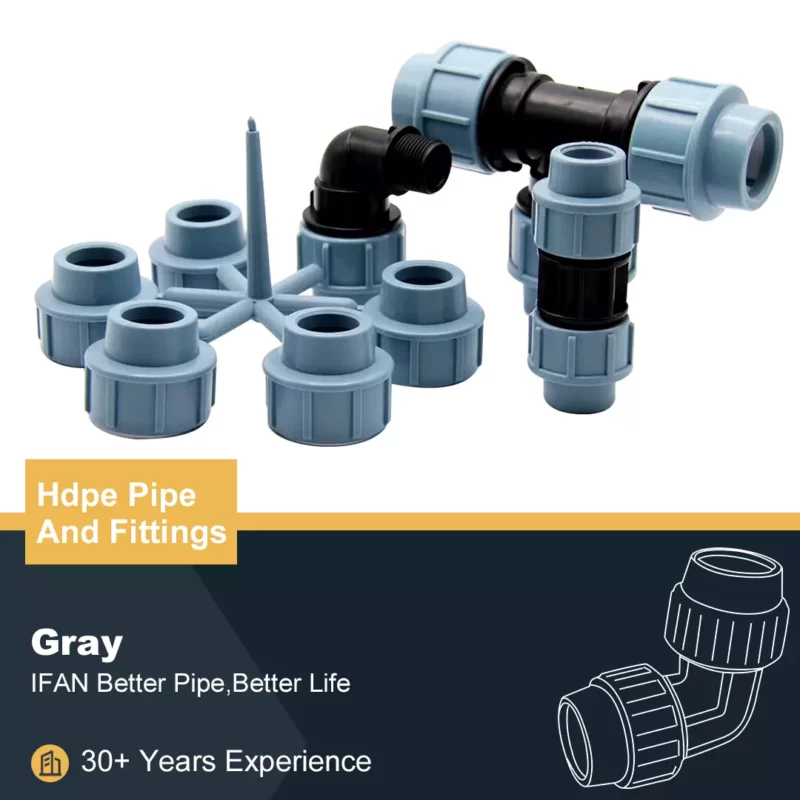


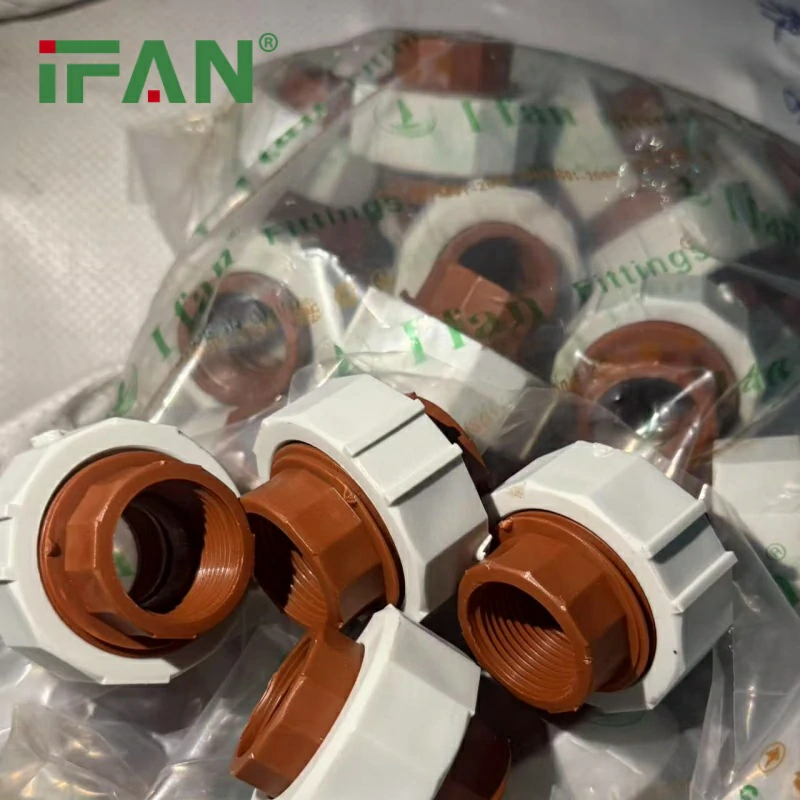
PPH fittings are essential components in modern industrial piping systems. Their superior chemical resistance, high temperature tolerance, and mechanical strength make them ideal for demanding environments. Whether used in chemical processing, wastewater treatment, or mining, PPH (Polypropylene Homopolymer) fittings provide reliable and efficient fluid handling. This article explains why PPH fittings are a preferred choice for various industrial applications.
What Is PPH?
PPH stands for Polypropylene Homopolymer, a thermoplastic made from a single type of propylene monomer. It is known for its high purity, rigidity, and resistance to corrosion. PPH has a high melting point and excellent chemical stability. This makes it suitable for transporting aggressive chemicals and hot fluids. It is lighter than metal and does not rust or degrade easily. PPH is commonly used in environments where safety, longevity, and performance are critical. Its durability and versatility make it a top choice for a wide range of industrial projects.
Corrosion Resistance in Harsh Conditions
Industrial environments often expose materials to aggressive substances such as acids, alkalis, and solvents. PPH fittings resist corrosion in these harsh chemical environments. Unlike metal fittings, they do not rust or scale over time. This improves safety and reduces the risk of leaks or failures. PPH does not require coatings or linings to withstand corrosive fluids. It provides long-term protection against chemical attack, even under continuous exposure. This resistance makes PPH ideal for use in chemical plants, laboratories, and processing facilities. With PPH fittings, systems remain safe and operational over the long term.
High Temperature and Pressure Capabilities
PPH fittings perform reliably in high-temperature applications. Most PPH components can handle temperatures up to 95°C (203°F). Some can tolerate short-term exposure to even higher temperatures. The material retains strength and shape under pressure and heat. PPH fittings are often rated for pressures up to 10 bar (PN10), depending on system design. In applications with both high temperature and aggressive chemicals, PPH offers unmatched reliability. These properties make it suitable for industrial hot water lines, steam systems, and heated chemical transport. It ensures safety and stability in the most demanding conditions.
Lightweight and Easy to Handle
One of the major advantages of PPH is its lightweight nature. Compared to metal fittings, PPH fittings are easier to transport and install. This reduces labor time and physical strain on workers. The lightweight design also lowers stress on support structures, making it ideal for large-scale installations. Installation methods include butt fusion, socket fusion, and mechanical joining. These processes are clean and efficient. No welding flames or hazardous chemicals are needed. Lightweight, easy-to-handle fittings help reduce project costs and timelines while increasing productivity.
Long-Term Durability and Low Maintenance
PPH fittings are built for long-lasting performance. They resist physical wear, environmental degradation, and chemical breakdown. Their smooth inner surface reduces friction and prevents clogging. Unlike metals, they do not corrode, crack, or become brittle with age. This durability minimizes the need for frequent maintenance or part replacement. In industrial settings where downtime is costly, PPH fittings offer peace of mind. They maintain integrity and performance even in continuous use. With proper installation, PPH fittings can last for decades. This long lifespan makes them a smart, cost-effective investment.
Ideal for Chemical Processing
In the chemical industry, material selection is critical for safety and efficiency. PPH fittings are well-suited for chemical transport, mixing, and waste disposal. They resist the effects of strong acids, alkalis, and oxidants. Their non-reactive nature makes them suitable for sensitive chemical processes. PPH fittings are used in pipelines, tanks, reactors, and dosing systems. They are also ideal for secondary containment and drain lines. Their reliability in extreme chemical environments helps maintain safety and compliance with industrial standards. For handling aggressive fluids, PPH is the go-to material.
Applications in Water and Wastewater Treatment
Water and wastewater treatment systems must handle a wide range of chemicals and contaminants. PPH fittings offer excellent resistance to chlorine, ozone, and cleaning agents. They are used in pH adjustment systems, chemical dosing units, and filtration processes. PPH is also ideal for handling sludge, brine, and corrosive effluents. These fittings prevent leaks and contamination in treatment plants. Their resistance to biofilm growth helps maintain system hygiene and flow efficiency. Municipal and industrial water treatment operations rely on PPH for long-term performance and environmental safety.
Suitable for Mining and Metallurgy
The mining industry involves abrasive slurries, chemical leaching, and high-pressure pumping. PPH fittings are tough enough to handle these challenges. They resist damage from solid particles and chemical reactions. In mineral processing, they maintain flow even under harsh conditions. Their lightweight design allows easy installation in remote or underground locations. PPH is commonly used in acid transfer lines, effluent pipelines, and chemical recovery systems. It supports safe and continuous operations in high-demand environments. PPH’s mechanical strength and chemical resistance are well-suited for mining applications.
Excellent for Air Handling and Ventilation Systems
PPH fittings are also used in industrial ventilation and air treatment systems. They resist corrosive vapors and maintain airflow efficiency. PPH is suitable for ducting in laboratories, chemical plants, and cleanrooms. It handles aggressive gases like hydrogen chloride, ammonia, and sulfur dioxide. These systems require durable fittings that do not degrade over time. PPH fittings maintain their shape and function even under negative pressure or fluctuating temperatures. Their smooth surface reduces particle buildup and contamination risk. For clean, reliable air handling, PPH is a trusted material.
Eco-Friendly and Recyclable
PPH is a non-toxic, chemically stable plastic. It does not release harmful substances during installation or operation. PPH is fully recyclable and supports sustainable design. Its long service life reduces waste and resource consumption. Many industries choose PPH not only for performance but also for environmental responsibility. PPH contributes to green building certifications and reduces long-term environmental impact. With increasing focus on sustainability, using recyclable and safe materials like PPH is a strategic decision. It combines industrial efficiency with environmental care.
Conclusion
PPH fittings are a proven solution for a wide range of industrial applications. Their excellent chemical resistance, temperature durability, and mechanical strength make them indispensable in demanding environments. From chemical processing to wastewater treatment, mining, and ventilation, PPH fittings provide reliable, long-lasting performance. Lightweight and easy to install, they reduce costs and simplify system maintenance. As industries prioritize safety, durability, and sustainability, PPH continues to be a preferred material. For tough conditions and critical systems, PPH fittings deliver the performance industries need.
If you have read this article and have any questions, please feel free to contact IFAN. Below is our contact information:
Whatsapp:+86 13373827623
Email:[email protected]