















Brass gas valves play a vital role in managing gas flow safely and efficiently. These valves are widely used in homes, industries, and commercial spaces. Their reliable design and robust construction make them essential components in gas systems. This article explores their features, advantages, and contribution to safe operation.
What Is a Brass Gas Valve?
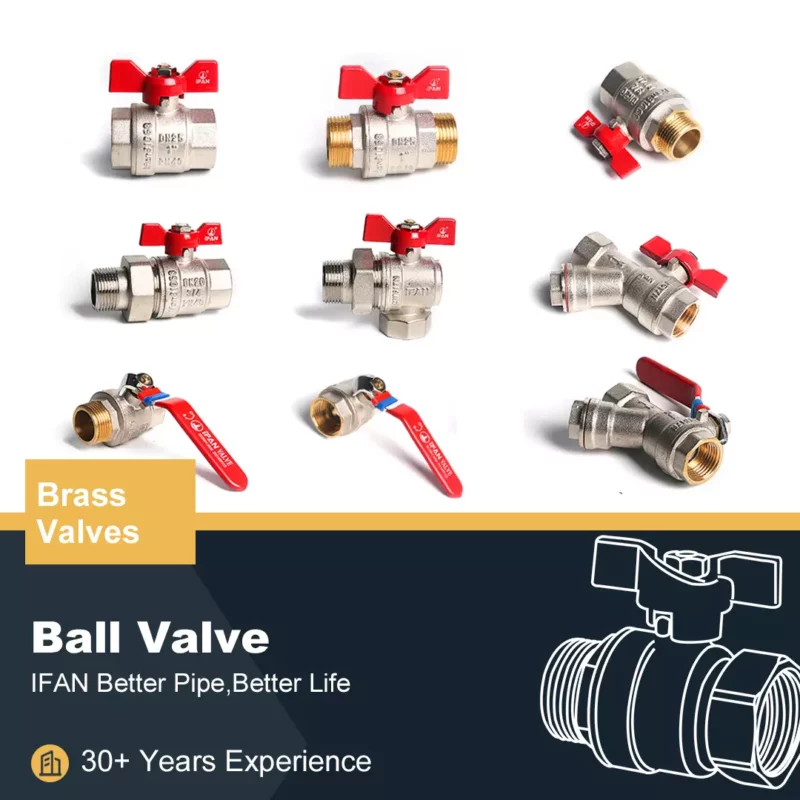
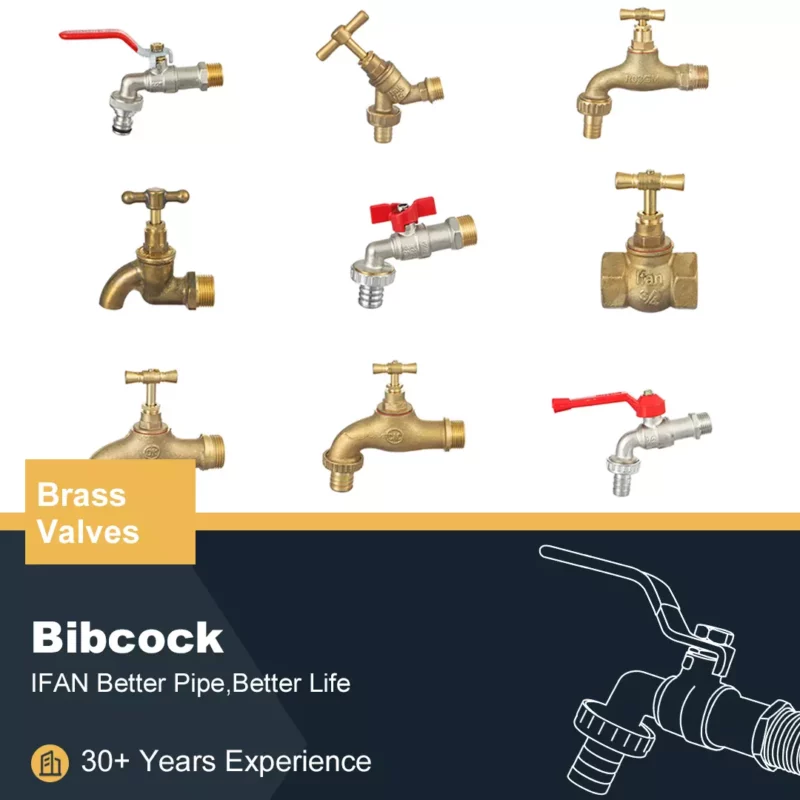
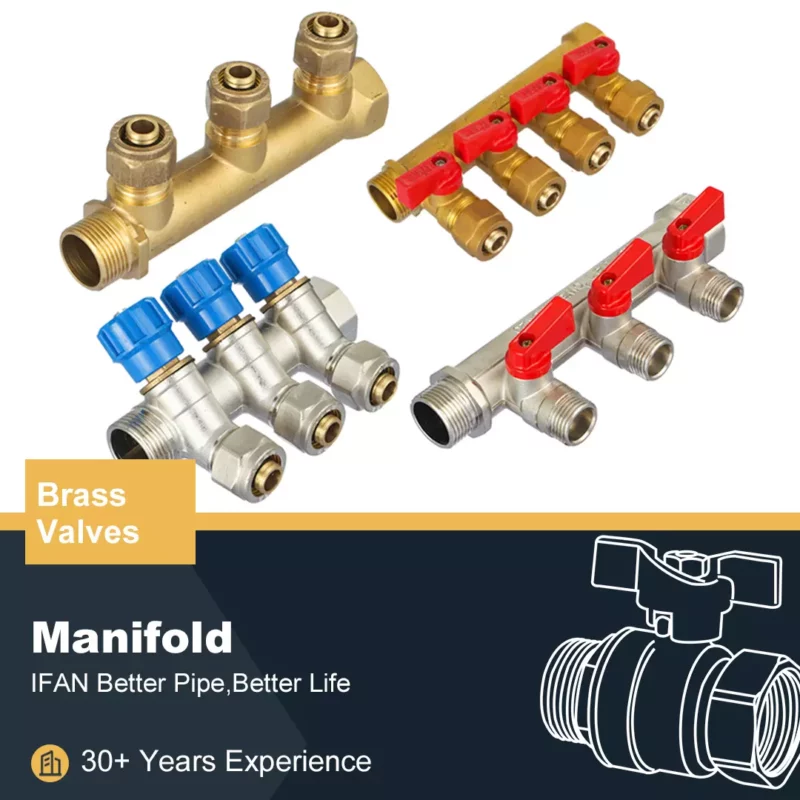
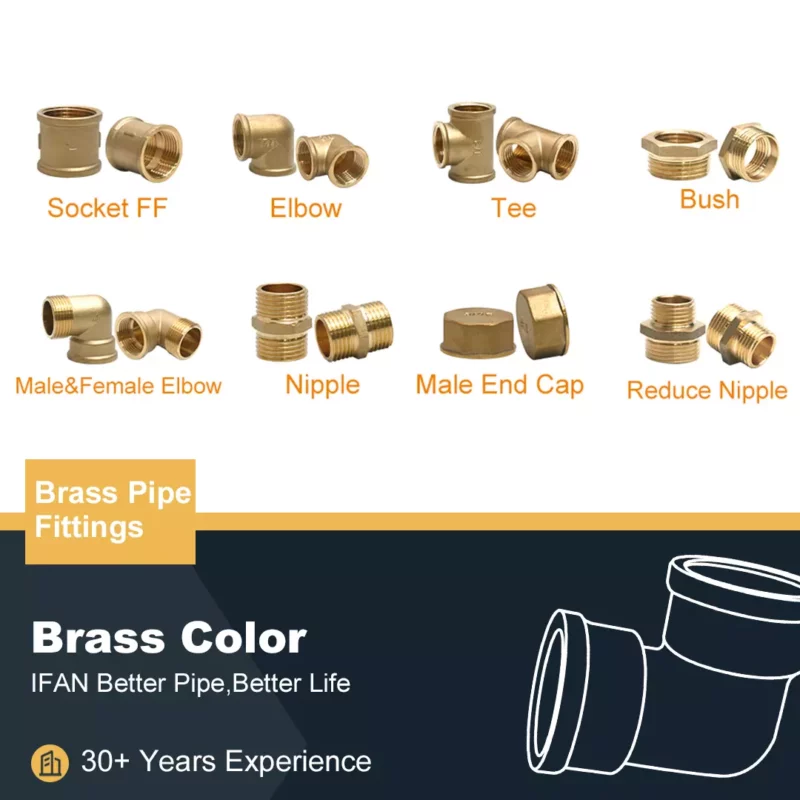
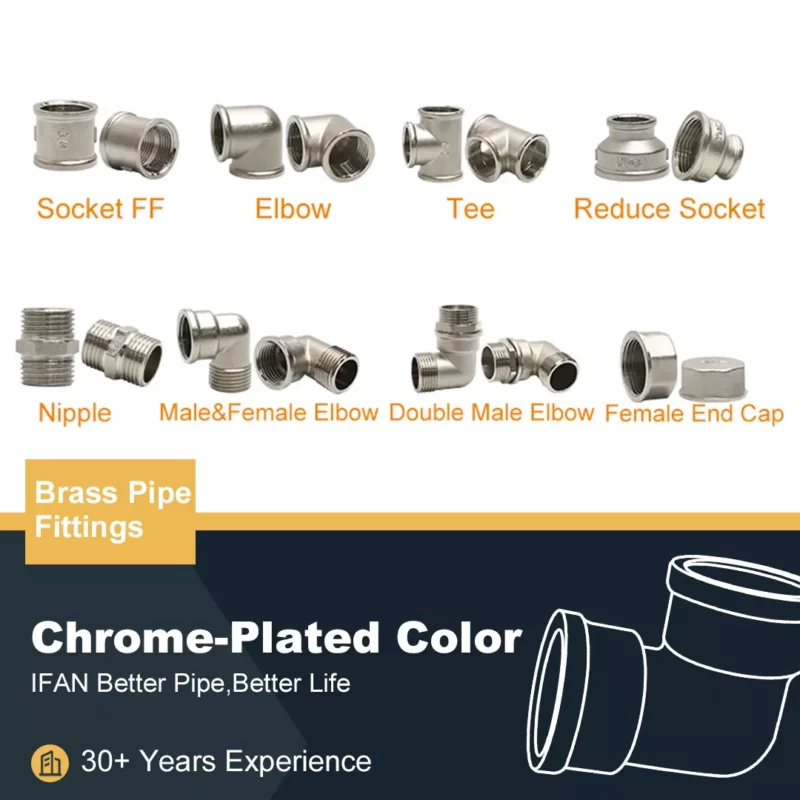
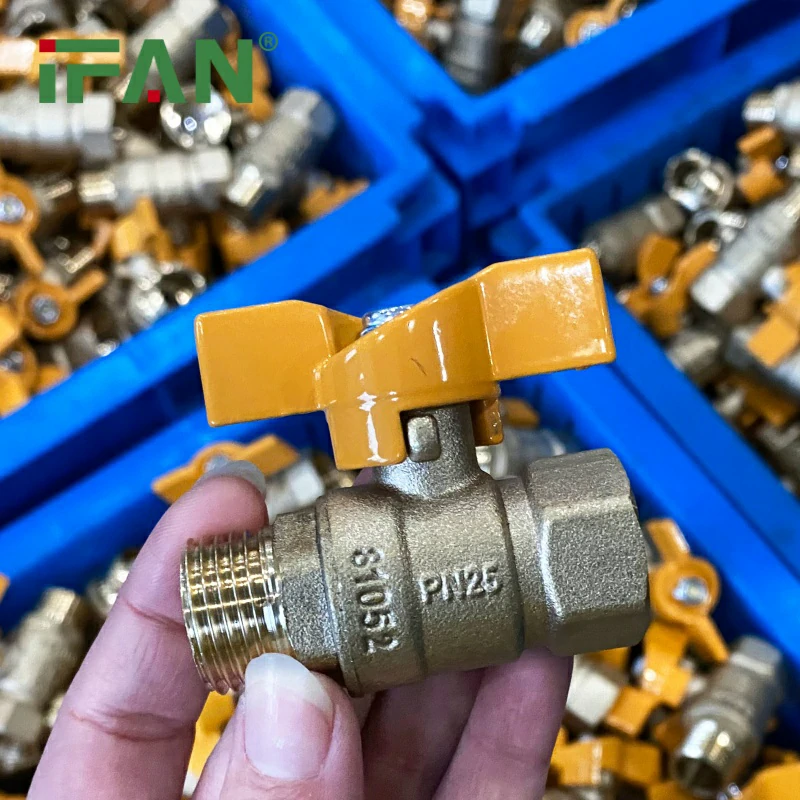
A brass gas valve is a mechanical device made from brass. It controls the flow of gas through pipelines. Brass is used because it resists corrosion and withstands high temperatures. The valve can open, close, or regulate gas flow. It is commonly installed in stoves, heaters, furnaces, and gas grills. These valves come in various types and sizes, depending on the application. They usually include a handle or lever for manual operation. In automatic systems, solenoid valves may be used. Brass valves are trusted for their durability and tight sealing ability. They ensure gas flow only when needed, reducing the risk of leaks or accidents.
Importance in Gas Systems
Gas systems must be carefully managed to avoid fire or explosion. Brass gas valves ensure only controlled gas flow reaches appliances. If there is a fault or need for maintenance, the valve can shut off the gas supply. This ability to stop flow instantly adds a critical layer of safety. In emergencies, a quick valve shutoff can prevent disaster. Without such control devices, gas might leak unnoticed, leading to dangerous situations. These valves also help regulate pressure and direction. They are essential in both low and high-pressure systems. Their presence gives users peace of mind and promotes safer gas usage.
Advantages of Brass Material
Brass is an alloy made mostly from copper and zinc. It is known for its strength, corrosion resistance, and workability. These properties make it ideal for gas valve manufacturing. Brass does not rust like iron or steel, even in moist conditions. It can also handle temperature variations well. Brass forms a tight seal, reducing leak risks. This is especially important when dealing with flammable gases. Brass components are easy to machine and assemble, making them affordable. They also have antimicrobial properties, which help in certain environments. The material ensures long valve life, even under heavy use. This reduces maintenance costs and increases system reliability.
Types of Brass Gas Valves
There are several types of brass gas valves available. Ball valves use a rotating ball with a hole to control gas flow. When the hole aligns with the pipe, gas flows. Turning the ball blocks the flow. Needle valves offer fine control of flow rate. Gate valves use a flat gate to open or close flow. Check valves allow gas to flow in one direction only. Each valve type has a specific use case. Ball valves are popular in residential gas lines due to easy operation. Needle valves are often used in laboratory or industrial systems. Proper selection ensures safe and efficient system performance.
Installation and Maintenance
Correct installation is essential for safe valve operation. Valves must be placed in accessible areas for quick shutoff. Threads should be sealed using appropriate tape or compound. Over-tightening can damage the valve or pipe. A pressure test must be done after installation. Maintenance includes checking for leaks and ensuring smooth valve movement. Regular inspection can identify wear or corrosion. Valves should be replaced if sealing is no longer effective. Technicians must be trained in valve handling and gas safety. Using compatible fittings and following manufacturer guidelines helps ensure system integrity. Routine checks can prevent future issues and prolong system life.
Safety Features and Design
Brass gas valves are designed with safety in mind. They often include features like quarter-turn operation for quick shutoff. Some valves have locking mechanisms to prevent accidental opening. High-quality models may have temperature and pressure ratings clearly marked. This ensures they are used within safe limits. Some valves are compatible with automatic shutoff devices. In case of a fire or earthquake, these devices close the valve immediately. The precision design of brass valves ensures minimal leakage. Properly rated valves can handle both natural gas and propane. Choosing certified products from trusted brands further enhances safety.
Common Applications
Brass gas valves are used in many areas. In homes, they control gas for stoves, ovens, and water heaters. In restaurants, they manage gas flow to cooking equipment. Industrial facilities use them in furnaces, boilers, and kilns. Outdoor gas grills and heaters also use brass valves. RVs and campers rely on compact gas valve systems. Laboratories and hospitals may use them for gas delivery systems. In every application, the valve ensures controlled and safe gas distribution. Its role is critical in maintaining normal operations and protecting users from potential hazards.
Environmental and Regulatory Compliance
Modern gas systems must follow strict safety regulations. Brass gas valves are often tested and certified to meet industry standards. Agencies like CSA, UL, and ISO issue such certifications. These ensure valves meet specific pressure and temperature tolerances. Using certified components is essential for legal compliance. It also guarantees system safety and performance. Brass valves also support environmental goals. Their long service life reduces waste. Many are recyclable, minimizing environmental impact. Some valves are made using low-lead or lead-free brass. This ensures safe use in drinking water or sensitive applications. Choosing compliant valves protects users and the environment.
Choosing the Right Valve
Selecting the correct brass gas valve is crucial. Users should consider gas type, pressure, temperature, and valve location. Size and thread compatibility must match existing pipes. Always choose valves rated for gas use, not water or air. Consult manufacturers or professionals when unsure. Look for clear markings indicating pressure limits and safety ratings. Valves should be easy to operate under normal and emergency conditions. For high-risk environments, consider valves with additional safety features. Quality and durability are more important than price alone. A reliable valve can prevent costly accidents and ensure long-term performance.
Conclusion
Brass gas valves are key components in any gas system. Their robust design, corrosion resistance, and precision make them ideal for gas control. Proper installation, maintenance, and selection are vital for safe operation. These valves offer peace of mind in homes, businesses, and industries. They help prevent leaks, explosions, and other hazards. Choosing certified, high-quality brass valves ensures compliance and enhances safety. Whether for a simple stove or a complex industrial line, brass valves are trusted worldwide. Their reliability and performance contribute significantly to secure and efficient gas use.
If you have read this article and have any questions, please feel free to contact IFAN. Below is our contact information:
Whatsapp:+86 13373827623
Email:[email protected]