
















Introduction to Gas Flow Control
Gas flow control is critical in residential, commercial, and industrial systems. Accurate control ensures efficiency and safety. A brass gas valve is commonly used due to its reliability, strength, and corrosion resistance. These valves regulate the flow of gas through a pipeline by opening, closing, or partially obstructing passageways. Choosing the right valve is crucial for stable performance. Brass gas valves meet the demands of high-pressure environments and provide dependable shut-off capabilities.
Why Choose Brass for Gas Valves?
Brass is a metal alloy made from copper and zinc. It offers excellent mechanical strength and resistance to wear. Unlike plastic or iron, brass does not rust and is less likely to crack under pressure. It also tolerates heat better than many alternative materials. These qualities make brass ideal for controlling natural gas, propane, and other fuels. Moreover, brass resists internal corrosion, ensuring longer valve life and consistent performance. Because of its durability, brass reduces maintenance costs over time.
Key Features of Brass Gas Valves
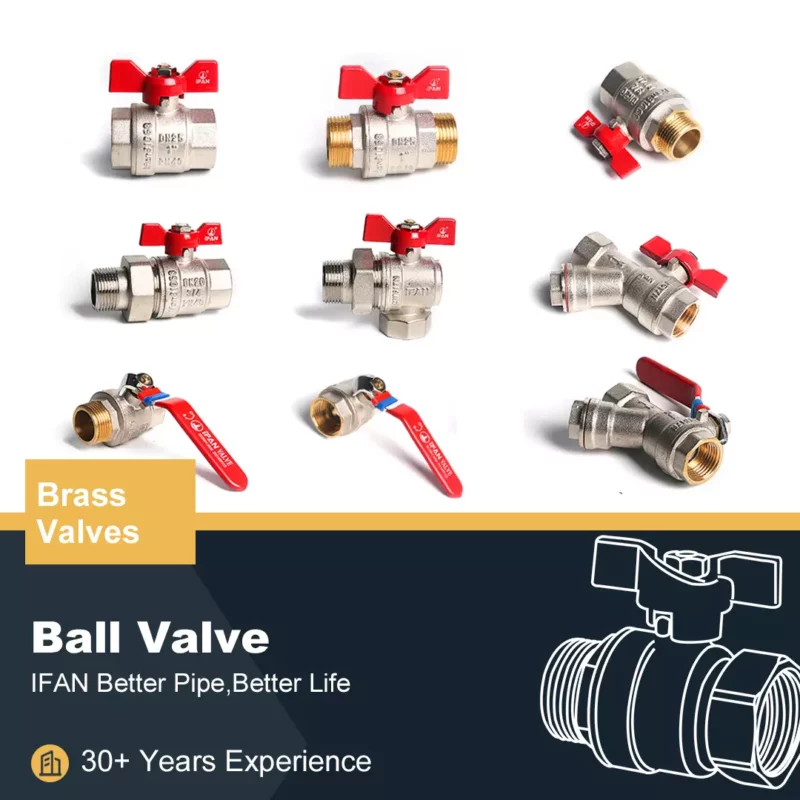
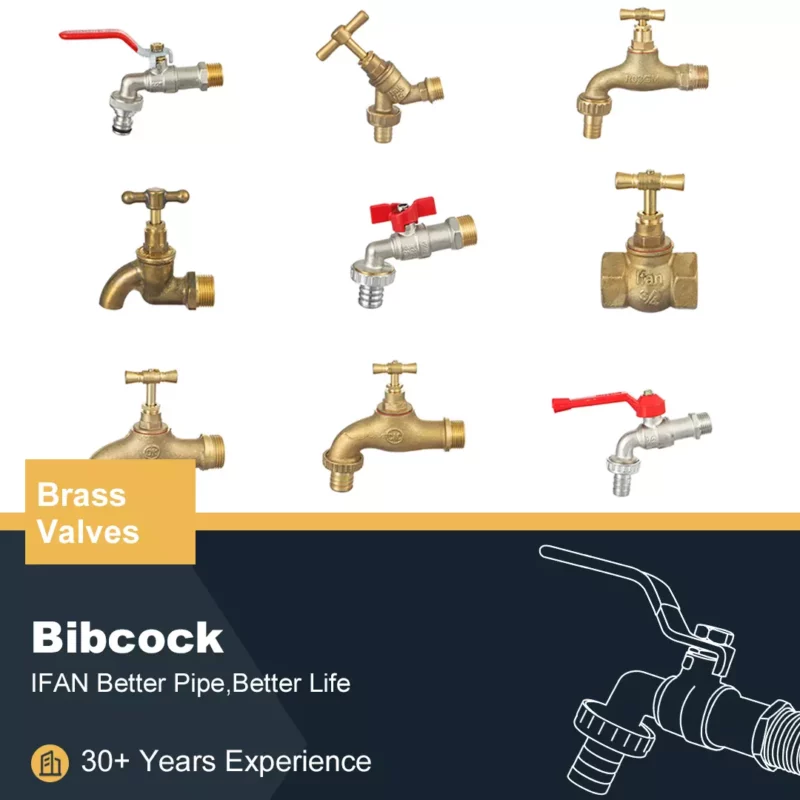
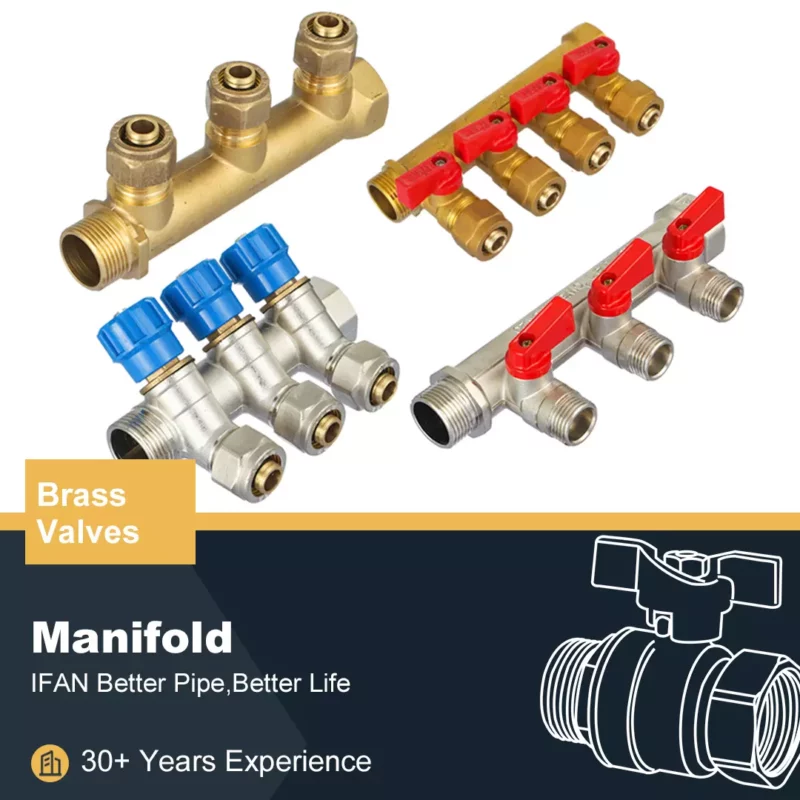
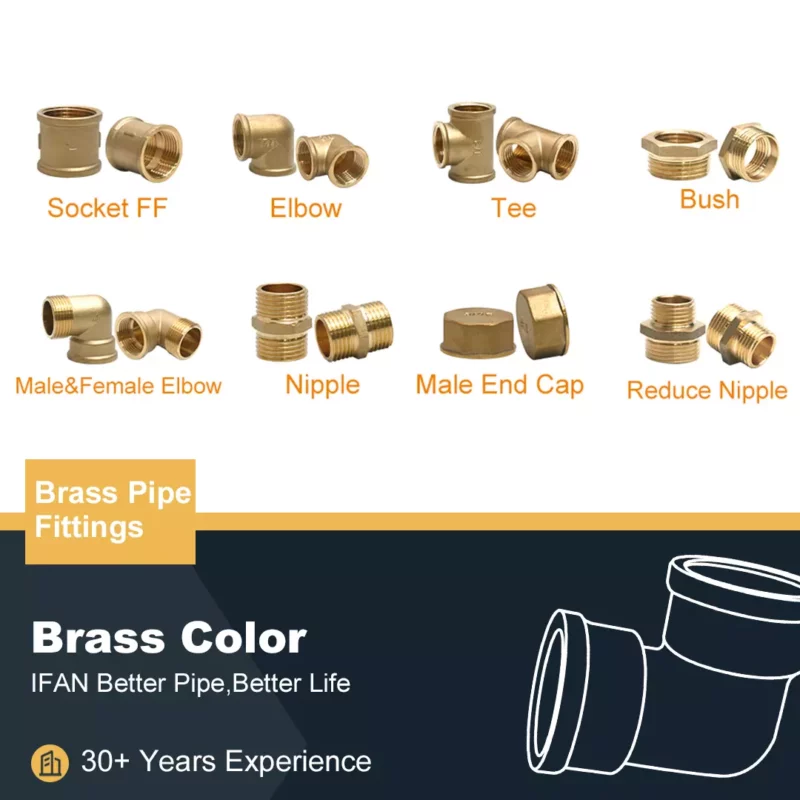
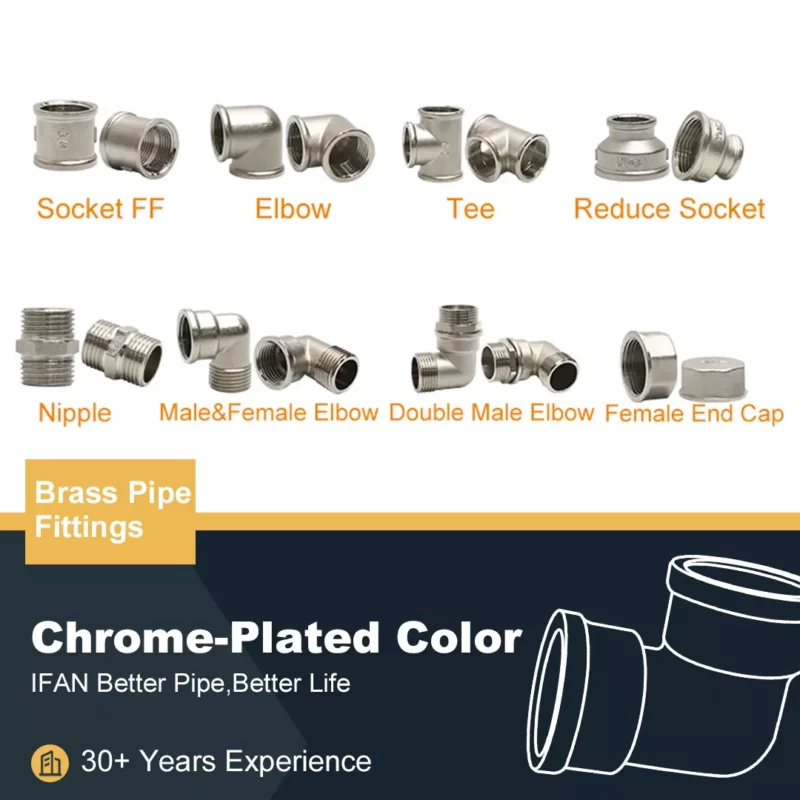
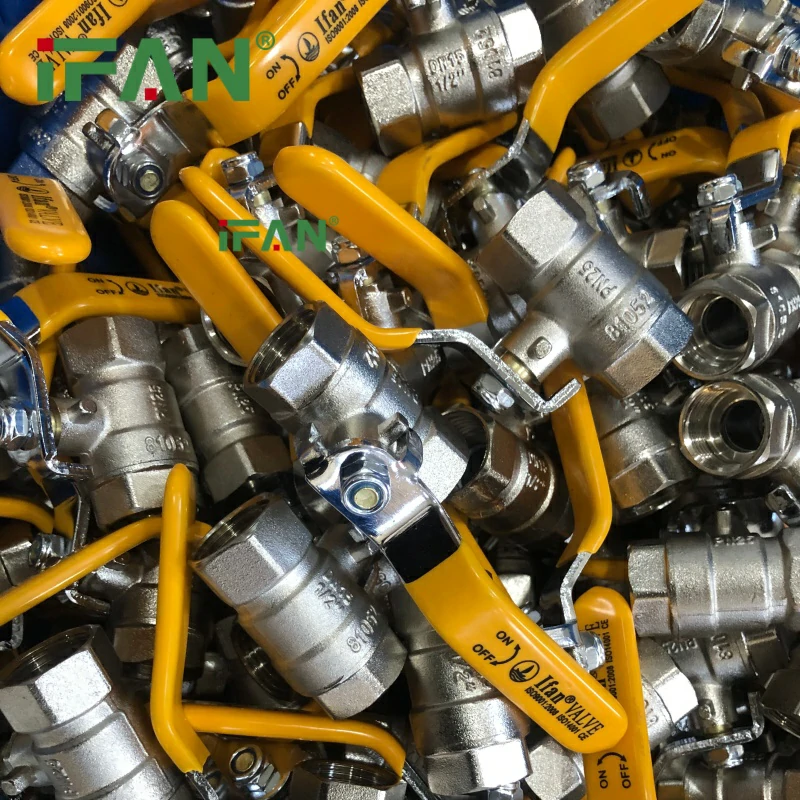
Brass gas valves are known for their strong sealing ability and precise control. They often include a quarter-turn handle for quick operation. Some designs have a locking mechanism for safety. Many models are compatible with compression fittings or threaded connections. This makes installation easy and secure. The valve body is pressure-rated and often includes certification markings. These may include CSA, UL, or ISO standards. Brass valves are available in various sizes and flow ratings to match different systems. They can handle both low-pressure and high-pressure applications.
Types of Brass Gas Valves
There are several types of brass gas valves for different applications. The most common is the ball valve. It uses a rotating ball with a hole to control gas flow. Ball valves offer tight shutoff and fast operation. Another type is the needle valve, which allows for precise flow adjustment. Gate valves and plug valves are also available but are less common in gas systems. Each type has its own advantages based on the system requirements. Selecting the right valve depends on pressure, flow rate, and installation space.
Installation and Maintenance Tips
Proper installation is key to valve performance and safety. Always follow manufacturer guidelines and local codes. Use appropriate thread sealants or compression fittings to prevent leaks. Make sure the valve is accessible for future servicing. Do not over-tighten connections, as this may damage the threads. Regular inspection is important for detecting wear or damage. Check for corrosion, gas odor, or loose fittings. Clean the valve periodically and replace worn parts promptly. Scheduled maintenance helps extend the life of the valve and keeps the system safe.
Applications in Residential Systems
In homes, brass gas valves are used in heating and cooking systems. These include gas furnaces, stoves, water heaters, and fireplaces. A reliable gas valve ensures consistent fuel delivery and allows safe shutoff during repairs or emergencies. Homeowners prefer brass for its reliability and long service life. It’s also less likely to fail in high-humidity environments like basements. The compact size of most brass valves makes them ideal for tight installations. They are also easy to operate, even for non-professionals.
Applications in Commercial Settings
Commercial buildings rely heavily on gas for heating, cooking, and industrial processes. Brass gas valves are used in restaurants, hotels, and laundromats. They are also found in schools and hospitals. In these settings, valve failure could lead to significant safety risks. Brass valves provide the reliability needed to avoid downtime or accidents. Many commercial-grade valves come with locking handles or tamper-proof features. These additions enhance security and prevent unauthorized access. Brass valves are also compatible with automatic gas shut-off systems.
Industrial Use and Heavy-Duty Performance
In industrial environments, gas systems often operate under higher pressures and temperatures. Brass gas valves are used in manufacturing, energy, and processing plants. Their durable construction withstands harsh conditions and continuous use. Valves may be part of automated systems and must respond accurately to control signals. Brass resists corrosion from chemicals and environmental exposure. This makes it suitable for outdoor or remote installations. Many industries choose brass for its performance under load and low failure rate. These valves can be integrated into larger control systems with sensors and actuators.
Safety and Compliance Standards
Using certified brass gas valves helps ensure compliance with safety regulations. Valves used in gas applications should be tested and rated by recognized agencies. Common certifications include CSA (Canada), UL (United States), and CE (Europe). These certifications guarantee the valve meets specific pressure, temperature, and material standards. Compliance also supports insurance claims in the event of a failure or accident. Installers and inspectors rely on these markings to verify product quality. Always choose a valve that meets or exceeds local building and gas codes.
Innovations and Smart Features
Modern brass gas valves are evolving to include smart features. Some models can be monitored or controlled remotely using wireless technology. These are useful in systems where manual access is limited. Sensors may detect leaks and automatically close the valve. This improves safety and reduces response time in emergencies. Valves may also include wear indicators or alert systems for maintenance. With smart technology, brass gas valves are becoming more integral to advanced building systems. These innovations enhance control, safety, and energy efficiency.
Environmental and Economic Benefits
Brass valves are durable and recyclable. This makes them a sustainable choice. Their long service life reduces waste and the need for replacements. Brass manufacturing has a lower carbon footprint than some other metals. Economically, brass valves offer good value due to their reliability and low maintenance. While the initial cost may be higher than plastic or iron, the lifetime cost is lower. Investing in quality brass valves reduces the risk of gas leaks, system failures, and costly repairs.
Conclusion
Brass gas valves are essential components in gas flow control systems. Their strength, durability, and reliability make them a preferred choice across industries. They ensure safe and efficient gas delivery in residential, commercial, and industrial environments. With proper installation and maintenance, brass gas valves offer long-lasting performance. Modern enhancements and certifications further improve their safety and functionality. For any gas application, choosing a high-quality brass valve is a smart, dependable solution.
If you have read this article and have any questions, please feel free to contact IFAN. Below is our contact information:
Whatsapp:+86 13373827623
Email:[email protected]