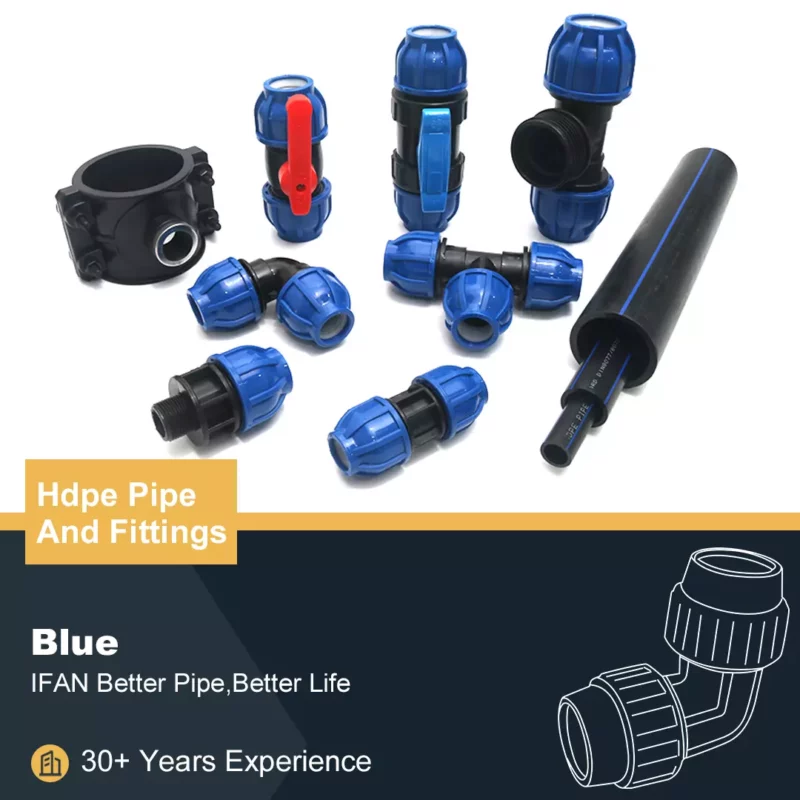



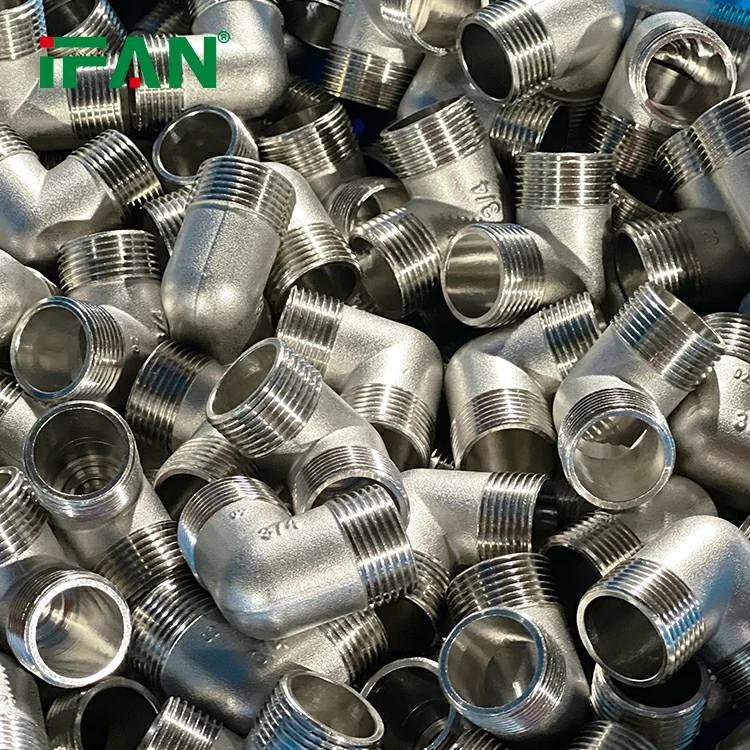
Introduction to Brass Fittings
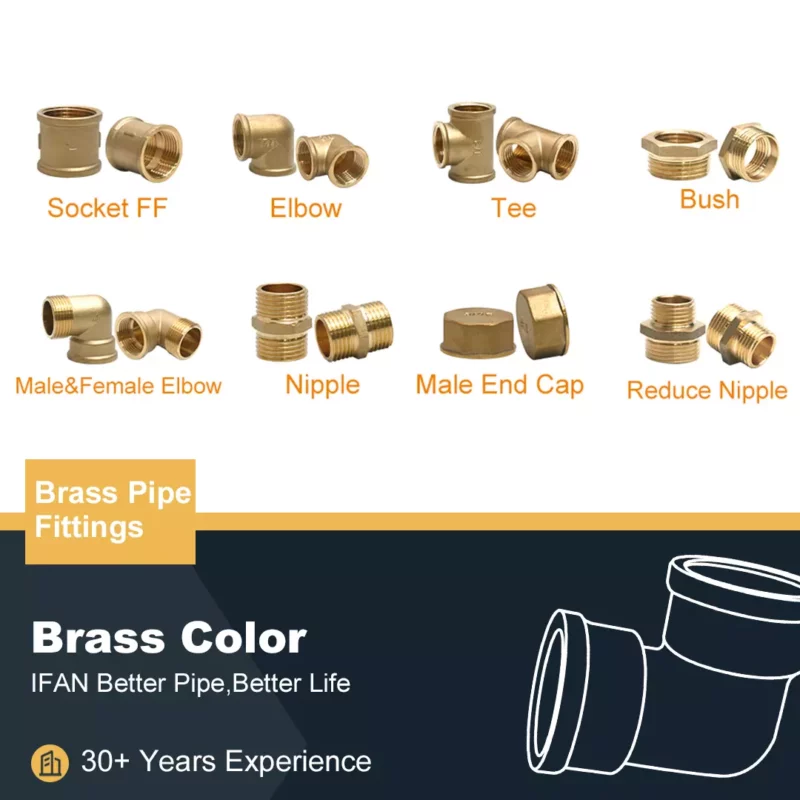
Brass pipe fittings are widely used in plumbing and industrial systems for their strength and versatility. These fittings connect different sections of pipe and help regulate flow. Brass, an alloy of copper and zinc, is known for its excellent mechanical properties. It is both durable and flexible, which makes it ideal for demanding systems. One of the most important features of brass fittings is their ability to support high pressure. They can withstand intense pressure without deforming, cracking, or leaking. This makes them a reliable choice for water, gas, and hydraulic systems. Their pressure-handling ability ensures safety and stability even under extreme conditions. As pressure demands grow in modern applications, brass fittings remain a trusted solution.
Why Pressure Resistance Matters
In many piping systems, pressure can rise due to pumps, heat, or other operational factors. If fittings cannot handle the pressure, leaks or bursts may occur. These failures can cause serious damage, including water loss, system downtime, or safety hazards. Pressure resistance ensures that the system remains stable and functional. High-pressure fittings are necessary in industrial plants, fire protection systems, and pressurized gas lines. The strength of brass allows it to handle these conditions without performance loss. Even in residential settings, high water pressure can challenge poor-quality fittings. Brass ensures that connections stay sealed, secure, and reliable. For any system involving pressure, choosing the right fitting material is critical to long-term performance.
Material Properties of Brass
Brass Pipe Fittings combines strength and ductility, allowing it to maintain its form under stress. It has excellent tensile strength, often ranging from 40,000 to 60,000 psi. This strength allows brass to withstand internal pressure without breaking or cracking. Brass also resists fatigue, meaning it holds up well under repeated pressure cycles. Its low friction coefficient helps reduce wear in threaded connections. Unlike brittle materials, brass can flex slightly under stress, which prevents sudden failure. Brass also resists corrosion, which contributes to long-term pressure resistance. Corrosion can weaken metal over time, but brass forms a protective layer that prevents this damage. These properties make brass ideal for high-pressure environments where both strength and durability are required.
Common High-Pressure Applications
Brass pipe fittings are used in many high-pressure systems across various industries. In HVAC systems, they manage refrigerant under high pressure and temperature. In hydraulic systems, brass fittings help transport fluid power efficiently and safely. In compressed air systems, they maintain pressure stability and prevent leaks. Fire sprinkler systems rely on brass fittings to handle water pressure during emergencies. In gas lines, brass offers the necessary sealing strength to prevent leaks under pressure. Fuel systems in automotive and aviation applications also use brass due to its reliable performance. Even in laboratory settings, where precision and pressure control are vital, brass remains a preferred material. These applications highlight the strength and dependability of brass under pressure.
Fitting Types for High Pressure
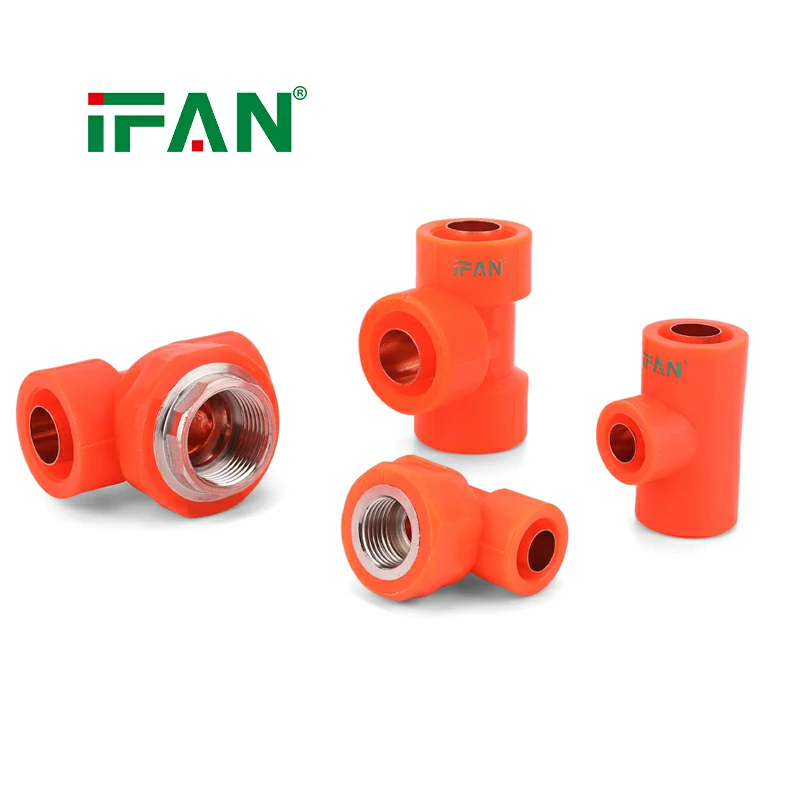
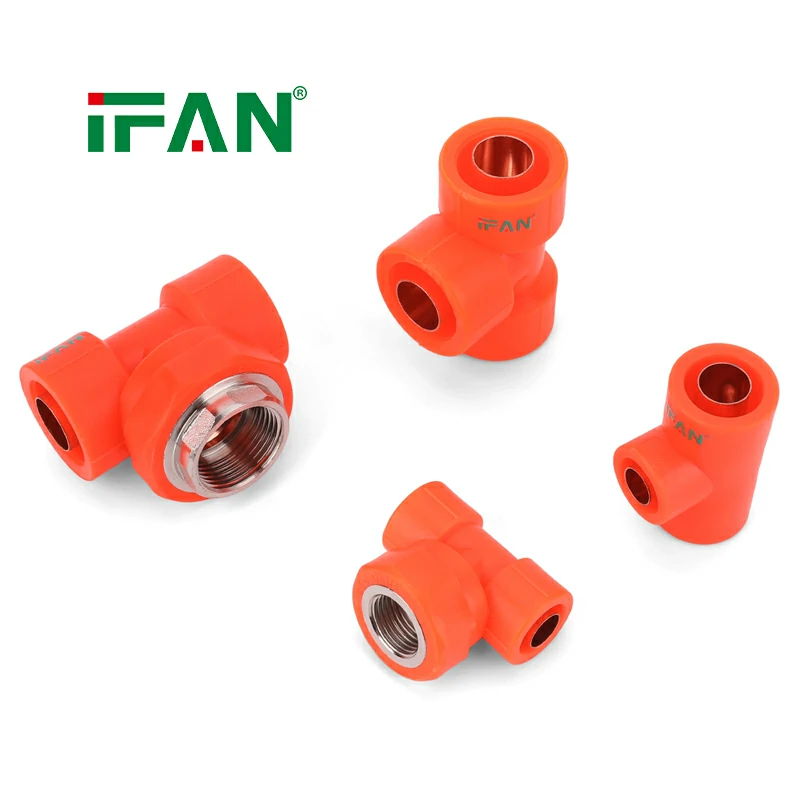
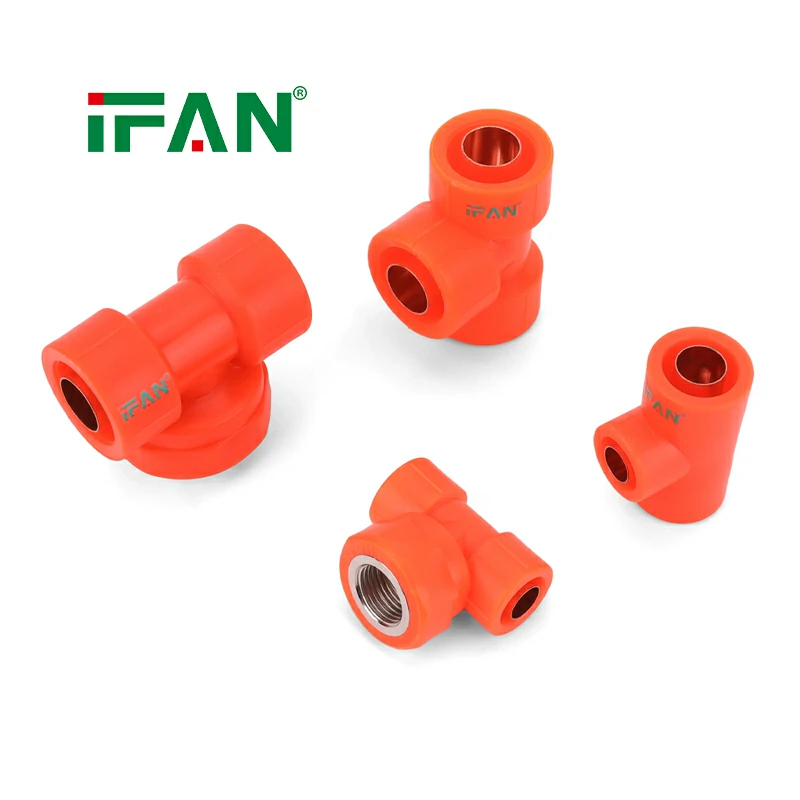
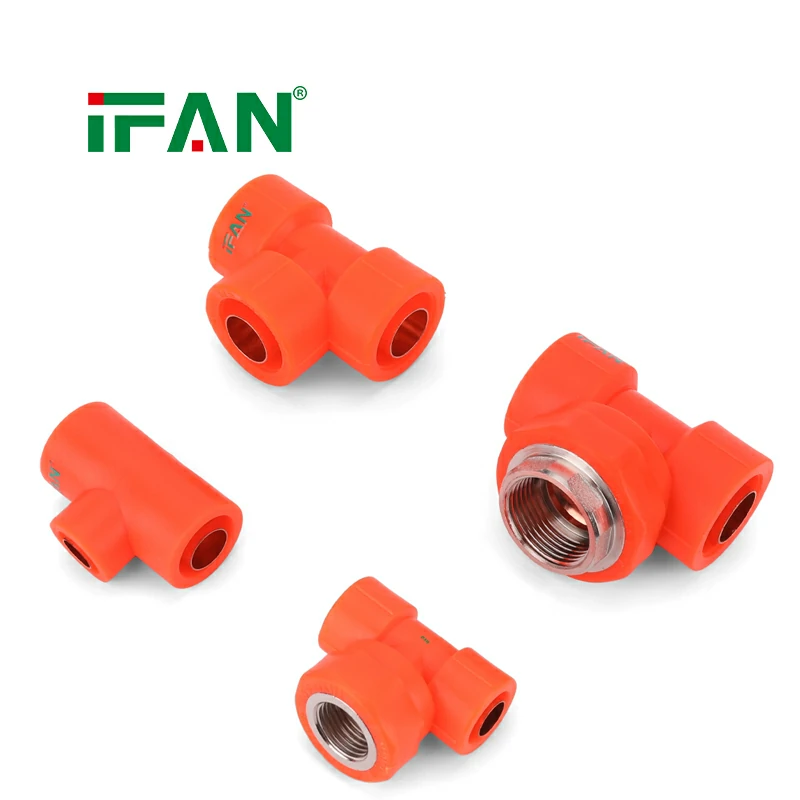
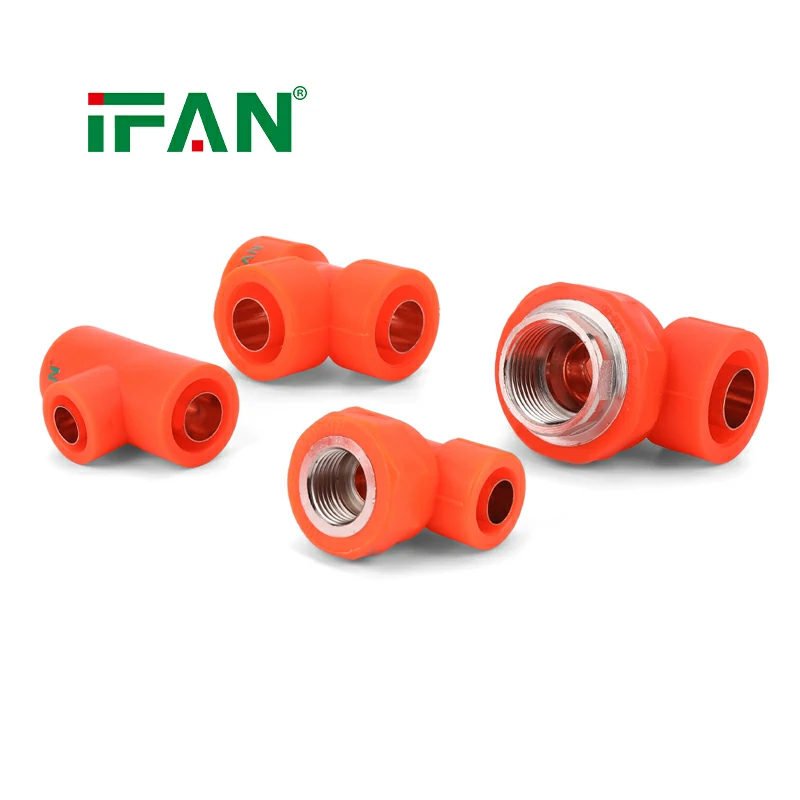
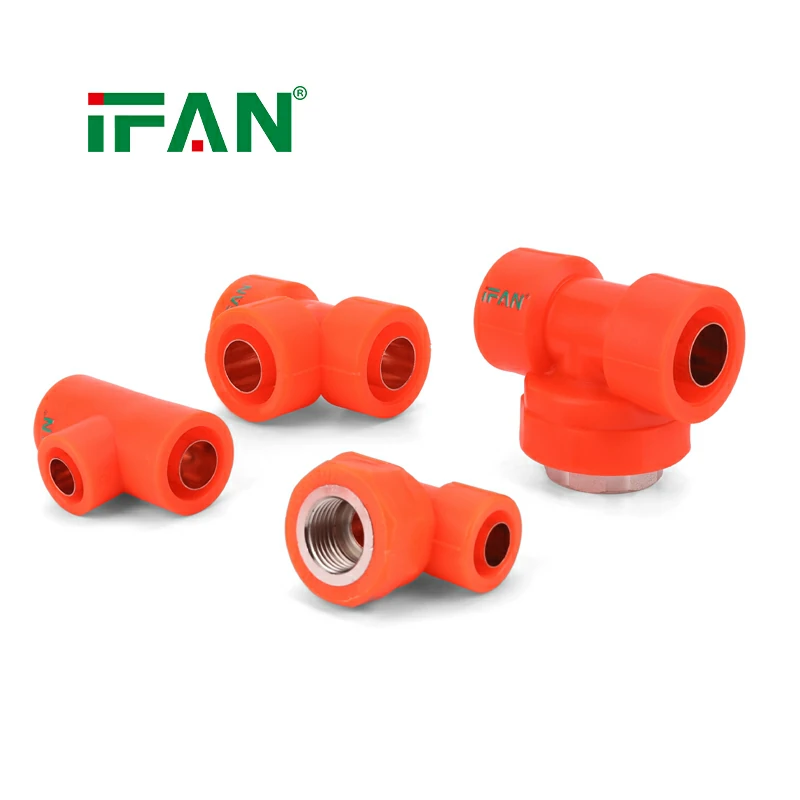
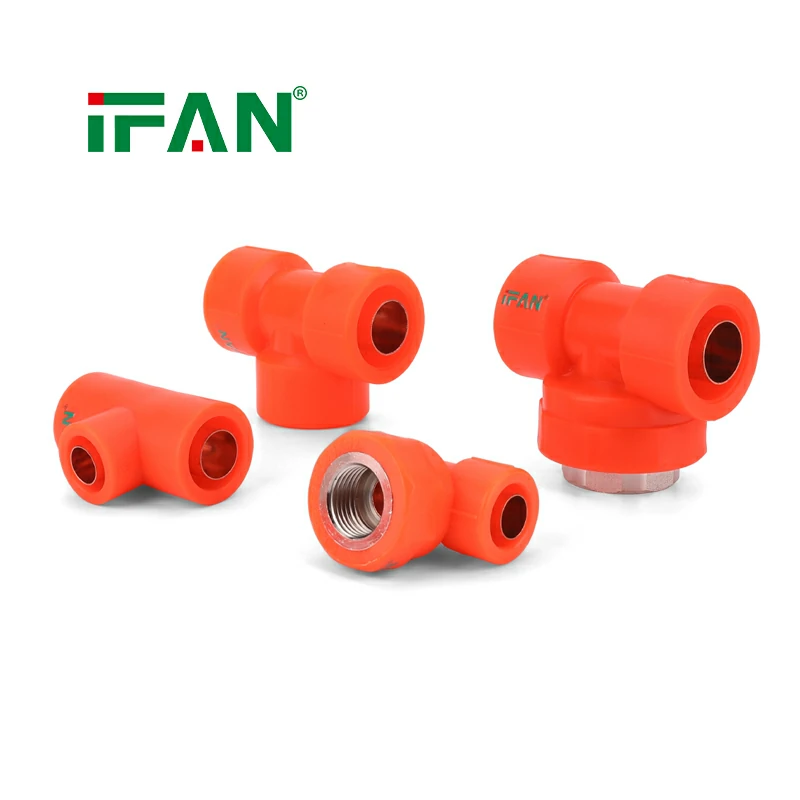
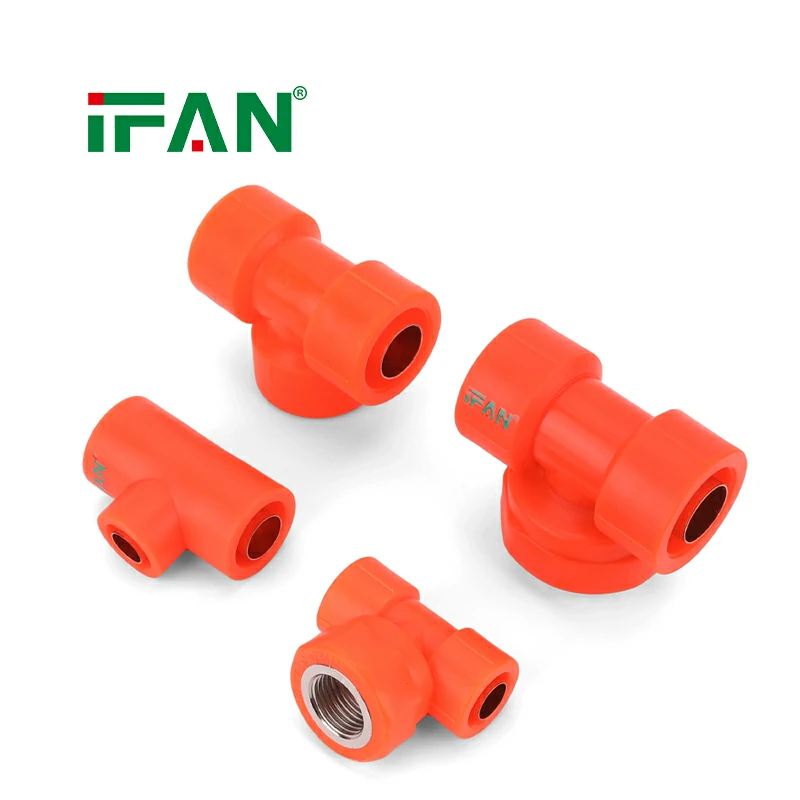
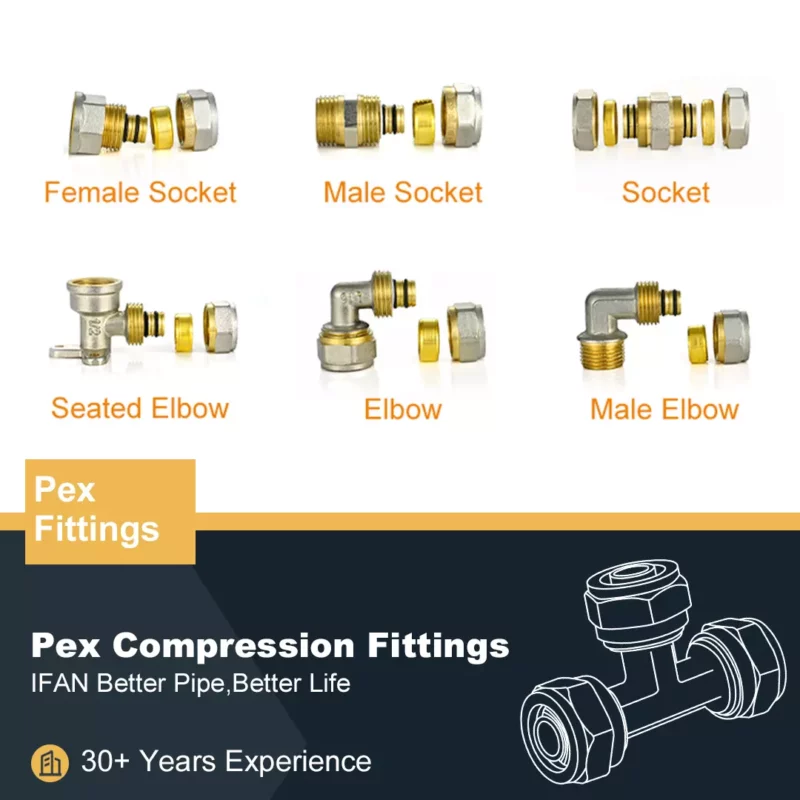
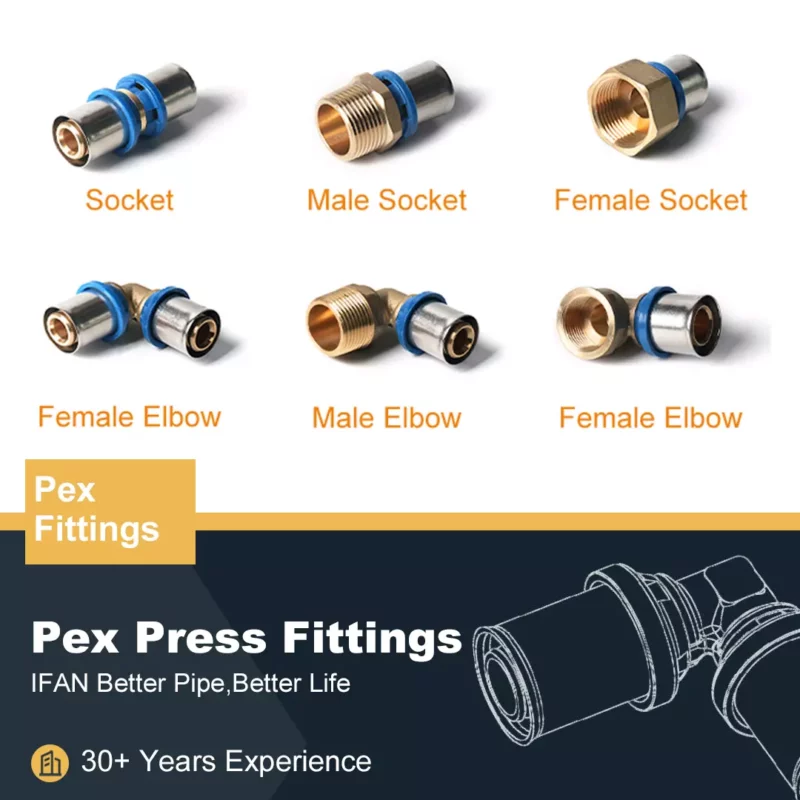
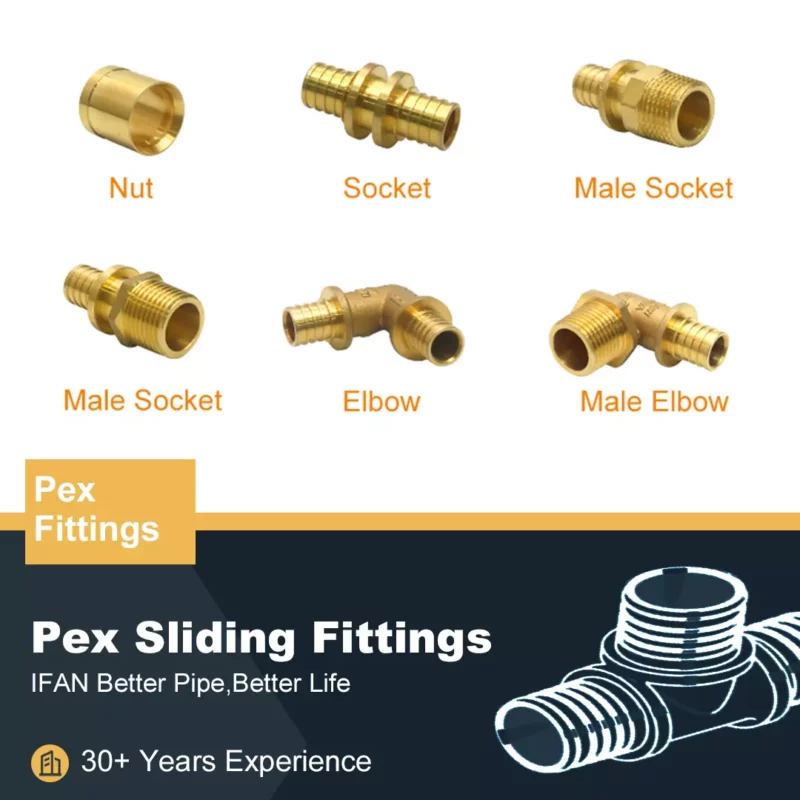
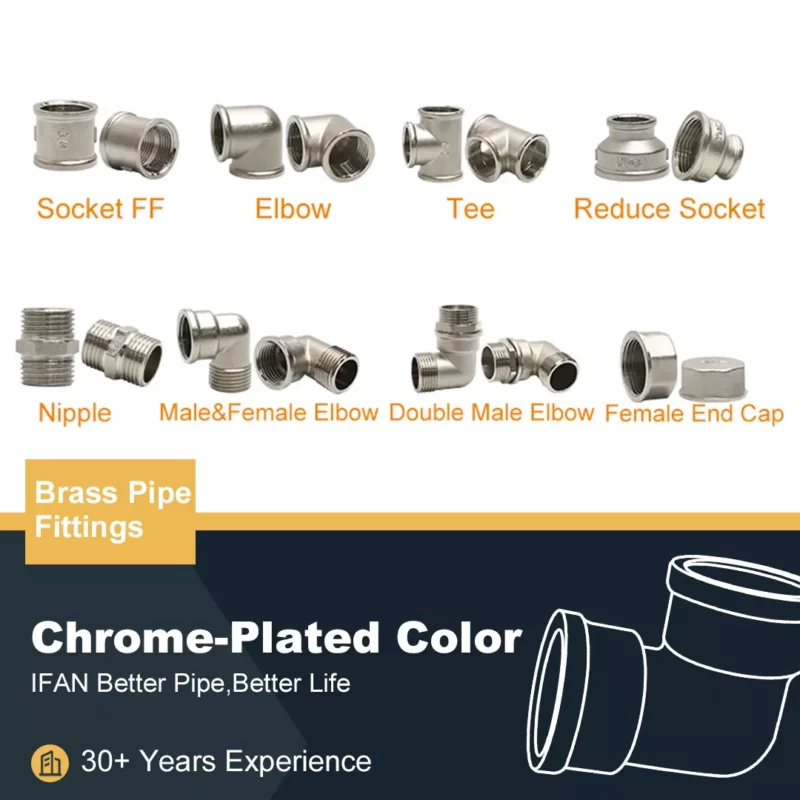
Several types of brass fittings are designed specifically for high-pressure use. Compression fittings create a tight seal by compressing a ring onto the pipe. Flare fittings use a cone-shaped end to seal the connection, making them suitable for gas and fuel lines. Threaded fittings are common in both residential and industrial systems, offering strong mechanical connections. Push-to-connect fittings are also available for quick and reliable pressure-tight seals. Each fitting type is engineered to handle specific pressure ranges and flow rates. Choosing the right type ensures safety and efficiency in the overall system. Brass fittings come in various shapes—elbows, tees, couplings, and adapters—to match different system layouts. Understanding fitting types helps engineers and installers build systems that meet pressure requirements safely.
Installation Guidelines for High Pressure
Proper installation is key to ensuring fittings perform under high pressure. First, always match the fitting with the pipe size and pressure rating. Clean threads and pipe surfaces to remove dirt and debris before connecting. Use thread sealant or Teflon tape for threaded connections to ensure a secure seal. Avoid overtightening, which can crack the fitting or distort the thread. For compression fittings, align the pipe carefully and tighten the nut evenly to avoid leaks. Pressure-test the system after installation to confirm it holds without drops or leakage. Secure the pipes and fittings to reduce stress caused by vibration or movement. These practices help maintain pressure integrity and avoid future system failures.
Maintenance and Inspection
Even with high-quality brass fittings, regular maintenance is important for system reliability. Periodically inspect fittings for signs of wear, corrosion, or leakage. Look for green or white deposits, which may indicate minor oxidation. Though brass resists corrosion, environmental exposure can still impact its surface over time. Tighten any loose connections and replace damaged parts immediately. Pressure systems should be monitored for sudden drops or unusual sounds, which could signal a leak. Routine maintenance not only extends the lifespan of brass fittings but also improves system efficiency. Keeping the system clean and well-supported prevents stress on fittings. Preventive care is essential in high-pressure applications where failure can have serious consequences.
Safety Considerations
Working with high-pressure systems involves risks, so safety should always come first. Always follow manufacturer guidelines for pressure limits and installation procedures. Do not exceed the rated pressure capacity of the brass fitting or pipe. Use proper tools to avoid damaging threads or deforming the fitting. During maintenance, depressurize the system before disconnecting any parts. Wear safety gear, including gloves and eye protection, especially in gas or chemical systems. Ensure all fittings are properly supported and anchored to prevent vibration damage. Improper installation or poor-quality fittings can lead to dangerous leaks or bursts. By choosing certified brass fittings and following safety protocols, users can ensure long-term safe performance.
Brass vs. Other High-Pressure Materials
Other materials like stainless steel, copper, and plastic are also used in pressurized systems. However, brass offers a unique combination of features. It is easier to machine than stainless steel and often less expensive. Brass has better corrosion resistance than iron and greater strength than most plastics. While stainless steel can handle higher pressures, it is more difficult to install and heavier. Copper is excellent for heat transfer but may soften under very high pressure or temperature. Brass provides a balanced solution: strong enough for pressure, resistant to corrosion, and easy to work with. For most medium to high-pressure systems, brass fittings offer the best mix of performance and cost-efficiency.
Certification and Standards
High-pressure fittings must meet industry standards for safety and performance. Reputable manufacturers test their brass fittings to comply with ANSI, ASTM, or ISO standards. For gas and water systems, certifications like NSF and CSA confirm that products meet health and safety regulations. Always check for these markings when selecting fittings. Pressure ratings are usually engraved on the fitting body to guide safe installation. Installers should refer to charts and technical data sheets to match fittings with their pressure and temperature requirements. Using certified and tested fittings ensures reliability, minimizes risk, and meets building code requirements. Compliance also reduces liability in commercial and industrial projects.
Conclusion
Brass pipe fittings support high pressure with strength, precision, and durability. Their ability to resist pressure without deforming makes them ideal for demanding applications. Whether in residential plumbing, industrial hydraulics, or gas systems, brass fittings ensure secure and leak-free connections. Their unique properties—corrosion resistance, strength, and ease of installation—make them a reliable choice across sectors. With proper selection, installation, and maintenance, brass fittings offer long-lasting performance even under extreme pressure. As system demands continue to grow, brass remains a trusted solution for high-pressure needs.
If you have read this article and have any questions, please feel free to contact IFAN. Below is our contact information:
Whatsapp:+86 13373827623
Email:[email protected]