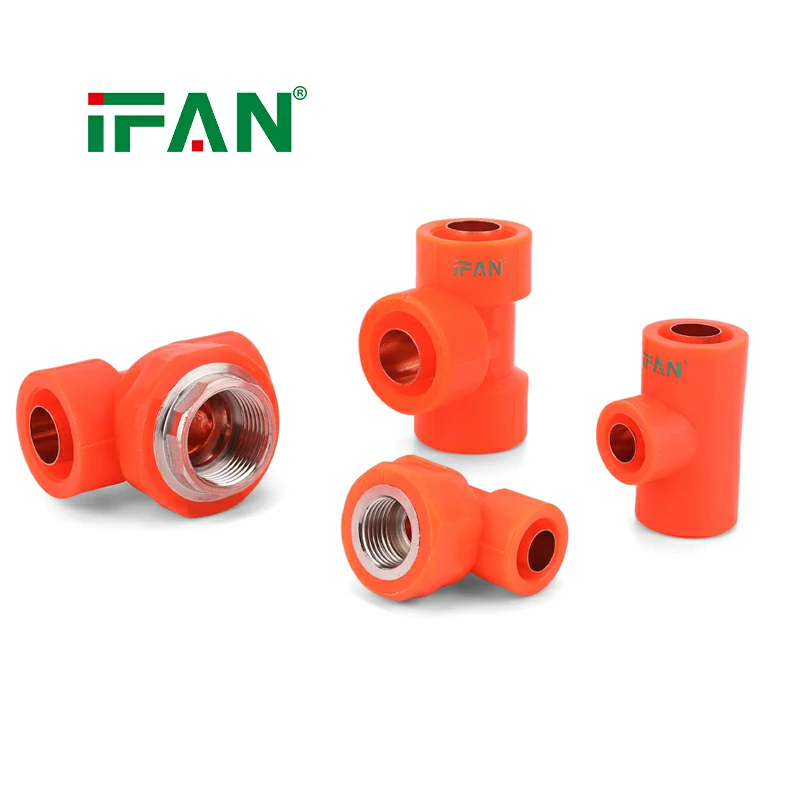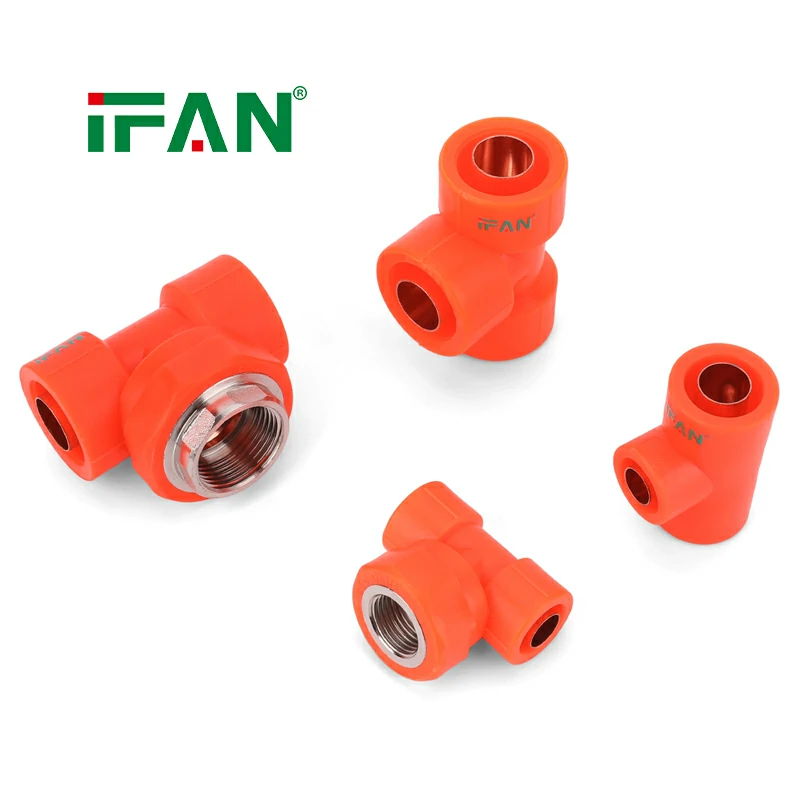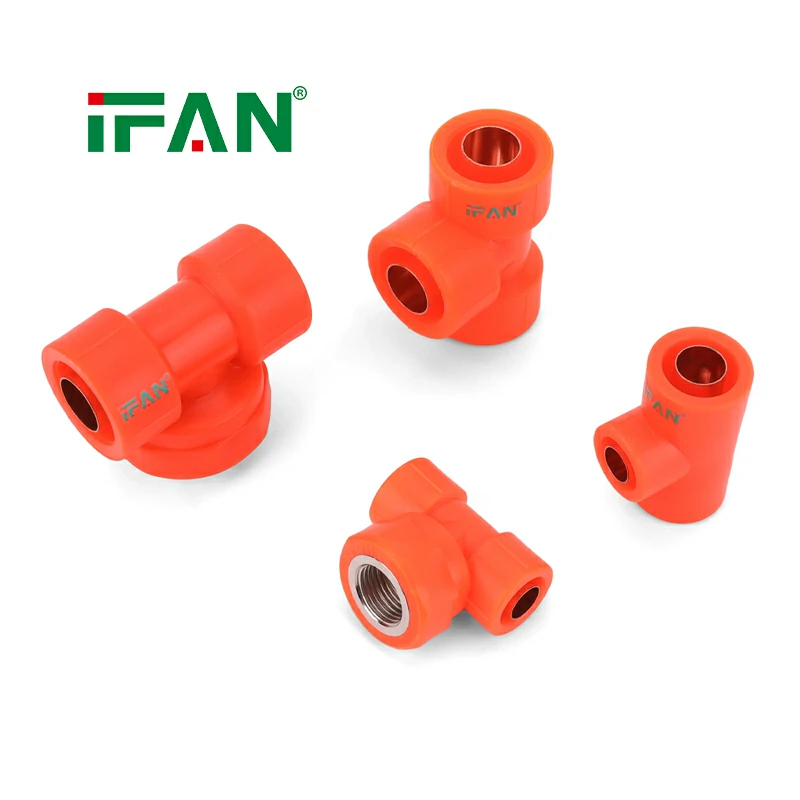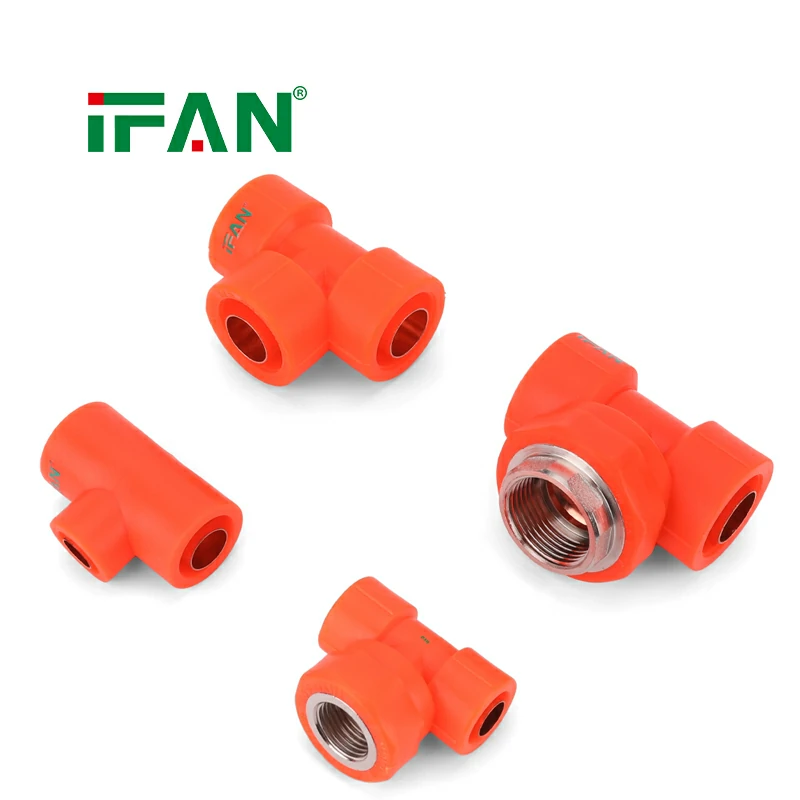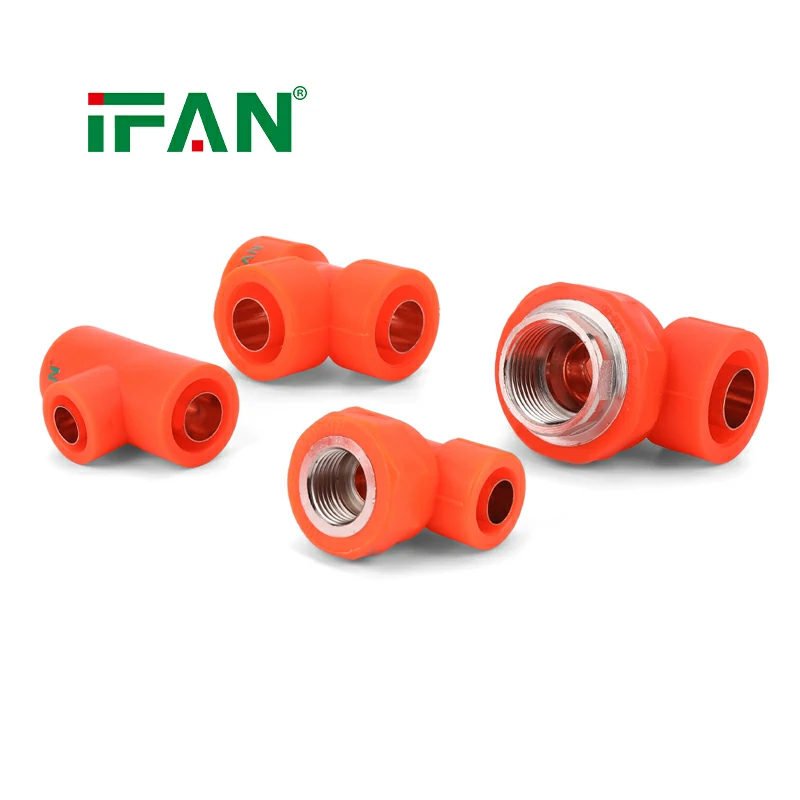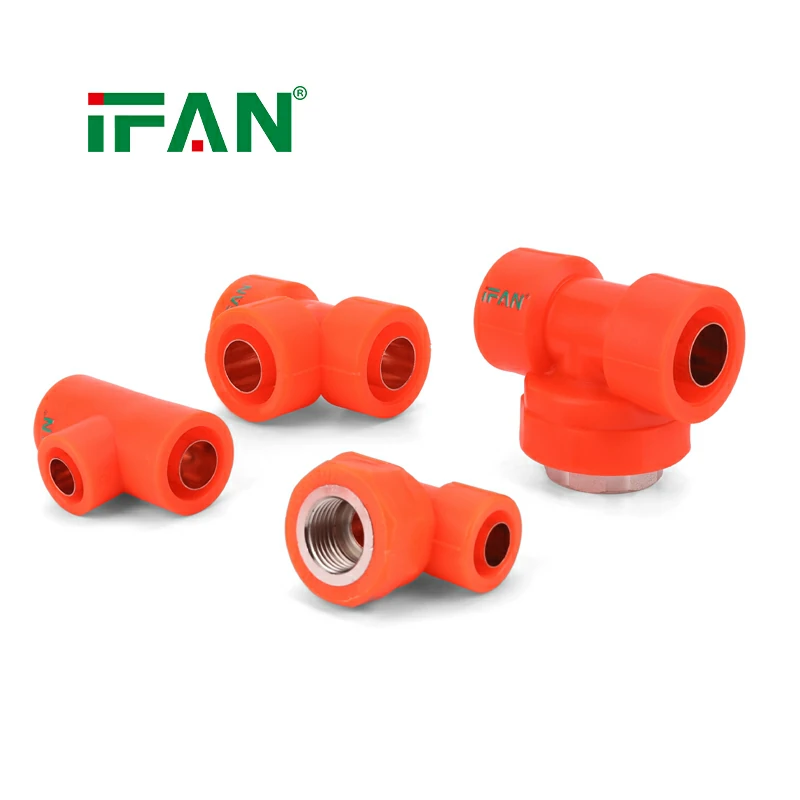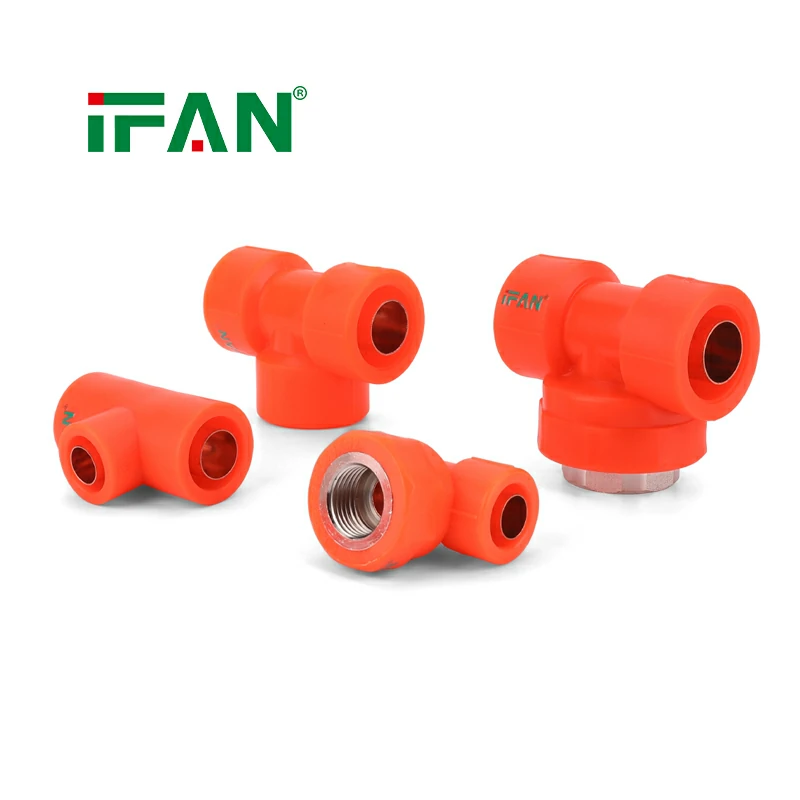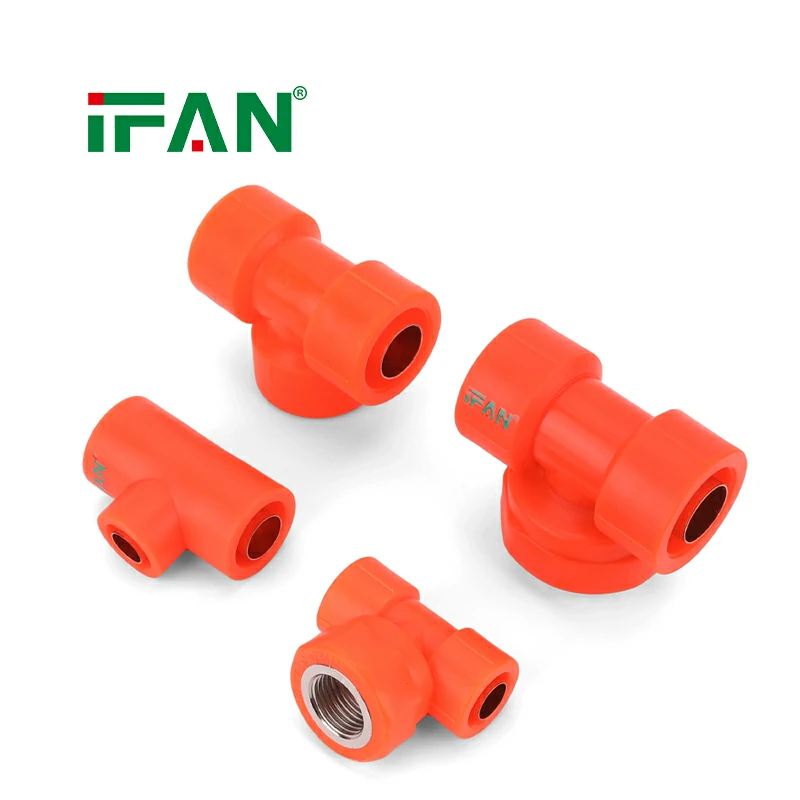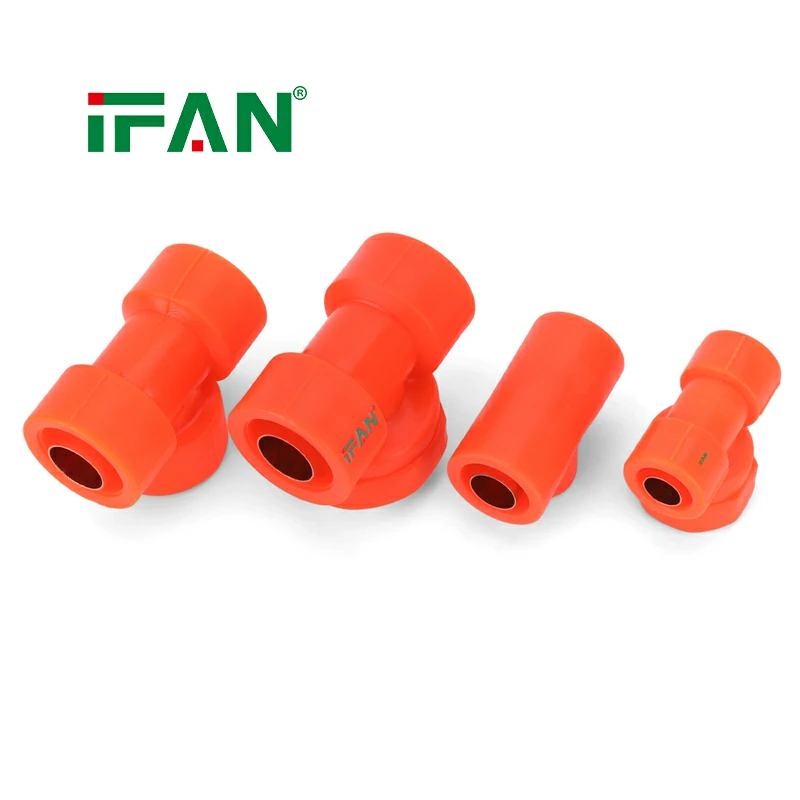
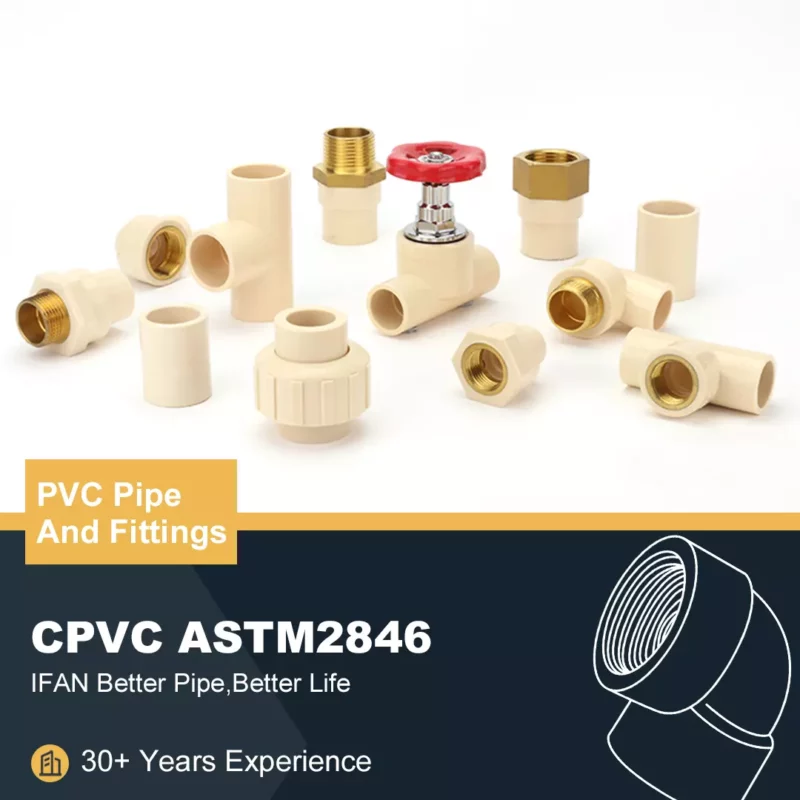
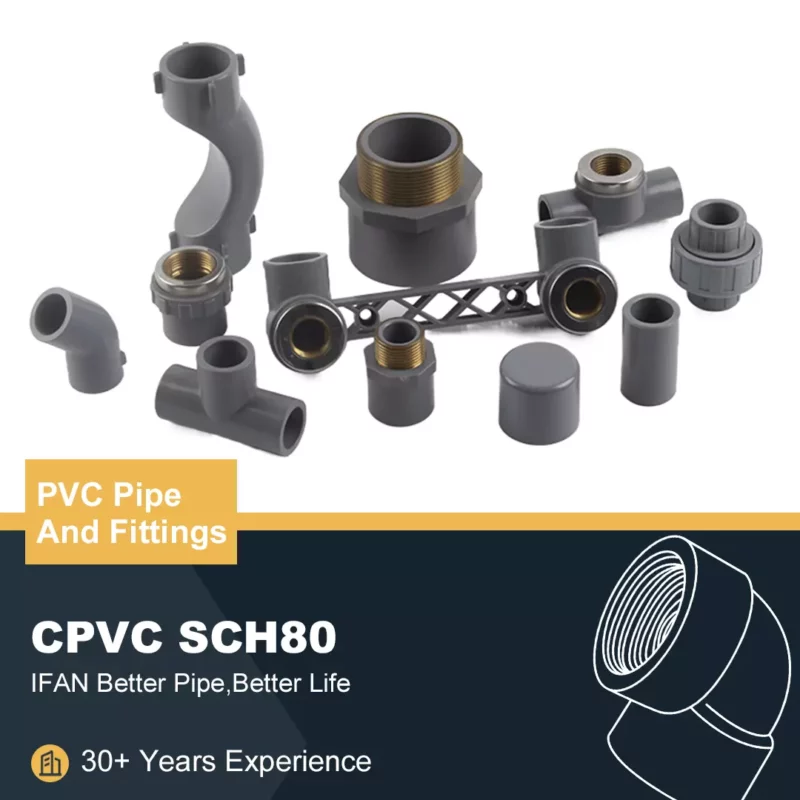
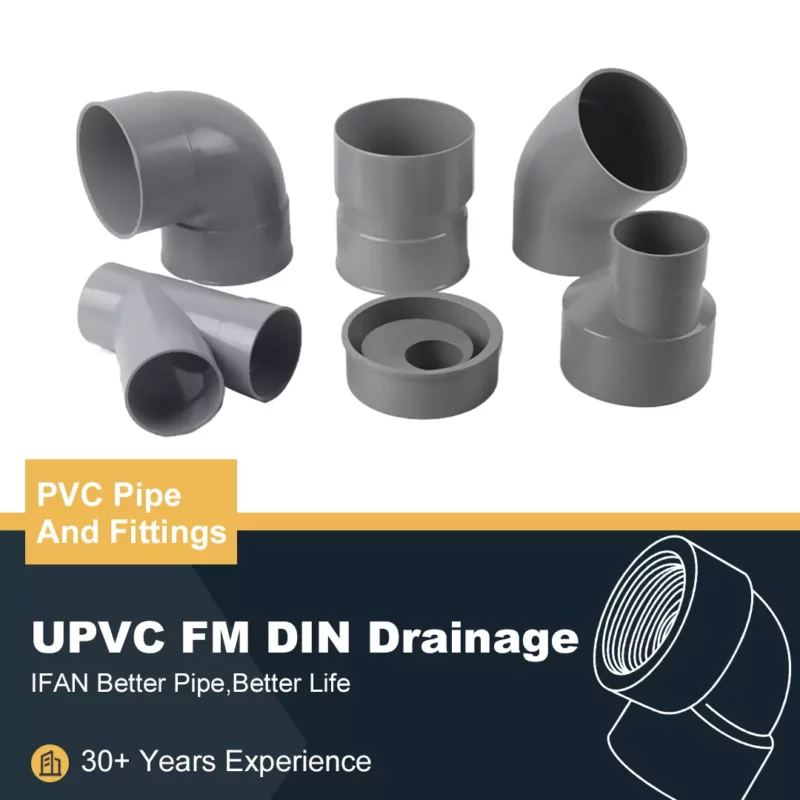
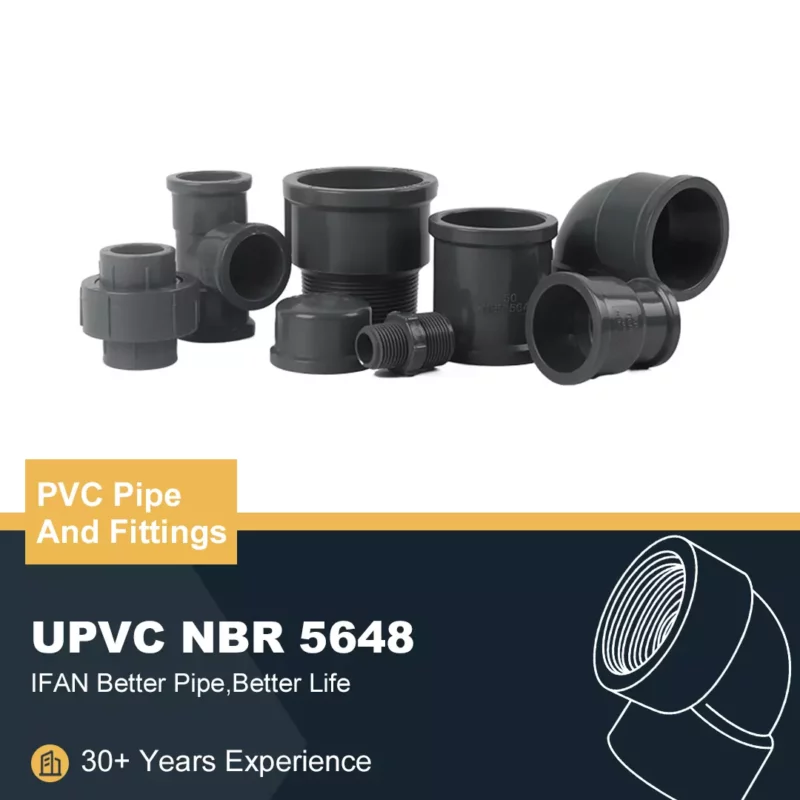
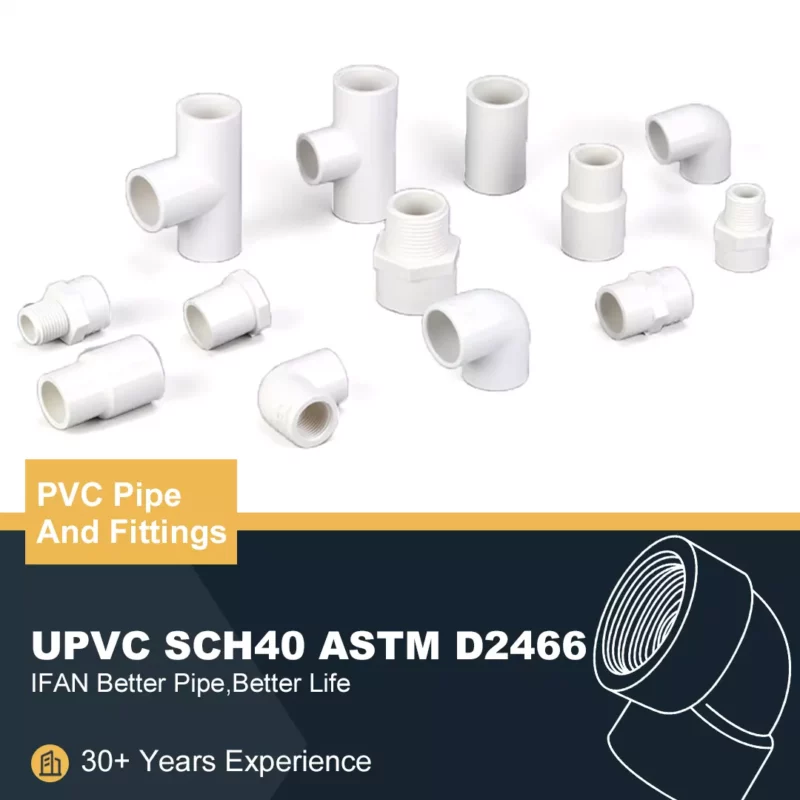
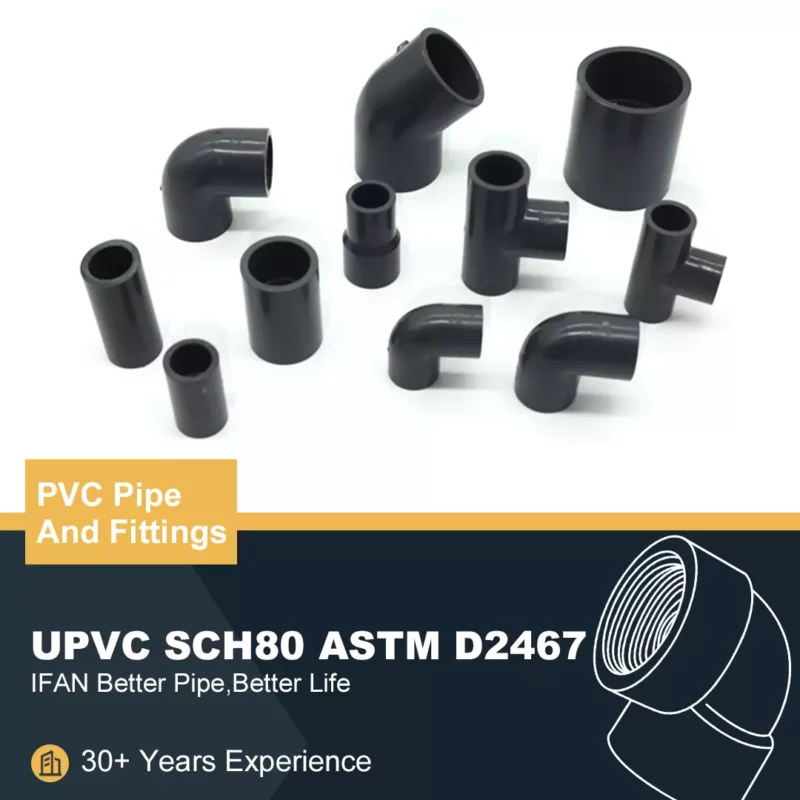
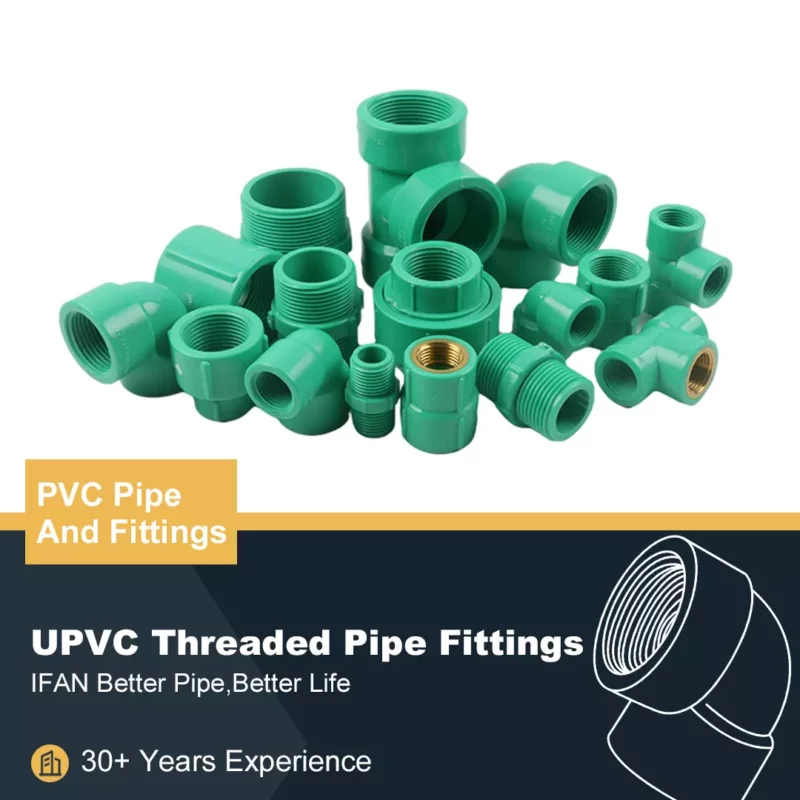
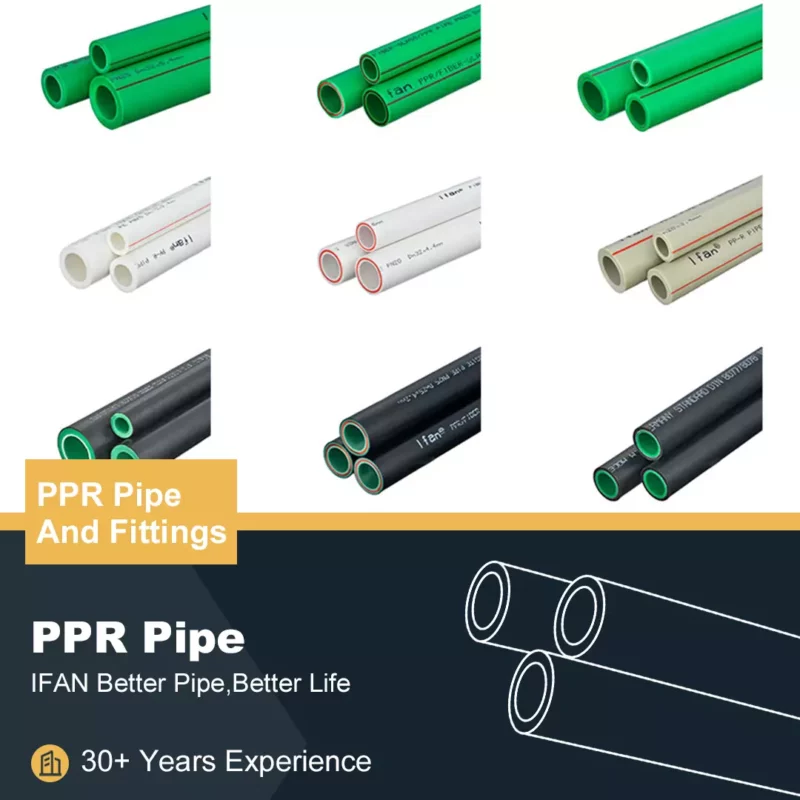
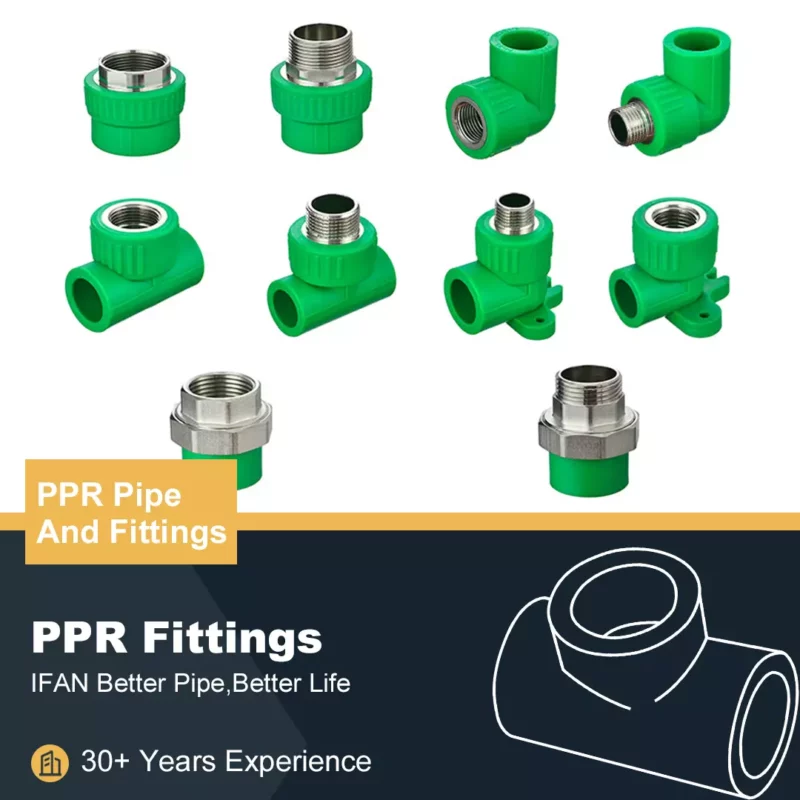
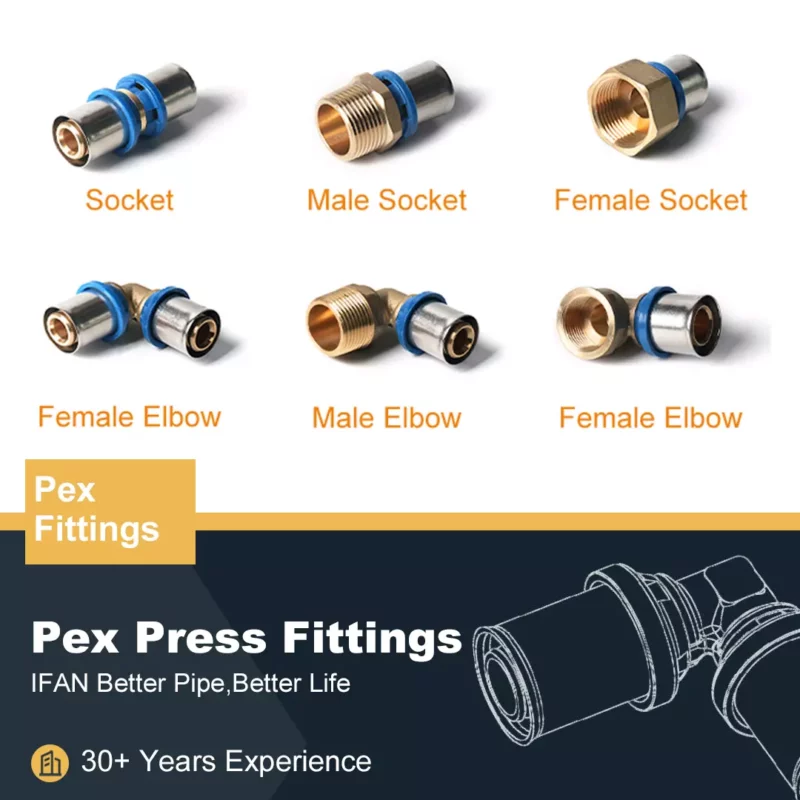
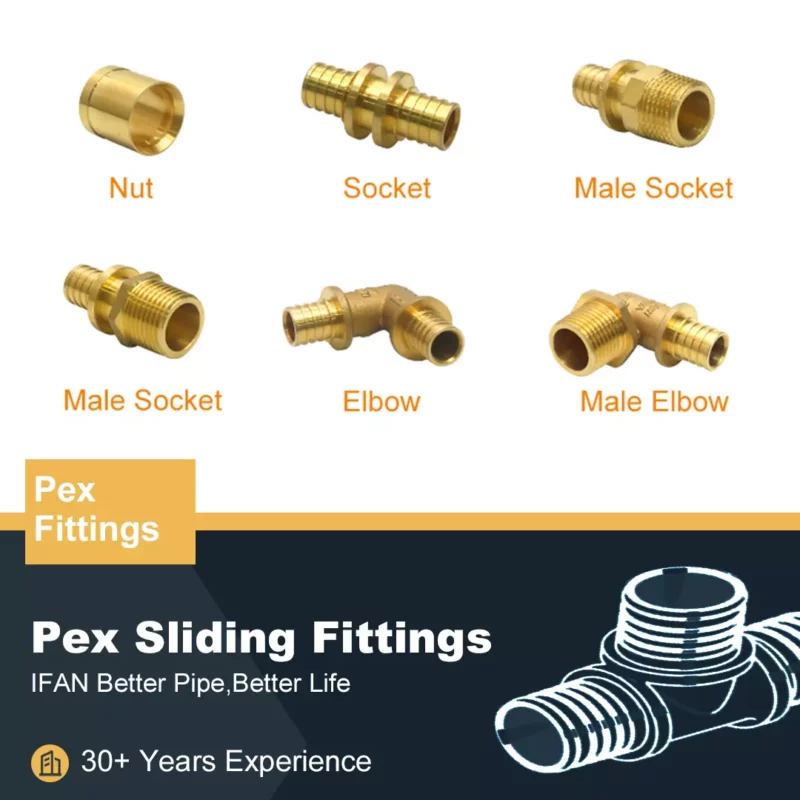
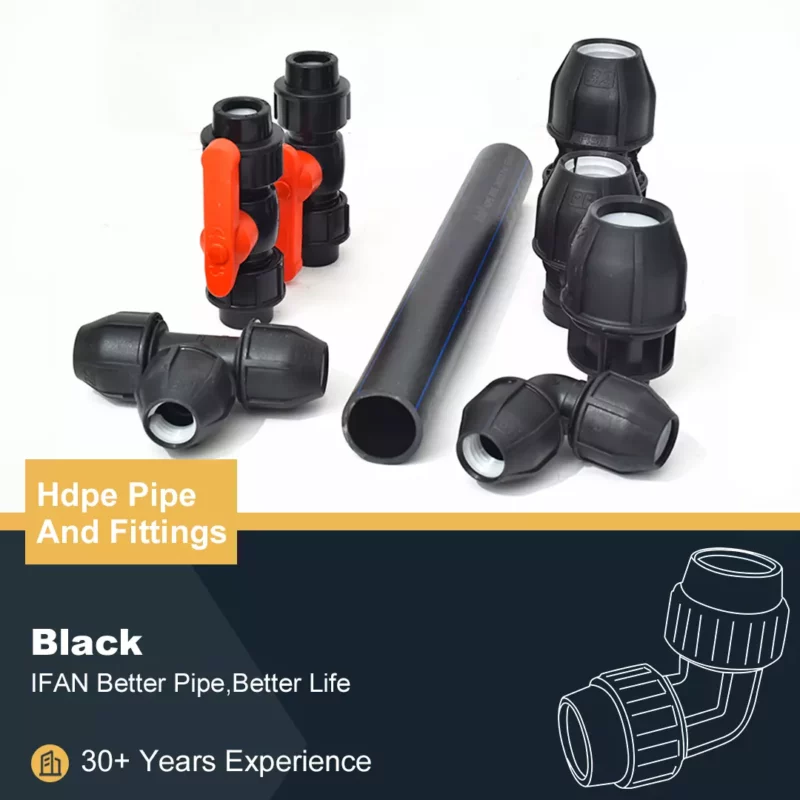
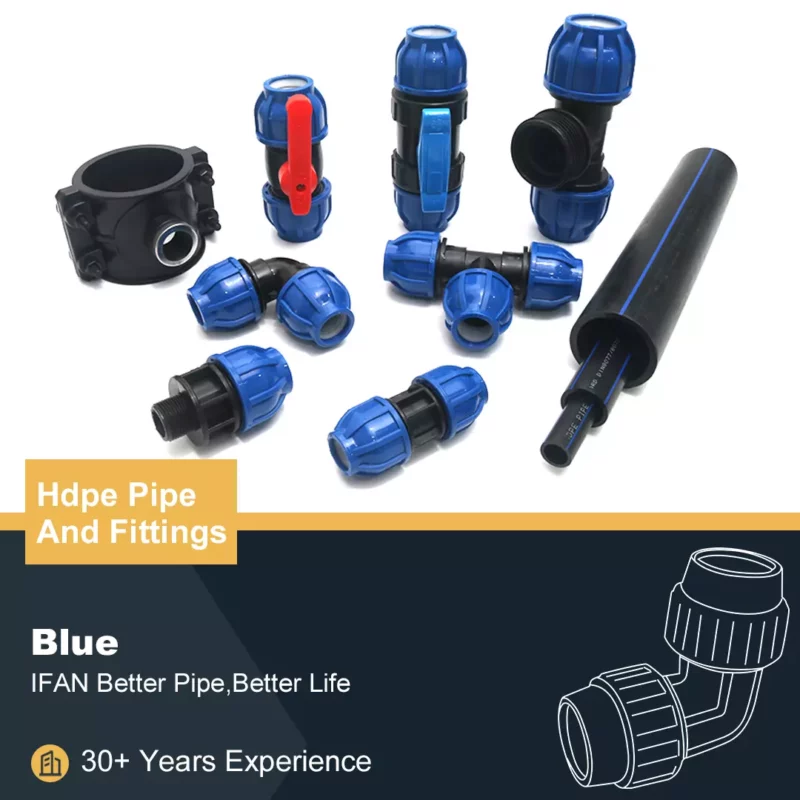
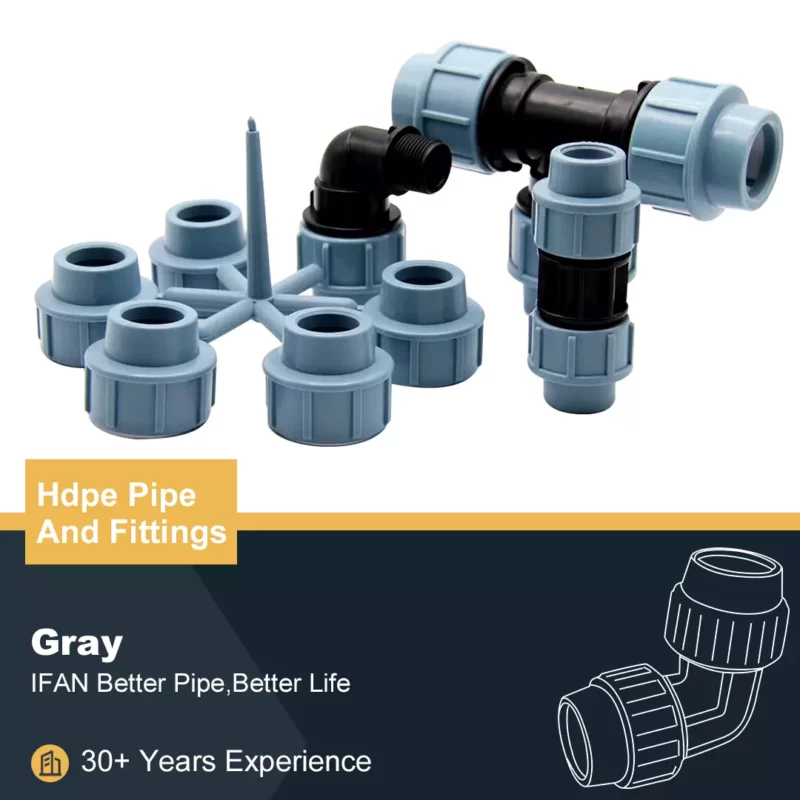


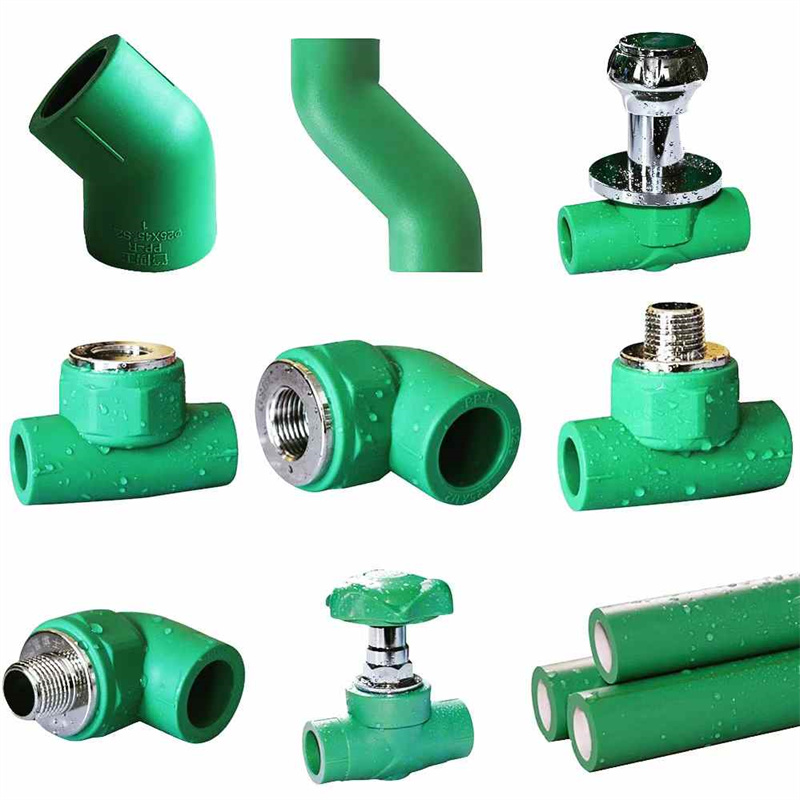
Installers prefer PPR pipe fittings for residential and commercial water systems. These fittings handle high pressure and temperature. Manufacturers produce fittings in elbows, tees, couplings, and unions. Users select fitting types based on layout and flow direction. PPR material resists corrosion and chemical buildup effectively.
Socket Welding Connection Detail
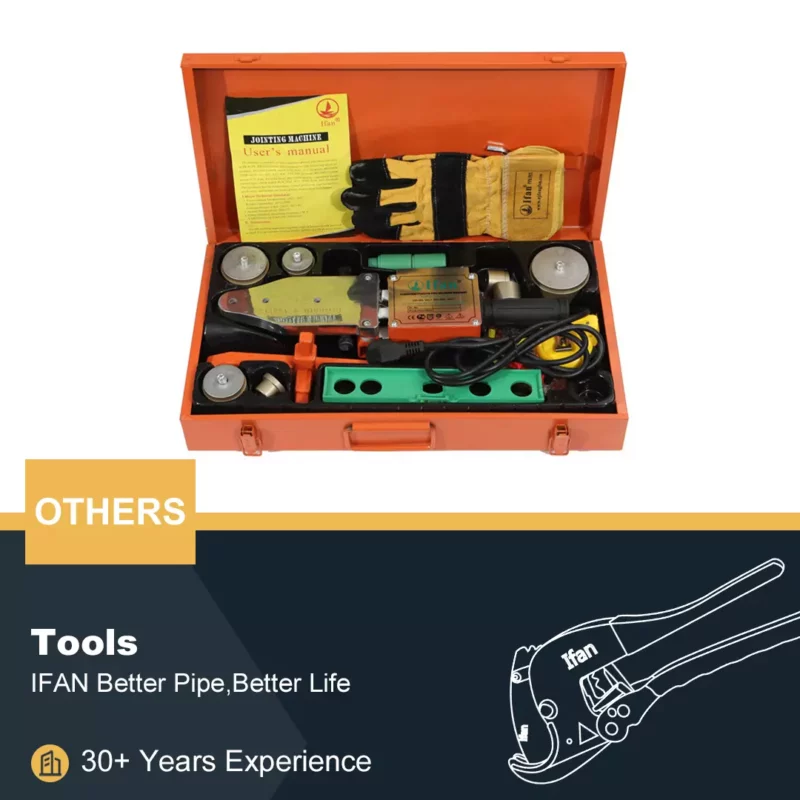
Plumbers connect PPR fittings using socket welding tools. This process ensures strong and seamless joints. Workers heat both pipe and fitting ends with welding tools. After heating, they insert the pipe into the fitting quickly. The melted surfaces bond and cool to form a secure seal.
Hot and Cold Water Applications
Builders install PPR fittings in both hot and cold water pipelines. These fittings tolerate up to 95°C temperatures. Contractors use them in bathrooms, kitchens, and central heating systems. The fittings maintain water purity without reacting with minerals. Systems remain safe for long-term human use.
Pressure Handling in Systems
Designers choose PPR fittings for systems with up to 20 bar pressure. The fittings prevent water hammer and leakage. Engineers calculate pressure levels before selecting specific fitting models. Installers use pressure testing after installation to ensure safety. Proper support brackets reduce stress on joints.
Insulation for Energy Saving
Plumbers add insulation to PPR pipelines to retain water temperature. Insulated fittings prevent energy loss in heating systems. Insulation also reduces condensation on cold water pipes. Technicians wrap fittings with foam or rubber sleeves. These coverings extend service life and improve efficiency.
Connection with PPR Valves
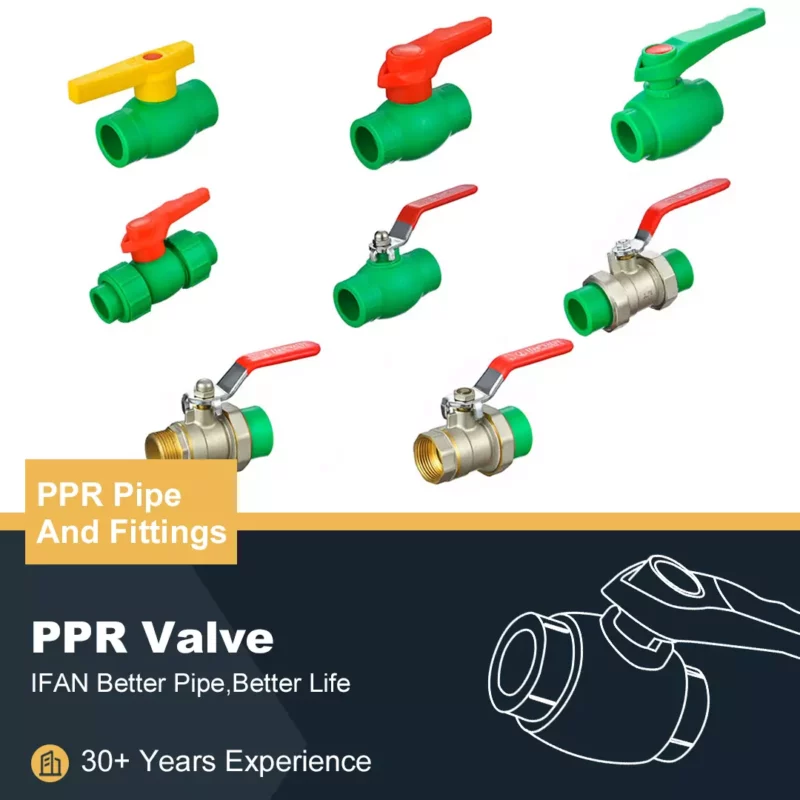
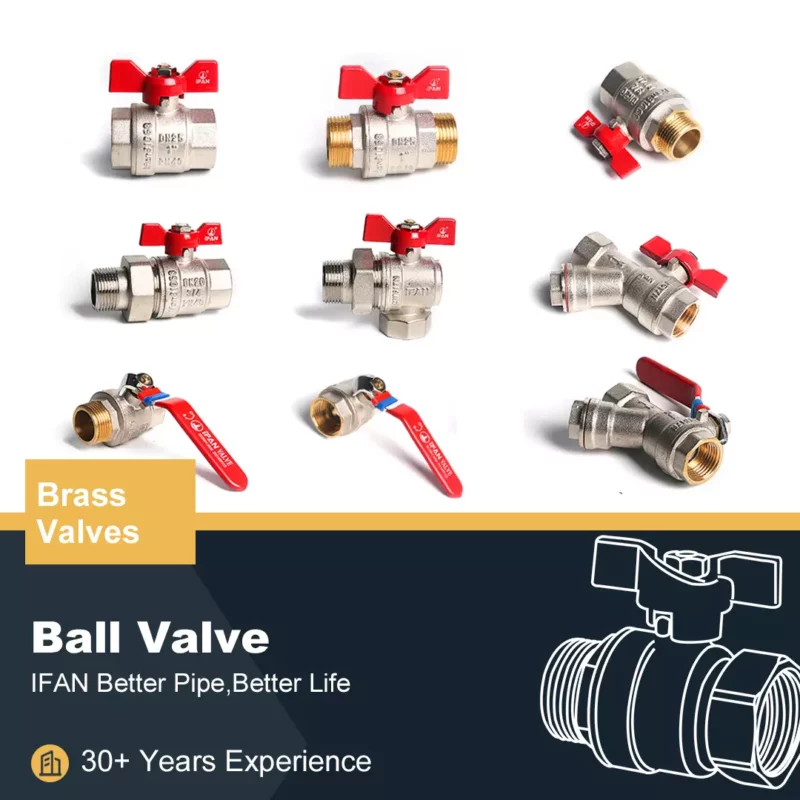
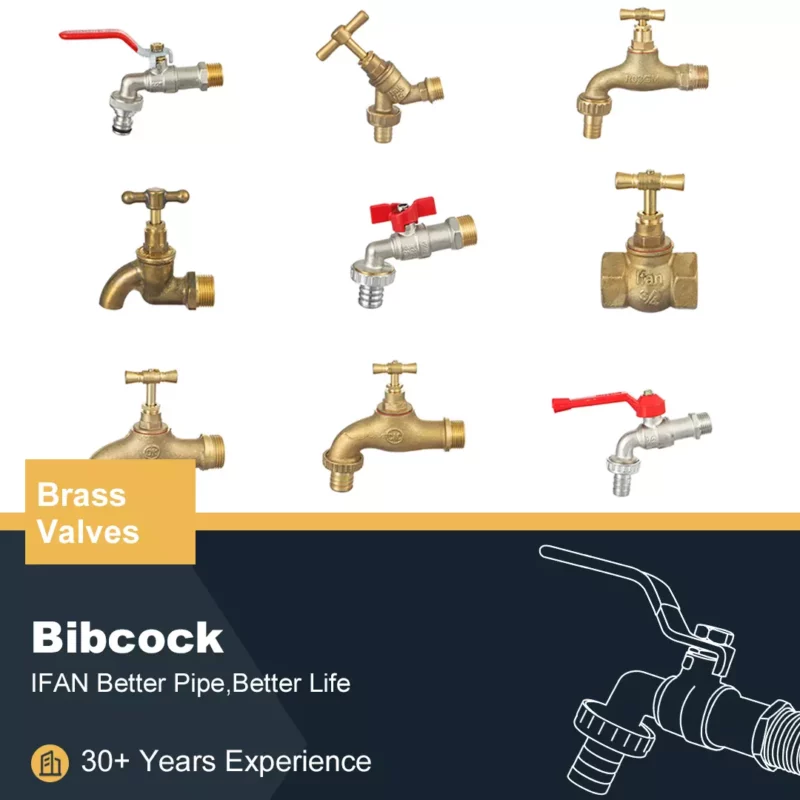
Installers connect PPR fittings directly to PPR valves during assembly. These valves include ball, stop, and concealed types. Technicians align threads or welding ends for secure joints. The fittings ensure precise flow control and isolation. Projects benefit from fully integrated systems.
Maintenance and Repair Steps
Operators identify leaks or blockages using pressure gauges. Technicians cut and replace damaged fittings with new ones. Workers apply heat tools carefully to avoid damaging nearby joints. Clean surfaces before reconnecting parts. Always test pressure after each repair session.
If you have read this article and have any questions, please feel free to contact IFAN. Below is our contact information:
Whatsapp:+86 13373827623
Email:[email protected]