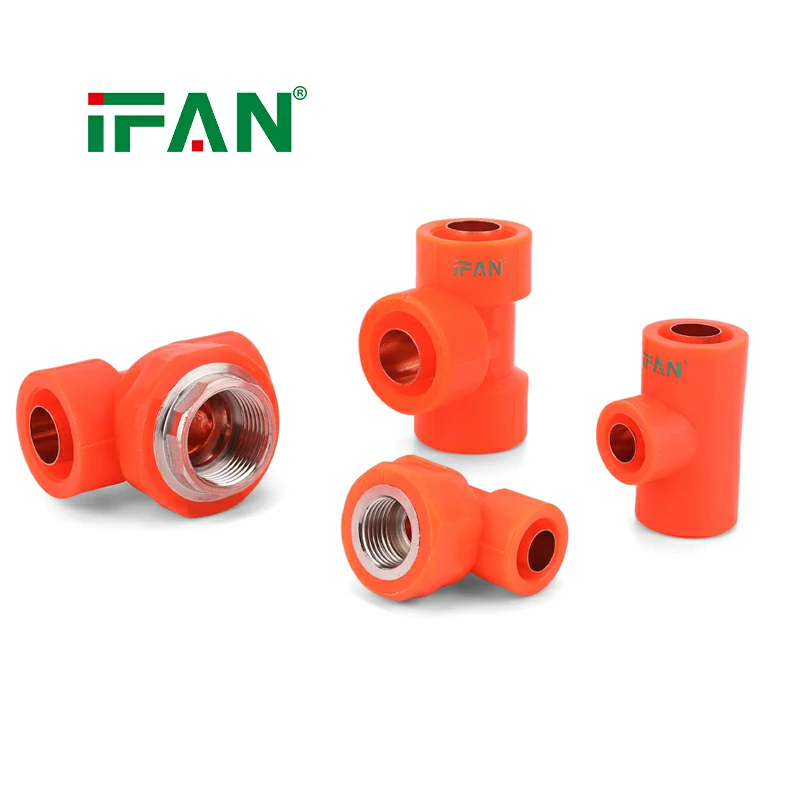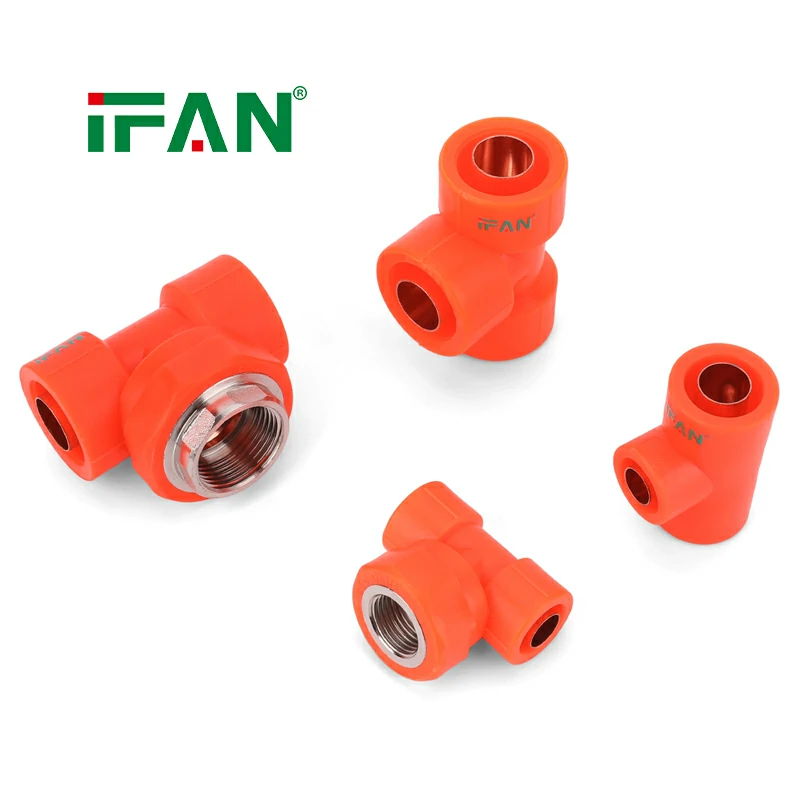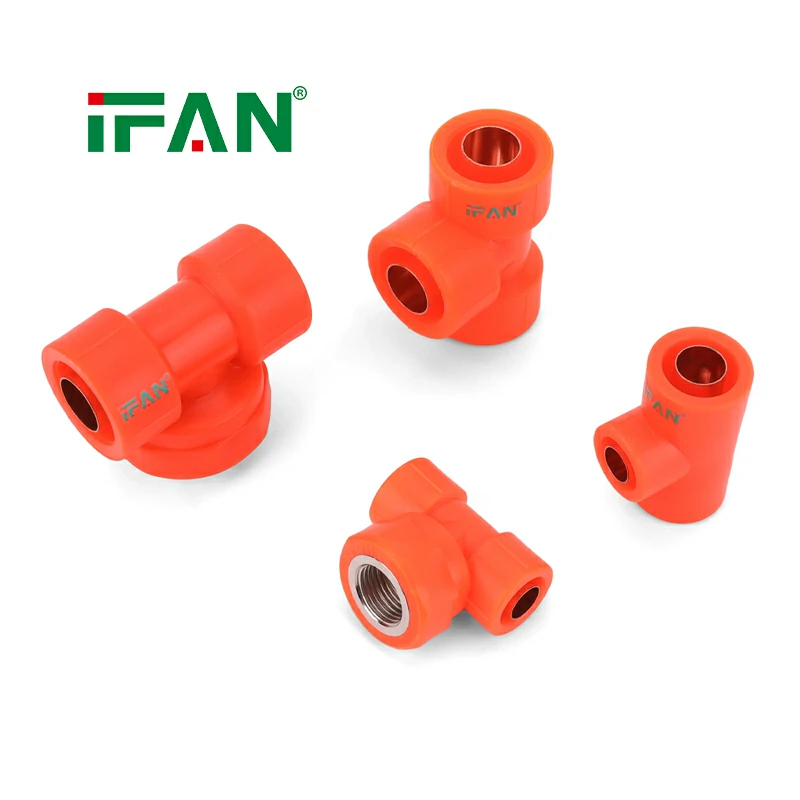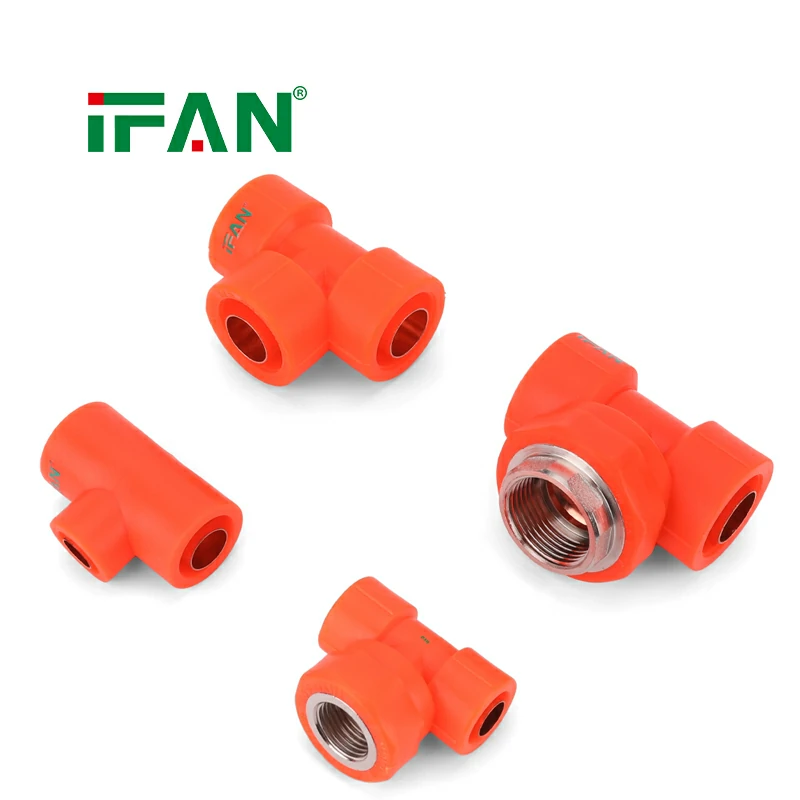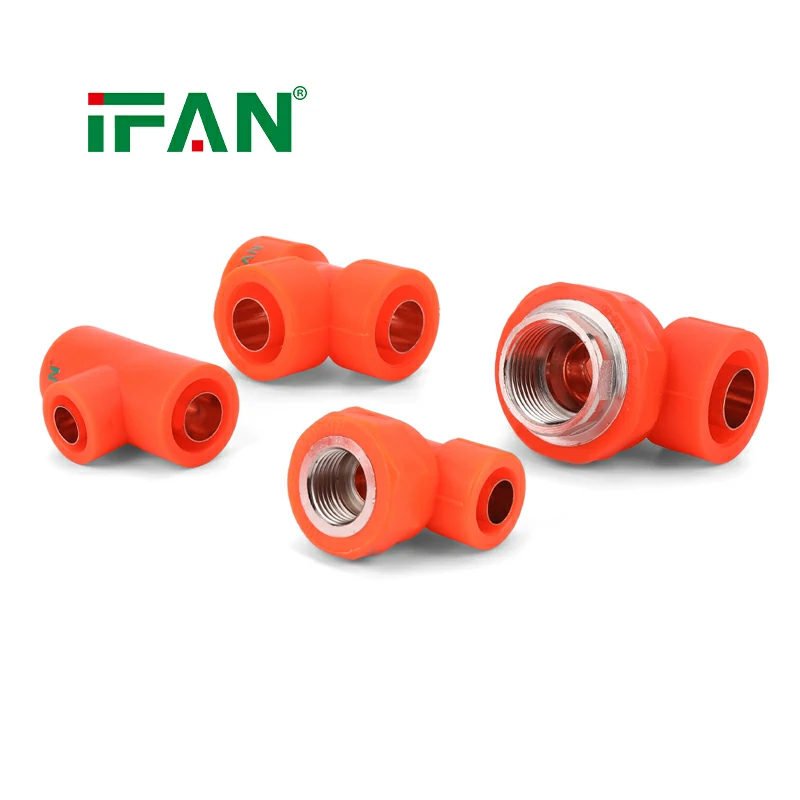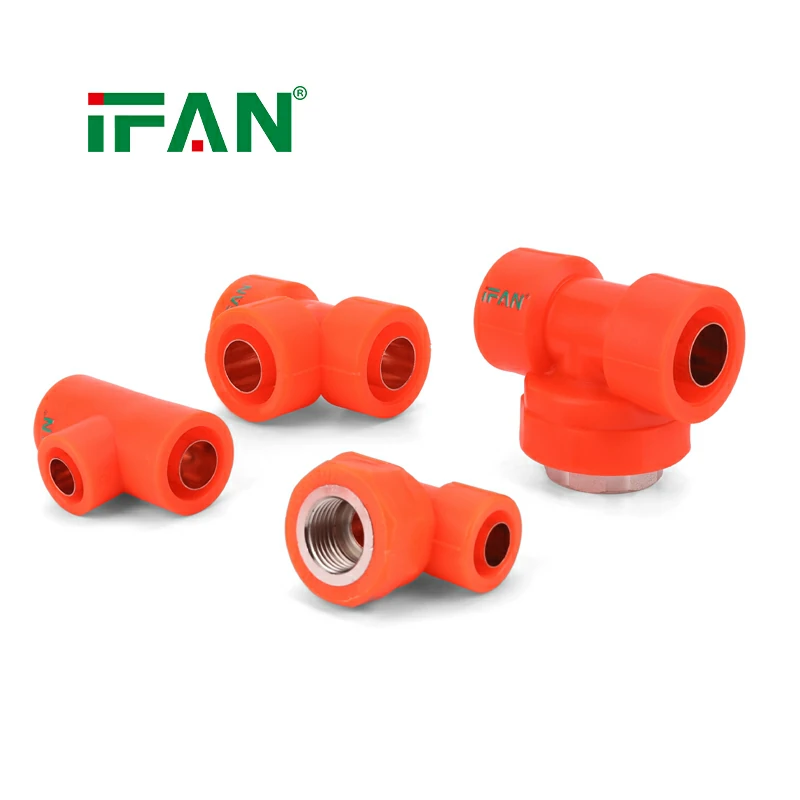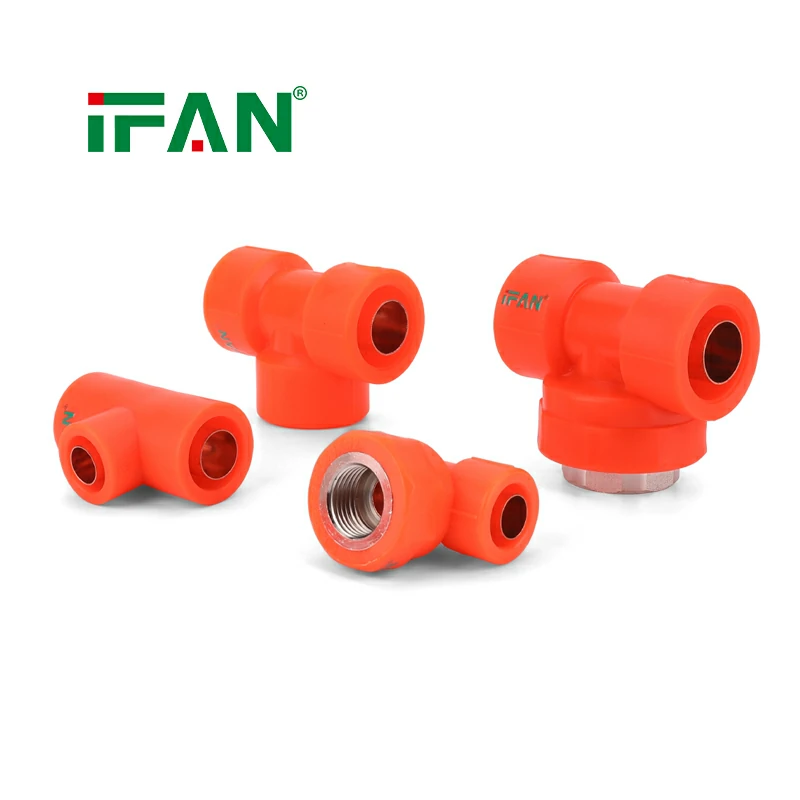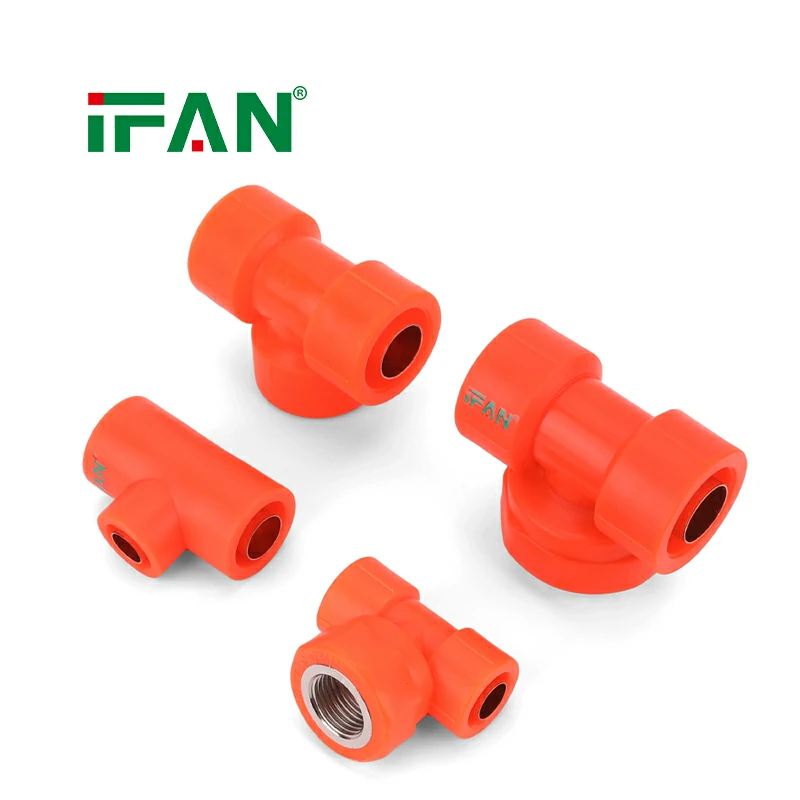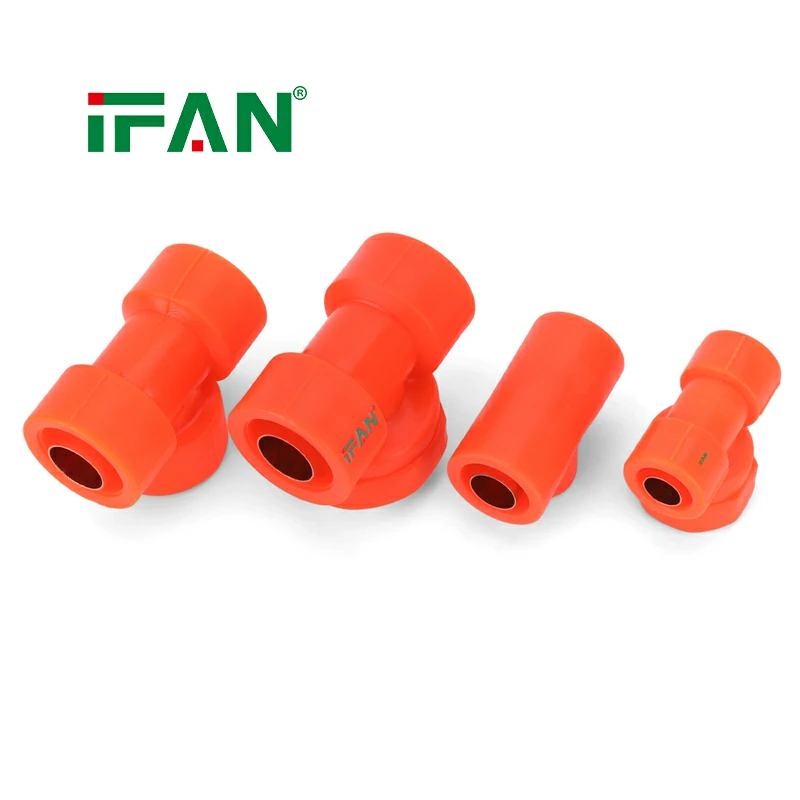
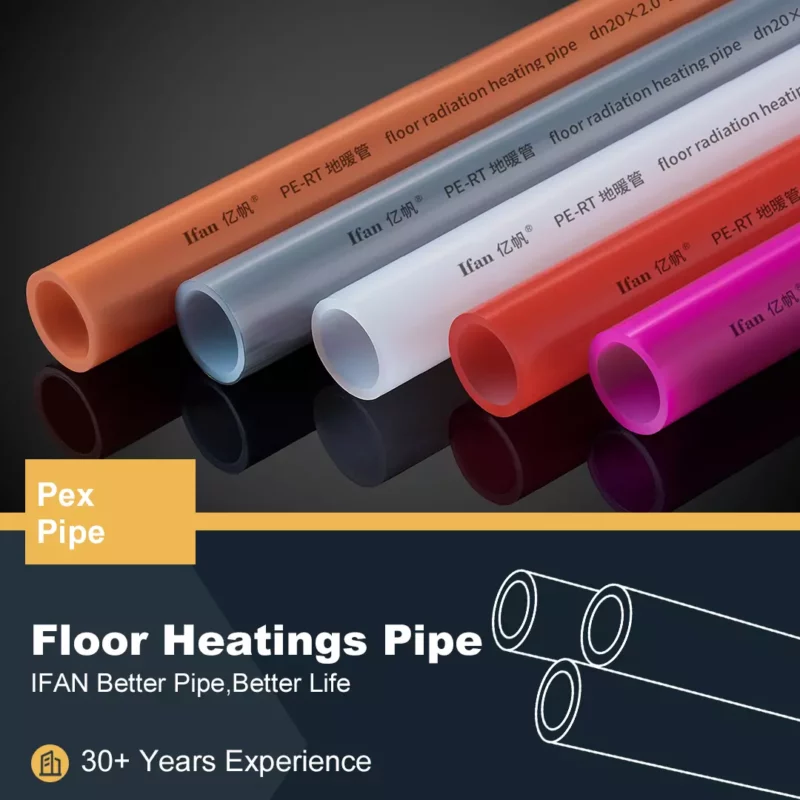
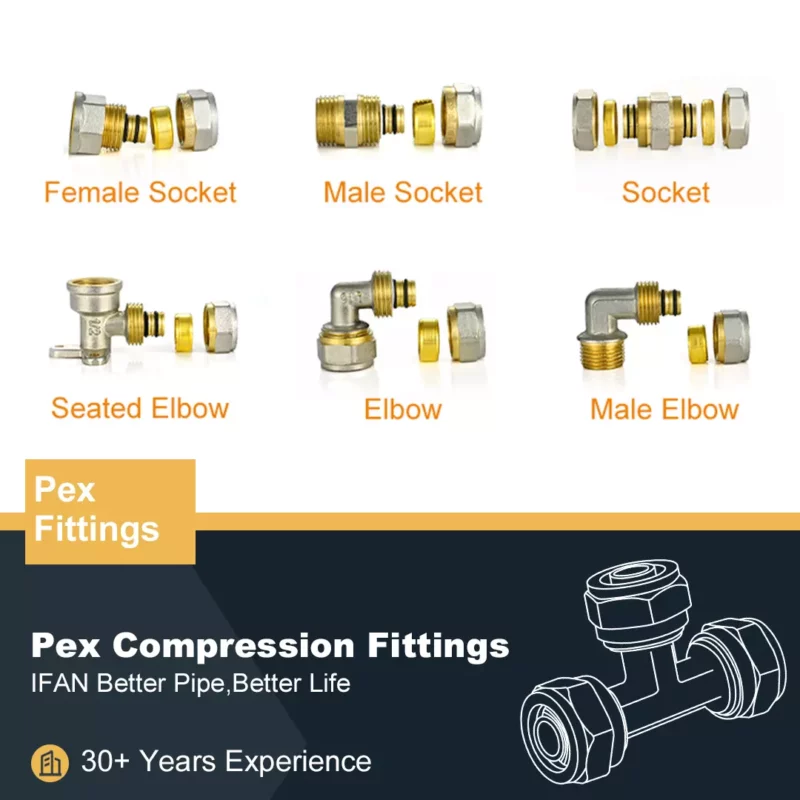
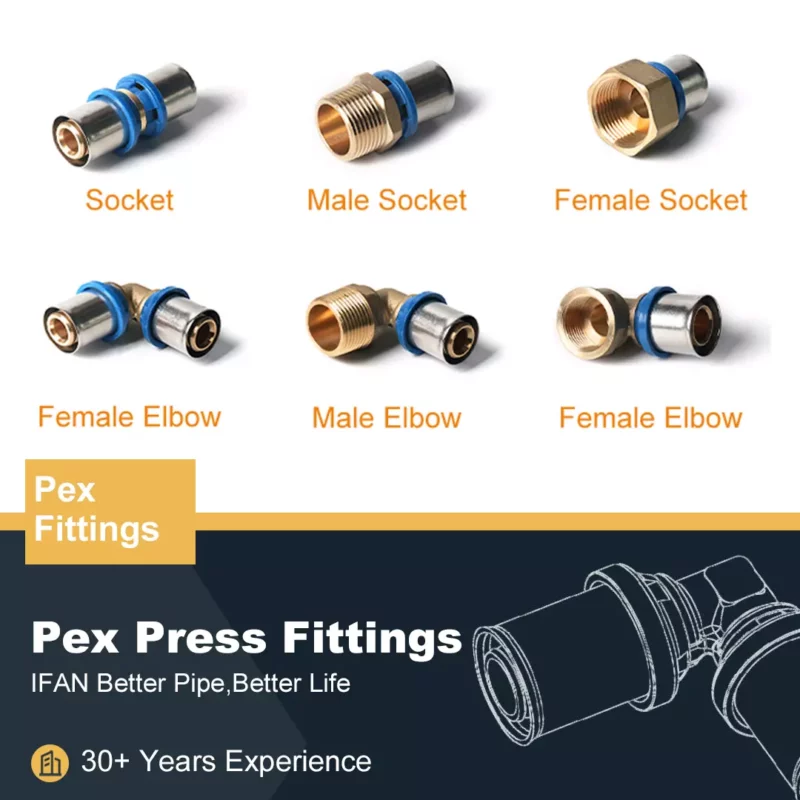
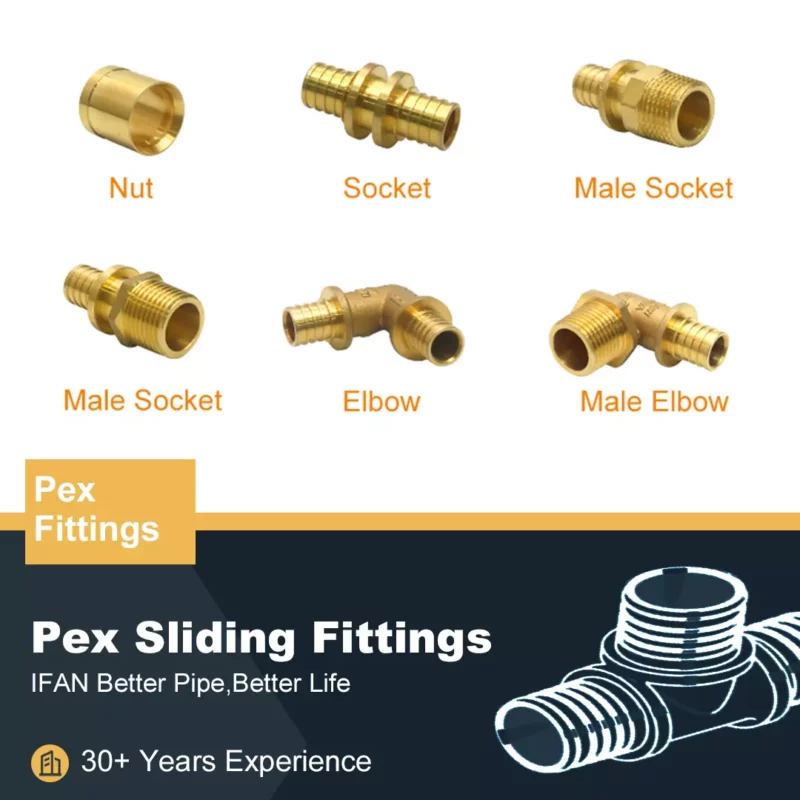
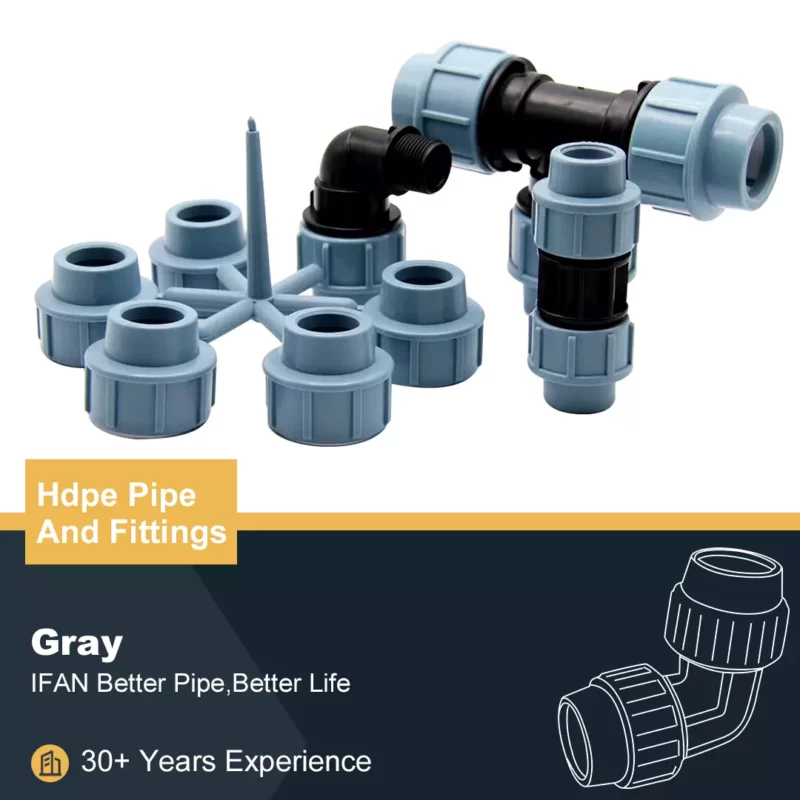


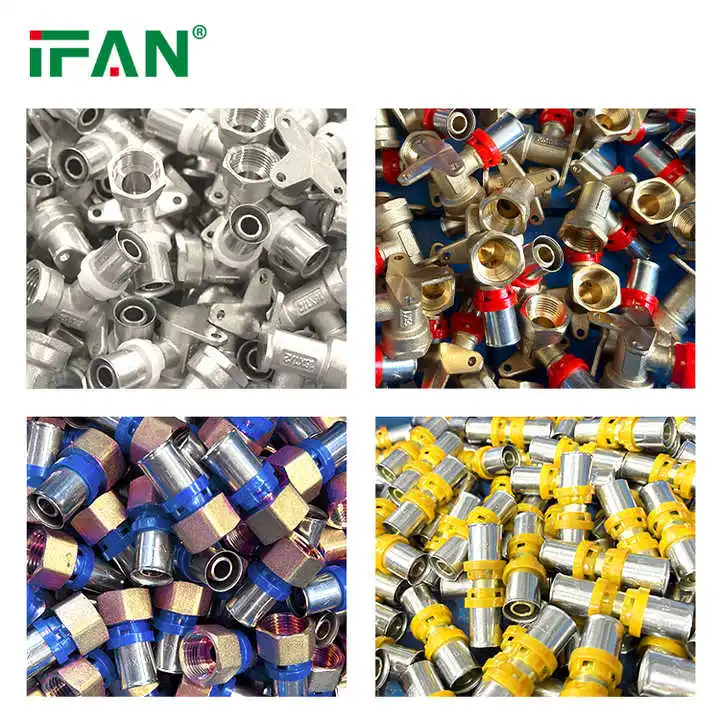
Manufacturers design PEX press fittings for quick, permanent connections. These fittings suit cross-linked polyethylene pipe systems. Users apply them in heating, cooling, and potable water networks. Press connections replace gluing, clamping, or soldering methods entirely.
Material Composition and Coating
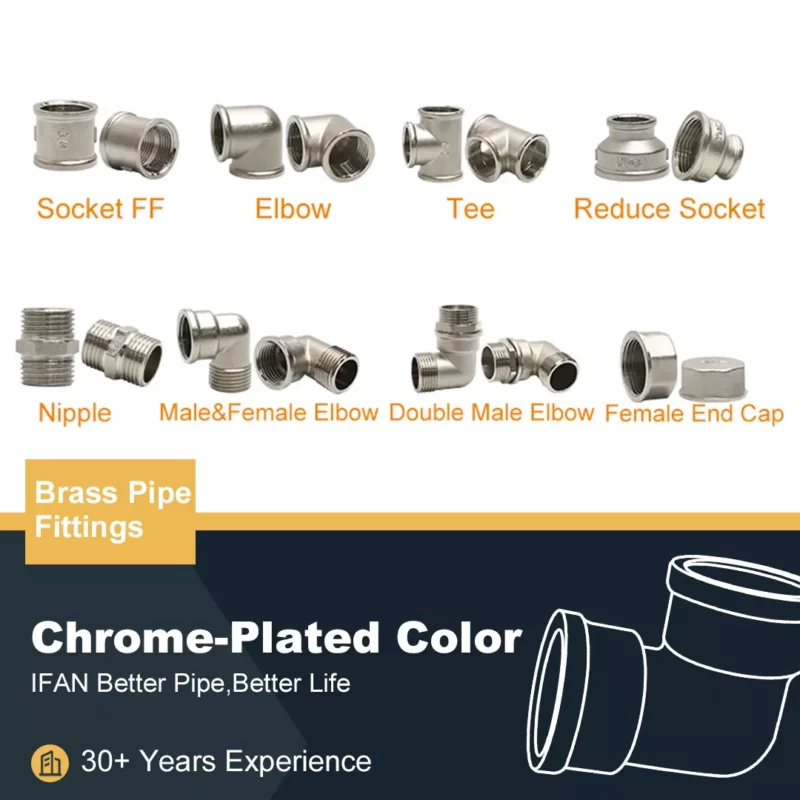
Most PEX press fittings use brass or poly-alloy bodies. Their outer shells resist corrosion and mechanical stress. The sealing ring includes an EPDM or FKM O-ring. These O-rings prevent leaks and withstand thermal expansion. Manufacturers may apply chrome or nickel coatings to prevent oxidation.
Crimp Ring and Profile Design
Each fitting includes a stainless steel press sleeve. This ring compresses around the pipe and fitting body. Inside, a grip ring holds the pipe after pressing. Some designs use U, TH, or H pressing profiles. Tools must match fitting profile exactly to guarantee proper sealing.
Installation Using Press Tools
Technicians slide the fitting over the pipe end fully. Press tools clamp the metal sleeve tightly. The pressing process takes seconds to complete. Once pressed, the joint cannot be disassembled. Proper alignment ensures full sealing without pipe deformation.
Size Range and Dimensional Standards
Manufacturers offer PEX press fittings from 16mm to 63mm. Larger sizes use reinforced sleeves. These fittings follow ISO 21003 and ASTM F876/F877 standards. Standard dimensions allow cross-brand compatibility and safer design planning.
Visual Indicators and Leak Detection
Many PEX press fittings include visual press indicators. These rings fall off after pressing. Some feature leak-before-press function. These fittings leak during pressure testing if unpressed. This safety feature alerts installers immediately.
Threaded Transition Options
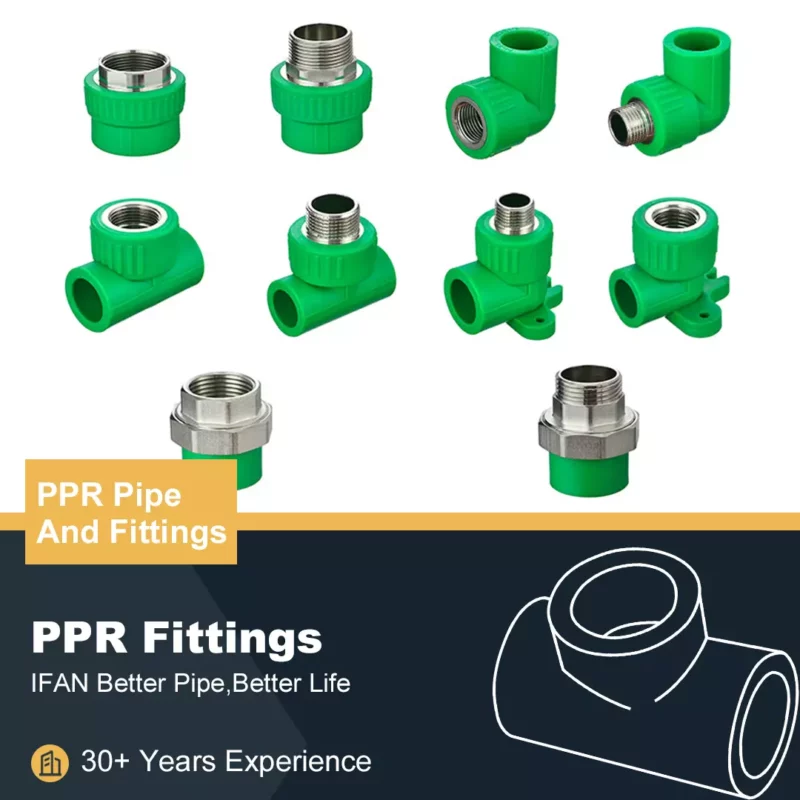
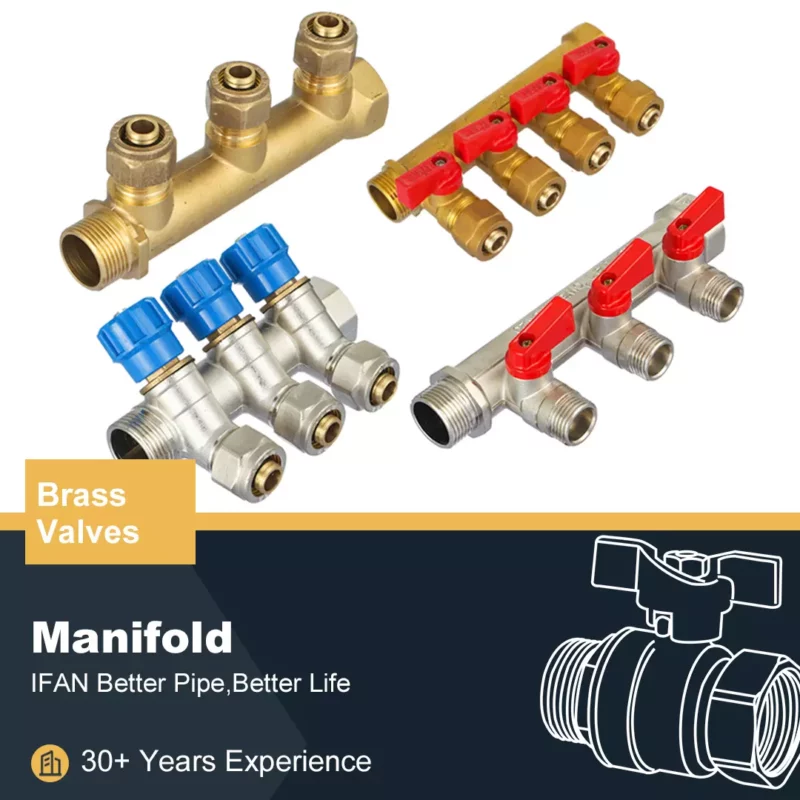
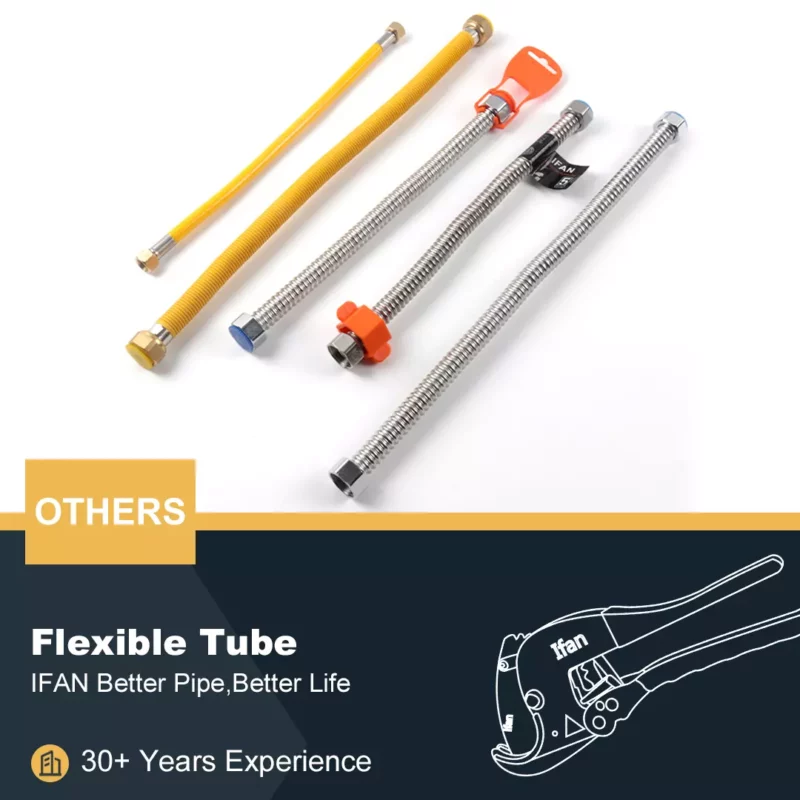
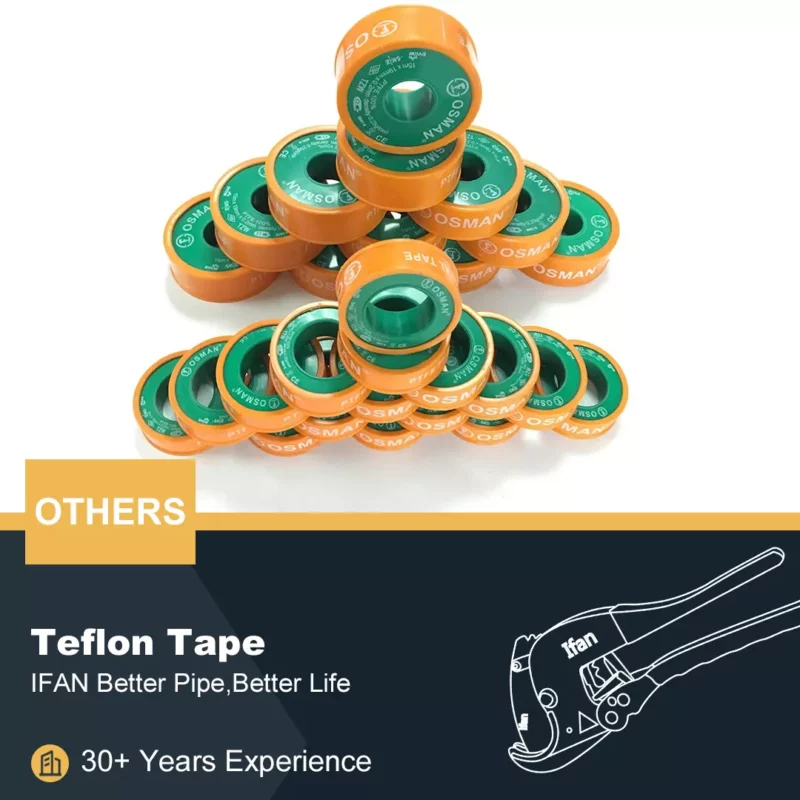
PEX press systems often require metal-threaded ends. Brass press adapters provide male or female threads. These allow connection to valves, faucets, or manifolds. Installers seal threads with tape or paste. Proper torque ensures the fitting holds tight under pressure.
Internal Flow Design and Diameter
Manufacturers design PEX press fitting with minimal flow disruption. The internal diameter closely matches pipe diameter. This design reduces pressure drop through the connection. Smooth internal surfaces prevent scaling and buildup.
Temperature and Pressure Ratings
PEX press fittings operate up to 95°C and 10 bar pressure. These ratings vary slightly by material and brand. Always consult datasheets for precise limits. Thermal expansion factors into system design when using hot water applications.
Application-Specific Variants
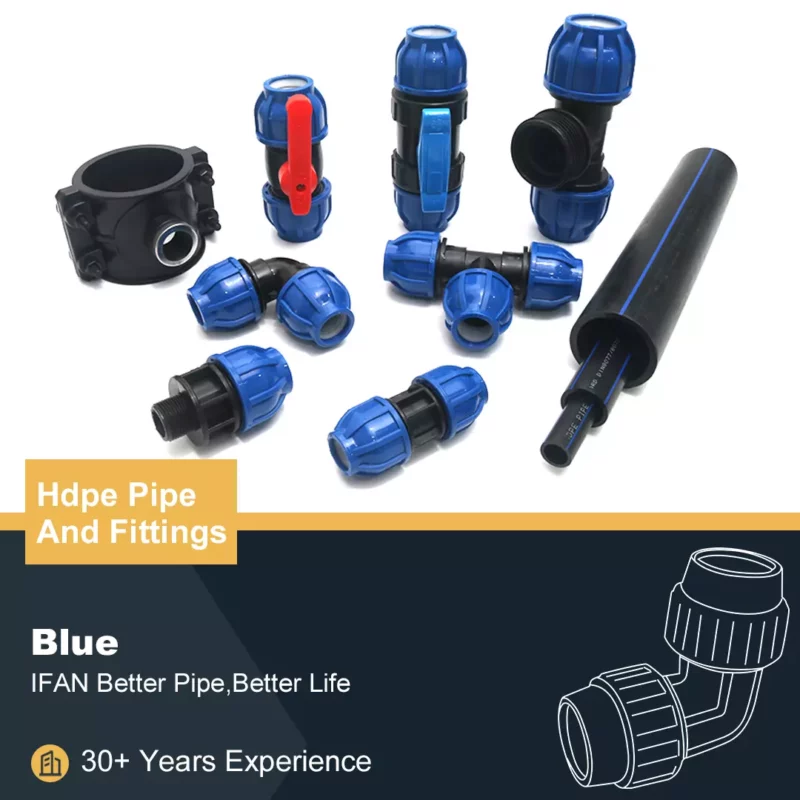
Special fittings serve heating, snow melting, or gas distribution systems. Yellow-coated fittings mark gas use. Red or blue rings distinguish hot and cold water. These visual codes reduce identification errors on busy job sites.
Storage and Transport Requirements
Keep PEX press fittings in sealed bags before use. Avoid dropping or striking the fittings. Store them in dry, room-temperature environments. Do not expose O-rings to oils or solvents.
Conclusion: Press Fittings Streamline PEX Installations
PEX press fittings simplify pipe connections with consistent sealing and minimal tools. Their compact design and material strength increase installation reliability. System longevity depends on correct sizing, pressing, and storage.
If you have read this article and have any questions, please feel free to contact IFAN. Below is our contact information:
Whatsapp:+86 13373827623
Email:[email protected]