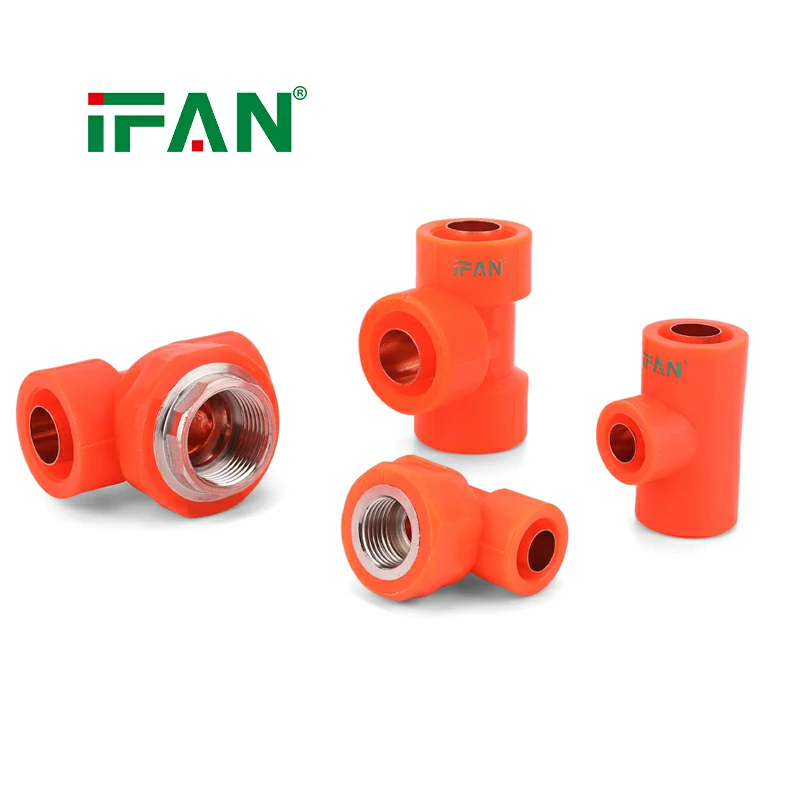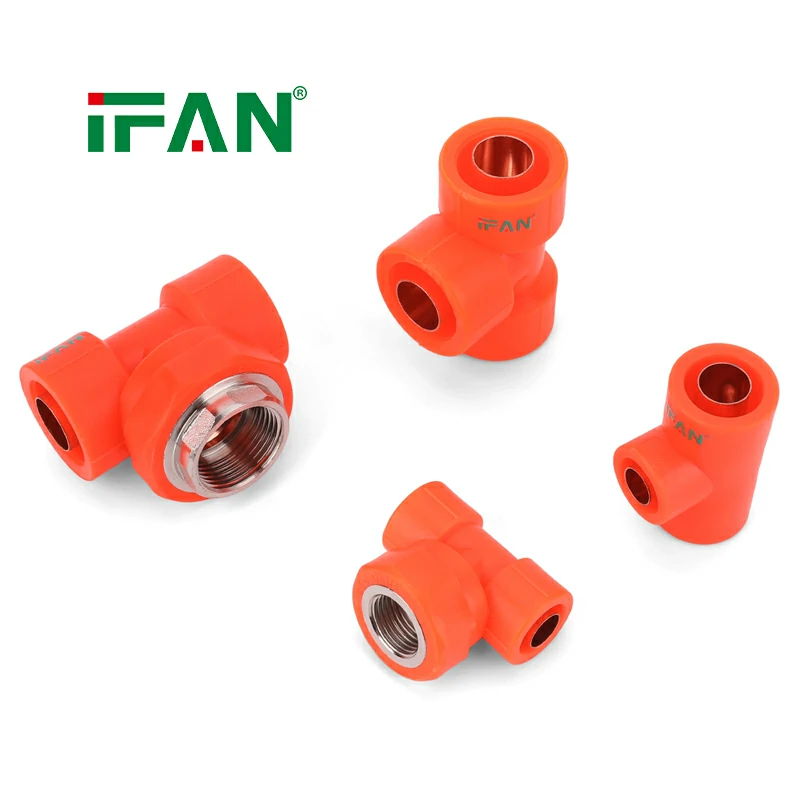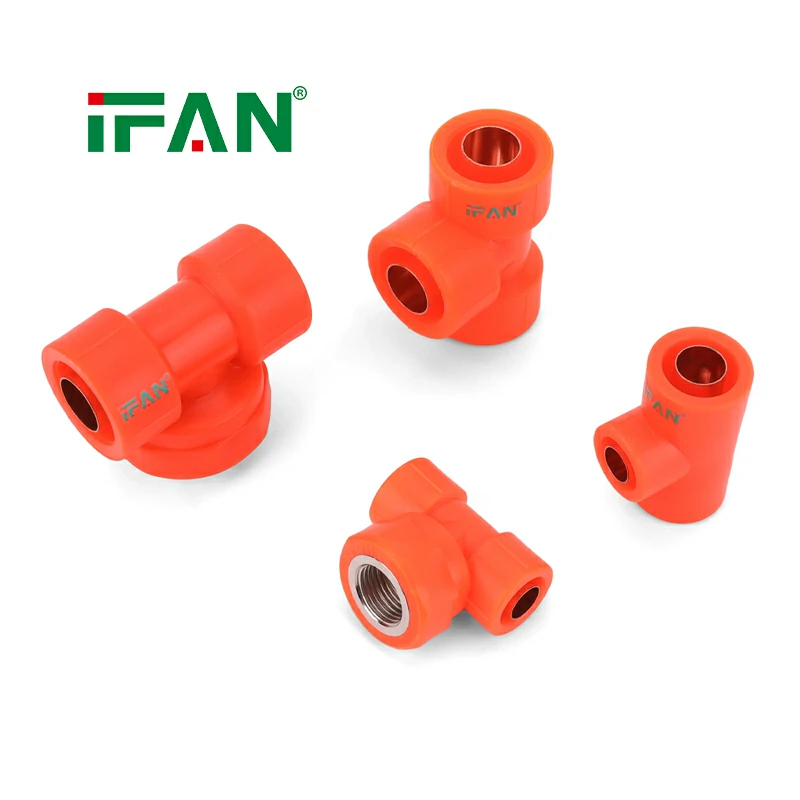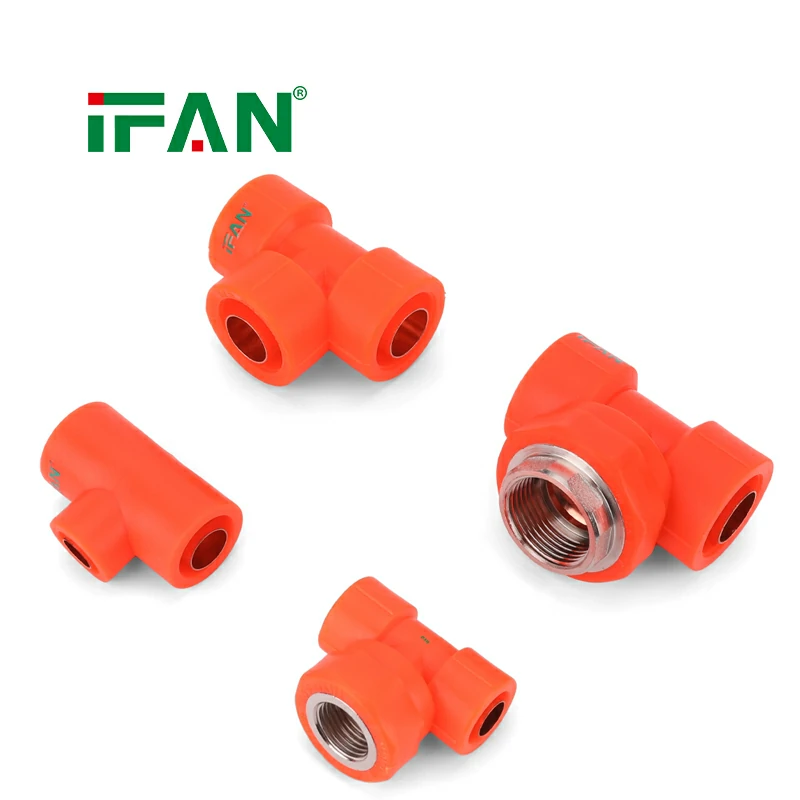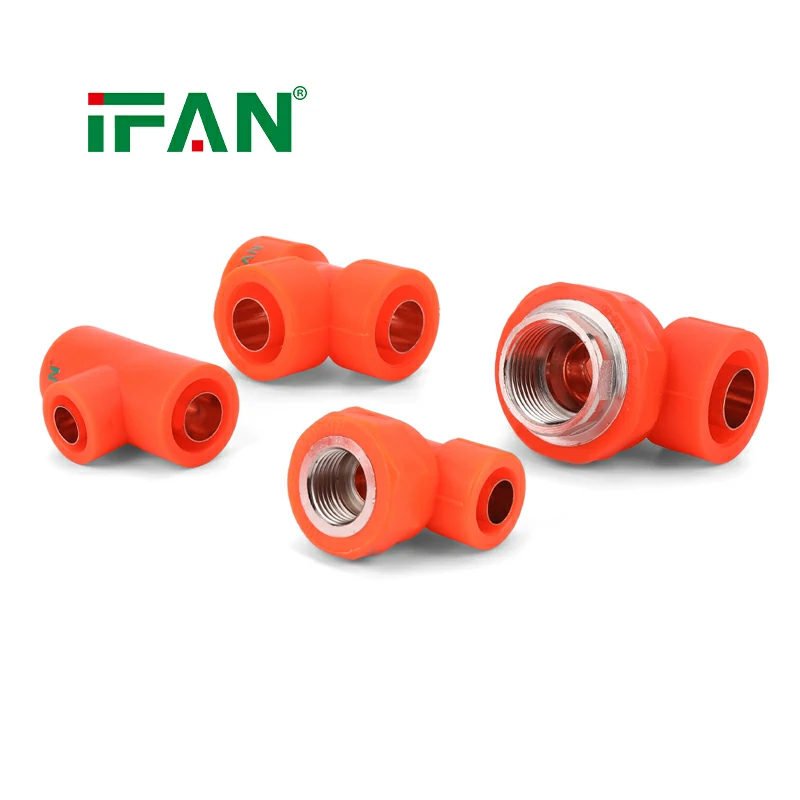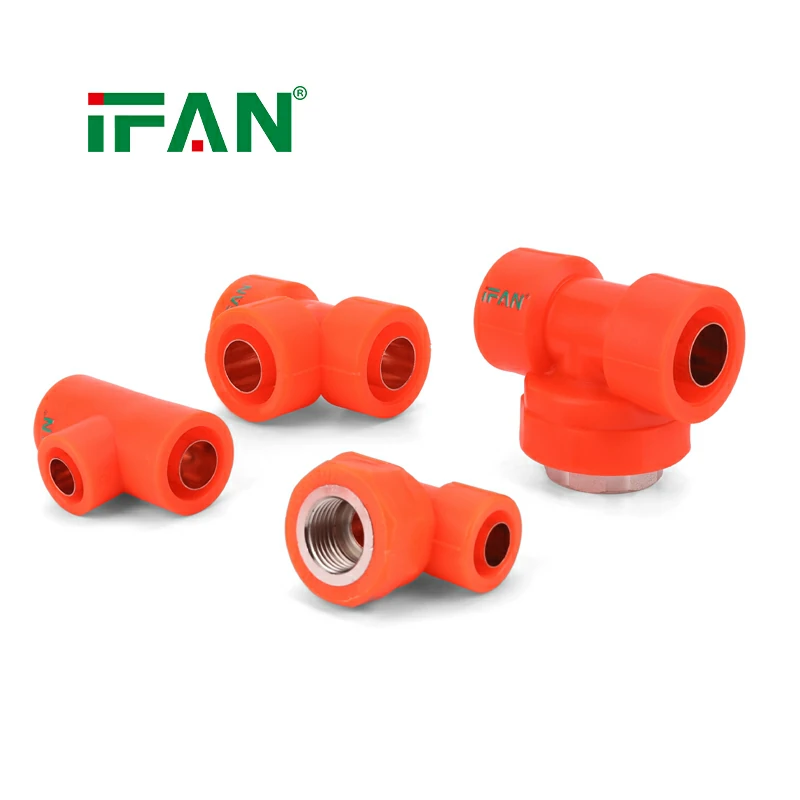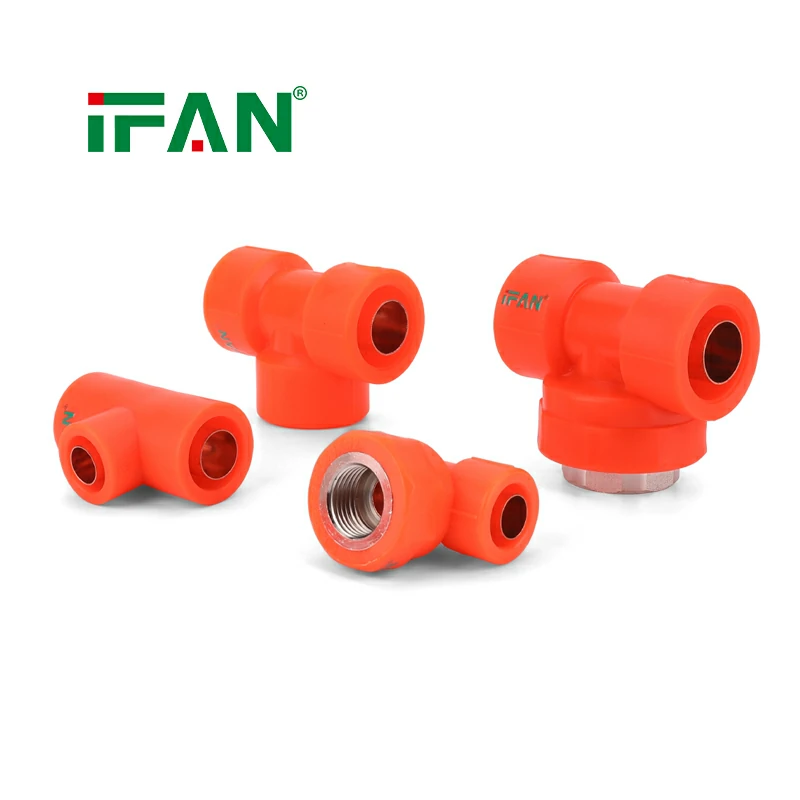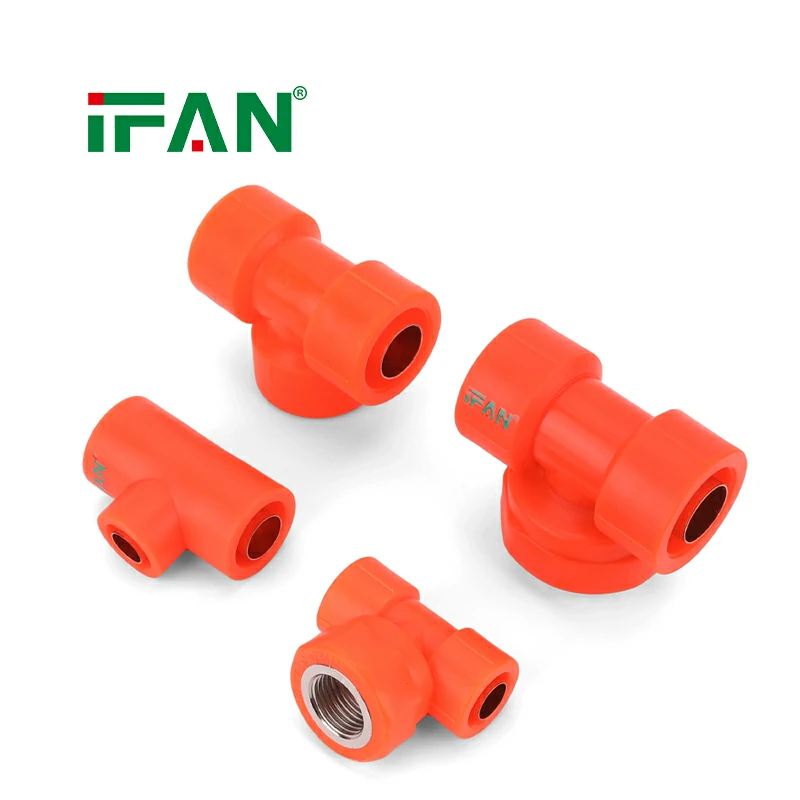
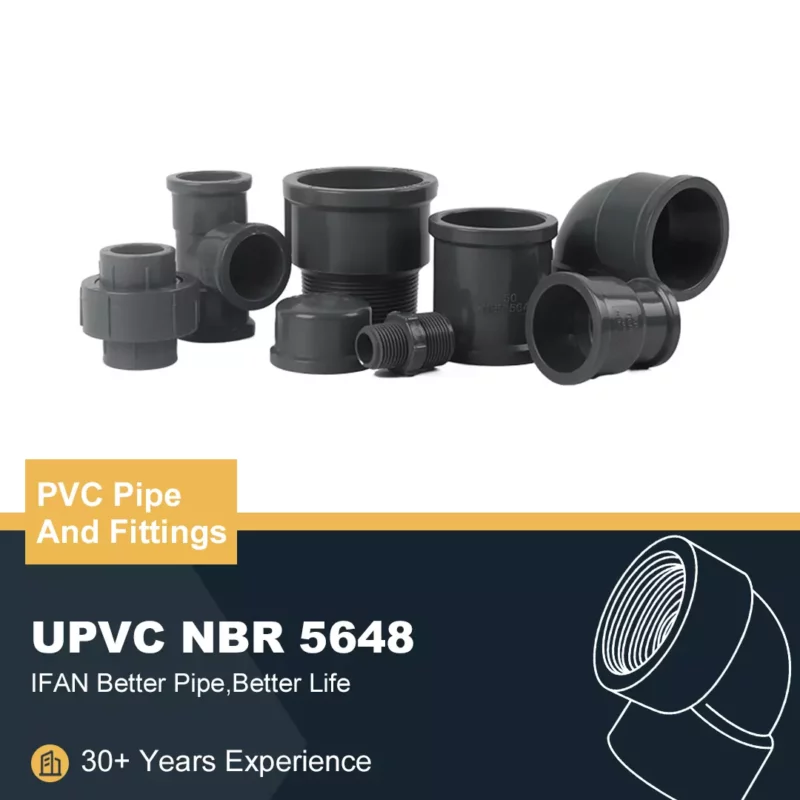
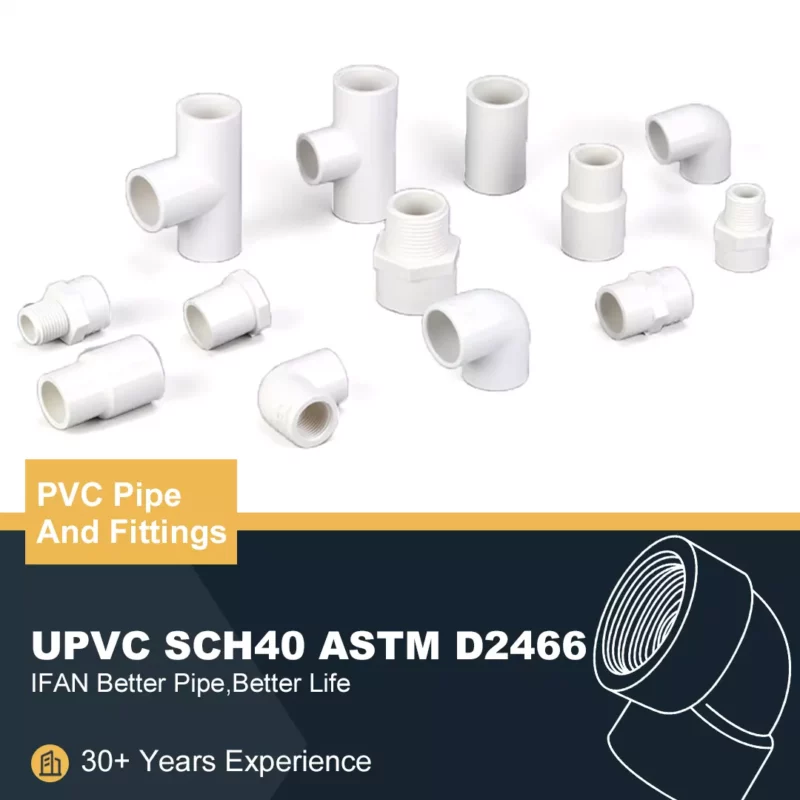
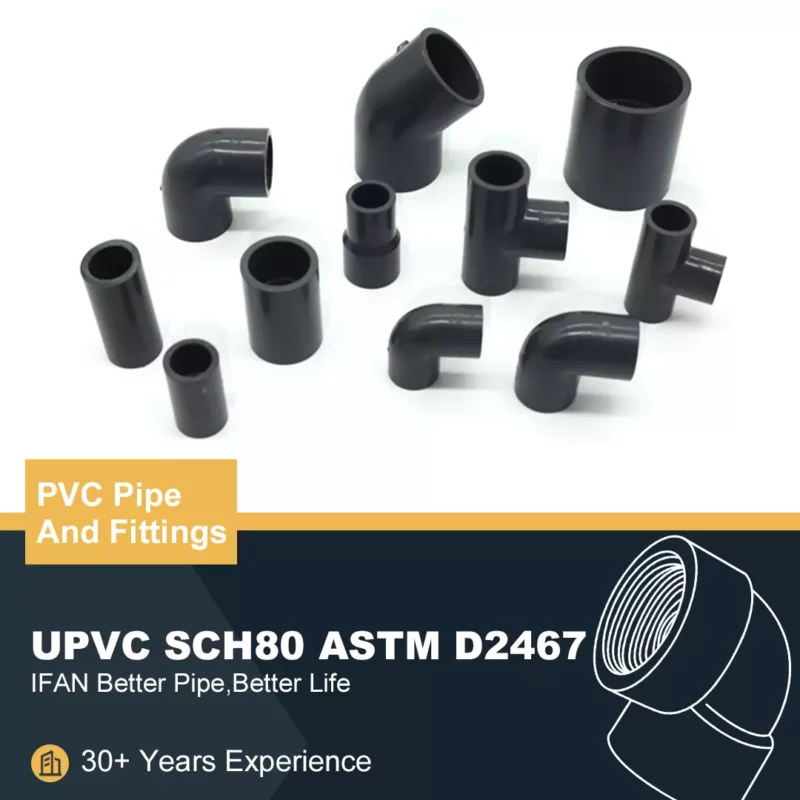
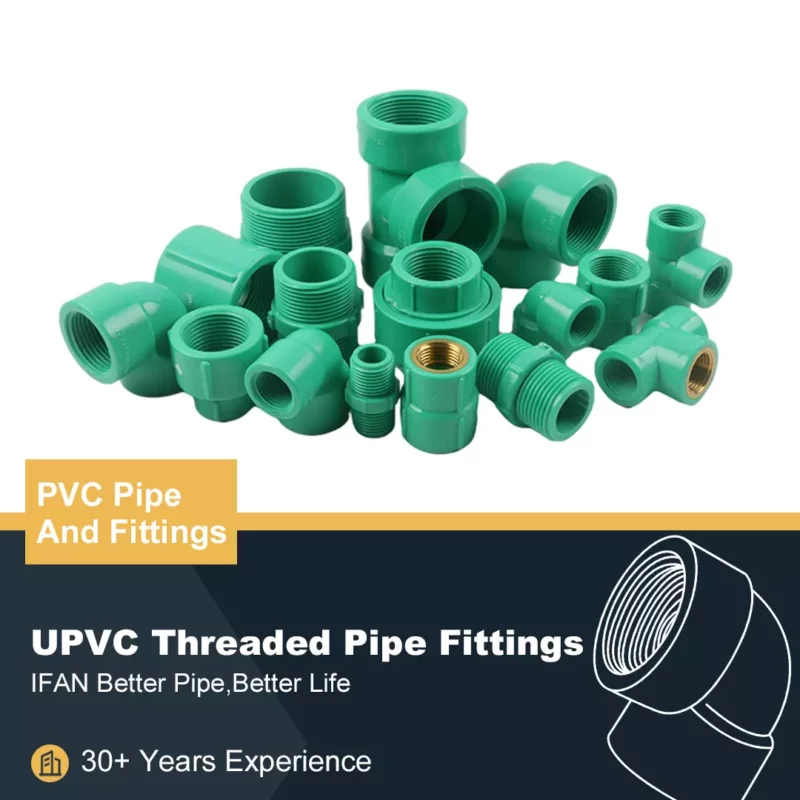
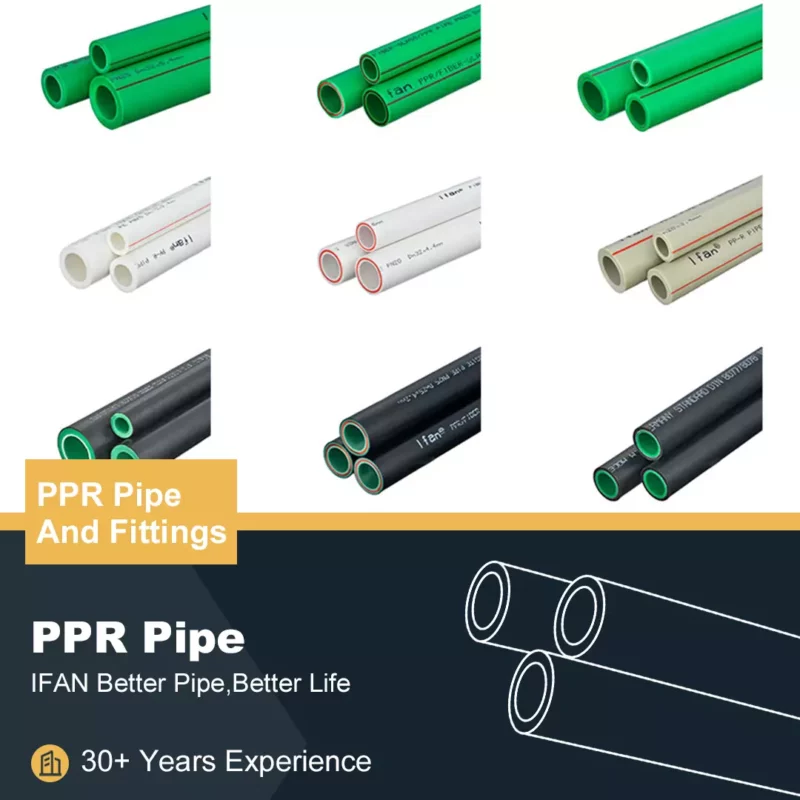
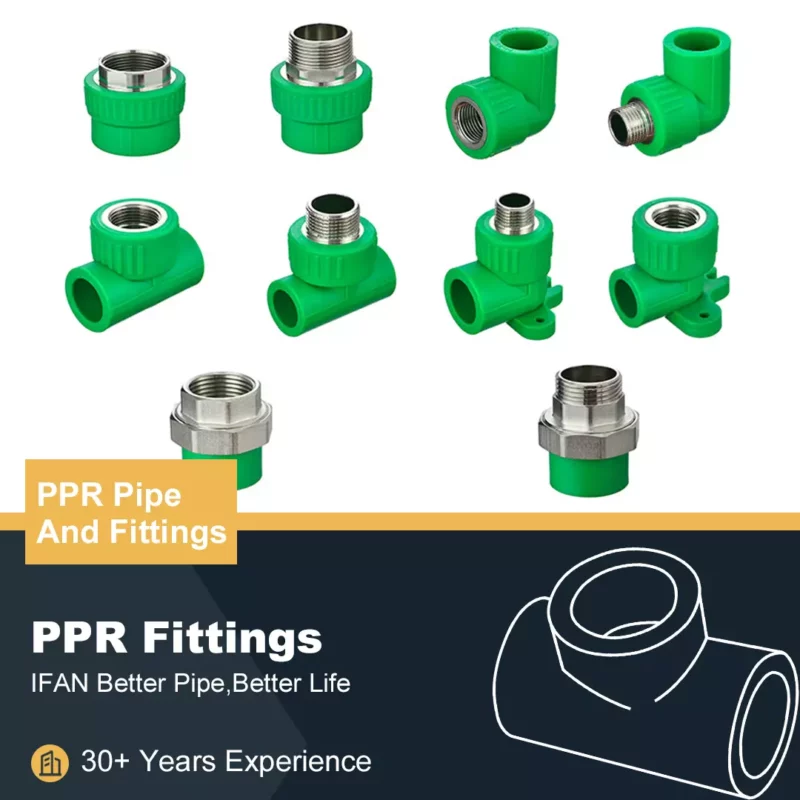
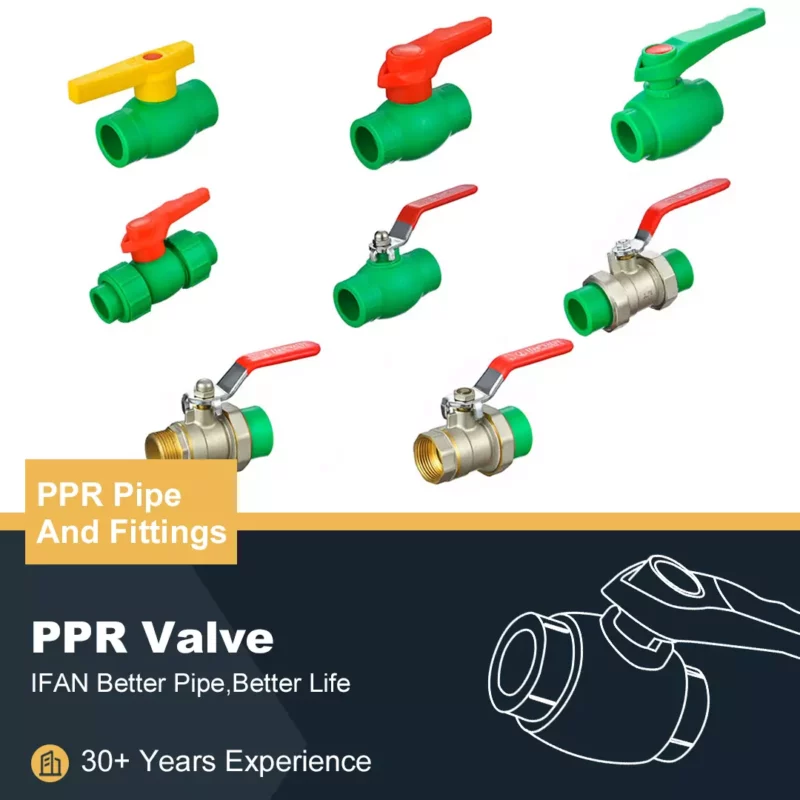
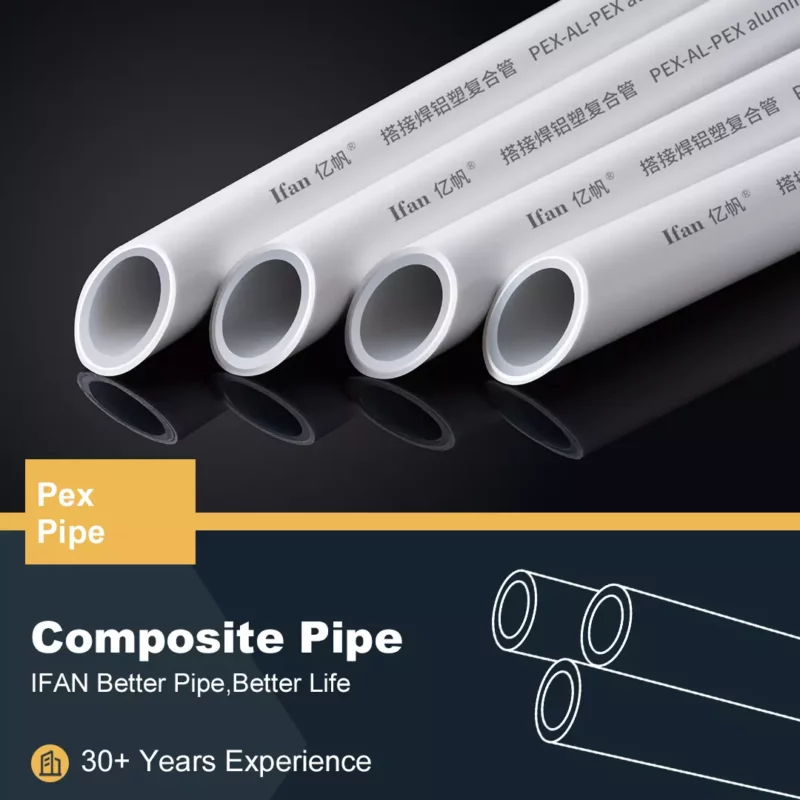
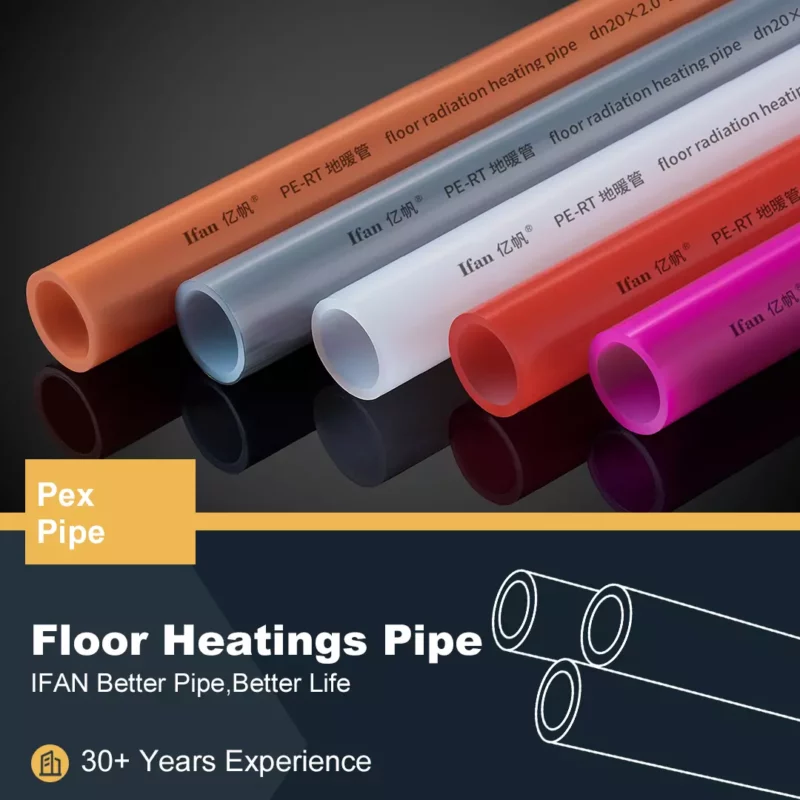
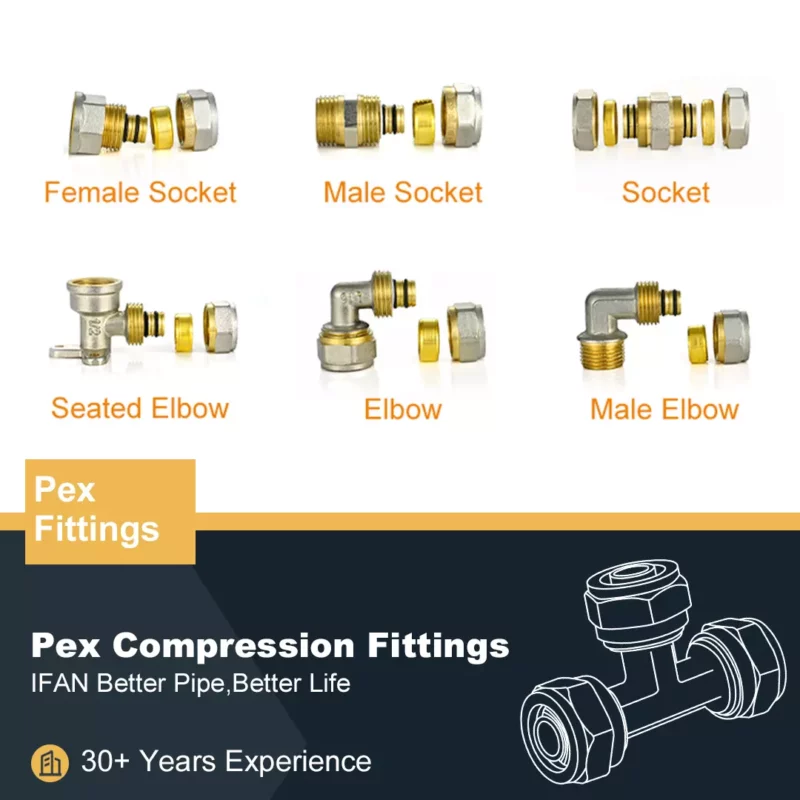
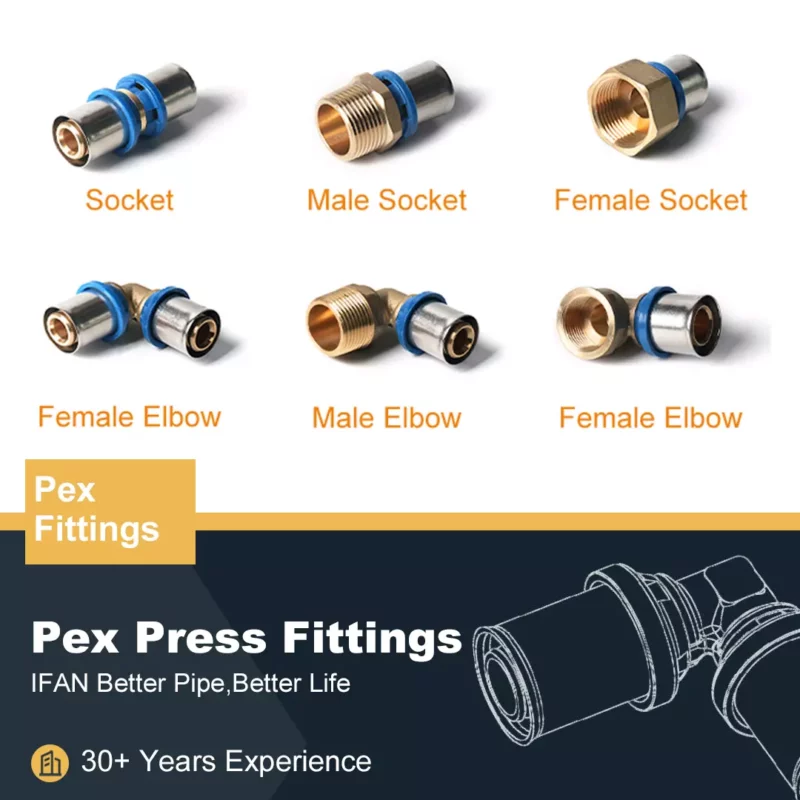
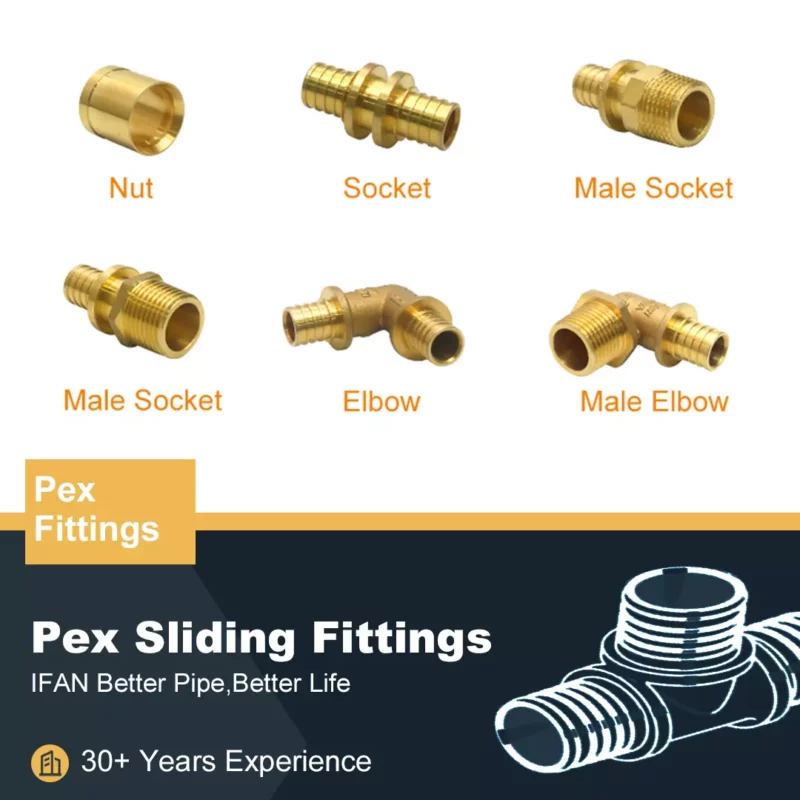
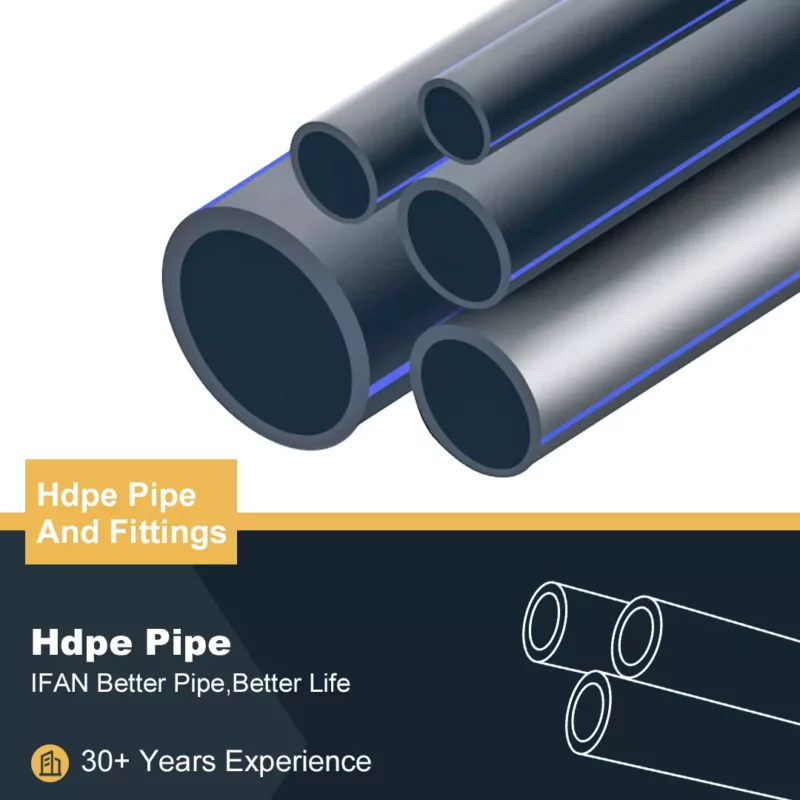
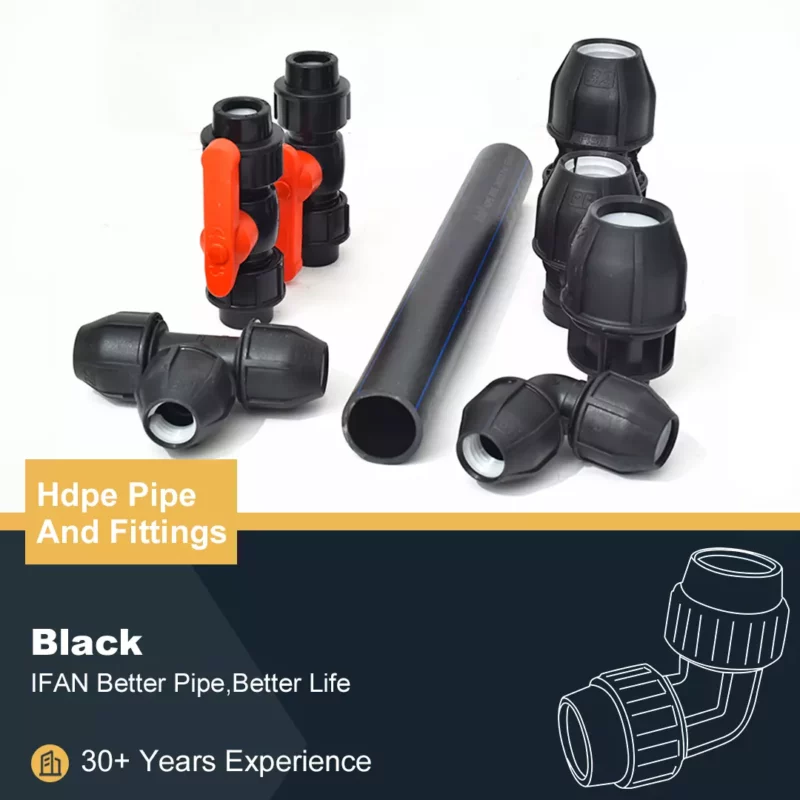
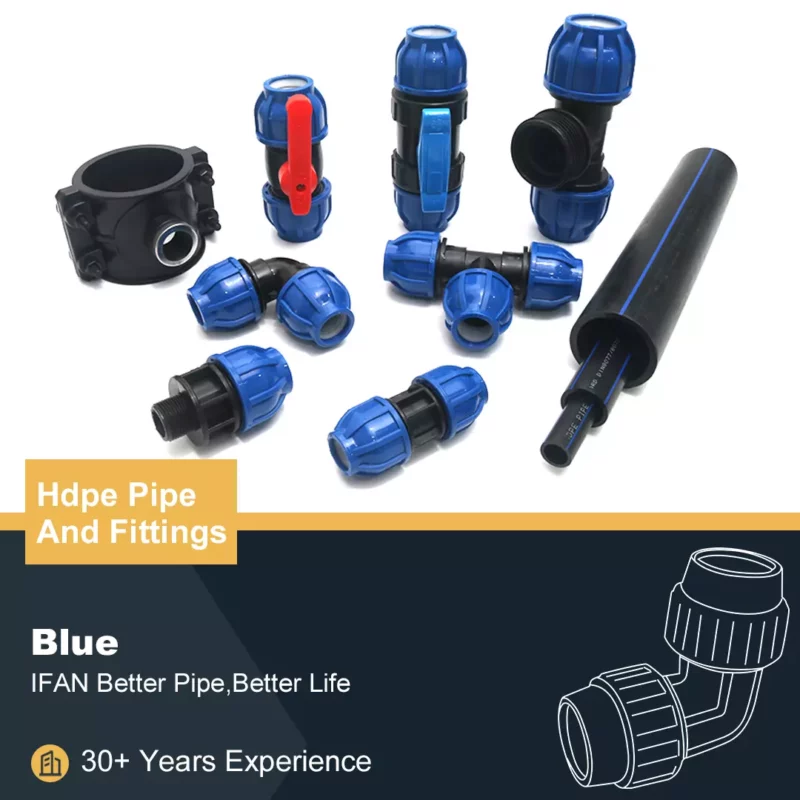
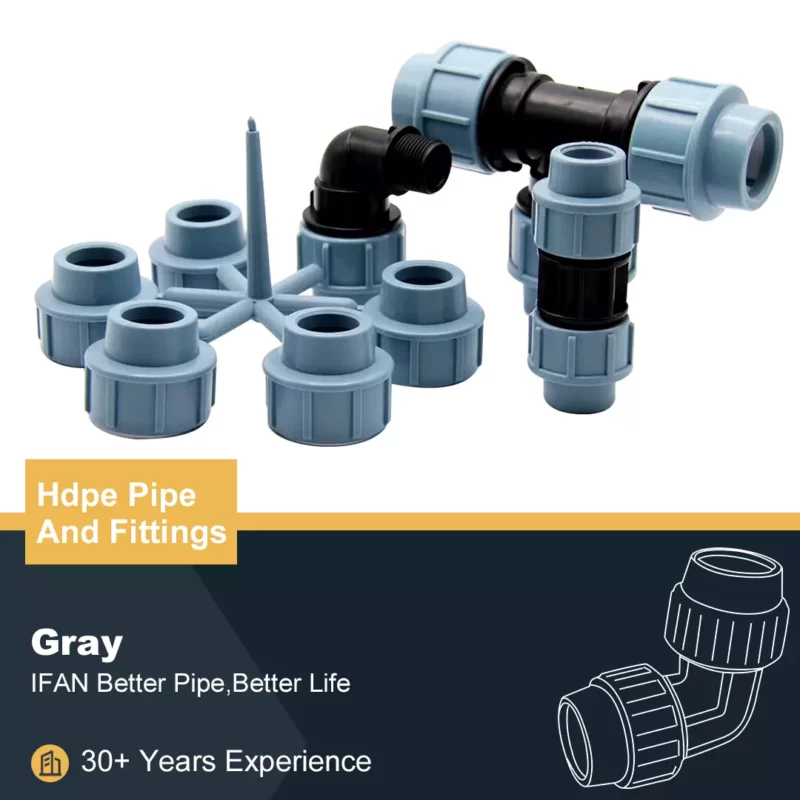


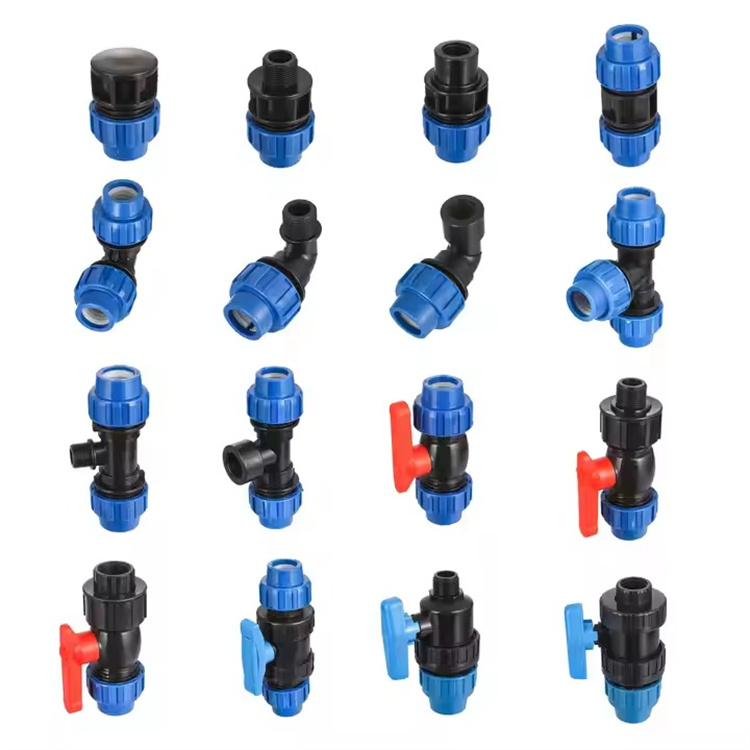
Manufacturers create HDPE pipe fittings from high-density polyethylene resin. These fittings serve water, gas, and industrial pipelines. HDPE’s molecular structure gives fittings flexibility and strength. Installers favor these fittings in buried and above-ground systems. Engineers value their durability in challenging environments.
Standard Shapes and System Use
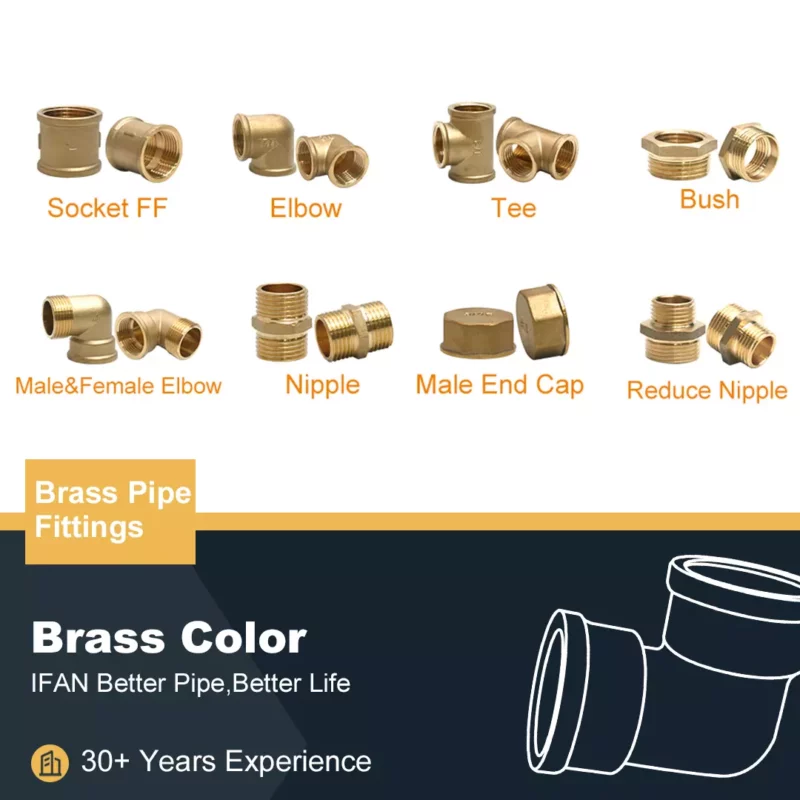
HDPE pipe fittings include bends, reducers, end caps, and equal tees. Each fitting helps redirect or regulate flow. Installers use long-radius bends to reduce pressure drop. Equal tees distribute flow evenly across three pipe sections. Caps seal line ends during testing or shutdowns.
Wall Thickness and SDR Ratings
Manufacturers define HDPE fittings using SDR (Standard Dimension Ratio) ratings. A lower SDR means thicker walls. SDR11 fittings handle higher pressure than SDR17 types. Engineers select SDR based on flow and system pressure. This rating ensures fittings match connected pipes properly.
Connection by Butt Fusion Process
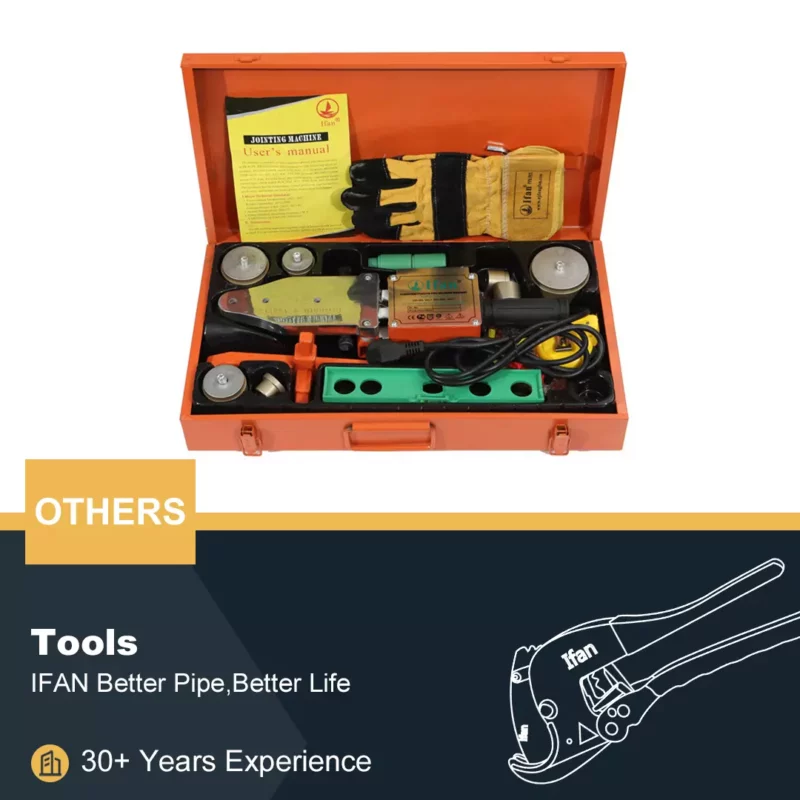
Installers use butt fusion to join HDPE fittings. They heat pipe and fitting ends until soft. Then, they press both parts together precisely. Once cooled, the joint behaves like a single piece. This method ensures leak-free connections and high strength.
Electrofusion Socket Fittings
Some fittings contain embedded heating wires. Installers connect them to electrofusion control units. The wires heat and melt the inner surface. The pipe bonds with the fitting’s interior wall. This technique creates permanent, sealed joints quickly.
Resistance to Soil Stress and Impact
HDPE pipe fittings resist damage from soil shifts and impact loads. Their flexibility absorbs ground movement well. Contractors use them in unstable terrain and earthquake zones. Their structure prevents cracking under vibration or impact.
Surface Finish and Markings
HDPE fittings have smooth inner surfaces that reduce flow resistance. External markings indicate size, pressure rating, and material type. These details help prevent installation mistakes. Reputable brands emboss markings directly onto the surface.
Thermal and UV Resistance Considerations
Manufacturers stabilize HDPE against UV degradation. These fittings survive sunlight exposure during storage or installation. HDPE softens at 120°C, so workers avoid high heat sources nearby. Proper planning prevents deformation during operation.
Fitting Sizes and Compatibility
HDPE fittings come in diameters from 20mm to 1200mm. Each size must match pipe outer diameter exactly. Engineers verify tolerance limits using calipers. Incorrect sizing causes leaks or joint failure.
Chemical Compatibility and Fluid Types
HDPE pipe fittings resist acids, alkalis, and most solvents. Users transport wastewater, chemicals, or slurries safely. Laboratories test fittings for compatibility before project approval. Always consult resistance charts when selecting for special fluids.
Repair Couplers and Saddle Fittings
Technicians use couplers to fix damaged pipe sections. Electrofusion saddles connect branches to active lines. Saddle fittings include integral clamps and fusion zones. They allow safe additions without full shutdowns.
Installation and Storage Protocols
Store HDPE fittings on flat, shaded surfaces. Avoid dragging them across rough ground. Keep them away from petroleum-based liquids. Stack fittings without crushing or misaligning socket ends.
Conclusion
HDPE Fittings Ensure Strong, Leak-Free Infrastructure
HDPE pipe fittings deliver consistent, long-term performance. Their fusion methods reduce joint failure risk. When properly handled, they support infrastructure needs across multiple industries.
If you have read this article and have any questions, please feel free to contact IFAN. Below is our contact information:
Whatsapp:+86 13373827623
Email:[email protected]