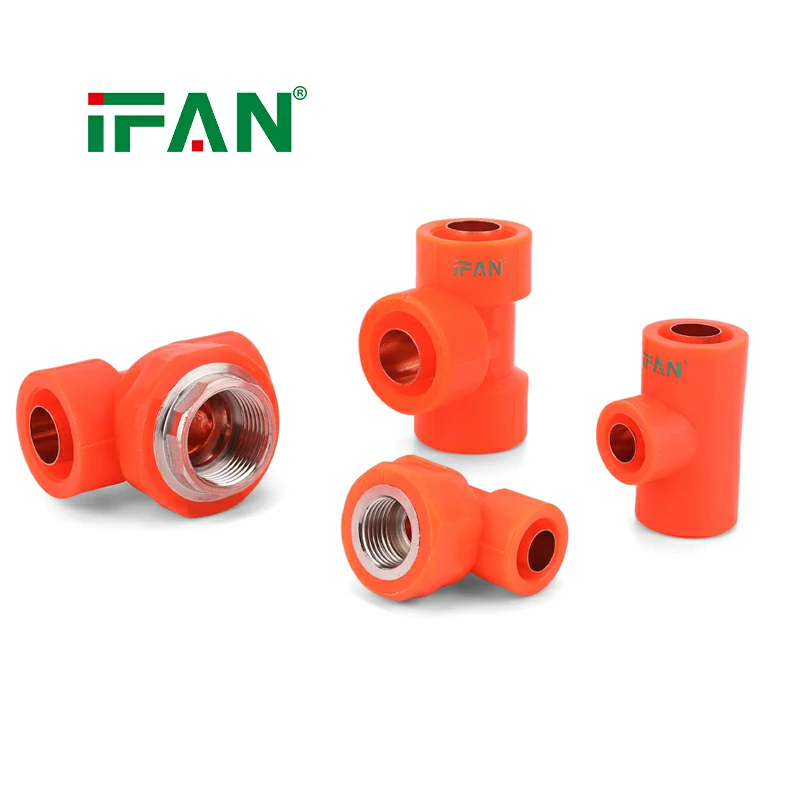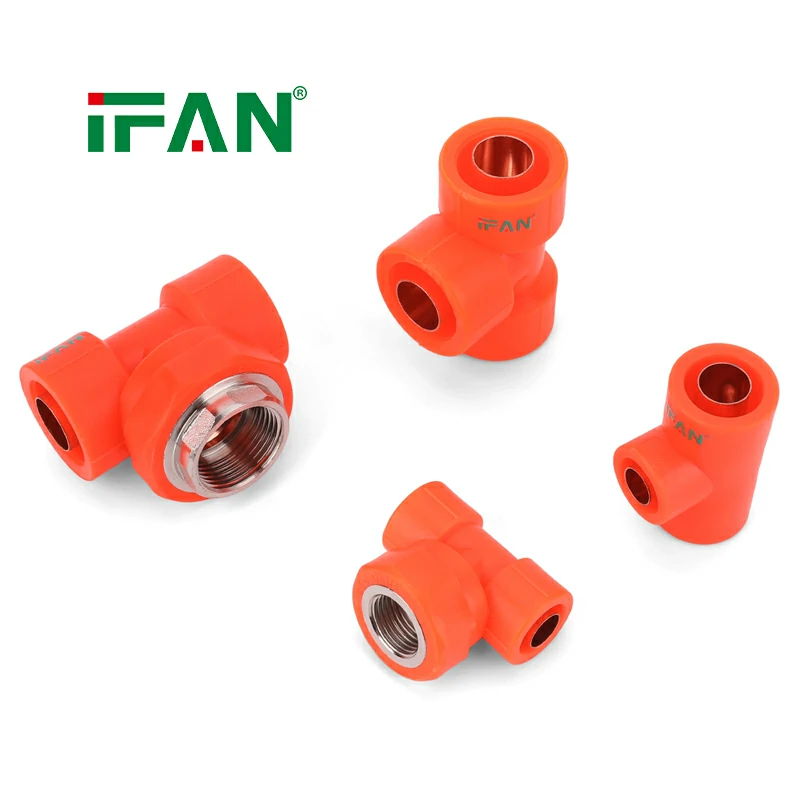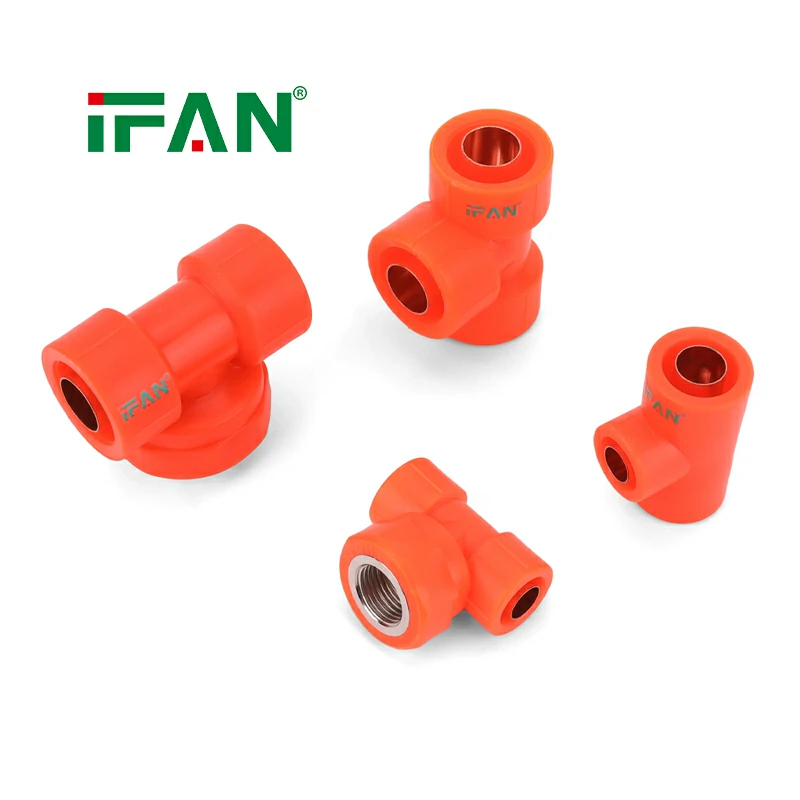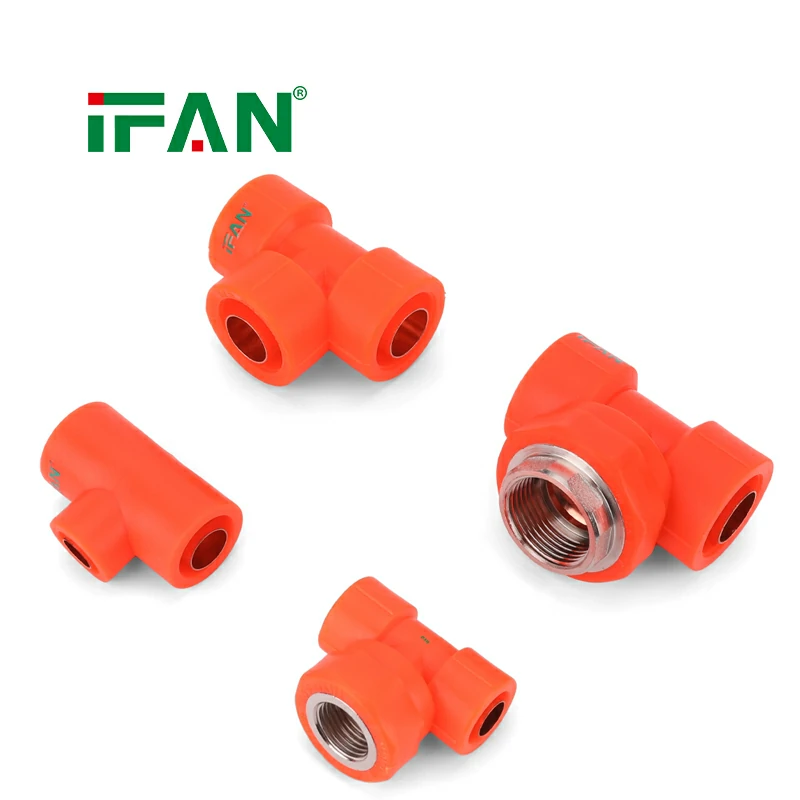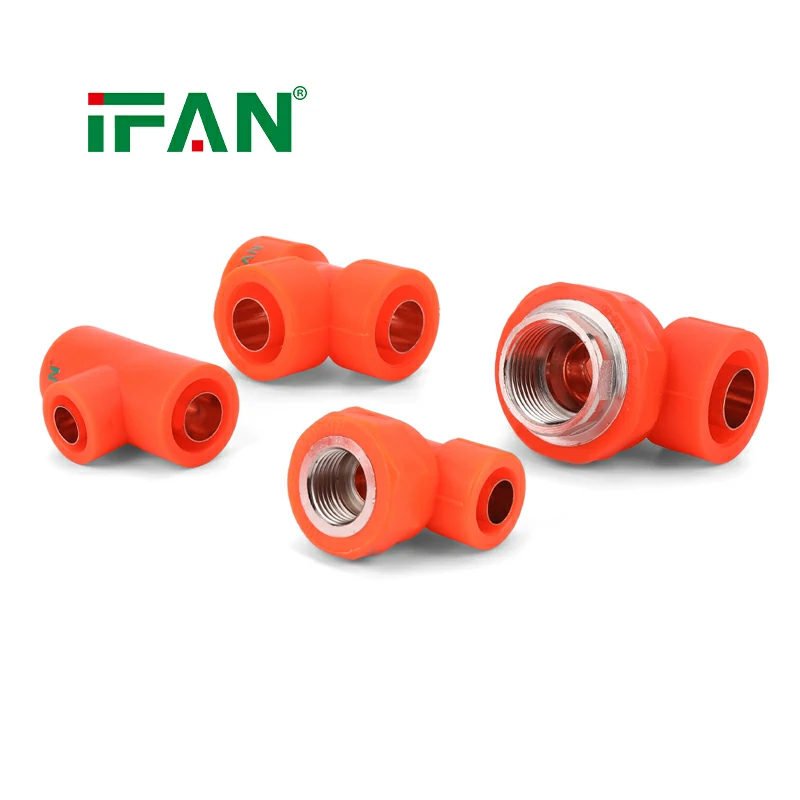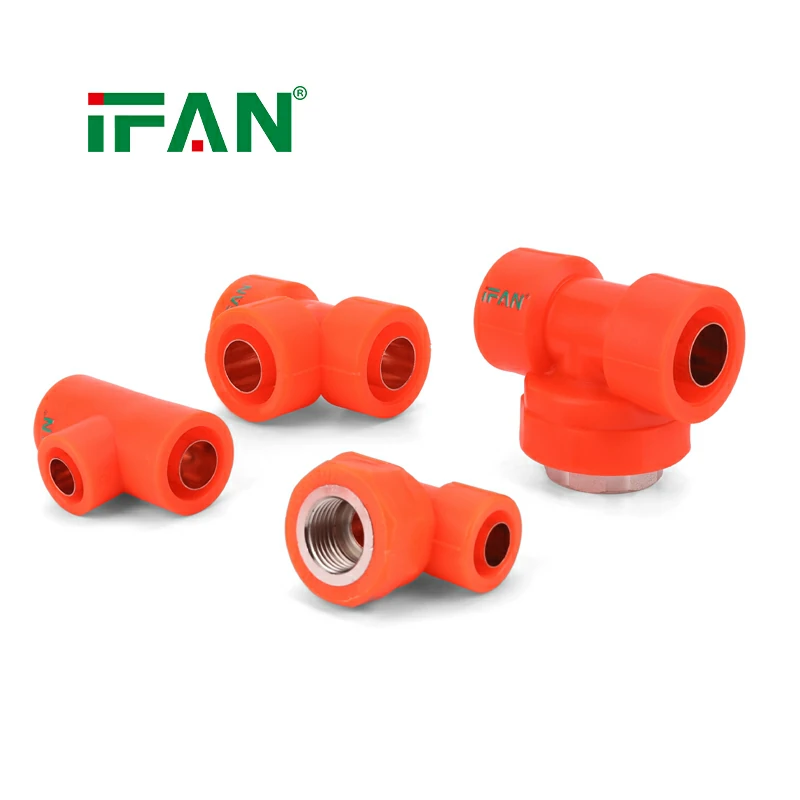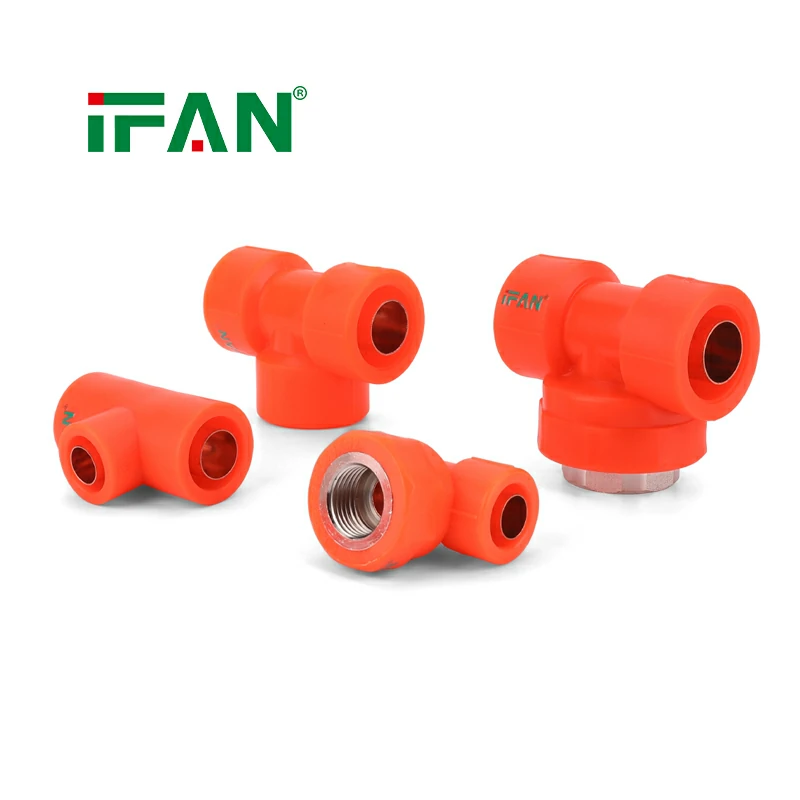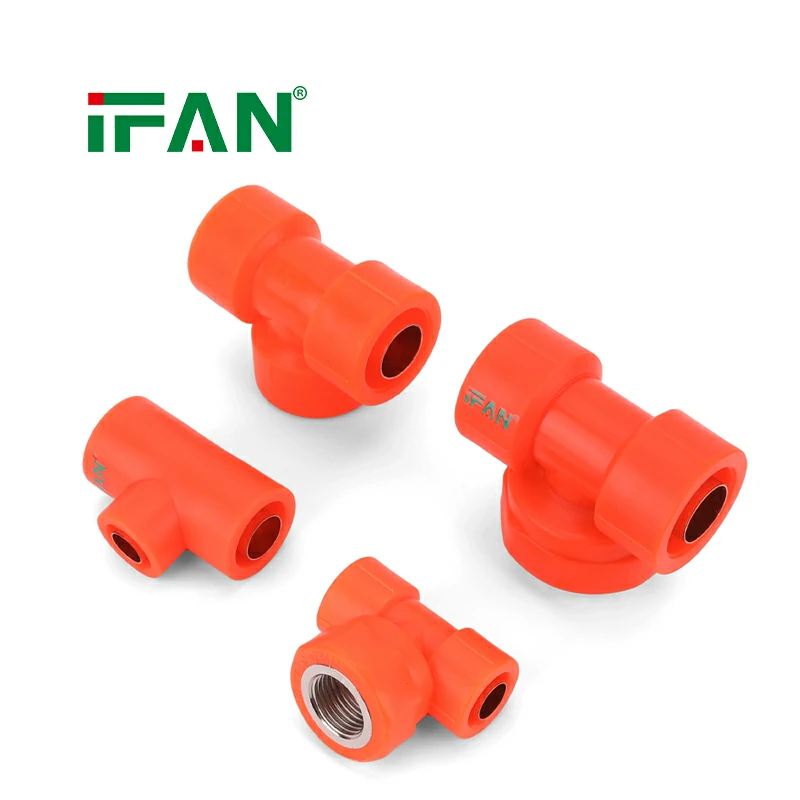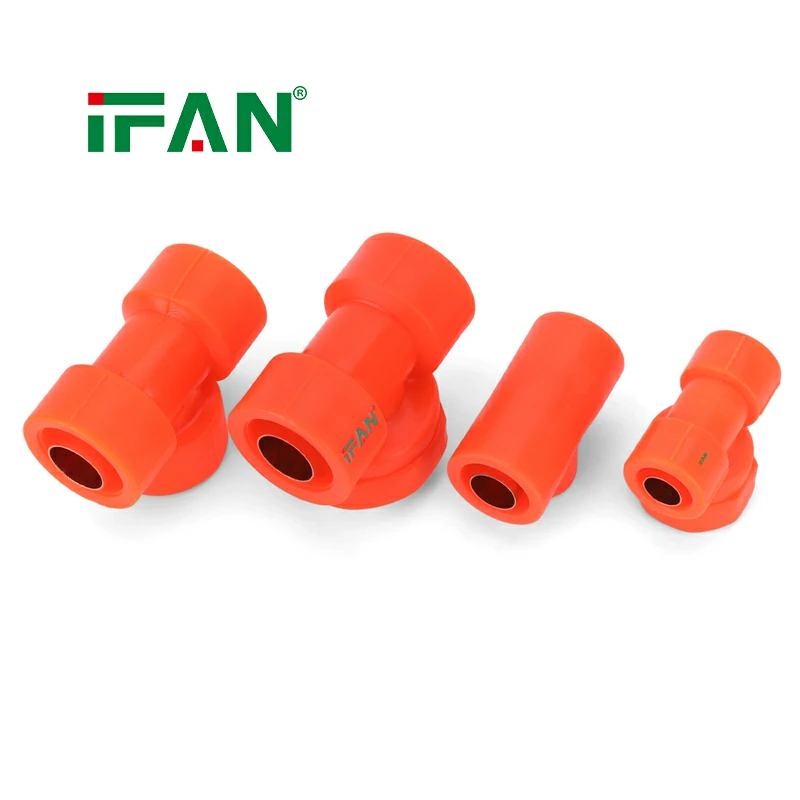
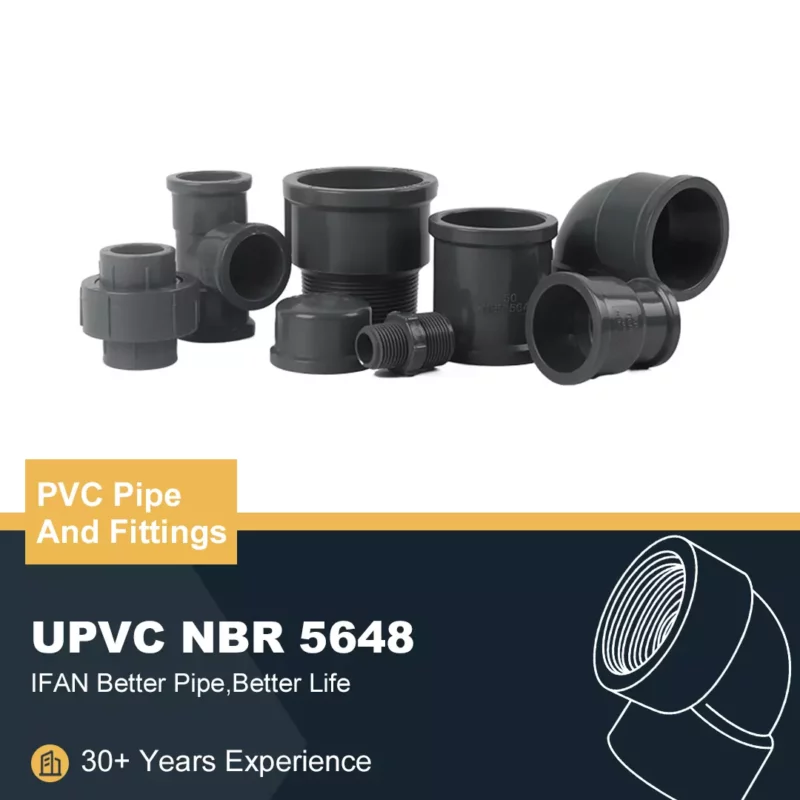
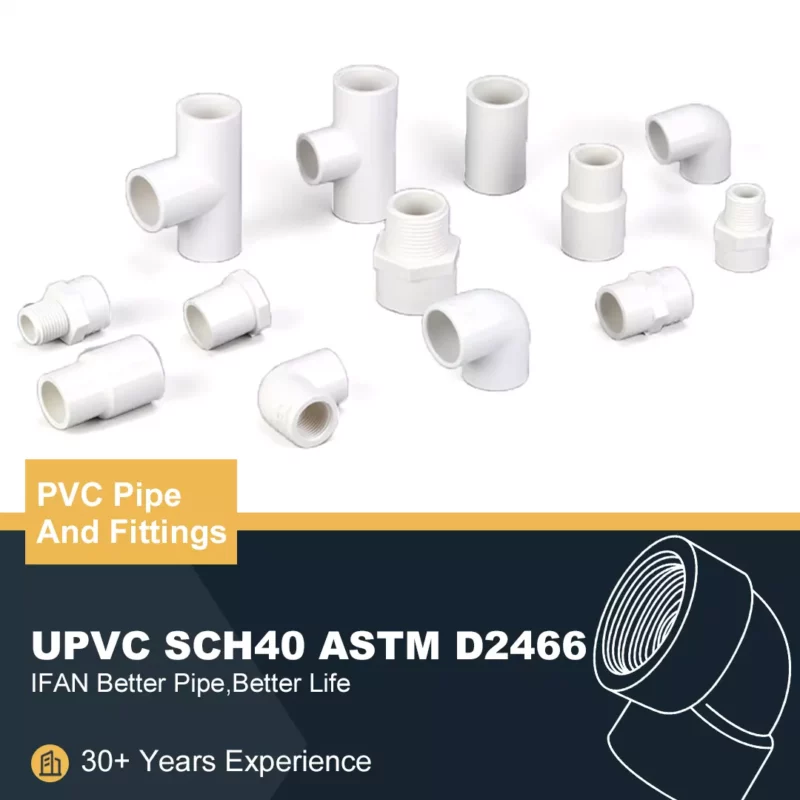
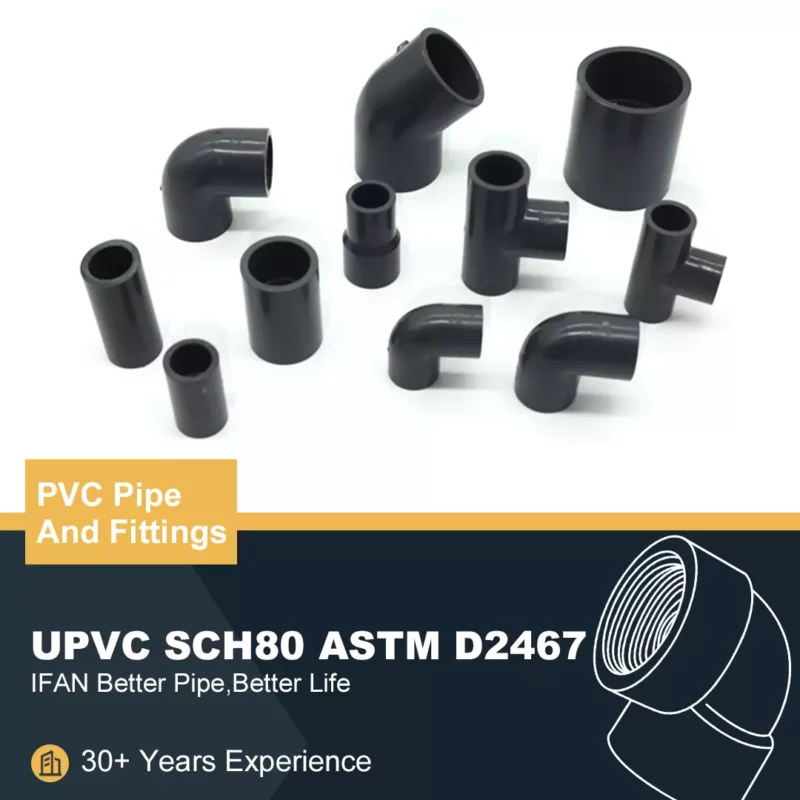
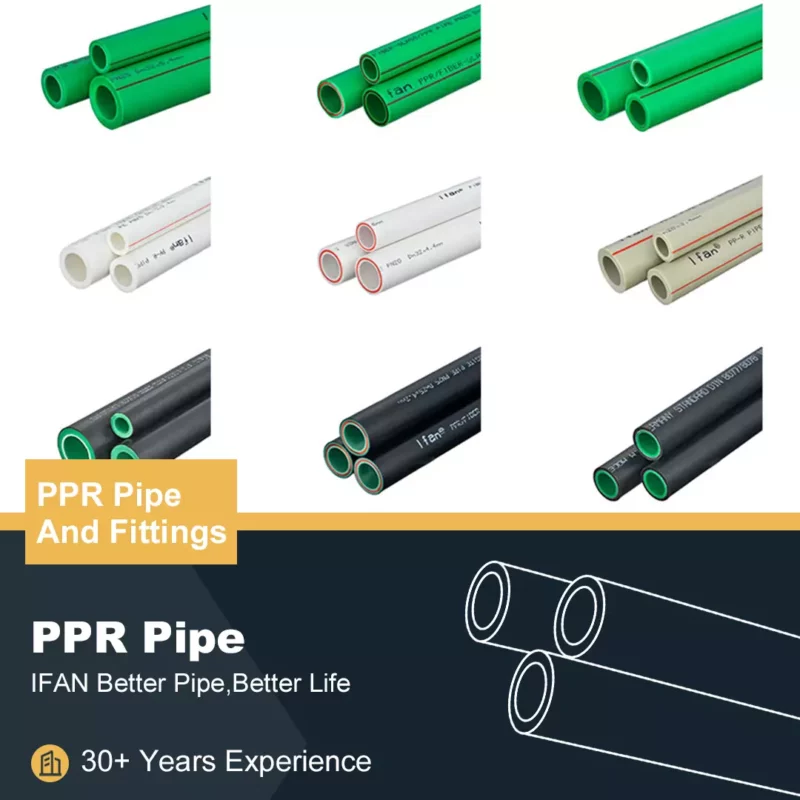
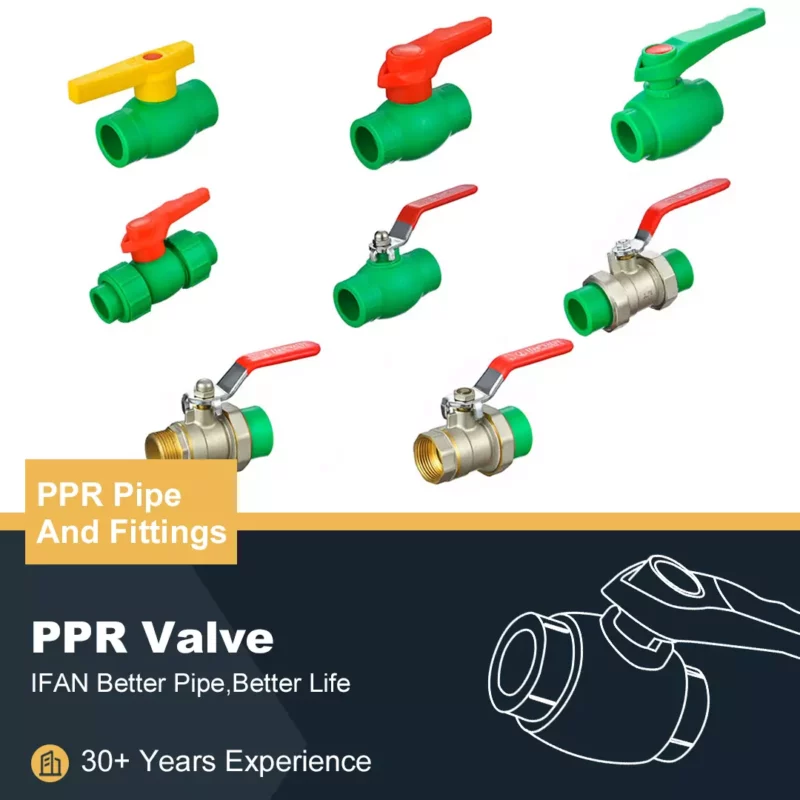
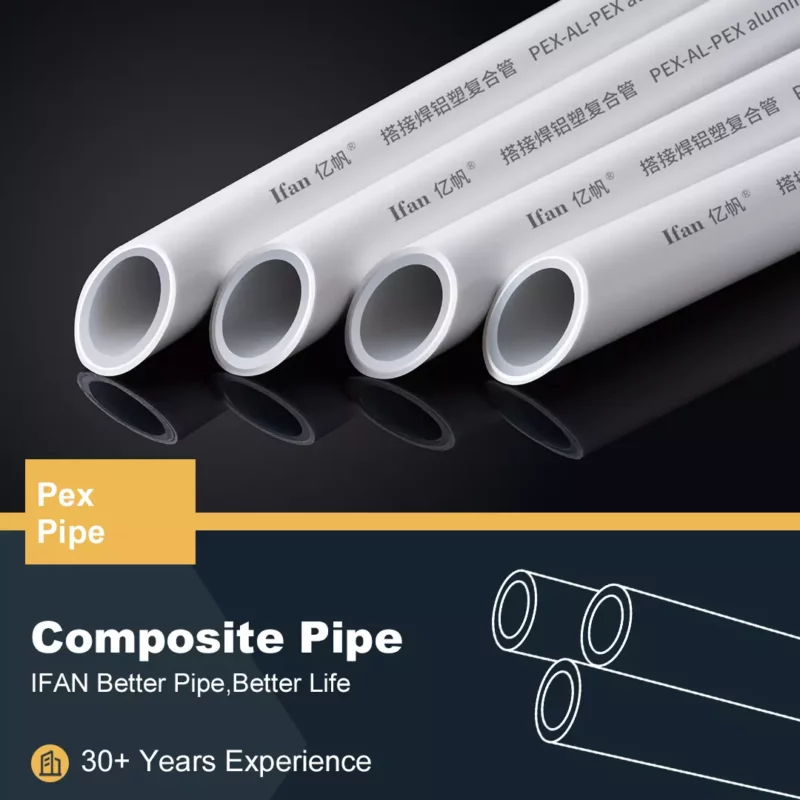
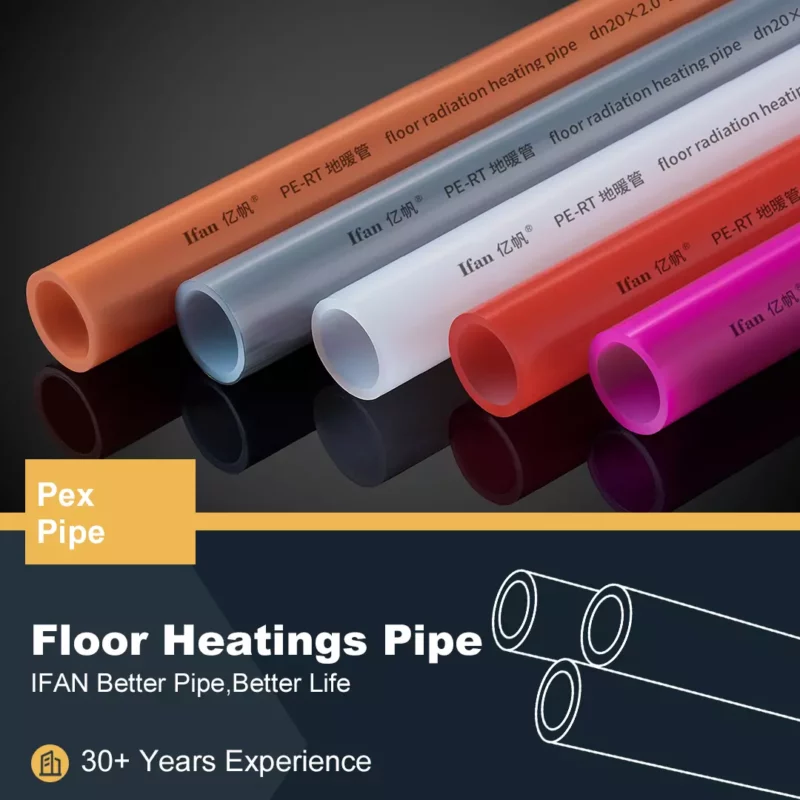
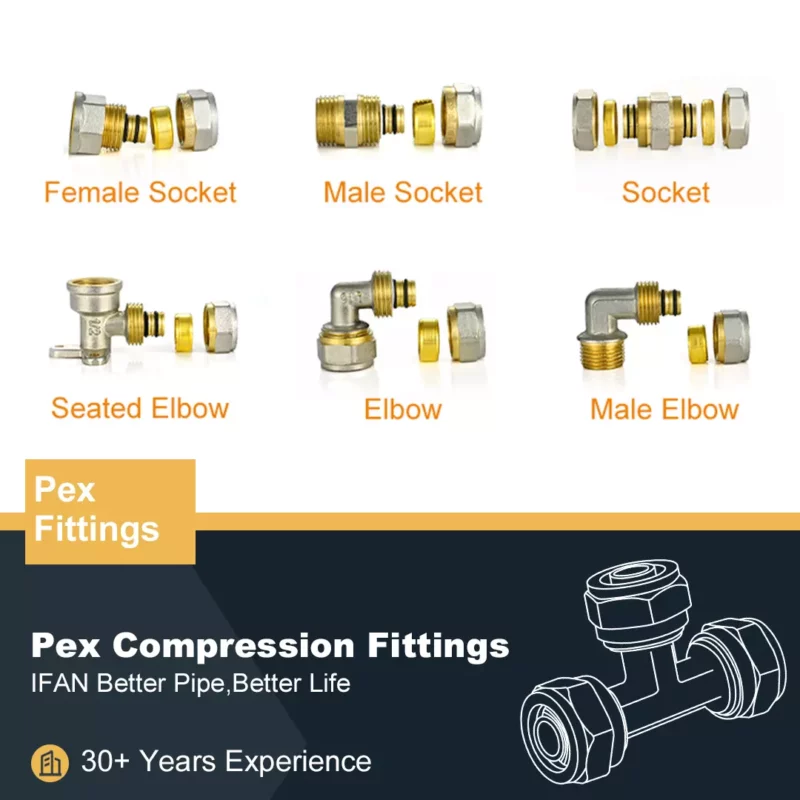
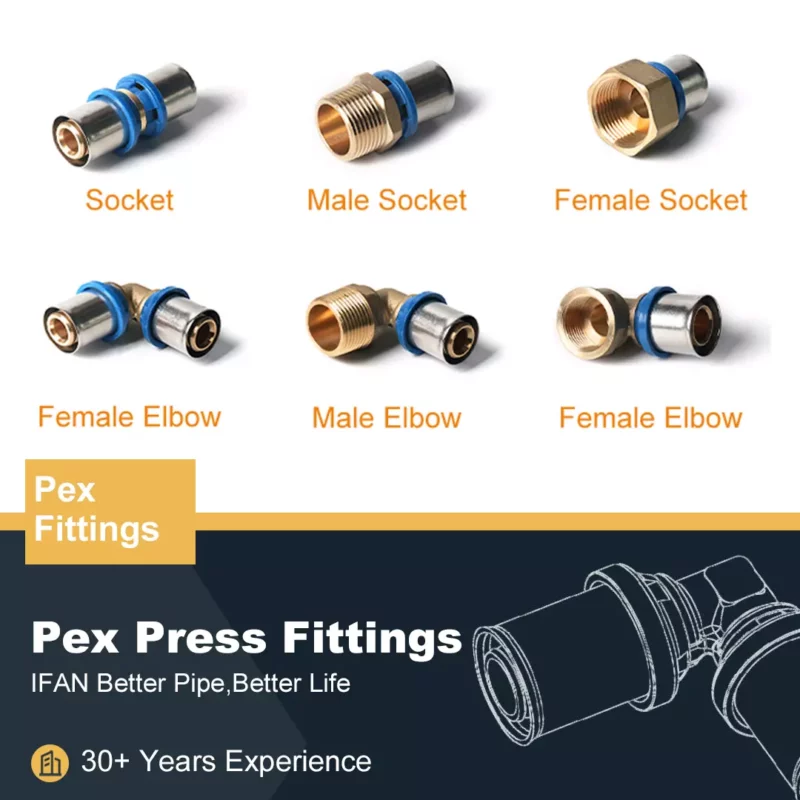
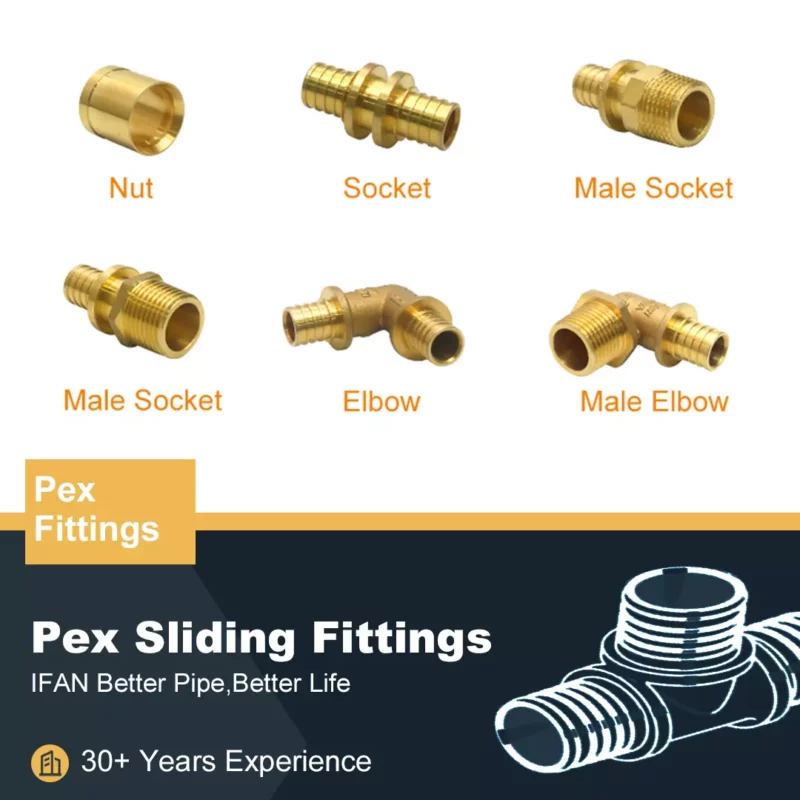
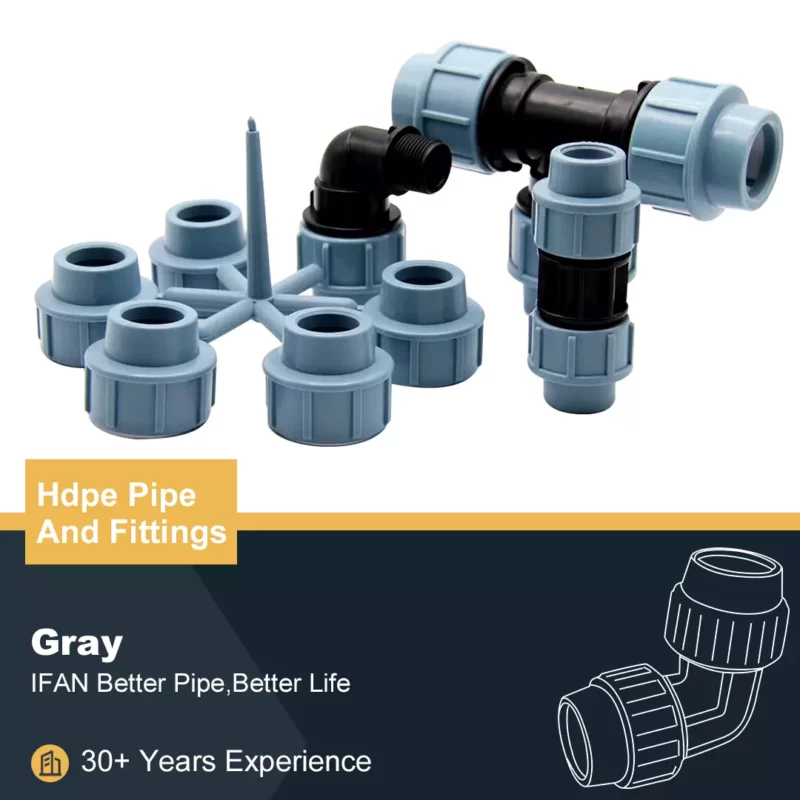
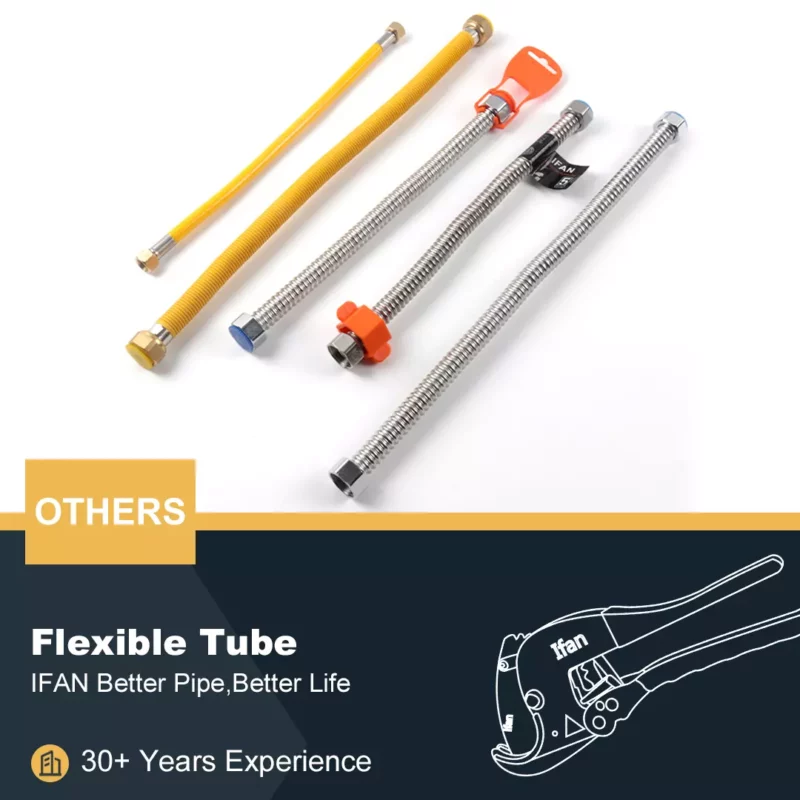


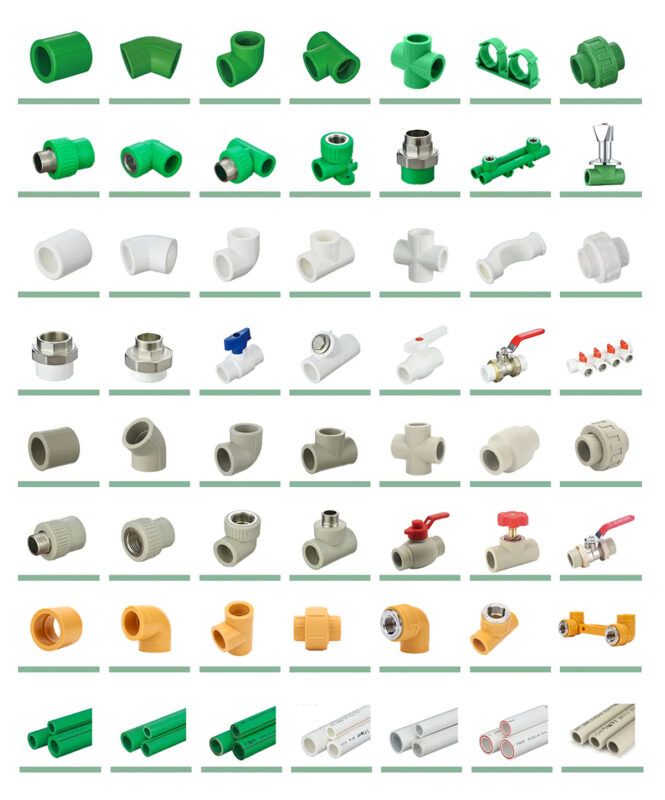
Manufacturers produce PPR pipe fittings using Polypropylene Random Copolymer. These fittings connect pipes in hot and cold water systems. PPR material resists high temperatures and pressure. Technicians prefer PPR fittings for long-lasting plumbing and heating solutions. Installers use heat fusion to connect fittings to pipes directly. This method creates a leak-free joint with high strength.
Color and Appearance Overview
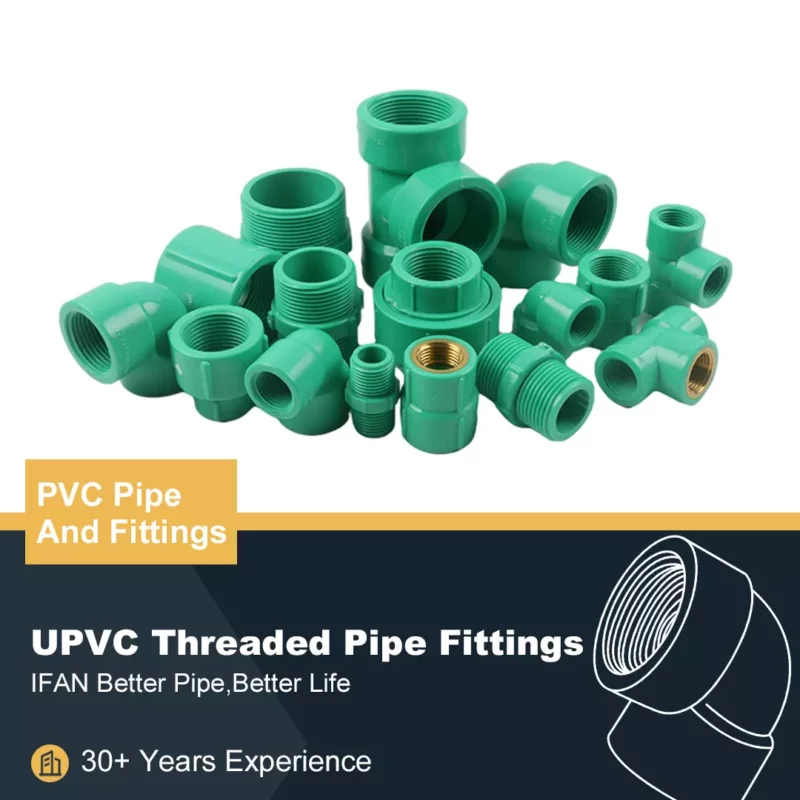
PPR fittings usually appear in green or white colors. These colors help identify them among other plastic materials. Manufacturers mold fittings with thick walls to increase strength. Most fittings include clear markings for size and pressure class. These marks simplify installation and reduce errors. The surface remains smooth to reduce fluid resistance.
Fitting Types and Applications
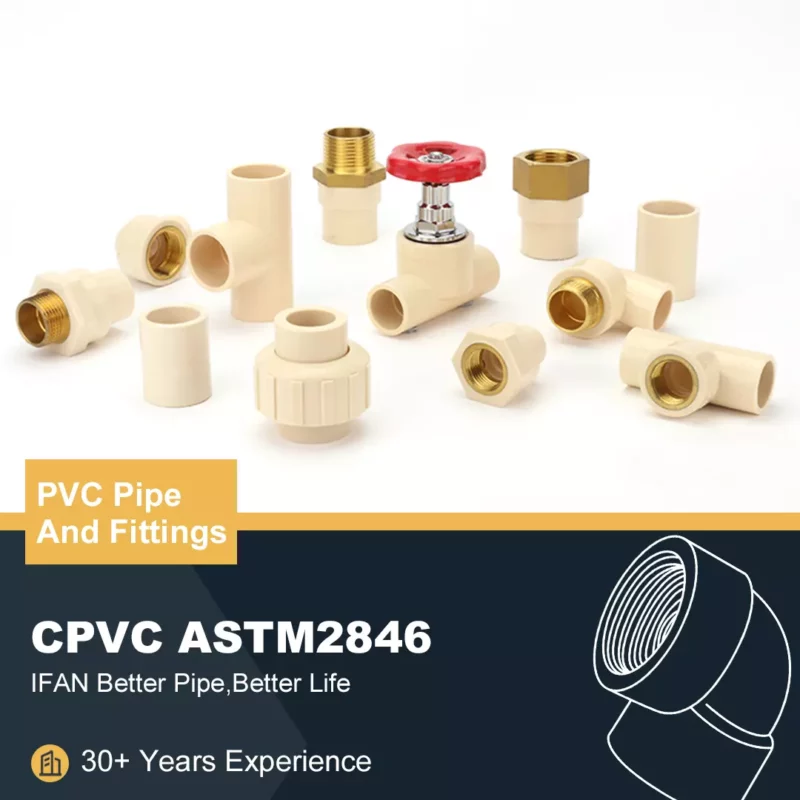
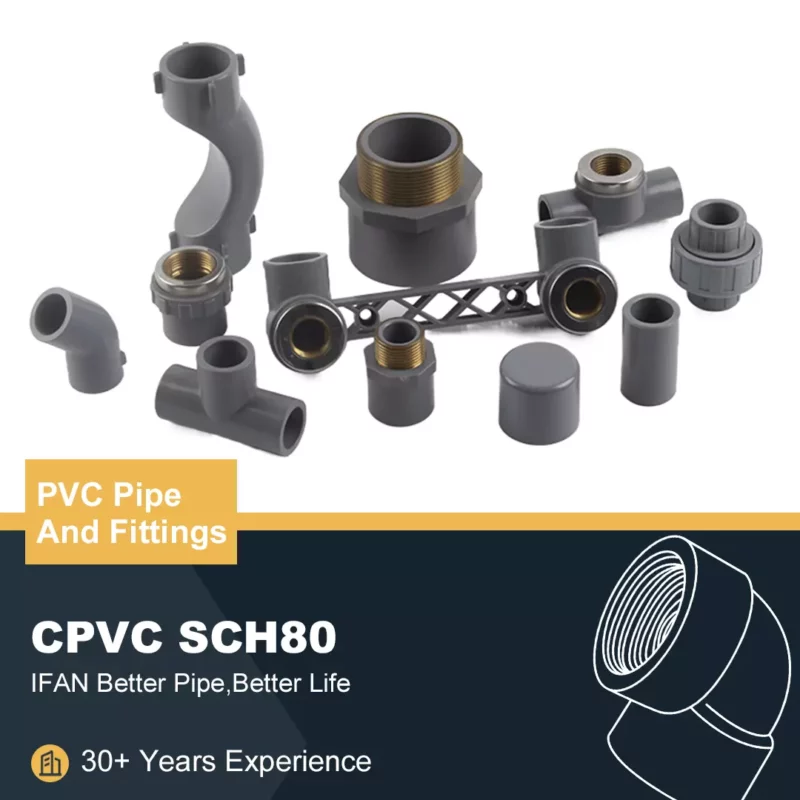
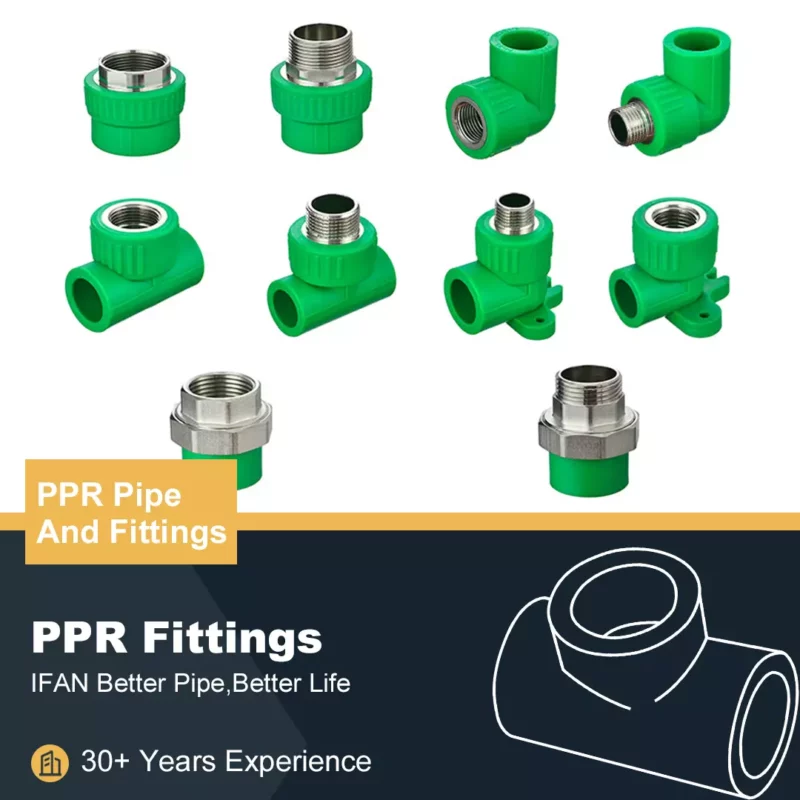
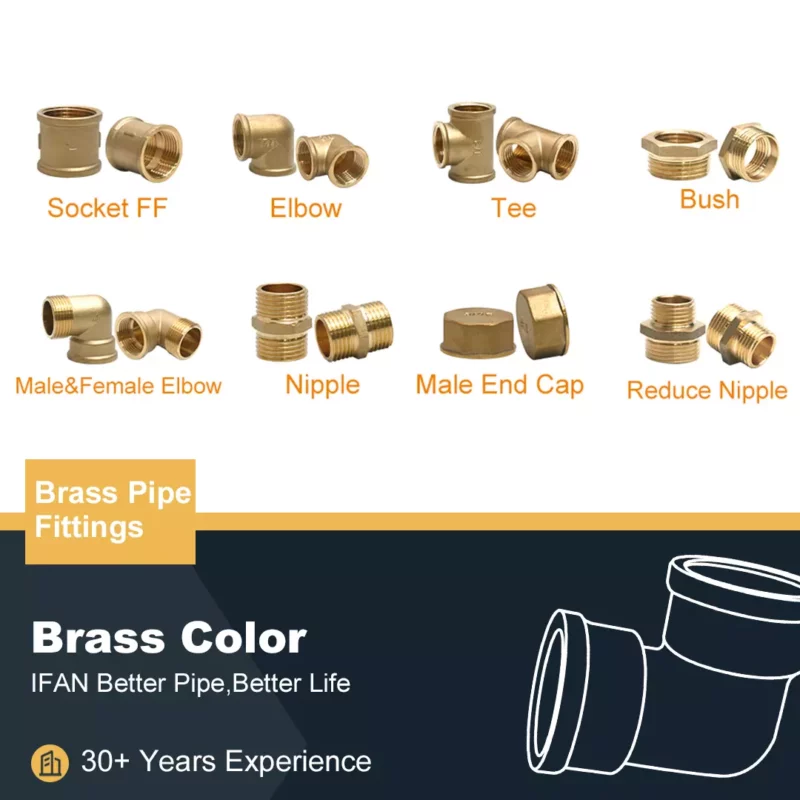
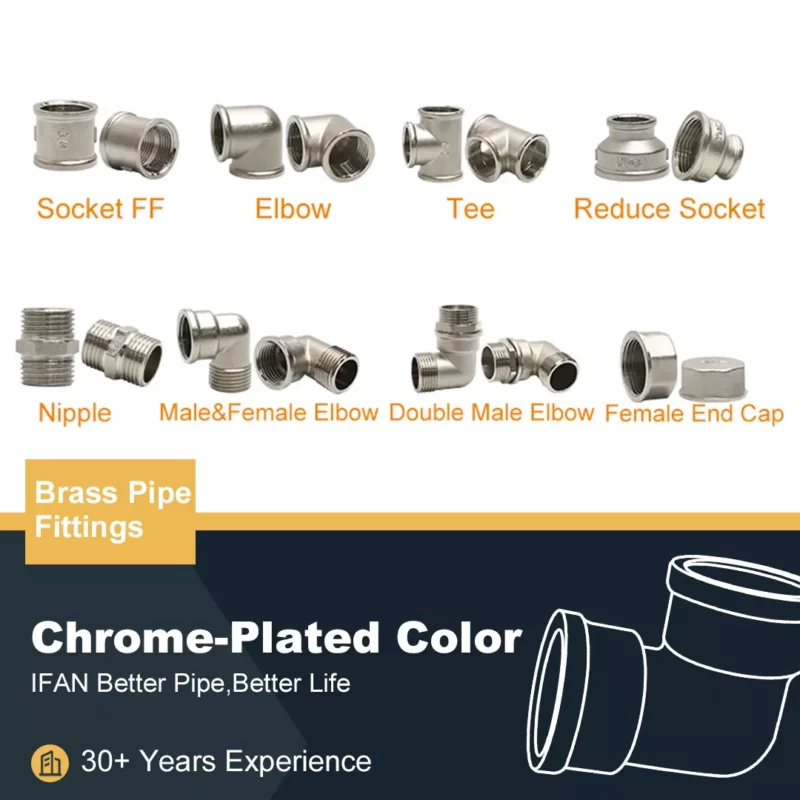
Common PPR fittings include elbows, couplers, tees, end caps, and unions. Each fitting serves a specific pipeline function. Installers use elbows to change pipe direction efficiently. Tees divide or combine flow between different pipe branches. Unions allow disassembly without cutting the pipe. Caps close off unused lines safely.
Threaded vs. Non-Threaded Options
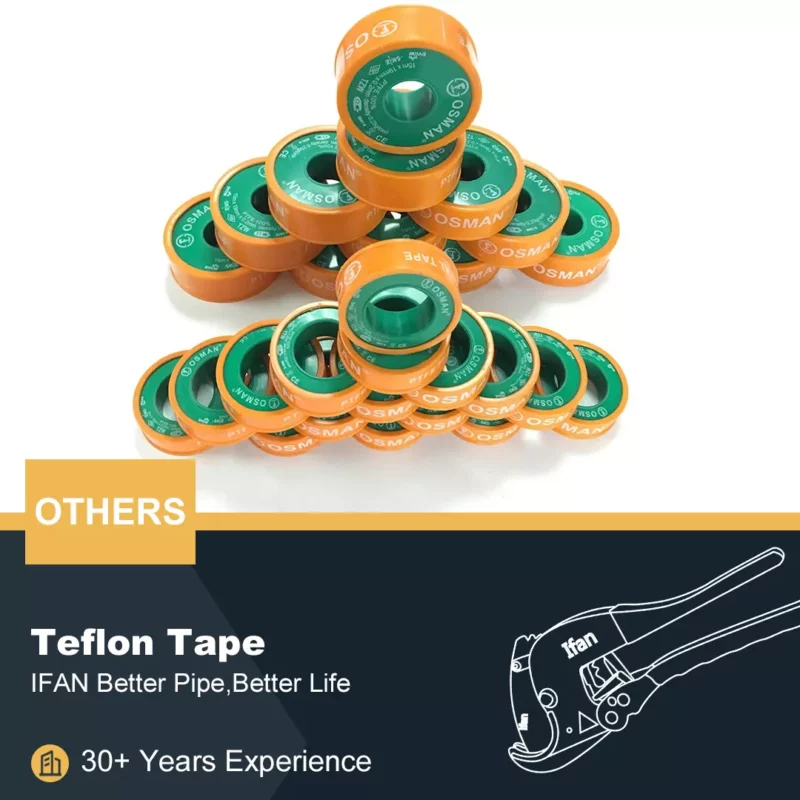
PPR fittings come in both threaded and non-threaded forms. Threaded types connect to metal parts like faucets. Installers must use sealing tape on male threads. Non-threaded fittings use heat fusion to form a seamless bond. These fittings suit plastic-to-plastic connections.
Wall Thickness and Pressure Classes
Manufacturers classify PPR fittings into PN10, PN16, PN20, and PN25 ratings. These ratings show the pressure each fitting handles. PN10 fits cold water use in residential systems. PN20 and PN25 suit hot water and industrial networks. Wall thickness increases with higher pressure classes. Users must match fittings to pipe ratings.
Internal Diameter Consistency
PPR fittings maintain a uniform internal diameter throughout their structure. This consistency ensures smooth fluid flow and reduces turbulence. Equal diameters also simplify flow calculations. Installers avoid blockages by choosing well-designed fittings.
Heat Fusion Compatibility
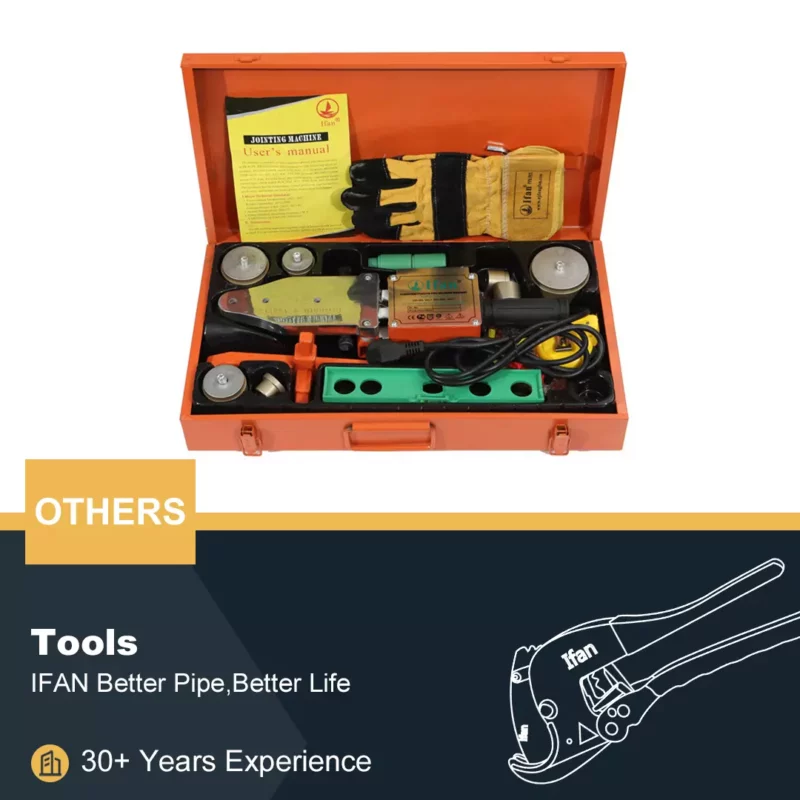
Technicians use fusion welding tools to join PPR fittings with pipes. This method melts material surfaces for perfect bonding. After cooling, joints perform like a single piece. The process eliminates need for adhesives or clamps. Proper fusion prevents leaks and increases system reliability.
Resistance to Chemicals and Scaling
PPR fittings resist corrosion from acids, salts, and alkalis. This resistance makes them ideal for chemical water transport. The smooth surface prevents mineral scaling inside the fittings. Users maintain consistent flow rates over long usage periods.
Thermal and Acoustic Insulation
PPR pipe fittings provide natural thermal insulation. This reduces heat loss in hot water systems. The material also absorbs noise during water flow. These properties improve energy efficiency and comfort in residential buildings.
Size Range and Dimensional Standards
Manufacturers produce PPR fittings in sizes from 20mm to 160mm. Sizes follow ISO and DIN standards strictly. Standardized dimensions ensure compatibility between different brands. Installers must check dimension charts before starting projects.
Reinforced Metal Inserts in Special Fittings
Some PPR fittings include brass or stainless steel inserts. These reinforcements improve strength in threaded connections. Users apply them in areas requiring strong mechanical joints. The metal parts resist wear from frequent use.
Visual Inspection and Testing Features
Quality PPR fittings show no visible cracks or warping. Reputable brands conduct pressure and thermal tests before packaging. Users should inspect products before installation. Cracks or irregularities indicate manufacturing defects.
Storage and Handling Guidelines
Installers must store PPR fittings in a cool, dry place. Sunlight exposure weakens plastic and shortens lifespan. Sharp objects should not touch fitting surfaces. Proper handling avoids deformation or contamination.
Conclusion: Precision and Durability Define PPR Fittings
PPR pipe fittings offer strong, reliable performance for diverse piping systems. Their dimensional accuracy and fusion process ensure long-term reliability. Users benefit from resistance to chemicals, heat, and wear. Choosing the correct fitting type guarantees system efficiency and safety.
If you have read this article and have any questions, please feel free to contact IFAN. Below is our contact information:
Whatsapp:+86 13373827623
Email:[email protected]