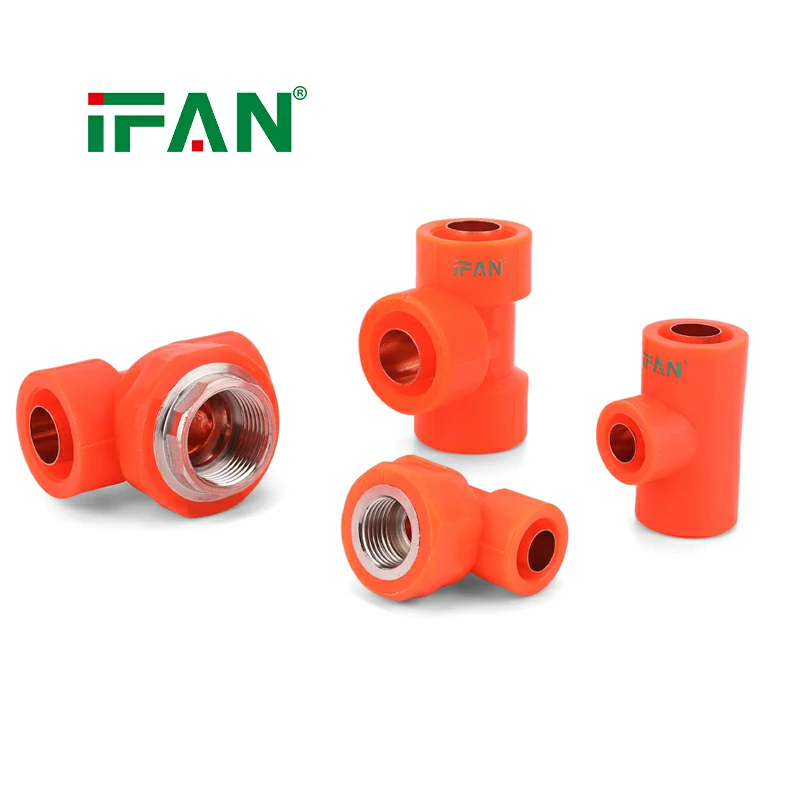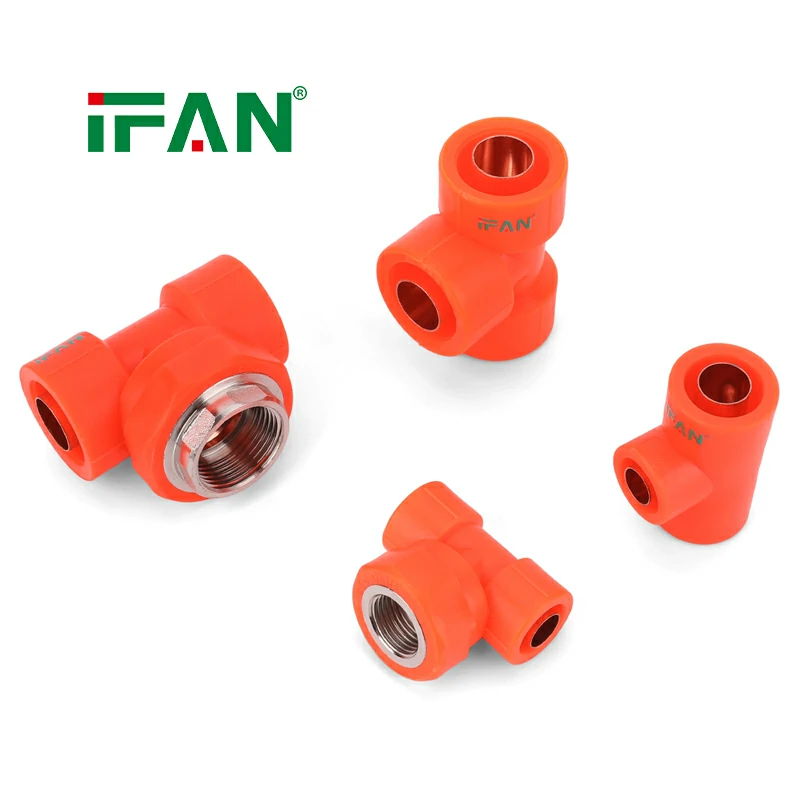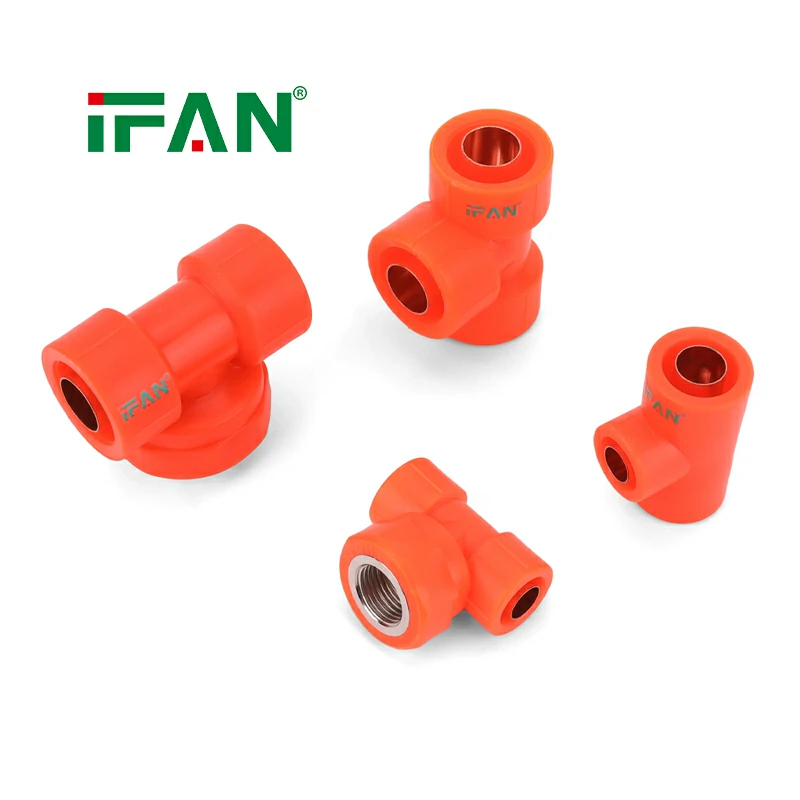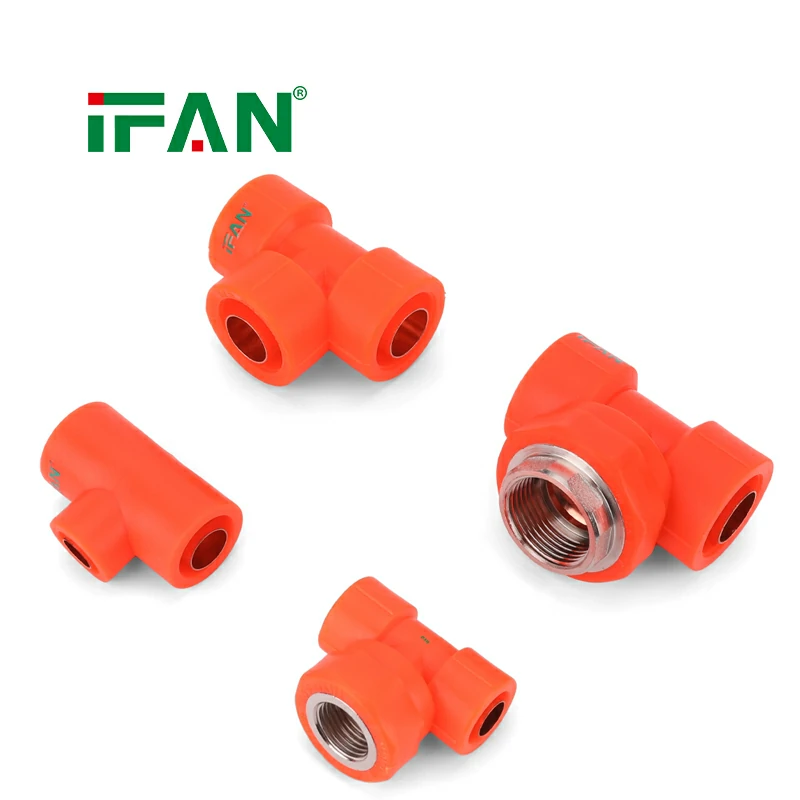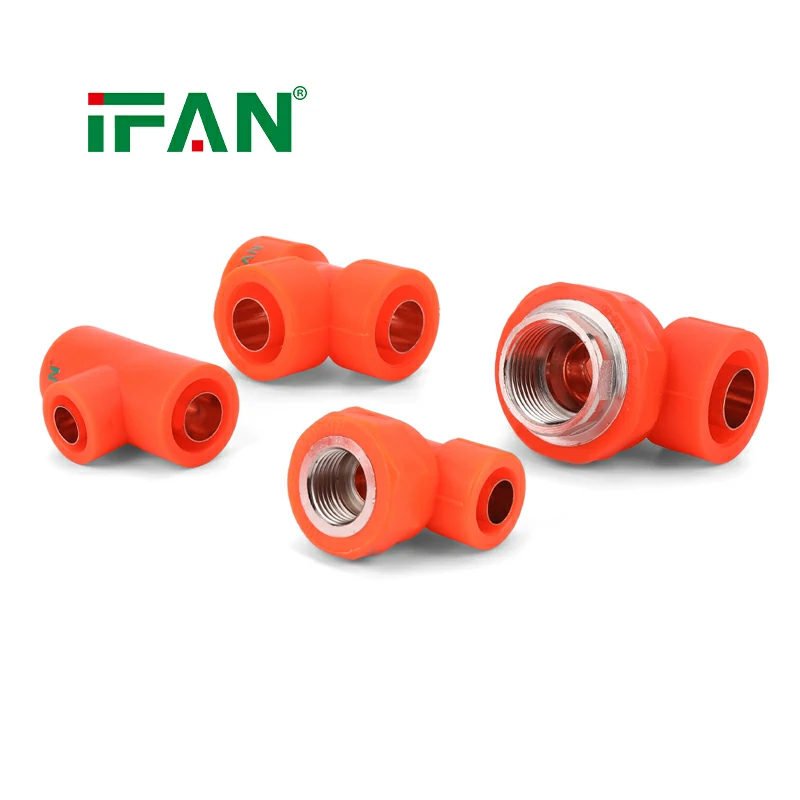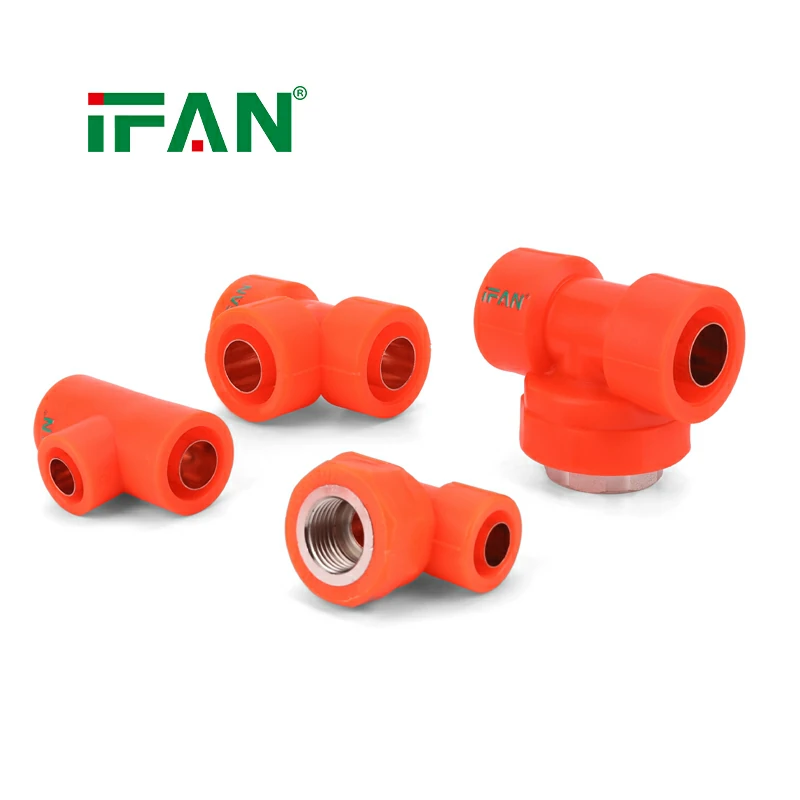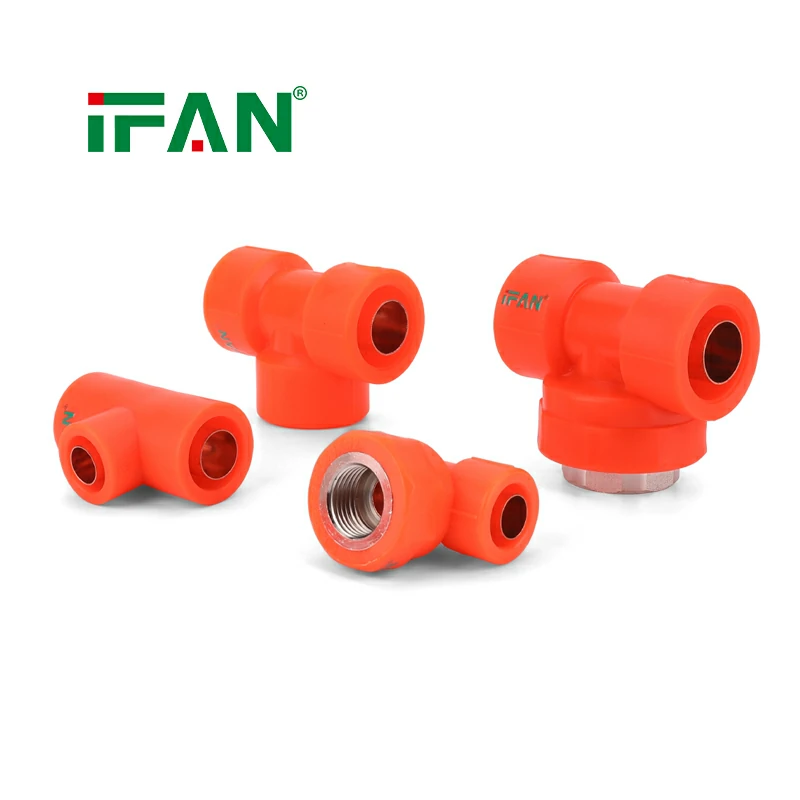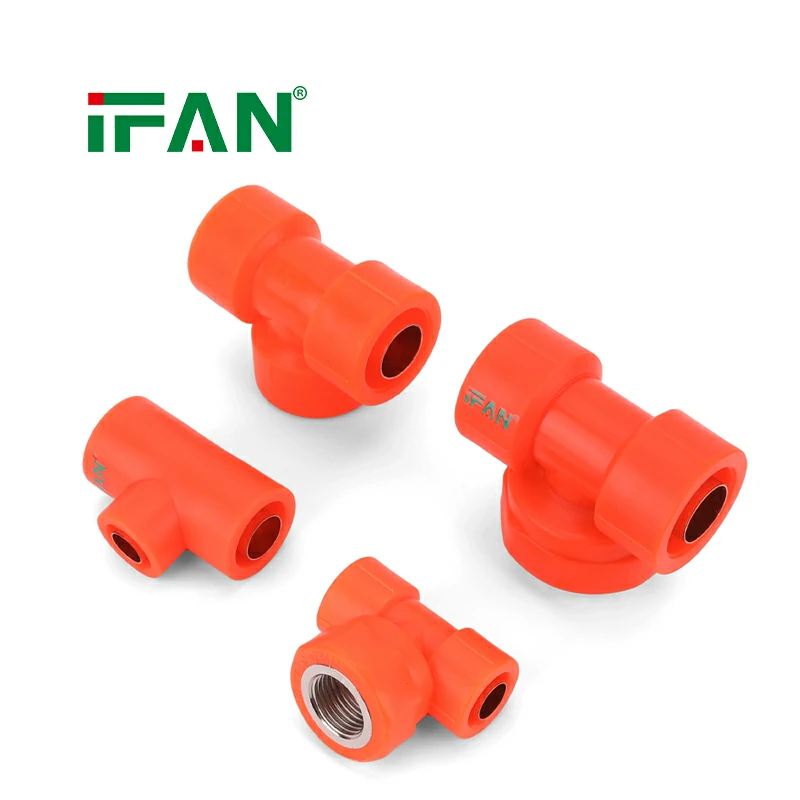
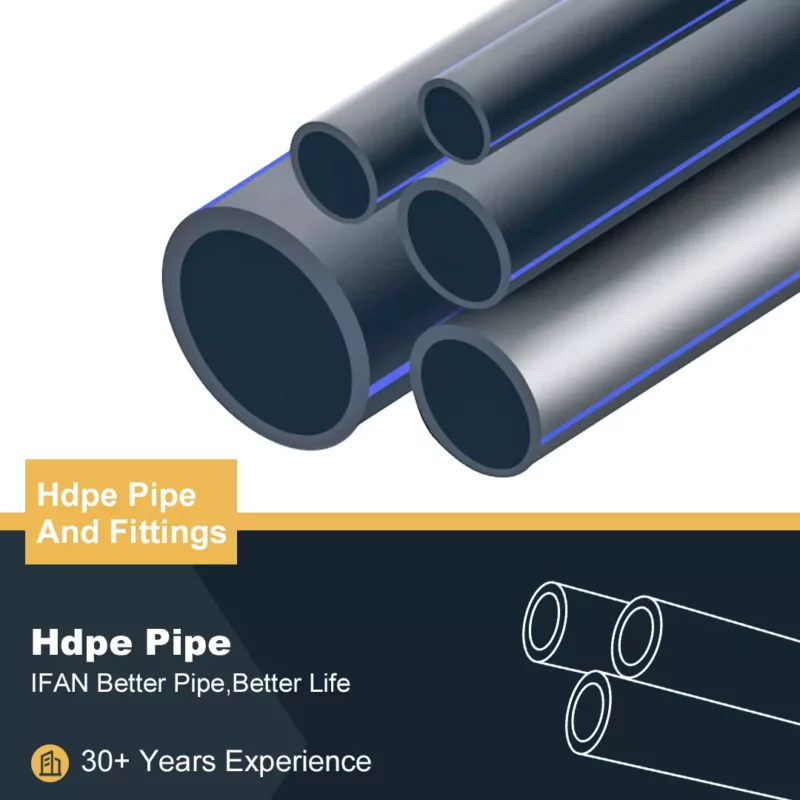
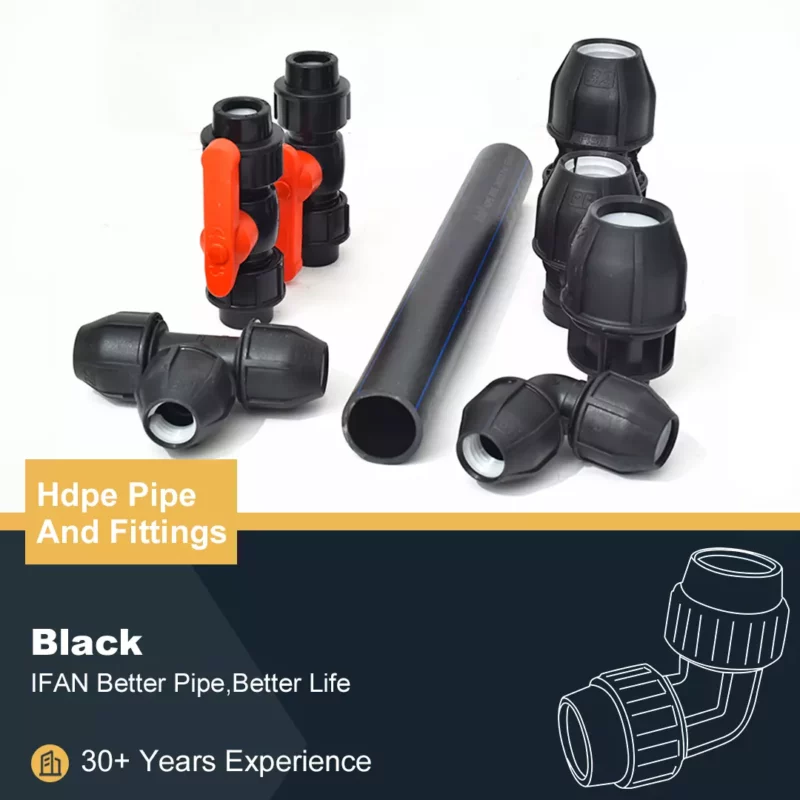
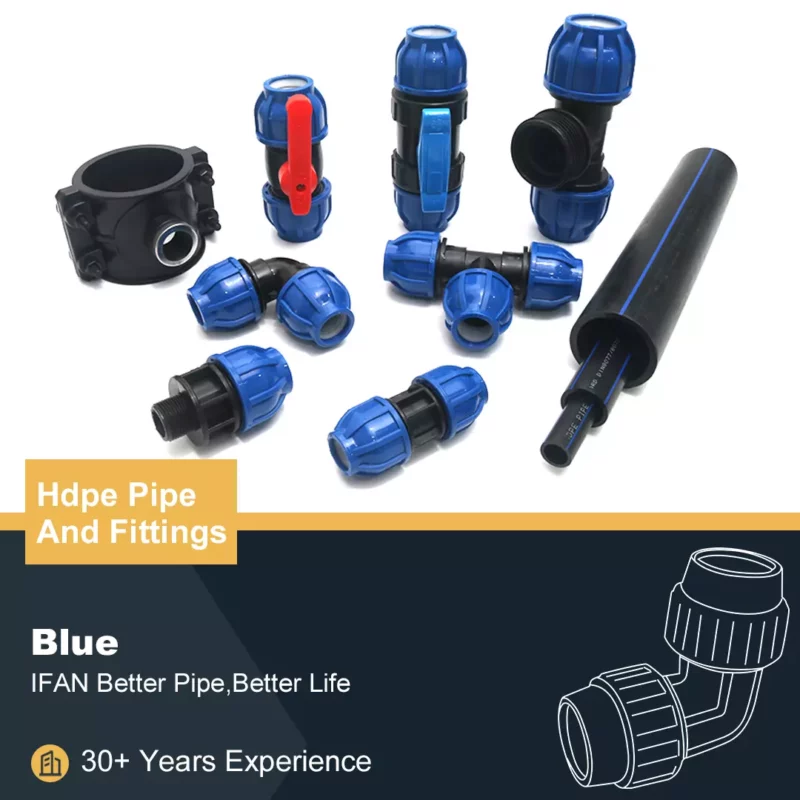
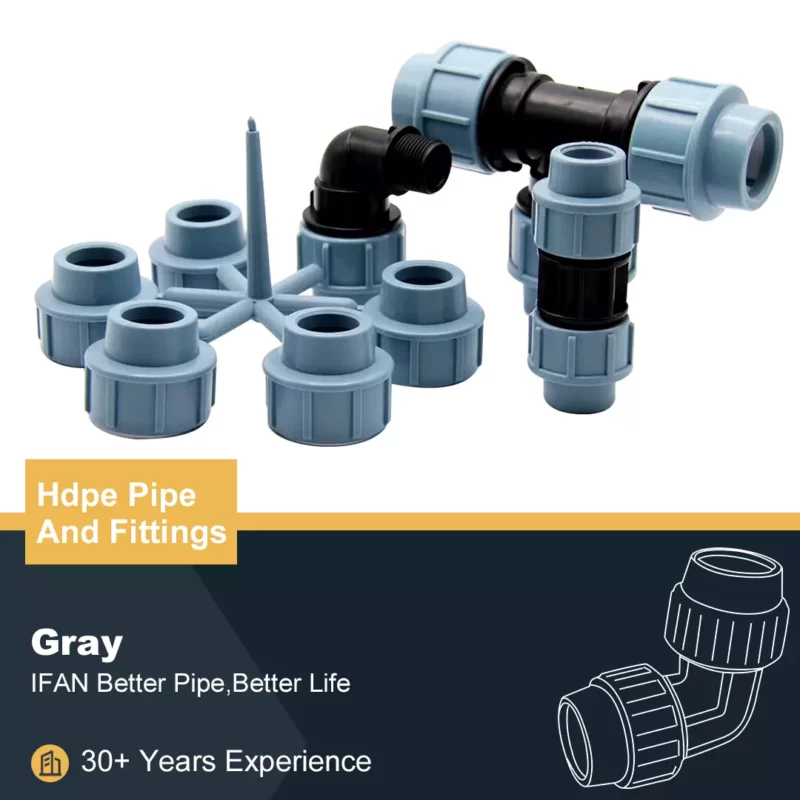


Introduction to CPVC Pipe Fittings
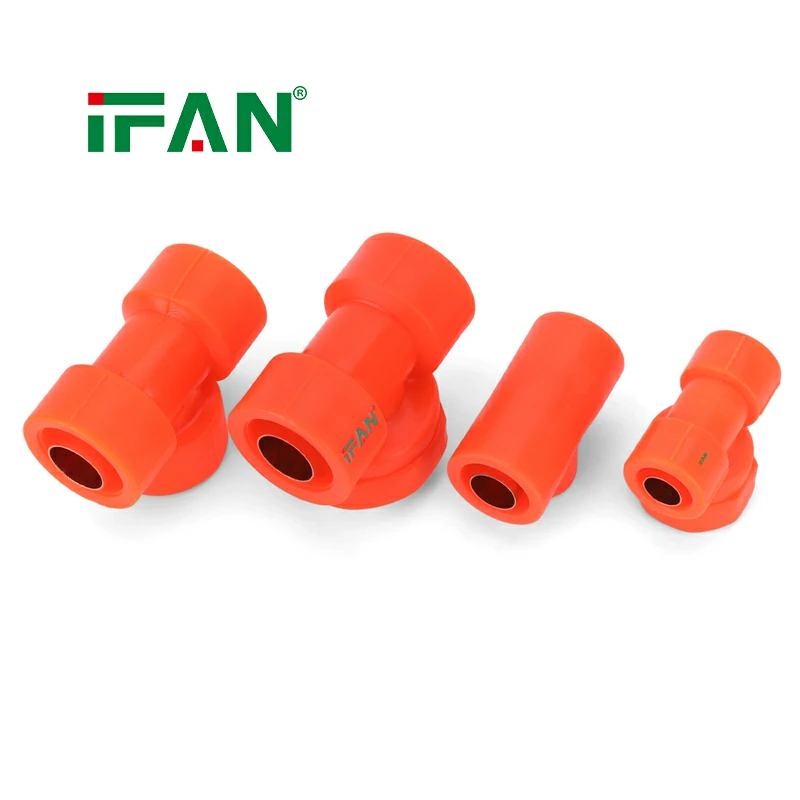
CPVC pipe fittings are widely used in plumbing systems for both residential and commercial applications. CPVC stands for chlorinated polyvinyl chloride, a durable and heat-resistant plastic. These fittings connect CPVC pipes to ensure secure water flow throughout a building. A key feature of CPVC pipe fittings is their ability to create strong, leak-free connections. Their design and installation method significantly reduce the risk of fluid loss. Whether transporting hot water, cold water, or chemicals, CPVC pipe fittings provide consistent performance. Their strength, reliability, and ease of use make them a popular choice among plumbing professionals and homeowners alike.
Why Leak-Free Connections Matter
Leak-free connections are essential in any piping system. Leaks can cause property damage, mold growth, and expensive repairs. In industrial settings, leaks may also pose safety risks and regulatory concerns. CPVC pipe fittings help prevent these problems by forming tight, permanent seals. Leak-free fittings preserve water pressure, protect surrounding structures, and improve system efficiency. They also help conserve water and reduce utility costs. A plumbing system built with CPVC pipe fittings is less likely to require frequent repairs. This reliability brings peace of mind and long-term savings for building owners and maintenance teams.
Solvent Cement Welding for Strong Bonds
CPVC pipe fittings are joined using a method called solvent cement welding. This process creates a permanent chemical bond between the pipe and fitting. First, the surfaces are cleaned and primed. Then, solvent cement is applied to both the pipe and the fitting. The pipe is inserted into the fitting and held in place briefly. As the solvent evaporates, the materials fuse into a single, solid piece. This creates a watertight joint that does not rely on threads, gaskets, or clamps. Solvent welding is simple, fast, and highly effective at preventing leaks in CPVC piping systems.
Precision Manufacturing Ensures Tight Seals
CPVC pipe fittings are manufactured to precise standards to ensure exact sizing and compatibility. These tight tolerances help create snug, secure connections. Properly sized fittings align perfectly with CPVC pipes, reducing the chance of gaps or misalignment. Even a small error in fitting size can lead to leaks or system failure. High-quality CPVC pipe fittings are designed and tested to prevent such issues. Their uniformity allows for consistent joint strength and seal reliability. Manufacturers also test fittings for pressure and temperature resistance, further ensuring their performance in real-world conditions.
Chemical Resistance Prevents Material Degradation
CPVC pipe fittings are resistant to corrosion and chemical attack. This chemical stability is crucial for leak prevention over time. In metal pipes, chemical exposure can cause corrosion and weaken joints. CPVC does not rust or degrade when exposed to water disinfectants, acids, bases, or salts. It maintains its structure and sealing properties in environments where other materials may fail. This chemical resistance keeps the joint secure and prevents leaks caused by material breakdown. For systems exposed to treated water or industrial chemicals, CPVC pipe fittings are a safe and durable option.
Thermal Expansion and Joint Stability
Temperature changes can cause pipe materials to expand and contract. If not properly managed, this movement can lead to joint failure and leaks. CPVC pipe fitting are designed to handle moderate thermal expansion without compromising the joint. When installed correctly, the solvent welds remain strong even during temperature fluctuations. CPVC fittings maintain their integrity in hot water systems and heated environments. Unlike some other plastics, CPVC does not become soft or brittle with temperature changes. This thermal stability adds another layer of leak protection in plumbing and industrial applications.
Low Maintenance and Long-Term Reliability
Once installed, CPVC pipe fitting require minimal maintenance. Their strong bonds and durable materials mean fewer problems over the system’s lifetime. Leak-free performance reduces the need for constant monitoring or repairs. This is especially important in commercial buildings or industrial plants where downtime is costly. CPVC fittings last for decades under normal conditions, offering excellent return on investment. The system stays secure and operational with fewer interruptions. For building owners and facility managers, the reliability of CPVC pipe fittings means lower maintenance budgets and improved system longevity.
Ideal for Hot and Cold Water Systems
CPVC pipe fittings are suitable for both hot and cold water distribution. Their ability to form leak-free joints remains consistent across a wide temperature range. In hot water systems, the fittings retain strength and sealing capability under pressure. In cold water lines, they resist cracking and maintain joint integrity. CPVC’s versatility in various temperature conditions makes it a reliable option in any climate. This adaptability helps prevent leaks caused by temperature stress or seasonal changes. Whether used in homes, hotels, or industrial facilities, CPVC pipe fittings provide lasting, secure connections.
Inspection and Testing Support Leak Prevention
Proper inspection and pressure testing are essential steps during installation. CPVC pipe fittings allow for easy testing of the system before operation. After the joints cure, the system can be pressurized to check for leaks. If installed correctly, CPVC systems typically pass pressure tests without issue. This testing process helps confirm that all joints are sealed and secure. It gives installers and inspectors confidence in the integrity of the system. Leak detection and correction at this stage help avoid future problems. CPVC’s reliable bonding method makes testing more predictable and effective.
Compatible With a Range of Plumbing Layouts
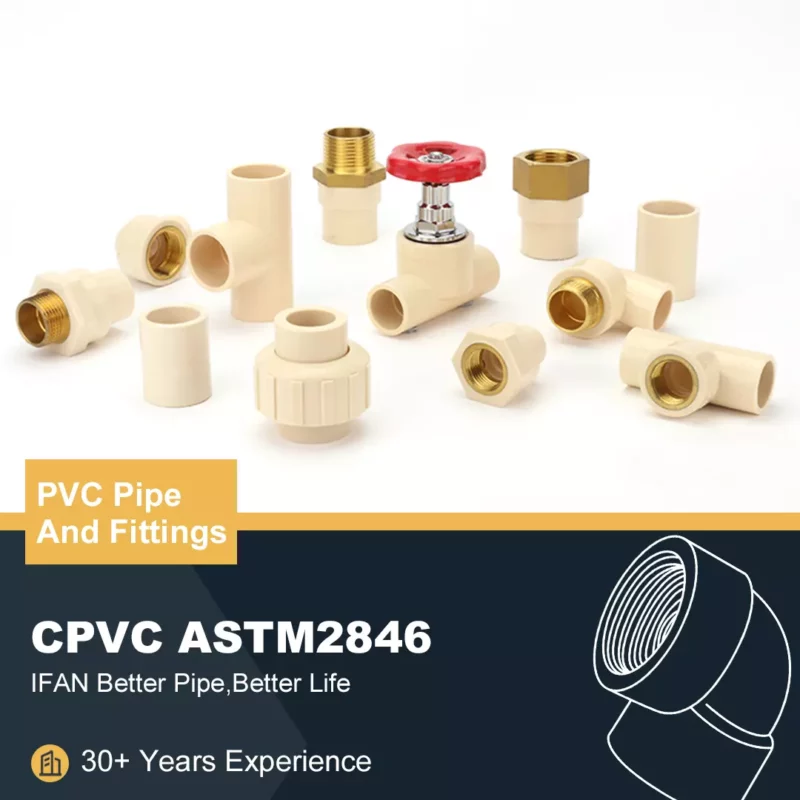
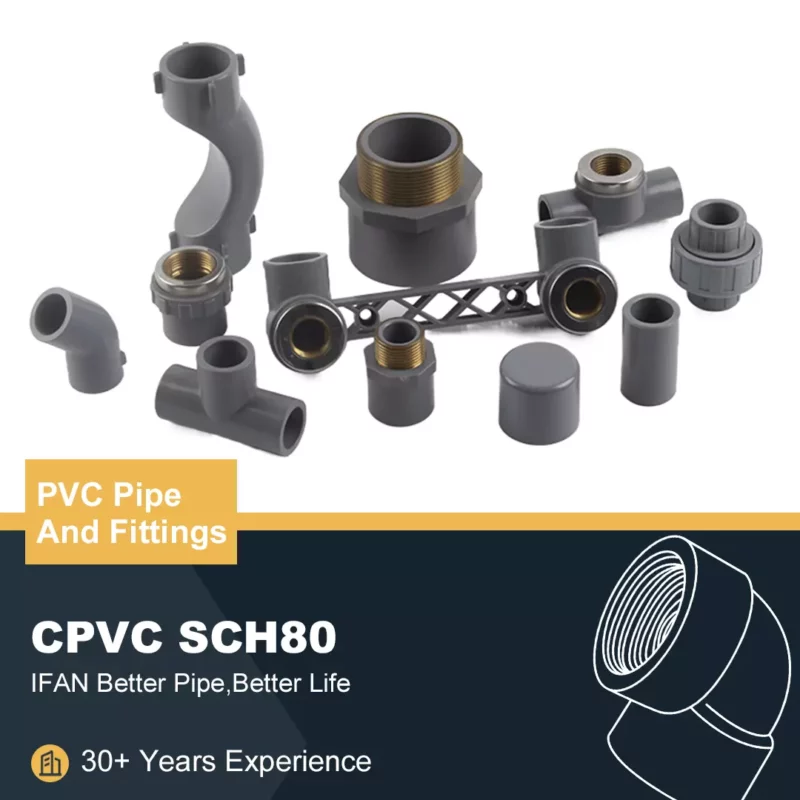
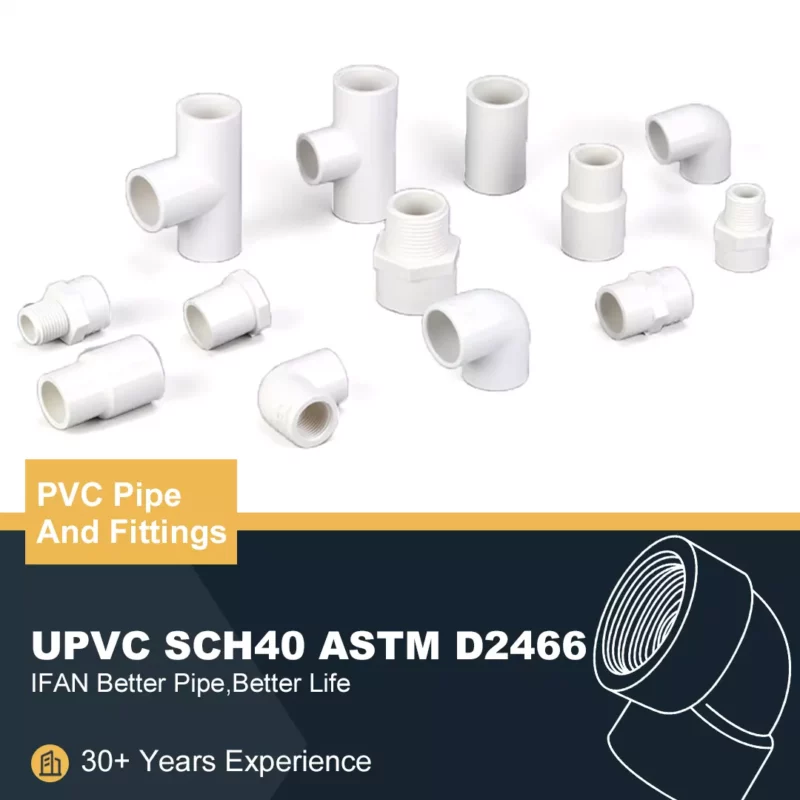
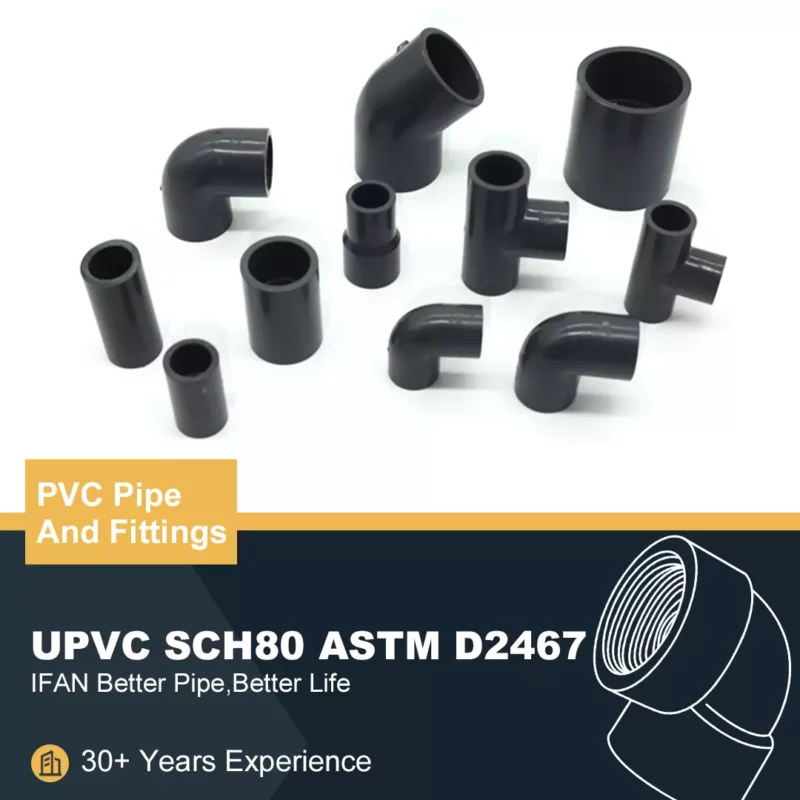
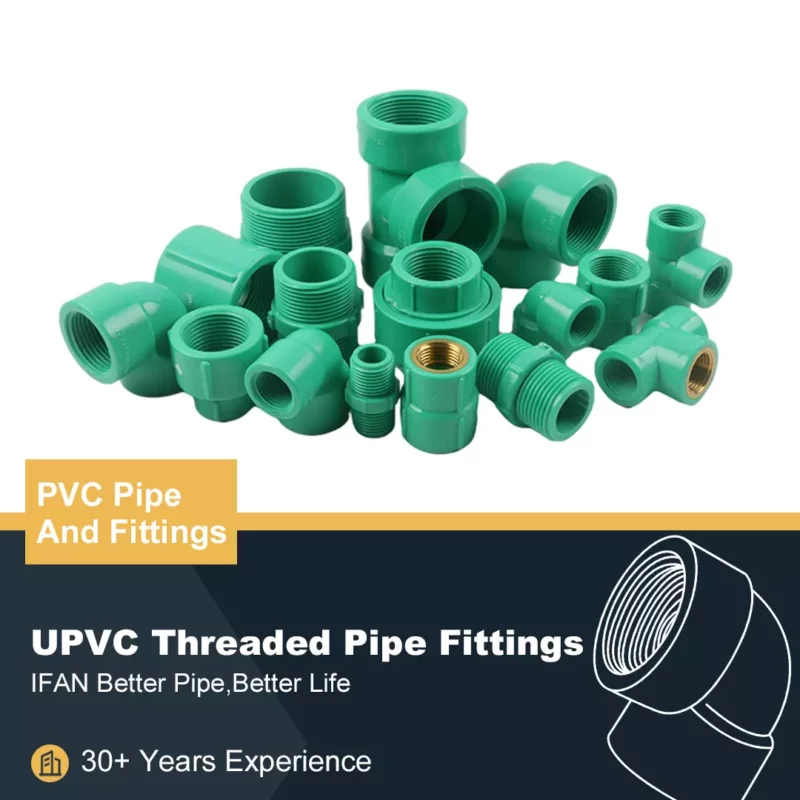
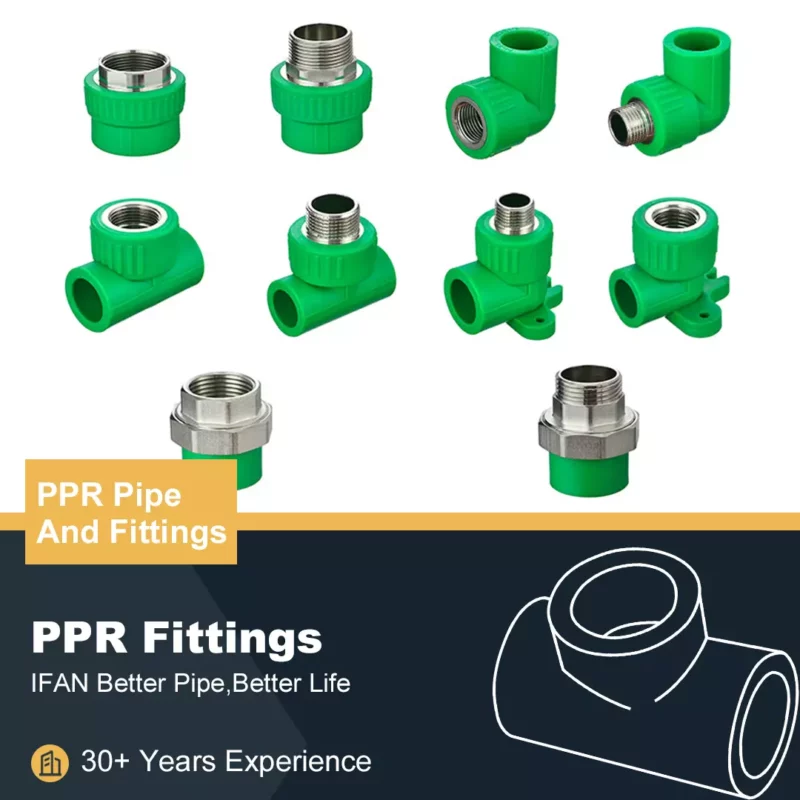
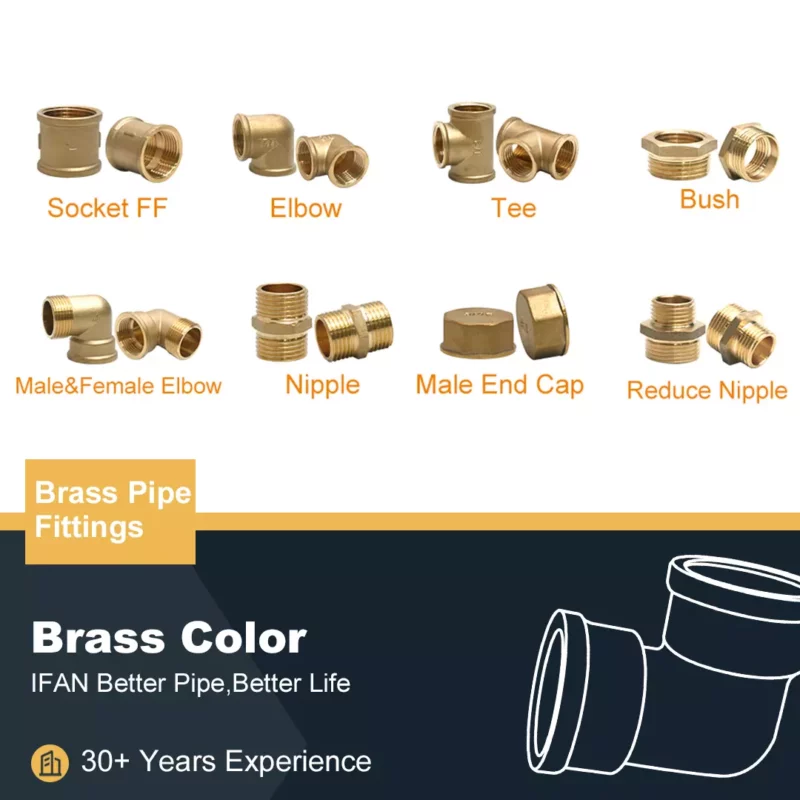
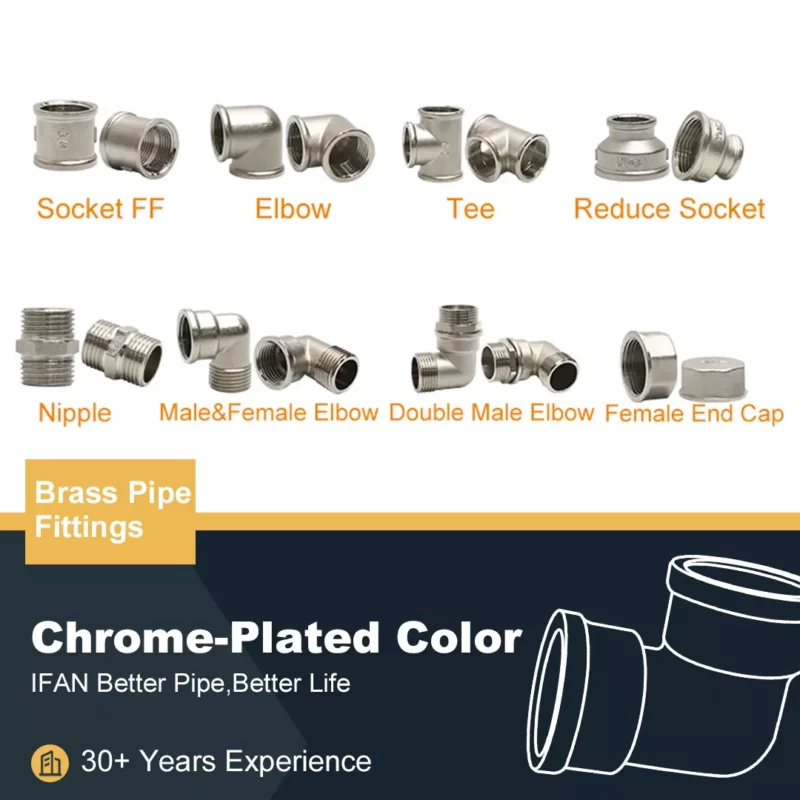
CPVC pipe fittings are available in many types, including elbows, tees, couplings, adapters, and unions. This wide variety supports complex plumbing layouts and system designs. Regardless of the piping direction or configuration, CPVC fittings can create secure, leak-free joints. Their design allows for flexibility in routing water lines through walls, ceilings, and tight spaces. Transition fittings make it easy to connect CPVC with other materials like copper or PEX. This versatility helps maintain a leak-free system even in mixed-material plumbing installations. CPVC’s compatibility makes it a practical choice for new construction and renovation projects.
Conclusion
CPVC pipe fittings provide leak-free connections that stand the test of time. Through solvent cement welding, precise manufacturing, and chemical resistance, these fittings deliver outstanding performance. They prevent leaks that could damage property, waste water, or disrupt operations. CPVC’s resistance to corrosion, thermal changes, and pressure makes it a trusted solution in many environments. Whether used in homes, commercial buildings, or industrial facilities, CPVC pipe fittings offer reliability and peace of mind. Their ease of installation, low maintenance, and long-term value make them a top choice for any plumbing system focused on durability and leak prevention.
If you have read this article and have any questions, please feel free to contact IFAN. Below is our contact information:
Whatsapp:+86 13373827623
Email:[email protected]