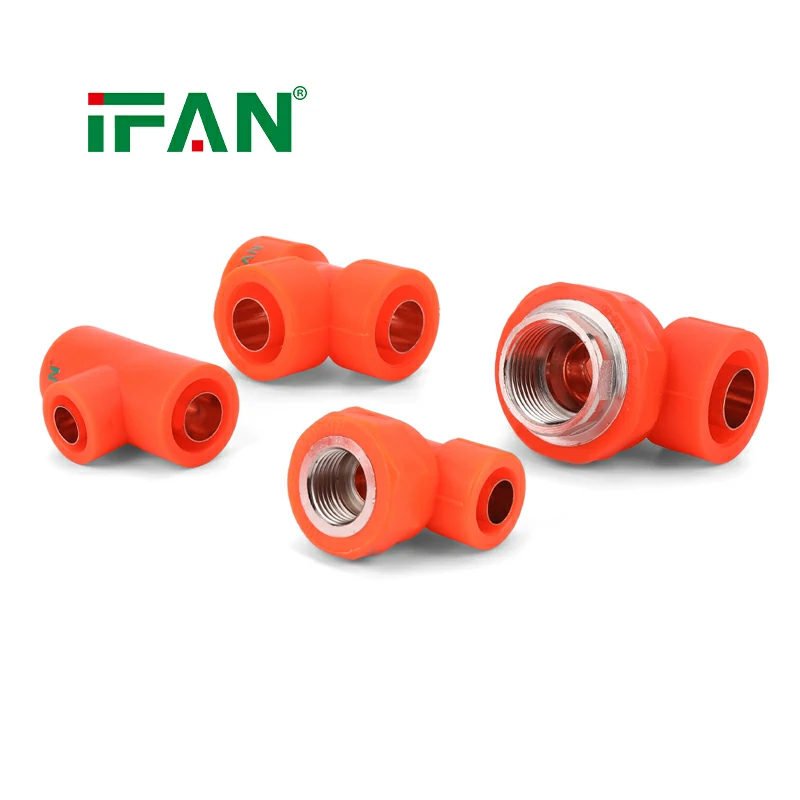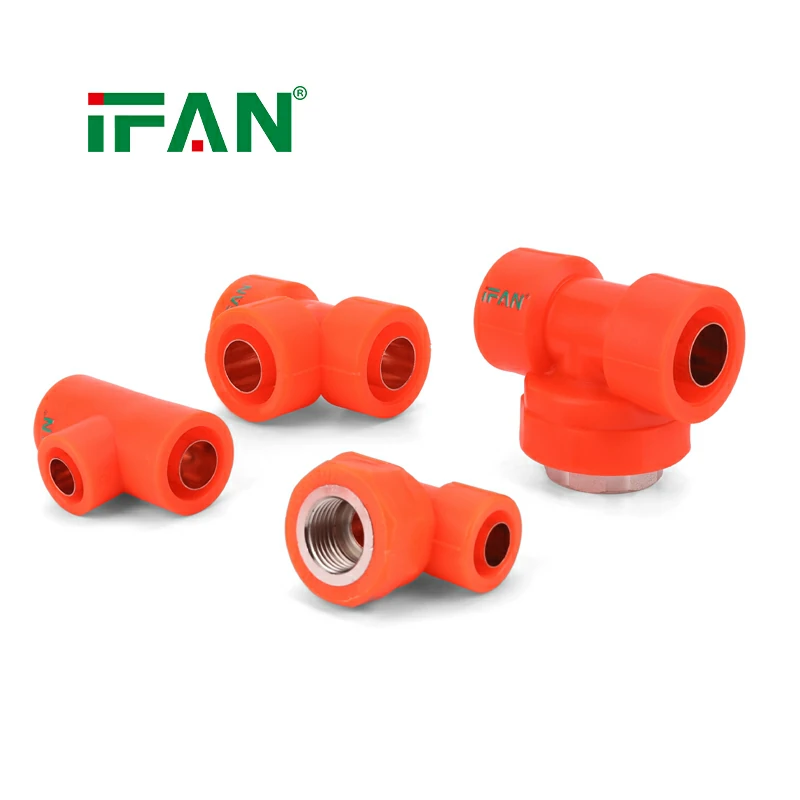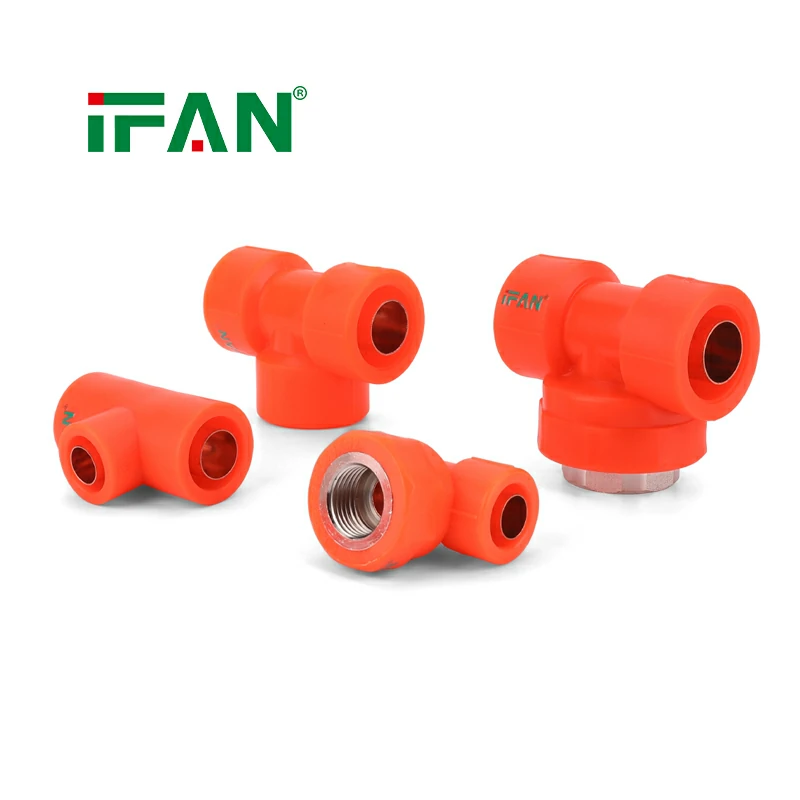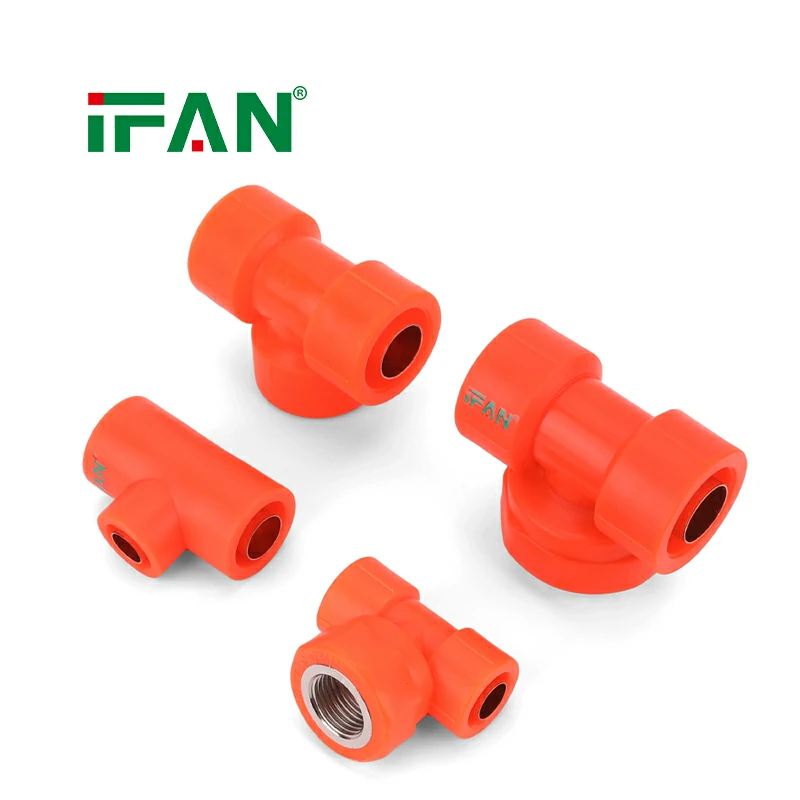

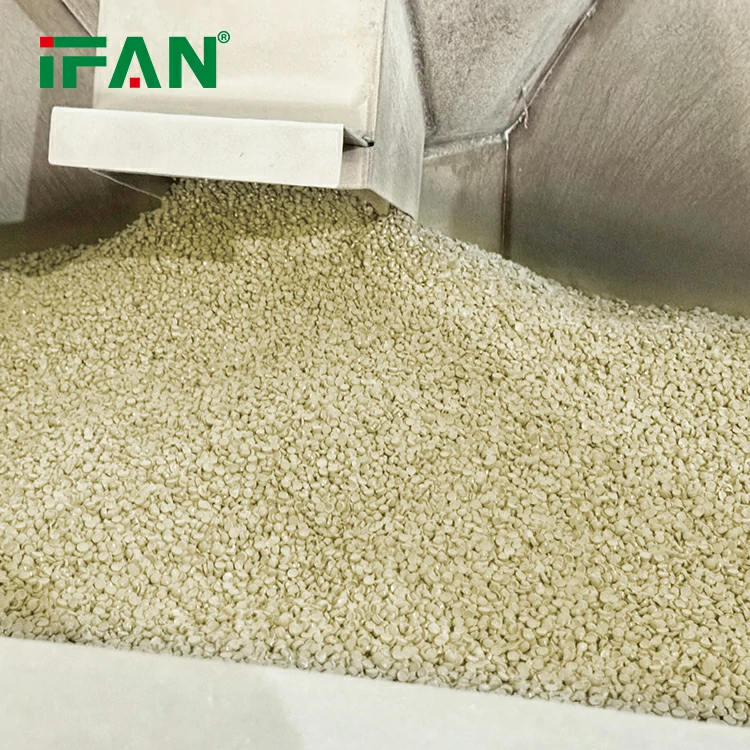
Introduction to CPVC Pipe Fittings
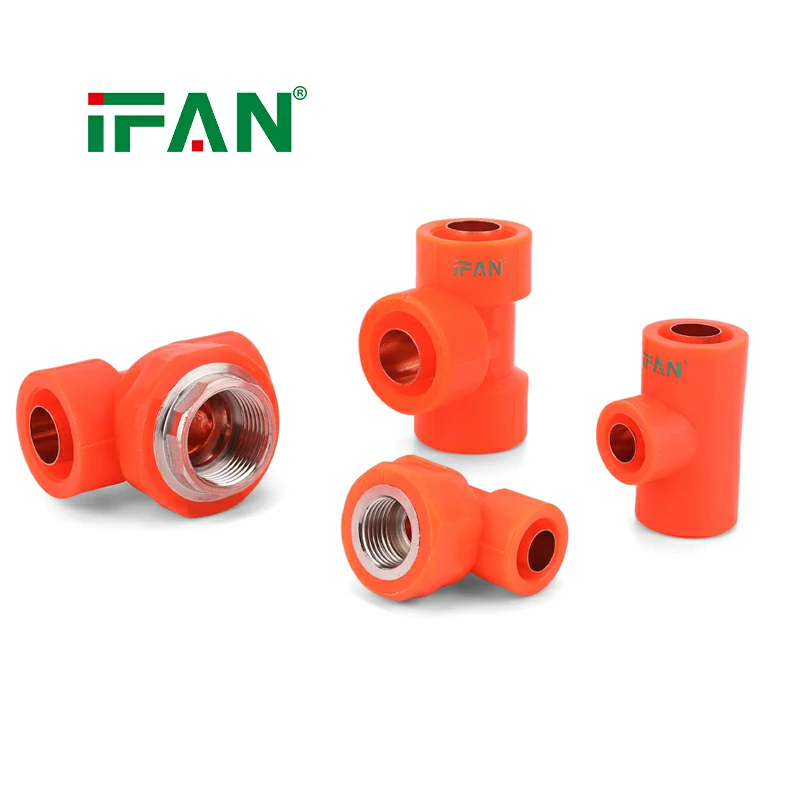
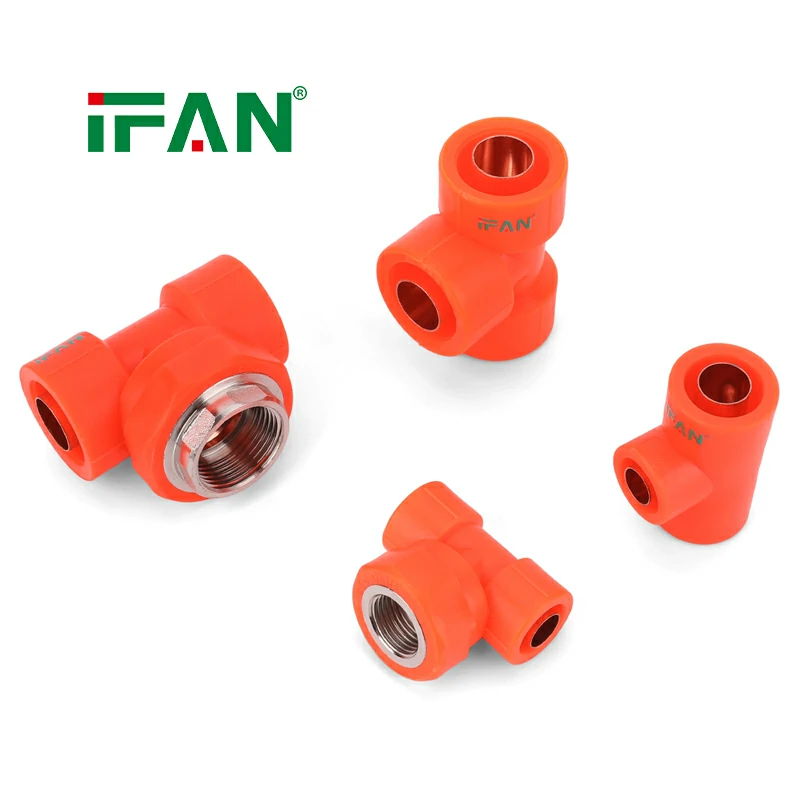
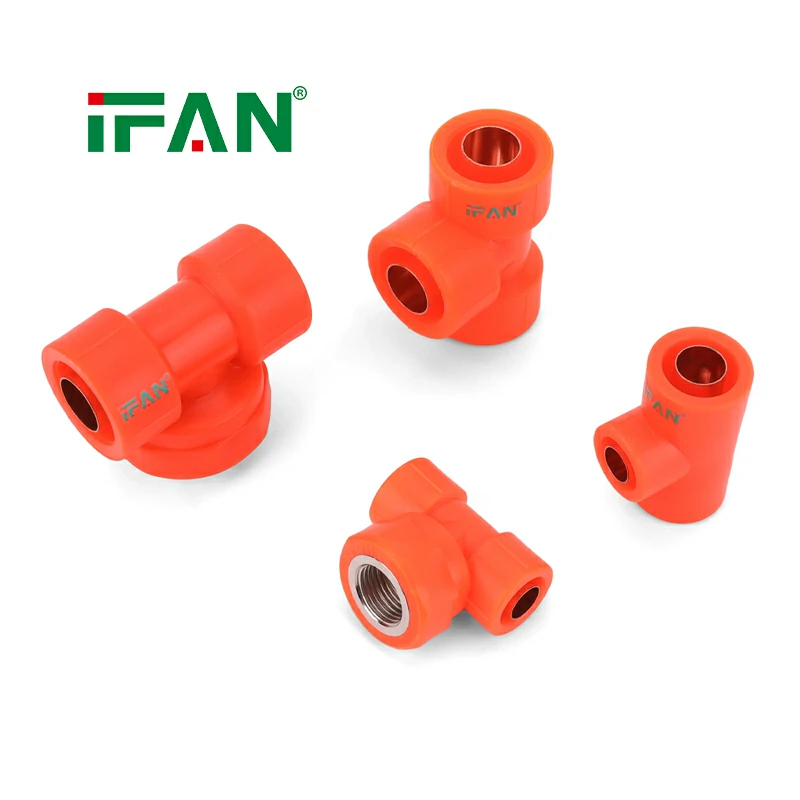
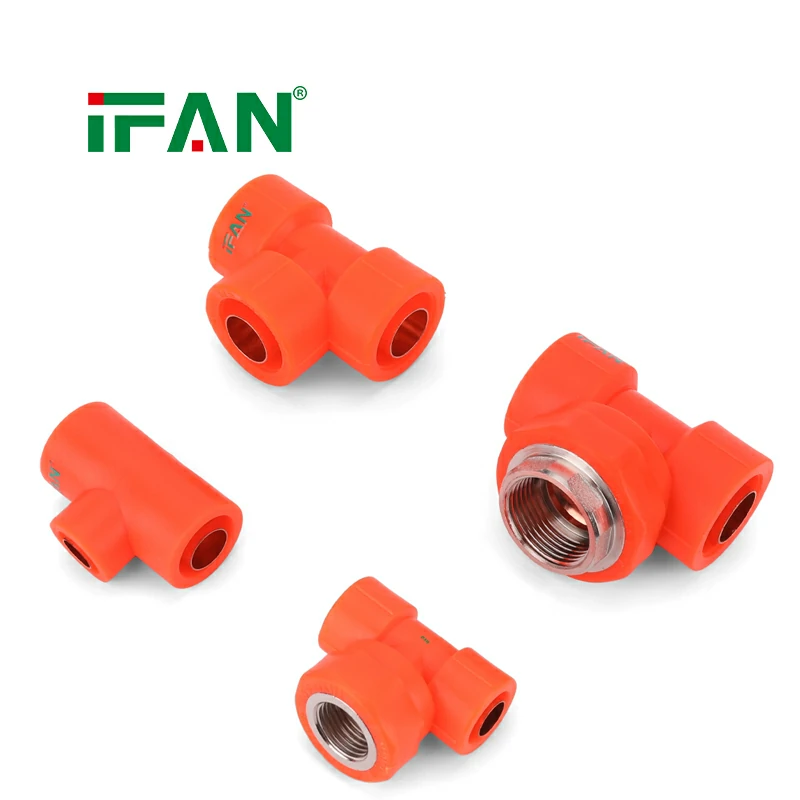
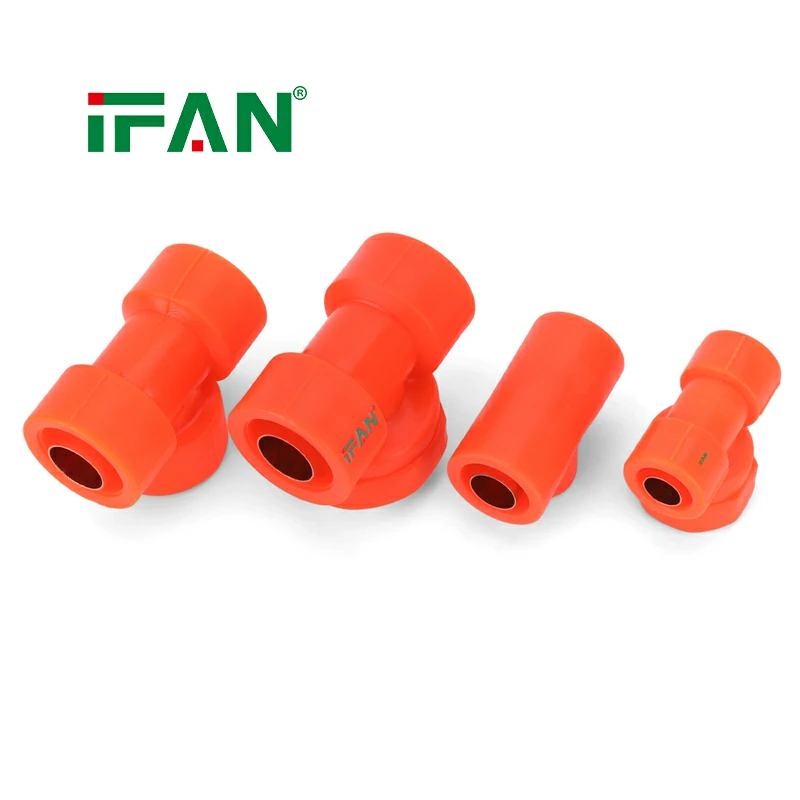
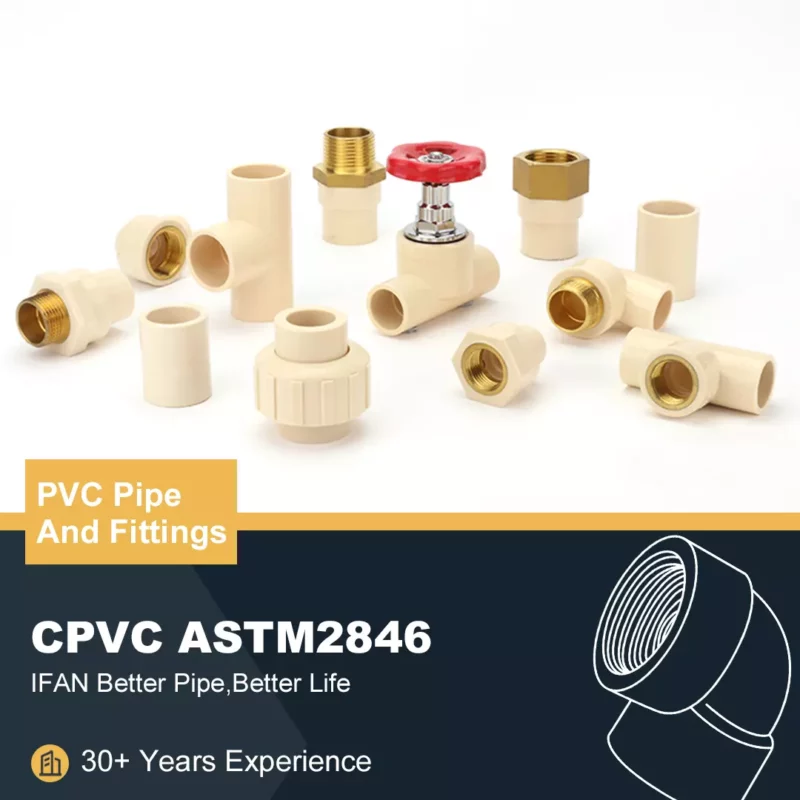
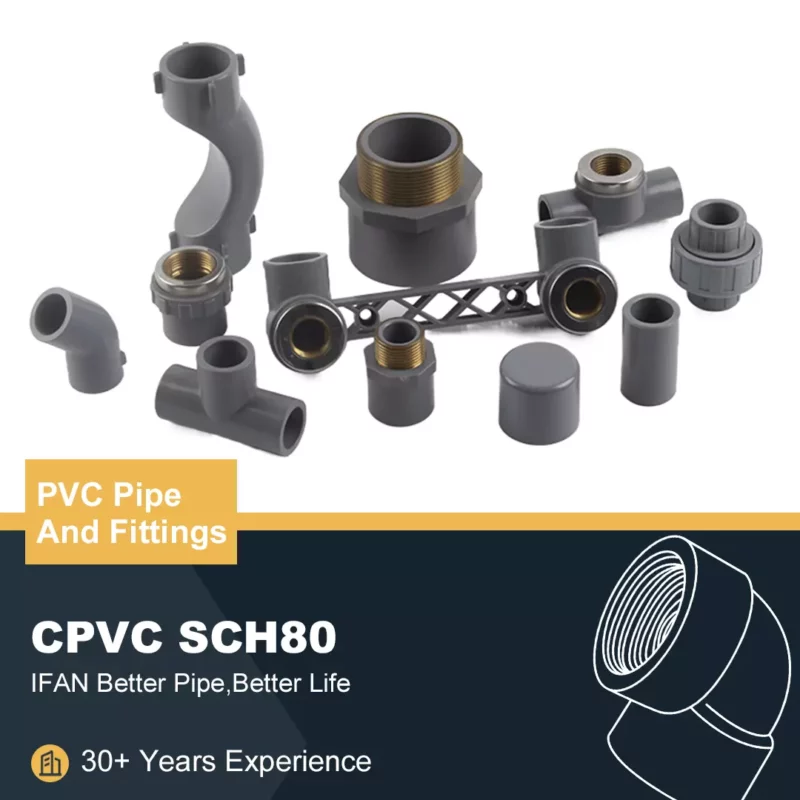
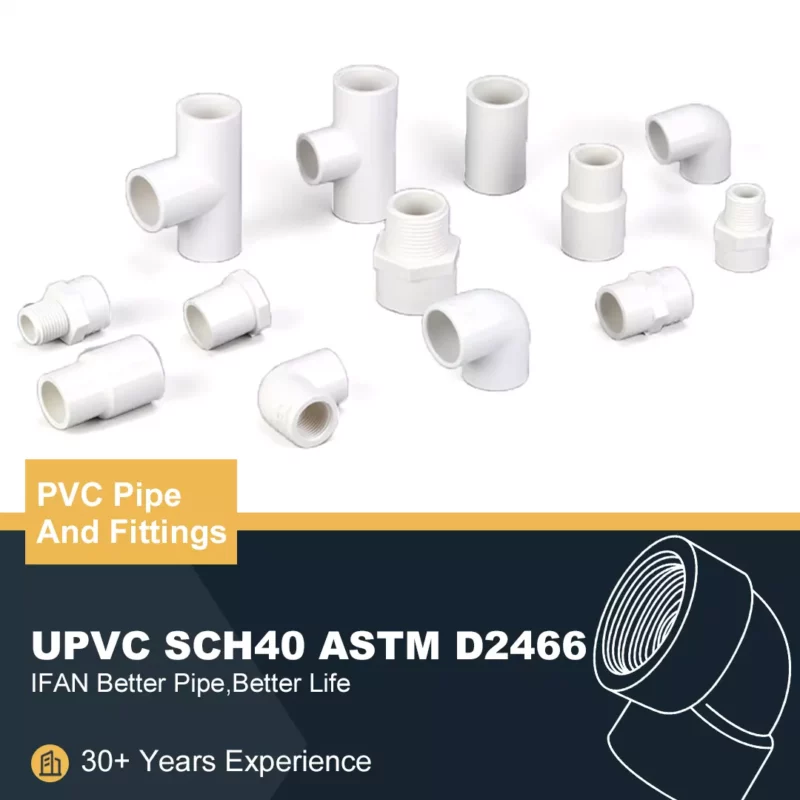
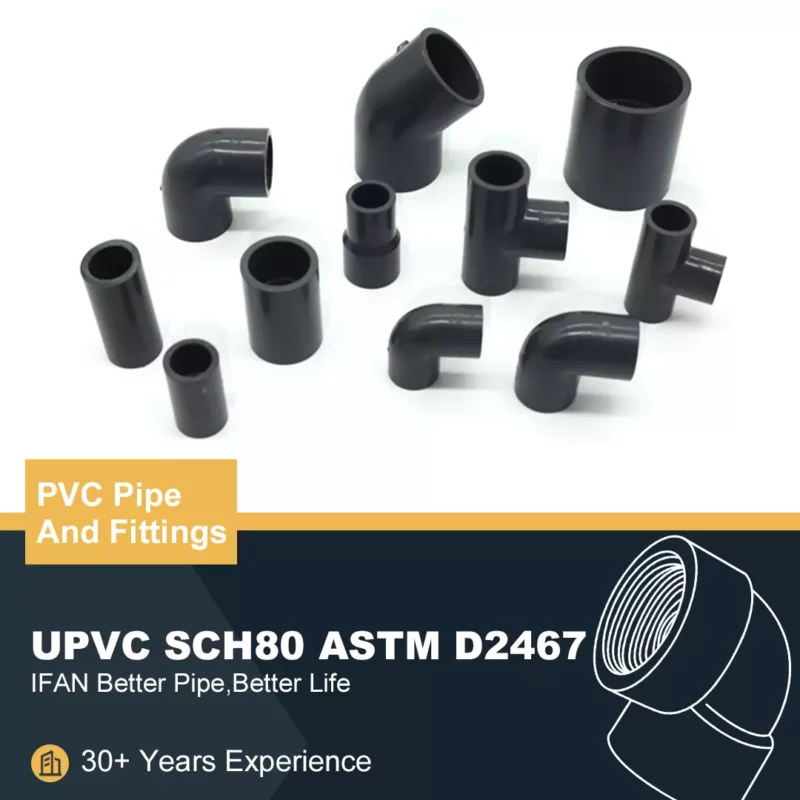
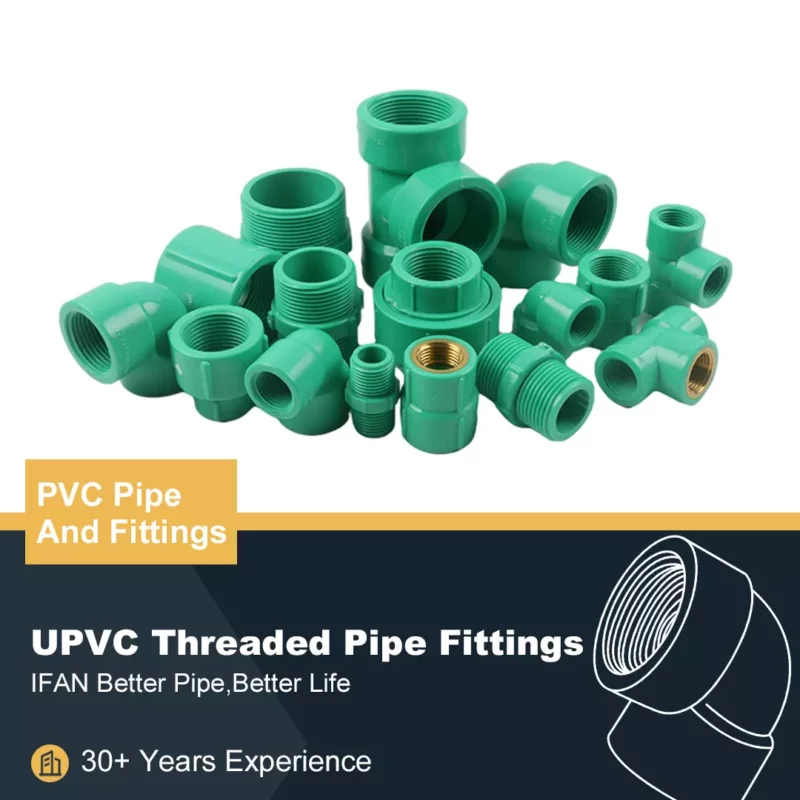
CPVC pipe fittings are essential components in plumbing and industrial systems. Made from chlorinated polyvinyl chloride, these fittings are known for their strength and versatility. They connect CPVC pipes and help control fluid flow in residential, commercial, and industrial setups. One of the main advantages of CPVC pipe fittings is their excellent chemical resistance. They do not degrade easily when exposed to harsh substances. This makes them ideal for applications involving aggressive chemicals or treated water. CPVC pipe fittings are widely used in hot and cold water systems, chemical processing, and laboratory setups. Their durability, low maintenance, and safe handling properties make them a preferred choice in many industries.
Why Chemical Resistance Matters
Chemical resistance is critical in systems that transport corrosive or reactive fluids. Pipes and fittings must remain stable under constant exposure to harsh substances. If materials are not resistant, they may degrade, leak, or even fail completely. This could lead to contamination, system damage, or safety hazards. CPVC pipe fittings offer exceptional resistance to acids, bases, salts, and chlorinated water. This resistance helps ensure a safe and reliable fluid system. It also reduces maintenance and replacement costs over time. Choosing chemically resistant fittings like CPVC helps maintain water quality, prevent corrosion, and extend system life.
How CPVC Pipe Fittings Resist Chemicals
CPVC pipe fittings are manufactured with a chemical structure that resists attack from most common industrial chemicals. The chlorine added during the manufacturing process strengthens the polymer and increases its resistance to degradation. CPVC fittings are not affected by chlorine, chloramines, or other disinfectants used in water treatment. They also resist damage from acids like hydrochloric acid, sulfuric acid, and nitric acid. Even alkaline solutions such as sodium hydroxide do not affect CPVC. These properties make CPVC pipe fittings an excellent choice for both water treatment plants and chemical factories. Their stable performance under chemical exposure ensures system integrity and safety.
Applications in Industrial and Commercial Settings
CPVC pipe fittings are used across various industries due to their resistance to chemicals. In chemical manufacturing plants, CPVC fittings transport acids, bases, and solvents safely. In water treatment facilities, they handle chlorinated water without corroding. Food and beverage factories use CPVC pipe fittings for sanitary fluid transfer. Pharmaceutical industries rely on CPVC for clean and chemically stable piping systems. Laboratories and research facilities use CPVC for handling reactive substances without contamination. CPVC is also common in agricultural irrigation systems where fertilizers and chemicals are applied through the water supply. The versatility of CPVC in handling diverse chemicals makes it an ideal material in these demanding environments.
Advantages Over Metal and Other Plastics
When compared to metal fittings, CPVC pipe fitting provide superior chemical resistance and cost-effectiveness. Metal pipes may corrode or react with acidic or alkaline fluids. This can lead to leaks, contamination, and expensive repairs. CPVC, on the other hand, is immune to most corrosive reactions. It does not require protective coatings or special treatments. Compared to other plastics like PVC or PEX, CPVC offers higher temperature and chemical resistance. PEX is flexible but less suitable for chemical handling. PVC can’t handle high heat and strong chemicals. CPVC pipe fitting combine the advantages of both chemical and thermal durability, making them a smart long-term solution.
Temperature and Pressure Stability
CPVC pipe fitting are not only chemically resistant but also perform well under varying temperatures and pressures. They can operate in environments up to 200°F (93°C) without losing integrity. This is especially important in systems that carry both hot fluids and chemicals. CPVC fittings retain their shape and strength even under thermal stress. They do not become brittle or soft when exposed to heat. They are also tested to withstand high-pressure applications commonly found in industrial systems. This dual resistance to temperature and pressure enhances the overall chemical resistance of the system. It ensures long-lasting performance in harsh operating conditions.
Easy Installation and Maintenance
CPVC pipe fittings are simple to install and maintain, even in complex chemical systems. They can be joined using solvent cement, which creates a permanent, leak-proof bond. No welding or specialized tools are needed, which reduces labor costs and installation time. The fittings are lightweight and easy to handle, making them convenient for retrofits and repairs. CPVC systems require less maintenance than metal or less resistant plastics. Because they don’t corrode or scale, inspections and cleaning are minimal. The ease of installation and low maintenance needs make CPVC pipe fitting highly desirable in chemical-resistant applications.
Environmental and Health Safety Benefits
CPVC pipe fitting are a safe choice for transporting chemicals in environments where human health and environmental protection are priorities. CPVC is non-toxic and does not release harmful substances into fluids under normal use. It meets safety standards for potable water and other sensitive applications. CPVC does not support microbial growth, making it ideal for clean water systems. Its chemical resistance also means fewer leaks and spills, which helps protect the environment. When installed and used properly, CPVC pipe fittings provide a safe and secure solution for chemical transport in critical facilities such as hospitals, laboratories, and cleanrooms.
Regulatory Compliance and Industry Standards
CPVC pipe fittings are manufactured to comply with international plumbing and industrial standards. They are certified by organizations such as NSF, ASTM, and ISO. These certifications ensure that the material can handle specific chemical exposure and temperature conditions. CPVC pipe fittings used in potable water systems meet health and safety regulations. In industrial settings, compliance ensures safe operation under high chemical loads. By using certified CPVC products, facility managers can be confident in the material’s performance. This regulatory compliance supports broader goals like system reliability, personnel safety, and environmental protection in chemically intensive environments.
Long-Term Performance and Cost Efficiency
Investing in CPVC pipe fittings brings long-term value to chemical-handling systems. Their resistance to chemical attack significantly extends the life of the piping system. Reduced maintenance needs lead to lower long-term costs. The material does not need coatings, linings, or corrosion inhibitors, saving on both material and labor. Downtime caused by system failure is also minimized. When considering installation, maintenance, and replacement costs, CPVC provides excellent return on investment. Its ability to perform reliably for decades makes it a preferred choice for industries focused on performance and cost control. CPVC pipe fittings deliver long-term protection and efficiency in chemically demanding systems.
Conclusion
CPVC pipe fittings are ideal for environments where chemical resistance is critical. Their unique material composition allows them to resist acids, alkalis, disinfectants, and other corrosive substances. They are widely used in industrial, commercial, and residential applications that require safe and long-lasting performance. Compared to metal and other plastics, CPVC offers better value, easier installation, and higher resistance to heat and pressure. These qualities make CPVC pipe fittings the preferred solution for chemically aggressive systems. For anyone seeking durability, safety, and reliability in fluid handling, CPVC pipe fittings are a smart and dependable choice.
If you have read this article and have any questions, please feel free to contact IFAN. Below is our contact information:
Whatsapp:+86 13373827623
Email:[email protected]