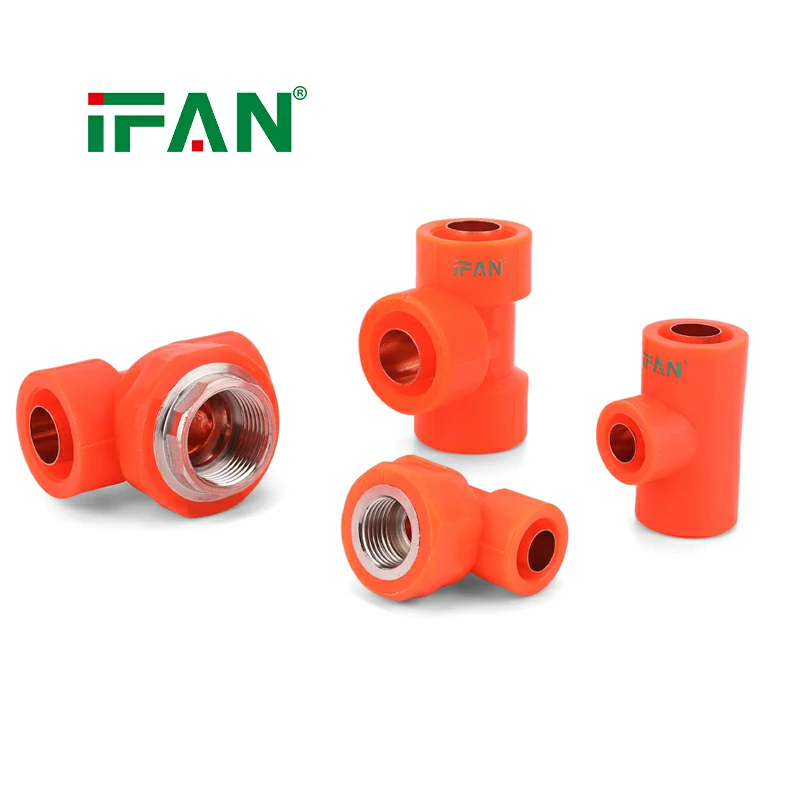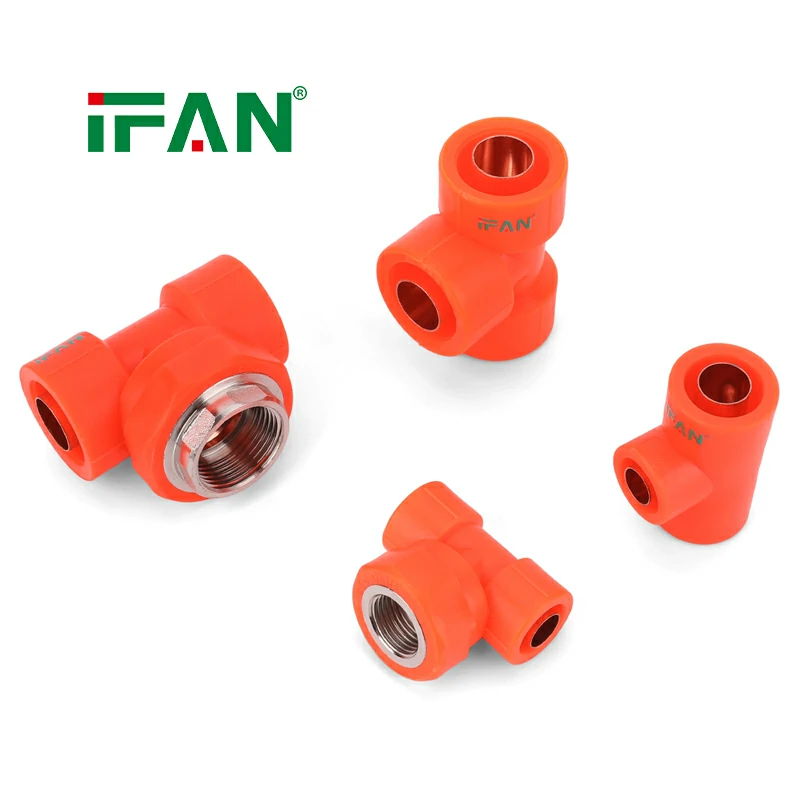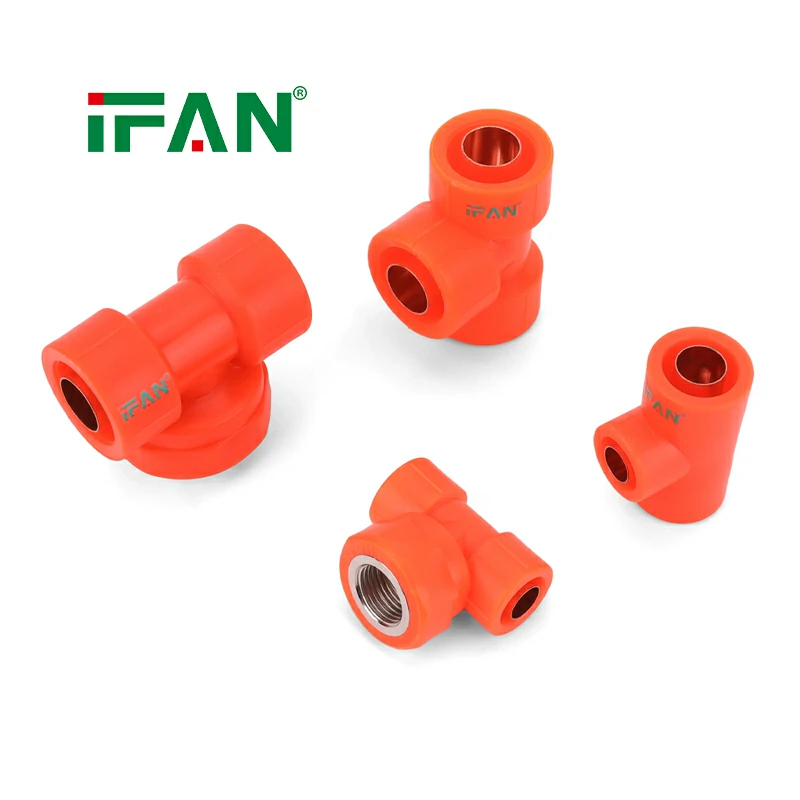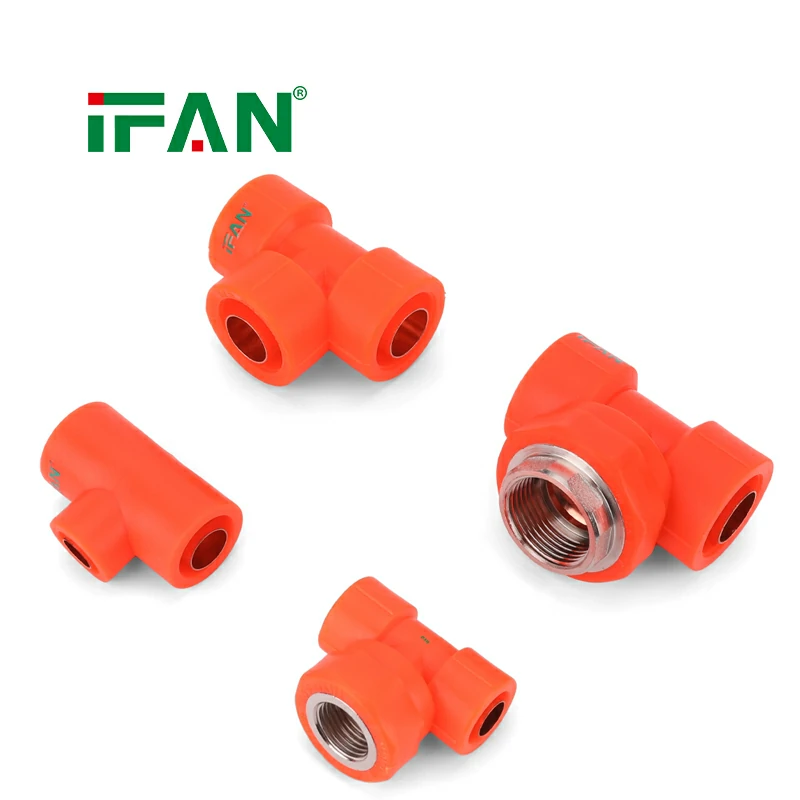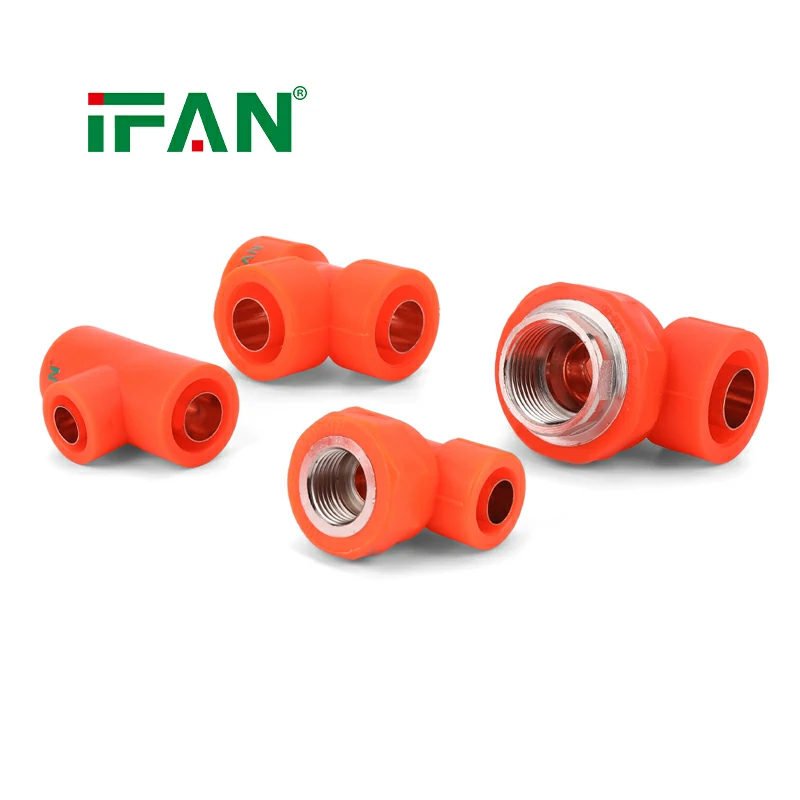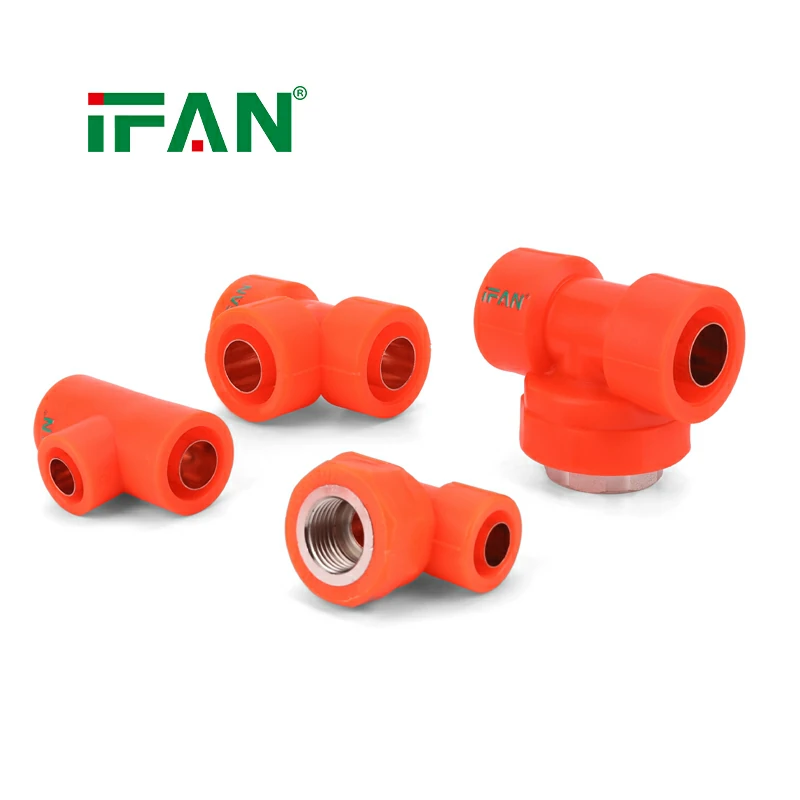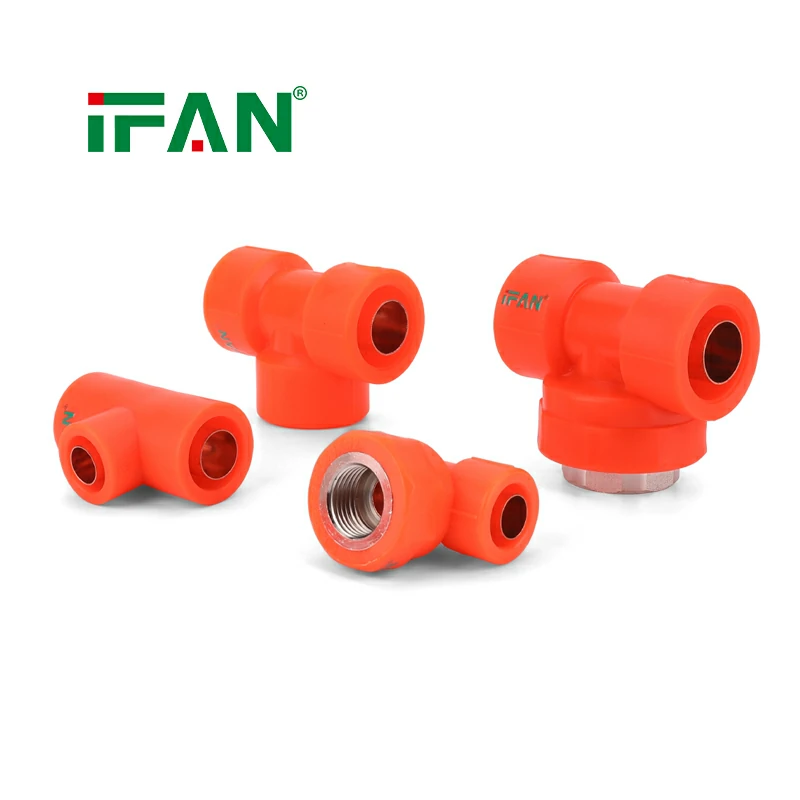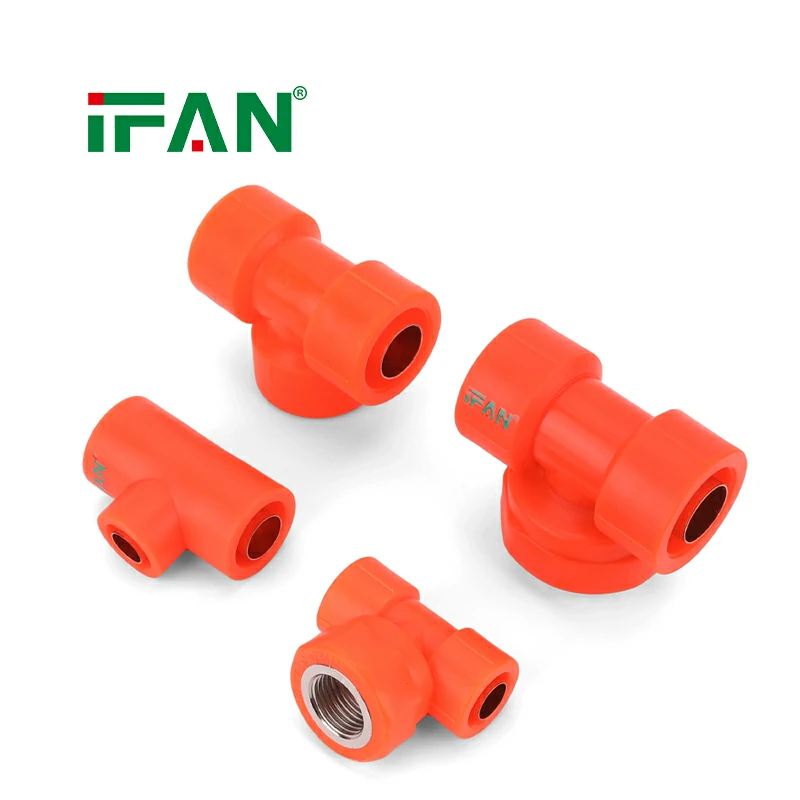
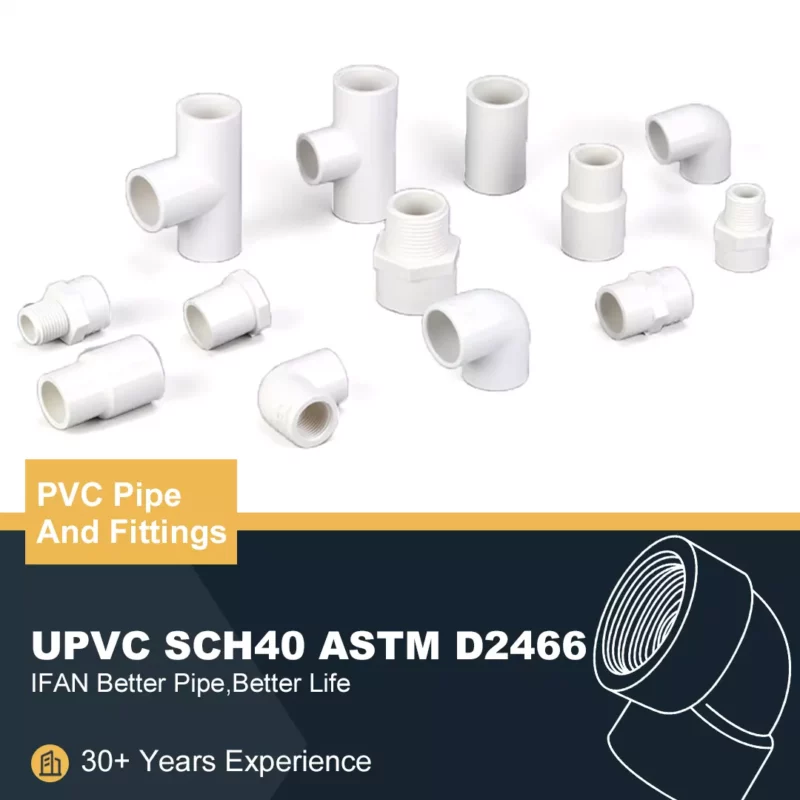
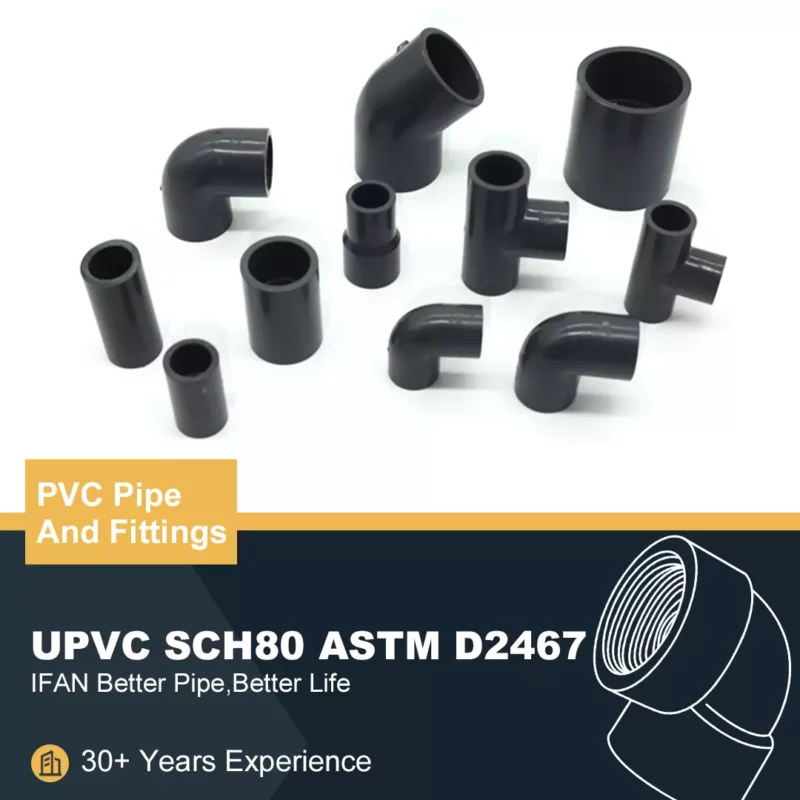
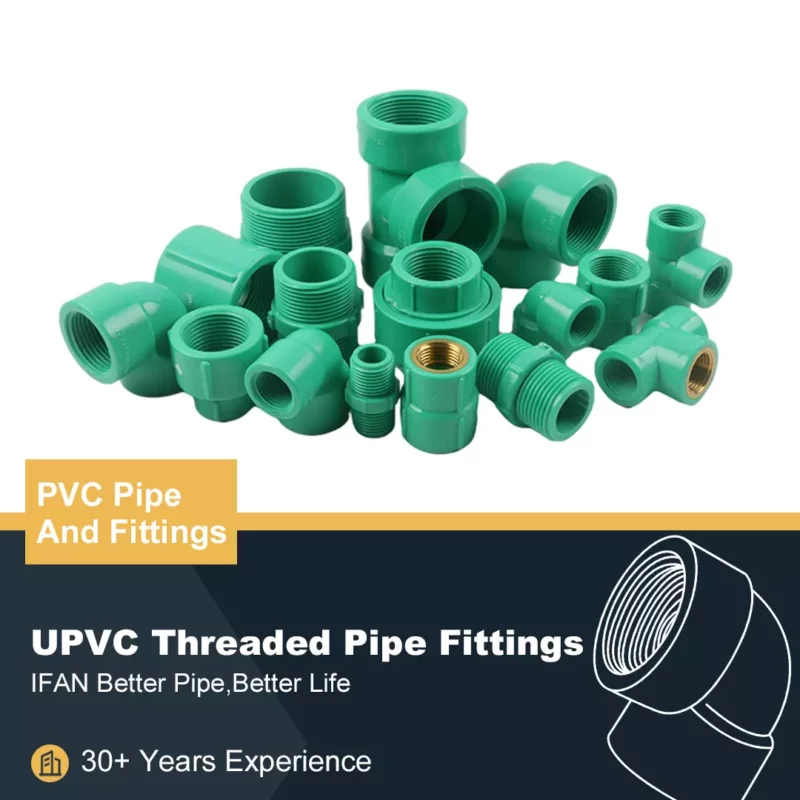


Understanding CPVC Pipe Fittings
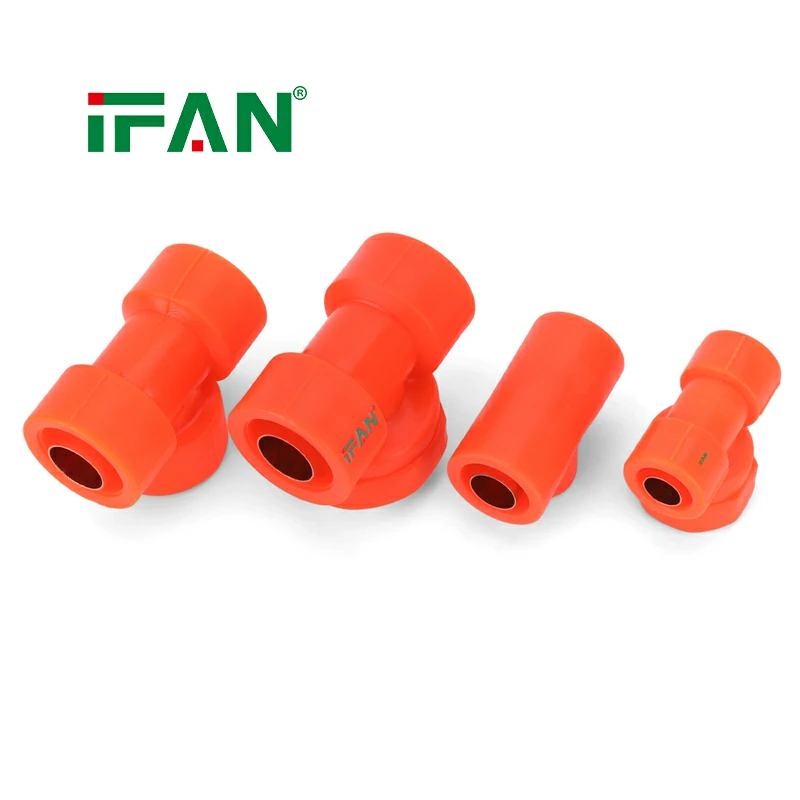
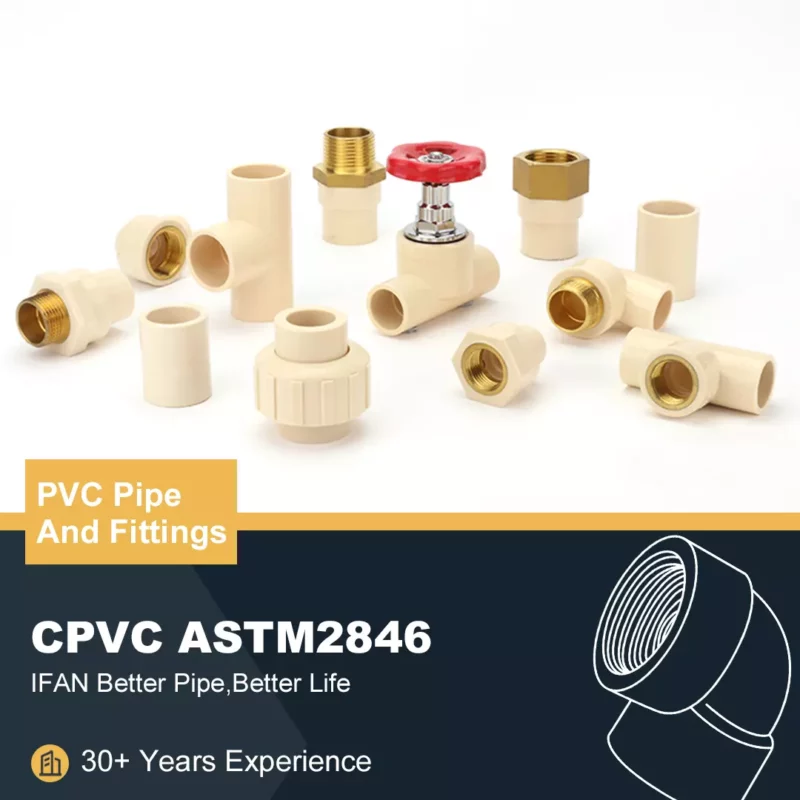
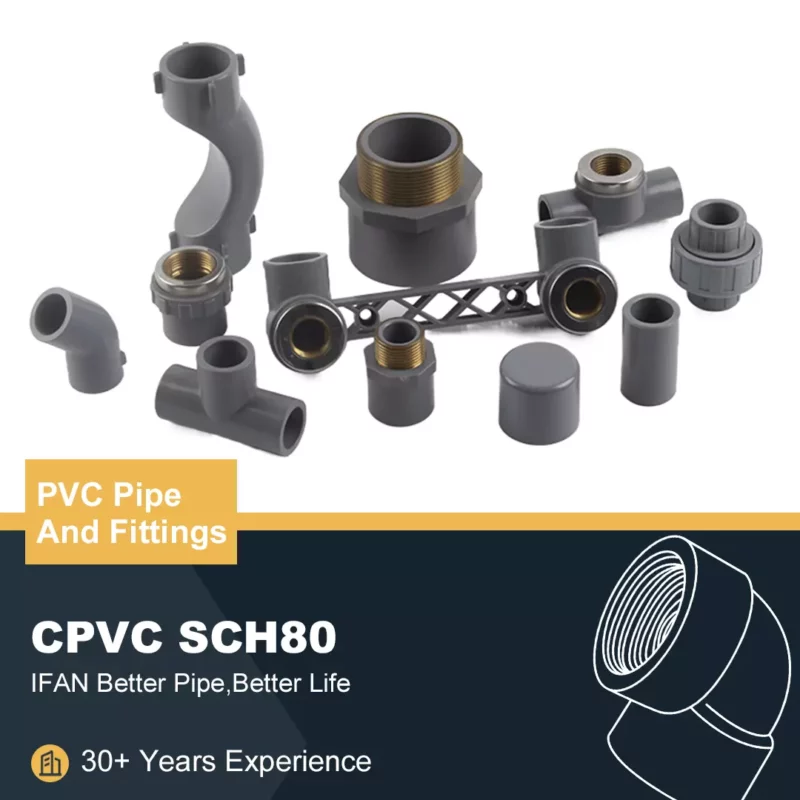
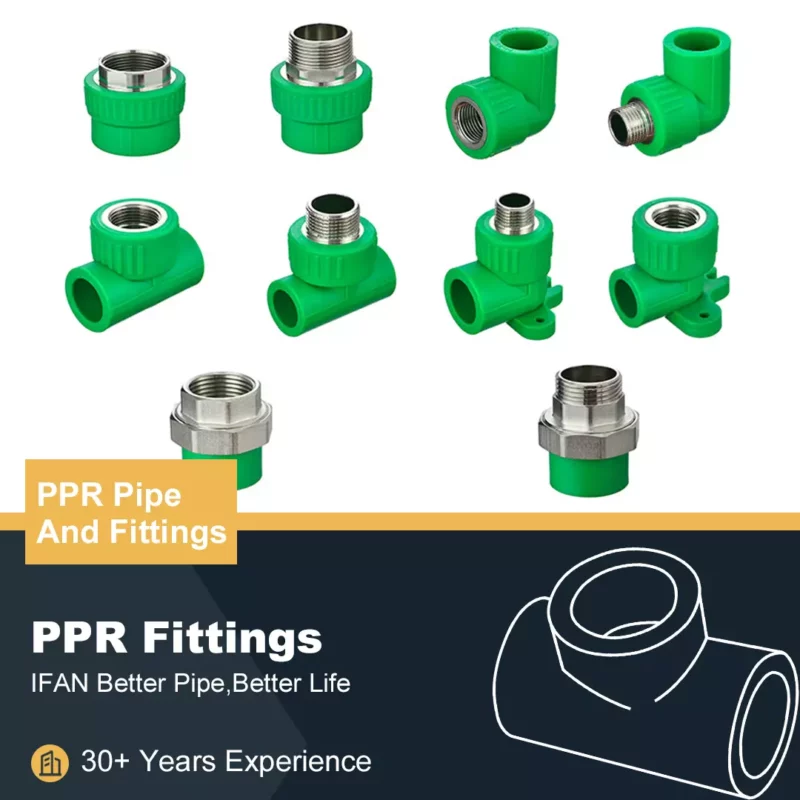
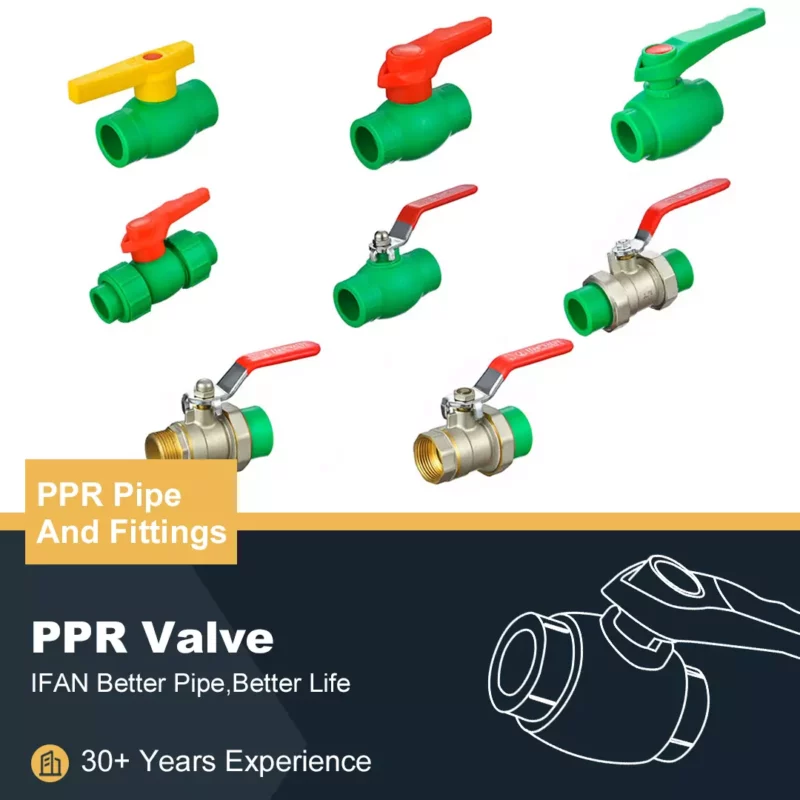
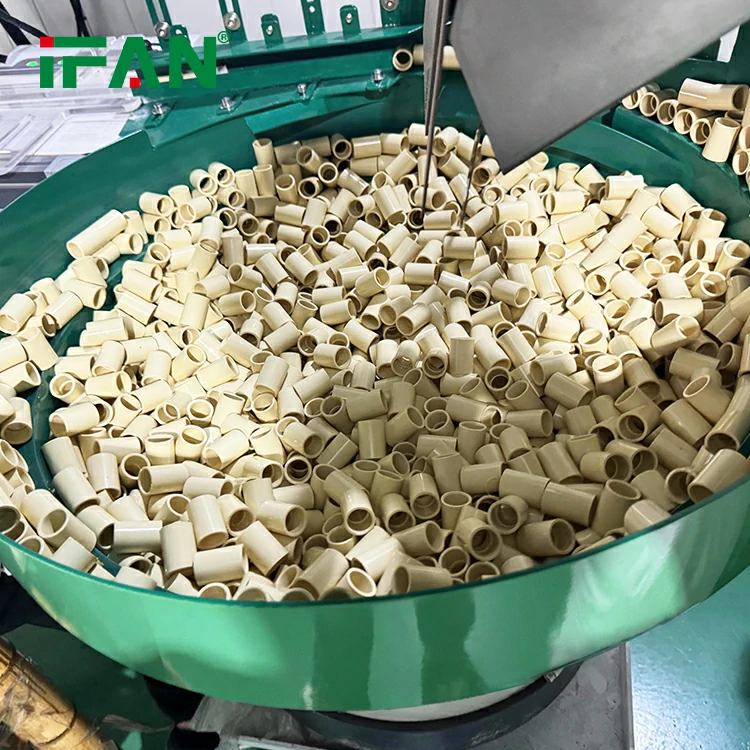
CPVC pipe fittings are used to connect and manage the flow within CPVC piping systems. CPVC stands for chlorinated polyvinyl chloride, a durable and heat-resistant thermoplastic. These fittings are designed to perform in both residential and industrial plumbing systems. CPVC pipe fittings are commonly used in hot and cold water supply lines. Their key advantages include chemical resistance, lightweight structure, and easy installation. Most importantly, they can handle high temperatures and pressures. Their strength under stress makes them an excellent choice for demanding environments. From homes to factories, CPVC pipe fittings offer reliability and long-term performance.
Designed for High Temperature Environments
CPVC pipe fittings are specifically engineered to withstand high temperature conditions. They can operate safely at temperatures up to 200°F (93°C). This makes them ideal for hot water plumbing, heating systems, and industrial fluid transport. Unlike PVC, which softens at lower temperatures, CPVC retains its shape and strength. The material structure remains stable even when exposed to continuous hot water. These properties prevent warping, leakage, and breakdown. CPVC pipe fittings are trusted in applications where temperature control is critical. Whether in domestic hot water lines or commercial boilers, CPVC provides dependable, heat-resistant performance.
Pressure Handling Capabilities
In addition to high temperatures, CPVC pipe fittings can also withstand significant internal pressure. Their design allows them to operate under high-pressure conditions without cracking or leaking. CPVC maintains its structural integrity even when water pressure increases. This makes it suitable for use in pressurized hot water systems. It’s commonly found in high-rise buildings, hotels, and hospitals. CPVC fittings are tested and rated to meet industry pressure standards. When installed correctly, they perform safely under both static and dynamic pressures. This ensures long-term functionality in systems that experience fluctuating loads and temperatures.
How CPVC Compares to Other Materials
When choosing plumbing materials, temperature and pressure resistance are key factors. Compared to copper, CPVC pipe fittings are more resistant to corrosion. They also cost less and are easier to install. PEX is flexible but cannot handle the same high temperatures as CPVC. Steel and iron fittings are strong but can rust and are harder to work with. PVC is affordable but not suitable for hot water systems. CPVC provides the best balance of heat resistance, pressure durability, and ease of use. These advantages make CPVC the preferred choice for many professional plumbers and engineers.
Thermal Expansion and Joint Stability
Thermal expansion can affect the durability of any piping system. CPVC pipe fittings have low thermal expansion compared to other plastics. This means they expand and contract less when exposed to temperature changes. As a result, joints remain stable and leak-free over time. Proper installation further enhances the performance of CPVC systems. Solvent cement welding creates strong, permanent bonds between pipes and fittings. These joints resist vibration, pressure changes, and temperature fluctuations. The stability of CPVC pipe fittings under thermal stress helps reduce maintenance costs and increase system life expectancy.
Chemical and Corrosion Resistance
In many systems, hot water carries dissolved chemicals that can degrade metal or low-quality plastic. CPVC pipe fittings are chemically resistant, even at high temperatures. They do not react with chlorine, salts, or minerals in the water. This resistance prevents corrosion and scaling, which can damage fittings and reduce water flow. CPVC is non-reactive to most household and industrial cleaning agents. This makes it suitable for sanitary water systems, hospitals, and laboratories. CPVC pipe fittings help ensure water purity and system cleanliness even under challenging chemical exposure.
Applications in Residential and Commercial Systems
CPVC pipe fittings are widely used in both home and commercial applications. In homes, they supply hot water to kitchens, bathrooms, and laundry rooms. In commercial buildings, they support larger hot water systems with multiple outlets. Hotels, schools, and medical facilities rely on CPVC for reliable plumbing. CPVC pipe fittings are also used in manufacturing and chemical processing industries. Their ability to handle high temperatures and pressures makes them ideal for transporting heated liquids. No matter the application, CPVC offers a dependable solution for long-term system performance.
Ease of Installation Supports System Integrity
Installing CPVC pipe fittings is simple and helps ensure lasting durability. No welding or heavy tools are required. Instead, solvent cement is used to create strong, permanent bonds. This installation method reduces the chances of leaks and joint failure. CPVC fittings are lightweight, which makes handling and alignment easier. Their uniform size and smooth surfaces allow precise connections. The quick installation process saves time and labor costs. Fewer mistakes during installation mean better system integrity and fewer future repairs. The ease of working with CPVC supports its performance under heat and pressure.
Safety and Regulatory Compliance
CPVC pipe fittings meet important safety standards for hot water systems. They are certified for use in potable water supply lines. CPVC materials do not leach harmful substances into drinking water. The fittings are also resistant to microbial growth, ensuring safe and hygienic conditions. CPVC complies with international plumbing codes and building regulations. This makes it suitable for use in sensitive environments like hospitals and schools. CPVC’s stability under pressure and heat makes it a safe option for long-term installations. Proper installation ensures compliance and maximizes safety throughout the system’s lifetime.
Long-Term Benefits and Cost Savings
Using CPVC pipe fittings in high-temperature systems offers long-term advantages. Their resistance to heat and pressure reduces the need for repairs. CPVC systems require minimal maintenance over their lifespan. This leads to lower ownership costs and fewer service disruptions. Their affordability, combined with long-lasting performance, provides excellent return on investment. CPVC is available in many sizes and configurations, making it adaptable to any system. With its proven performance and durability, CPVC remains a smart choice for both new builds and renovations. It delivers reliable results where high temperature and pressure resistance is critical.
Conclusion
CPVC pipe fittings are built to handle high temperature and pressure with ease. Their superior resistance to heat, chemical exposure, and internal stress makes them ideal for demanding plumbing systems. Compared to other materials, CPVC offers better performance at a lower cost. Whether in residential, commercial, or industrial applications, CPVC ensures long-lasting and safe water delivery. With simple installation and reliable durability, CPVC pipe fittings are a top choice for modern plumbing solutions. Choosing CPVC means choosing efficiency, reliability, and peace of mind for years to come.
If you have read this article and have any questions, please feel free to contact IFAN. Below is our contact information:
Whatsapp:+86 13373827623
Email:[email protected]